

Overview of Languages in Nigeria
Nigeria is a linguistically diverse country with over 500 languages spoken across its regions. These languages belong to several language families, including Niger-Congo, Afro-Asiatic, and Nilo-Saharan. Among the most prominent languages are Hausa, Yoruba, Igbo, and Fulfulde, which serve as regional lingua francas and are widely spoken. English is the official language, used in government, education, and official communications, reflecting Nigeria’s colonial history. In addition to these major languages, numerous indigenous languages are spoken by local communities, contributing to Nigeria’s rich cultural and linguistic tapestry.
Major Languages Spoken in Nigeria
Nigeria is a linguistically diverse country, home to numerous languages spoken by its various ethnic groups. With over 500 languages documented, the nation showcases a rich tapestry of linguistic heritage. Among these, some languages are more widely spoken and hold official status, reflecting Nigeria’s complex cultural mosaic. Understanding the major languages spoken in Nigeria offers valuable insight into the country’s social and cultural fabric.
Hausa
Nigeria is a multilingual country with a rich diversity of languages spoken across its regions. Among the many languages, Hausa is one of the major languages widely spoken in Nigeria, especially in the northern parts of the country. It serves as a lingua franca in northern Nigeria and is spoken by millions of people as both a first and second language. Hausa belongs to the Chadic branch of the Afroasiatic language family and has a rich oral and written tradition. Its significance extends beyond Nigeria, as it is also spoken in neighboring countries such as Niger, Ghana, and Cameroon. The use of Hausa in trade, media, and education underscores its importance in Nigeria’s cultural and social landscape.
Yoruba
Nigeria is a linguistically diverse country with a rich tapestry of languages spoken across its regions. One of the major languages in Nigeria is Yoruba, which holds cultural and historical significance, particularly in the southwestern parts of the country.
- Yoruba is one of the three largest ethnic groups in Nigeria.
- It is spoken by over 20 million people as a first language and many more as a second language.
- The language has a rich oral tradition, including proverbs, stories, and ceremonies.
- Yoruba functions as a lingua franca in some regions and is also used in media, education, and religion.
- There are various dialects within Yoruba, reflecting the diverse communities that speak it.
Igbo
Nigeria is a linguistically diverse country with numerous languages spoken across its regions. Among these languages, Igbo is one of the major languages, primarily spoken in the southeastern part of Nigeria.
- Igbo is part of the Volta-Niger branch of the Niger-Congo language family.
- It is spoken by an estimated 24 million people, making it one of the most widely spoken indigenous languages in Nigeria.
- Igbo serves as a cultural and linguistic identity for the Igbo people, who are predominantly located in states such as Anambra, Imo, Abia, Ebonyi, and Enugu.
- Besides Nigeria, Igbo is also spoken in communities abroad due to migration and the Nigerian diaspora.
- The language has several dialects, but the standard written form is based on the Central Igbo dialect.
Official Language
The official language of Nigeria is English, which serves as a unifying medium for government, education, and official communication across the diverse linguistic landscape of the country. As a former British colony, Nigeria adopted English to promote national integration and facilitate administrative functions. Despite the multitude of indigenous languages spoken throughout Nigeria, English remains the official language used in formal settings and is an important symbol of national identity and unity.
English and its Role in Nigeria
English is the official language of Nigeria and plays a vital role in the country’s communication, administration, and education systems. As a colonial legacy, it serves as a unifying medium among Nigeria’s diverse ethnic groups and languages. English is used in government operations, legal matters, and the media, facilitating national cohesion and efficient governance. Additionally, it is the language of instruction in schools, preparing Nigerian students for participation in global commerce and diplomacy. Despite the multitude of indigenous languages spoken across Nigeria, English remains the dominant lingua franca that connects the various cultures within the nation.
Regional and Indigenous Languages
Nigeria is a vibrant country renowned for its rich cultural diversity and linguistic heritage. With over 500 indigenous languages spoken across its regions, the country exemplifies the importance of regional and indigenous languages in maintaining cultural identity and preserving history. These languages play a crucial role in community life, traditions, and everyday communication, reflecting Nigeria’s unique and dynamic cultural landscape.
Aside from the Major Languages
Nigeria is a country rich in linguistic diversity, with over 500 indigenous languages spoken across its various regions. Aside from the major languages like Hausa, Yoruba, and Igbo, numerous regional and indigenous languages are vital to the cultural identity of many communities. Languages such as Kanuri, Tiv, Edo, Ibibio, and Ijaw are spoken by significant populations and play a crucial role in sustaining local traditions and oral histories. Many of these languages are used in everyday communication, traditional ceremonies, and local governance, ensuring their persistence despite the dominance of major languages. Efforts to preserve and promote these regional languages are essential for maintaining Nigeria’s rich cultural mosaic and linguistic heritage.
Other Prominent Languages
Nigeria is a multilingual country with a rich tapestry of languages spoken across its regions. Regional and Indigenous Languages play a vital role in the cultural identity of various ethnic groups, including Hausa, Yoruba, Igbo, and Kanuri. These languages are traditionally used in everyday communication, local governance, and cultural practices, maintaining their significance despite the influence of official languages. Apart from indigenous dialects, Nigeria is also home to Other Prominent Languages such as English, which serves as the official language and is widely used in government, education, and media. This linguistic diversity reflects Nigeria’s vibrant heritage and the complex social fabric of its population.
Language Distribution and Demographics
Language distribution and demographics in Nigeria reflect a rich tapestry of cultural diversity, with hundreds of languages spoken across the country. Nigeria is home to numerous ethnic groups, each with its own unique linguistic heritage, contributing to a vibrant mosaic of dialects and languages. Understanding this linguistic landscape is essential to appreciating Nigeria’s cultural complexity and social dynamics.
Geographical Spread of Languages
Nigeria is a linguistically diverse country, featuring a rich tapestry of languages spoken across its regions. The country is home to over 520 languages, reflecting the complex cultural and ethnic composition of its population. Major indigenous languages include Hausa, Yoruba, Igbo, and Fula, which have significant speaker bases within their respective communities. English, as the official language, is widely used in government, education, and formal communication, serving as a unifying language among Nigeria’s diverse ethnic groups.

The geographical spread of languages in Nigeria varies considerably. Hausa is predominantly spoken in the northern regions, particularly in states like Kano, Kaduna, and Sokoto. Yoruba is mainly concentrated in the southwestern areas, including Lagos, Ogun, and Osun states. Igbo is primarily spoken in southeastern Nigeria, encompassing states such as Anambra, Imo, and Enugu. Other regional languages, like Kanuri in the northeast and Tiv in the central parts, also contribute to the linguistic mosaic. English functions as the lingua franca, facilitating communication across different ethnic groups and regions, especially in urban centers and official contexts.
Language Speakers Demographics
Nigeria is a linguistically diverse country with a rich mosaic of languages spoken across its regions. The distribution of languages and their speakers reflects the country’s complex ethnic composition and cultural heritage.
- Hausa is predominantly spoken in the northern regions of Nigeria and serves as a lingua franca in West Africa.
- Yoruba is widely spoken in southwestern Nigeria, especially among the Yoruba ethnic group, and has millions of speakers both within and outside Nigeria.
- Igbo is mainly spoken in southeastern Nigeria, with a large number of speakers belonging to the Igbo ethnic community.
- Kanuri, Tiv, and Ibibio are among other major indigenous languages spoken by significant populations in various parts of Nigeria.
- English is the official language of Nigeria, used extensively in government, education, and media, with a growing number of speakers as a second language nationwide.
Language Policies and Education
Language policies and education play a crucial role in shaping the linguistic landscape of Nigeria, a country renowned for its linguistic diversity. With over 500 languages spoken across regions, Nigeria’s approach to language inclusion and instruction significantly impacts national unity, cultural preservation, and educational development. Understanding how language policies are implemented within the educational system offers insight into the country’s efforts to promote multilingualism while fostering a cohesive society.
Language in the Nigerian Educational System
Language policies and education in Nigeria play a crucial role in shaping the country’s diverse linguistic landscape. Nigeria is home to over 500 indigenous languages, with three major languages—Hausa, Yoruba, and Igbo—serving as regional lingua francas. The Nigerian educational system officially recognizes English as the medium of instruction, which was inherited from colonial rule, aiming to unify the diverse population under a common language. However, this policy affects the development and preservation of local languages, leading to concerns about language erosion. In recent years, there has been a growing movement to incorporate indigenous languages into the school curriculum to promote cultural identity and linguistic diversity. The challenge remains to balance the promotion of a unified national language with the preservation of Nigeria’s rich array of local languages, ensuring inclusive and culturally relevant education for all citizens.
Government Language Policies
Nigeria is a linguistically diverse country with a complex history of language policies and government initiatives aimed at managing its multitude of languages. These policies significantly influence education systems and social integration across the nation. Recognizing the importance of both indigenous languages and English, the government has implemented strategies to promote linguistic unity while preserving cultural heritage.
- The official language of Nigeria is English, which is used in government, official communication, and formal education settings. This policy was established during the colonial period and has continued to play a central role in national administration.
- Nigeria recognizes over 500 indigenous languages, but only a few are officially promoted within the educational system, such as Hausa, Yoruba, and Igbo, reflecting their demographic prominence.
- In primary education, many states incorporate local languages as medium of instruction in the early years to enhance learning and cultural retention, transitioning to English in later years.
- The government periodically reviews language policies to balance the promotion of indigenous languages with the need for national and international communication through English.
- Language policies aim to foster national unity, cultural pride, and improve educational access, but challenges remain due to regional disparities and linguistic diversity.
Cultural Significance of Languages
Languages hold a vital place in shaping the cultural identity and heritage of Nigeria. With its diverse ethnic groups, Nigeria boasts a rich tapestry of languages that reflect the history, traditions, and values of its people. These languages serve not only as means of communication but also as symbols of community belonging and cultural pride, playing a crucial role in preserving Nigeria’s vibrant and multifaceted cultural landscape.
Languages and Identity
The languages spoken in Nigeria hold tremendous cultural significance, acting as vital markers of identity and heritage for the diverse ethnic groups across the country. Each language embodies unique traditions, beliefs, and histories, serving as a conduit for preserving ancestral knowledge and practices. In Nigeria, languages such as Yoruba, Igbo, Hausa, and hundreds of other indigenous dialects foster a sense of belonging and cultural pride among their speakers. They also facilitate intergenerational communication, ensuring that cultural values and oral histories are passed down through generations. Furthermore, languages in Nigeria influence social interactions, rituals, and festivities, reinforcing community bonds and cultural continuity. In a nation characterized by rich linguistic diversity, language is not merely means of communication but an essential element of individual and collective identity, reflecting Nigeria’s complex cultural tapestry.
Languages in Nigerian Traditions and Festivals
The languages spoken in Nigeria hold profound cultural significance, serving as a vital part of the country’s rich heritage and identity. They act as carriers of traditions, stories, and history, fostering a sense of belonging among different ethnic groups. Each language reflects unique worldviews, values, and social norms, thereby strengthening cultural bonds and promoting diversity in Nigeria.
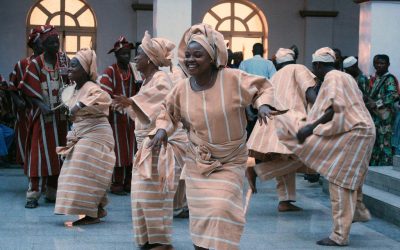
In Nigerian traditions and festivals, languages play a crucial role in preserving heritage and enhancing community participation. Indigenous languages are often used in ceremonies, rituals, and storytelling, ensuring that cultural practices are passed down through generations. During festivals such as the Argungu Fishing Festival, Eyo Festival, and Osun-Osogbo, language acts as a unifying element, bringing communities together to celebrate their unique customs and history.
Challenges and Preservation Efforts
Languages spoken in Nigeria represent a rich tapestry of cultural diversity, but many face significant challenges due to globalization, urbanization, and the dominance of major languages. Preservation efforts are crucial to maintain the unique identities and traditions associated with these languages. This article explores the various challenges faced by Nigerian languages and highlights ongoing initiatives to safeguard their continued existence for future generations.
Threats to Indigenous Languages
Indigenous languages spoken in Nigeria face numerous challenges that threaten their continued existence. Rapid urbanization, globalization, and the dominance of English and other major languages have led to the decline of many local dialects. Younger generations often favor more widely spoken languages for economic and educational opportunities, resulting in decreased transmission of indigenous languages. Additionally, colonial history and cultural assimilation have marginalized traditional languages, further endangering them. Preservation efforts are increasingly being implemented through the creation of language documentation projects, educational programs, and cultural initiatives aimed at revitalizing these languages.
Despite these efforts, threats remain significant. Loss of speakers, lack of written materials, and limited governmental support hinder progress. The erosion of indigenous languages not only diminishes cultural diversity but also results in the loss of unique knowledge systems, oral histories, and cultural expressions. To ensure the survival of Nigeria’s rich linguistic heritage, sustained collaborative efforts involving communities, governments, and organizations are essential to address these challenges and promote language preservation.
Language Revitalization Projects
Language revitalization projects in Nigeria face numerous challenges, including the dominance of major languages like Hausa, Yoruba, and Igbo, which often overshadow indigenous dialects. The lack of sufficient funding, educational resources, and awareness further hampers efforts to preserve less widely spoken languages. Additionally, globalization and urbanization contribute to the decline of traditional languages as younger generations adopt more dominant languages for economic and social opportunities.
Despite these challenges, various preservation efforts are underway in Nigeria. Cultural organizations and academic institutions are working to document and maintain endangered languages through the creation of dictionaries, recordings, and written texts. Community-based initiatives aim to encourage the use of native languages in daily communication, storytelling, and local media. Language revitalization projects often involve collaborations with local communities, government agencies, and international organizations to promote linguistic diversity and ensure the survival of Nigeria’s rich tapestry of languages for future generations.

0 Comments