
Historical Background of Ethiopian Culture
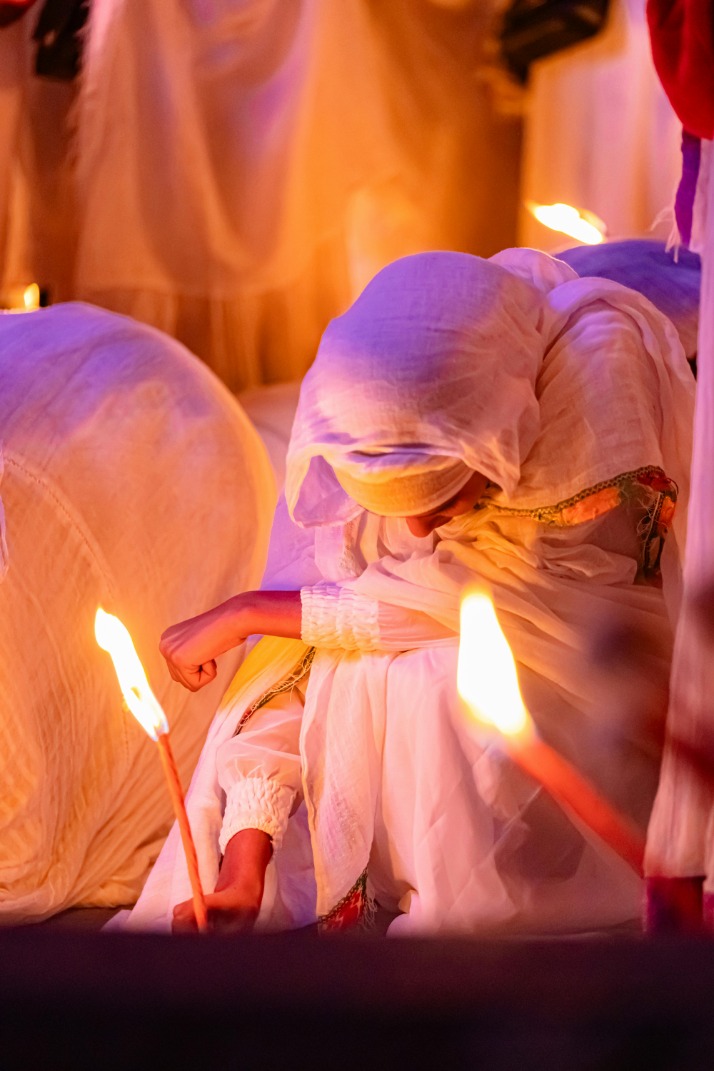
Ethiopian culture is one of the oldest and most diverse in the world, reflecting a rich history that dates back thousands of years. It has been shaped by a unique blend of indigenous traditions, ancient civilizations, and religious influences, particularly Christianity and Islam. The country’s cultural heritage is exemplified through its distinct languages, vibrant music and dance, traditional cuisine, and historical landmarks such as Lalibela and Axum. Understanding Ethiopia’s cultural background provides valuable insights into its identity and resilience as a nation.
Ancient Civilizations and Their Legacy
Ethiopian culture is one of the oldest and most diverse in the world, rooted in a rich history of ancient civilizations that have significantly shaped its unique identity. Ethiopia’s historical background is marked by the development of one of the earliest known civilizations in Sub-Saharan Africa, distinguished by its remarkable achievements in architecture, religion, and writing. The legacy of these civilizations continues to influence modern Ethiopian society in various aspects, reflecting its deep historical roots.
- Ancient Civilizations: Ethiopia’s history dates back to the Neolithic period, with evidence of early settlements such as Ona and Daasanach cultures. The Aksumite Empire, established around the 1st century AD, was a major ancient civilization known for its impressive obelisks, coinage, and as a trading nexus connecting Africa, Arabia, and the Mediterranean.
- Religious Legacy: The adoption of Christianity in the 4th century under King Ezana led to the establishment of the Ethiopian Orthodox Tewahedo Church, one of the world’s oldest Christian denominations, which continues to influence Ethiopian cultural identity to this day.
- Architectural and Artistic Contributions: The construction of rock-hewn churches in Lalibela, dating from the 12th century, exemplifies Ethiopia’s ingenuity and spiritual devotion. Literature, music, and dance also play vital roles, preserving historical tales and cultural traditions.
Major Historical Events Shaping Identity
Ethiopian culture is one of the oldest and most diverse in the world, deeply rooted in its ancient history and independent development. The country’s unique traditions blend indigenous practices with influences from its long history of kingdoms and Christian civilization. Central to Ethiopian culture is its rich oral heritage, religious customs, and diverse languages, which reflect the country’s mosaic of ethnic groups.
Major historical events that have shaped Ethiopian identity include the establishment of the Kingdom of D’mt around the 10th century BCE, which laid the foundation for Ethiopian sovereignty. The adoption of Christianity in the 4th century AD under King Ezana of Axum transformed Ethiopia into one of the earliest Christian nations, fostering a unique religious identity. The medieval Solomonic Dynasty, claiming descent from the biblical King Solomon and Queen of Sheba, reinforced national unity and monarchy. Additionally, Italy’s occupation from 1936 to 1941 and Ethiopia’s subsequent victory in the resistance war bolstered a sense of resilience and patriotism among Ethiopians. These historical milestones have collectively contributed to Ethiopia’s distinct cultural identity, characterized by ancient traditions, religious practices, and a resilient history that continues to define its people today.
Languages and Linguistic Diversity
Ethiopia boasts a rich tapestry of languages and linguistic diversity that reflects its vibrant and ancient culture. With over 80 languages spoken across the country, each language contributes uniquely to Ethiopia’s cultural identity and heritage. This linguistic variety not only showcases the country’s historical complexity but also highlights the importance of language in shaping social connections and cultural expressions in Ethiopia.
Main Languages Spoken
Ethiopia is renowned for its rich cultural heritage and linguistic diversity, reflecting its long history and numerous ethnic groups. While the country is home to over 80 languages, Amharic is the official language and widely spoken across the nation. Oromo and Tigrinya are also among the major languages used in various regions. English is increasingly prominent, especially in education, government, and business sectors, serving as a bridge for international communication. The multilingual landscape of Ethiopia exemplifies the importance of language in preserving cultural identity and fostering unity within its diverse society.
Role of Amharic and Oromiffa
Languages and linguistic diversity are vital aspects of Ethiopia’s rich cultural tapestry, reflecting the country’s complex history and social dynamics. Amharic and Oromiffa are two of the most prominent languages, each playing a significant role in shaping Ethiopia’s cultural identity and communication landscape.
- Amharic serves as the official working language of Ethiopia and is recognized as the country’s primary language of administration, education, and media. It acts as a unifying linguistic force among different ethnic groups and is deeply embedded in Ethiopian history and tradition.
- Oromiffa, also known as Afaan Oromo, is the most widely spoken indigenous language in Ethiopia, primarily used by the Oromo people, the largest ethnic group in the country. It plays a crucial role in maintaining cultural heritage, oral traditions, and community cohesion among the Oromo population.
- Both languages influence the broader English language context within Ethiopia by fostering multilingual education and enabling cross-cultural communication. They contribute to the country’s linguistic richness, enriching English discourse with local idioms, expressions, and perspectives.
- The coexistence of Amharic and Oromiffa promotes linguistic resilience and diversity, encouraging respect for different language rights and cultural expressions in Ethiopia’s national identity.
Multilingualism in Ethiopian Society
Ethiopia is renowned for its rich cultural heritage, which is deeply intertwined with a remarkable linguistic diversity. The country is home to over 80 distinct languages, belonging to four major language families: Cushitic, Semitic, Omotic, and Nilo-Saharan. This linguistic variety reflects Ethiopia’s complex history and its mosaic of ethnic groups, each with unique traditions and dialects.
Multilingualism is a common feature across Ethiopian society, with many Ethiopians fluent in several languages. Amharic, the official national language, is widely spoken and used in government and media, but regional languages like Oromo, Tigrinya, Somali, and Afar are also significant. This linguistic landscape fosters a sense of cultural identity and pride among different communities.
The coexistence of multiple languages enhances communication and cultural exchange but also presents challenges for national unity and policy formulation. Recognizing the importance of linguistic diversity, Ethiopia has implemented language policies that promote the use of various languages in education and public life, reflecting the country’s commitment to preserving its cultural heritage.
Overall, the multilingual fabric of Ethiopia exemplifies its cultural richness, illustrating how language acts as a vital element in shaping and maintaining the nation’s diverse societal fabric.
Religion and Spiritual Practices
Religion and spiritual practices are fundamental aspects of Ethiopian culture, shaping the identity, traditions, and daily lives of its people. Ethiopia is known for its rich religious diversity, including Christianity, Islam, and indigenous beliefs, each contributing to a vibrant spiritual landscape. These practices influence festivals, rituals, art, and community life, reflecting the deep spiritual heritage that has been preserved for centuries across the nation.
Influence of Christianity and the Ethiopian Orthodox Tewahedo Church
Religion and spiritual practices are integral to Ethiopian culture, shaping social values, traditions, and community life. Christianity, particularly the Ethiopian Orthodox Tewahedo Church, has played a central role in forming the national identity and cultural heritage of Ethiopia for centuries. The Ethiopian Orthodox Tewahedo Church, one of the oldest Christian denominations in the world, influences daily life through religious festivals, rituals, and artistic expression. Its unique liturgy, sacred music, and elaborate religious iconography reflect deep spiritual devotion and cultural pride. Moreover, religious holidays like Timket and Meskel are celebrated with vibrant ceremonies that reinforce community bonds and cultural continuity. Overall, Christianity and the Ethiopian Orthodox Tewahedo Church profoundly impact Ethiopia’s cultural landscape, intertwining faith with the nation’s history and societal values.
Islamic Traditions in Ethiopia
Islamic traditions hold a significant place in Ethiopia’s rich cultural heritage, reflecting a history that dates back over a millennium. Ethiopian Muslims, primarily from the Oromo, Somali, Afar, and Argobba communities, practice a form of Islam that uniquely integrates local customs and African traditions. Central to their religious practices are the mosques and prayer halls, where daily prayers, known as Salah, are performed facing Mecca. Ramadan, the holy month of fasting, is observed with great reverence, and during Eid al-Fitr and Eid al-Adha, communities come together to celebrate with prayers, feasts, and communal activities.
One of the most notable aspects of Islamic practice in Ethiopia is the Sufi tradition, which influences many local spiritual practices. Sufi orders such as the Qadiriyya and the Tijaniyya are active in Ethiopia, emphasizing mystical practices, spiritual discipline, and community service. The rituals and festivals often include dhikr (devotional remembrance), music, and poetry, reflecting a deeply spiritual approach that fosters social cohesion and cultural identity among Ethiopian Muslims.
Moreover, Islamic teachings are often intertwined with local customs, creating a unique religious landscape in Ethiopia. The religious landscape comfortably coexists with Ethiopia’s Christian majority, exemplifying the country’s long history of religious pluralism and tolerance. Islamic festivals, heritage sites, and traditional attire contribute to Ethiopia’s diverse cultural mosaic, illustrating the vibrant religious life that continues to shape the nation’s identity.
Traditional Animist Beliefs
Religion and spiritual practices hold a central place in Ethiopian culture, reflecting the diverse beliefs and traditions that have shaped the nation’s history. Traditional animist beliefs, often intertwined with local customs and rituals, continue to influence many communities, especially in rural areas. These indigenous practices typically focus on reverence for nature, spirits, and ancestors, emphasizing harmony and balance with the natural world. Rituals and ceremonies are conducted to seek blessings, protect communities from harm, and ensure agricultural prosperity. Despite the dominance of Christianity and Islam in Ethiopia, these ancient animist beliefs persist, contributing to the country’s rich cultural tapestry and spiritual diversity.
Customs, Traditions, and Festivals
Ethiopia is a country rich in culture, with a vibrant tapestry of customs, traditions, and festivals that reflect its diverse history and heritage. These cultural elements play a vital role in shaping the identity of the Ethiopian people and maintaining their unique way of life. From colorful celebrations to ancient rituals, Ethiopia’s cultural practices offer a fascinating glimpse into its long-standing traditions.
Cultural Celebrations and Public Holidays
Ethiopia boasts a rich tapestry of customs, traditions, and festivals that reflect its diverse cultural heritage. Celebrated across the nation, these events embody the spiritual, social, and historical values of various ethnic groups. Public holidays like Enkut Festival, Meskel, and Timkat play a significant role in uniting communities through vibrant ceremonies, religious processions, and traditional music and dance. Ethiopia’s cultural celebrations often feature unique rituals, traditional attire, and flavorful cuisine, showcasing the country’s deep-rooted history and cultural identity. These festivities serve as an important expression of national pride and cultural continuity, attracting both locals and visitors to experience Ethiopia’s vibrant cultural landscape.
Traditional Ceremonies and Rituals
Ethiopia boasts a rich tapestry of customs, traditions, and festivals that reflect its diverse cultural heritage. These practices have been passed down through generations and continue to play a vital role in the daily lives of Ethiopians. Celebrations such as Enkutatash, the Ethiopian New Year, and Meskel, the festival commemorating the discovery of the True Cross, showcase vibrant ceremonies and communal gatherings.
Traditional ceremonies in Ethiopia often involve elaborate rituals, music, dance, and colorful attire. One prominent example is the Gada system among the Oromo people, which governs social organization, age groups, and community decision-making. Religious ceremonies, especially those associated with Ethiopian Orthodox Christianity, include unique rituals like Timket, the Epiphany celebration, featuring processions and water blessing ceremonies.
Ethiopian culture is also distinguished by its unique linguistic and artistic expressions, which are integral to various festivals and ceremonies. These events serve not only as moments of rejoice and unity but also as a means to preserve and showcase Ethiopia’s ancient customs and spiritual heritage. Overall, Ethiopia’s customs, traditions, and festivals embody the country’s historical depth and cultural diversity.
Weddings and Birth Customs
Ethiopian culture is rich and diverse, encompassing a wide range of customs, traditions, and festivals that reflect the country’s history and diversity. Traditional ceremonies and celebrations are integral to Ethiopian society, often involving vibrant music, dance, and colorful attire.
Festivals such as Timket, Enkutatash, and Meskel are among the most celebrated events, each marked by unique rituals and community gatherings. These festivals often include processions, religious ceremonies, and shared meals, fostering unity and cultural pride.
Weddings in Ethiopia are elaborate affairs that emphasize family, community, and religious traditions. Marriage ceremonies often involve elaborate rituals, traditional music, and attire, with customs varying among different ethnic groups. For example, the Ethiopian Orthodox Church plays a significant role in many wedding customs, including religious blessings and traditional dances.
Birth customs in Ethiopia also reflect strong traditional values. Newborns are typically welcomed with ceremonies that include blessings, prayers, and rituals to ensure health and prosperity. Naming ceremonies often occur days after birth, involving family gatherings and the giving of meaningful names that often honor ancestors or religious figures.
Overall, Ethiopian customs and traditions are a vital part of the nation’s identity, preserving ancestral heritage while adapting to modern influences, making Ethiopia a fascinating mosaic of cultural expressions.
Traditional Clothing and Attire
Traditional clothing and attire play a vital role in Ethiopia’s rich cultural heritage, reflecting the diverse history, customs, and identity of its people. These garments often feature vibrant colors, intricate patterns, and unique fabrics that symbolize various regions and communities. Wearing traditional clothing is a way for Ethiopians to celebrate their cultural roots and participate in important ceremonies and festivals.
Distinctive Ethiopian Dress Styles
Traditional clothing and attire hold a significant place in Ethiopian culture, reflecting the country’s rich history, diverse ethnic groups, and cultural identity. Ethiopian dress styles are characterized by vibrant colors, intricate patterns, and symbolic accessories that often signify social status, regional origins, and cultural heritage.
Distinctive Ethiopian dress styles vary across different regions and ethnic groups. For instance, the Oromo people wear shamma, a traditional cotton cloth draped over the shoulders, often decorated with colorful patterns. The Amhara and Tigray regions are known for their habesha kemis, long, ankle-length dresses made from white or brightly colored cotton, usually adorned with embroidered borders called “tibeb.” The Sidama and Wolayta peoples are recognized for their elaborate beadwork, jewelry, and distinctive headpieces that complement their attire.
Throughout Ethiopia, traditional clothing is often worn during special occasions such as religious ceremonies, festivals, and weddings. These garments not only showcase artistic craftsmanship but also serve as a symbol of cultural pride and identity. Modern Ethiopian fashion often integrates traditional elements, blending contemporary trends with indigenous styles to preserve and celebrate the nation’s rich cultural heritage.
Significance of Colors and Accessories
Traditional clothing and attire play a vital role in Ethiopian culture, symbolizing heritage, social status, and regional identity. Men often wear the sleeveless shawl known as a “netela” or “gabi,” while women typically adorn themselves in colorful dresses called “habesha kemis,” embellished with intricate embroidery. Accessories such as beaded jewelry and headpieces are commonly used to enhance their outfits, reflecting cultural pride and artistry. The significance of colors in Ethiopian attire is profound; bright hues like red, green, and yellow represent national pride and are often seen in traditional clothing and flags. These colors hold deep symbolic meanings: red signifies the sacrifices made for independence, green symbolizes fertility and hope, and yellow stands for peace and church prosperity. The use of accessories, including silver jewelry and decorative headscarves, further emphasizes cultural identity and social values, making traditional attire a powerful expression of Ethiopia’s rich and diverse heritage.
Music, Dance, and Arts
Ethiopian culture is beautifully rich and diverse, with a vibrant tradition of music, dance, and arts that reflect its long history and varied ethnic groups. Music and dance play a central role in community celebrations, religious ceremonies, and everyday life, showcasing unique rhythms and movements. Ethiopian arts, including intricate crafts and visual arts, further express the creativity and cultural identity of the people, making Ethiopia a treasure trove of cultural heritage.
Traditional Musical Instruments
Ethiopian culture is rich and diverse, especially in the realms of music, dance, arts, and traditional musical instruments. These artistic expressions are deeply rooted in the country’s history and symbolize various aspects of Ethiopian life and spirituality.
- Traditional Ethiopian music features unique scales and rhythms, often performed with instruments such as the krar (a six-stringed lyre), the masenqo (a one-stringed bowed instrument), and the begena (a large lyre), which are integral to many ceremonies and celebrations.
- Dance plays a vital role in Ethiopian culture, with popular forms like the Eskista, characterized by shoulder movements, and various regional dances that showcase the community’s distinct traditions and stories.
- Visual arts in Ethiopia include religious iconography, intricate wood carvings, and colorful beadwork, reflecting the country’s rich religious history and cultural identity.
- Traditional musical instruments are often handcrafted and are used during festivals, religious events, and social gatherings to preserve and transmit cultural heritage across generations.
Popular Folk Dances
Ethiopian culture is rich and diverse, reflecting a long history of traditions, music, dance, and arts that have been passed down through generations. Music in Ethiopia often features traditional instruments like the krar, masenqo, and the begena, creating melodies that are deeply rooted in the country’s history and spiritual life. Dance is an integral part of Ethiopian celebrations and social gatherings, with popular folk dances such as the Eskista, known for its unique shoulder movements, and the Gossa Azan, characterized by lively footwork and rhythmic movements. Ethiopian arts encompass vibrant visual arts, intricate beadwork, and colorful textiles that showcase the creativity and cultural identity of different ethnic groups. These artistic expressions serve to preserve Ethiopia’s heritage and foster a sense of community among its people. Overall, Ethiopian music, dance, and arts play a vital role in maintaining cultural traditions and showcasing the country’s rich history to the world.
Handicrafts and Visual Arts
Ethiopian culture is rich and diverse, reflecting a long history of music, dance, arts, handicrafts, and visual arts. Music and dance play vital roles in various ceremonies, celebrations, and daily life, showcasing unique rhythms and traditional instruments such as the krar and masenqo. Handicrafts like intricate jewelry, woven textiles, and pottery highlight the artisans’ skills and cultural heritage. Visual arts, including ancient religious paintings, carvings, and modern artworks, illustrate Ethiopia’s spiritual beliefs and historical narratives. Together, these artistic expressions embody the country’s vibrant traditions and cultural identity.
Cuisine and Dietary Practices
Cuisine and dietary practices are integral aspects of Ethiopian culture, reflecting its rich history, diverse communities, and unique culinary traditions. Ethiopian food features a variety of flavorful stews, bread, and shared meals that emphasize community and hospitality. These practices often hold cultural and religious significance, shaping the way people eat and celebrate within the society.
Staple Foods and Dishes
Ethiopian culture is deeply rooted in its traditional cuisine and dietary practices, which reflect the country’s rich history and diverse ethnic groups. Food in Ethiopia often emphasizes communal eating and hospitality, with a strong focus on sharing meals. Staple foods include injera, a sourdough flatbread made from teff, which serves as both a plate and utensil for various stews and dishes. Common dishes are doro wat, a spicy chicken stew, and kitfo, finely chopped raw meat seasoned with spices. Vegetarian and vegan options are also prevalent, especially during fasting periods, with dishes featuring vegetables, legumes, and lentils. The cuisine’s unique flavors are achieved through the use of berbere spice blend, emphasizing bold, aromatic tastes that are characteristic of Ethiopian culinary tradition.
Importance of Coffee and Coffee Ceremonies
Cuisine and dietary practices are integral parts of Ethiopian culture, reflecting its rich history and diverse traditions. Food is often prepared with unique spices and methods, emphasizing communal sharing and hospitality. Coffee holds a special significance in Ethiopia, not just as a daily beverage but as a cultural ritual that symbolizes friendship and respect. The traditional coffee ceremony is an elaborate social event that fosters connection and reflects Ethiopian hospitality and social values.
- Traditional Ethiopian cuisine includes dishes like injera, a fermented flatbread, served with various stews known as wats.
- Ethiopian dietary practices often adhere to religious rules, with many adhering to vegetarian or fasting diets during specific periods.
- Injera serves as both a plate and utensil, emphasizing communal eating and sharing.
- The coffee ceremony involves roasting coffee beans, brewing coffee in a jebena (clay pot), and serving it in small cups, often accompanied by popcorn or other snacks.
Cooking Methods and Food Taboos
Ethiopian culture is rich and diverse, reflecting a wide array of culinary traditions, dietary practices, cooking methods, and food taboos. The cuisine is renowned for its unique flavors, use of indigenous ingredients, and communal dining customs. Traditional Ethiopian dishes often center around injera, a sourdough flatbread made from teff flour, which serves as both a plate and utensil. The diet is predominantly plant-based, especially among Orthodox Christians who observe fasting periods that restrict the consumption of animal products. During these times, Ethiopians prepare a variety of vegetarian and vegan dishes such as shiro (chickpea stew) and misir wot (spiced lentil stew). Cooking methods typically involve slow cooking and fermentation, which enhance flavors and preserve food. Certain food taboos are observed, especially related to religious beliefs; for example, the consumption of pork is generally avoided by followers of Islam and Orthodox Christians. Additionally, hygiene and respect for traditional practices are highly valued in food preparation and eating customs, underscoring the significance of cuisine as a vital aspect of Ethiopian cultural identity.
Social Structure and Community Life
Social structure and community life are integral aspects of Ethiopian culture, shaping the daily interactions and traditions of its people. These elements influence how communities organize themselves, maintain social harmony, and pass down cultural values through generations. Understanding the social fabric of Ethiopia provides insight into its rich heritage and the ways in which communal relationships foster a sense of identity and belonging among its diverse populations.
Family Hierarchies and Elders’ Role
In Ethiopian culture, social structure and community life are deeply rooted in a sense of hierarchical relationships and respect for tradition. Family units are fundamental, often extending to include multiple generations living together or maintaining close ties. Elders hold a position of high regard, serving as custodians of cultural values, wisdom, and decision-making within families and communities. Their role is pivotal in mediating disputes, guiding younger members, and upholding social norms. Respect for elders is demonstrated through language, gestures, and interactions, emphasizing the importance of age and experience. This structured social framework fosters strong communal bonds and emphasizes collective well-being over individualism, reflecting Ethiopia’s rich cultural heritage and emphasis on respect and kinship bonds.
Communal Living and Social Gatherings
In Ethiopian culture, social structure and community life are vital aspects that emphasize strong family ties, respect for elders, and a sense of unity among community members. Communal living and social gatherings play a significant role in fostering relationships and preserving traditions across generations.
- Family is the cornerstone of Ethiopian society, with extended families often living together or maintaining close bonds.
- Respect for elders is highly valued, and their opinions influence community decisions and social norms.
- Traditional gatherings often revolve around religious ceremonies, festivals, and seasonal events, strengthening communal bonds.
- Weddings, religious holidays, and cultural festivals are communal events that gather families and neighbors in celebration and shared rituals.
- Shared meals and hospitality are essential practices, reflecting generosity and communal cooperation.
- Community discussions and collective labor, such as agricultural work or building projects, reinforce social cohesion.
Influence of Culture on Ethiopian Identity
Ethiopian culture is a rich tapestry woven from diverse traditions, languages, and customs that have shaped the nation’s identity over centuries. The influence of culture plays a pivotal role in defining who Ethiopians are, reflecting their history, beliefs, and social values. Understanding this cultural heritage offers insight into the unique character of Ethiopia and how it continues to influence the lives of its people today.
Modern Expressions of Traditional Culture
The influence of culture on Ethiopian identity is profound, shaping the unique social fabric and historical continuity of the nation. Ethiopian culture, rooted in ancient traditions, religion, and language, serves as a core element that defines national identity and societal values. Over centuries, these cultural elements have been preserved and adapted, reflecting the resilience and diversity of the Ethiopian people.
Modern expressions of traditional Ethiopian culture can be seen in various aspects such as music, dance, fashion, and art. Contemporary artists often blend traditional motifs with modern styles, creating a vibrant cultural scene that honors heritage while embracing innovation. For example, traditional music genres like Ethio-jazz have gained international popularity, showcasing Ethiopia’s rich musical legacy through contemporary soundscapes. Similarly, traditional clothing such as the habesha dress is often incorporated into modern fashion, symbolizing pride in cultural roots.
Language remains a vital aspect of Ethiopian identity, with Amharic serving as the official language but many other local languages spoken across regions. Modern media and technology have made it easier to promote and preserve these languages, allowing traditional stories, proverbs, and oral history to reach new generations. Overall, Ethiopia’s cultural influence continues to evolve, demonstrating a dynamic interplay between traditional values and modern expressions that sustain the country’s unique identity in the contemporary world.
Preservation and Challenges of Cultural Heritage
Ethiopian culture is a rich tapestry woven from diverse traditions, languages, and history that collectively shape the national identity. This cultural diversity plays a vital role in defining what it means to be Ethiopian, fostering a sense of belonging and pride among its people. The influence of culture is evident in various aspects of life, including religion, language, cuisine, and social customs, which are passed down through generations and help preserve Ethiopia’s unique heritage.
- The Ethiopian Orthodox Tewahedo Church, with its ancient traditions and festivals, exemplifies the deep religious roots influencing national identity.
- Multiple languages spoken across the country, such as Amharic, Oromo, Tigrinya, and others, reflect Ethiopia’s linguistic diversity and cultural plurality.
- Traditional music, dance, and attire are expressions of Ethiopia’s vibrant and enduring cultural expressions.
- Efforts to preserve cultural heritage include restoring historical sites like Lalibela’s rock-hewn churches and Axum’s obelisks, which serve as symbols of Ethiopia’s ancient civilization.
- Educational programs and cultural festivals play a role in maintaining and promoting Ethiopia’s diverse traditions.
- Government and non-governmental organizations work together to safeguard intangible cultural elements such as oral traditions, crafts, and traditional practices.
However, Ethiopia faces numerous challenges in preserving its cultural heritage. Rapid urbanization, globalization, and modern development threaten the continuity of traditional practices and historical sites. Additionally, political and economic issues can lead to neglect or insufficient preservation efforts. Despite these hurdles, Ethiopia’s commitment to its cultural roots remains strong, aiming to sustain its identity for future generations and showcase its rich cultural legacy to the world.




0 Comments