

Overview of Ethnic Diversity in Ghana
Ghana is renowned for its rich and diverse ethnic landscape, making it one of the most culturally varied countries in West Africa. The nation is home to over 100 ethnic groups, each with its own unique languages, traditions, and social practices. The major ethnic groups include the Akan, Mole-Dagbon, Ewe, and Ga-Dangme, among others. The Akan subgroup, which includes the Ashanti and Fante, is the largest and most influential in the country, particularly in the central and southern regions. The Mole-Dagbon group primarily inhabits the northern parts of Ghana, including the Dagbon and Mamprusi peoples. The Ewe people are predominantly found in the Volta Region and parts of neighboring Togo, while the Ga-Dangme are residents of the Greater Accra Region. The coexistence of these diverse groups contributes to Ghana’s vibrant cultural heritage, manifesting in various festivals, music, dance, and culinary traditions. Despite differences, these ethnic groups coexist peacefully, fostering a sense of national unity and pride in Ghana’s multicultural identity.
Main Ethnic Groups of Ghana
Ghana is a diverse country rich in cultural heritage, home to a variety of ethnic groups that contribute to its vibrant society. These ethnic communities each have unique languages, traditions, and customs that shape the country’s social fabric. Understanding the main ethnic groups of Ghana provides insight into the nation’s cultural diversity and historical heritage.
Akan Ethnic Group
Ghana is a diverse country with a rich mosaic of ethnic groups, each contributing uniquely to the nation’s culture. Among these groups, the Akan ethnic group stands out as the largest and most influential in Ghana. The Akan people are known for their vibrant traditions, language, and history. They predominantly reside in the Ashanti Region, Central Region, and parts of the Eastern and Western Regions of Ghana.
- Language: The Akan speak several dialects, including Twi, Fante, and Akuapem. Twi is the most widely spoken among them.
- Cultural Practices: The Akan are famous for their elaborate festivals such as Dumsor and Akwasidae, characterized by drumming, dancing, and colorful ceremonies.
- Art and Craftsmanship: They are renowned for their Kente cloth, beadwork, and intricate gold jewelry.
- Social Structure: The Akan have a matrilineal inheritance system, which influences their family and social organization.
- Historical Significance: The Ashanti Empire, founded by the Akan, played a crucial role in Ghana’s history and resistance against colonial rule.
Variations of the Akan: Ashanti, Fante, Akuapem
Ghana is a diverse country with several main ethnic groups, each contributing uniquely to the nation’s cultural landscape. Among these groups, the Akan are the largest and most prominent, known for their rich traditions and historical significance.
The Akan ethnic group is further divided into various subgroups, each with distinct languages and cultural practices. Notably, the Ashanti, Fante, and Akuapem are important Akan subgroups, each with their own unique identity.
The Ashanti people are renowned for their powerful kingdom and the famous Ashanti Empire. They primarily speak Asante Twi, and their culture emphasizes gold craftsmanship, elaborate festivals, and the revered Ashanti throne. Their influence is deeply rooted in Ghanaian history and politics.
The Fante subgroup is situated mainly along the coast and is known for their strong maritime skills and trading traditions. The Fante speak Fanti, a dialect of the Akan language, and have a vibrant culture with lively music, dance, and festivals that reflect their coastal heritage.
The Akuapem people reside in the eastern part of Ghana and speak Akuapem Twi, a dialect related to Asante Twi. They are known for their distinct religious practices, education emphasis, and cultural festivals that celebrate their history and traditions.
Historical Background and Cultural Practices
Ghana is a diverse country with numerous ethnic groups, each contributing to the rich cultural fabric of the nation. The main ethnic groups include the Akan, Mole-Dagbon, Ewe, and Ga-Dangme, among others. These groups have distinct languages, traditions, and social structures that shape Ghanaian society.
Historically, Ghana was home to powerful kingdoms such as the Ashanti Empire and the Kingdom of Dagbon, which played significant roles in regional trade and politics. The arrival of European traders and colonists in the 15th century, especially the Portuguese, Dutch, and British, influenced the development of the region. Ghana gained independence from British colonial rule in 1957, fostering national unity amidst its ethnic diversity.
Culturally, Ghanaian ethnic groups maintain vibrant practices that include festivals, traditional attire, dance, music, and oral storytelling. These cultural practices are integral to their identity and are often showcased during celebrations and communal events.
- Traditional festivals such as Homowo (Ga) and Akwasidae (Ashanti) celebrate harvests and ancestors.
- Music and dance are central, with drumming and storytelling serving as means of passing down history.
- Adinkra symbols and Kente cloth are important cultural artifacts representing various values and histories.
Dagomba Ethnic Group
Ghana is a diverse country with numerous ethnic groups, each contributing to its rich cultural tapestry. Among the main ethnic groups are the Akans, Mole-Dagbanis, Ewes, and Ga-Dans. The Dagomba ethnic group is one of the prominent groups found primarily in the Northern Region of Ghana. They are part of the Mole-Dagbanis, which also includes other related groups such as the Konkomba and Mamprusi.
The Dagomba people speak the Dagbani language and are known for their rich cultural traditions, including their music, dance, and festivals. They have a hierarchical society with a king, called the Ya-Na, who plays a significant role in their cultural and political life. The Dagomba are predominantly engaged in agriculture, cultivating crops such as millet, maize, and yams.
Family and community are highly valued among the Dagomba people, and they maintain strong oral traditions and customary practices. Their history, religion, and social structure are integral to their identity, making them a vital part of Ghana’s diverse ethnic landscape.
Location and Demographic Distribution
The main ethnic groups of Ghana are diverse and rich in culture, each contributing uniquely to the nation’s social fabric. These groups are predominantly found within specific regions, influencing local traditions, languages, and customs.
- Akan – Ware mainly in the Ashanti, Brong-Ahafo, and Central regions, known for their rich history and cultural practices.
- Ewe – Located primarily in the Volta Region and parts of the Eastern Region, recognized for their vibrant festivals and drumming traditions.
- Ga-Dangme – Concentrated around the Greater Accra Region and parts of the Eastern Region, known for their historic capitals and coastal culture.
Ghana’s demographic distribution reflects a mosaic of diverse ethnicities, each with their own languages, festivals, and social structures, shaping the country’s national identity.
Cultural Traditions and Social Structure
Ghana is a diverse country with a rich tapestry of ethnic groups, each contributing uniquely to the nation’s cultural landscape. The main ethnic groups include the Akan, Mole-Dagbon, Ewe, Ga-Dangme, and Gurma, among others. The Akan, the largest group, are predominantly found in the central and southern regions and are known for their vibrant festivals, chieftaincy systems, and rich oral traditions. The Mole-Dagbon people inhabit the northern parts and are distinguished by their traditional nomadic lifestyles and warrior histories. The Ewe people, primarily in the southeastern regions, are renowned for their drumming and dance traditions, playing a vital role in spiritual and social ceremonies. The Ga-Dangme, living around Accra and the Coastal areas, have a rich history linked to fishing and coastal livelihoods. The Gurma in the eastern parts are recognized for their agricultural practices and strong community bonds.
Cultural traditions in Ghana are deeply rooted in music, dance, storytelling, and festivals, which serve to unite communities and celebrate their heritage. For instance, the Akan celebrate the Akwasidae festival, which honors ancestors and showcases their cultural achievements. Traditional ceremonies often involve colorful attire, elaborate masks, and community participation. Social structures are predominantly organized around chieftaincy systems, where chiefs act as custodians of tradition, overseeing justice and social harmony. Extended family systems are prevalent, emphasizing kinship ties, mutual support, and collective decision-making. Respect for elders and elders’ authority plays a fundamental role in maintaining social order across the various ethnic groups, fostering a strong sense of community and cultural identity throughout Ghana.
Ewe Ethnic Group
Ghana is a diverse country with many ethnic groups, each contributing to the rich cultural heritage of the nation. Among these, the Ewe ethnic group is one of the prominent and widely recognized communities in Ghana and neighboring countries. The Ewe people primarily reside in the Volta Region of Ghana, as well as in parts of Togo and Benin.
The Ewe are known for their vibrant cultural traditions, including distinctive music, dance, and festivals that play a vital role in their community life. They speak the Ewe language, which is part of the Kwa language family. The Ewe people have a rich history and are renowned for their craftsmanship, especially in beads, textiles, and pottery.
Their social structure is traditionally organized into clans, and they have a strong sense of identity and community cohesion. The Ewe ethnic group continues to thrive today, maintaining their traditions while also adapting to modern influences within Ghana’s multicultural society.
Geographical Distribution and Population
Ghana is a diverse country with a rich tapestry of ethnic groups, each contributing to the nation’s cultural heritage. The main ethnic groups include the Akan, Mole-Dagbon, Ewe, Ga-Dangme, and various minority groups. The Akan are the largest ethnic group, predominantly found in the Ashanti, Brong-Ahafo, and Western regions, and they include subgroups such as the Ashanti, Akufo, and Fante. The Mole-Dagbon ethnic group inhabits the northern regions, including the Northern, Upper East, and Upper West, and is known for the Moshi, Dagomba, and Mamprusi communities. The Ewe people are mainly located in the Volta Region and parts of the Volta Plains, along the coast. The Ga-Dangme people occupy the Greater Accra Region and parts of the eastern coast, with communities such as the Ga and Dangme. The population of Ghana is over 31 million people, with ethnic groups distributed across the country based on their historical settlements and cultural identities. The population distribution reflects the ecological and historical factors that have shaped Ghana’s diverse demographic landscape.
Language and Cultural Heritage
Ghana is a country rich in diverse ethnic groups, each contributing uniquely to its cultural tapestry. The main ethnic groups include the Akan, Mole-Dagbon, Ewe, Gas, and Ga-Dangme, among others. The Akan group is the largest, comprising subgroups such as the Ashanti and Fante, known for their rich history and influential kingdoms. The Mole-Dagbon people, including the Mossi and others, inhabit the northern regions, while the Ewe primarily reside in the southeastern parts of Ghana. The Gas and Ga-Dangme primarily occupy the Greater Accra Region.
Language plays a vital role in Ghana’s cultural identity. The official language is English, used in government, education, and media. However, numerous local languages are widely spoken across the country, reflecting its ethnic diversity. Akan languages like Twi and Fante are among the most spoken, serving as lingua francas in various regions. Other prominent languages include Ewe, Dagbani, and Ga, each associated with different ethnic groups and areas.
Ghanaian cultural heritage is deeply rooted in traditional practices, festivals, music, and art. Each ethnic group preserves its unique customs, dress, and rituals, while also sharing a collective national identity. Drumming, dance, storytelling, and masquerades are integral to Ghanaian festivities, illustrating the vibrant and diverse cultural landscape of the nation. This rich heritage fosters unity and pride among Ghana’s people, celebrating their historical lineage and cultural expression.
Mande and Mole-Dagbon Groups
Ghana is a diverse country with numerous ethnic groups, each contributing to the rich cultural tapestry of the nation. Among these, the Mande and Mole-Dagbon groups are significant for their unique traditions, languages, and histories.
The Mande ethnic groups in Ghana are part of a larger West African cultural sphere. They include groups such as the Mamprusi, Mole-Dagbon, and Walin-Kpelle. The Mole-Dagbon group, also known as the Dagomba, Mamprusi, and Nanumba, primarily inhabits the Northern Region of Ghana. They are known for their monarchic systems, vibrant festivals, and rich oral traditions that preserve their history and customs.
The Mole-Dagbon people speak languages within the Gur language family, and their social organization is often centered around chieftaincy titles and community elders. Agriculture plays a significant role in their livelihood, with crops like millet, maize, and rice being staples. Their cultural practices include traditional dances, music, and elaborate ceremonies that strengthen community bonds.
On the other hand, the main Mande groups in Ghana have their own distinct identities and cultural practices. They have historically been involved in trade and migration across West Africa, contributing to the diverse cultural landscape of the country. Their languages, customs, and social structures add to the complex mosaic of Ghanaian ethnicity.
Overall, these ethnic groups are vital in understanding Ghana’s cultural diversity, each with their unique contributions to the nation’s identity, arts, and social fabric.
Interrelation and Cultural Aspects
Ghana is a country rich in cultural diversity, with several main ethnic groups contributing to its vibrant social fabric. The major ethnic groups include the Akan, Mole-Dagbon, Ewe, Ga-Dangme, and Guan, each with its unique traditions, languages, and cultural practices. These groups often interrelate through trade, marriage, and social interactions, fostering a sense of national unity despite their cultural differences. Language plays a crucial role in shaping cultural identity, with each ethnic group having its own language or dialect, such as Twi for the Akan and Ewe for the Ewe people. Rituals, festivals, and traditional ceremonies are important aspects of Ghanaian culture, often shared or adapted among different groups, creating a rich tapestry of cultural exchange. Overall, the ethnic diversity of Ghana is a testament to its history of coexistence and cultural resilience, which continues to influence its national identity and social cohesion.
Minority and Indigenous Ethnic Groups
Ghana is a culturally diverse nation home to a variety of ethnic groups, each with its own unique traditions, languages, and social structures. Among these, minority and indigenous groups contribute to the rich tapestry of Ghana’s cultural landscape, fostering a vibrant and dynamic society. Understanding these groups is essential to appreciating the country’s historical roots and contemporary identity.
Zongo Communities and Other Minorities
Ghana is a diverse country characterized by a rich mosaic of ethnic groups, including major communities such as the Akan, Mole-Dagbon, Ewe, and Ga-Dangme. Alongside these significant groups, there are numerous minority and indigenous ethnic groups that contribute to the nation’s cultural tapestry. Minority groups often face unique challenges related to social integration, political representation, and access to resources, but they also embody essential aspects of Ghana’s cultural diversity. Zongo communities, predominantly Muslim and often composed of migrants from other West African countries, have established vibrant neighborhoods within cities, contributing to Ghana’s multicultural identity. Other minorities, including immigrant communities and indigenous groups with distinct languages and customs, enrich Ghana’s social fabric. Recognizing and respecting the rights of all these groups is vital for fostering unity and ensuring inclusive development across the country.
Unique Cultural Contributions and Challenges
Ghana is a country rich in ethnic diversity, home to numerous minority and indigenous ethnic groups that each contribute uniquely to the nation’s cultural tapestry. These groups preserve distinct languages, traditions, and customs that enrich Ghanaian society as a whole. However, they also face challenges such as marginalization, loss of cultural identity, and limited access to resources, which threaten their heritage and social well-being.
- Preservation of language: Many indigenous groups speak their own languages, but these are often at risk of decline due to dominant languages overshadowing them.
- Cultural recognition: Small ethnic groups frequently struggle for recognition and respect within the broader national context.
- Economic marginalization: Minority groups often have limited access to economic opportunities, impacting their development and sustainability.
- Infringement on land rights: Indigenous communities may face challenges defending their ancestral lands from external exploitation.
- Climate and environmental challenges: Environmental changes can disproportionately affect the traditional livelihoods of indigenous groups, such as farming or fishing.
Despite these challenges, Ghanaian minority and indigenous groups continue to play vital roles in maintaining the country’s diverse cultural heritage and enriching its social fabric through their unique traditions, art, and social practices.
Cultural Interactions and Influences
Ghana’s rich tapestry of ethnic groups has fostered a vibrant exchange of cultural influences, shaping the nation’s language landscape. The interactions among various communities, such as the Akan, Mole-Dagbon, Ewe, and other ethnic groups, have led to the blending of traditions, beliefs, and linguistic elements. These cultural exchanges are evident in the diverse dialects, phrases, and expressions found across Ghana, reflecting a deep history of cooperation and mutual influence. Understanding these interactions offers valuable insights into Ghana’s unique linguistic and cultural identity.
Languages and Dialects
Ghana is a country rich in cultural diversity, with various ethnic groups that have unique traditions, languages, and dialects. These groups frequently engage in cultural interactions that influence and shape their social practices, arts, and communication styles. The blending of customs and languages among these groups fosters a vibrant and dynamic cultural landscape, reflecting Ghana’s history of migration, trade, and community exchange.
- The Akan ethnic group, one of the largest in Ghana, speaks multiple dialects of the Akan language such as Twi and Fante, which are widely used across different regions. Their language has influenced neighboring groups through trade and intermarriage.
- The Mole-Dagbon people, including the Dagomba, Mamprusi, and Gurusi, speak languages in the Gur family. Their dialects differ but share similarities, facilitating communication and cultural exchanges, especially in northern Ghana.
- The Ewe people, predominantly located in the Volta Region, speak the Ewe language, which has various dialects that vary across communities. Ewe is also spoken in neighboring Togo, highlighting cross-border cultural interactions.
- The Ga-Dangme group, including the Ga and Dangme peoples, speak Ga and Dangme respectively, with dialects that influence local customs, festivals, and oral traditions.
- Many ethnic groups in Ghana have adopted or adapted elements from each other’s languages, resulting in a multilingual environment where code-switching and pidgin languages are common, especially in urban areas.
Overall, the diverse languages and dialects of Ghana’s ethnic groups exemplify the nation’s complex web of cultural interactions, fostering unity amid diversity and enabling the transmission of rich traditions through generations.
Traditional Festivals and Celebrations
Ghana is a melting pot of diverse ethnic groups, each contributing unique cultural interactions and influences that shape the nation’s rich heritage. The various ethnic communities, such as the Akan, Mole-Dagbon, Ewe, and Ga-Dangme, have historically interacted through trade, intermarriage, and shared traditions, fostering a vibrant cultural mosaic. These interactions have led to the exchange of customs, languages, and artistic expressions, strengthening social bonds and cultural identity across the country.
Traditional festivals and celebrations hold a vital place in Ghanaian culture, serving as occasions to honor ancestors, mark historical events, and reinforce community ties. Festivals like Homowo celebrated by the Ga people, Akwasidae by the Ashanti, and Hogbetsotso by the Ewe are characterized by colorful ceremonies, drumming, dancing, and elaborate rituals. These festivities showcase the diverse cultural heritage of Ghana’s ethnic groups and promote unity, pride, and cultural preservation among communities.
Music, Dance, and Art Traditions
Ghana’s diverse ethnic groups have rich cultural interactions and influences that are vividly reflected in their music, dance, and art traditions. These cultural expressions serve as a means of preserving history, celebrating community identity, and fostering social cohesion among groups such as the Akan, Mole-Dagbon, Ewe, and Ga-Dangme. Through centuries of interaction, these groups have exchanged ideas and artistic techniques, creating a vibrant tapestry of cultural diversity.
Ghanaian music is renowned for its rhythmic complexity and use of traditional instruments like drums, xylophones, and flutes. The Akan’s highlife and hiplife genres incorporate both indigenous sounds and contemporary influences, illustrating the blending of old and new. Dance forms such as the Adowa and Kpalongo are not only entertainment but also important cultural rituals performed during important ceremonies, often accompanied by intricate drum patterns and vibrant costumes.
Art traditions in Ghana are characterized by their unique craftsmanship and symbolic motifs. Adinkra symbols, developed by the Akan, are used in textiles, pottery, and carvings to convey proverbs, historical events, and social values. The intricate beadwork of the Ewe and the wood carvings of the Mole-Dagbon communities further exemplify the artistic prowess that has been passed down through generations. These artistic practices highlight the deep cultural interactions and shared influences among Ghana’s ethnic groups, enriching the nation’s cultural landscape.
Ethnic Groups and National Identity
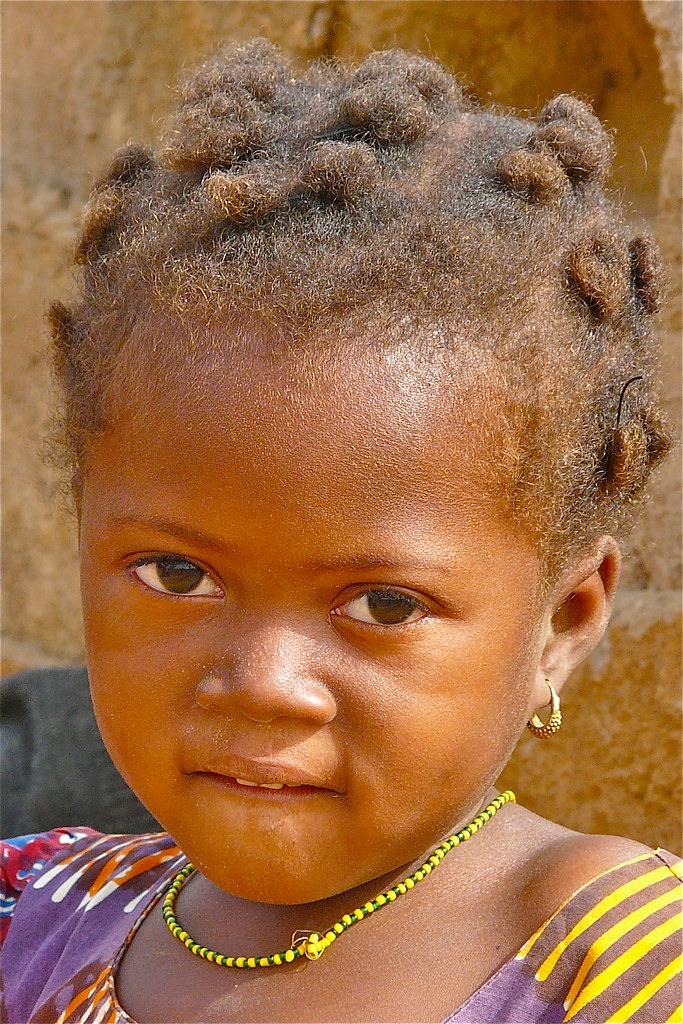
Ghana is a richly diverse country, home to numerous ethnic groups that each contribute unique cultural traditions and perspectives to national identity. Understanding the various ethnic communities within Ghana is essential to appreciating the nation’s social fabric and how these groups influence its development. This article explores the major ethnic groups in Ghana and their role in shaping the country’s collective identity.
Roles in Ghanaian Politics and Society
Ghana is a country rich in ethnic diversity, with numerous ethnic groups contributing to its vibrant cultural landscape. These groups play a significant role in shaping national identity and influence the political and social dynamics within the nation. Ethnic affiliation often informs an individual’s perspectives, social interactions, and political loyalties, making it a core aspect of Ghanaian society.
Major ethnic groups in Ghana include the Akan, Mole-Dagbon, Ewe, Ga-Dangme, and others, each with distinct languages, traditions, and customs. These groups maintain their cultural practices while also participating in the shared governance and national development of Ghana. The ethnic makeup of the country influences electoral politics, with political parties sometimes forming based on ethnic loyalties or regional support.
- Ethnic groups naturally foster a sense of community and cultural preservation that strengthens societal bonds.
- The distribution of ethnic groups across regions impacts political power sharing and resource allocation.
- Ethnic identity can sometimes result in political alliances or conflicts, affecting national stability.
- Efforts to promote ethnic harmony and national unity are ongoing through educational programs and policies.
Preservation of Cultural Heritage
Ghana is a country rich in ethnic diversity, with numerous ethnic groups each possessing unique cultural practices, languages, and traditions that contribute to the nation’s vibrant identity. The major ethnic groups include the Akan, Mole-Dagbon, Ewe, and Ga-Dangme, among others. These groups have played a significant role in shaping Ghana’s history and contribute to the country’s national identity through their distinct cultural expressions.
Preservation of cultural heritage is vital in maintaining the identity of Ghana’s ethnic groups. This includes safeguarding traditional languages, practices, festivals, and artifacts that reflect their ancestral customs. Efforts to document and promote indigenous art, music, and ceremonial rituals ensure that future generations appreciate and continue their cultural legacy.
National identity in Ghana is strengthened through the celebration of cultural diversity, fostering unity among different ethnic groups while respecting their unique heritages. Education programs, cultural festivals, and government initiatives play a crucial role in promoting awareness and pride in Ghana’s diverse ethnic landscape, ensuring that cultural heritage remains a vital part of the nation’s identity.

0 Comments