
Historical Overview of Marrakech and Morocco
Marrakech, known as the “Red City,” is a historic hub of culture and tradition in Morocco, boasting a rich history that dates back over a thousand years. Throughout its past, Marrakech has served as a significant political, economic, and spiritual center, witnessing the rise and fall of various dynasties and empires. Morocco itself has a diverse heritage shaped by indigenous Berber cultures, Arab influences, and colonial experiences, creating a unique tapestry of history that continues to influence the nation’s vibrant identity today.
Early History and Foundation of Marrakech
Marrakech, known as the “Red City” due to its distinctive red sandstone buildings, has a rich historical background that reflects the broader history of Morocco. The city was founded in 1070 by the Almoravid dynasty, making it a significant center for trade, culture, and religion in North Africa. Its strategic location near the Atlas Mountains and the Sahara Desert contributed to its development as a major gateway for commerce and travel.
Morocco’s early history dates back to prehistoric times, with archaeological evidence indicating human presence thousands of years ago. The region was inhabited by Berber tribes long before the arrival of Arab influence. Around the 7th century, Arab armies introduced Islam, significantly shaping the culture and political landscape of the area. Prior to the Almoravid establishment, various Berber kingdoms and local tribes flourished in Morocco, each contributing to the region’s diverse cultural heritage.
The foundation of Marrakech marked a turning point in Morocco’s history, as the city became the capital of the Almoravid dynasty, later serving as a capital for subsequent dynasties including the Almohads and Saadians. Its strategic importance and vibrant souks helped consolidate its role as a key economic and cultural hub in the region, laying the foundation for Morocco’s enduring historical significance.
Islamic Influence and Architectural Heritage
Marrakech and Morocco boast a rich historical tapestry that reflects centuries of cultural exchange, political developments, and artistic achievements. As a vital center of trade and civilization, Marrakech was founded in the 11th century by the Almoravid dynasty and quickly rose to prominence as a key imperial city. Over the centuries, Morocco has experienced influences from Arab, Berber, African, and European cultures, shaping its diverse heritage. The country’s strategic location made it a crossroads of civilizations, which is evident in its vibrant traditions, languages, and customs.
Islamic influence is deeply woven into Morocco’s history, shaping its religious practices, laws, and societal norms. Since the 7th century, Islam has played a central role in Moroccan life, fostering the development of Islamic education, art, and architecture. Marrakech, in particular, became a prominent Islamic hub, home to mosques, madrasas, and other religious institutions that reflect its religious significance. The city’s many mosques, such as the Koutoubia Mosque, exemplify classical Islamic architectural styles with towering minarets, intricate tile work, and spacious courtyards.
The architectural heritage of Morocco is a testament to its Islamic influences, characterized by ornate designs, geometric patterns, and the use of traditional materials like zellij (colored tiles), carved wood, and stucco. The medinas of Moroccan cities, including Marrakech, are UNESCO World Heritage sites, featuring labyrinthine streets, bustling souks, and historic riads. These structures not only serve functional purposes but also embody artistic expression and spiritual symbolism, illustrating the deep connection between Moroccan culture and Islamic artistic traditions. Overall, Marrakech and Morocco’s history, Islamic influence, and architectural heritage continue to attract scholars and visitors alike, offering a glimpse into a civilization that has thrived through centuries of cultural synthesis and innovation.
Colonial Era and Independence Movement
Marrakech, often called the “Red City” due to its distinctive red sandstone buildings, has a rich history that dates back over a thousand years. It was founded in 1070 by the Almoravid dynasty and quickly became a major political, economic, and cultural center in Morocco. Throughout the centuries, Marrakech grew as a vibrant hub of commerce, craftsmanship, and Islamic scholarship, culminating in its designation as the imperial city under subsequent dynasties. Morocco as a whole has a deep historical legacy influenced by Berber, Arab, and various Islamic civilizations, shaping its diverse cultural landscape.
During the colonial era in the early 20th century, Morocco was divided into French and Spanish spheres of influence following the Treaty of Fes in 1912, which established a French protectorate over most of the country. This period brought significant political and economic changes, including infrastructural development but also suppression of traditional governance structures and cultural practices. The Moroccan people responded with various forms of resistance, ranging from diplomatic efforts to revolutionary movements seeking independence.
The Moroccan independence movement gained momentum after World War II, fueled by nationalistic sentiments and opposition to colonial rule. Key figures such as Sultan Mohammed V and Moroccan intellectuals rallied for sovereignty. The movement culminated in Morocco gaining independence from France in 1956, followed by a gradual process of consolidating its political institutions and cultural identity. Today, Marrakech and Morocco as a whole continue to celebrate their rich history while progressing toward modern development, maintaining a unique blend of tradition and innovation.
Modern Development and Cultural Revival
Marrakech, often referred to as the “Red City” due to its distinct terracotta architecture, has a rich historical legacy that dates back over a thousand years. Founded in the 11th century as a major Islamic empire’s capital, the city quickly became a vibrant center of commerce, culture, and learning. Throughout its history, Marrakech has experienced periods of prosperity and decline, but it has consistently maintained its importance as a crossroads of African, Arab, and European influences. Morocco as a whole boasts a diverse history marked by indigenous Berber civilizations, Arab conquest, European colonization, and eventual independence in 1956.
In recent decades, Morocco has undergone significant modern development driven by economic growth, infrastructure projects, and a focus on tourism. Marrakech has emerged as a major tourist destination, blending its ancient medina with modern amenities, luxury resorts, and international events. The city’s ancient souks, historic palaces, and bustling plazas continue to attract visitors from around the world. Alongside economic progress, there has been a conscious effort to revive and preserve Morocco’s rich cultural heritage through restoration projects, traditional festivals, and the promotion of Moroccan arts and crafts. This cultural revival underscores Morocco’s commitment to maintaining its unique identity while embracing modernization, making it a dynamic nation that honors its past while looking toward the future.
Geography and Climate of Marrakech
Marrakech, a vibrant city in Morocco, is renowned for its diverse geography and distinctive climate. Nestled against the foothills of the Atlas Mountains, the city features a blend of desert plains and fertile lands, contributing to its unique landscape. Its climate is characterized by hot, dry summers and mild, rainy winters, making it a favorable destination for visitors year-round. The combination of geographical features and climate influences the local culture and agriculture, shaping the identity of Marrakech within Morocco.
Topographical Features
Marrakech, a vibrant city in Morocco, features a diverse geography and climate that contribute to its unique character. Situated at the foothills of the Atlas Mountains, it is surrounded by vast plains and rugged mountainous terrain, offering a stunning natural backdrop. The city lies in a semi-arid region, characterized by hot, dry summers and mild, wetter winters. Its proximity to the mountains influences local weather patterns, often bringing cooler temperatures and occasional rainfall during the winter months. The geographical setting enhances Marrakech’s rich cultural and environmental landscape, making it a fascinating destination for travelers and a vital part of Morocco’s topographical diversity.
Climate Patterns and Seasons
Marrakech, located in western Morocco, is characterized by its diverse geography and distinct climate patterns. The city sits at the foothills of the Atlas Mountains, which influence its weather and landscape, creating a mix of plains, mountains, and desert regions. This varied geography contributes to the area’s rich agricultural and cultural heritage.
The climate of Marrakech is classified as semi-arid, with hot summers and mild winters. Summers typically see temperatures soaring above 40°C (104°F), especially in July and August, with dry conditions being predominant. Winters are much milder, with daytime temperatures averaging around 20°C (68°F), though nights can be quite cool. Rainfall is sparse, mostly falling between November and March, with the summer months usually remaining dry.
The seasonal patterns in Marrakech are quite pronounced. Spring and autumn are transitional seasons, featuring warm daytime temperatures and cooler evenings, making them ideal times for tourism. Summer months are characterized by intense heat and clear skies, attracting visitors looking for sunshine and warmth. In winter, the weather is cooler but generally pleasant, especially during the day, though the high desert and mountain areas can experience colder temperatures and occasional frost.
Environmental Conservation Efforts
Marrakech, a vibrant city in Morocco, is situated near the foothills of the Atlas Mountains, offering diverse geographical features that influence its climate. The city lies in a semi-arid region characterized by fertile plains and rugged terrain, contributing to its unique landscape. The climate of Marrakech is classified as hot-summer Mediterranean, with long, scorching summers and mild, rainy winters. Summers often see temperatures soaring above 40°C, while winter temperatures usually hover around 12°C to 20°C, making it a popular destination for travelers seeking warm weather.
Environmental conservation efforts in Marrakech and throughout Morocco are increasingly vital due to challenges posed by urbanization, deforestation, and climate change. The government and various organizations promote initiatives such as waste management, reforestation programs, and sustainable tourism practices. Efforts to preserve natural resources include protecting water sources like the Tensift River and implementing policies to reduce pollution. Promoting renewable energy, especially solar power, is also a key aspect of Morocco’s broader strategy to combat climate change. These initiatives aim to balance development with environmental preservation, safeguarding Marrakech’s rich natural and cultural heritage for future generations.
Key Landmarks and Attractions in Marrakech
Marrakech, a vibrant city in Morocco, is renowned for its rich history, stunning architecture, and lively culture. Visitors can explore a variety of key landmarks and attractions that showcase the city’s unique blend of tradition and modernity. From historic palaces and bustling markets to beautiful gardens and historic mosques, Marrakech offers a wealth of sights that captivate travelers from around the world.
The Medina and Its Souks
Marrakech, often known as the “Red City,” is renowned for its vibrant history and rich culture, offering visitors a captivating array of landmarks and attractions. Central to the city’s charm is the Medina, a UNESCO World Heritage Site, which epitomizes the historic heart of Marrakech. Within its bustling streets and alleyways, travelers can explore a mosaic of markets, mosques, and ancient palaces that showcase Moroccan craftsmanship and history.
The Medina is home to several iconic landmarks, including the Koutoubia Mosque, famous for its striking minaret visible from afar. Adjacent to the mosque, the Saadian Tombs offer a glimpse into Morocco’s royal history, featuring intricately decorated burial sites dating back to the 16th century. Another must-visit site is the Bahia Palace, a stunning example of Moroccan architecture, with beautifully tiled courtyards and lush gardens that reflect centuries of craftsmanship.
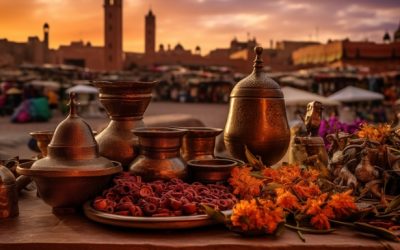
The bustling souks of Marrakech are a highlight for any visitor, offering a sensory overload of sights, sounds, and scents. These traditional markets are divided into sections selling everything from spices, textiles, and jewelry to pottery and leather goods. Navigating through the labyrinthine streets of the souks provides an authentic experience of Moroccan commerce and culture. Items are often crafted by local artisans, making the souks not only a shopping destination but also a cultural immersion into Marrakech’s vibrant life.
Jemaa el-Fnaa Square
Marrakech, a vibrant city in Morocco, is renowned for its rich history and lively atmosphere, with Jemaa el-Fnaa square serving as the heart of its cultural scene. This bustling plaza is a UNESCO World Heritage site and offers an exhilarating experience, especially at night when it transforms into a spectacle of street performers, musicians, and artisans.
Surrounding Jemaa el-Fnaa are numerous key landmarks, including the Koutoubia Mosque, famous for its stunning minaret that dominates the city skyline. Visitors can also explore the beautiful Palais de la Bahia, a 19th-century palace showcasing intricate Moroccan architecture and lush gardens. The Saadian Tombs, dating back to the 16th century, are another significant attraction, offering insight into Morocco’s royal history.
The vibrant souks (markets) around Jemaa el-Fnaa are a must-visit, where colorful stalls sell spices, textiles, jewelry, and traditional crafts. For panoramic views of Marrakech, the Menara Gardens provide a peaceful retreat with their reflective pond and surrounding olive groves. These landmarks and attractions collectively highlight the enchanting allure of Marrakech and its deep cultural heritage in Morocco.
Palaces and Historical Sites
Marrakech is renowned for its vibrant history and stunning architecture, offering visitors a rich array of landmarks and attractions. The city is home to several iconic palaces and historical sites that showcase Morocco’s majestic past and cultural heritage. Among these, the Bahia Palace stands out with its exquisite gardens, intricate tile work, and lush courtyards, reflecting Moroccan craftsmanship at its finest. The Saadian Tombs, dating back to the 16th century, are another must-see site, famous for their ornate decoration and historical significance. The Koutoubia Mosque, with its towering minaret, is a symbol of Marrakech and an impressive example of Almohad architecture. The Saadian Tombs offer a glimpse into Morocco’s royal history, while the elegant El Badi Palace, now in ruins, once dazzled visitors with its grandeur and luxurious design. Exploring these sites provides a window into Morocco’s rich cultural tapestry and royal legacy, making Marrakech a fascinating destination for history aficionados and architecture lovers alike.
Gardens and Natural Spaces
Marrakech is renowned for its vibrant landmarks and captivating natural spaces that showcase the beauty and history of Morocco. The city’s key attractions include the stunning Jemaa el-Fnaa square, which bursts with lively markets, street performers, and traditional food stalls, offering an authentic Moroccan experience. The Koutoubia Mosque, with its impressive minaret, is a prominent symbol of Marrakech’s rich heritage and Islamic architecture. Exploring the Saadian Tombs reveals intricate tile work and historical significance, while the Bahia Palace provides insight into Moroccan palatial design with its beautiful gardens and courtyards.
Beyond its historical sites, Marrakech boasts remarkable gardens and natural spaces that offer tranquility amidst the bustling city. The Majorelle Garden, once owned by Yves Saint Laurent, features vibrant cacti, exotic plants, and a striking blue villa, creating a peaceful oasis. The Menara Gardens are famous for their large reflecting pools and olive groves, perfect for relaxation and picnics. Additionally, the Anima Garden, perched on the outskirts of Marrakech, showcases contemporary art installations amidst a lush landscape, offering visitors a harmonious blend of nature and creativity. These natural spaces highlight Marrakech’s diverse landscape and provide serene escapes for visitors seeking harmony with nature.
Cultural Heritage and Traditions
Marrakech, a vibrant city in Morocco, is a treasure trove of cultural heritage and traditions that reflect the rich history and diverse influences of the region. Its bustling souks, historic monuments, and colorful festivals showcase the deep-rooted customs passed down through generations. Preserving its unique cultural identity, Marrakech offers visitors an immersive experience into the traditions that define Moroccan life and artistry.
Marrakech’s Art and Craftsmanship
Marrakech, known as the “Red City” of Morocco, is a vibrant hub of cultural heritage and rich traditions that reflect centuries of history. The city’s lively souks, historic mosques, and palaces showcase the artistry and craftsmanship that have been passed down through generations. Marrakech’s traditional arts encompass intricate tilework, embroidery, pottery, and leatherwork, each displaying exceptional skill and unique Moroccan motifs. These craftsmanship practices are deeply woven into the local culture, serving as a testament to Morocco’s diverse influences from Arab, Berber, and Andalusian cultures. The preservation of these traditions through festivals, markets, and artisan workshops continues to keep Marrakech alive as a center of cultural pride and artistic excellence. Visiting Marrakech provides a window into a vibrant cultural tapestry where history and craftsmanship seamlessly intertwine to create a truly enchanting experience.
Music, Dance, and Festivals
Marrakech, a vibrant city in Morocco, is renowned for its rich cultural heritage and lively traditions that have been preserved over centuries. The city offers a unique blend of history, art, music, and celebrations that reflect the diverse influences shaping Moroccan identity.
Music, dance, and festivals play a central role in Marrakech’s cultural landscape. Traditional Moroccan music, such as Gnawa, Andalusian, and Berber melodies, fill the air during various celebrations. Dance performances, including the energetic and colorful Tanoura dance, showcase the city’s artistic talents. Festivals like the Marrakech International Film Festival, Moussem of Tanit, and the vibrant Rose Festival attract visitors from around the world and highlight Morocco’s cultural richness.
- Traditional music styles like Gnawa and Andalusian music are performed during cultural events and private gatherings.
- Dance performances, especially the Tanoura dance, symbolize spiritual significance and community celebration.
- The annual Rose Festival in Valley of Roses celebrates Moroccan agriculture and craftsmanship.
- Marrakech’s bustling markets, known as souks, are filled with artisans selling handcrafted textiles, jewelry, and ceramics, reflecting the tradition of Moroccan craftsmanship.
Traditional Cuisine and Culinary Practices
Marrakech, often referred to as the “Red City,” is a vibrant hub of Morocco’s rich cultural heritage and traditions. The city’s historical medina is a UNESCO World Heritage site, showcasing intricate architecture, bustling markets, and centuries-old customs that have been preserved through generations. Moroccan culture is deeply rooted in its diverse history, blending Arab, Berber, and Andalusian influences, which are vividly reflected in daily life and ceremonial practices.
Traditional Moroccan cuisine is renowned for its bold flavors, aromatic spices, and communal dining experiences. Dishes like tagine, couscous, and pastilla highlight the nation’s culinary artistry, often prepared with fresh local ingredients and traditional methods. Culinary practices in Marrakech emphasize the importance of family and hospitality, with food playing a central role in social gatherings and celebrations.
Music, dance, and storytelling are integral to Moroccan cultural heritage, with each region contributing unique art forms that continue to thrive today. Festivals such as the Marrakech International Film Festival and local religious events showcase the city’s lively traditions and the enduring pride Moroccans hold for their cultural identity. Overall, Marrakech offers a captivating glimpse into Morocco’s timeless customs, vibrant traditions, and flavorful culinary landscape.
Textiles, Fashion, and Local Markets
Marrakech, a vibrant city in Morocco, is rich in cultural heritage and timeless traditions that are deeply embedded in its daily life. The city’s history is reflected in its stunning architecture, bustling souks, and lively local markets, where artisans and merchants showcase an array of traditional textiles and crafts. Moroccan textiles, known for their vibrant colors and intricate patterns, play a significant role in the country’s cultural identity, with textiles like Berber rugs, silk scarves, and embroidered garments embodying centuries-old craftsmanship.
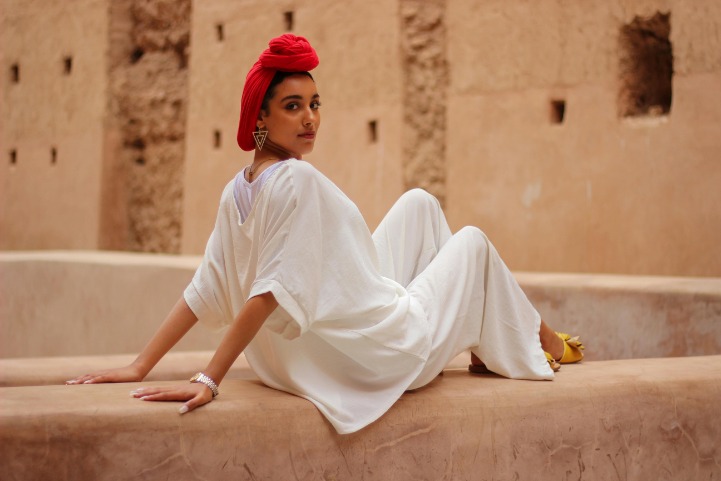
Fashion in Marrakech seamlessly blends traditional Moroccan attire with contemporary styles, creating a unique and colorful expression of cultural pride. Visitors often admire the handmade djellabas, kaftans, and ornamental accessories that highlight the skilled artistry of local artisans. The city’s markets, or souks, serve as bustling hubs for purchasing authentic textiles, handcrafted jewelry, spices, and souvenirs, offering a sensory experience that immerses visitors in Moroccan culture. Overall, Marrakech’s vibrant market scenes, traditional textiles, and fashion traditions provide a captivating glimpse into Morocco’s rich cultural tapestry.
Tourism in Marrakech
Marrakech, a vibrant city in Morocco, is renowned for its rich history, bustling markets, and stunning architecture. As a premier travel destination, it offers visitors a unique blend of ancient traditions and modern allure. From the colorful souks to the majestic palaces, tourism in Marrakech provides an unforgettable experience immersed in the cultural and scenic beauty of Morocco.
Popular Tourist Activities and Tours
Tourism in Marrakech is a vibrant experience that offers visitors a blend of rich history, stunning architecture, and lively markets. Known as the “Red City,” Marrakech captivates travelers with its bustling souks, beautiful palaces, and majestic gardens, making it a must-visit destination in Morocco.
Popular tourist activities and tours in Marrakech include exploring the historic Medina, discovering traditional crafts, and enjoying scenic excursions outside the city. Visitors can immerse themselves in Moroccan culture through various engaging experiences that showcase the city’s unique charm and beauty.
- Strolling through the bustling souks and markets, such as Jemaa el-Fnaa, to experience local food, music, and crafts.
- Visiting iconic landmarks like the Koutoubia Mosque, Saadian Tombs, and the Bahia Palace.
- Relaxing in traditional riads and experiencing Moroccan hospitality.
- Exploring the exquisite gardens of Majorelle and Menara, offering tranquility and scenic views.
- Participating in cultural tours that include cooking classes, storytelling, and traditional music performances.
- Taking day trips to nearby attractions such as the Atlas Mountains, Essaouira, or the desert dunes of Merzouga.
- Enjoying camel rides in the palm groves or desert excursions for an adventurous experience.
Luxury Accommodation and Hospitality
Marrakech, a vibrant city in Morocco, is renowned for its rich history, stunning architecture, and lively souks that draw travelers from around the world. Visitors are captivated by the blend of traditional Moroccan culture and modern luxury, making it a premier destination for those seeking an authentic yet upscale experience.
Luxury accommodation in Marrakech exemplifies elegance and comfort, with world-class hotels, boutique riads, and resorts offering exquisite interiors, personalized services, and world-renowned amenities. Many of these properties feature lush gardens, traditional Moroccan design elements, and panoramic views of the mountains or cityscape, providing an indulgent retreat for discerning travelers.
The hospitality sector in Marrakech is distinguished by its attention to detail and commitment to guest satisfaction. Hospitality services often include gourmet dining experiences, spa and wellness centers inspired by Moroccan traditions, and exclusive excursions to explore the city’s historic sites and surrounding landscapes. This combination of luxury and local charm makes Marrakech a standout destination in Morocco for travelers seeking both cultural immersion and lavish comfort.
Tourist Tips and Cultural Etiquette
Marrakech is a vibrant city in Morocco renowned for its rich history, stunning architecture, bustling markets, and lively atmosphere. It offers an immersive experience into Moroccan culture, making it a popular destination for travelers seeking a mix of tradition and modernity. Visitors should be prepared to explore the city’s iconic souks, historic palaces, and serene gardens while enjoying the warm hospitality of locals.
When visiting Marrakech, it’s helpful to keep some tips in mind to ensure a smooth and enjoyable trip. Dress modestly to respect local customs, especially when visiting religious sites. Always haggle politely in markets, but recognize when a price is fair. Be cautious with street food and avoid drinking tap water. It’s also wise to carry a photocopy of your passport as identification and stay hydrated, especially during the hot months.
Understanding cultural etiquette is important to show respect for Moroccan traditions. Greet locals with a handshake, or a traditional gesture called “Atai,” if possible. When visiting mosques or religious sites, dress conservatively, covering shoulders and knees. Avoid discussing politics or sensitive topics, and always ask permission before photographing individuals. Observing these customs helps foster positive interactions and enhances your experience in Marrakech.
Impact of Tourism on Local Economy
Tourism in Marrakech significantly contributes to the local economy by generating revenue, creating job opportunities, and promoting cultural exchange. As one of Morocco’s most popular destinations, Marrakech attracts millions of visitors each year, eager to explore its vibrant markets, historic sites, and luxurious riads. This influx of tourists boosts various sectors including hospitality, transportation, and retail, reinforcing Marrakech’s economic stability.
- Increase in employment opportunities in hotels, restaurants, and tour services.
- Growth in small businesses and artisans selling traditional crafts and goods.
- Enhanced infrastructure development to accommodate tourist influx, benefiting residents.
- Increased government revenue from tourism-related taxes, which supports local projects.
However, the rapid growth of tourism can also lead to challenges such as inflation and over-reliance on tourism revenue. Sustainable development practices are essential to ensure that the economic benefits are balanced with the preservation of Marrakech’s rich cultural heritage and environment, securing its appeal for future generations.
Economy and Development
Marrakech, a vibrant city in Morocco, serves as a key hub for the nation’s economy and development. Known for its rich cultural heritage and growing tourism sector, Marrakech plays a significant role in driving economic growth. The city’s strategic initiatives in infrastructure, agriculture, and trade contribute to Morocco’s broader development goals, making it a focal point for economic progress across the region.
Main Industries and Commerce
Marrakech, a vibrant city in Morocco, plays a vital role in the country’s economy and development. It serves as a major hub for tourism, agriculture, and manufacturing, contributing significantly to national growth. The city’s rich history and cultural appeal attract millions of visitors annually, boosting the hospitality and service sectors.
The main industries in Marrakech include tourism, which is the backbone of the local economy, supported by historic sites, markets, and festivals. Agriculture also remains important, with products such as olives, citrus fruits, and cereals cultivated in surrounding regions. Manufacturing and crafts, especially traditional textiles, ceramics, and metalwork, contribute to both local livelihoods and exports.
Commerce in Marrakech is dynamic, centered around souks and marketplaces that facilitate trade of goods ranging from local crafts to imported items. The city benefits from infrastructure improvements and investments aimed at fostering economic development. Overall, Marrakech continues to grow as a key economic and cultural center in Morocco, blending traditional industries with modern development initiatives.
Infrastructure Projects and Urban Growth
Marrakech, a historic city in Morocco, exemplifies the dynamic relationship between economy, development, and urban growth. Over recent years, the city has undergone significant transformation driven by infrastructure projects aimed at boosting tourism, commerce, and overall economic stability. Major investments in transportation networks, such as improvements to roads, airports, and public transit, have facilitated greater connectivity both within the city and with international markets. These developments have attracted foreign investment and stimulated local businesses, fostering sustainable economic growth.
The expansion of the city’s infrastructure has also supported urban development, resulting in modernized neighborhoods and enhanced public amenities. Projects like new residential areas, commercial centers, and cultural sites have contributed to Marrakech’s reputation as a vibrant hub of activity. This urban growth has been strategically planned to preserve the city’s rich heritage while accommodating modern needs, encouraging tourism and creating employment opportunities for residents.
Overall, Marrakech’s ongoing infrastructure projects and urban expansion underscore Morocco’s broader economic ambitions. They reflect a deliberate effort to integrate traditional architecture with contemporary development, positioning the city as a key player in regional and international economic networks. Continued investment in infrastructure and sustainable urban planning will be crucial in shaping Marrakech’s future as a center of growth and innovation in Morocco.
Sustainable Development Initiatives
Marrakech, often referred to as the “Red City” of Morocco, has been emerging as a significant hub for economic growth and sustainable development initiatives. The city’s strategic location, rich cultural heritage, and ongoing infrastructural improvements contribute to its growing prominence in Morocco’s overall development strategy.
In recent years, Morocco has prioritized sustainable development to balance economic progress with environmental preservation. Marrakech plays a vital role in these efforts through various initiatives aimed at enhancing urban sustainability, promoting eco-tourism, and supporting local businesses. These initiatives align with Morocco’s broader goals of reducing carbon emissions, conserving natural resources, and fostering inclusive economic growth.
- Development of renewable energy projects, especially solar power, to ensure a sustainable energy supply for Marrakech and surrounding regions.
- Urban regeneration projects that focus on sustainable architecture, waste management, and green transportation systems.
- Promotion of eco-tourism that emphasizes cultural heritage while minimizing environmental impact.
- Support for small and medium-sized enterprises (SMEs) to diversify the local economy and create employment opportunities.
- Investment in education and vocational training to equip residents with skills aligned with sustainable development goals.
Morocco’s commitment to sustainable development is evident through initiatives like the Solar Power Morocco project and the Green City framework, with Marrakech serving as a key beneficiary. These efforts not only aim to boost economic resilience but also to improve the quality of life for its residents while preserving the city’s unique cultural and natural assets.
Moroccan Cuisine: Flavors and Specialties
Moroccan cuisine, renowned for its rich flavors and vibrant spices, offers a tantalizing culinary journey through Marrakech and across Morocco. Combining centuries of tradition with unique ingredients, Moroccan dishes such as tagine, couscous, and pastilla showcase the country’s diverse cultural influences. The use of aromatic herbs, fragrant spices, and locally sourced produce creates a memorable tasting experience that reflects the soul of Moroccan hospitality and heritage.
Signature Dishes and Ingredients
Marrakech, a vibrant city in Morocco, is renowned for its rich culinary heritage that showcases a diverse array of flavors and specialties. Moroccan cuisine is characterized by its bold spices, fresh herbs, and unique combinations of sweet and savory ingredients, creating a sensory experience that reflects the country’s multicultural influences.
Signature dishes such as tagine, a slow-cooked stew prepared in a conical clay pot, highlight the importance of aromatic spices like saffron, cumin, and cinnamon. Couscous, often served with vegetables, meats, and dried fruits, is another staple, embodying the communal aspects of Moroccan dining. Pastilla, a savory-sweet pie with layers of meat, almonds, and cinnamon wrapped in a flaky pastry, exemplifies the country’s mastery of blending flavors.
Key ingredients in Moroccan cuisine include preserved lemons, olives, dried fruits like apricots and dates, and a variety of fresh herbs such as parsley and cilantro. These elements, combined with spice blends like ras el hanout—a mixture of numerous spices—give Moroccan dishes their distinctive taste and aroma. The culinary tradition of Marrakech and Morocco as a whole invites visitors to explore a sensory journey filled with vibrant flavors, aromatic spices, and time-honored recipes.
Eating Customs and Food Markets
Moroccan cuisine, especially in Marrakech, is renowned for its rich flavors, vibrant spices, and aromatic dishes that reflect the country’s diverse cultural influences. Traditional dishes such as tagine, couscous, and pastilla are staples, often prepared with a blend of spices like saffron, cumin, and cinnamon, creating complex and tantalizing flavors. Meals are typically shared among family and friends, emphasizing community and hospitality, with customary practices like serving tea and offering sweets to guests as symbols of warmth and generosity. The bustling food markets, or souks, in Marrakech are lively hubs where fresh produce, spices, herbs, and local specialties are sold, providing an authentic glimpse into Moroccan culinary traditions. These markets not only supply ingredients for home-cooked meals but also serve as social spaces that embody the vibrant spirit of Moroccan food culture. Overall, Moroccan cuisine exemplifies a harmonious fusion of flavors, customs, and market life that makes dining in Marrakech a memorable experience.
Traditional Beverages
Marrakech, often referred to as the heart of Moroccan culture, offers a vibrant culinary scene that reflects the rich flavors and traditions of Moroccan cuisine. The city’s dishes are known for their complex blend of spices, fresh ingredients, and centuries-old recipes that create a delightful sensory experience. Traditional Moroccan cuisine in Marrakech showcases a harmony of sweet, savory, and spicy flavors, embodying the warmth and hospitality of Moroccan people.
- Tagine: A slow-cooked stew named after the earthenware dish it’s prepared in, featuring meat, vegetables, and aromatic spices like saffron, cumin, and cinnamon.
- Couscous: Often served with tender meat and vegetable toppings, couscous is a staple and is celebrated for its fluffy texture and rich flavors.
- Pastilla: A savory-sweet pigeon pie with layers of flaky pastry filled with meat, almonds, and cinnamon, topped with powdered sugar and cinnamon.
- Harira: A traditional soup made with tomatoes, lentils, chickpeas, and meat, often enjoyed during Ramadan to break the fast.
- Briouats: Deep-fried pastries filled with spiced meat, cheese, or vegetables, served as snacks or appetizers.
- Mint Tea: Known as “Moroccan whisky,” this sweet and refreshing tea infused with fresh mint leaves is a symbol of hospitality.
- Agua de Flor de Azahar: A fragrant orange blossom water often used to flavor tea and desserts, adding a floral note to drinks.
- Moroccan Lemonade: Freshly squeezed lemon juice mixed with mint, sugar, and sometimes a splash of rosewater for an aromatic beverage.
- Moroccan Coffee: Typically brewed strong and served with a dollop of spices such as cinnamon or cardamom to enhance the flavor.
- Fassi Water: Mineral water infused with herbs and citrus, offering a refreshing local beverage option.
Moroccan Festivals and Celebrations
Moroccan festivals and celebrations are vibrant expressions of the country’s rich cultural heritage, blending traditions, music, dance, and colorful customs. In Marrakech and across Morocco, these lively events showcase the diverse history and vibrant spirit of the Moroccan people. From religious festivities to seasonal events, each celebration offers a unique window into local life and centuries-old traditions that continue to thrive today.
Religious Festivals and Holy Days
Marrakech and Morocco are renowned for their vibrant festivals and celebrations that showcase the rich cultural heritage and religious traditions of the region. These events, originating from deep-rooted customs, bring together communities and visitors to experience the nation’s spiritual and cultural diversity.
Moroccan festivals can be broadly categorized into cultural and religious celebrations. Religious festivals and holy days are especially significant, marking important moments in the Islamic calendar and other religious traditions practiced across the country.
- **Eid al-Fitr:** Celebrating the end of Ramadan, Muslims in Marrakech and throughout Morocco gather for prayers, feasts, and festivities, emphasizing community and charity.
- **Eid al-Adha:** Known as the Feast of Sacrifice, this event involves sacrifice rituals, communal prayers, and sharing of meat among family, friends, and the less fortunate.
- **Mawlid al-Nabi:** Celebrating the birth of the Prophet Muhammad, this festival features processions, prayers, and recitations, highlighting devotion and spiritual reflection.
- **Lailat al-Qadr:** Considered the Night of Power, it is observed with special prayers and acts of worship during Ramadan nights.
- **Marrakech International Festival of Popular Arts:** While more cultural than religious, it blends traditional Moroccan music, dance, and festivities that often coincide with religious holidays, emphasizing Morocco’s diverse heritage.
Overall, the festivals in Marrakech and across Morocco provide a captivating glimpse into the country’s spiritual life, blending religious observance with cultural expression and communal celebration.
National Holidays and Cultural Events
Marrakech, a vibrant city in Morocco, is renowned for its rich cultural heritage and lively celebrations that showcase the country’s diverse traditions. Throughout the year, Morocco hosts numerous festivals and national holidays that highlight its history, religion, and music, making it a captivating destination for visitors seeking authentic cultural experiences.
The most significant national holiday is Independence Day, celebrated on March 2nd, marking Morocco’s liberation from French colonial rule. This day features patriotic events, parades, and cultural performances across cities including Marrakech. Another major celebration is Throne Day on July 30th, which commemorates the ascension of the King and involves public festivities, royal parades, and traditional music.
Marrakech is also famous for its traditional festivals, such as the Marrakech International Film Festival, which attracts filmmakers and celebrities worldwide, and the rose festival in nearby El Kelaa M’Gouna, where the stunning rose gardens are celebrated with music, dance, and markets. Religious events like Ramadan and Eid al-Fitr are observed with communal prayers, feasts, and cultural rituals, reflecting the deep-rooted Islamic traditions in Morocco.
Cultural events such as the Fantasia (Tbourida) display traditional Moroccan horsemanship, often held during festivals and celebrations, displaying vibrant costumes and precise horse maneuvers. The bustling souks of Marrakech also come alive during these festivities, offering an authentic experience of Moroccan commerce, crafts, and cuisine. Overall, Morocco’s festivals and celebrations provide a vibrant tapestry of history, religion, and modern cultural expression that embodies the spirit of Marrakech and the nation as a whole.
Livelihood and Rituals in Festivals
Marrakech, a vibrant city in Morocco, is renowned for its colorful festivals and rich cultural celebrations that reflect the country’s diverse heritage. These events often serve as a platform to showcase traditional music, dance, crafts, and cuisine, drawing both locals and tourists alike. Moroccan festivals are deeply rooted in Islamic traditions, historical commemorations, and seasonal harvests, creating a lively atmosphere full of excitement and community spirit.
Livelihoods in Marrakech are closely intertwined with these celebrations, as many residents find employment opportunities in hospitality, arts, and merchandise stalls set up during festivals. Artisans and craftsmen often display their handmade textiles, jewelry, and pottery, which are integral to the festive economy. These events boost the local economy and sustain livelihoods by promoting cultural tourism and preserving traditional skills.
Rituals during Moroccan festivals are marked by elaborate ceremonies, traditional dances such as the Gnawa and Sufi trance rituals, and communal prayers. For example, during Ramadan, families gather for Iftar, and in events like the Moussem festivals, processions and spiritual rituals take place to honor saints or agricultural cycles. These rituals reinforce social bonds and cultural identity, making Marrakech a city where tradition and celebration coexist harmoniously.


0 Comments