
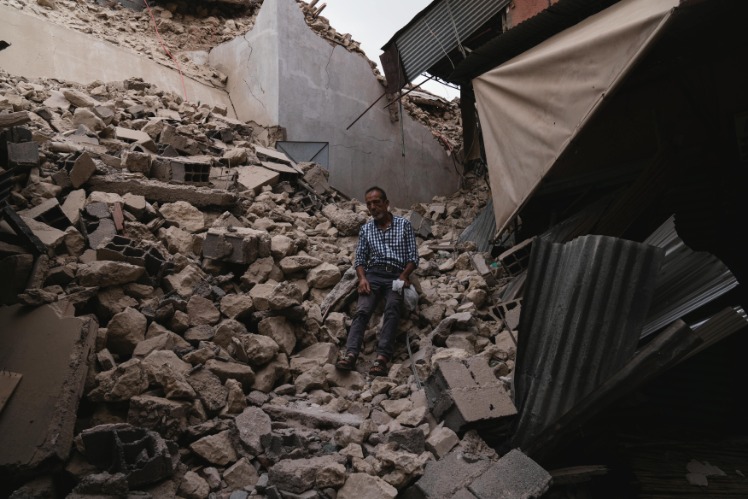
Overview of the Morocco Earthquake
The Morocco earthquake was a significant seismic event that impacted the region, causing extensive damage and affecting thousands of lives. This natural disaster highlighted the region’s vulnerability to earthquakes and underscored the importance of preparedness and resilience. Understanding the causes, effects, and response to this earthquake provides valuable insights into disaster management and recovery efforts in Morocco.
Geographical Location
The Morocco earthquake was a significant seismic event that affected the region, causing widespread damage and impacting thousands of lives. Understanding the geographical location of the earthquake helps in assessing the potential scale of its effects and the areas most at risk.
- The earthquake primarily occurred in the northern part of Morocco, near the Atlas Mountains.
- Its epicenter was situated close to urban centers such as Marrakech and Al-Haouz.
- The affected region lies along the boundary of the African and Eurasian tectonic plates, making it prone to seismic activity.
- Geographically, Morocco is located in Northwestern Africa, bordered by the Atlantic Ocean and the Mediterranean Sea.
Date and Time of Occurrence
The Morocco earthquake was a significant seismic event that affected the region, causing widespread damage and impacting many communities. Understanding the details of the earthquake helps in assessing its scale and the response efforts that followed.
The earthquake occurred on September 8, 2023, at approximately 11:11 p.m. local time. This precise timing is crucial for response coordination and understanding the event’s immediate impacts on the affected population.
Magnitude and Richter Scale Rating
The Morocco earthquake was a significant seismic event that captured widespread attention due to its impact on communities and infrastructure. Such earthquakes are measured based on their magnitude, which indicates the amount of energy released during the quake. The most common scale used to rate these earthquakes is the Richter scale, developed by Charles F. Richter in 1935.
On the Richter scale, earthquakes are assigned a numerical value that ranges from minor tremors to major disasters. The scale is logarithmic, meaning each whole number increase represents a tenfold increase in amplitude of seismic waves and approximately 31.6 times more energy release. For example, an earthquake measuring 5.0 is ten times stronger in amplitude than a 4.0, and releases over thirty times more energy.
The Morocco earthquake’s magnitude was assessed using this scale, providing a standardized way to compare the event to other seismic activities worldwide. Higher magnitude readings typically correlate with more destructive earthquakes, especially if they occur near populated areas. Understanding the magnitude and Richter scale rating helps scientists and emergency responders evaluate risks and coordinate appropriate responses to such natural disasters.
Seismological Details
The seismological details of the Morocco earthquake provide crucial insights into the nature and impact of the seismic event. Understanding these details helps scientists assess the earthquake’s characteristics, such as its magnitude, depth, and fault mechanisms, which are essential for disaster preparedness and mitigation efforts. Analyzing the seismic data also offers valuable information about the regional geologic structure and informs future risk assessments in earthquake-prone areas of Morocco.
Epicenter and Affected Areas
The Morocco earthquake was a significant seismic event characterized by intense ground shaking and widespread impact across the affected regions. The epicenter was located near the Atlas Mountains, a region known for its seismic activity due to tectonic plate movements. This location contributed to the severity of the quake and the extensive damage observed in nearby towns and villages.
The epicenter of the earthquake was pinpointed using seismological data, revealing its proximity to urban centers such as Marrakech and Ouarzazate. The earthquake’s magnitude was substantial, causing buildings to collapse, infrastructure disruptions, and casualties. The affected areas spanned a broad region, including rural communities and major cities, highlighting the event’s widespread human and material toll.
Seismologists analyzed the seismic waves generated by the quake, noting its depth and intensity, which played a crucial role in the extent of destruction. Immediate emergency response efforts were mobilized to assist injured individuals and secure damaged infrastructure, reflecting the importance of understanding the earthquake’s seismological details for effective disaster management.
Depth of the Earthquake
The Morocco earthquake involved specific seismological details that are crucial for understanding its impact and characteristics. One of the most important factors is the depth at which the earthquake occurred, as it influences the level of surface shaking and potential damage.
- The earthquake’s depth was approximately 10 kilometers (6.2 miles) beneath the Earth’s surface.
- This shallow depth contributed to stronger shaking experienced in the affected areas.
- The shallow focus is typical of earthquakes arising from crustal fault movements in the region.
- The depth measurement helps seismologists assess the fault mechanism and potential aftershock activity.
- Understanding the earthquake depth is essential for improving building codes and emergency preparedness in Morocco.
Seismic Intensity and Aftershocks
The Morocco earthquake involved significant seismological activity that provides insights into the region’s tectonic dynamics. Seismologists analyze various data points such as the earthquake’s depth, magnitude, and the fault lines involved to understand the event more comprehensively. The seismic intensity experienced in different areas ranged from moderate to severe, depending on proximity to the epicenter and local geological conditions. This intensity is measured using scales like the Modified Mercalli Intensity scale, which assesses the observed effects of the quake on structures and populations.
Aftershocks are common following a major earthquake like the one in Morocco, and they can continue for days or weeks afterward. These smaller tremors often cause additional damage and pose ongoing risks to already affected communities. The pattern of aftershocks typically diminishes in strength over time but can sometimes be felt across large regions, complicating rescue and recovery efforts. Monitoring these seismic activities helps authorities better prepare and respond, minimizing further harm and guiding building safety assessments.
Impact on Communities
The earthquake in Morocco has had a profound impact on local communities, reshaping lives and infrastructure across affected regions. The disaster has brought attention to the resilience and spirit of the residents who are working to rebuild and recover from the devastation. Understanding how such natural events influence communities is crucial for developing better support systems and preparedness strategies in the future.
Casualties and Injuries
The Morocco earthquake had significant impacts on local communities, resulting in numerous casualties and injuries. The destruction of infrastructure and homes led to widespread displacement and hardship for residents affected by the disaster.
- Many buildings were heavily damaged or collapsed, trapping residents under debris and causing fatalities.
- Emergency services responded swiftly to rescue survivors and provide medical aid, though hospitals were overwhelmed by the number of injured.
- Civilians faced long-term repercussions, including loss of loved ones, property, and sources of income, which affected community stability and recovery efforts.
- Stricken villages and towns experienced a breakdown in daily life, with access to essential services such as healthcare, water, and electricity severely disrupted.
Destruction of Infrastructure
The Morocco earthquake has had a profound impact on local communities, leading to widespread displacement and loss of life. Many residents have been displaced from their homes, facing shortages of basic necessities and emotional trauma due to the destruction. The earthquake has also disrupted daily life and economic activities, affecting livelihoods and social stability.
The destruction of infrastructure has been extensive, with hospitals, schools, roads, and communication networks severely damaged or completely destroyed. This has hampered rescue efforts and delayed aid distribution, compounding the suffering of those affected. Rebuilding efforts are now essential to restore essential services and ensure the safety and resilience of communities against future disasters.
Displacement of Residents
The Morocco earthquake has had a profound impact on local communities, leading to widespread displacement of residents. Many homes and infrastructure were destroyed or severely damaged, forcing residents to abandon their neighborhoods and seek refuge elsewhere. This displacement not only disrupts daily life but also strains social networks and community cohesion, as families are separated and livelihoods are interrupted. The recovery process becomes challenging as displaced populations face difficulties accessing resources, shelter, and basic services. Ultimately, the earthquake underscores the urgent need for comprehensive disaster response strategies and resilient infrastructure to support affected communities and facilitate their recovery and rebuilding efforts.
Response and Relief Efforts
In the aftermath of the devastating earthquake in Morocco, response and relief efforts have become crucial in providing aid to affected communities. These initiatives focus on rescue operations, medical assistance, and distributing essential supplies to ensure the safety and well-being of those impacted. Coordinated actions among local authorities, international organizations, and volunteers are vital in minimizing the disaster’s human and infrastructural toll. Effective response strategies aim to restore stability and support recovery in the hardest-hit regions of Morocco.
Government Emergency Response
The response and relief efforts following the Morocco earthquake have been swift and coordinated, aiming to address the immediate needs of those affected and to stabilize the affected regions. Government agencies, in collaboration with international organizations, have mobilized rescue teams, medical assistance, and essential supplies to disaster-stricken areas. Emergency response plans have been activated to facilitate rapid search and rescue operations, especially in isolated or heavily damaged communities. Local authorities have set up temporary shelters and provided food, water, and medical care to displaced individuals. Additionally, efforts are underway to assess the full extent of the damage and to initiate reconstruction activities to support long-term recovery. The international community has also offered aid and expertise to assist Morocco in managing the crisis effectively.
International Aid and Assistance
The response and relief efforts following the recent Morocco earthquake have involved a coordinated international effort to provide immediate assistance to those affected. Emergency services, rescue teams, and medical personnel have been deployed to search for survivors and deliver essential aid to impacted communities. International aid organizations are mobilizing resources to supply food, water, medical supplies, and temporary shelter to ensure the safety and well-being of the survivors.
Several countries and humanitarian agencies have offered financial aid, rescue teams, and technical support to Morocco to bolster local response capabilities. Air and land routes are being utilized to expedite the delivery of relief materials to remote and hard-hit areas. Additionally, community-based organizations and local authorities are working together to coordinate aid distribution, ensure effective response, and facilitate long-term recovery efforts. The international community recognizes the importance of sustained support to help Morocco rebuild and recover from this devastating earthquake.
Search and Rescue Operations
The response and relief efforts following the Morocco earthquake involve a coordinated approach to address immediate needs, conduct search and rescue operations, and provide essential support to affected communities. These efforts are crucial in saving lives and mitigating further damage caused by the disaster.
- Deployment of emergency response teams including local authorities, military units, and international rescue organizations to assist in search and rescue activities.
- Establishment of temporary shelters and provision of food, water, and medical supplies to displaced persons.
- Utilization of specialized equipment such as sniffer dogs, drones, and heavy machinery to locate survivors trapped under rubble.
- Rapid assessment of damage to infrastructure and prioritization of areas most in need of immediate assistance.
- Coordination among government agencies, NGOs, and international agencies to streamline relief distribution and support efforts.
- Continuous communication with communities to provide updates, gather information, and ensure safety protocols are followed.
Economic and Environmental Consequences
The earthquake in Morocco has not only caused immediate human and structural devastation but also triggered significant economic and environmental consequences. The destruction of infrastructure and homes hampers local economies, disrupts livelihoods, and demands urgent financial aid and rebuilding efforts. Additionally, the natural landscape and ecosystem are affected, leading to long-term environmental challenges that will influence recovery and sustainability efforts in the region. Understanding these consequences is essential to address both the human needs and ecological impacts resulting from this natural disaster.
Damage to Property and Economy
The Morocco earthquake has had significant economic and environmental consequences, resulting in widespread damage to property and local economies. The destruction of buildings, infrastructure, and homes has led to a direct financial strain on the community, with many residents facing displacement and loss of belongings. The damage to roads, bridges, and essential services hampers transportation and hampers rescue efforts, further aggravating economic challenges. Environmentally, the earthquake has caused land subsidence, landslides, and changes to the landscape, which can have long-term effects on agriculture and natural resources. The recovery process involves substantial costs, and the impact on tourism and local industries may take years to recover, ultimately affecting Morocco’s economic stability and environmental health.
Environmental Hazards and Risks
The earthquake in Morocco has had significant economic and environmental consequences, highlighting the devastating impact natural disasters can have on a region. Economically, the destruction of infrastructure, homes, and businesses has led to substantial financial losses and disrupted local economies. The costs of rebuilding and recovery place additional strain on government resources and can hinder economic growth for years. Environmentally, the earthquake has caused damage to natural landscapes, including landslides, soil destabilization, and possible contamination of water sources. These hazards pose ongoing risks to ecosystems and communities alike.
Environmental hazards associated with the Moroccan earthquake include the potential for secondary disasters such as landslides and flooding, which can further exacerbate destruction. The risk of soil erosion and destabilization may lead to long-term adverse effects on agriculture and local ecosystems. Additionally, the release of debris and hazardous materials from collapsed structures can pollute the environment, affecting air and water quality. The risks faced by affected communities are profound, as they must contend with the immediate danger of aftershocks and the ongoing threat to their health and safety from environmental degradation.
Long-term Economic Recovery Plans
The earthquake in Morocco has significant economic and environmental consequences that will influence the country’s recovery efforts. Economically, the disaster has caused extensive damage to infrastructure, homes, and commercial facilities, leading to substantial financial losses and disrupting local businesses. The revenue loss from tourism, a vital sector in Morocco, may also be impacted due to damaged landmarks and reduced visitor influx. Additionally, the costs associated with emergency response, relief efforts, and reconstruction place a heavy burden on government resources and international aid.
Environmentally, the earthquake may trigger land degradation, landslides, and destabilize ecosystems in the affected regions. There is also a risk of secondary environmental hazards, such as soil erosion and water contamination, as infrastructure is damaged and debris accumulates. These environmental challenges can hinder the pace of recovery and long-term sustainability efforts.
Long-term economic recovery plans must focus on rebuilding infrastructure with earthquake-resistant designs to minimize future risks. Investment in resilient construction, diversification of the economy, and strengthening disaster preparedness are crucial steps. Environmentally, restoring natural habitats, implementing sustainable land management practices, and conducting comprehensive risk assessments are essential to ensure a resilient recovery. International cooperation and community engagement will play vital roles in fostering sustainable growth and restoring the affected regions to their pre-earthquake stability and prosperity.
Preparedness and Mitigation Strategies
Preparedness and mitigation strategies are essential in reducing the impact of natural disasters such as earthquakes, especially in regions vulnerable to seismic activity like Morocco. Implementing effective measures beforehand can save lives, minimize property damage, and facilitate faster recovery. This article explores key strategies that can enhance resilience and readiness in the face of potential earthquakes in Morocco.
Early Warning Systems
Preparedness and mitigation strategies, along with early warning systems, play a crucial role in minimizing the impact of earthquakes, especially in seismically active regions like Morocco. Implementing these measures can save lives, reduce injuries, and lessen property damage during such natural disasters.
Key strategies in Morocco include:
- Developing and enforcing building codes that ensure earthquake-resistant structures, particularly in vulnerable urban areas.
- Training and educating communities about earthquake preparedness, including evacuation procedures and safety protocols.
- Establishing comprehensive emergency response plans coordinated among government agencies, local authorities, and humanitarian organizations.
- Conducting regular drills and simulation exercises to ensure readiness among responders and the public.
Early warning systems are vital for providing advance alerts to populations at risk, allowing crucial seconds or minutes for individuals to seek safety. Effective implementation in Morocco involves:
- Deploying a network of seismic sensors to detect initial quake waves and analyze their potential impact.
- Integrating data with communication channels to disseminate alerts quickly via sirens, mobile notifications, and media broadcasts.
- Training responders and the public on interpreting warnings and taking appropriate action immediately.
- Maintaining and upgrading infrastructure regularly to ensure system reliability and accuracy in earthquake detection.
Community Education and Training
Effective preparedness and mitigation strategies are essential for minimizing the impact of earthquakes in Morocco, a country susceptible to seismic activity due to its geographic location. Community education plays a vital role in equipping residents with knowledge about earthquake risks, safety procedures, and emergency response actions. Training programs should focus on teaching individuals how to secure their homes, identify safe spots, and develop family emergency plans. Local authorities can organize drills and informational campaigns to reinforce these lessons and promote a culture of readiness. Additionally, building codes and infrastructure improvements are crucial components of mitigation efforts, ensuring that structures can withstand seismic forces. By fostering a well-informed community and implementing comprehensive preventative measures, Morocco can enhance its resilience against future earthquakes and safeguard its population.
Construction and Building Regulations
Preparedness and mitigation strategies, along with strict construction and building regulations, are essential to reducing the impact of earthquakes like the recent Morocco earthquake. Implementing effective measures can save lives, minimize property damage, and enhance community resilience in seismically active regions.
In Morocco, comprehensive preparedness entails public education campaigns, early warning systems, and emergency response planning. Building codes are a crucial component of mitigation, requiring that new constructions adhere to seismic design standards suited to the region’s risk level. These regulations often include specifications for reinforced structures, flexible building materials, and secure foundations to withstand seismic forces.
- Establishing and enforcing strict building regulations aligned with seismic risk assessments.
- Promoting the use of earthquake-resistant construction techniques in both new buildings and retrofitting existing structures.
- Conducting regular inspections to ensure compliance with safety standards.
- Developing comprehensive emergency response plans at local and national levels.
- Enhancing public awareness about earthquake preparedness and safety protocols.
- Implementing early warning systems to alert populations before seismic waves impact vulnerable areas.
Through a combination of proactive planning, resilient construction practices, and community engagement, Morocco can better mitigate the devastating effects of future earthquakes and protect its citizens and infrastructure.



0 Comments