
Overview of Casablanca
Casablanca, Morocco’s largest city and economic hub, is a vibrant metropolis that seamlessly blends tradition with modernity. Known for its impressive architecture, bustling markets, and rich history, Casablanca serves as a gateway to the country’s cultural and commercial scene. This dynamic city offers a unique experience with its coastal charm, diverse neighborhoods, and lively atmosphere, making it a must-visit destination in Morocco.
Historical Background
Casablanca is Morocco’s largest city and a major economic and cultural hub located along the Atlantic Ocean. Known for its modern architecture, bustling port, and vibrant nightlife, Casablanca stands as a symbol of Morocco’s progress and dynamism.
Historically, Casablanca was a small fishing village called Anfa until the early 20th century. The city gained prominence during the French colonial period when it was developed as an important port and commercial center. In 1912, the Treaty of Fez established the French protectorate over Morocco, leading to significant urban development in Casablanca. The city experienced rapid growth, becoming a key gateway for trade and colonization. Its strategic location and access to the ocean fueled its expansion, transforming it from a modest settlement into Morocco’s largest metropolis. Casablanca also played a crucial role during World War II and gained independence from France in 1956, gradually evolving into the thriving modern city known today.
Geographical Location and Climate
Casablanca, the largest city in Morocco, is a major economic and commercial hub situated along the Atlantic Ocean. It is located on the country’s western coast, approximately 240 kilometers south of Rabat, the capital city. Known for its modern architecture and vibrant port, Casablanca plays a vital role in Morocco’s development.
The city experiences a Mediterranean climate characterized by warm, dry summers and mild, wet winters. Summer temperatures often range between 20°C to 30°C, providing pleasant weather for residents and tourists alike. Winters are generally mild, with temperatures rarely dropping below 10°C, and rainfall is more frequent during this season, contributing to the lush greenery around the city.
Demographics and Population
Casablanca is Morocco’s largest city and an important economic hub, located along the Atlantic coast. Known for its modern skyline, bustling port, and vibrant cultural scene, Casablanca plays a vital role in the country’s development and international trade.
Demographically, Casablanca has experienced rapid population growth over the past decades. The city is home to a diverse population that includes Moroccans from various regions, as well as expatriates and immigrant communities. The population is predominantly Arab-Berber, with a significant influence of other Mediterranean and African cultures.
As of recent estimates, Casablanca’s population exceeds 3.7 million residents, making it the most populous city in Morocco. The city continues to expand, driven by urbanization, economic opportunities, and migration from rural areas seeking employment and a better quality of life. The demographic profile is relatively young, with a high percentage of residents under the age of 30, contributing to the lively and dynamic atmosphere of the city.
Economy and Business in Casablanca
Casablanca, Morocco’s bustling economic hub, plays a vital role in the country’s business landscape. As the largest city in Morocco, it hosts a diverse range of industries, from finance and technology to manufacturing and trade. The city’s strategic location and modern infrastructure make it a key center for local and international businesses, fueling economic growth and development in the region.
Major Industries and Sectors
Casablanca, the economic heart of Morocco, is a vibrant hub for diverse industries and business sectors that drive the country’s growth. As the largest city and port, it plays a crucial role in both regional and international trade, attracting numerous multinational companies and investors.
Major industries in Casablanca include manufacturing, finance, services, and logistics. The city boasts a significant industrial zone dedicated to automotive production, textiles, and pharmaceuticals, making it a key player in Morocco’s industrialization efforts. The financial sector is robust, with Casablanca hosting the Casablanca Stock Exchange, the largest in Africa, and many banking institutions that facilitate economic transactions nationwide.
Additionally, the city is a center for commerce and trade, supported by its well-developed port and transportation infrastructure. The sector of information technology and telecommunications has also seen rapid growth, contributing to modernization and innovation. Overall, Casablanca’s diverse economic landscape makes it a vital engine for Morocco’s development and a significant player in the African continent’s economy.
Financial and Commercial Hub
Casablanca, Morocco’s largest city, serves as the country’s major financial and commercial hub, playing a vital role in its economy. The city hosts numerous banks, international companies, and financial institutions, making it a focal point for business activities in North Africa. Its strategic location along the Atlantic coast facilitates international trade and port activities, contributing significantly to national exports and imports.
Casablanca’s business environment is characterized by a dynamic real estate market, modern infrastructure, and a thriving industrial sector. The Casablanca Finance City, a financial district designed to attract global investors, exemplifies the city’s commitment to becoming a leading financial center in Africa. Additionally, the city’s diverse economy includes manufacturing, logistics, and services sectors, which drive employment and economic growth.
The Moroccan government supports Casablanca’s role as a commercial hub through various economic reforms and incentives aimed at fostering investment and entrepreneurship. As a result, Casablanca continues to attract foreign direct investment, reinforcing its position as a pivotal economic gateway in Morocco and the broader region.
Investments and Economic Growth
Casablanca, Morocco’s largest city and economic hub, plays a vital role in the nation’s economy and business landscape. The city’s strategic location on the Atlantic coast, coupled with a well-developed infrastructure, has attracted significant investments and fostered economic growth across various sectors.
- Foreign Direct Investment (FDI): Casablanca serves as the primary destination for foreign investors looking to establish operations in Morocco, particularly in manufacturing, finance, and services sectors.
- Financial Sector Development: The city hosts the Casablanca Stock Exchange, one of Africa’s leading financial markets, which facilitates capital raising and investment activities.
- Industrial and Maritime Hub: Casablanca boasts large-scale industrial parks and a busy port, boosting trade and logistics, and supporting industrial growth.
- Real Estate and Urban Development: Rapid urbanization has led to a boom in commercial, residential, and office real estate projects, attracting both local and international firms.
- Sustainable and Green Investments: There is increasing focus on eco-friendly projects and renewable energy initiatives, aligning with Morocco’s national sustainability goals.
Overall, Casablanca’s dynamic business environment and ongoing investment projects underpin Morocco’s economic resilience and future growth prospects, making it a key driver of the country’s development trajectory.
Tourist Attractions and Landmarks
Casablanca, a vibrant metropolis in Morocco, is rich in tourist attractions and landmarks that showcase its unique blend of history, culture, and modernity. Visitors can explore a variety of sites that offer glimpses into the city’s colonial past, religious heritage, and contemporary urban life. From stunning architecture to bustling markets, Casablanca provides an unforgettable experience for travelers seeking to discover Morocco’s dynamic charm.
Hassan II Mosque
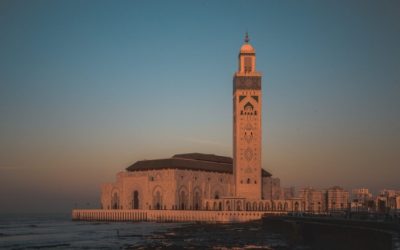
The Hassan II Mosque is one of the most iconic landmarks in Casablanca, Morocco, and a must-visit attraction for travelers exploring the city. Located along the Atlantic Ocean, it boasts stunning architecture and is renowned for its towering minaret, which reaches 210 meters, making it one of the tallest in the world. The mosque features intricate Moroccan craftsmanship, including elaborate tilework, wood carvings, and marble details, reflecting the country’s rich cultural heritage. Visitors can explore the beautifully decorated interiors, which accommodate up to 25,000 worshippers, and admire panoramic views of the ocean from its prayer hall. As a symbol of Casablanca’s spiritual and cultural identity, the Hassan II Mosque offers an unforgettable experience that highlights Morocco’s historical and architectural grandeur.
Old Medina and Marketplaces
Casablanca, Morocco’s vibrant economic and cultural hub, offers a blend of modernity and tradition through its numerous tourist attractions and landmarks. Visitors can explore the historic Old Medina, a labyrinth of narrow streets filled with traditional architecture, bustling souks, and centuries-old mosques. The Old Medina provides a glimpse into Morocco’s rich heritage and offers authentic crafts, spices, and local delicacies.
Adjacent to the Medina, lively marketplaces or souks are a must-visit, where vendors sell everything from handcrafted jewelry and textiles to aromatic spices and date fruits. These vibrant marketplaces reflect the city’s dynamic cultural tapestry and provide an immersive shopping experience. Beyond the Medina, Casablanca is famous for landmarks such as the Hassan II Mosque, one of the largest mosques in the world with stunning ocean views, and the Corniche, a seaside promenade lined with cafes, restaurants, and entertainment venues. Together, these attractions make Casablanca a captivating destination for travelers seeking a mix of historical charm and contemporary flair.
Royal Palace of Casablanca
The Royal Palace of Casablanca is a stunning example of Moroccan architecture and a significant landmark in the city. Although it is not open to the public, its impressive exterior and well-maintained gardens attract many visitors interested in the country’s royal history. The palace’s intricate design showcases traditional Moroccan artistry, with ornate gates, detailed carvings, and beautiful courtyards that reflect the rich cultural heritage of Morocco. Located in Casablanca, it stands as a symbol of the nation’s monarchy and historical grandeur, making it a must-see point of interest for travelers exploring the vibrant city.
Le Parc de la Ligue Arabe
Le Parc de la Ligue Arabe in Casablanca, Morocco, is a vibrant and picturesque public park that offers a peaceful escape amidst the bustling city. This lush green space is known for its beautifully maintained gardens, shaded pathways, and decorative fountains, making it a popular spot for both locals and tourists to relax and enjoy nature. The park also features various sculptures and monuments that reflect Moroccan culture and history, providing visitors with a cultural experience while they unwind. Its central location makes it easily accessible and a perfect starting point for exploring other attractions in Casablanca.
Beaches and Waterfronts
Casablanca, Morocco’s vibrant economic capital, boasts a captivating blend of modernity and historical charm, making it a must-visit destination for travelers. Among its popular tourist attractions are the impressive Hassan II Mosque, one of the largest mosques in the world with stunning oceanfront views, and the Casablanca Cathedral, which showcases impressive architecture. The Old Medina offers a glimpse into the city’s rich history with its bustling markets and narrow streets. For cultural experiences, the Mahomed V Square is perfect for leisurely strolls and enjoying local life. Additionally, the Corniche area along the Atlantic coast provides beautiful beaches and waterfronts, ideal for sunbathing, swimming, and enjoying scenic seaside dining. These attractions and natural sites make Casablanca a dynamic destination full of exploration and relaxation opportunities.
Cultural Scene and Local Traditions
Casablanca, Morocco’s bustling economic hub, is a vibrant city rich in cultural scenes and local traditions. Its unique blend of modernity and history offers a captivating glimpse into Moroccan life through lively festivals, traditional music, and authentic cuisine. Exploring Casablanca reveals a tapestry of customs and artistic expressions that reflect the city’s diverse heritage and vibrant community spirit.
Music and Performing Arts
Casablanca, Morocco’s vibrant economic and cultural hub, boasts a rich tapestry of traditional and contemporary arts. The city is renowned for its lively music scene, blending Andalusian, Moroccan folk, and modern genres to create a unique auditory experience. Local artists often draw inspiration from Morocco’s diverse cultural heritage, resulting in performances that celebrate both history and innovation. The performing arts in Casablanca are equally diverse, with many theaters and cultural centers hosting traditional dance, theatrical productions, and musical concerts. Festivals and events throughout the year highlight the city’s love for arts and culture, fostering a sense of pride and community among residents and visitors alike. The city’s dynamic cultural scene reflects its position as a crossroads of history, tradition, and modernity, making it a captivating destination for those interested in exploring Moroccan arts and traditions.
Festivals and Events
Casablanca, Morocco’s largest city, offers a vibrant cultural scene enriched by a blend of traditional Moroccan heritage and modern influences. The city is renowned for its lively music, art galleries, and theaters that showcase both local and international talent. Visitors can explore historic sites like the Hassan II Mosque, which stands as a symbol of the nation’s devotion and architectural prowess, and enjoy the rhythmic sounds of Gnawa music during various cultural events. Casablanca also hosts numerous festivals and events that celebrate its diverse traditions, such as the Casablanca International Film Festival and the Festival of the Mediterranean. These gatherings provide insights into Morocco’s rich history, artistic expressions, and the warmth of its local communities, making Casablanca a captivating destination for cultural enthusiasts.
Gastronomy and Cuisine
Casablanca, Morocco’s largest city, boasts a vibrant cultural scene that reflects a blend of traditional Moroccan customs and contemporary influences. The city hosts numerous art galleries, theaters, and cultural festivals that celebrate its diverse heritage. Local traditions are deeply rooted in daily life, from the bustling souks filled with handcrafted goods to the lively music and dance performances that showcase the city’s rich history.
Gastronomy and cuisine in Casablanca are a true reflection of Morocco’s culinary diversity. Visitors can enjoy dishes such as tajine, a slow-cooked stew of meat and vegetables infused with aromatic spices, and couscous, often served with a variety of meats and vegetables. Street food stalls offer flavorful snacks like fekkas and pastilla, while cafes serve mint tea and sweet pastries. The city’s culinary scene is a vibrant tapestry of flavors that embodies the warmth and hospitality of Moroccan culture.
Art and Museum Collections
Casablanca, Morocco’s largest city, boasts a vibrant cultural scene enriched by a blend of traditional and modern influences. The city’s local traditions are deeply rooted in Moroccan heritage, showcased through lively festivals, intricate crafts, and lively music that reflects the diversity of its population. Art and museum collections in Casablanca highlight this rich cultural tapestry, featuring both contemporary Moroccan artists and historical artifacts. Notable institutions such as the Museum of Moroccan Judaism and the Abderrahman Slaoui Foundation Museum offer visitors a glimpse into the nation’s artistic legacy, emphasizing craftsmanship, history, and creativity that define Casablanca’s unique cultural identity.
Transportation and Infrastructure
Transportation and infrastructure in Casablanca, Morocco, play a vital role in supporting the city’s economic growth and urban development. As one of Africa’s busiest ports and commercial hubs, Casablanca boasts a comprehensive network of roads, railways, and public transit systems that facilitate efficient movement within the city and beyond. Ongoing investments in infrastructure aim to enhance connectivity, reduce congestion, and improve the overall quality of life for residents and visitors alike.
Public Transit Systems
Public transit systems in Casablanca, Morocco, play a vital role in facilitating daily transportation for residents and visitors alike. The city’s infrastructure has seen significant development to accommodate the growing population and economic activities, ensuring efficient mobility across urban and suburban areas.
- The Casablanca Tramway, launched in 2012, is a modern light rail system that connects key districts of the city, including the economic center and residential neighborhoods.
- It spans approximately 31 kilometers and includes multiple stations, easing congestion on roads and providing a reliable alternative to road transport.
- The public transit system also includes an extensive bus network operated by CTM and Alsa, covering areas not served by the tramway and offering affordable transportation options.
- Integration between buses and the tramway allows for seamless commuting, supported by a unified ticketing system.
- Ongoing infrastructure projects aim to expand transit routes, improve service frequency, and incorporate sustainable technologies into the transportation network.
Airports and Connectivity
Casablanca, Morocco’s largest city, serves as a vital hub for transportation and infrastructure, playing a crucial role in the country’s economic development. The city boasts a well-developed network of roads, railways, and ports that facilitate the movement of goods and people locally and internationally. Mohammed V Airport is the main international gateway, connecting Casablanca to major cities across Europe, Africa, and beyond, and offering modern facilities to travelers.
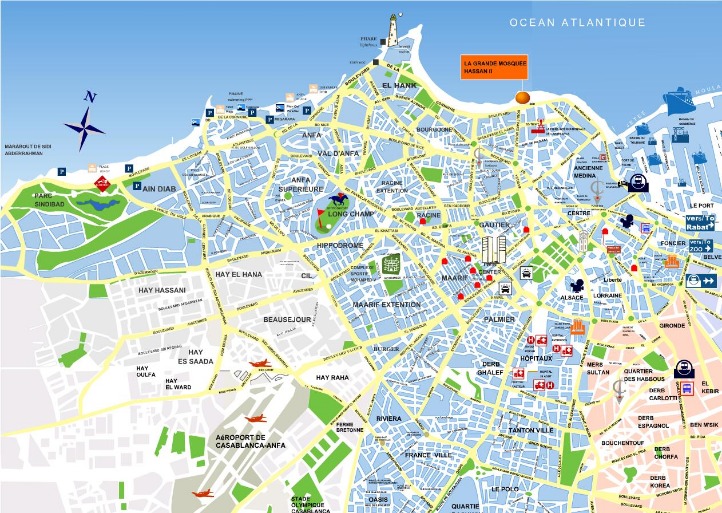
Connectivity within the city is supported by an extensive public transportation system, including buses and tramways, which help reduce traffic congestion and improve accessibility. The tram system, introduced in recent years, significantly enhances urban mobility, linking key districts and business centers. Additionally, Casablanca’s port is one of the largest in Africa, serving as a critical maritime hub for international trade and commerce.
Ongoing investments in infrastructure aim to further modernize transport facilities and increase connectivity, supporting Morocco’s vision of becoming a regional transportation center. These improvements are essential for fostering economic growth, attracting foreign investment, and ensuring seamless mobility for residents and visitors alike in Casablanca.
Road Networks and Urban Development
Casablanca, Morocco’s largest city, showcases a dynamic landscape of transportation and infrastructure development that supports its status as an economic hub. The road networks in Casablanca are extensive and continuously evolving to improve connectivity within the city and with other regions. Major highways and arterial roads facilitate efficient movement of goods and people, reducing congestion and promoting commerce. Urban development projects have focused on modernizing transportation infrastructure, including the expansion of road corridors, bridges, and overpasses, to accommodate growing urban populations.
Urban planning in Casablanca emphasizes integrating various modes of transportation, such as bus systems, taxis, and the upcoming tramway network, which enhances mobility and reduces reliance on private vehicles. These initiatives aim to decongest the city center, improve accessibility, and support sustainable growth. The development of new residential and commercial districts often includes thoughtful infrastructure planning to ensure seamless connection to existing transportation networks. Overall, Casablanca’s strategic investment in road networks and urban infrastructure reflects its ambitions to become a leading African metropolitan hub with modern, efficient transportation systems.
Education and Institutions
Education and institutions play a vital role in shaping the development of Casablanca, Morocco’s largest city. As a hub of cultural and economic activity, Casablanca offers a diverse range of educational opportunities, from traditional schools to modern universities. These institutions foster innovation, preserve cultural heritage, and prepare residents for the dynamic challenges of the globalized world, making them essential components of the city’s growth and progress.
Major Universities and Schools
Casablanca, as the economic and cultural hub of Morocco, boasts a variety of prominent educational institutions and universities that attract students from across the country and beyond. Major universities such as Université Hassan II de Casablanca offer a wide range of programs in fields like science, technology, law, and humanities, providing high-quality higher education opportunities. In addition to universities, Casablanca is home to numerous specialized schools and colleges that focus on engineering, business, arts, and vocational training, contributing to the development of skilled professionals in the region. These institutions play a vital role in fostering academic excellence and supporting the city’s growth as a centre of innovation and knowledge.
Research and Innovation Centers
Casablanca, Morocco’s economic and cultural hub, boasts a vibrant education system supported by numerous institutions and research centers dedicated to fostering innovation and academic excellence. The city is home to several major universities, such as the University of Hassan II and École Nationale Supérieure d’Informatique et d’Analyse de Systèmes, which offer diverse programs in science, technology, and humanities.
Research and innovation centers play a crucial role in Casablanca’s development, linking academia with industry to promote technological advancement and sustainable growth. Notable institutions include the Moroccan Center for Scientific and Technical Research and several public-private partnerships aimed at nurturing startups and entrepreneurial ventures. These centers facilitate cutting-edge research in renewable energy, information technology, and manufacturing, contributing significantly to Morocco’s national development goals.
Furthermore, Casablanca’s strategic location and infrastructure support international collaborations, bringing together local researchers and global experts. This synergy enhances Morocco’s position as a regional leader in education and innovation, driving economic diversification and social progress within the city and beyond.
Challenges and Future Development
Casablanca, Morocco’s vibrant economic hub, faces several challenges that impact its development and growth. Rapid urbanization, infrastructure needs, and environmental concerns are among the pressing issues the city encounters. Looking ahead, strategic planning and sustainable development initiatives are essential to ensure Casablanca’s continued progress. Embracing innovation and modernization will be key to overcoming obstacles and paving the way for a prosperous future in this dynamic city.
Urban Planning and Sustainability
Urban planning and sustainability in Casablanca face numerous challenges as the city continues to grow rapidly. Rapid urbanization has led to increased pressure on infrastructure, transportation systems, and public services, often resulting in congestion, pollution, and inadequate housing. Balancing economic development with environmental preservation remains a critical concern, especially in a city that serves as Morocco’s economic hub. Future development efforts must prioritize sustainable practices, including green building technologies, improved waste management, and expanded public transportation networks to reduce the city’s carbon footprint. Emphasizing inclusive urban planning that addresses social inequalities and supports resilient communities will be essential for Casablanca’s long-term growth. Additionally, integrating smart city solutions can enhance resource efficiency and improve residents’ quality of life, ensuring the city remains vibrant, sustainable, and livable in the decades to come.
Social and Economic Challenges
Morocco’s largest city, Casablanca, faces numerous social and economic challenges that impact its development and growth. Rapid urbanization has led to overcrowded neighborhoods, inadequate infrastructure, and pressure on public services, making it difficult to ensure quality living conditions for all residents. Socioeconomic disparities are prominent, with wealth concentrated in certain areas while many communities grapple with poverty, unemployment, and limited access to education and healthcare. These issues contribute to social tensions and hinder cohesive community development.
Future development in Casablanca requires addressing these challenges through sustainable urban planning, investment in public infrastructure, and inclusive economic policies. Emphasizing job creation, promoting entrepreneurship, and improving access to social services will be crucial in bridging inequalities. Additionally, leveraging technological innovations and renewable energy solutions can foster more resilient and environmentally sustainable growth. Strengthening social cohesion and fostering community engagement will be essential to transforming Casablanca into a more equitable and prosperous city for its residents.
Upcoming Projects and Vision for the Future
Morocco’s Casablanca faces a range of challenges as it continues to develop, including managing rapid urbanization, infrastructure modernization, and sustainable growth. As the economic hub of the country, Casablanca strives to balance industrial expansion with environmental conservation and social equity. Future development efforts focus on enhancing transportation networks, expanding green spaces, and increasing technological innovation to foster a more resilient and vibrant city.
Upcoming projects in Casablanca aim to reinforce its status as a regional commercial and financial center. Major initiatives include the construction of modern business districts, improvement of port facilities, and the implementation of smart city solutions to optimize urban living. Additionally, investments in renewable energy and eco-friendly infrastructure are set to play a crucial role in ensuring sustainable growth.
The vision for Casablanca’s future is rooted in transforming the city into a global metropolis that harmonizes economic dynamism with cultural heritage. There is a strong emphasis on fostering innovation, attracting international investments, and enhancing quality of life for its residents. By leveraging its strategic location and rich history, Casablanca aspires to become a leading example of sustainable urban development in Africa and beyond.

0 Comments