
Major Wildlife Habitats in Tanzania
Tanzania is renowned for its diverse and vibrant wildlife habitats, which serve as home to a remarkable array of animals. From expansive savannahs to lush forests and vast wetlands, the country’s ecosystems support a wide variety of species, making it a premier destination for wildlife enthusiasts and conservationists alike. These major habitats play a crucial role in sustaining Tanzania’s rich biodiversity and are vital for the survival of many iconic animals.
Serengeti National Park
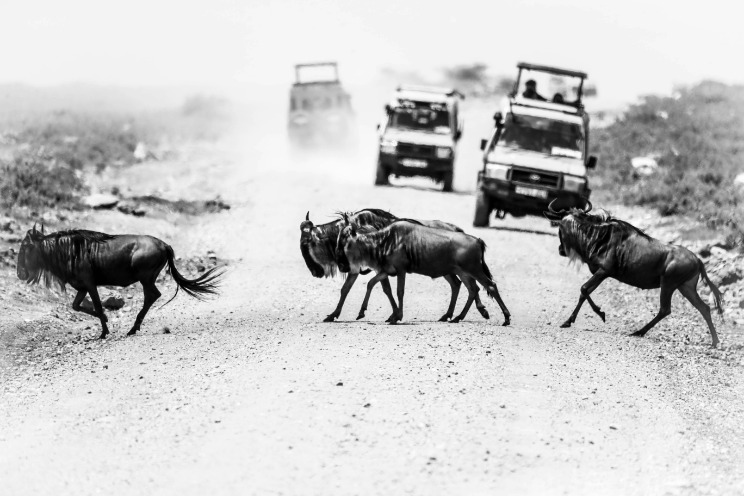
Tanzania is renowned for its diverse and vibrant wildlife habitats, with the Serengeti National Park being one of the most iconic. The Serengeti is characterized by vast grasslands, savannahs, and woodlands that support a wide variety of animal species. It is famous for its large herds of wildebeest, zebras, and antelopes that migrate annually across the plains. The park also harbors predators such as lions, cheetahs, leopards, and hyenas, making it a crucial habitat for the predator-prey dynamics of the region. Additionally, the Serengeti contains riverine forests and rocky outcrops that provide shelter for elephants, buffaloes, giraffes, and numerous bird species. These diverse habitats make the Serengeti a vital area for wildlife conservation and a major destination for eco-tourism in Tanzania.
Ngorongoro Crater
Ngorongoro Crater in Tanzania is one of the most remarkable wildlife habitats in Africa, renowned for its rich biodiversity and stunning landscape. Located within the Ngorongoro Conservation Area, the crater is a massive volcanic caldera that provides a sheltered environment for a diverse range of animals. It hosts the densest population of large mammals in Africa, including lions, elephants, rhinoceroses, buffaloes, and wildebeests. The crater is also an important site for birdlife, with thousands of species inhabiting its lush grasslands, forests, and lakes. This unique habitat supports numerous predators and prey, making it a vital part of Tanzania’s wildlife conservation efforts and a popular destination for safari tourists seeking to observe wild animals in their natural environment.
Selous Game Reserve
Selous Game Reserve, located in Tanzania, is one of the largest and most diverse wildlife habitats in Africa. It covers an area of over 50,000 square kilometers and is renowned for its rich variety of flora and fauna. This UNESCO World Heritage Site provides a crucial habitat for many endangered species such as the African wild dog, black rhinoceros, and the African elephant. The reserve’s landscapes include dense woodlands, open plains, rivers, and marshlands, offering a variety of ecosystems that support diverse animal populations. The Rufiji River, which runs through Selous, sustains a vibrant aquatic life, attracting numerous aquatic birds and supporting essential water-dependent species. Overall, Selous Game Reserve plays a vital role in the conservation of Tanzania’s wildlife and serves as a key habitat for many iconic African animals.
Mikumi National Park
Mikumi National Park in Tanzania is one of the country’s major wildlife habitats, renowned for its diverse ecosystems and rich biodiversity. Located in the Morogoro Region, it is part of the larger Selous Ecosystem and covers an area of approximately 3,230 square kilometers. The park features expansive savannah plains, miombo woodlands, and riverine forests, providing a variety of habitats for numerous animal species. Mikumi is known for its large herds of elephants, lions, giraffes, zebras, and wildebeests, as well as predators such as hyenas and leopards. The park also hosts the rare and endangered African wild dog, contributing to its significance as a conservation area. Its diverse habitat types make Mikumi a crucial sanctuary for wildlife, supporting both resident and migratory species, and offering vital resources for their survival in Tanzania’s broader ecosystem.
Iconic Animals of Tanzania
Tanzania is renowned for its diverse and breathtaking wildlife, home to some of the most iconic animals on the planet. From the majestic African elephants to the graceful giraffes, the country’s vast savannas and national parks offer a showcase of nature’s wonders. These animals not only symbolize the rich biodiversity of Tanzania but also play a vital role in the ecological and cultural heritage of the nation.
Lions and Big Cats
Tanzania is renowned for its impressive wildlife, including some of the most iconic animals in Africa. Among these, lions and other big cats stand out as symbols of the nation’s rich biodiversity. These majestic predators play a vital role in maintaining the health of ecosystems within Tanzania’s protected areas, such as Serengeti National Park and Ngorongoro Conservation Area.
Lions, often called the “King of the Jungle,” are among the most recognizable big cats in Tanzania. They live in prides and are known for their impressive strength and social behavior. Visitors frequently seek out lion sightings as a highlight of their safari experience, witnessing their hunting strategies and social interactions in the wild.
In addition to lions, Tanzania is home to other big cats including leopards and cheetahs. Leopards are elusive and masterful hunters, often found resting in trees after a night of stalking prey. Cheetahs, known for their incredible speed, can be spotted sprinting across the open plains in search of gazelles and other small herbivores.
These big cats are not only vital to the ecological balance of Tanzania’s wilderness but also serve as key attractions for eco-tourism. Protecting their populations is essential to preserving the natural heritage of Tanzania and ensuring that future generations can continue to admire these magnificent creatures in their natural habitat.
Elephants
Tanzania is renowned for its incredible wildlife, especially its iconic animals like elephants. These magnificent creatures are among the largest land mammals and are a symbol of the country’s rich biodiversity. Tanzanian elephants are known for their impressive tusks and gentle nature, and they play a crucial role in maintaining the health of ecosystems such as savannas and forests. The majority of Tanzania’s elephants can be found in national parks such as Serengeti and Tarangire, where conservation efforts help protect these majestic animals from threats like poaching. Visitors to Tanzania often have the chance to witness elephants in their natural habitat, creating unforgettable wildlife experiences. Protecting elephants is vital for preserving Tanzania’s natural heritage and ensuring that future generations can enjoy these iconic animals.
Giraffes
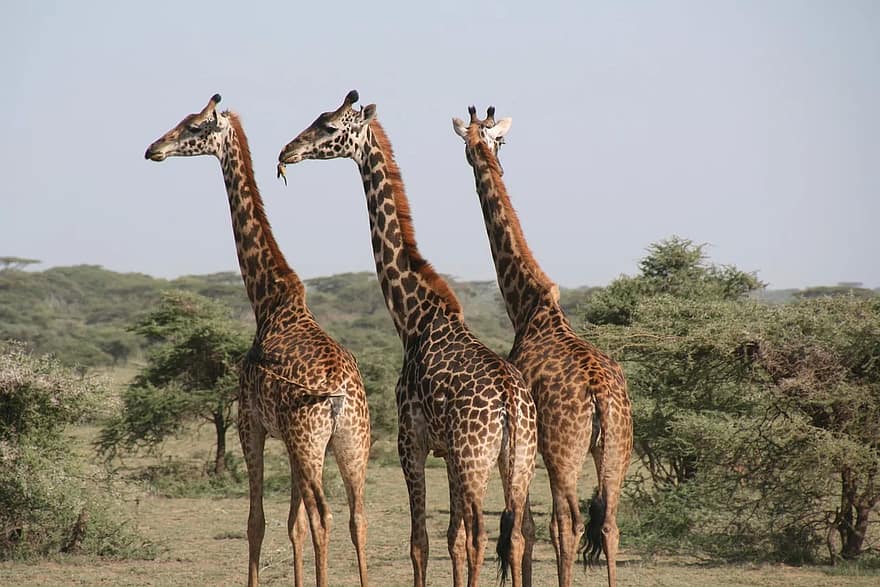
Giraffes are among the most iconic animals found in Tanzania, symbolizing the unique wildlife of this African country. Known for their tall stature and distinctive patterns, giraffes inhabit the savannahs and open woodlands throughout Tanzania’s national parks, including Serengeti and Tarangire.
- Giraffes are the world’s tallest land animals, with some reaching heights of up to 18 feet.
- Their unique coat patterns, consisting of irregular patches, help in identifying individual animals and provide camouflage in their natural habitat.
- They primarily feed on leaves, especially acacia, using their long necks to reach high into trees.
- Giraffes play a vital role in their ecosystem by browsing on tall trees, which helps in maintaining the health of the woodland environment.
- In Tanzania, giraffes are a major attraction for safari enthusiasts and are crucial for eco-tourism in the region.
Cheetahs and Leopards
Tanzania is renowned for its diverse and iconic wildlife, including some of the most captivating big cats in Africa. Among these, cheetahs and leopards stand out as symbols of the country’s rich biodiversity and wilderness areas.
Cheetahs are the fastest land animals, capable of reaching speeds up to 70 miles per hour. They are characterized by their slender bodies, distinctive black tear marks on their faces, and incredible agility. Cheetahs primarily hunt small to medium-sized ungulates and prefer open plains and grassy savannahs, making Tanzania’s Serengeti National Park an ideal habitat for them.
Leopards are highly adaptable and elusive predators known for their strength, agility, and beautiful rosette-patterned coats. They can thrive in a variety of environments, from dense forests to rocky hills and savannahs. In Tanzania, leopards are frequently seen in national parks such as Ngorongoro Crater and Ruaha, where they hunt a wide range of prey and often have the flexibility to climb trees and conceal their prey.
Both cheetahs and leopards play crucial roles in maintaining the ecological balance of Tanzania’s ecosystems. They are also major attractions for tourists, contributing significantly to the conservation efforts and eco-tourism industry of the country. Protecting these majestic animals remains a priority to ensure that future generations can also experience Tanzania’s incredible wildlife heritage.
Rhinoceroses
Rhinoceroses are among the most iconic animals in Tanzania, attracting wildlife enthusiasts from around the world. These majestic creatures, primarily the black and white rhinoceroses, are a vital part of Tanzania’s rich biodiversity. Found mainly in protected areas such as Ngorongoro Crater and Serengeti National Park, rhinoceroses play a crucial role in their ecosystems as browsers and grazers.
Despite their significance, rhinoceroses face numerous threats, including poaching and habitat loss. Conservation efforts in Tanzania aim to protect these endangered animals through anti-poaching initiatives and habitat preservation. Observing rhinoceroses in their natural habitat offers a glimpse into the wilderness and the importance of safeguarding Africa’s iconic species for future generations.
Hippos and Crocodiles
Tanzania is renowned for its diverse wildlife, including some of the most iconic animals in Africa. Among these, hippos and crocodiles stand out due to their unique adaptations and impressive presence in the country’s wilderness areas. These animals play vital roles in their ecosystems and attract many nature enthusiasts and photographers.
Hippos, or hippopotamuses, are large terrestrial and aquatic mammals primarily found in Tanzania’s freshwater rivers and lakes, such as Lake Tanganyika and the Serengeti. They spend most of their time submerged in water to keep their massive bodies cool. Hippos are social animals, living in groups called pods, and are known for their territorial behavior, especially among males. Despite their bulky appearance, they are swift on land and can be quite aggressive when threatened.
Crocodiles in Tanzania are predominantly Nile crocodiles, which inhabit the country’s rivers, lakes, and deltas. These formidable predators are vital to the health of aquatic ecosystems, controlling fish populations and scavenging carcasses. They often bask on riverbanks or sandy shores and are known for their powerful jaws and stealthy hunting techniques. Crocodiles pose a risk to humans but are also an important part of Tanzania’s natural heritage.
Both hippos and crocodiles are protected species, and observing them in their natural habitats offers a glimpse into the rich biodiversity that Tanzania proudly preserves. Their presence underscores the importance of conservation efforts in maintaining the balance and vitality of Tanzania’s incredible wildlife ecosystems.
Endemic and Unique Species
Tanzania is home to a remarkable array of endemic and unique species that highlight the country’s rich biodiversity. These species are found nowhere else in the world, making Tanzania a vital area for conservation and ecological study. From rare mammals to specialized plants, the endemic species of Tanzania contribute significantly to the country’s natural heritage and global ecological diversity.
Udzungwa Forest Dolphins
Endemic and unique species are vital components of Tanzania’s rich biodiversity, showcasing the country’s ecological significance. Among these, the Udzungwa Forest Dolphins stand out as a rare and intriguing species found exclusively in the Udzungwa Mountains of Tanzania. These dolphins are distinguished by their adaptation to freshwater habitats and their limited distribution, making them a symbol of Tanzania’s unique natural heritage. Protecting such endemic species is crucial for maintaining ecological balance and preserving the country’s diverse wildlife for future generations.
Tanzanian Kobs
Tanzanian kobs are a fascinating example of endemic species, uniquely adapted to the specific environments found within Tanzania. As endemic species, they are native to this region and are not naturally found anywhere else in the world. These animals play a vital role in the biodiversity and ecological balance of their habitats.
- Endemic species are restricted to a particular geographic location, making them vital for conservation efforts.
- Unique species such as the Tanzanian kobs often have specialized adaptations that allow them to thrive in their specific environments.
- Maintaining the populations of endemic species is crucial for preserving the natural heritage of Tanzania.
- Endemic animals contribute to the distinctiveness of Tanzania’s rich biodiversity, supporting ecotourism and scientific research.
Altered Chimpanzees in Mahale Mountains
The Mahale Mountains in Tanzania are renowned for their rich biodiversity, particularly their endemic and unique species of animals. Among these, the chimpanzees stand out as a fascinating example, with some populations exhibiting altered behaviors due to their isolated habitats. These chimpanzees have adapted to the specific environmental conditions of the region, making them not only unique but also an essential part of the local ecosystem. Conservation efforts in the area focus on protecting these remarkable animals and their habitats to ensure their continued existence for future generations.
Birdlife in Tanzania
Tanzania is renowned for its incredible diversity of birdlife, making it a paradise for bird enthusiasts and nature lovers alike. With its vast savannas, wetlands, forests, and coastal areas, the country is home to a wide variety of bird species, including stunningly colorful and rare migratory birds. The richness of Tanzania’s avian fauna adds to the country’s reputation as one of Africa’s top destinations for wildlife viewing and birdwatching experiences.
Colorful Bird Species
Tanzania is a haven for bird enthusiasts, offering a spectacular array of colorful bird species that captivate with their vibrant plumage and diverse behaviors. From the lush savannas to the wetlands and forests, the country hosts a rich biodiversity of avian life.
Among the most striking are the Lilac-breasted Roller, known for its shimmering blue, purple, and green feathers, and the Crested Hornbill, recognizable by its impressive casque and bright yellow beak. The Finfoot, with its vivid red feet and sleek body, adds to the palette of Tanzanian birdlife.
Many species migrate seasonally, creating a kaleidoscope of colors around lakes like Natron and Manyara. The Fischer’s Lovebird and the Violet-backed Starling are just a few examples of the colorful species that frequent Tanzania’s diverse habitats. These birds not only enrich the country’s natural beauty but also play crucial roles in ecosystems, contributing to pollination and seed dispersal.
Birdwatching in Tanzania offers a unique opportunity to observe these dazzling species in their natural environment, making it a paradise for photographers and nature lovers alike. The country’s commitment to conservation ensures that these vibrant bird species continue to thrive for generations to come.
Rare and Endangered Birds
Tanzania is renowned for its incredible birdlife, offering a sanctuary for a diverse array of avian species. The country’s vast landscapes, including savannas, lakes, and forests, provide ideal habitats for both common and rare birds. Bird enthusiasts flock to Tanzania to observe its rich biodiversity and endemic species.
Among the rare and endangered birds in Tanzania are the Grey Crowned Crane, known for its striking appearance and symbolic significance, and the Tule White-eye, a species with a very limited distribution. The Leonardo’s Rock Thief, found in specific rocky areas, faces threats from habitat loss. Another notable species is the Black Paradise Flycatcher, which inhabits forested regions and is considered vulnerable due to deforestation.
Conservation efforts in Tanzania aim to protect these rare and endangered species through national parks, bird sanctuaries, and community involvement. By preserving natural habitats, Tanzania plays a vital role in maintaining the biodiversity of its avian populations and ensuring these beautiful birds can be appreciated by future generations.
Migratory Patterns
Tanzania is renowned for its rich birdlife, hosting a diverse range of bird species that thrive in its varied habitats. The country’s national parks and protected areas, such as Serengeti, Ngorongoro Crater, and Lake Manyara, provide perfect environments for both resident and migratory birds. Migratory patterns in Tanzania are particularly notable, as many birds travel from Eurasia and North Africa to take advantage of the wetlands and grasslands during the breeding season. These migrations are driven by seasonal changes, with birds arriving in Tanzania during the rainy season to breed and find abundant food sources. In addition to resident species like the African Fish Eagle and Lilac-breasted Roller, migratory birds such as the Common Nightingale and the Eurasian Wigeon significantly contribute to the country’s vibrant avifauna. The movement of these birds plays a crucial role in maintaining ecological balance and offering birdwatchers a spectacular display of avian diversity throughout the year.
Conservation Efforts and Challenges
Conservation efforts in Tanzania play a vital role in protecting its rich and diverse array of native animals, including elephants, lions, and cheetahs. Despite the country’s natural beauty and biodiversity, these species face numerous challenges such as habitat loss, poaching, and human-wildlife conflict. Addressing these issues requires sustained dedication and innovative strategies to ensure the survival of Tanzania’s unique wildlife for future generations.
Protected Areas and National Parks
Tanzania is renowned for its rich biodiversity and extensive conservation efforts aimed at protecting its unique wildlife. The country has established numerous protected areas and national parks to safeguard endangered species such as elephants, lions, and rhinoceroses. These areas serve as crucial habitats that support ecological balance and promote eco-tourism, which is vital for local economies. However, conservation efforts face significant challenges including poaching, illegal wildlife trade, human-wildlife conflict, and habitat destruction caused by agricultural expansion and urban development. Despite these obstacles, Tanzania continues to prioritize conservation through community engagement, anti-poaching initiatives, and international cooperation to ensure the survival of its diverse animal populations for future generations.
Wildlife Poaching Issues
Conservation efforts in Tanzania have been crucial in protecting its rich biodiversity, particularly its iconic wildlife such as elephants, lions, and rhinoceroses. Numerous national parks and reserves, including the Serengeti and Ngorongoro Crater, serve as sanctuaries for these species and are supported by government initiatives, local communities, and international organizations. However, these efforts face significant challenges, foremost among them being wildlife poaching. Poaching driven by the illegal wildlife trade threatens the survival of many species, especially elephants and rhinos, whose tusks and horns are highly valued on the black market. This illicit activity is fueled by factors such as poverty, weak law enforcement, and demand from international markets. To combat these issues, Tanzania has increased patrols, implemented stricter laws, and engaged in regional conservation collaborations. Despite these measures, continued vigilance and innovative strategies are necessary to ensure the protection and sustainable future of Tanzania’s diverse animal populations.
Community Involvement Projects
Conservation efforts in Tanzania are vital for protecting its rich biodiversity, especially its iconic animals such as elephants, lions, and rhinos. These initiatives aim to preserve habitats, combat poaching, and promote sustainable practices. However, challenges such as illegal wildlife trade, habitat destruction, and limited resources hamper progress. Community involvement projects play a crucial role in fostering local support and ensuring sustainable conservation practices.
- Establishing national parks and protected areas like Serengeti National Park and Ngorongoro Conservation Area to safeguard wildlife habitats.
- Implementing anti-poaching laws and employing patrol units to monitor and prevent illegal hunting activities.
- Engaging local communities through education and employment opportunities linked to conservation efforts.
- Promoting eco-tourism to generate economic benefits for communities while incentivizing wildlife preservation.
- Supporting community-based projects such as wildlife corridors and reforestation programs to enhance ecosystem connectivity.
Wildlife Tourism in Tanzania
Wildlife tourism in Tanzania offers a captivating glimpse into some of the world’s most diverse and majestic animals. Renowned for its vast savannas and rich ecosystems, Tanzania is home to the iconic Big Five—lion, elephant, buffalo, leopard, and rhinoceros—making it a prime destination for wildlife enthusiasts. Visitors have the opportunity to experience unforgettable safaris amid breathtaking landscapes, discovering the unique behaviors and habitats of the country’s extraordinary animals.
Safaris and Tours
Tanzania is renowned for its incredible wildlife and is a top destination for wildlife tourism, offering unforgettable safaris and tours. The country’s diverse ecosystems, from the Serengeti Plains to the Ngorongoro Crater, are home to some of Africa’s most iconic animals including lions, elephants, giraffes, cheetahs, and rhinoceroses. Visitors can experience close encounters with these majestic creatures in their natural habitats, making Tanzania a premier location for wildlife enthusiasts.
Safaris in Tanzania are carefully organized to provide a comprehensive view of the country’s rich biodiversity. Tourists can choose from game drives, walking safaris, and even balloon safaris that offer a bird’s eye perspective of the sprawling landscapes teeming with wildlife. Many tours also include visits to famous national parks and UNESCO World Heritage sites, ensuring a memorable adventure grounded in Tanzania’s remarkable natural heritage.
Whether exploring the vast savannahs of the Serengeti during the Great Migration or observing the dense wildlife population in the Ngorongoro Crater, travelers are guaranteed an authentic and immersive wildlife experience. The combination of pristine wilderness, diverse animal species, and expert guides makes Tanzania an ideal destination for anyone passionate about nature and wildlife conservation.
Eco-Tourism Initiatives
Wildlife tourism in Tanzania offers a unique opportunity to experience the diverse and abundant animal species that inhabit the country’s renowned national parks and protected areas. This form of eco-tourism emphasizes the conservation of wildlife while providing sustainable economic benefits to local communities. Tanzania’s commitment to eco-tourism is evident through various initiatives aimed at preserving its majestic animals and their habitats.
- Protected Areas and National Parks: Tanzania boasts famous reserves like Serengeti, Ngorongoro Crater, and Tarangire, home to animals such as lions, elephants, giraffes, and cheetahs.
- Community-Based Conservation Programs: These initiatives involve local communities in wildlife management, ensuring they benefit from wildlife tourism and are motivated to protect animals.
- Adult and Youth Education Campaigns: Tanzania promotes awareness about wildlife conservation through educational programs targeting both visitors and local populations.
- Sustainable Lodging and Tours: Eco-friendly lodges and responsible tour operators minimize environmental impact and foster conservation efforts.
- Wildlife Research and Monitoring: Continuous research helps track animal populations, study behavior, and develop effective conservation strategies.
Impact of Tourism on Wildlife
Wildlife tourism in Tanzania plays a significant role in the conservation of its diverse animal species, including the iconic elephants, lions, giraffes, and rhinoceroses. As one of Africa’s premier safari destinations, Tanzania attracts millions of visitors each year, providing essential revenue that funds protected areas like the Serengeti and Ngorongoro Crater. However, the impact of tourism on wildlife can be both positive and negative. On the positive side, tourism generates income that supports conservation efforts and local communities, encouraging the preservation of natural habitats. Conversely, high tourist activity can lead to habitat degradation, disturbance to animal behaviors, and increased risks of poaching and illegal activities. Striking a balance between tourism development and wildlife protection is crucial to ensure the sustainability of Tanzania’s rich animal populations for future generations.


0 Comments