

Geographical Overview
Botswana and South Africa are neighboring countries situated in the southern region of Africa, each featuring diverse geographical landscapes. Botswana is characterized mainly by its vast desert plains and the Kalahari Desert, while South Africa boasts a varied terrain that includes mountains, savannas, and coastal areas. This geographical diversity greatly influences their climate, wildlife, and economic activities, making their comparison intriguing within the context of regional geography.
Location and Size
Botswana and South Africa are neighboring countries located in the southern part of Africa, each with distinct geographical features. Botswana is a landlocked nation characterized by vast desert landscapes, including portions of the Kalahari Desert, and extensive savannas that support diverse wildlife populations. South Africa, on the other hand, has a more varied geography that includes coastal plains, mountain ranges such as the Drakensberg, and fertile highveld plains, offering a more diverse terrain. In terms of size, South Africa is significantly larger, covering approximately 1.22 million square kilometers, making it one of the largest countries on the continent. Botswana, comparatively smaller, spans about 581,000 square kilometers, predominantly covered by semi-arid plains and bushveld regions. Both countries boast rich natural landscapes but differ greatly in their geographical diversity and land area.”
Landscape and Climate
Both Botswana and South Africa are located in the southern part of Africa, each offering diverse geographical features. Botswana is characterized by vast plains, the Kalahari Desert, and numerous salt pans, creating an expansive and relatively flat landscape. South Africa, on the other hand, boasts a more varied terrain that includes mountains, plateaus, and coastal regions, such as the Drakensberg Mountains and the Cape Fold Belt. The two countries differ significantly in topography, influencing their ecosystems and land use.
The climate in Botswana is predominantly semi-arid to arid, with hot temperatures year-round and limited rainfall, especially in the central regions. It experiences a wet season from November to March, which brings some relief and supports wildlife and agriculture. South Africa’s climate varies from Mediterranean in the southwestern Cape, with wet winters and dry summers, to subtropical along the east coast, and desert conditions in the northwest. These variations affect the biodiversity and agricultural productivity found within each country, making their landscapes and climates uniquely suited to specific ecosystems and human activities.
Natural Resources
Both Botswana and South Africa are prominent countries in Africa with distinct geographical features and natural resources. Botswana is landlocked and characterized by a largely flat terrain consisting of savannahs and deserts, while South Africa is known for its diverse landscape, including mountains, coastlines, and deserts. These geographical differences influence their natural resource distribution and economic activities.
- Botwana features the Kalahari Desert, which covers much of its territory, and has significant mineral resources like diamond mines, which are a major contributor to its economy.
- South Africa boasts vast mineral deposits including gold, platinum, diamonds, and coal, making it one of the world’s leading mineral producers.
- Both countries have abundant water resources, but Botswana’s arid climate limits water availability, whereas South Africa has more varied water sources, such as rivers and lakes.
- South Africa’s extensive coastline along the Atlantic and Indian Oceans supports a thriving fishing industry and ports, unlike Botswana, which is inland and relies on neighboring countries for access to maritime trade routes.
- Forests are limited in Botswana, primarily comprising mopane and acacia trees, whereas South Africa has larger forested areas, especially in the eastern regions, supporting timber and paper industries.
Political and Administrative Structures
Political and administrative structures play a crucial role in shaping the governance and development of a country. Botswana and South Africa, two neighboring nations in Africa, have distinct systems that influence their political stability and administrative efficiency. Understanding these structures provides insight into their respective governance practices and how they address the needs of their populations.
Government Systems
Botswana and South Africa have distinct political and administrative structures that reflect their unique historical and cultural contexts. Botswana operates as a parliamentary republic with a democratic government system, where the President is both the head of state and government, elected by the National Assembly. The country features a relatively centralized administrative system with a strong emphasis on democratic processes, regular elections, and transparent governance. In contrast, South Africa has a federal system characterized by a three-tiered government comprising national, provincial, and local levels. It is a constitutional democracy with a president elected by the National Assembly, and its government structure reflects its diverse population and complex history. South Africa’s administrative system involves a division of powers and responsibilities across different spheres of government, promoting regional autonomy and representation. Both nations have developed governmental frameworks that support their political stability, but Botswana’s system is noted for its stability and straightforward governance, whereas South Africa’s structure accommodates its vast diversity and federal nature, leading to a more complex political landscape.
Political Stability
Botswana and South Africa possess distinct political and administrative structures that influence their stability and governance. Botswana operates under a stable democratic system with a multi-party legislature, a strong executive branch, and transparent institutions that uphold the rule of law. Its political stability is reinforced by effective governance, low corruption levels, and consistent democratic practices. In contrast, South Africa has a complex political landscape characterized by a democratic framework as well, but it faces challenges related to corruption, political factionalism, and policy implementation, which impact its overall stability. Both nations have experienced significant political transitions, but Botswana’s centralized, disciplined approach contributes to its continued stability, whereas South Africa’s larger, more diverse population and economic disparities pose ongoing challenges to maintaining long-term political stability.
Administrative Divisions
Within the political and administrative frameworks of Botswana and South Africa, distinctive structures shape governance and resource management. Botswana operates a parliamentary democracy with a centralized administrative system, comprising national, district, and local government levels. Its administrative divisions include districts, sub-districts, and villages, allowing for decentralized governance that emphasizes efficiency and local participation. South Africa, meanwhile, has a complex federal system characterized by three spheres of government—national, provincial, and local—each with defined powers derived from its constitution. The country is divided into nine provinces, each with its own legislature and government structures, further subdivided into municipalities. These administrative divisions facilitate governance that addresses diverse regional needs and promotes local autonomy, though they also present challenges in coordination and development planning. Overall, both countries’ political and administrative structures reflect their unique histories and social contexts, shaping their approaches to governance and regional development.
Economic Overview
The economic overview of Botswana and South Africa highlights two distinct but interconnected markets in Southern Africa. Botswana, known for its stable governance and mineral-driven economy, boasts steady growth with a focus on diamond mining and tourism. In contrast, South Africa presents a more diverse and larger economy, characterized by extensive industrialization, a complex financial sector, and significant challenges such as unemployment and economic inequality. Understanding the economic dynamics of these two nations provides valuable insights into regional development and investment opportunities.
Major Industries
Both Botswana and South Africa have diverse economies, but they differ significantly in their industrial focus and overall economic structure. Botswana’s economy is primarily driven by mineral wealth, especially diamonds, while South Africa possesses a more diversified industrial sector that includes manufacturing, agriculture, and services.

Major Industries in Botswana
- Diamond Mining: The backbone of Botswana’s economy, accounting for a substantial portion of government revenue and exports.
- Mining of Minerals: Besides diamonds, Botswana also exports copper, nickel, and soda ash.
- Agriculture: A smaller sector focusing on cattle ranching, crop farming, and poultry.
- Tourism: Growing industry based on wildlife and natural parks like the Okavango Delta and Chobe National Park.
Major Industries in South Africa
- Mining and Minerals: Rich in gold, platinum, coal, and diamonds, making mining a key sector.
- Manufacturing: Food processing, automobile assembly, and steel production are prominent.
- Agriculture: Produces maize, sugarcane, fruits, and vegetables, supporting both local consumption and export.
- Services: Financial services, telecommunications, and tourism contribute significantly to the GDP.
Economic Growth and Development
Botswana and South Africa exhibit distinct economic profiles shaped by their historical contexts, resource endowments, and development strategies. Botswana’s economy is primarily driven by diamond mining, which has contributed to steady growth and economic stability over the years. It has managed to maintain prudent fiscal policies and sound governance, fostering an environment conducive to growth despite its relatively small and resource-dependent economy. In contrast, South Africa boasts a more diversified economy, with significant sectors including mining, manufacturing, agriculture, and services. However, despite its larger economy, South Africa faces challenges related to inequality, unemployment, and slow economic growth, which hinder broader development. Both countries’ economic development trajectories highlight the importance of resource management, diversification, and addressing socio-economic disparities to sustain long-term growth and improvement in living standards.
Trade Partners and Export Markets
Botswana’s economy is characterized by its stable macroeconomic environment, driven primarily by diamond mining, which accounts for a significant portion of its GDP and export revenues. The country has maintained prudent fiscal and monetary policies, fostering steady growth and inflation control. South Africa, on the other hand, boasts a more diverse economy, including mining, manufacturing, agriculture, and services, making it one of Africa’s largest economies. However, it faces challenges such as high unemployment and economic inequality.
As for trade partners, Botswana’s key trading relationships are concentrated with regional neighbors and international markets, with South Africa serving as a major partner due to geographic proximity and integrated markets. Botswana also maintains trade links with countries like China, India, and the European Union. South Africa’s primary trade partners include China, the United States, Germany, and other European nations, with the Southern African Development Community (SADC) members being important regional partners.
In terms of export markets, Botswana mainly exports diamonds, minerals, and livestock products, with China, Belgium, and India being prominent destinations for its exports. South Africa’s export markets are more diversified, including minerals, agricultural products, machinery, and refined metals, with China, the United States, and the European Union as leading markets. Both countries leverage their natural resources and trade relationships to boost economic growth and development.
Social and Cultural Aspects
Understanding the social and cultural aspects of language provides valuable insights into the ways communities communicate and express their identities. In the context of Botswana and South Africa, language plays a crucial role in shaping cultural practices, social interactions, and national identity. These countries, rich in diversity, demonstrate how linguistic variation reflects deeper societal values and historical influences, making language an integral part of their cultural landscapes.
Population and Demographics
Both Botswana and South Africa exhibit distinct social and cultural aspects, as well as unique population and demographic characteristics that shape their societies. These differences influence their social structures, cultural identities, and development trajectories.
- Population Size and Density: South Africa has a significantly larger population, with over 60 million people, compared to Botswana’s approximately 2.4 million. South Africa’s population density is higher, leading to more diverse urban centers.
- Ethnic Diversity: South Africa is a multicultural society with a mix of ethnic groups including Zulu, Xhosa, Sotho, and others, contributing to a rich cultural tapestry. Botswana’s population predominantly comprises Tswana people, with other smaller ethnic groups, resulting in a more homogeneous cultural landscape.
- Languages: South Africa recognizes 11 official languages, reflecting its diversity, with English, Zulu, and Xhosa being widely spoken. In Botswana, Setswana (Tswana) is the national language, with English serving as the official language in government and education.
- Religious Practices: Christianity is the dominant religion in both countries, but South Africa’s religious landscape includes a variety of denominations and indigenous beliefs, whereas Botswana’s religious practices are more uniform with a strong Christian influence.
- Cultural Traditions: Botswana maintains traditional customs such as initiation rites and traditional attire, which are integral to Tswana identity. South Africa’s cultural practices are varied, influenced by numerous ethnic communities, leading to a wide array of festivals, dress, and rituals.
- Demographic Trends: South Africa faces challenges related to urbanization, youth unemployment, and disparities among racial groups. Botswana has a relatively young population with high literacy rates and steady growth rates.
- Population Growth: Botswana’s population growth rate is modest, whereas South Africa experiences fluctuating growth rates influenced by migration and urbanization trends.
- Migration and Urbanization: South Africa attracts migrants from neighboring countries due to economic opportunities, leading to multicultural urban centers like Johannesburg and Cape Town. Botswana’s migration is less pronounced, with a focus on rural-urban movement within its borders.
Languages and Ethnic Groups
Botswana and South Africa are two southern African countries with rich social and cultural identities, shaped by diverse languages and ethnic groups. While they share some regional influences, their cultural practices and societal structures reflect their unique histories and demographics.
- Languages:
- In Botswana, the official language is English, used in government and education, alongside Setswana, the national language spoken by the majority of the population.
- South Africa is renowned for its linguistic diversity, officially recognizing 11 languages including Zulu, Xhosa, Afrikaans, English, and others, reflecting its multicultural society.
- Ethnic Groups:
- Botswana’s population primarily consists of Tswana people, with smaller groups of Kalanga, Basarwa, and other ethnic communities, contributing to a relatively homogenous society.
- South Africa is characterized by a complex mosaic of ethnic groups, including Zulu, Xhosa, Sotho, Tswana, and many others, each with distinct traditions and histories.
- Social and Cultural Aspects:
- Botswana’s culture emphasizes community, respect for elders, and traditional ceremonies like dikgafela and bogwera, reflecting its Tswana heritage.
- South Africa exhibits a vibrant cultural scene with diverse customs, music, dance, and festivals that vary across its many ethnic groups, such as the Zulu reed dance and the Xhosa initiation rites.
Education and Healthcare Systems
Both Botswana and South Africa exhibit distinct social and cultural characteristics that shape their identities. Botswana is known for its strong sense of community, traditional values, and ethnic diversity, primarily consisting of Tswana people, which fosters a unified national identity. In contrast, South Africa’s diverse cultural landscape includes multiple ethnic groups such as Zulu, Xhosa, Afrikaans, and English speakers, contributing to a vibrant multicultural society. Education systems in both countries aim to promote literacy and skill development; Botswana has made significant progress with universal primary education and a focus on improving secondary and higher education. South Africa’s education system is more complex, facing challenges related to inequality and access but also boasting world-class universities and research institutions. Healthcare in Botswana has seen improvements through government initiatives and international aid, focusing on combating HIV/AIDS and infectious diseases. South Africa, with a more extensive healthcare infrastructure, offers advanced medical services in urban centers but struggles with disparities in healthcare access between urban and rural populations. Overall, while Botswana emphasizes social cohesion and basic health and educational development, South Africa’s landscape reflects a mixture of advanced facilities and ongoing inequality that impacts its societal and healthcare progress.
Tourism and Attractions
Tourism in southern Africa offers a rich tapestry of experiences, with Botswana and South Africa standing out as premier destinations. Both countries boast diverse attractions, from pristine wildlife safaris and national parks to vibrant cities and cultural sites. Visitors can immerse themselves in unique landscapes and encounter remarkable habitats that showcase the region’s natural beauty and heritage. Exploring these two nations reveals contrasting yet complementary experiences, making them popular choices for travelers seeking adventure, wildlife, and cultural enrichment.
Key Tourist Destinations
Tourism in Botswana and South Africa offers a diverse range of attractions that draw visitors from around the world. Both countries boast unique landscapes, wildlife, and cultural experiences, making them top destinations for travelers seeking adventure and natural beauty.
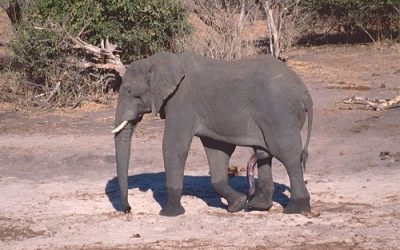
In Botswana, the focus is often on the stunning ecosystems of the Okavango Delta, a UNESCO World Heritage Site known for its abundant wildlife and pristine water channels. Chobe National Park and Moremi Game Reserve are famous for their incredible safaris, offering visitors the chance to see elephants, lions, and other iconic African animals in their natural habitat.
South Africa’s key tourist destinations include the vibrant city of Cape Town, with the iconic Table Mountain and beautiful beaches. The Kruger National Park provides an extensive safari experience, while the Garden Route offers scenic coastal drives and charming towns. Johannesburg, with its rich history and cultural sites, also attracts many travelers.
Overall, Botswana is renowned for its pristine wilderness and eco-tourism, focusing on conservation and wildlife safaris, whereas South Africa presents a broader spectrum of attractions, combining urban culture, historical sites, and diverse landscapes for a comprehensive travel experience.
Cultural Festivals and Events
Tourism in Botswana and South Africa offers unique experiences, reflecting their diverse landscapes and rich cultural heritage. Both countries are known for their vibrant festivals and attractions that draw travelers from around the world.
Tourism and Attractions
Botswana is famous for its pristine wildlife and conservation efforts, with attractions like the Okavango Delta and Chobe National Park providing excellent safari experiences. South Africa, on the other hand, boasts a variety of attractions including Cape Town’s Table Mountain, the Kruger National Park, and the Garden Route, offering a blend of urban and natural adventures.
Cultural Festivals and Events
Cultural festivals play a vital role in showcasing local traditions. Botswana hosts festivals such as the Botswana Cultural Festival, celebrating music, dance, and crafts of various tribes. South Africa is renowned for events like the National Arts Festival in Grahamstown and the Cape Town Jazz Festival, which highlight the country’s diverse cultural scene.
Key Festivals and Events
- Botswana Cultural Festival
- South Africa National Arts Festival
- Cape Town Jazz Festival
- Rhino Transportation and Conservation Festival
- Mandela Day Celebrations in South Africa
Unique Natural Attractions
Botswana and South Africa are renowned for their diverse tourism offerings and unique natural attractions, making them popular destinations for travelers seeking adventure and wildlife experiences.
In Botswana, visitors can explore the vast Okavango Delta, a UNESCO World Heritage Site, renowned for its breathtaking floodplains, rich wildlife, and pristine ecosystems. The country is also home to the Makgadikgadi Pans, one of the largest salt flats in the world, which transforms into a vibrant spectacle during the wet season. Chobe National Park offers remarkable river safaris and the chance to see large herds of elephants, hippos, and predators in their natural habitat.
South Africa boasts a variety of natural attractions, including the iconic Table Mountain in Cape Town, offering stunning panoramic views of the city and coastline. The Kruger National Park is one of Africa’s largest game reserves, famed for its diverse wildlife and Big Five sightings. Additionally, the Kimberley region’s Richtersveld Transfrontier Park and the Drakensberg Mountains provide rugged landscapes and outdoor adventures, making South Africa a top destination for nature lovers.
Relations Between Botswana and South Africa
The relationship between Botswana and South Africa is characterized by strong economic ties, regional cooperation, and shared cultural bonds. As neighboring countries, they collaborate on various issues including trade, security, and environmental conservation. Despite occasional differences, their partnership remains vital for stability and development in the Southern African region. Exploring the dynamics of Botswana versus South Africa reveals the complexities and strengths of their bilateral relations.
Historical Ties
The historical ties between Botswana and South Africa are deeply rooted in their shared regional history, economic relations, and cultural exchanges. Both countries have experienced intertwined histories, especially during the colonial era and the struggle against apartheid, which has fostered a bond of solidarity and cooperation.
- Shared Colonial History: Botswana, formerly the Protectorate of Bechuanaland, and South Africa, were both under British influence, which shaped their initial political and economic links.
- Role in Anti-Apartheid Movement: Botswana played a significant role in supporting anti-apartheid activities and providing refuge to activists fleeing South Africa.
- Economic Cooperation: South Africa is one of Botswana’s major trading partners, with extensive cross-border trade and investment in mining, tourism, and agriculture sectors.
- Cultural Ties: There is a considerable overlap in ethnicity and culture, particularly among the Tswana people, who form a major part of both nations’ populations.
- Regional Stability and Collaboration: Both nations are members of the Southern African Development Community (SADC), working together on regional development projects and security issues.
Economic and Trade Relations
The relations between Botswana and South Africa are characterized by strong economic and trade ties that have developed over decades. As neighboring countries, their cooperation is vital for regional stability and growth. Botswana benefits from South Africa’s larger economy through trade in goods and services, while South Africa relies on Botswana for various mineral resources and agricultural products.
Economic and trade relations between the two nations are facilitated by regional agreements such as the Southern African Development Community (SADC), which promotes economic integration and cooperation. Botswana exports minerals, diamonds, and livestock to South Africa, whereas South Africa supplies machinery, manufactured goods, and fuel to Botswana.
Both countries also collaborate on infrastructure projects, tourism initiatives, and cross-border investment, fostering mutual development. Despite some challenges such as trade imbalances and regulatory differences, the relationship remains robust, emphasizing their shared interests in regional prosperity and stability.
Diplomatic Interactions
The relations between Botswana and South Africa are characterized by strong diplomatic ties, economic cooperation, and regional collaboration. Both countries share a history of peaceful interactions and focus on maintaining regional stability in Southern Africa.
- Diplomatic Interactions: Botswana and South Africa maintain regular diplomatic exchanges through embassies and high commissions in each other’s capitals. These interactions facilitate dialogue on various regional issues, including trade, security, and development initiatives.
- Trade Relations: South Africa is one of Botswana’s primary trading partners, with significant imports and exports. This economic engagement is supported by diplomatic efforts to promote bilateral trade and investment.
- Regional Cooperation: Both nations are active members of regional organizations such as the Southern African Development Community (SADC), working collaboratively on regional projects and policies to enhance economic growth and stability.
- Security and Border Management: Diplomatic channels are used to address cross-border security concerns, including issues related to migration, smuggling, and regional peacekeeping efforts.
- Diplomatic Challenges: While generally maintaining cordial relations, occasional disagreements arise, often related to regional policies or economic matters. These are typically resolved through diplomatic negotiations and multilateral forums.
Challenges and Opportunities
Exploring the challenges and opportunities faced by Botswana and South Africa reveals a complex landscape of economic, social, and political factors. Both nations share similarities as southern African countries, yet their distinct pathways and unique circumstances create a diverse environment for growth and development. Understanding these dynamics offers valuable insights into regional cooperation and future prospects in the region.
Environmental Concerns
Both Botswana and South Africa face unique challenges and opportunities related to environmental concerns, which significantly impact their development and sustainability goals.
- Botswana’s reliance on mineral resources, especially diamonds, has prompted concerns over environmental degradation and resource conservation.
- South Africa faces issues such as water scarcity, deforestation, and air pollution, largely driven by industrial activities and urbanization.
- Both countries have the opportunity to invest in renewable energy, which can help reduce reliance on fossil fuels and lower carbon emissions.
- Botswana’s vast wildlife and protected areas present opportunities for eco-tourism growth, promoting sustainable development.
- South Africa’s diverse ecosystems offer potential to develop sustainable agriculture and conservation initiatives, balancing economic growth with environmental preservation.
- A major challenge for Botswana is managing mining activities to prevent long-term environmental harm while sustaining economic benefits.
- South Africa must address the legacy of pollution and implement policies for cleaner industrial processes.
- Both nations can leverage international funding and partnerships to improve environmental management and resilience to climate change.
- Limited capacity and institutional weaknesses pose hurdles in enforcing environmental regulations effectively.
- Both countries have the opportunity to lead regional initiatives on climate adaptation and sustainable resource management.
Regional Cooperation
Regional cooperation between Botswana and South Africa presents both significant challenges and promising opportunities for sustainable development and stability. One major challenge is bridging economic disparities, as South Africa’s larger economy contrasts with Botswana’s more modest but steadily growing economy. Ensuring equitable resource sharing and infrastructure development can be complex but essential for mutual growth. Additionally, managing cross-border issues such as migration, trade, and security requires effective collaboration and trust between the two nations.
However, these challenges also open avenues for strengthened regional integration. Cooperative efforts in areas like trade, tourism, and environmental management can boost economic growth and stability for both countries. Regional initiatives, such as joint infrastructure projects and security collaborations, can enhance resilience and promote peace. Harnessing the full potential of regional cooperation can lead to enhanced economic opportunities, improved social welfare, and stronger political stability, benefiting Botswana and South Africa in the long term.
Future Prospects for Development
Both Botswana and South Africa face unique challenges and opportunities in their development trajectories. Botswana’s stable political environment and prudent economic management have fostered steady growth, yet it must address issues such as income inequality and reliance on diamond exports. Conversely, South Africa’s diverse economy offers vast opportunities in industries like mining, agriculture, and services, but it struggles with economic disparities, political instability, and high unemployment rates. These challenges present opportunities for regional cooperation, diversification of economies, and investment in sustainable development. Looking ahead, both nations have the potential to leverage their natural resources, strengthen regional integration, and invest in education and technology to enhance long-term prosperity. Effective governance and innovative strategies will be key in turning challenges into opportunities, ultimately shaping a more resilient and inclusive future for both countries.

0 Comments