
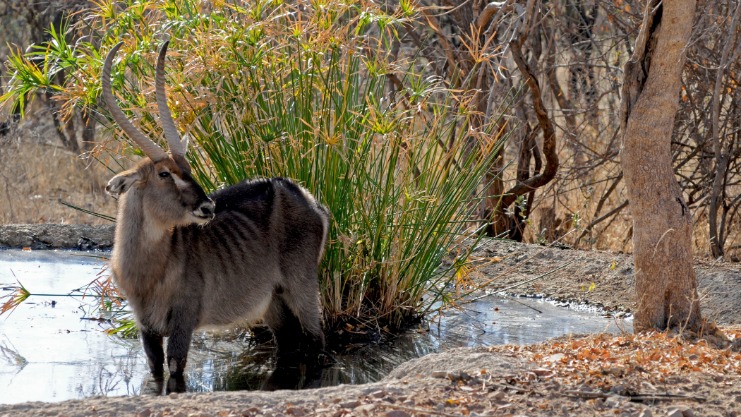
Geography of Botswana
Botswana, a landlocked country in Southern Africa, is known for its diverse geography that includes vast deserts, lush Okavango Delta, and sprawling savannas. The country shares borders with Namibia, Zimbabwe, Zambia, and South Africa, shaping its unique landscape and ecosystem. Its geographical features play a crucial role in the region’s climate, wildlife, and overall biodiversity, making Botswana a significant destination for nature lovers and researchers alike.
Location and Boundaries
Botswana is a landlocked country located in Southern Africa, renowned for its diverse geographical features and strategic position. It shares borders with several countries, making it a key part of the regional landscape.
- To the north, Botswana borders Namibia and Zimbabwe.
- Its eastern boundary is shared with Zimbabwe and Zambia.
- The western border is with Namibia, specifically along the Kalahari Desert region.
- Southward, Botswana is bordered by South Africa.
The country’s geography is characterized by vast deserts, including the Kalahari Desert, which covers much of its territory, and savannahs that support rich wildlife. The prominent features include the Okavango Delta, one of the world’s largest inland deltas, and the Makgadikgadi Pan, a large salt pan. Botswana’s location makes it a central hub for wildlife conservation and tourism, with a landscape that supports diverse ecosystems.
Physical Features
Botswana, located in Southern Africa, is characterized by its diverse physical features and expansive landscapes. The country is largely flat with a vast plateau that rises gently from east to west. It is bordered by Namibia to the west and north, Zimbabwe to the northeast, Zambia to the north, and South Africa to the south and southeast.
The physical features of Botswana include the Kalahari Desert, which covers much of the country and is known for its red sands and expansive dunes. The Okavango Delta, one of the world’s largest inland deltas, is situated in the northwest and supports a rich variety of wildlife and vegetation. The Central District features the Makgadikgadi Pans, ancient salt flats that are remnants of ancient lakes. Elevated areas such as the Tsodilo Hills in the northwest, which are a UNESCO World Heritage Site, are notable for their archaeological and cultural significance.
Rivers in Botswana are primarily seasonal due to the country’s arid climate, with the Limpopo River forming part of the southeastern border. The Okavango River feeds the delta, and other important rivers include the Boteti and the Shashe, which are vital for agriculture and ecosystems. Overall, Botswana’s geography is marked by a mix of deserts, wetlands, and some highlands, making it a land of stark beauty and ecological importance.
Climate and Weather Patterns
Botswana is a landlocked country located in Southern Africa, characterized by its diverse geography that includes the Kalahari Desert, savannahs, and rivers. The country’s landscape is mostly flat with some low-lying hills, and the Okavango Delta, one of the world’s largest inland deltas, is a significant geographic feature. The Chobe River forms part of its northern border, providing rich ecosystems and wildlife habitats.
The climate of Botswana varies from semi-arid to arid, with most regions experiencing hot temperatures throughout the year. Summers, from November to March, are typically hot and rainy, with daytime temperatures often exceeding 30°C (86°F). Winters, from June to August, tend to be cooler and dry, with temperatures sometimes dropping below 0°C (32°F) at night. The country receives most of its rainfall during the summer months, which contributes to the lushness of the delta and the support of diverse flora and fauna.
Weather patterns in Botswana are influenced by the subtropical high-pressure systems and the movement of the Intertropical Convergence Zone. The dry season, from April to October, is generally characterized by lower humidity, clearer skies, and minimal rainfall, making it ideal for safari tourism. Conversely, the rainy season brings thunderstorms and increased humidity, shaping the country’s ecological cycles and supporting agriculture and wildlife during this period.
History of Botswana
Botswana, a landlocked country in Southern Africa, has a rich and complex history that dates back thousands of years. Originally inhabited by various indigenous groups, it became a significant area for trade and settlement over centuries. The region was influenced by shifting political powers, European colonization, and the quest for independence. Today, Botswana is known for its stable democracy and vibrant cultural heritage, reflecting a fascinating historical journey that has shaped its national identity.
Ancient Settlements
The history of Botswana is rich and diverse, with ancient settlements providing a glimpse into its early human activity. Archaeological findings reveal that the region was inhabited by early human ancestors dating back thousands of years. These settlements, scattered across the country, include stone tool sites and remains of early communities that thrived between 1500 and 500 BCE. The Tswana people, who are now the dominant ethnic group, have roots in these ancient populations, and their descendants continue to preserve the cultural heritage of the area. Throughout history, Botswana’s settlements were influenced by the development of trade routes, access to resources, and social organization, laying the foundation for the modern nation. The ancient settlements offer valuable insights into the prehistoric times and the evolution of human societies in southern Africa, marking an important part of Botswana’s historical identity.
Colonial Era
The history of Botswana during the colonial era is marked by significant changes brought about by European influence and the eventual path toward independence. In the late 19th century, the area now known as Botswana was inhabited by various Tswana-speaking groups, who had established well-organized societies and kingdoms, such as the Tswana tribes under their chiefdoms. The arrival of European explorers and traders increased in the 19th century, leading to heightened interest from Britain and other colonial powers.
In 1885, the British declared the territory a protectorate called the Bechuanaland Protectorate to prevent expansion by the Boer republics and to safeguard routes to the interior of Africa. During this period, colonial administration was established, and the local Tswana chiefdoms retained some authority but were subordinated to British colonial rule. The protectorate was administered mainly for strategic and economic reasons, including diamond mining prospects which were later discovered in the region.
The colonial era also saw the introduction of Western education, legal systems, and infrastructure, which significantly impacted local societies. Despite these influences, the Tswana people maintained their cultural identity and political structures. The desire for self-rule grew during the early 20th century, leading to increased political activism and the formation of organizations advocating independence. This movement culminated in the country gaining independence from Britain on September 30, 1966, establishing the modern state of Botswana. The colonial period thus set the foundation for Botswana’s political and economic development in the post-independence era.
Independence and Modern Era
Botswana, formerly known as Bechuanaland, has a rich history that dates back centuries with indigenous cultures and kingdoms shaping its early identity. British explorers and traders arrived in the 19th century, establishing control over the region which became a protectorate in 1885. This period significantly influenced the land’s political and social structures, leading to increased local resistance and the development of national consciousness.
Botswana gained independence from British colonial rule on September 30, 1966. Led by Seretse Khama, the country established a democratic government based on a strong constitution, emphasizing peace, stability, and economic development. The transition was peaceful and marked by efforts to unify diverse ethnic groups within its borders.
In the modern era, Botswana has become one of Africa’s most stable and economically developed countries, largely due to its prudent management of mineral resources such as diamonds. The nation has maintained its democratic traditions, with regular elections and peaceful transfers of power. Additionally, Botswana has made significant progress in areas such as education, healthcare, and infrastructure, positioning itself as a model of good governance and sustainable development on the continent.
Government and Politics
Government and politics in Botswana are characterized by a stable democratic system that has maintained peace and order for many years. The country operates as a parliamentary republic with a strong emphasis on constitutional governance and multi-party elections. As one of Africa’s more stable nations, Botswana’s political landscape reflects its commitment to democracy, transparency, and effective leadership, making it an interesting subject for exploration on platforms like Wikipedia.
Political System
Botswana is a country located in Southern Africa with a stable political system and a democratic government. Its political system is characterized by a parliamentary democracy, where the President is both the head of state and the head of government. The government is based on a multi-party political system, allowing various political parties to participate freely in elections and governance.
- Botswana gained independence from British colonial rule in 1966 and has since maintained a reputation for good governance and democratic stability.
- The Parliament of Botswana consists of two chambers: the National Assembly and the House of Chiefs, with the latter serving a traditional advisory role.
- The Botswana Democratic Party (BDP) has been the dominant political party since independence, though electoral competition is active among several other parties.
- Regular elections are held every five years, and the country has a high voter turnout, reflecting the public’s engagement with politics.
- The government emphasizes the rule of law, human rights, and decentralization, which contribute to political stability and economic development.
Major Political Parties
Botswana has a multi-party political system with several major political parties playing significant roles in the country’s governance. The dominant party is the Botswana Democratic Party (BDP), which has been in power since independence in 1966. It is known for its stability and relatively peaceful political environment. The main opposition parties include the Botswana National Front (BNF), the Botswana Congress Party (BCP), and the Botswana Movement for Democracy (BMD). These parties advocate for various reforms and policy changes to address issues such as economic development, social justice, and democracy. Botswana’s political structure emphasizes democratic principles, with regular elections and active participation by citizens, fostering a stable environment for governance and political development.
Administrative Divisions
Botswana is a landlocked country located in Southern Africa, known for its stable government and vibrant political system. The country operates under a democratic constitutional republic, with elected representatives playing a central role in governance. Administrative divisions in Botswana are designed to facilitate local administration and governance across the nation.
- Country: Botswana
- Capital city: Gaborone
- Official language: English
- Government type: Democracy with a parliamentary system
- President: Head of state and government
- National legislature: Bicameral Parliament, consisting of the National Assembly and the House of Chiefs
Administrative Divisions in Botswana
- Districts: Botswana is divided into several districts, each governed by a District Commissioner.
- Sub-Districts: These are smaller administrative units within districts, often responsible for local governance.
- Local Authorities: Municipalities, town councils, and rural district councils manage urban and rural areas respectively.
- Traditional Authorities: Chiefs play a significant role in local governance, supervising traditional land management and community matters.
Economy of Botswana
The economy of Botswana is one of the most stable and prosperous in Africa, marked by steady growth and development over recent decades. Rich in mineral resources, particularly diamonds, the country has successfully diversified its economy through tourism, manufacturing, and agriculture. Botswana’s strategic policies and investment in infrastructure have contributed to its resilience, making it a notable example of economic stability on the continent.
Natural Resources and Mining
Botswana has a steadily growing economy that relies heavily on the sustainable management of its natural resources and mining sector. The country is known for its high level of political stability and good governance, which have contributed to economic growth over the years. Agriculture also plays a role, but it is not as dominant as mineral extraction, which remains the backbone of Botswana’s economy.
Natural resources in Botswana are abundant, with significant deposits of diamonds, iron ore, copper, nickel, coal, and salt. The country is globally recognized for its diamond industry, which accounts for a large portion of its export earnings. These resources have been carefully managed to ensure long-term benefits for the country’s development and to avoid the negative impacts often associated with resource extraction.
The mining sector in Botswana is a major contributor to the economy, providing employment opportunities and generating foreign currency. Diamond mining, in particular, is highly developed, with Botswana being one of the world’s top diamond producers. The government has invested in infrastructure and policies to attract foreign investment, while also emphasizing sustainable mining practices to protect its environment and ensure economic stability for future generations.
Tourism Industry
The economy of Botswana is characterized by steady growth driven primarily by diamond mining, which accounts for a significant portion of the country’s revenue. Despite its small population, Botswana has managed to maintain political stability and implement sound economic policies that promote development and diversification. The country has also made advances in sectors such as agriculture, manufacturing, and services, contributing to overall economic resilience.
The tourism industry in Botswana is a vital sector, known for its rich wildlife and pristine natural environments. Visitors are drawn to the country’s national parks and game reserves, such as Chobe National Park and the Okavango Delta, which offer exceptional safari experiences. Tourism contributes substantially to the national economy by creating employment opportunities and generating foreign exchange. Efforts to promote sustainable tourism ensure that Botswana’s natural beauty and biodiversity are preserved for future generations.
Economic Challenges and Development
Botswana’s economy is primarily driven by diamond mining, which accounts for a significant portion of its revenue and exports. The country has experienced steady economic growth over the past few decades, largely due to prudent management of its mineral resources and stable governance. However, despite its relative success, Botswana faces several economic challenges including reliance on a limited resource base, unemployment, and income inequality.
One of the major challenges is diversification; the economy remains heavily dependent on diamonds, making it vulnerable to fluctuations in global commodity prices. Efforts to develop other sectors such as tourism, agriculture, and manufacturing have seen limited success, hindered by infrastructural deficits and skills shortages. Additionally, unemployment, especially among youth, remains high, impacting social stability and development goals.
Despite these challenges, Botswana has made significant progress in improving healthcare, education, and infrastructure, contributing to better living standards and economic resilience. The government continues to focus on sustainable development policies, aiming to diversify its economy further, reduce poverty, and foster long-term economic stability for its citizens. The country’s experience offers valuable lessons on resource management and economic planning in the African context.
Culture of Botswana
The culture of Botswana is a vibrant tapestry of traditions, customs, and diverse communities that reflect its rich history and heritage. Rooted in the customs of the Tswana people, the nation’s cultural practices embrace music, dance, art, and storytelling that have been passed down through generations. Botswana’s cultural identity is also shaped by its various ethnic groups, including the Kalanga, Basarwa, and Bakgalagadi, each contributing unique traditions to the country’s societal fabric. This blend of cultural elements highlights Botswana’s pride in maintaining its indigenous heritage while evolving in a modern world.
Languages and Ethnic Groups
Botswana is known for its rich and diverse cultural heritage, which is reflected in its customs, traditions, and arts. The country has a vibrant cultural scene that includes traditional music, dance, and crafts that have been preserved and celebrated for generations. The culture of Botswana is deeply rooted in community values and respect for elders, which plays a significant role in social cohesion.
The official language of Botswana is English, which is used in government, education, and business. Additionally, Setswana (also known as Tswana) is the national language and is widely spoken among the majority of the population. Other languages such as Kalanga, Sekgalagadi, and Shona are also spoken by various ethnic groups within the country.
Martial ethnic groups form the foundation of Botswana’s demographic structure, with the Tswana people being the largest. Other significant groups include the Kalanga, Basarwa (San), and the Bakgalagadi. These ethnic groups each have their own distinct languages, customs, and traditional practices, contributing to the rich cultural mosaic of Botswana. The country’s diversity is celebrated through various cultural festivals and initiatives aimed at promoting understanding and unity among different communities.
Traditional Arts and Crafts
The culture of Botswana is rich and diverse, deeply rooted in its traditional practices, customs, and beliefs. It reflects the heritage of its various ethnic groups, including the Tswana, Kalanga, and San people, among others. Music, dance, and oral storytelling are integral parts of community life, serving as means of preserving history and social values.
Traditional arts and crafts in Botswana hold significant cultural value and are widely practiced across the country. These include intricate beadwork, basket weaving, pottery, and wood carving. Beadwork is particularly notable, often used to create colorful jewelry and adornments for special occasions, symbolizing social status and cultural identity. Basketry is a prominent craft, with beautifully woven baskets used for various practical purposes as well as ceremonial events.
Pottery in Botswana showcases traditional techniques passed down through generations, often depicting symbolic patterns and designs. Wood carving is also prominent, with artisans crafting sculptures, masks, and utensils that reflect spiritual beliefs and storytelling traditions. These arts and crafts are not only important for cultural preservation but also contribute to the country’s tourism industry, offering visitors a glimpse into Botswana’s vibrant cultural heritage.
Music and Festivals
The culture of Botswana is a rich tapestry rooted in traditional customs, values, and arts that have been preserved and celebrated over generations. Music and festivals play a vital role in expressing the national identity and cultural heritage of the country.
- Traditional Music: Botswana’s traditional music includes a variety of singing, drumming, and dance forms. The use of drums and percussion instruments like the Setswana “djembe” drums is prevalent in celebrations and rituals.
- Modern Music: Contemporary genres such as Afro-pop, jazz, and hip-hop are popular among Botswana’s youth, blending traditional sounds with modern influences.
- Festivals: Major festivals in Botswana include the Yetla Festival, which celebrates traditional dance and music, and the Maitisong Festival, showcasing local arts, theater, and music performances.
- Cultural Events: The Sebaga Festival and the Kg Merafhe Festival highlight cultural heritage through music performances, traditional attire, and storytelling.
- Preservation of Traditions: Music and festivals serve as a means to preserve the languages, stories, and customs of various ethnic groups like the Tswana, Kalanga, and San communities.
Demographics of Botswana
Botswana is a landlocked country in Southern Africa known for its diverse and vibrant demographics. The population of Botswana consists of various ethnic groups, with the majority being Tswana people. The country has a relatively young population, with a significant portion under the age of 15. Urbanization is increasing, especially around the capital city Gaborone, while rural areas remain home to many of the population. Understanding the demographics of Botswana provides valuable insights into its social and cultural dynamics.
Population Statistics
Botswana, located in Southern Africa, has a diverse and dynamic demographic profile that reflects its rich cultural heritage and evolving population trends. The country has experienced steady population growth over recent decades, influenced by factors such as birth rates, mortality rates, and migration patterns.
- The estimated population of Botswana is approximately 2.4 million people as of 2023.
- The population density is about 4.4 people per square kilometer, making it one of the less densely populated countries in Africa.
- The population is predominantly ethnically Bantu, including groups such as the Tswana, Kalanga, and Basarwa (San).
- English is the official language, with Tswana being the most widely spoken indigenous language.
- The country has a relatively young population, with a median age of around 24 years.
- Urbanization is increasing, with approximately 60% of the population residing in urban areas, chiefly in the capital city, Gaborone.
- The fertility rate is approximately 2.8 children per woman, contributing to natural population growth.
- Life expectancy at birth is about 69 years for males and 73 years for females, reflecting improvements in healthcare.
Urban vs Rural Distribution
Botswana’s demographics reveal a population of approximately 2.4 million people, with a majority residing in urban areas. Urbanization has been steadily increasing, with around 60% of the population living in cities and towns such as Gaborone, Francistown, and Molepolole. Conversely, rural areas are home to about 40% of the population, where traditional lifestyles and agriculture remain prevalent. This urban-rural distribution reflects ongoing economic development and shifts in living patterns across the country.
Health and Education
Botswana, a landlocked country in Southern Africa, has a diverse demographic profile with a population of approximately 2.4 million people. The majority of the population is composed of Tswana-speaking people, but there are also significant communities of Kalanga, Basarwa, and other ethnic groups. The population is youthful, with a median age of around 24 years, reflecting high birth rates and a growing young population.
In terms of health, Botswana has made notable progress over the years. The country has a relatively high prevalence of HIV/AIDS, which has been a major public health challenge. However, concerted efforts through government initiatives and international partnerships have led to improvements in healthcare access, antiretroviral therapy coverage, and overall life expectancy, which stands at about 69 years.
Education in Botswana is characterized by a high literacy rate, which is estimated to be over 80%. The government emphasizes free and compulsory primary education, and there are ongoing efforts to improve secondary and tertiary education institutions. While access to education is generally good, challenges remain in rural areas where infrastructure and resources are limited, but the country continues to strive for inclusive and quality education for all its citizens.
Wildlife and Environment
Botswana is a country renowned for its rich wildlife and pristine natural environments. The nation boasts vast savannahs, lush wetlands, and diverse ecosystems that support a wide variety of plant and animal species. Protecting its natural heritage is crucial for maintaining biodiversity and ensuring sustainable development. Botswana’s commitment to conservation makes it a notable example of harmony between human activity and the environment.
National Parks and Reserves
Botswana is renowned for its rich wildlife and pristine natural environments, making it a popular destination for ecotourism and conservation efforts. The country is home to numerous national parks and reserves that play a vital role in protecting its diverse flora and fauna. These areas provide safe habitats for a wide variety of species, including elephants, lions, cheetahs, and rhinoceroses, many of which are threatened or endangered.
The Chobe National Park is famous for having one of the largest concentrations of elephants in Africa, offering spectacular wildlife viewing experiences. The Okavango Delta, a UNESCO World Heritage Site, is an intricate wetland system supporting countless bird species, aquatic life, and terrestrial animals. More than 17 national parks and game reserves across Botswana facilitate the preservation of its unique ecosystems and promote sustainable tourism.
Efforts in Botswana focus on balancing development with conservation, ensuring that the natural beauty and biodiversity are maintained for future generations. These protected areas not only support ecological stability but also contribute significantly to Botswana’s economy through tourism, providing local communities with employment and income. Overall, Botswana’s wildlife and environment initiatives highlight the country’s commitment to biodiversity conservation and sustainable natural resource management.
Flora and Fauna
Botswana is renowned for its rich and diverse wildlife, making it a significant destination for nature enthusiasts and conservation efforts. The country’s vast wilderness areas, including national parks and game reserves, harbor an incredible variety of flora and fauna that contribute to the ecological balance and natural beauty of the region.
- Flora: Botswana’s plant life includes savanna grasses, acacia trees, mopane, and baobabs, which adapt well to the arid climate and provide essential resources for wildlife.
- Fauna: The country is home to iconic species such as elephants, lions, leopards, cheetahs, and rhinoceroses, alongside numerous antelope, bird, and reptile species.
- Conservation: Botswana places a strong emphasis on wildlife conservation through protected areas like Chobe National Park, Moremi Game Reserve, and the Okavango Delta, which supports ongoing biodiversity and eco-tourism initiatives.
- Environmental challenges: Despite efforts, Botswana faces challenges like habitat loss, human-wildlife conflict, and climate change, which threaten the delicate balance of its ecosystems.
Environmental Conservation Efforts
Botswana is renowned for its rich wildlife and dedication to environmental conservation. The country boasts extensive national parks and protected areas, such as Chobe National Park and the Okavango Delta, which are home to diverse species including elephants, lions, and rhinoceroses. Botswana’s conservation efforts aim to preserve its unique ecosystems while promoting sustainable tourism that benefits local communities.


0 Comments