
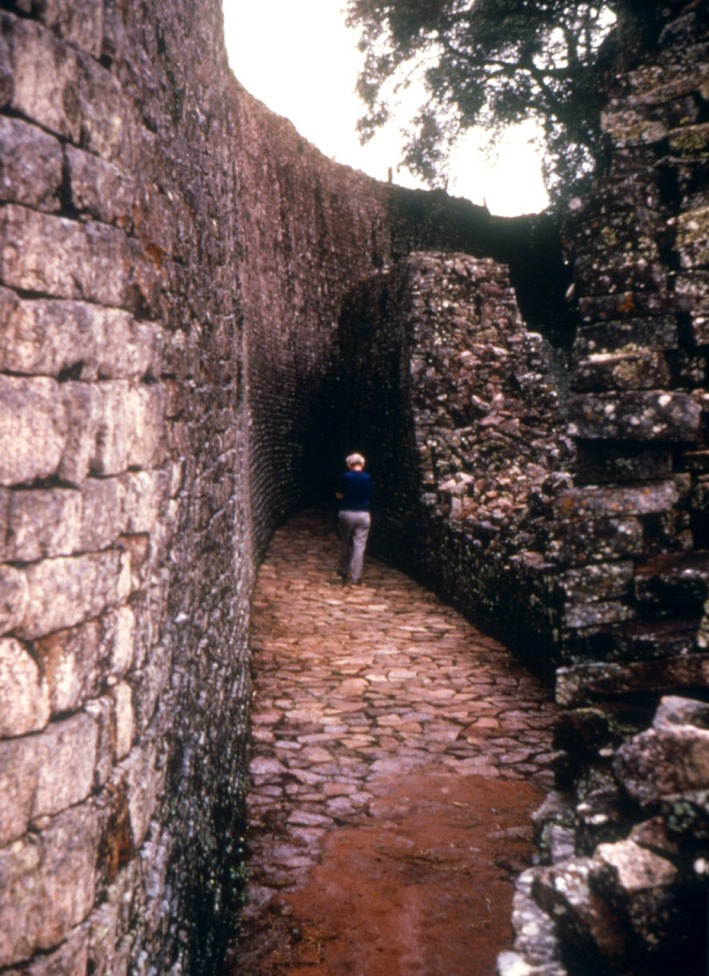
Overview of Zimbabwe’s Safety Situation
Zimbabwe’s safety situation offers a mixed landscape, with certain areas experiencing stability while others face challenges related to crime and economic hardships. Visitors and residents should remain informed about local conditions and exercise prudent safety measures. Understanding the current security environment is essential for ensuring a safe and enjoyable experience in the country.
Political Stability
Zimbabwe’s safety situation presents a mixed picture, with generally stable conditions in urban areas and tourist destinations, although some security concerns persist in certain regions. The country’s political landscape has seen periods of tension, but recent years have brought relative stability, contributing to a safer environment for residents and visitors alike. While large-scale unrest is uncommon, travelers should exercise caution and stay informed about local developments to ensure a secure experience. Overall, Zimbabwe remains a destination where prudent safety measures can significantly enhance the safety and enjoyment of visitors.
Crime Rates and Common Offenses
Zimbabwe’s safety situation varies across different regions, with urban areas generally experiencing higher crime rates compared to rural parts. Crime levels have been a concern, particularly in major cities such as Harare and Bulawayo, where incidents like theft, burglary, and assault have been reported. Common offenses include pickpocketing, carjacking, and scamming, especially targeting tourists and foreigners. While the government makes efforts to enhance security, travelers are advised to exercise caution, stay vigilant, and avoid displaying valuables in public. Overall, Zimbabwe can be considered relatively safe for visitors who follow safety guidelines and remain aware of their surroundings.
Travel Advisories and Government Warnings
Zimbabwe’s safety situation varies across different regions, with some areas considered safe for travelers while others pose risks due to political unrest, crime, or health concerns. It is important for visitors to stay informed about current conditions before planning their trip.
Travel advisories from various governments often highlight potential safety issues such as petty theft, crime against tourists, and occasional political demonstrations. Travelers are advised to exercise caution, avoid demonstrations, and keep a low profile in unfamiliar or tense environments.
Government warnings recommend staying updated with local news, registering with embassies, and adhering to safety instructions. While many tourists visit Zimbabwe without incident, being vigilant and prepared can significantly reduce risks and ensure a safer experience.
Personal Safety Tips for Visitors
Visitors considering a trip to Zimbabwe should prioritize their personal safety to ensure a smooth and enjoyable experience. Being aware of essential safety tips can help travelers navigate the country responsibly, avoid potential risks, and make the most of their visit. Understanding local customs, staying vigilant, and taking necessary precautions are key components to staying safe in Zimbabwe.
Precautions in Urban Areas
When visiting Zimbabwe, ensuring personal safety in urban areas is essential for a pleasant and trouble-free experience. Being aware of local conditions and taking appropriate precautions can significantly reduce risks during your stay.
- Stay alert and aware of your surroundings at all times, especially in crowded places or unfamiliar neighborhoods.
- Avoid displaying expensive items such as jewelry, electronics, or large amounts of cash to prevent attracting unwanted attention.
- Use reputable transportation options like registered taxis or ridesharing services rather than walking alone late at night.
- Keep important documents, including your passport and travel visas, in a secure location like a hotel safe or a concealed bag.
- Be cautious when using ATMs; prefer machines located in secure, well-lit areas such as bank premises.
- Familiarize yourself with local customs and areas to identify any neighborhoods to avoid, especially after dark.
- Travel with a local guide or join reputable tours when exploring unfamiliar urban areas to enhance safety.
- Maintain communication with friends or family members about your whereabouts, especially if venturing out alone.
Safety in Rural and Remote Regions
Zimbabwe is generally a safe destination for travelers, but it is essential to exercise caution, especially when exploring rural and remote regions. Visitors should stay informed about local conditions and follow safety guidelines to ensure a pleasant trip. Being prepared and mindful of potential risks can significantly enhance personal safety during travel in Zimbabwe.
When visiting rural and remote areas, it is advisable to travel with a knowledgeable local guide who understands the area and can help navigate any challenges. Avoid traveling alone at night and always let someone know your itinerary and expected return time. Carry a basic first aid kit, sufficient water, and necessary medications, as medical facilities may be scarce in remote regions.
Stay vigilant about your belongings and avoid displaying valuables openly to prevent theft. Use reputable transportation services and confirm the safety and reliability of any arrangements beforehand. Keep emergency contact numbers handy, including local authorities and your country’s embassy or consulate. Respect local customs and traditions to foster positive interactions with residents and avoid unnecessary conflicts.
Ultimately, while Zimbabwe offers incredible experiences, being prepared and cautious in rural and remote areas ensures your safety and allows for an enjoyable exploration of this diverse country.
Road Safety and Transportation Guidelines
When visiting Zimbabwe, ensuring personal safety and understanding road safety and transportation guidelines are essential for a trouble-free trip. Being aware of the local safety practices helps travelers enjoy the country’s attractions while minimizing risks.
Personal Safety Tips for Visitors
- Remain vigilant and be aware of your surroundings at all times, especially in crowded areas.
- Avoid displaying valuables such as jewelry, cameras, or large amounts of cash in public to prevent theft.
- Use reputable transportation services and avoid hitchhiking.
- Keep copies of important documents like your passport, visa, and travel insurance separate from the originals.
- Stay informed about local safety advisories and follow the guidance of local authorities.
Road Safety and Transportation Guidelines
- Drive on the left side of the road, and always follow traffic rules and signals.
- Ensure your vehicle is in good condition and licensed, especially if renting or driving independently.
- Avoid nighttime driving in unfamiliar areas due to limited visibility and increased security risks.
- Make use of seat belts at all times and adhere to speed limits.
- Use authorized taxi services or registered transportation options for safety and reliability.
Overall, Zimbabwe can be a safe destination when travelers stay cautious, adhere to safety guidelines, and respect local customs and laws. Proper planning and awareness help ensure a smooth and enjoyable visit.
Health and Medical Safety
Ensuring health and medical safety is essential for maintaining overall well-being and peace of mind, especially when traveling or living in different regions. In the context of Zimbabwe, understanding the local healthcare standards and safety measures is crucial for visitors and residents alike. This article explores the current health safety situation in Zimbabwe, highlighting key aspects to consider for a safe and healthy experience in the country.
Medical Facilities and Emergency Services
Zimbabwe generally offers available healthcare services and emergency facilities, but the safety and quality can vary depending on the region. Major cities such as Harare and Bulawayo have well-equipped medical clinics and hospitals capable of handling most health concerns. However, in more remote areas, medical facilities may be limited, and travelers should plan accordingly by carrying essential medications and health supplies.
Emergency services in Zimbabwe include ambulance and police response, which are accessible in urban centers but may experience delays in rural or less developed areas. It is advisable for visitors to have travel insurance that covers medical evacuation and to familiarize themselves with local emergency contact numbers. Ensuring that vaccinations are up to date and taking precautions against common illnesses can help maintain good health during the stay.
Health Risks and Preventative Measures
Zimbabwe generally offers a safe environment for travelers and residents, but like many countries, it presents certain health and medical safety considerations. Visitors should be aware of potential health risks such as malaria, especially in rural and low-altitude areas, and take appropriate preventative measures. Ensuring that vaccinations are up to date, including hepatitis A and B, typhoid, and tetanus, is recommended before travel. It is also advisable to use insect repellent, sleep under mosquito nets, and wear protective clothing to reduce the risk of mosquito-borne diseases. Water safety should be prioritized by drinking bottled or boiled water to prevent waterborne illnesses. Access to healthcare facilities can vary, so having travel insurance that covers medical treatment is important. Maintaining good hygiene practices and seeking prompt medical attention for illnesses can significantly enhance safety. Overall, with proper precautions, health and medical safety concerns in Zimbabwe can be effectively managed, making the country a relatively safe destination for travelers.
Vaccination and Health Advice
Zimbabwe offers a range of health and medical safety considerations that travelers should be aware of before visiting. It is important to ensure that all routine vaccinations are up to date, including yellow fever, typhoid, hepatitis A and B, and tetanus. Malaria is prevalent in certain regions, so taking prophylactic medication and using insect repellent are highly recommended. Visitors should also carry a basic first aid kit and be aware of local healthcare facilities, especially in rural areas where quality medical services may be limited.
Vaccination requirements and health precautions can vary depending on the region within Zimbabwe. It is advisable to consult a healthcare professional or travel clinic before departure for personalized advice and to obtain any necessary vaccines or medications. Additionally, practicing good hygiene, drinking bottled or boiled water, and eating thoroughly cooked food can help prevent some common illnesses. Overall, with proper health precautions and awareness, Zimbabwe can be a safe destination for travelers.
Cultural and Social Considerations
Understanding the cultural and social considerations of a country is essential when evaluating its safety for visitors. In the context of Zimbabwe, being aware of local customs, traditions, and social norms can significantly enhance your experience and ensure respectful interactions. These factors play a crucial role in determining how safe and welcoming a destination feels, helping travelers navigate their surroundings with confidence and sensitivity.
Local Customs and Behaviors
When considering whether Zimbabwe is a safe destination, understanding the local customs and social behaviors is essential. Respect for local traditions, such as greeting with a handshake and addressing elders with proper titles, fosters positive interactions. It is important to dress modestly, especially in rural areas and when visiting religious sites, to show cultural sensitivity. Social norms emphasize politeness and humility, and being aware of these customs can help travelers avoid misunderstandings or unintentional disrespect. By observing local customs and behaviors, visitors can enhance their safety and enjoy a more authentic experience in Zimbabwe.
Interaction with Local Communities
Cultural and social considerations are essential when evaluating the safety of Zimbabwe, as understanding local customs, traditions, and social norms can enhance respectful interactions and reduce misunderstandings. Engaging with local communities in a considerate manner fosters positive relationships, which can contribute to a safer experience for travelers. Respect for cultural practices, such as greetings, dress codes, and religious traditions, demonstrates sensitivity and helps build trust with residents. Additionally, being aware of social dynamics, including community tensions or sensitive issues, can help visitors navigate interactions more effectively and avoid potential conflicts. Building genuine connections with local communities not only enriches travel experiences but also promotes mutual respect and safety throughout the visit.
Natural Risks and Environmental Hazards
Understanding natural risks and environmental hazards is essential when assessing the safety of a country like Zimbabwe. These factors include natural disasters such as cyclones, droughts, floods, and other environmental challenges that can impact communities and infrastructure. Recognizing the potential threats posed by these hazards helps in evaluating the overall safety and resilience of the region.
Wildlife and Nature-Related Dangers
Zimbabwe faces several natural risks and environmental hazards that can pose threats to both residents and visitors. These include frequent occurrences of droughts and periods of heavy rainfall which can lead to flooding and soil erosion. Wildfires are also a common issue during dry seasons, particularly in national parks and forested areas. Additionally, natural disasters such as cyclones can cause significant damage, especially in the eastern regions closer to the Indian Ocean. Wildlife-related dangers are notable as well, with encounters with large animals such as elephants, lions, and crocodiles posing risks in national parks and rural areas. Human-wildlife conflicts and illegal poaching exacerbate safety concerns. Overall, while Zimbabwe offers amazing natural beauty and wildlife experiences, it is essential to exercise caution and take appropriate safety measures when exploring outdoor and rural environments to mitigate these natural and environmental hazards.
Weather Conditions and Climate Risks
Zimbabwe’s safety concerning natural risks and environmental hazards depends on various factors including weather conditions and climate-related events. The country is prone to certain natural risks such as droughts, floods, and cyclones, which can significantly impact communities and infrastructure. Seasonal droughts are common due to irregular rainfall patterns, affecting agriculture and water supply, while heavy rains may lead to flooding, especially in low-lying areas. Cyclones, although less frequent, have the potential to cause widespread damage along Zimbabwe’s eastern borders. Climate change is intensifying these risks by increasing the variability and severity of weather events. Preparedness and resilient infrastructure are crucial to mitigate the impacts of these environmental hazards. Overall, while Zimbabwe has measures in place to manage natural risks, certain weather and climate risks remain a concern for safety and sustainability across the country.
Safety When Using Accommodation and Services
Ensuring safety when using accommodations and services is essential for a worry-free experience in any destination. In Zimbabwe, travelers should stay informed about safety tips and practices to enjoy their visit confidently. Being aware of local guidelines and staying vigilant can help make your stay secure and enjoyable throughout your trip.
Hotel and Lodging Security Measures
Ensuring safety when using accommodation and services in Zimbabwe involves following key security measures to protect guests and property. Hotels and lodges often implement security protocols such as surveillance systems, controlled access points, and trained security personnel to monitor and maintain safety on their premises. It is advisable for travelers to familiarize themselves with emergency procedures, keep valuables secure, and utilize safes when available. Additionally, staying aware of your surroundings and avoiding risky areas can help prevent potential threats. By adhering to these hotel and lodging security measures, visitors can enjoy a safer experience while exploring Zimbabwe.
Guided Tours and Excursions Safety
When assessing whether Zimbabwe is safe for travelers, it is essential to prioritize safety during accommodation, services, guided tours, and excursions. Ensuring safety starts with choosing reputable hotels and lodges that adhere to international standards and have proper security measures in place. Always keep valuables secure and avoid displaying expensive items to reduce the risk of theft. When participating in guided tours or excursions, select authorized and experienced guides who are knowledgeable about local safety protocols. Follow all instructions provided during activities, such as adhering to designated paths, avoiding risky areas, and respecting wildlife regulations. Stay updated on local safety advisories and register with your embassy if required. By taking these precautions, travelers can enjoy their visit to Zimbabwe while minimizing potential risks and ensuring a safe experience throughout their journey.



0 Comments