
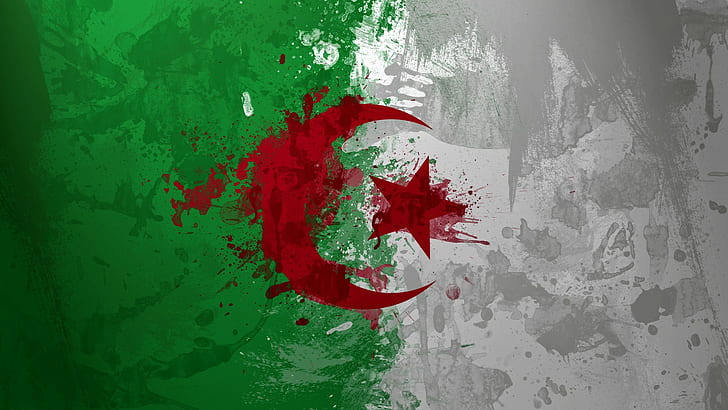
Official Language of Algeria
The official language of Algeria is Arabic. It is used in government, education, and media throughout the country. Algerian Arabic, a dialect of Maghrebi Arabic, is widely spoken by the population. Additionally, Berber languages are recognized as national languages, and French is also extensively used in business and cultural contexts, though it is not an official language.
Legal Status of the Language
Algeria’s official language status reflects its rich cultural heritage and complex historical background. Arabic is designated as the official language and is widely used across government, education, and media. Additionally, Berber (Tamazight) was recognized as a national and later an official language, signifying the country’s commitment to preserving its indigenous languages. The linguistic landscape of Algeria showcases the coexistence of these languages, highlighting their importance in national identity and communication.
Constitutional Declaration
The official language of Algeria is Arabic, which is recognized as the national and official language according to the country’s constitutional framework. The Algerian Constitution affirms Arabic as the language of the state, ensuring its status in all aspects of public life, legal systems, and administration. Additionally, Berber (Tamazight) has been recognized as a national and official language since constitutional reforms, reflecting the country’s cultural diversity. The constitutional declaration emphasizes the importance of preserving and promoting both languages, affirming their roles in the identity and unity of the nation. This recognition underpins Algeria’s commitment to linguistic diversity while maintaining Arabic’s prominence as the primary language of the state and government functions.
Recognition in Laws and Regulations
The official language of Algeria is Arabic, which holds the highest legal status and is used in government, education, and legal documents. French also plays a significant role in the country’s administrative and commercial sectors, although it is not officially recognized as an official language. The legal framework reflects the country’s linguistic diversity and historical influences.
- Arabic is designated as the official language in the 1963 Constitution of Algeria, serving as the language of administration, legislation, and education.
- The 2016 Constitution emphasizes the national language’s role in fostering national identity, reaffirming Arabic’s official status while promoting the use of Tamazight (Berber) as a national language.
- French is widely used in legal and business contexts, but it is not officially recognized in the constitution or laws as an official language.
- Legal documents, official government communications, and legislation are primarily published in Arabic, with some also available in Tamazight and French depending on the context.
- The 2002 law on the use of Tamazight acknowledges its status as a national language and promotes its use alongside Arabic in public life and education.
Arabic as the Official Language
Arabic is the official language of Algeria, serving as a vital aspect of the country’s cultural and national identity. It is used in government, education, and media, reflecting Algeria’s deep historical and linguistic roots. The prominence of Arabic in public life underscores its importance in promoting unity and preserving the country’s rich heritage.
Historical Background
Arabic is recognized as the official language of Algeria, reflecting the country’s rich cultural and historical heritage. Its official status was established following independence from France in 1962, emphasizing the importance of Arab identity and the Islamic majority’s linguistic needs. Arabization policies promoted the use of Arabic in education, government, and media to restore and reinforce cultural roots that had been impacted during the colonial period. Throughout history, Arabic has been the language of religion, administration, and literature in the region, dating back to the spread of Islam in North Africa during the 7th century. Over time, the language has evolved into Modern Standard Arabic, used formally across official contexts, while various regional dialects continue to be spoken in daily life. The recognition and promotion of Arabic as the official language serve to unify the diverse population and preserve Algeria’s Arab heritage amidst its multicultural society.
Modern Usage and Status
Arabic is the official language of Algeria and holds a prominent position in the country’s linguistic landscape. It is used in government, legal proceedings, media, and education, serving as a symbol of national identity and cultural heritage. Modern Standard Arabic is widely employed in formal contexts, while local dialects, known as Algerian Arabic or Darja, are commonly spoken in daily life across the nation.
In terms of modern usage, Arabic continues to play a vital role in communication and administration. The Arabic script is prominently featured in official documents, newspapers, and broadcasts. Efforts to promote Arabic literacy and proficiency are ongoing through educational institutes and media outlets, aiming to preserve its relevance among younger generations and in technological communication.
The status of Arabic in Algeria remains strong, supported by government policies that emphasize its importance as the national language. While French also holds a significant presence in business and higher education due to historical ties, Arabic maintains its position as the cornerstone of Algeria’s cultural identity and official functions, ensuring its continued dominance in the country’s linguistic framework.
Standard Dialect and Standard Arabic
Arabic is the official language of Algeria, serving as a vital aspect of the country’s cultural and linguistic identity. In Algeria, Arabic is used in government, media, education, and official communications, reflecting its importance in national affairs. The standard form of Arabic used in formal contexts is Modern Standard Arabic, which is widely understood across the Arab world and employed in official documents and speeches. The dialect of Arabic spoken in Algeria varies regionally and is known as Algerian Arabic or Darja, which differs significantly from Modern Standard Arabic in pronunciation, vocabulary, and grammatical structure. While Modern Standard Arabic remains the written and formal spoken language, many Algerians communicate daily using their diverse regional dialects, making Arabic both a unifying and a culturally rich language in the country.
Berber Languages (Tamazight)
Berber languages, also known as Tamazight, are a rich and ancient family of languages spoken by the Berber people across North Africa, particularly in Algeria. Recognized for their cultural significance and unique linguistic features, these languages have played a vital role in shaping the identity and heritage of Berber communities. In Algeria, Tamazight holds official status, reflecting the country’s commitment to linguistic diversity and cultural preservation.
Recognition and Official Status
In Algeria, Berber languages, also known as Tamazight, have gained official recognition as part of the country’s efforts to preserve its indigenous linguistic heritage. This recognition reflects the cultural diversity of Algeria and the importance of Tamazight as a symbol of identity for Berber communities across the nation.
In 2016, Algeria officially recognized Tamazight as a national language alongside Arabic, which is the sole official language. This milestone was a result of constitutional reforms aimed at promoting linguistic pluralism and acknowledging the historical presence of Berber peoples in the region.
The official recognition has led to the incorporation of Tamazight into the education system, media, and public administration. This policy aims to promote the use of Tamazight in daily life and ensure its transmission to future generations, safeguarding the cultural heritage of the Berber people.
- Constitutional recognition of Tamazight as a national language in 2016.
- Inclusion of Tamazight in education and media sectors.
- Efforts to standardize and promote Tamazight script and usage.
- Legal measures to protect and support Berber cultural identity.
Variants of Berber Languages
Berber Languages, also known as Tamazight, are a group of closely related indigenous languages spoken primarily in North Africa, particularly in Algeria. These languages hold cultural and historical significance for the Berber people and are recognized as an important part of local heritage. In Algeria, Berber Languages have gained official status, reflecting the country’s recognition of its diverse linguistic landscape.
Variants of Berber Languages include several distinct dialects and regional forms. Among these are Tarifit, spoken mainly in northern Morocco and parts of eastern Algeria; Tashelhit, prevalent in southwestern Morocco and the Algerian Sahara; and Kabyle, primarily spoken in the Kabylie region of northern Algeria. Other notable variants include Chenoua in the Tell Atlas region and Tuareg languages spoken across the Sahara. Despite differences in pronunciation and vocabulary, these variants are mutually intelligible to varying degrees and share common linguistic roots.
In Algeria, the recognition and promotion of Berber Languages, especially Tamazight, have contributed to cultural revitalization efforts. The government has officially recognized Tamazight as a national and official language, alongside Arabic, emphasizing the importance of preserving and promoting the country’s linguistic diversity. This status supports educational initiatives, media broadcasting, and cultural activities aimed at strengthening Berber identity in Algeria.
Implementation in Education and Media
Berber languages, also known as Tamazight, hold a significant place in Algeria’s linguistic landscape as an official language alongside Arabic. In recent years, there has been a concerted effort to implement Tamazight in education and media to promote linguistic diversity and cultural identity. Schools across the country increasingly incorporate Tamazight into their curricula, teaching it as a subject from primary to higher education levels. This initiative aims to ensure that younger generations learn and accurately use the language, thereby preserving their cultural heritage.
In media, Tamazight has gained greater visibility through the establishment of dedicated radio and television channels. These platforms broadcast news, entertainment, and educational content in Tamazight, facilitating broader access and daily usage among Algerian citizens. The promotion of Tamazight in education and media reflects the Algerian government’s commitment to recognize and valorize its indigenous languages, fostering national unity and cultural pride. Continued efforts are essential to ensure the language’s vitality and its integration into everyday life across Algeria.
French in Algeria
French has played a significant role in Algeria’s history and culture, stemming from the period of French colonization that lasted over a century. Today, while Arabic is the official language of Algeria, French remains widely used in education, government, business, and daily communication. The influence of French continues to shape Algeria’s linguistic landscape, reflecting its complex colonial past and ongoing cultural interactions.
Historical Influence and Usage
French holds a significant historical and cultural influence in Algeria, reflecting centuries of colonial rule and ongoing societal interactions. During French colonization from 1830 to 1962, French was established as the language of administration, education, and commerce, leaving a lasting imprint on the country’s linguistic landscape.
Today, French remains widely used in various sectors such as business, media, higher education, and everyday communication. It functions as a lingua franca among different communities and is often associated with modernity and global connectivity. Although Arabic is the official language and deeply rooted in Algerian identity, French continues to play a crucial role in administrative and educational contexts, symbolizing the country’s complex historical ties with France.
Overall, the influence of French in Algeria exemplifies a blend of colonial legacy and contemporary linguistic versatility, contributing to the country’s rich, multilingual society.
Current Role in Education and Business
French continues to play a significant role in Algeria’s education and business sectors, serving as a bridge to global communication and economic development. In the educational system, French is widely used as the primary language of instruction in many universities and technical schools, especially in scientific and medical fields, reflecting Algeria’s historical ties with France. It remains an important second language for students, facilitating access to international academic resources and collaborations.
In the business sphere, French is extensively used in commerce, trade, and corporate communications. Many companies operate bilingually, with documentation, negotiations, and marketing often relying on both Arabic and French to reach diverse audiences. This linguistic reliance supports economic integration and strengthens Algeria’s connections with francophone countries in Africa and around the world.
Overall, while Arabic is the official language of Algeria, French maintains a crucial role in fostering education, economic activities, and international relations within the country, reflecting its complex linguistic and cultural landscape.
Legal and Cultural Status
French in Algeria holds a unique legal and cultural position, reflecting the country’s colonial history and linguistic diversity. While Arabic is the official and national language, French is widely used in education, administration, media, and business, serving as a recognized secondary language. Legally, French does not have official status but is often employed alongside Arabic in governmental and official documents, highlighting its practical importance in daily life and professional settings. Culturally, French influence remains strong due to historical ties, contributing to a vibrant linguistic landscape where French fosters communication, cultural exchange, and access to international markets. Despite ongoing debates about linguistic identity and national sovereignty, French continues to play a significant role in Algeria’s social and economic spheres, coexisting with Arabic as a symbol of both colonial legacy and modern interconnectedness.
Impact of Official Languages on Society
The official language of Algeria plays a significant role in shaping the country’s social and cultural landscape. It influences communication, education, government policies, and national identity. Understanding the impact of Algeria’s official language provides insight into how language can unify diverse communities while also presenting challenges related to cultural preservation and social cohesion.
Language in Education
The official languages of Algeria, Arabic and Tamazight, have a significant impact on society and education, shaping national identity and cultural unity. The recognition of Arabic as an official language reinforces the country’s Islamic and Arab heritage, influencing cultural expressions and communication across various sectors. Tamazight’s status promotes the preservation and revitalization of Amazigh culture and language, fostering a sense of pride among indigenous communities. In the educational sphere, the use of official languages determines the medium of instruction and influences curriculum development, aiming to bridge linguistic diversity while promoting literacy and national cohesion. Implementing bilingual education policies can enhance students’ cultural awareness and facilitate integration within a multilingual society, although it also presents challenges in resource allocation and teacher training. Overall, the official languages serve as vital tools for unifying diverse groups and ensuring the transmission of cultural heritage through generations.
Language in Government and Administration
The official language of Algeria plays a significant role in shaping societal dynamics and the functioning of government and administration. As a country with a diverse population, the choice of official language influences communication, national identity, and inclusivity within the nation.
- Language in Society: The official language, Arabic, fosters a sense of unity and cultural identity among Algerians. However, the presence of Berber languages and French also impacts social interactions, education, and cultural expression, creating a multilingual society that navigates between heritage and modern influences.
- Language in Government and Administration: Arabic serves as the primary language for legislative processes, official documentation, and governmental communications. French remains widely used in business, legal affairs, and higher education, which influences administrative efficiency and international relations. This bilingual environment requires ongoing policy adjustments to ensure clarity and accessibility for all citizens.
- Impact on National Identity: The designation of Arabic as the official language reinforces Islamic cultural roots and promotes national pride. Simultaneously, accommodating Berber languages recognizes the country’s ethnic diversity, contributing to social cohesion.
- Challenges and Opportunities: Balancing multiple languages in governance fosters inclusivity but can also complicate administrative processes. Effective language policy enhances citizen participation and ensures equitable access to public services while maintaining linguistic heritage.
Language and Media
The official language of Algeria significantly influences its society, language, and media landscape. Arabic, as the primary official language, serves as a unifying factor among diverse ethnic groups and promotes national identity. It is predominantly used in government, education, and formal communication, shaping societal interactions and cultural expression. French, although not an official language, remains widely used in media, business, and academia, reflecting Algeria’s colonial history and facilitating international connections. The coexistence of Arabic and French has created a bilingual environment that enriches cultural diversity and influences media content, allowing for a variety of linguistic expressions and access to global information. Overall, the official language policies impact societal cohesion, language development, and the dissemination of information, shaping Algeria’s social fabric and media practices in complex ways.
Future Perspectives
The future of Algeria’s official language holds significant cultural and social implications as the country continues to evolve. As Algeria navigates its identity amid influences from its history and modern globalization, the role of its official language becomes a focal point for national unity and international communication. Understanding the potential developments in language policy will shed light on the country’s approach to preserving its heritage while embracing progress.
Language Policy Developments
The future of language policy in Algeria is expected to evolve as the country continues to balance its rich linguistic heritage with modern national and international demands. With Arabic established as the official language, there is increasing emphasis on promoting multilingualism, particularly incorporating French and Berber languages into official and educational contexts. These developments aim to strengthen cultural identity while fostering effective communication within diverse communities and enhancing Algeria’s global integration.
- Implementation of bilingual education policies that promote proficiency in Arabic and French to improve economic and diplomatic opportunities.
- Growing recognition and institutional support for Berber languages, leading to their inclusion in public administration, media, and education.
- Development of digital language tools and resources to facilitate the use and preservation of minority languages amidst globalization.
- Legislative reforms to formalize language rights and ensure equitable representation of linguistic groups in government and society.
- Encouraging language research and documentation to sustain endangered dialects and promote linguistic diversity.
Promotion of Berber Languages
The future perspectives for the promotion of Berber languages in Algeria are promising, as they reflect a broader commitment to cultural and linguistic diversity. Recognizing Berber as an official language alongside Arabic has laid a foundation for increased institutional support, education, and media representation. Efforts to standardize and digitalize Berber scripts can enhance accessibility and usage across different regions. Additionally, integrating Berber language programs into schools and public institutions will help foster national identity and pride. As awareness grows, community initiatives and technological advancements are likely to play a significant role in ensuring the sustaining and revitalization of Berber languages, ultimately strengthening Algeria’s multicultural heritage.
Role of French and Arabic in Future
The future of Algeria’s official language landscape may see a dynamic integration of French and Arabic, reflecting the nation’s cultural and historical diversity. Arabic, as the indigenous language and a symbol of national identity, is likely to continue playing a central role in education, government, and cultural expression. Simultaneously, French, which has historically been a language of governance, commerce, and academia, may maintain its influence due to economic ties and international connections. The coexistence of both languages could foster a multilingual environment, enhancing communication within Algeria and strengthening its international relations. Emphasizing bilingual education and cultural exchange could pave the way for a more inclusive linguistic future that respects Algeria’s heritage while embracing global integration.

0 Comments