

Historical Overview of Kemet
Kemet, often referred to as ancient Egypt, is one of the most influential and long-lasting civilizations in human history. Spanning over three millennia, it is renowned for its remarkable contributions to art, architecture, science, and culture. The historical overview of Kemet reveals a rich tapestry of dynasties, innovations, and enduring legacies that have significantly shaped the development of civilizations in Africa and beyond.
Origins and Early Settlements
The history of Kemet, ancient Egypt, begins with its early settlements along the Nile River, where communities established themselves around 3100 BCE. These early groups took advantage of the Nile’s annual flooding, which provided rich fertile soil ideal for agriculture. The formation of small villages evolved into larger towns as people developed irrigation techniques, fostering a stable food supply and enabling population growth. Kemet’s early inhabitants exhibited a sophisticated culture, evident in their development of writing systems, such as hieroglyphics, and their advancements in architecture and art. Over time, these settlements grew into powerful city-states and eventually unified into a centralized kingdom, laying the foundation for one of the world’s most enduring civilizations. The early period of Kemet sees the emergence of social stratification, religious practices, and innovations that would influence future civilizations for millennia.
Unification of Upper and Lower Egypt
The history of Kemet, the ancient civilization of Egypt, is marked by remarkable achievements in culture, politics, and society. One of the most significant events in its early history was the unification of Upper and Lower Egypt, laying the foundation for a powerful and centralized state.
Initially, ancient Egypt consisted of two separate regions: Upper Egypt to the south and Lower Egypt to the north. These regions developed distinct cultures and political structures over centuries. Around 3100 BCE, a pivotal moment occurred when Narmer (also known as Menes) successfully unified these two lands, establishing the First Dynasty of Egypt.
- The unification process symbolized the merging of two cultural identities into a cohesive nation, which facilitated the development of a centralized government and organized society.
- It marked the beginning of Egypt’s long history of pharaonic rule, characterized by powerful monarchs who claimed divine authority.
- With the unification, Egypt experienced significant advancements in writing, religion, art, and architecture, exemplified by the construction of iconic monuments like the early pyramids and temples.
- This era set the stage for the Old Kingdom and subsequent periods of prosperity, stability, and cultural flourishing that defined ancient Egypt’s legacy.
Role in Ancient Egyptian Civilization
Kemet, known as the land of black fertile soil, holds a significant place in the history of ancient Egypt. It was the early name used by the indigenous people to describe their rich, dark land along the Nile River, whose annual inundation made agriculture possible and sustained the civilization. Over millennia, Kemet developed into one of the most advanced societies in antiquity, characterized by impressive architecture, complex religious beliefs, and sophisticated social structures.
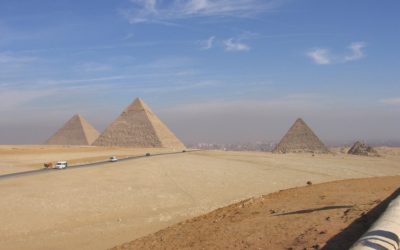
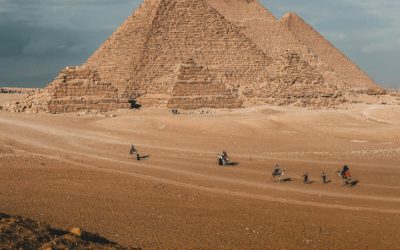
The role of Kemet in ancient Egyptian civilization was foundational. It served as the heartland where major cultural, political, and economic developments occurred. The abundant resources of the Nile facilitated the growth of a centralized government, whose leaders, often deemed divine, unified Upper and Lower Egypt. Religious practices centered around the worship of deities like Osiris, Isis, and Horus, reflected in monumental constructions such as temples and tombs, including the iconic pyramids at Giza.
Kemet’s contributions extended beyond architecture and religion; its advancements in writing with hieroglyphs, art, and science significantly influenced subsequent cultures. Agriculture, based on the reliable Nile flood cycles, allowed for surplus production, supporting a complex society with skilled artisans, scribes, and priests. The civilization’s stability and achievements laid the groundwork for one of the world’s most enduring and influential civilizations, leaving a legacy that continues to fascinate and inspire today.
Geography and Environment
Egypt, historically known as Kemet, is a country rich in geographical features and environmental significance. Its vast deserts, fertile Nile Delta, and strategic location at the crossroads of Africa and Asia have shaped its history and development. Understanding the geography and environment of Egypt provides insight into how the ancient civilization thrived and how the land continues to influence modern life.
Nile River and its Significance
The Nile River is the lifeblood of Egypt, historically recognized as Kemet, which means “Black Land” in ancient Egyptian. It stretches approximately 6,650 kilometers, making it one of the longest rivers in the world. The river’s annual flooding deposited rich silt along its banks, creating fertile land essential for agriculture and sustaining ancient Egyptian civilization. Geographically, the Nile flows through eleven countries, but Egypt relies heavily on it for water, transportation, and agriculture. The river’s significance extends beyond its practical uses; it has shaped Egypt’s culture, religion, and identity for millennia. The Nile continues to be vital for Egypt’s environmental stability and economic development, serving as a crucial resource in a predominantly arid landscape.
Desert Borders and Fertile Land
Ancient Egypt, also known as Kemet, was profoundly shaped by its geographical features, particularly its desert borders and fertile lands, which played a crucial role in its development and civilization. The natural environment of Egypt is defined by vast deserts, including the Libyan Desert to the west and the Arabian Desert to the east, which act as natural barriers protecting the civilization from invasions and uninhabitable regions. The primary life-giving force is the Nile River, whose annual flooding created rich, fertile soil along its banks, enabling agriculture and sustaining the population. The contrast between the harsh desert surroundings and the fertile Nile valley underpins the unique balance of Egypt’s environment.
- The deserts served both as protectors and challenging terrains, limiting movement and invasions while isolating Egypt from neighboring regions.
- The Nile’s annual inundation deposited nutrient-rich silt, creating highly fertile lands ideal for agriculture and supporting population growth.
- Fertile land was concentrated along the Nile Delta and the river’s narrow strip of plains, where crops like wheat and flax thrived.
- Beyond the Nile valley, the arid desert landscape remained sparsely inhabited, with some regions used for mining or specialized activities.
- The geography of desert borders and fertile land contributed to the development of a centralized society centered around the Nile, influencing Egypt’s culture, economy, and longevity.
Climate and Agricultural Practices
Egypt, known as Kemet in ancient times, is predominantly characterized by its diverse geography and distinctive climate, which have significantly shaped its agricultural practices. The country features the vast Sahara Desert in the west, the Nile Delta and Valley in the center, and arid regions extending into the eastern desert. The Nile River remains the lifeblood of Egypt, providing essential water resources that support agriculture in an otherwise dry environment. The climate is primarily hot and dry, with most regions experiencing high temperatures and low rainfall, especially in the desert areas. These climatic conditions have historically dictated the types of crops cultivated and the methods used for farming.
Agricultural practices in Egypt are heavily reliant on the Nile’s annual flooding, which deposits nutrient-rich silt onto the surrounding lands, creating fertile soil ideal for farming. Traditional methods involve irrigation channels, known as furrows, and basin irrigation techniques to maximize water use. Crops such as wheat, barley, rice, cotton, and various fruits and vegetables are commonly cultivated. Modern advancements, including centralized irrigation systems and water management projects, have been implemented to cope with water scarcity and population growth. The adaptation of agricultural techniques to Egypt’s unique geography and climate continues to be vital for sustaining its economy and food security.
Political Structure and Dynasties
The political structure of ancient Egypt, known as Kemet, was characterized by a centralized monarchy led by a divine pharaoh who held absolute authority. Throughout its long history, Egypt experienced numerous dynasties that shaped its cultural and political landscape. These dynasties, often passed down through hereditary monarchy, contributed to the nation’s stability and continuity, influencing its societal organization, religious practices, and territorial expansion. Understanding the interplay of political power and dynastic succession provides insight into the grandeur and enduring legacy of ancient Egyptian civilization.
Pharaohs and Their Authorities
The political structure of ancient Egypt, known as Kemet, was centered around a theocratic monarchy led by the Pharaoh, who was considered both a divine ruler and the divine intermediary between the gods and the people. The Pharaoh held supreme authority, overseeing religious, political, and military matters, and was often worshipped as a god incarnate on earth. This divine status reinforced his power, making him the ultimate authority in governance and religious rituals.
Egyptian dynasties, typically ruled by a single family line, played a crucial role in maintaining stability and continuity within this political framework. Each dynasty often began with a strong Pharaoh who unified the country and established a new ruling lineage, which would then pass down through generations. The most notable dynasties, such as the Fourth (Old Kingdom) and the Eighteenth (New Kingdom), contributed significantly to the development of Egyptian culture, architecture, and governance.
Pharaohs possessed an extensive array of authorities, including the power to enact laws, command armies, and manage the economic resources of Egypt. They were also the chief religious figures, responsible for performing sacred rituals to secure the favor of the gods, especially those related to fertility and the prosperity of the land. Their authority was reinforced by a complex bureaucracy of officials, priests, and scribes who helped administer justice, collect taxes, and oversee public works, all under the Pharaoh’s divine mandate.
Main Dynastic Periods
Ancient Egypt, often referred to as Kemet, was characterized by a highly organized political structure centered around the divine authority of the Pharaoh, who was considered both a political leader and a divine figure integrating the gods’ will on Earth. The governance system was hierarchical, with a complex bureaucracy supporting the Pharaoh in managing the land, collecting taxes, and overseeing religious practices.
The political landscape of Kemet was deeply intertwined with its religious beliefs, with the Pharaoh acting as the chief priest and maintaining Ma’at—ideology of truth, balance, and order. This divine kingship was supported by viziers, regional governors, and an extensive civil service that ensured the stability and continuity of the state.
Egypt’s dynastic history is traditionally divided into several main periods, each marked by the rise and fall of ruling families known as dynasties. The main dynastic periods include the Early Dynastic Period, the Old Kingdom, the First Intermediate Period, the Middle Kingdom, the Second Intermediate Period, the New Kingdom, and the Late Period. These eras reflect periods of political stability and expansion, as well as times of fragmentation and foreign influence, shaping the long-lasting legacy of Egypt’s civilization.
Major Kingdoms and Their Contributions
The political structure of ancient Egypt, known as Kemet, was characterized by a theocratic monarchy where the Pharaoh held absolute power, regarded as both a divine ruler and a god on earth. This centralized authority was supported by a complex bureaucracy of viziers, scribes, and officials who managed various administrative and religious duties, maintaining the stability and prosperity of the civilization. Throughout its long history, Egypt saw the rise and fall of several dynasties, each contributing uniquely to its cultural and political legacy.
Major kingdoms in Egyptian history include the Old Kingdom, Middle Kingdom, and New Kingdom, each marked by significant developments. The Old Kingdom (c. 2686–2181 BCE), often called the “Age of the Pyramids,” saw the construction of the iconic pyramids at Giza and the establishment of a strong centralized government. The Middle Kingdom (c. 2055–1650 BCE) was a period of reunification, characterized by internal consolidation, advancements in literature, art, and infrastructure. The New Kingdom (c. 1550–1070 BCE), regarded as the empire’s height, expanded Egypt’s borders into Nubia and the Levant, and is known for monumental architecture like temples at Karnak and Luxor, as well as the reign of notable pharaohs such as Ramses II and Hatshepsut.
Egyptian contributions during these periods include advancements in writing systems like hieroglyphs, impressive architectural achievements, and sophisticated religious beliefs that influenced neighboring cultures. Their innovations in medicine, mathematics, and agriculture significantly impacted later civilizations. The legacy of Egypt’s dynastic rule and expansive kingdoms continues to inspire and inform historical understanding of political power, cultural development, and societal organization in ancient Africa and beyond.
Cultural and Religious Beliefs
Cultural and religious beliefs have played a vital role in shaping the identity and traditions of ancient Egypt, also known as Kemet. These beliefs influenced every aspect of daily life, from art and architecture to governance and social practices. Understanding these spiritual and cultural foundations offers valuable insights into the enduring legacy of Egypt’s rich history and its contributions to human civilization.

Polytheism and Major Deities
In ancient Egypt, cultural and religious beliefs played a central role in shaping daily life and societal structure. The Egyptians practiced polytheism, venerating a wide array of gods and goddesses, each representing different aspects of nature, society, and the cosmos. Major deities included Ra, the sun god and creator of life; Osiris, god of the afterlife and resurrection; Isis, the goddess of magic and motherhood; and Horus, the sky god associated with kingship and protection. These deities were often depicted with distinct iconography and were worshiped through rituals, temples, offerings, and festivals. The belief in an afterlife and the divine nature of kingship reinforced the importance of these gods in maintaining cosmic order, known as Ma’at, which was essential for the prosperity of the civilization in Kemet, the ancient name for Egypt.
Religious Rituals and Practices
In ancient Egypt, known as Kemet, cultural and religious beliefs played a central role in everyday life, shaping their rituals and practices. These beliefs were deeply intertwined with their understanding of the cosmos, life, and the afterlife, influencing both spiritual and societal structures.
- Deities and Religious Beliefs: The Egyptians worshipped a pantheon of gods and goddesses such as Osiris, Isis, Ra, and Hathor, each representing different aspects of nature and life. They believed these deities governed natural phenomena and human fate.
- Funerary Practices: The desire for eternal life led to elaborate burial rituals, including mummification and the construction of massive tombs like the pyramids. The Book of the Dead was also used to guide souls through the afterlife.
- Religious Rituals: Daily rituals included offerings and prayers to the gods, often performed by priests in temples. Religious festivals, such as Opet and Wafers, celebrated gods and marked seasonal cycles.
- Sacred Symbols and Practices: Symbols like the ankh, scarab, and Eye of Horus held spiritual significance, often used in amulets and rituals to invoke protection and divine favor.
- Temples and Sacred Spaces: Temples served as centers of worship, where rituals were performed by priests to maintain cosmic harmony. They were considered gateways between the mortal world and the divine realm.
Funerary Beliefs and Practices
In ancient Egypt, cultural and religious beliefs profoundly influenced funerary practices, reflecting the importance of the afterlife. Egyptians believed that the soul endured beyond death and required proper rituals and preparations to achieve eternal life. They honored their gods and deities associated with death, such as Osiris, the god of the afterlife, and Isis, symbolizing rebirth and protection.
Funerary beliefs in Kemet emphasized the importance of preserving the body through mummification, ensuring the soul’s safe journey to the afterlife. Tombs, including the grand pyramids of Pharaohs and elaborate tombs for nobles and officials, served as eternal resting places and showcased their reverence for the deceased. Offering rituals, prayers, and spells inscribed in texts like the Book of the Dead were performed to guide and protect the deceased in their voyage beyond death.
The practices surrounding death in ancient Egypt also involved elaborate ceremonies, including mourning rituals, offerings of food and possessions, and the construction of monumental structures to honor the dead. These customs underscored the cultural belief that life continued in a different realm and that proper preparation in this life was essential for a favorable existence in the next.
Society and Daily Life
Society and daily life in ancient Egypt, also known as Kemet, were deeply influenced by their rich cultural traditions and environment. The society was structured with a clear hierarchy, from the Pharaohs and nobles to scribes, artisans, and laborers. Daily routines included religious rituals, agricultural work along the Nile, and communal festivals, all reflecting the Egyptians’ reverence for their gods and their understanding of life after death. This structured yet vibrant way of life contributed to the enduring legacy of Egypt’s civilization through the ages.
Social Hierarchy and Class Structure
In ancient Egypt, society was structured within a well-defined social hierarchy that heavily influenced daily life. At the top of this hierarchy was the Pharaoh, who was considered both a divine ruler and a god on Earth, holding ultimate authority over all aspects of life and governance. Beneath the Pharaoh were the nobility and high officials, including viziers and priests, who administered the kingdom and performed religious duties. The priesthood played a vital role in maintaining religious and spiritual practices, which were deeply integrated into everyday life.
Below these elites were skilled artisans, scribes, and merchants, who contributed to Egypt’s economic prosperity through craftsmanship and trade. They enjoyed a respectable social status but were still subordinate to the upper classes. The majority of the population consisted of farmers and laborers who worked the land or built monumental structures like pyramids and temples. These workers often lived in rural or semi-urban communities, with their daily routines centered around agriculture and construction projects.
Social class distinctions in Egypt were reinforced through various customs, attire, and occupation-based roles. The society was relatively stable, with mobility limited, and individuals’ social positions typically inherited. Religion and state authority intertwined, with divine kingship supporting the social order, ensuring that each class knew its place within the grand cosmological framework of Kemetic society. This stratification contributed to the stability and longevity of ancient Egyptian civilization, shaping its culture and daily life for millennia.
Occupations and Roles
In ancient Egypt, society was organized into a well-structured hierarchy that defined the roles and occupations of its people. At the top was the pharaoh, considered both a divine ruler and the spiritual leader, overseeing the entire civilization. Below the pharaoh were the nobility, priests, and officials who managed religious functions, administration, and governance. The priesthood played a vital role in daily life, conducting rituals and ensuring the favor of the gods. Craftsmen, artisans, and laborers formed the middle class, engaging in various trades such as pottery, jewelry making, and construction, which contributed to the prosperity of the society. Farmers and farmers’ laborers, constituting the largest portion of the population, worked the land along the Nile, providing food and resources essential for societal stability. Daily life in Kemetic society was deeply intertwined with religious beliefs, with numerous rituals, offerings, and ceremonies shaping their routine. Occupations often reflected one’s social status and spiritual duties, emphasizing harmony and order as fundamental principles of Egyptian society.
Fashion, Food, and Daily Activities
Egypt Kemet, an ancient civilization renowned for its rich history and cultural innovations, continues to influence modern society and daily life. In contemporary Egypt, traditional values often blend with modern practices, shaping social interactions and community activities. Fashion in Egypt reflects this fusion, with traditional garments like the galabeya and hijab worn alongside Western-style clothing, showcasing a vibrant mix of old and new. Egyptian cuisine is famous worldwide, featuring dishes such as koshari, ful medames, and baklava, which are staples in daily meals and cultural celebrations. Food customs often emphasize hospitality and family bonding, with meals serving as essential social gatherings. Daily activities in Egypt include bustling markets, social visits, and religious practices, all of which preserve the country’s deep historical roots while adapting to modern life. Overall, Egypt’s societal and cultural landscape is a dynamic tapestry woven from its ancient heritage and contemporary influences, making everyday life a reflection of its timeless legacy and evolving traditions.
Achievements and Innovations
Egypt, known as Kemet in ancient times, has a rich history filled with remarkable achievements and groundbreaking innovations. From the development of early writing systems like hieroglyphics to impressive architectural feats such as the pyramids, the civilization of Kemet has profoundly influenced culture, science, and technology. Exploring these achievements offers a glimpse into the ingenuity and enduring legacy of one of the world’s most fascinating ancient societies.
Egyptian Writing: Hieroglyphs
Egypt, known as Kemet in ancient times, is renowned for its remarkable achievements and innovations in writing, particularly through the development of hieroglyphs. This intricate system of pictorial symbols served as a sophisticated means of communication, recording religious texts, historical events, and daily life in ancient Egypt. The creation of hieroglyphs marked a significant advancement in written language, allowing Egyptians to preserve their culture and beliefs for millennia.
Hieroglyphic writing demonstrated exceptional artistic skill and symbol complexity, combining visual aesthetics with functionality. Over time, the writing system evolved, leading to the development of hieratic and demotic scripts, which made writing faster and more practical for administrative purposes. The Rosetta Stone, discovered in 1799, was pivotal in deciphering hieroglyphs, opening a window into Egypt’s rich history and achievements.
Egyptian innovations in writing significantly influenced subsequent cultures and writing systems in the Mediterranean and beyond. These achievements in literacy and record-keeping contributed to Egypt’s enduring legacy as a center of civilization, knowledge, and artistic expression in ancient Kemet.
Architecture and Monuments
Ancient Egypt, also known as Kemet, is renowned for its remarkable achievements and innovations in various fields, as well as its iconic architecture and monuments. The civilization made significant advancements in mathematics, medicine, and engineering, which facilitated the construction of their extraordinary structures. These accomplishments reflect their advanced understanding of science and technology and their desire to immortalize their culture through monumental architecture.
The architecture of Kemet is exemplified by the grandeur of the pyramids, temples, and tombs that have stood the test of time. The Great Pyramid of Giza, built for Pharaoh Khufu, remains one of the Seven Wonders of the Ancient World. Other notable monuments include the Sphinx, Luxor Temple, and the Temple of Karnak, each showcasing sophisticated design and craftsmanship. These structures were designed to honor the gods and pharaohs, embodying religious beliefs and political power.
Achievements in art, literature, and innovation also played a crucial role in Kemetic society. Hieroglyphic writing, complex burial practices, and advancements in agriculture through irrigation techniques contributed to the stability and prosperity of Egypt. The legacy of these achievements and architectural masterpieces continues to influence modern understanding of ancient civilization and highlights Egypt’s enduring contribution to human history.
Science, Medicine, and Technology
Ancient Egypt, known as Kemet, was a cradle of remarkable achievements and innovations in science, medicine, and technology that have left a lasting legacy. The civilization’s advancements in medicine, exemplified by highly skilled surgeons and early use of herbal remedies, laid the groundwork for future medical practices. In science, the Egyptians made significant progress in astronomy and mathematics, developing a calendar based on lunar and solar cycles and contributing to geometry for land surveying and construction. Technologically, they mastered the art of construction with the development of sophisticated tools and techniques that enabled the building of monumental structures like the pyramids and temples. These innovations not only showcase their ingenuity but also underscore Egypt’s role as a pioneer in human progress and knowledge, embodying the spirit of Kemet’s enduring legacy in human history.
Art and Iconography
Art and iconography in ancient Egypt, also known as Kemet, are essential to understanding the civilization’s beliefs, values, and social hierarchy. These visual expressions served both religious and ceremonial purposes, conveying powerful symbols and stories that have endured for millennia. Through intricate hieroglyphs, statues, and murals, Egyptian art provides a captivating glimpse into their world and spiritual worldview.
Visual Style and Symbolism
Art and iconography in ancient Egypt, or Kemet, are rich with symbolism and serve as vital expressions of religious beliefs, social hierarchy, and cultural identity. The visual style is characterized by a highly stylized and standardized approach, where figures are depicted with a strict profile perspective—heads and legs in profile, while torsos are shown frontally—to ensure clarity and order. This consistency in representation helps convey the eternal and unchanging nature of Egyptian cosmology. Symbols such as the ankh represent eternal life, while the scarab signifies rebirth and transformation, embedding spiritual meanings within artistic motifs. Colors also carry symbolic weight; gold epitomizes the divine and eternal, while green signifies fertility and rebirth. Overall, Egyptian art relies heavily on iconography and symbolism to communicate complex religious and societal concepts, making their visual language both profound and enduring.
Sculpture and Jewelry
Egypt, known as Kemet, boasts a rich artistic heritage that reflects its complex religious beliefs and societal hierarchy. Art and iconography played a central role in conveying spiritual concepts, with depictions of gods, pharaohs, and everyday life serving as both decorative and ritualistic elements. Hieroglyphic symbols often accompanied images, creating a visual language that communicated divine messages and historical conquests. Sculptures from this era range from grand stone statues of deities and pharaohs to smaller pendants and amulets, each crafted with precision to embody power and protection. Jewelry, in particular, was highly symbolic, incorporating materials like gold, lapis lazuli, and carnelian to signify divine favor and social status. These artistic works not only adorned individuals but also served as offerings in temples and tombs, illustrating the Egyptians’ deep reverence for their gods and the afterlife. Overall, Egyptian art, iconography, sculpture, and jewelry form a harmonious reflection of Kemet’s spiritual beliefs and societal values, leaving an enduring legacy that continues to fascinate today.
Religious and Funerary Art
Egypt, known as Kemet in ancient times, has a rich tradition of art and iconography deeply intertwined with its religious and funerary practices. These artistic expressions served both spiritual and ceremonial purposes, reflecting the Egyptians’ beliefs in the afterlife and their gods. The use of symbols, deities, and elaborate scenes on tombs, temples, and artifacts illustrates the importance of religion in everyday life and the afterworld.
- Religious art in Egypt often depicted gods, such as Osiris, Isis, and Horus, with distinctive features that conveyed their divine qualities. These images were meant to invoke their protection and favor.
- Iconography was highly symbolic, incorporating motifs like the Ankh (symbol of life), the Scarab (rebirth), and the Eye of Horus (protection and health). These symbols conveyed complex spiritual concepts easily understood by the populace.
- Funerary art was particularly significant, featuring elaborate tomb decorations and statues depicting the deceased in idealized forms, often accompanied by offerings and prayers for their eternal life.
- Paintings and carvings in tombs provided a visual narrative of the deceased’s journey to the afterlife, including scenes of daily life, religious rituals, and celestial realms.
Overall, Egyptian art and iconography serve as a testament to their enduring spiritual beliefs, emphasizing themes of death, rebirth, divine intervention, and eternity that remain remarkable in the history of art.
Collapse and Legacy of Kemet
Egypt, also known as Kemet, is a civilization renowned for its ancient innovations, monumental architecture, and rich cultural heritage that has left a lasting legacy. The collapse of this remarkable society marked a significant turning point in history, yet its enduring influence continues to shape modern understanding of ancient civilizations. Exploring the rise and fall of Kemet reveals insights into the resilience and enduring legacy of one of the world’s most fascinating civilizations.
Factors Leading to Decline
The collapse and legacy of Kemet, also known as ancient Egypt, are complex topics shaped by numerous social, political, and environmental factors. The decline of Kemet was influenced by internal strife, such as political instability and weakening centralized authority, which made it difficult to sustain its extensive bureaucratic and religious institutions. Economic difficulties, including resource depletion and disruptions in trade routes, also played a significant role in weakening the civilization’s stability. Additionally, external invasions by foreign powers, such as the Nubians, Assyrians, Persians, and ultimately the Greeks and Romans, contributed to the fragmentation of Egyptian sovereignty. Environmental changes, including droughts and the shifting course of the Nile River, jeopardized agriculture and food supply, further undermining societal cohesion. Despite its decline, Kemet’s legacy endures through its monumental architecture, advances in writing, art, and science, which have profoundly influenced subsequent civilizations and continue to inspire today.
Influence on Adjacent Cultures
The collapse of ancient Kemet, or Egypt, marked a significant turning point in its long history, leading to periods of decline and fragmentation. Despite these upheavals, the legacy of Kemet endured through its monumental architecture, sophisticated art, and advancements in writing and science. Its influence extended beyond its borders, shaping neighboring cultures such as Nubia, Levantine civilizations, and later the Greco-Roman world. The intricate religious beliefs, monumental stone constructions, and hieroglyphic writing system of Egypt left a lasting imprint that can be seen in the cultural developments of adjacent societies. This enduring legacy underscores Egypt’s role as a foundational civilization that contributed profoundly to the cultural and technological evolution of the broader ancient world.
Archaeological Discoveries and Modern Understanding
The ancient civilization of Kemet, known today as Egypt, has left behind a rich legacy through its remarkable archaeological discoveries. These findings provide invaluable insights into the history, culture, and achievements of one of the world’s earliest advanced societies. Notable excavations at sites such as the Pyramids of Giza, the Valley of the Kings, and the temples of Luxor and Karnak have uncovered monumental structures, intricate tombs, and elaborate artifacts that illustrate Kemet’s sophisticated architecture, religious beliefs, and social organization.
Modern understanding of Kemet’s history has been greatly enhanced by advancements in archaeological techniques, including satellite imaging, DNA analysis, and 3D reconstruction. These technologies have allowed scholars to explore previously inaccessible areas, piece together fragmented artifacts, and gain a deeper comprehension of Kemet’s political, economic, and cultural development over millennia. Discoveries of inscriptions and papyri have also contributed to a nuanced understanding of their written language, religious practices, and daily life.
While many ancient ruins have endured the ravages of time and natural forces, ongoing excavations continue to reveal new aspects of Kemet’s legacy. These discoveries not only celebrate Egypt’s historical grandeur but also reshape modern perceptions, emphasizing the nation’s enduring influence on art, science, and spirituality. The continuous study of these archaeological finds ensures that the legacy of Kemet remains a vital part of the global cultural heritage, inspiring both scholarly inquiry and public fascination with Egypt’s ancient past.


0 Comments