

Ancient Egyptian Political Structure
The political structure of ancient Egypt was a highly centralized system centered around the authority of the Pharaoh, who was both a divine ruler and a political leader. This hierarchical organization included a complex network of officials, priests, and administrators who managed different aspects of governance, religion, and economy. The stability and longevity of the Egyptian kingdom were largely sustained by this intricate and well-organized political framework.
Pharaohs as Divine Rulers
The political structure of ancient Egypt was centered around the concept of divine kingship, where the Pharaoh served as both the political leader and a divine figure revered as a god on earth. This unique system ensured the stability and unity of the kingdom, with the Pharaoh holding absolute authority over law, religion, and administration.
Pharaohs were considered the divine intermediaries between the gods and the people, responsible for maintaining Ma’at, the principle of truth, balance, and cosmic order. Their legitimacy was derived from their divine status, which was reinforced through elaborate rituals, inscriptions, and monumental architecture such as temples and tombs. The Pharaoh’s authority extended over all aspects of daily life, from governance and military conquests to religious practices and economic management.
The political hierarchy below the Pharaoh included various officials and administrators who helped execute royal decrees and manage different regions of Egypt. These officials often held titles such as vizier, nomarch, and priests, forming a complex bureaucracy that supported the central authority of the Pharaoh.
- Pharaoh: The divine ruler and supreme authority in Egypt.
- Vizier: The chief advisor and head of administration responsible for judiciary, finance, and labor.
- Nomarchs: Provincial governors overseeing individual nomes (regions).
- Priests: Religious leaders who also held political influence, especially in temple management.
This hierarchical but theocratic system underpinned the stability of ancient Egypt for thousands of years, emphasizing the divine origin of the ruling authority and the interconnectedness of religion and politics in the Egyptian kingdom.
Noble and Royal Officials
The political structure of ancient Egypt was a highly organized and centralized system centered around the Pharaoh, who was considered both a divine ruler and the chief authority in the kingdom. This hierarchy was supported by a class of noble and royal officials who played vital roles in the administration, religious rituals, and governance of the land. Noble officials were often appointed based on their loyalty, skill, and family background, serving as governors, viziers, treasurers, and scribes. The Pharaoh’s court was filled with these distinguished individuals, whose duties included overseeing labor, collecting taxes, and ensuring the smooth functioning of state affairs. Royal officials, often members of the aristocracy, acted as advisors and administrators, helping to implement the Pharaoh’s policies and maintain order within the kingdom. This structured hierarchy ensured stability and continuity in government, enabling Egypt to flourish for thousands of years within a complex and well-organized political system.
Administrative Hierarchy

The political structure of ancient Egypt was a highly organized and hierarchical system centered around the ruling Pharaoh, who was considered both a divine deity and the political leader of the kingdom. The Pharaoh held supreme authority over the land, laws, and religious practices, acting as the intermediary between gods and people.
Below the Pharaoh, the administrative hierarchy included a series of officials and nobles responsible for governing different regions and aspects of state affairs. Governors, known as Nomarchs, ruled over individual nomes or provinces, ensuring local administration, tax collection, and public order. These officials often held considerable power within their territories, representing the central authority locally.
Further down the hierarchy were scribes and officials responsible for maintaining records, managing the treasury, and overseeing the justice system. The central government was organized into various departments, each specializing in areas such as agriculture, justice, military, and religious affairs, all overseen by appointed officials.
This structured hierarchy ensured the efficient management of the kingdom’s resources and administration, facilitating the stability and prosperity of ancient Egypt over many centuries. The close integration of political authority with religious authority reinforced the Pharaoh’s divine status and centralized rule.
Major Dynasties and Their Contributions
The history of ancient Egypt is marked by a series of major dynasties that significantly contributed to the development of its civilization. These dynasties established enduring structures, advanced art and culture, and laid the foundations for political stability and societal progress. Exploring the major dynasties reveals the remarkable achievements that shaped Egypt’s legacy as one of the most influential civilizations in history.
Early Dynastic Period
The Early Dynastic Period of Egypt, spanning from approximately 3100 to 2686 BCE, is marked by the emergence of powerful dynasties that laid the foundation for ancient Egyptian civilization. During this era, the unification of Upper and Lower Egypt was achieved, establishing the centralized authority of the pharaohs and setting the stage for future prosperity.
The First Dynasty is credited with developing the early forms of Egyptian statehood, including advancements in administration, religion, and art. The pharaohs of this period, such as Narmer (also known as Menes), are believed to have unified the two regions, symbolized by the iconic Narmer Palette and other artifacts. These rulers established the divine kingship concept that would dominate Egypt for millennia.
The subsequent Second Dynasty continued to strengthen political cohesion and cultural development, with significant contributions in architecture and religious practices. These dynasties laid the groundwork for the monumental building projects, including the early development of step pyramids and tomb complexes, which reflected their divine authority and reverence for the afterlife.
Overall, the Early Dynastic Period was crucial in shaping the political structure, religious ideology, and cultural achievements of ancient Egypt, ensuring the longevity and influence of its civilization through successive dynasties that contributed to the grandeur of the Old Kingdom and beyond.
Old Kingdom
The Old Kingdom of Egypt, often referred to as the Age of the Pyramids, was a major dynasty period renowned for its remarkable contributions to Egyptian civilization. This era, spanning from roughly 2686 to 2181 BCE, saw the establishment of strong centralized authority under the pharaohs, who were considered divine rulers. During this time, Egypt experienced significant achievements in architecture, most famously the construction of the Great Pyramids of Giza and the Sphinx, which demonstrated advanced engineering and organizational skills. The Old Kingdom also laid the foundation for Egyptian art, including highly developed sculpture and intricate tomb decorations that emphasized the importance of the afterlife. Additionally, this period saw the development of a centralized government system, advancements in hierarchical administration, and the creation of a standardized writing system called Hieroglyphs, which facilitated administration and religious practices. Overall, the Old Kingdom played a crucial role in shaping the cultural and political identity of ancient Egypt, leaving a legacy of monumental architecture and cohesive governance that influenced subsequent dynasties.
Middle Kingdom
The Middle Kingdom of Egypt, spanning from approximately 2050 to 1650 BCE, was a period of political stability, artistic flourishing, and significant advancements in culture and infrastructure. Major dynasties during this era, particularly the 11th and 12th Dynasties, played a crucial role in consolidating power and expanding Egypt’s influence.
The 11th Dynasty, founded by Mentuhotep II, reunified Egypt after a period of fragmentation and laid the foundation for centralized governance. His reign marked the beginning of the Middle Kingdom, characterized by strong leadership and efforts to restore stability across the land.
The 12th Dynasty, often considered the peak of the Middle Kingdom, saw Pharaohs like Senusret I and Amenemhat III undertake extensive building projects, including temples, fortresses, and tombs. They promoted arts, literature, and science, leading to cultural achievements that would influence later periods. The era also saw advancements in irrigation and agriculture, boosting the economy and supporting population growth.
Furthermore, during this period, the Egyptian state expanded its influence into Nubia and the Levant, establishing trade routes and military expeditions that increased Egypt’s wealth and regional dominance. The Middle Kingdom is thus recognized as a golden age of stability, artistic achievement, and territorial expansion, shaping the enduring legacy of ancient Egypt.
New Kingdom
The New Kingdom, also known as the Egyptian Empire, was a period of extensive wealth, power, and cultural development in ancient Egypt, lasting from approximately 1550 to 1070 BCE. During this era, several major dynasties ruled, each contributing significantly to Egypt’s legacy. The 18th Dynasty, for example, saw the rise of powerful pharaohs like Hatshepsut, who expanded trade and undertook ambitious building projects, and Thutmose III, who greatly expanded Egypt’s territory through military campaigns. The 19th Dynasty included Ramses II, renowned for his military exploits and monumental constructions such as the temples at Abu Simbel. The 20th Dynasty marked a period of decline, but crucial advances in arts, governance, and infrastructure had already been achieved. Collectively, these dynasties established Egypt’s dominance in the ancient world, promoted religious and cultural practices, and left a lasting legacy of art, architecture, and political stability that defined the New Kingdom era.
Late Period and Ptolemaic Era
The Egyptian kingdom is renowned for its rich history marked by significant dynasties and periods that greatly influenced its culture, architecture, and governance. Major dynasties such as the Old, Middle, and New Kingdoms laid the foundational strengths of Egyptian civilization, developing monumental structures like pyramids, advancing writing systems like hieroglyphs, and establishing centralized governance. These dynasties contributed to the stability and expansion of Egypt’s territories, fostering advancements in art, religion, and administration.
During the Late Period, approximately from 664 BCE to 332 BCE, Egypt experienced a resurgence in art, culture, and political stability after periods of foreign domination. This era saw the revival of traditional religious practices and the construction of new temples, alongside efforts to restore Egyptian independence from Assyrian and Persian influences. Despite external pressures, the Late Period preserved many elements of Egyptian identity and contributed to the cultural continuity of the civilization.
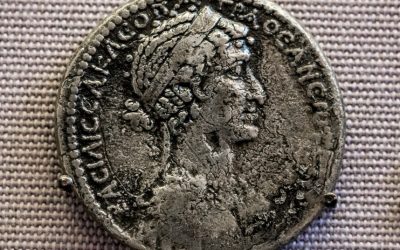
The Ptolemaic Era began after the conquest of Alexander the Great in 332 BCE, leading to the rule of the Ptolemaic dynasty, a Hellenistic kingdom characterized by a fusion of Greek and Egyptian cultures. The Ptolemies expanded Alexandria as a major center of commerce, learning, and culture, making it one of the medieval world’s most important cities. They contributed significantly to scientific advancements, architecture, and the arts, exemplified by the construction of the famous Pharos lighthouse and the Museum of Alexandria. The Ptolemaic period also witnessed the reign of Cleopatra VII, whose diplomatic and political endeavors left a lasting legacy in Egyptian history.
Egyptian Religious Beliefs and Practices
Ancient Egyptian religious beliefs and practices played a central role in shaping the culture and daily life of the Egyptian kingdom. Their spirituality was deeply rooted in polytheism, with gods and goddesses representing natural forces and societal ideals. Rituals, offerings, and elaborate ceremonies were conducted to honor deities, ensure harmony, and secure life after death. These practices reflected a profound connection between religion and governance, influencing architecture, art, and social structure throughout Egypt’s history.
Gods and Goddesses
The ancient Egyptian kingdom was deeply centered around a complex system of religious beliefs and practices that played a vital role in daily life and governance. The Egyptians believed in a multitude of gods and goddesses, each overseeing different aspects of the universe and human existence. Their religion emphasized the concept of maat, or cosmic order, which was maintained through rituals, offerings, and ceremonies dedicated to the gods.
Among the most prominent deities was Ra, the sun god, considered the king of gods and creator of the world. Osiris was worshipped as the god of the afterlife and rebirth, and his myth was central to the Egyptian understanding of death and renewal. Isis, Osiris’s wife, was revered as a powerful goddess of magic, motherhood, and protection. Horus, depicted as a falcon-headed god, symbolized kingship and was often associated with the pharaoh, regarded as his earthly embodiment.
Other important gods included Thoth, the god of wisdom and writing; Hathor, goddess of love, music, and motherhood; Anubis, the jackal-headed god associated with mummification and the afterlife; and Sekhmet, the lion-headed goddess of war and healing. Temples dedicated to these gods served as religious centers where priests performed rituals to ensure divine favor and cosmic harmony.
Religious practices in ancient Egypt involved elaborate rituals, offerings, and festivals honoring the gods. The concept of the divine pharaoh was integral to religion, as the ruler was seen as a divine intermediary between gods and people. The Egyptians believed in an eternal life after death, which led to the development of elaborate burial customs, including mummification and the construction of tombs such as the pyramids. Overall, Egyptian religious beliefs were deeply intertwined with their culture, art, and political structure, reflecting their quest for harmony with the divine and the afterlife.
Temple Worship
Egyptian religious beliefs and practices were deeply rooted in the culture of the Egyptian kingdom, reflecting a complex and intricate spiritual life centered around gods, afterlife, and rituals. The Egyptians believed in a multitude of deities, each overseeing different aspects of life and nature, such as Osiris for the afterlife, Ra for the sun, and Isis for motherhood and magic.
Temple worship played a pivotal role in maintaining the divine order and ensuring the favor of the gods for the kingdom. Temples were considered sacred spaces where priests performed daily rituals, offerings, and ceremonies to honor the gods and sustain cosmic harmony. These temples were grand, elaborate structures often aligned with celestial events and featured statues, altars, and ritual halls.
The priests held a significant position in Egyptian society, acting as intermediaries between the gods and the people. They conducted daily cultic activities, maintained the temples, and preserved sacred texts and rituals. Worship in the temples was highly formal, involving prayers, music, incense, and offerings of food and drink to ensure divine blessings and protection for the land and its inhabitants.
Egyptian religious beliefs emphasized the concept of an eternal life, leading to elaborate burial practices and the construction of tombs, such as the pyramids, where pharaohs and nobles were interred with provisions and objects for their afterlife. These practices were closely tied to their temple worship and religious worldview, reflecting a profound commitment to spiritual continuity beyond death.
Funerary Rites and the Concept of the Afterlife
Ancient Egypt’s religious beliefs and practices were deeply intertwined with their understanding of life, death, and the afterlife. The Egyptians believed in a multitude of gods who governed natural and societal aspects, including Osiris, Isis, Ra, and Anubis. These deities played essential roles in religious rituals, which aimed to ensure harmony in both the mortal and eternal worlds. Rituals often involved offerings, prayers, and ceremonies conducted by priests in temples dedicated to specific gods, reflecting a highly organized and spiritual society.
Funerary rites were a central aspect of Egyptian religion, designed to secure a safe passage to the afterlife for the deceased. These rites included elaborate embalming processes, which preserved the body to serve as a vessel for the soul. Tombs were carefully constructed, often with intricate carvings and diminishing furniture meant to aid and entertain the deceased in the afterworld. The Book of the Dead, a collection of spells and incantations, was placed with the body to guide and protect the soul through its journey.
The concept of the afterlife in Egypt was highly developed and optimistic. They believed that the soul, or Ba, would undergo judgment before Osiris, where the heart was weighed against the feather of Ma’at, symbolizing truth and justice. If deemed worthy, the soul would enjoy eternal life in the paradise known as the Field of Reeds, living in blissful harmony. If found unworthy, the soul faced destructive punishment or was condemned to annihilation.
- The belief in an eternal life motivated Egyptians to lead moral lives, adhering to societal and religious codes.
- Religious rituals and offerings were integral to maintaining the favor of the gods and ensuring immortality for the deceased.
- The construction of grand tombs and the creation of elaborate funerary texts reflected their profound concern with the afterlife.
- Mythology surrounding gods like Osiris established central themes of death, judgment, and rebirth, shaping their spiritual worldview.
Achievements in Art and Architecture
Throughout its history, the Kingdom of Egypt has been renowned for its remarkable achievements in art and architecture. These accomplishments reflect the advanced skills, religious beliefs, and cultural values of ancient Egyptian civilization. From majestic temples and monumental tombs to intricate sculptures and vibrant paintings, Egypt’s artistic and architectural legacy continues to fascinate and inspire people around the world.
Pyramids and Tombs
The ancient Egyptian kingdom is renowned for its remarkable achievements in art and architecture, particularly through the construction of iconic pyramids and elaborate tombs. These monumental structures exemplify the Egyptians’ sophisticated engineering skills and deep religious beliefs, serving as eternal resting places for pharaohs and high officials. The pyramids, especially the Great Pyramid of Giza, stand as enduring symbols of ancient Egyptian innovation and power, demonstrating precise geometric design and massive scale. Inside the tombs, intricate hieroglyphic carvings and elaborate decoration depicted gods, funerary rituals, and the journey of the soul, reflecting the importance of the afterlife in Egyptian culture. The artistry displayed in statues, jewelry, and wall paintings further highlights their mastery of craftsmanship and symbolism. Overall, Egypt’s contributions to art and architecture during its kingdom period leave a lasting legacy of creativity, spirituality, and technological achievement.
Temples and Monuments
The ancient Egyptian Kingdom is renowned for its extraordinary achievements in art and architecture, which continue to fascinate the world. These accomplishments reflect the sophistication, religious beliefs, and cultural values of the civilization and have significantly influenced subsequent architectural styles and artistic expressions.
- Construction of Magnificent Temples: The Egyptians built grand temples such as Karnak and Luxor to honor gods like Amun-Ra and Osiris. These temples featured massive pillars, intricate hieroglyphic carvings, and awe-inspiring hypostyle halls, showcasing advanced engineering skills.
- The Pyramids of Giza: Among the most iconic monuments, the Great Pyramid of Khufu stands as a testament to their engineering genius and religious devotion. Built as tombs for pharaohs, these pyramids symbolize eternal life and divine authority.
- Sculpture and Statues: Egyptian artists excelled in creating detailed statues of deities, pharaohs, and important figures. The statues, such as the seated statues of Pharaoh Pepi II and the bust of Queen Nefertiti, exhibit realism and symbolic artistry.
- Hieroglyphic Art: The development of hieroglyphic writing combined with vibrant wall paintings decorated tombs and temples, illustrating religious stories, daily life, and royal achievements in a highly stylized manner.
- Innovative Architectural Techniques: The Egyptians pioneered the use of post-and-lintel construction, corbelling, and the strategic alignment of structures with celestial bodies, facilitating the creation of enduring monuments that have transcended time.
Hieroglyphic Writing
The ancient Egyptian kingdom is renowned for its remarkable achievements in art, architecture, and writing, which have left a lasting legacy still admired today. These accomplishments reflect the sophistication and grandeur of Egyptian civilization during its height.
- Construction of iconic monuments such as the Pyramids of Giza and the Sphinx, exemplifying advanced engineering and architectural skills.
- Development of intricate tombs and temples decorated with detailed carvings and hieroglyphic inscriptions that conveyed religious and royal significance.
- Establishment of a unique writing system known as hieroglyphics, a complex combination of logographic and alphabetic elements used for inscriptions, religious texts, and official records.
- Creation of exquisite art, including statues, jewelry, and wall paintings, emphasizing symmetry, order, and the divine nature of pharaohs and gods.
- Innovations in city planning and architectural methods that contributed to the durability and beauty of their structures, many of which have survived millennia.
- Use of hieroglyphic writing for monumental inscriptions that preserved stories of gods, kings, and mythological beliefs, providing valuable insights into Egyptian culture.
Sociocultural Aspects
Sociocultural aspects play a crucial role in shaping the language and communication styles within a society. In the context of the Egypt Kingdom, language reflects the rich historical, religious, and cultural heritage that has influenced its development over centuries. Understanding these sociocultural factors provides deeper insight into how language functions as a vital marker of identity and social cohesion in Egypt’s historical and contemporary contexts.
Daily Life and Society
The sociocultural aspects of the Egypt kingdom reflect a rich tapestry of traditions, beliefs, and social structures that have evolved over millennia. Ancient Egyptian society was deeply rooted in religious practices, with gods playing a central role in daily life and governance. Family units were highly valued, and social hierarchies were clearly defined, ranging from the pharaoh and nobility to artisans and laborers. Cultural practices, including art, music, and festivals, served to reinforce societal cohesion and spiritual beliefs.
Daily life in the Egypt kingdom was shaped by the Nile River, which provided sustenance and facilitated trade. Agriculture was the backbone of the economy, with the fertile floodplains supporting crops like wheat and barley. Daily routines often involved working in the fields, participating in religious ceremonies, or engaging in household activities. The ancient Egyptians also placed great importance on education, especially for scribes and priests, which helped preserve their language, history, and religious texts.
Society in the Egypt kingdom was characterized by a complex social hierarchy and strong centralized authority. The pharaoh was considered a divine ruler, seen as an intermediary between the gods and people. Beneath him were officials, priests, and nobles who managed the administration and religious duties. Merchants, craftsmen, and farmers formed the middle and lower classes, each contributing to the economy and cultural development. Social order was maintained through a combination of religious doctrine, law, and tradition, ensuring stability and continuity in Egyptian civilization.
Fashion and Adornment
The sociocultural aspects of the ancient Egyptian kingdom played a vital role in shaping their fashion and adornment practices. Clothing and accessories were not merely functional but also conveyed social status, religious beliefs, and cultural identity. Nobles and pharaohs distinguished themselves through elaborate garments made from fine materials such as linen, often decorated with intricate patterns and symbols. Adornments like jewelry, including necklaces, rings, and earrings, were crafted from precious metals and stones, signifying wealth and divine connection. Makeup and cosmetics, notably eye paint using kohl, were widely used for both aesthetic purposes and spiritual protection. These fashion elements reflected the highly stratified society and the importance placed on the divine right of rulers, reinforcing the cultural values and religious beliefs central to ancient Egypt’s identity.
Literature and Education
The sociocultural aspects, literature, and education of Ancient Egypt Kingdom provide a fascinating glimpse into a civilization that flourished for millennia. These elements reflect the values, beliefs, and social structures that defined Egyptian society and contributed to its enduring legacy.
Socioculturally, the Ancient Egyptian Kingdom was heavily influenced by religious beliefs, which permeated daily life, governance, and artistic expression. Society was structured with a clear hierarchy, centered around the Pharaoh, considered a divine ruler. Family and community played vital roles, and customs such as elaborate burial practices underscored the importance of the afterlife.
The literature of Egypt includes texts like the Pyramid Texts, Coffin Texts, and the famous Book of the Dead, which offer insights into spiritual beliefs and moral values. These writings were often inscribed on monuments and tombs, serving both religious and instructional purposes.
Education was primarily accessible to the elites, including scribes and priests, who were trained in temple schools. The curriculum centered on reading, writing, mathematics, and religious texts, emphasizing literacy skills vital for administration and religious duties.
- Religious and mythological texts shaping spiritual practices
- Hieroglyphic script as a central element of literacy and record-keeping
- Educational institutions primarily serving the priestly and governmental classes
- Literary works reflecting themes of morality, rebirth, and divine authority
- Social hierarchy influenced the dissemination and preservation of cultural knowledge
Economy and Technological Innovations
The economy and technological innovations have played vital roles in shaping the history of Egypt during the kingdom era. As one of the earliest advanced civilizations, Egypt’s economic activities were centered around agriculture, trade, and resource management, which facilitated the development of a rich cultural and technological legacy. Innovations in construction, irrigation, and administration helped sustain the kingdom’s prosperity, leaving a lasting impact on its society and influence on future civilizations.
Agriculture and Irrigation
The Egypt Kingdom has historically been a cradle of economic development and technological advancement, especially in the realm of agriculture and irrigation. The civilization’s success largely depended on the mastery of water management systems that allowed them to cultivate the rich Nile Delta and desert regions. Technological innovations such as the shaduf and sophisticated canal systems enabled Egyptians to control flooding and efficiently distribute water for crops, ensuring food security and supporting a growing population. Over time, these advancements laid the foundation for a resilient economy rooted in agriculture, trade, and resource management. Today, modern Egypt continues to build upon its ancient innovations, integrating new technologies to enhance water use efficiency, boost agricultural productivity, and stimulate economic growth, reflecting the enduring legacy of its technological ingenuity in sustaining the kingdom’s prosperity.
Trade and Commerce
The economy of the ancient Egyptian kingdom was fundamentally shaped by its innovative approach to trade and commerce, which played a crucial role in the prosperity and stability of the civilization. Egypt’s strategic location along the Nile River facilitated the development of a robust trading network connecting neighboring regions and distant lands. Technological innovations, such as the use of papyrus for record-keeping and advancements in craftsmanship, supported efficient management of resources and commerce. The introduction of new tools and methods in agriculture and craftsmanship increased productivity, allowing Egypt to export surplus goods like grain, linen, and gold. These economic activities contributed to the kingdom’s wealth and enabled it to sustain a complex society with motivated artisans, traders, and administrators. Overall, Egypt’s ability to leverage technological advancements in combination with strategic trade practices established a thriving economy that persisted across different dynasties and eras of the kingdom’s history.
Technological Advances in Construction and Medicine
The economy of the ancient Egyptian kingdom was deeply intertwined with its advancements in technology and innovation, which helped sustain one of the world’s earliest and most influential civilizations. In construction, innovative techniques such as the use of large limestone blocks, the development of sophisticated drainage systems, and the precise planning of monumental architecture like pyramids and temples showcased their technological prowess. These construction advances not only demonstrated engineering skill but also contributed significantly to the economy by fostering large-scale workforce organization and trade.
In the realm of medicine, the Egyptian civilization made remarkable progress through the development of advanced medical practices and tools. They utilized hieroglyphic texts to document medical knowledge, including surgical procedures, remedies, and diagnostic techniques. Their innovations in medicine, such as the use of medicinal herbs, embalming practices, and specialized medical instruments, facilitated health care and supported a stable society that could undertake large construction projects and maintain agricultural productivity.
Overall, technological innovations in construction and medicine played a vital role in the economic strength and cultural development of the ancient Egyptian kingdom, allowing it to flourish for centuries and leave a lasting legacy in human history.



0 Comments