

Exploring Egypt’s Iconic Landmarks
Discover the timeless allure of Egypt through its most iconic landmarks, each telling a story of ancient civilization and cultural richness. From the majestic pyramids of Giza to the awe-inspiring temples of Luxor, an Egypt tour offers a captivating journey into history and heritage. Exploring these incredible sites allows travelers to step back in time and experience the grandeur of one of the world’s oldest civilizations.
The Pyramids of Giza
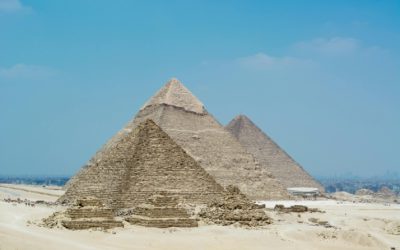
Exploring Egypt’s iconic landmarks offers a fascinating journey into one of the world’s oldest civilizations. Among these treasures, the Pyramids of Giza stand out as extraordinary symbols of ancient Egypt’s architectural ingenuity and cultural significance. Situated on the outskirts of Cairo, these majestic structures have captivated travelers for centuries and continue to be a must-see destination for anyone interested in history and archaeology.
The Great Pyramid of Giza, built for Pharaoh Khufu, is the largest and most famous of the pyramids. It was constructed around 2580–2560 BC and originally stood 146 meters tall, making it the tallest man-made structure for thousands of years. Its precise construction showcases advanced engineering techniques and a deep understanding of mathematics and astronomy.
Adjacent to the Great Pyramid are the smaller Queens’ Pyramids and the Pyramid of Khafre, which still retains some of its smooth limestone casing at the top, giving visitors a glimpse of its original grandeur. The complex also includes the Great Sphinx, a colossal limestone statue with the body of a lion and the head of a Pharaoh, symbolizing strength and wisdom.
Visiting the Pyramids of Giza provides an opportunity to explore these incredible monuments up close, enjoy panoramic views of the vast desert, and delve into ancient Egyptian history through guided tours and museum exhibits nearby. The site is a testament to Egypt’s rich heritage and remains one of the most awe-inspiring landmarks in the world, making it a highlight on any Egypt tour.
The Great Sphinx of Giza
Exploring Egypt’s iconic landmarks offers a remarkable journey into its ancient civilization, with the Great Sphinx of Giza standing as a symbol of mystery and historical grandeur. This monumental sculpture, carved from limestone, features a mythical creature with the body of a lion and the head of a Pharaoh, believed to represent strength and wisdom. Located on the Giza Plateau near Cairo, it aligns with the neighboring pyramids, forming part of the grand complex that has fascinated historians and tourists alike for centuries. Visiting the Great Sphinx provides an unforgettable experience, allowing travelers to immerse themselves in Egypt’s rich cultural heritage and marvel at the engineering prowess of the ancient Egyptians. It remains one of the most enduring symbols of Egypt’s ancient civilization and continues to captivate visitors from around the world during their Egypt tour.
The Pyramid of Khafre and the Pyramid of Menkaure
Exploring Egypt’s iconic landmarks offers a glimpse into one of the world’s most fascinating ancient civilizations. Among the most remarkable sites are the Pyramid of Khafre and the Pyramid of Menkaure, both part of the Giza Plateau. These pyramids not only serve as incredible archaeological marvels but also symbolize the grandeur and engineering prowess of the Old Kingdom Pharaohs. The Pyramid of Khafre, distinguished by its slightly higher construction and the original smooth casing stones near its apex, stands majestically close to the Great Pyramid of Khufu. Meanwhile, the Pyramid of Menkaure is smaller but equally significant, showcasing intricate craftsmanship and was originally accompanied by a complex of temples and subsidiary pyramids. Visiting these pyramids allows travelers to appreciate the sophisticated architecture, religious importance, and historical significance of ancient Egypt. Their awe-inspiring presence endures as a testament to Egypt’s rich cultural heritage and continues to attract countless tourists from around the world.
The Sphinx Museum
Exploring Egypt’s iconic landmarks offers a unique glimpse into the ancient civilization’s rich history and culture. Among these remarkable sites is the Sphinx Museum, which serves as a captivating destination for travelers interested in Egypt’s archaeological heritage. Located near the Great Pyramids of Giza, the museum showcases a fascinating collection of artifacts, statues, and relics associated with the Sphinx and surrounding monuments. Visitors can learn about the construction, symbolism, and historical significance of the Great Sphinx, considered one of the world’s most mysterious sculptures. The museum also provides insight into the engineering marvels of ancient Egypt and offers an immersive experience that enhances any Egypt tour. Exploring the Sphinx Museum is a must-do for those eager to uncover the secrets of Egypt’s past and appreciate its enduring legacy as a cradle of civilization.
The Step Pyramid of Djoser in Saqqara
Exploring Egypt’s iconic landmarks offers a journey into ancient history and extraordinary architecture. One of the most fascinating sites to visit is The Step Pyramid of Djoser, located in Saqqara. This ancient marvel represents a significant milestone in the development of pyramid construction and provides insight into Egypt’s incredible cultural heritage.
- The Step Pyramid of Djoser was built during the 27th century BC for Pharaoh Djoser by his vizier Imhotep. It is considered the earliest large-scale cut stone construction in Egypt and a prototype for subsequent pyramid designs.
- The pyramid originally stood 62 meters tall and consists of six stacked mastabas, creating a distinctive stepped appearance. Its innovative design marked a transition from traditional mastaba tombs to true pyramids.
- The complex surrounding the Step Pyramid includes a series of courtyards, temples, and a vast funerary complex that highlights the advanced engineering and spiritual beliefs of ancient Egyptians.
- Visiting the site allows travelers to explore the impressive architecture, intricate hieroglyphic carvings, and learn about the religious significance the Egyptians attributed to their monumental structures.
- Saqqara’s pyramid complex continues to be an essential destination for those interested in Egypt’s ancient civilization and offers a glimpse into the early days of pyramid construction and royal burial practices.
Discovering Ancient Temples and Tombs
Embarking on an Egypt tour offers a captivating journey into the world of ancient civilizations. Among the most thrilling experiences is discovering ancient temples and tombs, where history comes alive through intricate carvings and grand architecture. These archaeological treasures provide a glimpse into the spiritual and cultural life of Egypt’s past, making every moment an extraordinary adventure for travelers seeking to uncover the mysteries of antiquity.
Karnak Temple Complex
Exploring ancient temples and tombs offers a mesmerizing glimpse into Egypt’s rich history and cultural heritage. One of the most iconic sites is the Karnak Temple Complex, a vast open-air museum that embodies the grandeur of ancient Egypt. Located in Luxor, Karnak is a sprawling sanctuary dedicated primarily to the god Amun, featuring colossal columns, intricate hieroglyphic carvings, and impressive pylons.
Visiting the Karnak Temple Complex allows travelers to walk through thousands of years of history as they marvel at its monumental structures. The Great Hypostyle Hall, with its towering columns and elaborate inscriptions, stands out as a masterpiece of ancient Egyptian architecture. The site also includes sacred lakes, smaller temples, and the Avenue of Sphinxes, which connect Karnak to the nearby Luxor Temple.
Discovering these ancient structures provides insight into the religious and political life of ancient Egypt, making it a must-visit destination for anyone interested in history and archaeology. An Egypt tour that includes Karnak offers a unique opportunity to connect with the grandeur of the past and witness one of the world’s most awe-inspiring archaeological sites.
Luxor Temple
Luxor Temple is one of the most magnificent and historically significant sites in Egypt, attracting countless visitors eager to explore its ancient wonders. Located on the east bank of the Nile in Luxor, this temple complex dates back over 3,000 years and offers a glimpse into Egypt’s rich cultural and religious history. Touring Luxor Temple provides an extraordinary opportunity to discover ancient Egyptian artistry, architecture, and spiritual practices.
- Admire the grand entrance obelisk and towering statues that welcome visitors into this sacred space.
- Explore the hypostyle hall adorned with intricate hieroglyphics and massive columns depicting gods and pharaohs.
- Visit the sanctuaries dedicated to gods Amun, Mut, and Chons, which reveal the temple’s religious significance.
- Stroll through the open courtyards and appreciate the seamless blend of art and architecture from different dynastic periods.
- Experience the ambiance during the evening sound and light shows that bring the temple’s history to life.
Discovering Luxor Temple is often part of a broader tour of ancient temples and tombs in the area, such as the Valley of the Kings and Karnak Temple, offering a comprehensive journey through Egypt’s illustrious past.
Valley of the Kings
Exploring the Valley of the Kings offers an unparalleled glimpse into Egypt’s ancient history, as it is home to some of the most remarkable temples and tombs of pharaohs from the New Kingdom period. Visitors can marvel at intricately decorated burial chambers, revealing the rich cultural and religious beliefs of ancient Egypt. The discovery of these sites has provided invaluable insights into the art, hieroglyphics, and burial practices of the time. Touring this legendary site allows travelers to walk in the footsteps of legendary pharaohs and uncover the mysteries of Egypt’s imperial past, making it an essential part of any Egypt tour.
Valley of the Queens
Exploring the Valley of the Queens offers a captivating journey into ancient Egypt’s rich history and artistry. Located near Luxor, this site is renowned for its beautifully decorated tombs of the queens and royal family members from the New Kingdom period. Travelers on an Egypt tour can immerse themselves in the remarkable carvings, hieroglyphs, and architecture that depict the lives and divine status of these ancient figures.
- Discover the tomb of Queen Nefertari, celebrated for its stunning frescoes and vibrant colors.
- Visit the tomb of Queen Titi, an example of the elaborate burial practices of Egyptian royalty.
- Learn about the significance of each tomb’s unique decorations and their meanings in ancient Egyptian culture.
- Explore nearby temples and other archaeological sites that complement the insights gained from the tombs.
Abu Simbel Temples
Exploring Egypt offers a fascinating journey into ancient history, with the Abu Simbel Temples standing out as one of the most impressive archaeological sites. These monumental structures were originally built during the reign of Pharaoh Ramses II in the 13th century BC and are renowned for their colossal statues and detailed carvings that depict Egypt’s grandeur and power.
Located near the Sudan border, the Abu Simbel Temples were strategically constructed to honor the gods and commemorate Ramses II’s victory and enduring legacy. Visiting these ancient temples provides a unique opportunity to marvel at the skill of ancient Egyptian craftsmanship and learn about the religious and political significance of the site.
The temples are also famous for their remarkable alignment; during certain times of the year, sunlight penetrates the temple’s inner sanctuaries, illuminating statues of gods and pharaohs, a feat of ancient engineering ingenuity. Discovering these temples often involves a boat ride across Lake Nasser, adding to the adventure of an Egypt tour.
Universal as a symbol of Egypt’s rich cultural history, the Abu Simbel Temples are a must-see attraction. The site not only offers awe-inspiring architecture but also a glimpse into the mysteries of ancient Egyptian civilization, making it a highlight of any tour in Egypt.
Exploring Egypt’s Cultural & Historic Experiences
Discover the rich tapestry of Egypt’s cultural and historic heritage through an unforgettable journey. From ancient monuments and legendary pyramids to vibrant markets and traditional music, exploring Egypt offers a unique glimpse into a civilization that has shaped history for thousands of years. Embark on an Egypt tour to experience the timeless allure of this extraordinary land.
Egyptian Museum in Cairo
Embarking on an Egypt tour offers a unique opportunity to immerse yourself in the rich cultural and historical heritage of one of the world’s oldest civilizations. Among the must-visit destinations is the Egyptian Museum in Cairo, a treasure trove of ancient artifacts that provides a captivating glimpse into Egypt’s illustrious past. Located in the heart of Cairo, the museum houses an extensive collection of artifacts from the Pharaonic era, including the legendary treasures of Tutankhamun, statues, jewelry, and papyri.
Visiting the Egyptian Museum allows travelers to explore the grandeur of ancient Egyptian civilization, learn about the religious practices, art, and daily life of the past, and gain a deeper appreciation for Egypt’s historical significance. The museum’s exhibits are beautifully curated, offering an educational and inspiring experience for history enthusiasts and casual visitors alike. A trip to the Egyptian Museum is an essential part of any Egypt tour, offering an enriching journey through time and a chance to connect with the profound legacy of ancient Egypt.
Coptic Cairo and Religious Heritage
Embarking on an Egypt tour offers a profound opportunity to explore its rich cultural and historical tapestry, with a special focus on Coptic Cairo and its religious heritage. This area is a treasure trove of ancient Christian history, featuring some of the oldest church structures in Egypt and the world. Visitors can immerse themselves in the spiritual atmosphere of sites such as the Hanging Church, built over a Roman fortress, and the Church of St.George, renowned for its beautiful icons and architecture.
Coptic Cairo is also home to the Coptic Museum, which houses an extensive collection of Coptic Christian artifacts, manuscripts, and religious icons that recount the history of Egypt’s Christian community. Exploring these historical sites provides insight into the enduring faith and cultural identity of Egypt’s Coptic population, which has thrived for centuries amidst a diverse mosaic of religious traditions.
Beyond religious sites, this area highlights the cultural resilience and historical significance of Egypt’s early Christian era. The blend of ancient ruins, traditional architecture, and religious art creates a captivating atmosphere. A visit to Coptic Cairo not only enriches understanding of Egypt’s religious heritage but also exemplifies the country’s broader historical narrative as a crossroads of civilizations.
Islamic Cairo and Historic Mosques
Embarking on an Egypt tour offers an immersive journey into the rich tapestry of its cultural and historic heritage, with Islamic Cairo and its historic mosques standing as highlights of this experience. Exploring Islamic Cairo allows visitors to walk through centuries of history, where ancient architecture and vibrant street life intertwine seamlessly. The area is home to numerous stunning mosques, each boasting unique architectural styles and intricate ornamentation that reflect Egypt’s Islamic legacy.
The Al-Azhar Mosque, founded in 970 AD, is one of the oldest and most revered religious institutions in the world, offering insight into the spiritual and scholarly traditions of Islam in Egypt. The Sultan Hassan Mosque, completed in the 14th century, is renowned for its imposing design, majestic courtyards, and detailed tile work. Visiting these historic mosques provides not only a glimpse into religious practices but also appreciation for the craftsmanship and artistic achievements of past eras.
Beyond the mosques, Islamic Cairo is a bustling hub of markets, with the Khan El Khalili bazaar offering an authentic taste of local culture through vibrant bazaars, traditional crafts, and fragrant spice shops. Walking through these historic streets allows travelers to connect deeply with Egypt’s Islamic history while enjoying the lively atmosphere that continues to thrive today.
Exploring Egypt’s Islamic architectural marvels and historic sites is an essential part of any Egypt tour, providing a profound understanding of the country’s religious, cultural, and historical evolution that has shaped its identity over the centuries.
Traditional Markets: Khan El Khalili Bazaar
Exploring Egypt’s cultural and historic experiences offers a unique glimpse into its rich heritage, vibrant traditions, and ancient history. Among the most iconic destinations is the traditional markets, particularly Khan El Khalili Bazaar in Cairo, which provides an authentic shopping and cultural experience for visitors.
- Khan El Khalili Bazaar: This historic market dates back to the 14th century and is considered one of the oldest and most famous markets in the Middle East. It offers a bustling atmosphere filled with colorful stalls selling jewelry, spices, textiles, souvenirs, and traditional Egyptian crafts.
- Vibrant Atmosphere: The narrow alleyways are lined with vendors calling out to passersby, creating an energetic environment that immerses visitors in local Egyptian life.
- Authentic Shopping Experience: Tourists can negotiate prices directly with shop owners, making shopping both fun and engaging. It’s an excellent place to find unique handcrafted items and learn about Egyptian craftsmanship.
- Cultural Significance: Khan El Khalili symbolizes Egypt’s long history of commerce and social interaction, serving as a hub for locals and travelers alike who seek to connect with Egyptian culture.
Natural Wonders and Scenic Tours
Discover the breathtaking beauty of Egypt through its natural wonders and scenic tours that showcase the country’s stunning landscapes and unique geological features. From shimmering desert vistas to majestic Nile River views, Egypt offers an unforgettable experience for travelers seeking adventure and natural beauty. Embark on a journey that combines scenic exploration with the rich history and culture of this fascinating destination.
Nile River Cruises
Embarking on an Egypt tour offers travelers the opportunity to explore some of the world’s most breathtaking natural wonders and scenic marvels. The Nile River, often referred to as the heartbeat of Egypt, provides a stunning backdrop for memorable cruises that showcase ancient monuments, lush green landscapes, and vibrant settlements along its banks. A Nile River cruise allows visitors to relax while admiring the timeless scenery and discovering iconic sites such as Luxor, Aswan, and the Valley of the Kings from a unique vantage point. Beyond the river itself, Egypt’s diverse scenery includes expansive deserts, majestic mountains, and fertile oases, making it a perfect destination for those seeking scenic tours infused with rich history and natural beauty. These experiences provide a blend of adventure, tranquility, and cultural insight, making an Egypt tour truly unforgettable.
Desert Safari Adventures
Embark on an unforgettable Egypt tour that showcases the country’s natural wonders and thrilling desert safari adventures. From the breathtaking landscapes of the Sahara Desert to awe-inspiring historical sites, Egypt offers a captivating blend of natural beauty and cultural richness. Explore the vast golden dunes on a desert safari, where you can enjoy camel rides, exhilarating dune bashing, and mesmerizing sunsets over the desert horizon.
Discover scenic tours that take you through Egypt’s iconic landmarks such as the Great Pyramid of Giza, the Sphinx, and the Valley of the Kings, all set amidst stunning natural scenery. The scenic routes often include visits to lush oases and river cruises along the Nile, providing a perfect combination of scenic beauty and historical exploration. Whether you’re gazing over the expansive desert or drifting along the Nile, Egypt’s natural landscapes promise adventure and awe at every turn.
White Desert and Sand Dunes
Egypt is renowned for its extraordinary natural wonders and breathtaking landscapes, making it an ideal destination for scenic tours. Among these marvels, the White Desert and Sand Dunes stand out as must-visit sites that offer a unique experience of the country’s diverse geography.
- White Desert: Located in the Farafra Depression, the White Desert is famous for its surreal landscape of chalk formations that resemble sculptures carved by wind and weather over thousands of years. The stark contrast between the white chalk and the blue sky creates a mesmerizing backdrop for visitors exploring on 4×4 tours or camping under the stars.
- Sand Dunes: The expansive sand dunes of Egypt, particularly in the Eastern Desert and Sahara regions, provide spectacular vistas of rolling golden hills that stretch as far as the eye can see. These dunes are perfect for adventurous activities like dune bashing, sandboarding, and guided camel rides, offering tourists an authentic desert experience.
Touring these natural wonders offers travelers a chance to witness Egypt’s diverse ecological regions beyond its famous archaeological sites. Both the White Desert and Sand Dunes are highlights for anyone seeking scenic beauty and adventure on their Egypt tour.
Tips for Planning Your Egypt Tour
Planning a memorable Egypt tour requires careful preparation to ensure you experience the rich history, vibrant culture, and breathtaking landscapes the country offers. From selecting the best time to visit to organizing essential logistics, thoughtful planning can make your trip smoother and more enjoyable. Here are some valuable tips to help you get started on creating an unforgettable Egyptian adventure.
Best Time to Visit Egypt
Planning an Egypt tour requires careful consideration of both the destinations you wish to explore and the timing of your visit. To make the most of your adventure, research popular sites such as the Pyramids of Giza, Luxor, and Aswan, and create a flexible itinerary that allows for cultural immersion and relaxation. Booking accommodations and guided tours in advance can help avoid last-minute stress and secure better rates.
The best time to visit Egypt is during the cooler months from October to April, when temperatures are more comfortable for sightseeing and outdoor activities. This period also coincides with major festivals and events, providing a richer cultural experience. Avoid the peak summer months of June to August, as the heat can be extremely intense, especially in the desert regions. Additionally, consider the local climate and holiday seasons to ensure a smooth and enjoyable trip.
Local Cuisine to Try
When planning your Egypt tour, it’s essential to organize your itinerary around key historical sites such as the Pyramids of Giza, Luxor’s temples, and the Valley of the Kings. Budgeting sufficient time for each location allows you to fully appreciate the rich history and culture. Consider hiring a knowledgeable guide to enhance your experience and gain deeper insights into Egypt’s ancient civilization. Additionally, booking accommodations in advance and understanding local customs can make your trip smoother and more enjoyable.
Egyptian cuisine offers a variety of delicious dishes you should definitely try during your visit. Be sure to sample traditional foods like koshari, a flavorful mix of rice, lentils, pasta, and topped with spicy tomato sauce. Another must-try is ful medames, a hearty dish of fava beans often served with bread and vegetables. Don’t miss the chance to enjoy fresh seafood along the Nile and indulge in sweet treats like baklava and kunafa. Savoring these local specialties will add a memorable taste of Egypt to your tour experience.
Cultural Etiquette and Tips
Planning a trip to Egypt requires a thoughtful approach to ensure a memorable and respectful experience. Start by researching the key sites such as the Pyramids of Giza, Luxor, and Aswan, and create a flexible itinerary that balances sightseeing with relaxation. Consider the best times to visit, typically from October to April, to avoid the extreme heat of summer. Booking guided tours can enhance your understanding of the historical and cultural significance of each site. Moreover, arrange for local transportation in advance, whether it’s by private car, train, or cruise, to streamline your journey.
When it comes to cultural etiquette, dressing modestly is highly appreciated, especially when visiting religious sites like mosques and churches. Women should consider wearing clothing that covers shoulders and knees, and men should avoid tank tops or shorts in sacred places. Always ask permission before taking photos of local residents, and be respectful of local customs and traditions. Public displays of affection are generally frowned upon, so maintain decorum in social settings. Learning a few basic Arabic phrases, such as greetings and thank you, can foster goodwill and show respect for the local culture.
Travel Accessories and Essentials
Planning an Egypt tour requires careful consideration of travel accessories and essentials to ensure a smooth and enjoyable experience. Make sure to pack lightweight, breathable clothing suitable for hot climates and comfortable walking shoes for exploring historical sites. A wide-brimmed hat and sunglasses will protect you from the intense sun, while a high-SPF sunscreen is essential for sun protection. Carry a refillable water bottle to stay hydrated throughout your adventures and a portable charger for your electronic devices. Don’t forget a good camera or smartphone with ample storage to capture the breathtaking scenery and ancient monuments. Additionally, bring a small first aid kit, personal hygiene items, and any necessary medications to handle minor health issues. Planning ahead and packing thoughtfully will help you make the most of your memorable journey through Egypt’s rich history and vibrant culture.



0 Comments