

Understanding the Egyptian Pound
The Egyptian Pound is the official currency of Egypt, playing a vital role in the country’s economy and daily transactions. Understanding its value, especially in relation to the US dollar, is essential for travelers, investors, and those engaging in international trade. This article explores the factors influencing the exchange rate between the Egyptian Pound and the dollar, providing insights into currency fluctuations and their implications.
Overview of the Egyptian Pound (EGP)
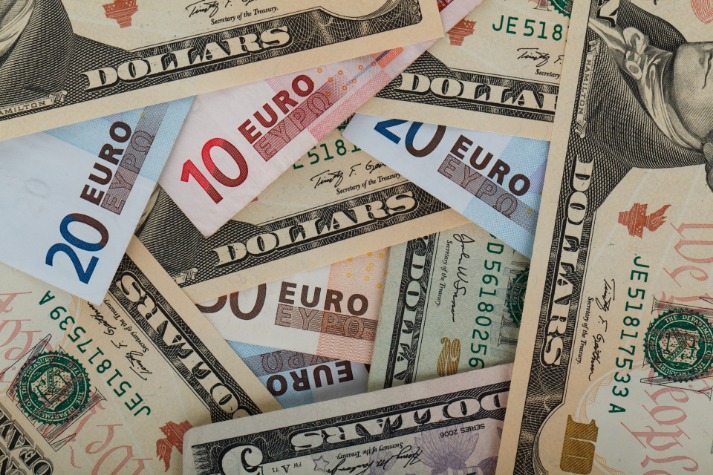
The Egyptian Pound (EGP) is the official currency of Egypt and plays a vital role in the country’s economy. It is abbreviated as EGP and is commonly referred to as the “pound” or “LE,” which stands for Livres Égyptiennes, its French origin. The currency is divided into 100 smaller units called piastres. Since its introduction, the Egyptian Pound has experienced various reforms and fluctuations influenced by economic policies, inflation rates, and geopolitical factors. Understanding the value of the Egyptian Pound, especially in relation to the US dollar, is important for travelers, investors, and those engaging in currency exchange. The exchange rate between Egyptian pounds and US dollars can vary based on market conditions, economic stability, and governmental monetary policies, making it essential to stay informed about current rates when conducting currency conversions or international transactions.
Historical Background of the Currency
The Egyptian Pound, known locally as the “Guinea,” is the official currency of Egypt and has a rich historical background that reflects the country’s economic development. Established in its modern form in the 19th century, the Egyptian Pound was introduced as part of Egypt’s efforts to modernize its economy and establish a distinct national identity. Initially, the currency was linked to the Ottoman Empire’s currency system but later gained independence and underwent various reforms. Over the years, the Egyptian Pound has experienced multiple depreciations and revaluations, influenced by political changes, economic challenges, and shifts in global markets. When converting Egyptian Pounds to US Dollars, understanding the currency’s historical fluctuations helps contextualize current exchange rates, which are affected by Egypt’s economic policies, inflation levels, and foreign direct investment. This historical perspective underscores the importance of the Egyptian Pound as a symbol of national sovereignty and economic resilience amidst changing global conditions.
Design and Security Features
The Egyptian Pound (EGP) is the official currency of Egypt, and understanding its design and security features is essential for verifying authenticity and preventing counterfeiting, especially when dealing with currency exchange to U.S. dollars. The banknotes feature intricate designs that reflect Egypt’s rich history and cultural heritage, including iconic landmarks and symbols.
Modern Egyptian banknotes incorporate advanced security features such as watermarks, security threads, holograms, color-shifting inks, and transparent windows. These elements help differentiate genuine notes from fake ones and are carefully integrated into the overall design. When exchanging Egyptian Pounds for U.S. dollars, recognizing these security features ensures the integrity of the transaction and protects against counterfeit currency.
Egyptian Pound to US Dollar Exchange Rate
The exchange rate between the Egyptian Pound and the US Dollar is a crucial indicator of Egypt’s economic stability and international trade situation. It reflects the value of the local currency in comparison to one of the world’s major currencies, helping investors, travelers, and businesses make informed financial decisions. Monitoring fluctuations in the Egyptian Pound to US Dollar rate provides insight into economic trends, inflation, and monetary policies within Egypt.
Current Exchange Rate Trends
The Egyptian Pound to US Dollar exchange rate has experienced various fluctuations in recent months, reflecting both domestic economic conditions and global financial trends. Currently, the rate is subject to market influences such as inflation rates, foreign investment levels, and government monetary policies. Over short periods, the exchange rate has shown signs of stability, but periodic shifts are common due to regional economic developments and international currency movements.
Recent trends indicate that the Egyptian Pound has been relatively steady against the US Dollar, although occasional spikes and dips are observable. Factors contributing to these trends include Egypt’s efforts to stabilize its economy, adjustments in interest rates, and external factors like oil prices and US economic policies. Traders and investors closely monitor these fluctuations to make informed decisions about currency exchanges and investments involving the Egyptian Pound and US Dollar.
Factors Affecting the EGP to USD Rate
The exchange rate between the Egyptian Pound (EGP) and the US Dollar (USD) is influenced by a variety of economic and geopolitical factors. These include Egypt’s overall economic stability, inflation rates, and trade balance, which directly impact the value of the EGP against the USD. Additionally, monetary policies implemented by the Central Bank of Egypt, such as interest rate adjustments and foreign exchange interventions, play a significant role in shaping the exchange rate. External factors like fluctuations in global oil prices, foreign investment levels, and remittances from Egyptians abroad also affect the EGP to USD rate. Political stability and regional geopolitical developments can cause volatility, impacting investor confidence and currency value. Overall, these factors collectively determine the exchange rate trend between the Egyptian Pound and the US Dollar.
Historical Exchange Rate Fluctuations
The exchange rate between the Egyptian Pound and the US Dollar has experienced significant fluctuations over the years, reflecting economic shifts, government policies, and global market conditions. Historically, the Egyptian Pound was pegged to the US Dollar at various points, but recent years have seen more flexibility in its valuation. In the early 2000s, the rate was relatively stable, with the Pound trading at around 5.8 to 6.0 against the dollar. However, economic challenges such as inflation, political instability, and currency devaluations have led to substantial changes. For instance, in 2016, Egypt floated the Pound, causing a sharp depreciation from approximately 8 Egyptian Pounds to the US Dollar to over 15.7. Since then, the exchange rate has continued to fluctuate, influenced by factors such as foreign investment, tourism revenue, and monetary policy adjustments. These fluctuations impact Egypt’s economy, affecting import prices, inflation rates, and overall economic stability, making the Egyptian Pound to US Dollar exchange rate a closely watched indicator for investors and policymakers alike.
Methods to Convert EGP to USD
Converting Egyptian Pounds (EGP) to US Dollars (USD) involves various methods that cater to different needs and preferences. Whether you’re traveling, conducting business, or making international transactions, choosing the right method can ensure competitive rates and convenience. Understanding the available options, such as currency exchange services, banks, online platforms, and ATMs, helps you make informed decisions when converting EGP to USD.
Bank Transfers and Currency Exchanges
Converting Egyptian Pounds (EGP) to US Dollars (USD) can be achieved through various methods, including bank transfers and currency exchanges. Understanding these options helps individuals and businesses choose the most suitable method for their needs.
Bank transfers are a secure and reliable way to convert EGP to USD. This method involves transferring funds from a local Egyptian bank account to an international bank account holding USD. Typically, banks provide this service directly or through international transfer networks like SWIFT. It is essential to consider bank fees, exchange rates, and processing times when opting for bank transfers.
Currency exchange services, such as currency exchange offices and forex bureaus, offer another practical method for converting EGP to USD. These services often provide immediate conversion at current exchange rates, which can fluctuate based on global currency markets. It is advisable to compare rates from different providers to secure the best deal and ensure transparency regarding any commission charges.
Additionally, online currency exchange platforms and mobile apps have become increasingly popular, allowing users to convert EGP to USD conveniently from their devices. These platforms often offer competitive rates and quick transaction processing, making them a preferred choice for many users.
Online Currency Conversion Tools
Converting Egyptian Pounds (EGP) to US Dollars (USD) can be easily achieved using various online currency conversion tools. These tools provide real-time exchange rates, ensuring accurate and up-to-date conversions. Using a currency converter website or app, you simply input the amount in EGP, and the tool displays the equivalent in USD based on current market rates. Many popular financial websites, such as XE, OANDA, and Investing.com, offer reliable currency conversion features. Additionally, search engines like Google allow quick conversions by typing phrases like “EGP to USD,” which instantly shows the current rate and converted amount. These online methods are convenient for travelers, businesses, or anyone looking to determine the current value of Egyptian Pounds in US Dollars without needing to manually calculate or consult banks.
ATM Withdrawals and Cash Exchange Tips
Converting Egyptian Pounds (EGP) to US Dollars (USD) can be achieved through several methods, each offering different advantages based on convenience and exchange rates. One common method is using bank forex services, where you can exchange EGP for USD at your local bank or a licensed currency exchange bureau. Many banks provide competitive rates and secure transactions, making this a reliable option. Additionally, online currency converters can give real-time estimates of the exchange rate, helping you plan your conversion efficiently.
ATM withdrawals are another practical method for converting EGP to USD, especially if you are traveling or residing abroad. Ensure your debit or credit card is enabled for international transactions and compatible with local ATMs. When withdrawing USD from ATMs, be aware of potential fees, including ATM usage charges and foreign transaction fees. It’s advisable to check with your bank about withdrawal limits and the safest ATMs nearby.
Cash exchange tips include comparing rates at different exchange counters before making a transaction, as rates can vary significantly between locations. Avoid exchanging money at airports or tourist spots, which tend to offer less favorable rates. When exchanging cash, verify the notes for authenticity and count them carefully to avoid discrepancies. Carrying a small amount of USD in cash can be helpful for immediate expenses, but always prioritize secure and official exchange channels.
Economic Influences on the Currency Exchange
The exchange rate between the Egyptian pound and the US dollar is significantly influenced by various economic factors that reflect the country’s financial health and global economic conditions. These influences include inflation rates, interest rates, trade balances, and government policies, which collectively determine the strength of the Egyptian pound against the dollar. Understanding these economic dynamics is essential for grasping the fluctuations in the currency exchange and their impact on trade, investment, and the overall economy of Egypt.
Impact of Egypt’s Economic Policies
The exchange rate between the Egyptian Pound and the US Dollar is significantly influenced by Egypt’s economic policies. Government decisions related to fiscal management, inflation control, and monetary policy directly impact the value of the Egyptian Pound in the foreign exchange market. For instance, policies aimed at stabilizing inflation and encouraging foreign investment can strengthen the Pound against the Dollar. Conversely, excessive borrowing or misguided fiscal measures might lead to depreciation. Additionally, reforms such as currency devaluation or adjustments in interest rates are tools used to influence the exchange rate, affecting the Pound’s relative value compared to the Dollar and shaping investor confidence and economic stability.
Role of Tourist and Remittance Flows
The exchange rate between the Egyptian pound and the US dollar is significantly impacted by various economic factors, including overall economic stability, inflation rates, and government fiscal policies. When Egypt experiences economic growth and stability, investor confidence increases, leading to a stronger pound relative to the dollar. Conversely, economic uncertainty or inflationary pressures tend to depreciate the pound. Additionally, monetary policy decisions by the Central Bank of Egypt, such as interest rate adjustments, influence investor behavior and currency valuation.
Tourist inflows play a vital role in shaping the exchange rate between the Egyptian pound and the dollar. Tourism revenues generate foreign currency earnings, which can bolster the local currency if managed effectively. A rise in tourism typically increases demand for foreign currencies, including dollars, but can also support the pound’s stability when tourism revenues are exchanged into the local currency. Conversely, declines in tourism due to geopolitical issues or global economic downturns can reduce foreign currency inflows, exerting downward pressure on the pound.
Remittance flows from Egyptians working abroad are another critical factor. These remittances contribute a steady stream of foreign currency into the economy, helping to stabilize or strengthen the Egyptian pound. During periods of increased remittances, the supply of foreign currency rises, easing the pressure on the local currency and potentially leading to appreciation against the dollar. Conversely, reduced remittance inflows can tighten foreign exchange reserves, resulting in a weaker pound and influencing the currency exchange rate between Egypt and the United States.
Influence of Global Market Conditions
The exchange rate between the Egyptian Pound and the US Dollar is significantly affected by broader global market conditions. Factors such as international trade balances, commodity prices, and geopolitical stability influence investor confidence and currency valuations. When global markets experience volatility or economic uncertainty, investors tend to seek safer assets like the US Dollar, which can lead to fluctuations in the Egyptian Pound’s value. Additionally, shifts in global interest rates and monetary policies in major economies impact the flow of capital, affecting the currency exchange rate between Egypt and the United States. These international dynamics can lead to increased exchange rate volatility, influencing Egypt’s economy and its trade partnerships.
Recent Developments in EGP to USD Exchange Rates
Recent developments in the exchange rate between the Egyptian Pound (EGP) and the US Dollar (USD) have garnered significant attention from investors, policymakers, and businesses. In recent months, fluctuations driven by economic reforms, geopolitical factors, and global market trends have impacted the value of EGP against the USD. Understanding these changes is essential for comprehending the current economic landscape in Egypt and predicting future currency movements.
Government Interventions and Forex Policies
Recent developments in the Egypt Pounds (EGP) to US Dollars (USD) exchange rates have been influenced by a combination of market dynamics and government interventions. Over the past months, the EGP experienced notable fluctuations driven by economic reforms, inflation rates, and global financial conditions. The Central Bank of Egypt has actively engaged in forex policies aimed at stabilizing the currency, including adjustments to interest rates and interventions in the foreign exchange market.
Government measures have increasingly focused on reducing dollar shortages by strengthening the official exchange rate and discouraging reliance on black markets. In recent policy shifts, the Egyptian government introduced new regulations and measures to enhance forex liquidity, such as encouraging exports, attracting foreign investment, and implementing tighter control measures on currency transactions. These efforts aim to foster a more stable and predictable exchange rate environment, ultimately aiding in economic recovery and fiscal stability.
Additionally, international factors, including fluctuations in the global dollar index, commodity prices, and foreign remittances, continue to impact the EGP/USD rate. Moving forward, continued government intervention combined with broader economic reforms are expected to influence the direction of the exchange rate, with the goal of achieving greater currency stability for Egypt’s growing economy.
Impact of International Crises and Events
Recent developments in the exchange rate between the Egyptian Pound (EGP) and the US Dollar (USD) have been significantly influenced by various international crises and global events. The fluctuation of EGP to USD has been shaped by economic stability, geopolitical tensions, and shifts in global markets. During periods of international uncertainty, such as geopolitical conflicts or financial market volatility, the EGP has often experienced depreciation against the USD as investors seek safe-haven assets. Additionally, changes in commodity prices, inflation rates, and foreign investment flows have played crucial roles in driving short-term and long-term movements in the exchange rate. The Egyptian government and Central Bank have also implemented monetary policies to stabilize the currency, but external shocks remain a notable factor contributing to the recent volatility of the EGP to USD rate. Overall, international crises continue to exert a substantial impact on Egypt’s currency value, emphasizing the interconnectedness of the global economy and local currency stability.
Forecast and Expert Predictions
Recent developments in the Egypt Pound (EGP) to USD exchange rates have been influenced by a combination of economic reforms, geopolitical factors, and global market trends. The currency has experienced fluctuations due to external shocks, inflationary pressures, and policy adjustments by the Central Bank of Egypt. Analysts and experts closely monitor these movements to provide accurate forecasts and strategic advice for investors and policymakers.
- The EGP saw a significant devaluation in late 2022, driven by economic restructuring measures and a surge in dollar demand.
- In 2023, the Central Bank of Egypt introduced measures to stabilize the currency, including currency auctions and intervention policies.
- Global economic conditions, such as rising US interest rates and inflation, continue to influence EGP/USD rates, often causing short-term volatility.
- Foreign investment inflows and remittance levels from Egyptians abroad are key factors impacting the exchange rate direction.
- Forecasts from financial institutions suggest a gradual strengthening of the EGP against the USD in the coming months, supported by economic reforms and increased foreign investment.
- Experts predict that currency stabilization efforts will reduce volatility, although external shocks may still cause temporary fluctuations.
- Long-term predictions indicate that with continued reforms and improved fiscal policies, the EGP could establish a more stable exchange rate environment.
Comparing Exchange Rates Across Platforms
Comparing exchange rates across different platforms is essential for anyone looking to convert Egyptian pounds to US dollars efficiently and cost-effectively. With numerous currency exchange services available online and offline, understanding the variations in rates can help individuals and businesses maximize their value. This article explores how to compare exchange rates across various platforms, ensuring you get the best deal when converting Egyptian pounds to dollars.
Bank vs. Forex Bureaus
Comparing exchange rates across different platforms is essential when converting Egyptian Pounds (EGP) to US Dollars (USD) to ensure you get the best deal. Banks often offer more stable and secure exchange rates, but they may charge higher fees or have less favorable rates compared to other options. Forex bureaus, on the other hand, typically provide more competitive rates and may be more flexible with larger transactions, making them a popular choice for many travelers and businesses.
When assessing the rates, it’s important to consider both the buy and sell prices as well as any additional fees that might apply. Banks tend to have fixed or official rates that are less susceptible to fluctuations throughout the day, whereas forex bureaus might adjust their rates based on supply and demand, often providing better deals for cash exchanges. Comparing these rates via online platforms or visiting the locations directly can help you find the most advantageous exchange rate for converting EGP to USD.
Ultimately, the choice between a bank and a forex bureau depends on the amount you wish to exchange, the urgency, and your preference for convenience or savings. For large sums, you might negotiate better rates at forex bureaus, while for smaller transactions or official documentation, banks are usually more reliable and secure.
Online Platforms and Mobile Apps
Comparing exchange rates for Egyptian Pounds to US Dollars across various platforms, online services, and mobile apps is essential for obtaining the best value when converting currency. Each platform may offer different rates due to factors like transaction fees, provider margins, and real-time market fluctuations. Online currency converters and financial websites often display rates based on interbank or mid-market values, providing a benchmark. Mobile apps from banks or dedicated currency exchange services may offer more competitive rates with added convenience for users on the go. It is advisable to check multiple sources, including official bank rates and online tools, to ensure the exchange rate received aligns closely with the current market conditions and minimizes additional costs during currency conversion.
Best Rates and Timing for Conversion
When converting Egyptian pounds (EGP) to US dollars (USD), it is essential to compare exchange rates across different platforms to ensure you get the best deal. Rates can vary significantly between banks, currency exchange offices, online platforms, and financial apps, often influenced by market demand and platform fees. Monitoring these variations helps you identify when the rates are most favorable for your conversion.
To find the best rates, consider using comparison websites or tools that track live currency exchange trends. Timing your currency exchange around specific market conditions, such as during favorable economic news or market hours when rates are more volatile, can also lead to better rates. Additionally, avoid converting large amounts during weekends or major holidays, as rates tend to be less favorable and markets are less active.
Ultimately, staying informed about the current EGP to USD exchange rate and understanding the factors that influence it will help you determine the optimal timing and platform for your currency conversions, ensuring you maximize the value of your transaction.
Practical Tips for Currency Exchange
Understanding how to efficiently exchange Egyptian Pounds for US Dollars can help travelers and businesses save money and avoid common pitfalls. Practical tips focusing on the best exchange rates, safe transaction methods, and timing can make the process smoother and more cost-effective. Whether you’re planning a trip or conducting business, these strategies will help you navigate currency exchange with confidence.
Avoiding Scams and Fake Currency
When exchanging Egyptian pounds to dollars, it is essential to follow practical tips to ensure a safe and fair transaction while avoiding scams and counterfeit currency. Being prepared and alert can save money and prevent potential issues during your currency exchange experience.
- Exchange currency at reputable locations such as banks, official currency exchange offices, or authorized hotels to guarantee genuine currency and fair rates.
- Avoid exchanges in informal settings or street vendors, as these are more likely to involve counterfeit bills or unfair rates.
- Check the current exchange rate for Egyptian pounds to dollars before exchanging to identify reasonable rates and spot suspiciously high or low offers.
- Inspect banknotes carefully for signs of counterfeit, including abnormal coloring, printing errors, or inconsistent security features like holograms and watermarks.
- Count your money carefully before leaving the exchange point and request a receipt for your transaction for record-keeping and potential disputes.
- Use small denomination bills if possible, as they are easier to verify and less likely to be counterfeit than large denominations.
- Be cautious of staff who rush transactions or refuse to provide a receipt, as these can be signs of scams or illegal activity.
- If you suspect counterfeit currency, do not accept the bills, and report the incident to local authorities or your embassy for guidance.
- Carry a small spare amount of cash in case you need to verify or exchange more, and avoid carrying large sums unnecessarily.
Following these practical tips will help ensure a secure and reliable currency exchange when converting Egyptian pounds to dollars, reducing the risk of scams and counterfeit notes.
Understanding Transaction Fees and Commissions
When exchanging Egyptian pounds for US dollars, it’s important to understand the various fees and commissions involved to ensure you get the best deal. Familiarize yourself with the prevalent exchange rates offered by different providers, including banks, currency exchange offices, and online platforms. Always compare the rates and avoid last-minute exchanges that may carry higher fees.
Many currency exchange services charge transaction fees or commissions, which can significantly impact the amount of US dollars you receive. Ask upfront about any additional charges and opt for those with transparent fee structures. Sometimes, online money transfer services or major banks offer more competitive rates with lower fees compared to local exchange offices.
Being aware of the timing of exchange can also save money. Rates fluctuate daily based on international markets, so monitoring the rates and exchanging when the rate is favorable can maximize your currency conversion value. Planning ahead and doing some research before your transaction will help you avoid unnecessary costs and get the best value when converting Egyptian pounds to dollars.
Legal Considerations and Currency Limits
When exchanging Egyptian pounds to dollars, it is important to consider practical tips to ensure a smooth transaction. Always compare rates at different currency exchange providers, including banks, exchange offices, and airports, as rates can vary significantly. Carry small denominations to make transactions easier and avoid overwhelming exchange fees. It’s also advisable to keep receipts of your exchanges for record-keeping and potential refunds or disputes.
Understanding the legal considerations involved in currency exchange is crucial. In Egypt, the Central Bank regulates foreign currency transactions, and residents are required to exchange a portion of their foreign currency earnings through authorized channels. It’s illegal to carry large amounts of foreign currency across borders without proper declaration. Travelers should familiarize themselves with these regulations to avoid legal issues or penalties.
Currency limits may also apply when exchanging or transporting Egyptian pounds and US dollars. For travelers, there are often maximum amounts of USD that can be brought into or taken out of Egypt without declaration. Check the latest regulations before traveling, as limits can change frequently. Exceeding these limits may require special permits or declarations at customs, so planning ahead helps ensure compliance and prevents delays.




0 Comments