

Historical Significance of Luxor
Luxor, often referred to as the world’s greatest open-air museum, holds immense historical significance as the ancient Egyptian capital of Thebes. This city is home to some of the most remarkable monuments of ancient Egypt, including majestic temples, tombs, and the legendary Valley of the Kings. Its rich history provides valuable insights into Egypt’s religious, cultural, and political traditions, making Luxor a vital site for understanding the civilization that once dominated the Nile Valley.
Founding and Ancient Origins
Luxor, located in southern Egypt, is renowned for its rich historical significance and the deep roots of its ancient origins. Often called the world’s greatest open-air museum, Luxor was once the capital of Egypt during the New Kingdom period and played a pivotal role in the development of Egyptian civilization.
- The city was originally known as Thebes and became a major religious and political center during Egypt’s height, especially during the reigns of pharaohs such as Amenhotep III and Ramesses II.
- Luxor is home to some of the most remarkable monuments of ancient Egypt, including the Luxor Temple and the expansive Karnak Temple complex, which served as a religious hub dedicated to the Theban triad of gods.
- The Valley of the Kings, located nearby, contains the tombs of numerous pharaohs, showcasing Egypt’s elaborate burial customs and art. These tombs are critical for understanding Egyptian beliefs about the afterlife.
- The city’s location along the Nile River was central to its development as a flourishing metropolis and religious center, facilitating trade, communication, and cultural exchange in ancient times.
- Luxor’s archaeological sites have provided invaluable insights into Egypt’s history, politics, and religion, making it an essential destination for historians and archaeologists alike.
Role in Thebes and the Old Kingdom
Luxor, often referred to as the world’s greatest open-air museum, holds immense historical significance as the heart of ancient Thebes and a central site in Egypt’s Old Kingdom era. Its location on the east bank of the Nile facilitated the development of a thriving city that served as a religious and political hub for thousands of years. During the Old Kingdom, Luxor and the surrounding Theban region became vital centers of power, showcasing majestic royal tombs, temples, and monuments that exemplify ancient Egyptian religious practices and architectural prowess. The grandeur of structures like the Karnak Temple complex and the Valley of the Kings underscores Luxor’s importance in the religious and cultural life of ancient Egypt, making it a key to understanding Egypt’s imperial history and enduring legacy.
Luxor’s Contribution to Egyptian Culture
Luxor holds a paramount position in Egyptian history and culture, serving as a symbol of ancient Egypt’s grandeur and spiritual legacy. As the site of the ancient city of Thebes, Luxor was once the capital of Egypt during the New Kingdom and witnessed the construction of some of the most magnificent temples, tombs, and monuments, including the Karnak Temple and the Valley of the Kings. These structures not only exemplify the architectural and artistic achievements of ancient Egypt but also provide insight into their religious beliefs, political history, and societal organization.
Luxor’s contribution to Egyptian culture is profound, acting as a repository of the civilization’s most treasured heritage. The preservation and study of its ruins have significantly advanced understanding of ancient Egyptian history, religion, and art. Moreover, Luxor continues to inspire modern Egyptian identity and tourism, fostering a sense of pride and continuity. Its legacy endures through its invaluable archaeological sites, which attract scholars, tourists, and cultural enthusiasts worldwide, solidifying Luxor as a cornerstone of Egypt’s cultural heritage.
Key Attractions in Luxor
Luxor, Egypt, is renowned for its extraordinary archaeological treasures and rich historical significance. This ancient city is often referred to as the world’s greatest open-air museum, offering visitors a chance to explore magnificent temples, tombs, and monuments that date back thousands of years. From the grandeur of Karnak and Luxor Temples to the tombs in the Valley of the Kings, Luxor’s key attractions provide a captivating glimpse into Egypt’s illustrious past.
Luxor Temple
Luxor, Egypt, is renowned for its rich history and stunning monuments, with Luxor Temple being one of its key attractions. This ancient temple complex exemplifies Egyptian architecture and offers visitors a glimpse into the spiritual life of ancient Thebes.
- Luxor Temple: An impressive ancient Egyptian temple dedicated to the Theban Triad of Amun, Mut, and Khonsu, built around 1400 BCE. It features grand pylon gateways, massive statues, and beautiful hieroglyphic inscriptions.
- Avenue of Sphinxes: A restored pathway lined with thousands of sphinx statues that once connected Luxor Temple to Karnak Temple, showcasing Egypt’s grandeur and engineering skills.
- Karnak Temple Complex: Although separate, it is located nearby and is one of the largest religious complexes in the world, housing numerous temples, chapels, and pylons dedicated to Amun-Ra.
- Luxor Museum: Located close to Luxor Temple, it displays impressive artifacts from the New Kingdom era, providing context and historical insights into Luxor’s ancient civilization.
- Medinet Habu: The mortuary temple of Ramesses III, known for its well-preserved reliefs depicting battles and religious rituals, offering further insights into Egypt’s history.
Karnak Temple Complex
Luxor, often referred to as the world’s greatest open-air museum, is home to some of Egypt’s most extraordinary historical sites. Among these, the Karnak Temple Complex stands out as a magnificent example of ancient Egyptian architecture and religious significance.
- The Great Hypostyle Hall: A breathtaking vast hall with towering columns, intricate hieroglyphics, and impressive architecture that showcases the grandeur of the New Kingdom era.
- The Inner Hypostyle Hall: Smaller than the Great Hall but equally impressive, filled with massive columns and detailed carvings depicting gods and pharaohs.
- The Avenue of Sphinxes: A grand processional route lined with sphinx statues that connect Karnak with Luxor Temple, highlighting its religious importance.
- The Obelisks: Spectacular tall, four-sided, narrow tapering monuments, including the twin obelisks of Hatshepsut and Thutmose III.
- The Sacred Lake: An important ritual site used for purification ceremonies, surrounded by colonnades and described vividly in inscriptions.
Valley of the Kings and Queens
Luxor, Egypt, is renowned for its rich historical and cultural significance, with the Valley of the Kings and Queens standing out as key attractions that draw millions of visitors annually. These ancient burial sites offer a glimpse into Egypt’s glorious past and the secrets of its pharaohs.
The Valley of the Kings is famous for its remarkable tombs, including that of Tutankhamun. Visitors can explore intricately decorated chambers and learn about the burial practices of Egypt’s elite. The site is a UNESCO World Heritage site and features stunning wall paintings, hieroglyphics, and chambers that evoke the grandeur of Egypt’s New Kingdom period.
Adjacent to it, the Valley of the Queens is home to the tombs of the royal wives and children. Among the most notable tombs is that of Queen Nefertari, renowned for its exquisite wall paintings and vibrant colors. This site provides insight into the status and artistry associated with royal women in ancient Egypt.
Both valleys are surrounded by rugged desert landscapes that add an enchanting backdrop to these archaeological treasures. Visiting these sites offers an unforgettable journey into Egypt’s divine past, highlighting the craftsmanship, religious beliefs, and legacy of its ancient rulers.
Colossi of Memnon
Luxor, Egypt, is renowned for its rich history and incredible monuments, making it a must-visit destination for travelers interested in ancient archaeology. One of the key attractions in Luxor is the Colossi of Memnon, two massive stone statues that depict Pharaoh Amunhotep III. These imposing statues stand at the entrance of what was once his funerary temple. The statues are carved from quartzite sandstone and are approximately 18 meters tall, showcasing the grandeur of ancient Egyptian craftsmanship. Visitors often explore the nearby ruins of the temple complex, which once served as a monumental gateway to the mortuary temple, offering insights into Egypt’s elaborate religious practices. The Colossi of Memnon are also famous for the mysterious sounds they produced at dawn, believed to be caused by the temperature changes and the resonance of the stone, adding an extra layer of intrigue to their historical significance.
Architectural and Archaeological Highlights
Luxor, often referred to as the world’s greatest open-air museum, is a city rich in architectural and archaeological marvels that reveal Egypt’s ancient grandeur. From majestic temples and grandiose tombs to intricate carvings and hidden relics, Luxor offers a unique glimpse into the civilization that once thrived along the Nile. Exploring these highlights provides insight into the artistry, religious practices, and historical significance that make Luxor a must-visit destination for history enthusiasts and travelers alike.
Cartouches and Hieroglyphs
Luxor, Egypt, is renowned for its extraordinary architectural and archaeological treasures, showcasing the grandeur of ancient Egyptian civilization. The city is home to some of the world’s most iconic monuments, including majestic temples, royal tombs, and intricately carved statues, all reflecting the artistic and cultural achievements of the ancient Egyptians.
- The Luxor Temple: A stunning example of New Kingdom architecture, featuring massive columns, pylons, and detailed reliefs depicting pharaohs and deities.
- The Valley of the Kings: An archaeological site containing elaborate tombs of pharaohs such as Tutankhamun, decorated with colorful hieroglyphs and scenes from Egyptian mythology.
- The Colossi of Memnon: Two colossal stone statues representing Amenhotep III, standing as monumental guardians of the ancient mortuary palace.
Ancient Egyptian cartouches, which are oval-shaped inscriptions encasing royal names, are prominently displayed throughout Luxor’s monuments. These cartouches served to protect and sanctify the names of pharaohs, emphasizing their divine status. Hieroglyphs, the intricate writing system made up of symbols and images, adorn the walls and pillars, conveying religious texts, royal decrees, and mythological stories integral to the purpose of each monument.
- Hieroglyphic inscriptions in temples recount the achievements of pharaohs and their offerings to gods.
- Cartouches, such as that of Tutankhamun, are found on statues, sarcophagi, and temple walls, symbolizing sovereignty and divine authority.
- The detailed hieroglyphs provide insights into ancient Egyptian religion, language, and societal structure, making Luxor a vital archaeological treasure trove.
Reliefs and Artistic Features
Luxor, often regarded as the world’s greatest open-air museum, boasts remarkable architectural and archaeological highlights that attract visitors from around the globe. The city is home to the majestic Karnak Temple complex, a sprawling ensemble of sanctuaries, pylons, and obelisks adorned with intricate reliefs depicting gods, pharaohs, and mythological scenes. Nearby is the Luxor Temple, renowned for its grand colonnades and beautifully preserved reliefs that celebrate the divine connection of the pharaohs. The West Bank features the Valley of the Kings, a burial site for New Kingdom pharaohs, characterized by elaborate tombs decorated with detailed wall reliefs illustrating funerary rituals and divine protectors. The Valley of the Queens similarly contains tombs with exquisite artistic carvings and frescoes.
The artistic features in Luxor are distinguished by their detailed reliefs and hieroglyphic inscriptions, reflecting the religious and cultural beliefs of ancient Egypt. The reliefs often depict deities, royal processions, and mythological narratives, showcasing the craftsmanship of ancient artisans. The hieroglyphic inscriptions narrate stories of divine kingship and historical events, offering invaluable insights into Egypt’s history. The sculptures and reliefs utilize a symbolic style emphasizing clarity and order, with vibrant colors that have remarkably endured through millennia, highlighting the sophisticated artistry of ancient Egyptian civilization. Overall, Luxor’s architectural and archaeological sites are not only visually stunning but also embody the spiritual and cultural essence of ancient Egypt, making it a treasure trove of historical and artistic marvels.
Innovations in Temple Construction
Luxor, Egypt, is renowned for its remarkable architectural and archaeological highlights that showcase the grandeur of ancient Egyptian civilization. The city is home to the sprawling Luxor Temple, an exquisite example of New Kingdom architecture with towering obelisks, grand colonnades, and intricate hieroglyphic carvings that depict religious rituals and royal authority. Nearby, the Karnak Temple complex extends across a vast area, featuring innovative construction techniques such as massive hypostyle halls supported by enormous columns with elaborate capitals, reflecting advanced engineering skills of the time. The tombs in the Valley of the Kings reveal innovative burial practices, including hidden chambers and elaborate wall paintings designed to ensure the deceased’s safe passage to the afterlife. These sites highlight the Egyptians’ ingenuity in temple construction, employing precisely aligned stone blocks, sophisticated drainage systems, and reinforced structural elements to withstand centuries of environmental challenges. The architectural innovations seen in Luxor continue to inspire admiration and contribute significantly to our understanding of ancient Egyptian engineering prowess and religious devotion.
Religious Significance in Ancient Egypt
Religious significance played a central role in the ancient Egyptian civilization, shaping their culture, architecture, and daily life. In Luxor, once the opulent capital known as Thebes, this divine connection is vividly reflected in its monumental temples, tombs, and sacred sites dedicated to gods such as Amon-Ra, Osiris, and Hathor. These sacred structures not only served spiritual purposes but also demonstrated the power and authority of the pharaohs, who were believed to be divine intermediaries on earth. The religious heritage of Luxor continues to reveal the profound devotion and complex beliefs that characterized ancient Egyptian society.
Festival of Opet
The Festival of Opet was one of the most important religious celebrations in ancient Egypt, especially centered around the city of Luxor, which was known as Thebes in antiquity. This annual festival held deep significance for the Egyptians as it reinforced the divine authority of the pharaoh and honored the gods, particularly Amun, Mut, and Khonsu. Luxor, with its magnificent temples and sacred sites, served as the primary location for the rituals and ceremonies conducted during the Festival of Opet.
- Celebration of Divine Kingship: The festival emphasized the connection between the pharaoh and the gods, symbolizing the divine right to rule and the renewal of the ruler’s divine authority.
- Rituals and Processions: During the festival, statues of Amun, Mut, and Khonsu were carried in grand procession from the Karnak Temple to the Luxor Temple, reaffirming the gods’ presence and blessing over the land.
- Religious Unity and Prosperity: The Opet Festival fostered community cohesion and was believed to promote agricultural fertility, ensuring a successful harvest season.
- Symbolism of Renewal: The festival represented spiritual renewal and the eternal cycle of life, death, and rebirth, central themes in ancient Egyptian religion.
Temples as Religious Centers
Luxor, often regarded as the spiritual heart of ancient Egypt, holds immense religious significance due to its numerous temples and sacred sites. These temples served not only as places of worship but also as centers of divine authority, political power, and cultural life. The grandeur of temples like Karnak and Luxor reflects the Egyptians’ deep devotion to their gods, particularly Amun-Ra, and their desire to establish a connection between the divine and mortal worlds. Rituals, offerings, and festivals conducted within these sacred spaces reinforced the gods’ presence in daily life and ensured the favor of the divine.
As religious centers, the temples of Luxor were meticulously constructed to honor specific deities and to symbolize cosmic order. Their architecture, including massive pylons, hypostyle halls, and ornate carvings, embodied the universe’s divine structure, serving as tangible expressions of religious beliefs. Priesthood played a vital role in maintaining religious practices, conducting ceremonies, and preserving sacred knowledge, thus ensuring the ongoing spiritual vitality of the region. Overall, the temples of Luxor stand as enduring symbols of ancient Egypt’s profound religious devotion and its quest to achieve harmony between the mortal realm and the divine.
Deities Worshipped in Luxor Area
Luxor, often referred to as the “world’s greatest open-air museum,” holds immense religious significance due to its rich connection to ancient Egyptian spiritual life and worship practices. The city was a major religious center, home to vast temples dedicated to gods and goddesses that played crucial roles in myths, rituals, and the daily lives of Egyptians. These sacred sites served as pilgrimage destinations and were central to the spiritual beliefs governing ancient Egyptian society.
Among the deities worshipped in the Luxor area, the most prominent was Amun, considered the king of gods and associated with creation and fertility. The Luxor Temple was dedicated to Amun, along with his consort Mut and their son Khonsu, forming a divine triad. Additionally, Osiris, god of the afterlife and resurrection, was revered in the region, with nearby cemeteries and mortuary temples serving as sites for rituals honoring the dead. Hathor, the goddess of love, music, and motherhood, also received worship through temples and shrines in the vicinity.
The religious significance of Luxor extended beyond individual deities to encompassing a complex spiritual worldview that emphasized harmony between gods, humans, and the natural world. Temples were not only places of worship but also symbols of the divine order, reflecting the religious devotion that permeated all aspects of ancient Egyptian life. These sacred structures and the deities they honored continue to reveal the profound spiritual heritage of ancient Egypt, with Luxor remaining a testament to its religious legacy.
Cultural Events and Festivals
Luxor, often regarded as an open-air museum, is renowned for its vibrant cultural events and festivals that celebrate its rich historical heritage. These lively celebrations showcase Egypt’s ancient traditions, religious practices, and local artistry, offering visitors a unique glimpse into the soul of this legendary city. From grand temple festivals to colorful street processions, Luxor’s cultural events provide an immersive experience that highlights the area’s timeless allure.
Luxor International Festival
Luxor, Egypt, is renowned for its vibrant cultural scene and rich historical significance, attracting visitors from around the world to experience its numerous events and festivals. Among these, the Luxor International Festival stands out as a prominent celebration that showcases Egypt’s abundant heritage and artistic traditions. This festival features a blend of music, dance, theater, and cultural exhibitions, providing a comprehensive display of Egypt’s diverse cultural expressions.
The Luxor International Festival typically takes place in the open-air venues amidst the city’s majestic monuments, creating a unique atmosphere that combines historical grandeur with lively contemporary performances. Artists from Egypt and other countries participate, fostering cultural exchange and promoting international understanding. The festival not only celebrates the arts but also highlights Luxor’s importance as a center of ancient civilization and a hub of lively modern culture.
During the festival, visitors have the opportunity to enjoy theatrical shows, traditional music performances, modern art exhibitions, and cultural workshops. These events emphasize Egypt’s artistic heritage while also encouraging contemporary creativity. The Luxor International Festival acts as an important platform for cultural dialogue, tourism promotion, and community engagement, making it an integral part of Luxor’s cultural calendar and a must-visit event for anyone interested in Egypt’s rich cultural tapestry.
Traditional Celebrations in Luxor
Luxor, often regarded as the world’s greatest open-air museum, is renowned for its vibrant cultural events, festivals, and traditional celebrations that showcase Egypt’s rich historical heritage. Throughout the year, the city hosts a variety of festivals that highlight its ancient traditions, religious customs, and local craftsmanship.
One of the most prominent celebrations in Luxor is the Festival of Opet, an ancient Egyptian festival that honors the god Amun, the king of gods. This festival, which dates back thousands of years, involves a grand procession of statues of Amun, Mut, and Khonsu through the Nile in a ceremony symbolizing renewal and fertility. Although modern iterations occur, some traditional rituals are preserved, drawing both locals and tourists.
The Pharaoh’s Festival is another notable event, celebrating Luxor’s majestic Pharaohs and their contributions to Egypt’s history. During this festival, the city comes alive with music, dance, and theatrical reenactments of ancient stories, creating an atmosphere of historical reverence and cultural pride.
Traditional celebrations such as the Abu Haggag Festival mark the annual honoring of the Abu Haggag Mosque, located at the Luxor Temple. This event combines religious observances with cultural performances, including folk music and dance, reflecting the city’s deep-rooted spiritual traditions.
Luxor also hosts colorful local festivals during the harvest seasons, where artisans display handcrafted goods, traditional foods are shared, and community gatherings strengthen social bonds. These events not only preserve ancient customs but also promote local culture and hospitality, making Luxor a vibrant hub of cultural expression.
Modern Cultural Activities
Luxor, often referred to as the world’s greatest open-air museum, is renowned for its rich cultural heritage and vibrant festivals that celebrate ancient Egyptian history and traditions. The city hosts a variety of cultural events throughout the year, including traditional music and dance performances, art exhibitions, and historical reenactments that attract both locals and tourists. Modern cultural activities in Luxor also include contemporary art festivals, craft fairs, and culinary events that showcase the region’s diverse influences and craftsmanship.
Festivals such as the Luxor Temple Light and Sound Show illuminate the historic site with breathtaking visuals, offering visitors an immersive experience into Egypt’s glorious past. Additionally, the annual River Festival celebrates the Nile’s significance with boat races, music, and dance, blending ancient customs with modern entertainment. Luxor continues to evolve as a hub of cultural vitality, seamlessly integrating its historic charm with modern cultural activities that preserve and promote its unique heritage.
Modern Tourism and Hospitality in Luxor
Luxor, often regarded as the world’s greatest open-air museum, stands as a captivating destination for modern tourism and hospitality. Renowned for its rich history, ancient temples, and sprawling monuments, Luxor offers visitors a unique blend of archaeological wonder and contemporary comfort. The city has evolved into a hub for travelers seeking both cultural enrichment and luxurious experiences, making it a prominent feature of Egypt’s tourism landscape.
Resorts and Hotels
Luxor, Egypt, is renowned as a premier travel destination offering modern tourism experiences alongside its rich historical heritage. The city attracts visitors from around the world eager to explore its iconic ancient temples, tombs, and monuments, while also enjoying contemporary hospitality services. Luxor’s resorts and hotels cater to a diverse range of travelers seeking luxury, comfort, and personalized experiences.
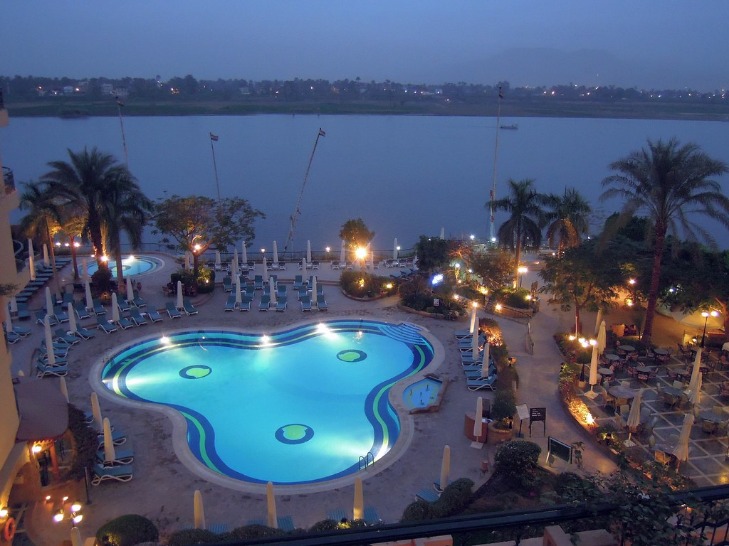
Many of the resorts in Luxor feature stunning views of the Nile River and the surrounding desert landscape, providing a tranquil environment for relaxation. Hotels range from luxury five-star establishments with sophisticated amenities to charming boutique hotels that offer an authentic Egyptian ambiance. Modern facilities such as spa centers, infinity pools, and fine dining options ensure that guests have a memorable stay. Additionally, many accommodations provide expert local guides and tailored tour packages, allowing visitors to explore Luxor’s UNESCO World Heritage sites conveniently and comfortably.
Luxor’s hospitality sector continuously evolves to meet the demands of international tourists, blending traditional Egyptian cultural elements with modern trends. This seamless integration enhances visitors’ experiences, making Luxor not only a hub for historical discovery but also a vibrant center for modern tourism and hospitality. With its warm hospitality and world-class resorts, Luxor remains a top destination for travelers seeking both adventure and relaxation in Egypt.
Guided Tours and Cruises
Luxor, Egypt, stands as a premier destination for modern tourism and hospitality, offering a seamless blend of ancient history and contemporary comfort. Visitors can explore iconic archaeological sites such as the Karnak Temple and the Valley of the Kings through expertly guided tours that provide enriching insights into Egypt’s rich cultural heritage. Luxor’s hospitality industry has evolved to include luxurious hotels and resorts that cater to international travelers, ensuring a comfortable stay amidst historical grandeur. Additionally, cruises along the Nile River provide a unique and scenic way to experience the region, allowing tourists to enjoy the stunning landscapes, sunrise and sunset views, and visits to picturesque villages and temples along the riverbanks. These guided tours and cruises enhance the tourist experience, making Luxor a must-visit destination for those seeking a combination of history, relaxation, and modern amenities.
Local Markets and Souvenirs
Modern tourism and hospitality in Luxor offer visitors a seamless blend of ancient history and contemporary comforts. Luxor, renowned for its archaeological treasures, attracts tourists from around the world who seek to explore the majestic temples, tombs, and monuments of the Valley of the Kings and Karnak. The hospitality industry has expanded to include luxurious hotels, comfortable lodgings, and specialized tour services, ensuring a memorable experience while preserving the city’s rich cultural legacy.
Local markets and souks in Luxor are vibrant centers of activity, showcasing a wide array of traditional crafts, textiles, jewelry, and souvenirs. Visitors can wander through bustling bazaars such as the Luxor Market, where the aroma of spices, the sound of vendors, and the colorful displays create an authentic Egyptian shopping atmosphere. Souvenirs like handcrafted papyrus papers, intricately designed jewelry, and miniature replicas of historic sites are popular keepsakes, offering travelers a tangible connection to Luxor’s historic grandeur and lively local culture.
Travel Tips for Visiting Luxor
Luxor, often referred to as the world’s greatest open-air museum, is a must-visit destination in Egypt. With its stunning temples, ancient tombs, and rich history, travelers can experience a journey back in time. To make your visit enjoyable and smooth, it’s helpful to be prepared with some essential travel tips that will enhance your exploration of this iconic city.
Best Time to Visit
Luxor, Egypt, is a must-visit destination for history enthusiasts and travelers seeking a unique cultural experience. To make the most of your trip, plan your visit during the cooler months from October to April, when daytime temperatures are more comfortable for exploring outdoor sites. Be sure to dress modestly and carry plenty of water, sun protection, and comfortable walking shoes for exploring temples, tombs, and the Nile River. Hiring a knowledgeable guide can enrich your understanding of the ancient sites, such as the Karnak Temple, Luxor Temple, and the Valley of the Kings. Additionally, taking a hot air balloon ride at sunrise offers breathtaking views of the historic monuments. Always respect local customs and be cautious with your belongings in crowded areas for a safe and enjoyable visit to Luxor.
Transportation Options
Luxor is a remarkable destination in Egypt known for its ancient temples and historic sites. When visiting Luxor, choosing the right transportation options can greatly enhance your experience. Taxis are readily available and offer convenient travel around the city and to nearby attractions. For a more cost-effective option, consider renting a bicycle or utilizing tuk-tuks, especially for short distances. Many visitors opt for guided tours that include transportation, providing insight into Luxor’s rich history while moving between sites. Additionally, some hotels and tour operators offer private chauffeur services, ensuring comfortable and personalized travel throughout your stay. Planning ahead and selecting transportation that suits your budget and schedule will help you make the most of your trip to this ancient Egyptian city.
Safety and Cultural Etiquette
When visiting Luxor, Egypt, it is important to prioritize safety and show respect for local customs to ensure a positive experience. Luxor is home to some of Egypt’s most iconic historical sites, making it a must-visit destination for history enthusiasts. Proper planning and cultural awareness can enhance your trip and help you navigate the city comfortably.
Safety Tips for Visiting Luxor
- Stay in reputable hotels and tour with authorized guides to ensure your security.
- Avoid displaying large sums of cash or valuable jewelry in public.
- Be cautious when interacting with strangers and follow local advice about areas to avoid.
- Stay updated on travel advisories and follow the guidance of local authorities.
- Respect local traffic laws and use reliable transportation options.
Cultural Etiquette in Luxor
- Dress modestly, especially when visiting religious sites, covering shoulders and knees.
- Always ask permission before taking photos of local residents, particularly women.
- Use polite greetings like “Salam” and be respectful in your interactions.
- Remove your shoes when entering mosques or traditional homes as a sign of respect.
- Learn some basic Arabic phrases to communicate courteously with locals.



0 Comments