
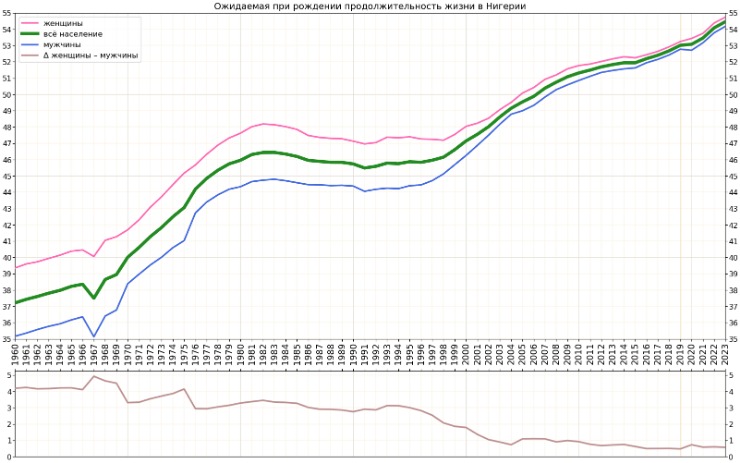
Overview of Life Expectancy in Nigeria
Life expectancy in Nigeria is a key indicator of the nation’s overall health and development. As Africa’s most populous country, Nigeria faces unique challenges that influence the longevity of its citizens. Understanding the trends and factors affecting life expectancy in Nigeria provides valuable insight into the country’s progress and the areas needing improvement to enhance the quality of life for its people.
Current Statistics
Life expectancy in Nigeria has been a significant concern due to various socio-economic and health-related challenges. It reflects the overall health, lifestyle, and access to healthcare services within the country.
- As of the most recent statistics, Nigeria’s average life expectancy is approximately 55 years for males and 56 years for females.
- Factors influencing life expectancy include high rates of infectious diseases, maternal mortality, and inadequate healthcare infrastructure.
- Life expectancy has shown gradual improvement over the past decades, but it remains lower compared to global averages.
- Efforts to combat malaria, HIV/AIDS, and improve maternal and child health are crucial for increasing life expectancy.
- Urban areas tend to have higher life expectancy rates compared to rural regions due to better access to healthcare and resources.
Overall, improving healthcare access, addressing social determinants of health, and promoting healthy lifestyles are key to enhancing life expectancy in Nigeria.
Historical Trends
Life expectancy in Nigeria has experienced significant fluctuations over the decades, reflecting the country’s social, economic, and health developments. Historically, Nigeria’s life expectancy was relatively low during the mid-20th century due to high infant mortality rates, infectious diseases, and limited access to healthcare.
During the 1960s and 1970s, improvements in healthcare infrastructure and disease control measures led to modest increases in average life expectancy. However, setbacks such as civil conflicts, political instability, and economic challenges during the 1980s and 1990s caused stagnation or decline in life expectancy figures.
In recent years, Nigeria has made progress in healthcare access and disease management, resulting in a gradual increase in life expectancy. Despite these improvements, it remains below the global average, largely due to ongoing challenges such as infectious diseases, maternal and child health issues, and disparities between urban and rural areas.
The overall trend indicates slow but steady growth in life expectancy, emphasizing the need for sustained investment in healthcare and social services to further improve health outcomes across the country.
Comparison with Regional Averages
Life expectancy in Nigeria has been a subject of concern due to various socio-economic and healthcare challenges. As of recent data, the average life expectancy in Nigeria is approximately 55 years, which is lower compared to many neighboring countries in West Africa.
When compared with regional averages, Nigeria’s life expectancy stands below the West African regional average of around 60 years. Countries like Ghana and Senegal have higher life expectancy rates, often exceeding 60 years, benefiting from better healthcare systems and social infrastructure.
Several factors contribute to Nigeria’s lower life expectancy, including limited access to quality healthcare, high rates of infectious diseases, and socio-economic disparities. Despite ongoing efforts to improve health services, Nigeria still faces significant challenges in elevating the average lifespan of its population.
Factors Influencing Life Expectancy
Life expectancy in Nigeria is shaped by a complex interplay of various factors that influence the overall health and longevity of its population. These factors include healthcare quality, socioeconomic status, lifestyle choices, environmental conditions, and access to essential services. Understanding these elements is crucial for addressing the challenges and opportunities in improving life expectancy across the country.
Healthcare System and Accessibility
Several factors influence life expectancy in Nigeria, with the healthcare system and its accessibility playing crucial roles. A robust healthcare system provides essential medical services, preventive care, and health education, which can significantly improve population health outcomes. However, in Nigeria, disparities in healthcare access due to socioeconomic, geographic, and infrastructural challenges limit the effectiveness of the healthcare system. Rural areas often lack adequate medical facilities and trained personnel, leading to higher mortality rates and reduced life expectancy. Additionally, prevalent diseases such as malaria, HIV/AIDS, and other infectious diseases further impact overall life expectancy. Socioeconomic factors, including poverty and education levels, also affect health behaviors and access to healthcare services. Improving healthcare infrastructure, ensuring equitable access to quality medical care, and addressing social determinants of health are vital steps toward increasing life expectancy in Nigeria.
Prevalence of Diseases
Several factors influence life expectancy in Nigeria, including socio-economic status, healthcare quality, and lifestyle choices. Access to medical services and preventive care plays a significant role in determining how long individuals live. The prevalence of diseases such as malaria, HIV/AIDS, and respiratory infections also impacts overall life expectancy, often reducing it due to high mortality rates. Additionally, factors like nutrition, sanitation, education, and environmental conditions are crucial in shaping health outcomes. Addressing these issues can help improve life expectancy and reduce the burden of disease in Nigeria.
Maternal and Child Health
Factors Influencing Life Expectancy, Maternal and Child Health in Nigeria
Several key factors significantly impact life expectancy, maternal health, and child health in Nigeria. Socioeconomic status plays a crucial role, as poverty limits access to quality healthcare, nutritious food, and clean water, thereby increasing health risks. Healthcare infrastructure and availability of medical services are vital; regions with better facilities tend to have improved maternal and child health outcomes. Education, especially among women, influences health awareness, family planning, and disease prevention practices, which directly affect maternal and child mortality rates. Infectious diseases such as malaria, HIV/AIDS, and cholera remain prevalent, contributing to reduced life expectancy. Additionally, cultural practices and traditional beliefs can influence health behaviors and healthcare utilization. Political stability and government policies also determine the allocation of resources to healthcare systems, affecting overall health outcomes. Addressing these multi-faceted factors is essential for improving life expectancy and maternal and child health in Nigeria.
Nutrition and Food Security
Life expectancy in Nigeria is influenced by a complex interplay of various factors, including nutrition, food security, healthcare, and socio-economic conditions. Adequate nutrition and consistent access to sufficient food are fundamental for maintaining health and preventing diseases, which directly impact longevity. Conversely, food insecurity and poor nutritional intake can lead to malnutrition, increasing susceptibility to illness and reducing life expectancy.
- Nutrition quality and diversity: A balanced diet rich in essential nutrients supports immune function and overall health.
- Food security: Reliable access to sufficient, safe, and nutritious food reduces the risk of malnutrition and associated health problems.
- Healthcare access: Availability of medical services for prevention, treatment, and health education increases survival rates.
- Socio-economic status: Income levels, education, and living conditions affect nutritional choices and access to healthcare.
- Public health infrastructure: Immunization programs, sanitation, and disease control efforts influence life expectancy outcomes.
- Environmental factors: Clean water, sanitation, and reduced exposure to environmental hazards also contribute to healthier, longer lives.
Sociopolitical Stability
Factors influencing life expectancy in Nigeria are diverse and interconnected, with sociopolitical stability playing a crucial role. Political stability ensures effective governance, reduces conflict, and promotes the implementation of health policies that improve access to healthcare and sanitation. When a country experiences sociopolitical unrest or frequent changes in leadership, resources tend to be diverted from health services, negatively impacting the well-being of its population. Additionally, stability fosters economic growth, which increases income levels and enables broader access to nutritious food, clean water, and quality medical care. Conversely, instability often results in increased poverty, violence, and disruption of healthcare systems, all of which can shorten life expectancy. Overall, promoting sociopolitical stability is essential for improving health outcomes and extending lifespan in Nigeria.
Regional Disparities in Life Expectancy
Regional disparities in life expectancy highlight significant differences in health outcomes across various parts of Nigeria. These variations are influenced by factors such as healthcare access, socioeconomic status, and environmental conditions. Understanding these disparities is crucial for developing targeted policies to improve overall health and ensure equitable healthcare for all regions.
Northern Nigeria
Regional disparities in life expectancy in Northern Nigeria highlight significant health inequalities across the region. Northern Nigeria generally has lower life expectancy rates compared to other parts of the country, largely due to factors such as limited access to quality healthcare, high maternal and infant mortality rates, and socio-economic challenges. These disparities are further exacerbated by issues like inadequate infrastructure, insecurity, and cultural practices that hinder healthcare delivery. Addressing these regional gaps requires targeted policies aimed at improving healthcare facilities, enhancing education, and reducing poverty to promote equitable health outcomes across Northern Nigeria.
Southeastern Nigeria
Regional disparities in life expectancy in Southeastern Nigeria highlight significant differences in health and longevity among various communities within the region. Factors such as access to healthcare, socioeconomic status, education, and infrastructure contribute heavily to these disparities. Urban areas tend to have higher life expectancy rates due to better healthcare facilities and improved living conditions, whereas rural areas face challenges like inadequate medical services and poverty. Addressing these inequalities is crucial for improving overall health outcomes and ensuring equitable development across Southeastern Nigeria. Tailored policies focusing on healthcare access, education, and economic empowerment are essential to bridge the gap and enhance life expectancy for all residents in the region.
Urban vs Rural Areas
Life expectancy in Nigeria varies significantly between urban and rural areas, reflecting regional disparities that influence overall health outcomes. Urban areas tend to have higher life expectancy rates due to better access to healthcare, improved sanitation, and greater economic opportunities. In contrast, rural regions often face challenges such as inadequate healthcare facilities, poor infrastructure, and limited access to essential services, which contribute to lower life expectancy. These disparities highlight the need for targeted policies to bridge the gap between different regions and promote equitable health improvements across the country.
- Urban areas in Nigeria generally have a higher life expectancy, often exceeding 60 years.
- Rural regions typically exhibit lower life expectancy, sometimes falling below 55 years.
- Access to healthcare facilities is a major factor influencing these disparities.
- Improved sanitation and nutrition in urban areas contribute to longer life spans.
- Economic development and infrastructure also play a crucial role in determining regional health outcomes.
Government Initiatives and Policies
Government initiatives and policies play a crucial role in shaping the health and well-being of Nigeria’s population. In the context of life expectancy, these efforts are aimed at improving healthcare services, reducing disease prevalence, and addressing social determinants of health. Understanding the impact of such policies is essential to advancing the nation’s public health and ensuring a healthier, longer life for all its citizens.
Healthcare Infrastructure Development
Government initiatives and policies aimed at healthcare infrastructure development play a crucial role in improving life expectancy in Nigeria. The Nigerian government has launched various programs to expand access to quality healthcare services, including the National Health Insurance Scheme and the Basic Healthcare Provision Fund, which aim to reduce out-of-pocket expenses and increase coverage.
Significant investments have been made to develop healthcare infrastructure, such as building new hospitals, upgrading existing facilities, and training healthcare professionals. These efforts are intended to enhance the capacity of health systems to provide timely and effective medical care, particularly in rural and underserved areas.
Furthermore, policies focused on disease prevention, immunization campaigns, and public health awareness have contributed to reducing mortality rates from infectious diseases, which are major factors influencing life expectancy in Nigeria. Continuous government commitment to strengthening healthcare infrastructure and policies is vital for achieving sustainable improvements in the nation’s health outcomes and increasing life expectancy.
Addressing Infectious Diseases
Government initiatives and policies play a crucial role in addressing infectious diseases, which significantly impact life expectancy in Nigeria. The Nigerian government has launched various programs aimed at preventing and controlling diseases such as malaria, HIV/AIDS, tuberculosis, and cholera. These initiatives often include widespread vaccination campaigns, improved healthcare infrastructure, and public awareness campaigns to promote hygiene and disease prevention practices.
In addition, policies focused on strengthening the healthcare system, increasing access to medical services, and ensuring the availability of essential medicines have contributed to reducing the burden of infectious diseases. International collaborations and funding from global health organizations further support Nigeria’s efforts in combating these illnesses. Despite these efforts, challenges remain, and continued investment in health policies is vital for improving life expectancy across the country.
Maternal and Child Health Programs
Government initiatives and policies play a crucial role in improving maternal and child health, thereby positively impacting life expectancy in Nigeria. The government has launched various programs aimed at reducing maternal mortality rates, providing better prenatal and postnatal care, and ensuring access to essential health services for women and children. Initiatives such as the National Maternal, Newborn, Child, and Adolescent Health (MNCAH) Strategy focus on strengthening healthcare infrastructure, training healthcare workers, and increasing awareness about reproductive health. Additionally, policies aimed at immunization campaigns, nutrition improvement, and disease prevention contribute significantly to enhancing child survival rates. These efforts are vital in addressing the high infant and maternal mortality rates in Nigeria, ultimately leading to an increase in overall life expectancy for the population.
Challenges to Improving Life Expectancy
Improving life expectancy in Nigeria faces a multitude of challenges that hinder progress and affect the overall well-being of its population. Factors such as inadequate healthcare infrastructure, high rates of infectious diseases, poverty, and limited access to quality education contribute to the complex health landscape. Addressing these issues requires coordinated efforts and sustainable strategies to ensure a healthier and longer life for Nigerians.
Economic Constraints
Improving life expectancy in Nigeria faces significant challenges primarily due to economic constraints. Limited financial resources restrict investments in healthcare infrastructure, medical supplies, and public health initiatives essential for disease prevention and treatment. Many regions lack access to quality healthcare services, which leads to higher mortality rates and a lower overall life expectancy. Additionally, economic hardship often results in inadequate nutrition and sanitation, further exacerbating health issues. Addressing these economic constraints is crucial for implementing sustainable solutions to improve health outcomes and increase life expectancy nationwide.
Corruption and Governance Issues

Improving life expectancy in Nigeria faces several significant challenges, primarily rooted in corruption and governance issues. Corruption undermines public health initiatives by diverting resources away from essential healthcare services, infrastructure, and social programs, thereby hindering efforts to enhance overall health outcomes. Weak governance further compounds these problems by resulting in inefficient allocation of funds, lack of accountability, and poor policy implementation, which negatively impacts healthcare delivery and disease management. Additionally, inadequate infrastructure, such as hospitals and clean water supply, exacerbates health risks. Addressing these systemic issues is crucial to creating sustainable improvements in life expectancy across Nigeria.
Security Concerns and Conflict
Improving life expectancy in Nigeria faces numerous challenges due to security concerns and ongoing conflicts. These issues significantly hinder healthcare delivery, economic stability, and social development, ultimately affecting the overall well-being of the population.
- Security threats from insurgent groups such as Boko Haram disrupt access to healthcare and education, making it difficult for communities to thrive.
- Conflict and violence lead to displacement, loss of lives, and destruction of essential infrastructure, impairing health services and sanitation facilities.
- High levels of crime and banditry contribute to an atmosphere of insecurity, discouraging investment in health and social services.
- Political instability and corruption undermine efforts to implement effective policies aimed at improving healthcare systems.
- Limited access to quality education and healthcare services exacerbates health disparities across different regions of Nigeria.
- Strengthening security measures and conflict resolution strategies is essential to create a safe environment conducive to health improvements.
- Investing in healthcare infrastructure and training can help address disparities and improve life expectancy.
- Promoting political stability and transparency will enable more effective policy implementation.
- Engaging community leaders and international partners can foster peace and support sustainable development initiatives.
- Enhancing access to education and primary healthcare services remains critical in lifting overall health standards in Nigeria.
Health Education and Awareness
Improving life expectancy in Nigeria faces numerous challenges, particularly in the areas of health education and awareness. Many communities lack adequate knowledge about preventive healthcare measures, leading to increased vulnerability to preventable diseases. Limited access to accurate health information hampers efforts to promote healthy behaviors, such as proper sanitation, vaccination, and nutrition. Socioeconomic factors also play a significant role, as poverty restricts the ability to access healthcare services and educational resources. Additionally, cultural beliefs and misconceptions can hinder the acceptance of modern medical practices and health interventions. Strengthening health education and raising awareness are vital steps in addressing these barriers and improving overall life expectancy in Nigeria.
Future Outlook and Strategies
The future outlook for life expectancy in Nigeria presents both significant challenges and opportunities for improvement. Strategic initiatives focused on healthcare, sanitation, education, and economic development are crucial in enhancing overall life quality and longevity. By addressing existing disparities and investing in sustainable solutions, Nigeria can make meaningful progress toward a healthier and more resilient population.
Innovations in Healthcare Delivery
The future outlook for healthcare in Nigeria presents both significant challenges and promising opportunities, particularly in enhancing life expectancy through innovative delivery strategies. As the country continues to experience population growth and urbanization, there is an urgent need to adopt forward-thinking approaches that address disparities in healthcare access and quality.
Strategies such as expanding telemedicine services, leveraging mobile health technologies, and integrating community health workers into the care continuum are essential for reaching underserved populations. Investing in digital health infrastructure can facilitate real-time data sharing, improve disease surveillance, and enable personalized treatment plans, ultimately extending life expectancy.
Innovations in healthcare delivery, including the use of artificial intelligence, wearable health devices, and automated diagnostic tools, have the potential to revolutionize patient care in Nigeria. These technologies can streamline workflows, reduce costs, and improve health outcomes by ensuring timely interventions and preventive care.
Moreover, public-private partnerships and international collaborations are vital for scaling up innovative solutions and ensuring sustainability. Emphasizing health education, preventive measures, and early detection programs will also play a crucial role in improving longevity and overall health standards across Nigeria.
Community Engagement and Education
The future outlook for life expectancy in Nigeria hinges on the implementation of effective health policies, improved healthcare infrastructure, and increased access to quality medical services. Strategies focusing on reducing preventable diseases, enhancing maternal and child health, and addressing social determinants of health are critical for extending life expectancy. Additionally, fostering innovation in healthcare delivery and supporting research can help tailor solutions to Nigeria’s unique challenges.
Community engagement and education play a vital role in improving health outcomes. Empowering communities with knowledge about hygiene, nutrition, and disease prevention encourages healthier lifestyles and early healthcare seeking behaviors. Culturally sensitive awareness campaigns and collaboration with local leaders can enhance trust and participation, ultimately contributing to increased life expectancy across Nigeria.
Partnerships with International Organizations
The future outlook for life expectancy in Nigeria presents both challenges and opportunities, emphasizing the need for strategic interventions and collaborations. To improve health outcomes, Nigeria must adopt comprehensive strategies that address healthcare infrastructure, disease prevention, and socioeconomic determinants. Strengthening partnerships with international organizations can play a pivotal role in accelerating progress. These collaborations can bring in technical expertise, funding, and innovative solutions tailored to Nigeria’s unique context. Engaging organizations such as the World Health Organization, UNICEF, and the World Bank can support the implementation of health programs, vaccination campaigns, and capacity-building initiatives. By fostering these global partnerships, Nigeria can enhance its healthcare system, improve maternal and child health, and ultimately increase life expectancy for its population. Continuous commitment to sustainable development and international cooperation will be key to achieving long-term health improvements and a healthier future for Nigeria.
Investments in Public Health Infrastructure
The future outlook for Nigeria’s life expectancy hinges on strategic investments in public health infrastructure. Strengthening healthcare facilities, improving access to essential services, and enhancing disease prevention programs are critical steps toward increasing overall longevity. Public health initiatives focused on maternal and child health, infectious disease control, and health education will play a pivotal role in shaping a healthier population. Additionally, fostering collaborations between government agencies, private sectors, and international organizations can accelerate progress. Prioritizing sustainable funding, innovative technologies, and community engagement will ensure that infrastructure development translates into tangible improvements in life expectancy across Nigeria.



0 Comments