

Overview of Nigeria’s Largest Cities
Nigeria is a country known for its vibrant culture and rapidly growing urban centers. Its largest cities are key economic, political, and cultural hubs that play significant roles in the nation’s development. These cities attract millions of residents due to their opportunities, infrastructure, and diverse communities.
Lagos is Nigeria’s largest city and a major financial center, renowned for its bustling markets, vibrant nightlife, and port activities. It is a hub for business, entertainment, and innovation, making it a focal point of Nigeria’s urban landscape.
Second to Lagos is Kano, an ancient city with a rich history and cultural heritage. Kano is important for its traditional markets, architecture, and as a center for trade in the northern region of Nigeria.
Ibadan, once the capital of the Western Region, is known for its educational institutions and historical significance. It remains one of Nigeria’s largest and most influential cities, with a strong agricultural base and growing urban development.
Port Harcourt is a major port city located in the southern part of the country. It is vital for Nigeria’s oil industry, contributing significantly to the nation’s economy through its oil production and export activities.
Other notable large cities include Benin City, known for its cultural festivals and history, and Kaduna, a key city in the northern part of Nigeria with diverse industries and a strategic location.
Overall, Nigeria’s largest cities are characterized by their dynamic populations, diverse cultures, and significant contributions to the country’s economic and social fabric. Their growth continues to shape Nigeria’s future as a major African nation.
Lagos
Lagos, Nigeria’s bustling economic and cultural hub, is one of the largest cities in Africa. Known for its vibrant atmosphere, diverse population, and dynamic skyline, Lagos plays a significant role in the country’s development. As a major port and commercial center, it attracts people from all over Nigeria and beyond, making it a melting pot of traditions, languages, and opportunities.
Population and Demographics
Lagos is the largest city in Nigeria, renowned for its vibrant culture, economic significance, and dense population. As one of Africa’s most populous urban areas, Lagos serves as a major financial hub and a melting pot of diverse ethnic groups. The city’s population continues to grow rapidly, driven by rural-urban migration and high birth rates.
- Estimated Population: Over 14 million residents, making it the most populous city in Nigeria.
- Demographics: The population is highly diverse, including Yoruba, Igbo, Hausa, and many other ethnic groups, alongside a large expatriate community.
- Age Distribution: A youthful population, with a significant percentage under the age of 30.
- Urbanization Rate: One of the fastest-growing cities in Africa, with ongoing expansion in infrastructure and housing.
- Economic Activities: Predominantly driven by commerce, manufacturing, and port activities, attracting people from across Nigeria and neighboring countries.
Economic Significance
Lagos is the largest city in Nigeria and serves as a major economic hub for West Africa. Its strategic location along the Atlantic coast facilitates extensive trade and commerce, making it a vital port city. Lagos hosts numerous multinational companies, financial institutions, and a thriving informal economy that significantly contributes to Nigeria’s GDP. The city’s dynamic markets, bustling ports, and diverse industries such as manufacturing, entertainment, and technology highlight its importance in regional and national economic development. As a center for innovation and business, Lagos attracts both local and international investments, further cementing its role as Nigeria’s economic powerhouse.
Major Landmarks and Attractions
Lagos, one of the largest cities in Nigeria, is a vibrant metropolis known for its rich culture, economic significance, and diverse attractions. As a bustling hub of activity, it attracts visitors from around the world seeking to experience its unique blend of modernity and tradition.
Major landmarks in Lagos include the National Museum, which showcases Nigerian art and history, and the Lekki Conservation Centre, a lush ecological preserve that offers a refuge for wildlife and a chance to experience the natural beauty of Nigeria. The Nike Art Gallery stands out as a premier destination for contemporary Nigerian art and craftsmanship.
Tourists and locals alike enjoy visiting the Lekki Market, a lively spot filled with local crafts, textiles, and souvenirs. The Lagos Cathedral, also known as the Cathedral Church of Christ, is an impressive religious landmark with beautiful architecture. For recreation and skyline views, the Eko Atlantic City development offers luxury residences, hotels, and entertainment options along the Atlantic coast.
Cultural Diversity
Lagos, the largest city in Nigeria, is renowned for its rich cultural diversity. As a bustling metropolis, it is home to people from various ethnic, religious, and linguistic backgrounds, creating a vibrant tapestry of traditions and customs. This diversity is reflected in the city’s festivals, cuisine, music, and art, making Lagos a unique melting pot of cultures. The city’s cosmopolitan nature has fostered an environment of tolerance and innovation, attracting people from all over Nigeria and beyond. Lagos’s cultural variety not only shapes its social fabric but also contributes significantly to its dynamic economy and global identity.
Transportation and Infrastructure
Lagos, Nigeria’s largest city, is a bustling metropolis known for its vibrant economy and diverse population. Its transportation and infrastructure play a crucial role in supporting the city’s rapid growth and urbanization.
- Public transportation in Lagos includes a mix of buses, mini-vans, and motorcycle taxis known as “okadas” which are vital for daily commutes.
- The city is developing its rail infrastructure with the Lagos Rail Mass Transit project, aimed at reducing traffic congestion and providing efficient mass transit options.
- Road infrastructure faces challenges such as traffic congestion, potholes, and inadequate road maintenance, which impact daily travel.
- The Apapa Port and Lagos Island are key hubs for freight and cargo, but congestion at port areas often affects logistics and trade.
- Recent investments focus on improving road networks, expanding passenger transport services, and upgrading infrastructure to cope with the city’s expanding population.
Kano
Kano is one of the largest and most historic cities in Nigeria, renowned for its rich cultural heritage and vibrant markets. Located in the northern part of the country, Kano has been a center of trade, commerce, and learning for centuries. Its ancient walls and bustling streets reflect a blend of tradition and modernity, making it a significant urban hub in Nigeria.
Historical Background
Kano, one of the largest cities in Nigeria, has a rich historical background that dates back over a thousand years. Originally a small trading hub, it grew to become a prominent center of commerce and culture in the region. The city was part of the Kanem-Bornu Empire and later under the influence of the Hausa city-states. Kano’s strategic location facilitated trade across West Africa, contributing to its development as a major trading center for goods such as textiles, leather, and agricultural products. In the 19th century, Kano became a key city within the Sokoto Caliphate, further strengthening its influence and political importance. Today, Kano remains a significant economic and cultural hub in Nigeria, reflecting its historic importance in the region.
Population and Growth
Kano is one of the largest cities in Nigeria, renowned for its rich history and cultural significance. The city has experienced rapid population growth over the past few decades, transforming from a traditional trading hub into a bustling urban center. As of recent estimates, Kano’s population is over 3.6 million residents, making it one of the most populous cities in the country. The growth has been driven by natural population increase and rural-to-urban migration, reflecting Nigeria’s overall trend of urban expansion. This rapid population growth presents both opportunities for economic development and challenges related to infrastructure, housing, and services in Kano.
Economic Activities
Kano, one of Nigeria’s largest cities, is a major economic hub in the northern region of the country. Its economy is predominantly driven by agriculture, commerce, and manufacturing activities. The city is renowned for its bustling markets, such as the famous Kano Emir’s Market, which facilitate the trade of goods like textiles, grains, and livestock. Additionally, Kano has a growing industrial sector that includes textile production, food processing, and breweries. The city also plays a significant role in transportation and trade, serving as a key gateway for goods entering and leaving northern Nigeria. Overall, Kano’s diverse economic activities contribute significantly to the development and prosperity of the region.
Cultural Heritage
Kano is one of the largest cities in Nigeria and holds a significant place in the country’s cultural heritage. Known for its rich history as a center of trade and commerce, Kano boasts a vibrant cultural scene that reflects its diverse heritage. The city is famous for its traditional architecture, bustling markets, and historic sites such as the Kano Emirate Palace and the ancient city walls. Kano’s cultural festivals and artisanship, particularly in pottery, leatherwork, and textiles, showcase the city’s long-standing artisanal traditions. These cultural elements are preserved and celebrated by the local community, making Kano a vital hub of Nigeria’s historical and cultural identity.
Transport and Connectivity
Kano, one of Nigeria’s largest cities, is a vital hub for transportation and connectivity in the northern region. The city boasts a well-developed network of roads that facilitate movement within the city and connect it to neighboring states. Kano’s strategic location along major trade routes has historically enhanced its role as a commercial center, supported by an extensive transport infrastructure.
The city is served by the Kano International Airport, which provides both domestic and limited international flights, boosting economic activity and regional connectivity. Additionally, Kano is interconnected with other parts of Nigeria through a network of buses, motorcycle taxis, and rail services, making travel accessible for residents and visitors alike.
Efforts to improve transportation infrastructure continue, aiming to reduce congestion and enhance efficiency. The city’s transportation system plays a crucial role in supporting its vibrant markets, industry, and cultural exchanges, reinforcing Kano’s position as a key urban center in Nigeria.
Ibadan
Ibadan, one of the largest cities in Nigeria, is renowned for its rich history and vibrant culture. As a major economic and educational hub, it holds a significant place in the country’s development. The city is known for its historic sites, bustling markets, and diverse communities, making it a fascinating destination for residents and visitors alike.
Historical Significance
Ibadan, one of Nigeria’s largest cities, holds a significant place in the country’s history and development. It is renowned for its rich cultural heritage, educational institutions, and historical importance as a center of commerce and administration during pre-colonial and colonial periods.
- Founded in the 17th century, Ibadan became a prominent Yoruba city known for its military prowess and diplomatic influence.
- It served as a major center for the Oyo Empire, which was one of the largest Yoruba states in history.
- Ibadan played a crucial role in Nigeria’s independence movement, hosting many political activities and leaders.
- The city is home to the University of Ibadan, Nigeria’s oldest university, established in 1948, which contributed to its academic and cultural development.
- Ibadan’s historical sites and traditional institutions continue to reflect its importance in Nigeria’s socio-political landscape.
Population Size
Ibadan is one of the largest cities in Nigeria, renowned for its rich history and vibrant culture. Its population size is estimated to be over 3 million residents, making it one of the most populous cities in the country. As a major economic and educational hub in Nigeria, Ibadan plays a significant role in the nation’s development and urbanization process.
Educational Institutions
Ibadan is one of the largest cities in Nigeria and is renowned for its rich educational heritage. The city hosts several prominent educational institutions that attract students from across the country and beyond. Obafemi Awolowo University, located in nearby Ile-Ife but closely associated with Ibadan’s academic community, is one of the top universities in Nigeria, offering a wide range of undergraduate and postgraduate programs. Additionally, the University of Ibadan, Nigeria’s first university established in 1948, remains a prestigious institution known for its academic excellence.
Besides universities, Ibadan is home to numerous colleges, technical schools, and research institutes that contribute significantly to Nigeria’s educational development. The city’s vibrant academic environment fosters innovation and cultural exchange, making it a vital hub for learning in the southwestern region of Nigeria and the larger West African area.
Major Economic Sectors
Ibadan, one of the largest cities in Nigeria, is a prominent cultural and economic hub in West Africa. Its economy is diverse, encompassing several major sectors that contribute significantly to its growth and development.
The major economic sectors in Ibadan include agriculture, commerce, education, manufacturing, and services. Agriculture forms the backbone of the local economy, with the city and its surrounding areas producing crops such as yams, cassava, cocoa, and maize. Commerce thrives through vibrant markets and trading centers, facilitating the exchange of goods and services. Education is a key sector, as Ibadan hosts several renowned universities and institutions that attract students from across Nigeria and beyond. The manufacturing sector is also growing, with small-scale industries producing textiles, foods, and construction materials. Lastly, the services sector, including transportation, healthcare, and hospitality, supports the city’s bustling urban life and economic activities, making Ibadan a vital economic center in Nigeria.
Urban Development
Ibadan, one of the largest cities in Nigeria, has experienced significant urban development over the past few decades. As a major cultural and economic hub in the southwestern region, it has seen rapid expansion in infrastructure, residential areas, and commercial centers. The city’s growth is driven by its strategic location, educational institutions, and thriving agricultural sectors.
Urban development in Ibadan faces challenges such as traffic congestion, inadequate public transportation, and the need for sustainable planning. Efforts to modernize the city include the expansion of road networks, improvement of public services, and investment in affordable housing projects. These developments aim to accommodate the increasing population and enhance the overall quality of life for residents.
Despite these advancements, Ibadan continues to grapple with urban sprawl and environmental concerns. Urban planners and local authorities are working to implement more effective zoning laws, promote green spaces, and develop resilient infrastructure. The future of Ibadan’s urban development hinges on balanced growth that preserves its cultural heritage while embracing modernity.
Abuja
Abuja, the capital city of Nigeria, is a vibrant and rapidly developing metropolis known for its modern architecture and well-planned layout. As the political and administrative hub of the country, it hosts numerous government institutions, foreign embassies, and international organizations. With a growing population and diverse culture, Abuja stands out as one of Nigeria’s largest and most prominent cities, symbolizing progress and national unity.
Capital City Overview
Abuja is the capital city of Nigeria and serves as the political and administrative center of the country. It was officially designated as the capital in 1991, replacing Lagos, to promote balanced development across Nigeria. Abuja is known for its modern architecture, well-planned layout, and numerous government buildings.
- It is located in the center of Nigeria, in the Federal Capital Territory (FCT).
- Abuja features notable landmarks such as Aso Rock, the Nigerian National Mosque, and the National Church of Nigeria.
- The city has a growing population driven by migration and government development projects.
- Abuja is a hub for political activities, international conferences, and diplomatic missions.
- The city is also known for its lush greenery, parks, and infrastructure modernization.
While Abuja is not among the largest cities by population in Nigeria, it holds a significant role as the political heart of the nation. The largest cities in Nigeria include Lagos, Kano, Ibadan, and Port Harcourt, with Abuja playing a vital administrative and diplomatic role amidst them.
Urban Planning and Design
Abuja, the capital city of Nigeria, is renowned for its meticulous urban planning and modern design. As one of the largest cities in Nigeria, Abuja was intentionally planned to serve as a political and administrative center, featuring wide roads, organized neighborhoods, and green spaces that promote sustainable growth. The city’s design emphasizes security, accessibility, and aesthetic appeal, with prominent landmarks such as the Nigerian National Mosque and the Millennium Park contributing to its identity. Urban planning in Abuja has focused on creating a balanced environment that accommodates a growing population while maintaining ecological harmony, making it a notable example of contemporary city design in Nigeria.
Government and Administrative Role
Abuja, as the capital city of Nigeria, plays a pivotal role in the nation’s government and administrative functions. It serves as the political hub, hosting the Nigerian Presidential Complex, the National Assembly, and various government ministries and agencies. The city’s administrative framework is designed to facilitate effective governance, urban planning, and public service delivery, making it a central location for policymaking and governmental operations.
Major Attractions
Abuja, the capital city of Nigeria, is known for its modern architecture, vibrant culture, and numerous attractions that draw both locals and tourists alike. As one of the largest cities in Nigeria, Abuja offers a unique blend of political significance and cultural diversity.
- National Mosque: An impressive Islamic religious center featuring stunning architecture and panoramic city views.
- Millennium Park: A large, beautifully landscaped park perfect for relaxing and outdoor activities.
- Jabi Lake: A scenic artificial lake ideal for boating, picnicking, and enjoying nature.
- Arts and Crafts Village: A hub where visitors can explore Nigerian arts, crafts, and cultural exhibits.
- National Christian Centre: An iconic church known for its striking design and spiritual importance.
- Zuma Rock: A massive natural monolith just outside Abuja, often called Nigeria’s Gatekeeper and a popular sightseeing spot.
Transport Infrastructure
Abuja, the capital city of Nigeria, serves as a central hub for political and administrative activities and boasts a growing transport infrastructure designed to accommodate its expanding population. The city features well-planned roads, including major highways and arterial roads, which facilitate smooth traffic flow and connectivity across different districts.
Public transportation in Abuja includes a network of buses and taxis that provide vital links within the city and to surrounding areas. Recently, there have been efforts to introduce more organized transit systems, such as bus rapid transit (BRT) corridors, aimed at reducing congestion and improving commuter convenience.
Abuja also benefits from an expanding infrastructure project that aims to enhance its transportation capacity, including plans for ring roads and improved parking facilities. The city’s transport development is crucial for supporting its status as one of Nigeria’s largest urban centers and a key location for political and economic activities.
Port Harcourt
Port Harcourt, the capital of Rivers State in Nigeria, is renowned as one of the country’s largest and most vibrant cities. Known for its thriving oil industry, it plays a crucial role in Nigeria’s economy and boasts a diverse cultural heritage. With its bustling port, lively markets, and numerous educational institutions, Port Harcourt stands out as a major urban center in Nigeria.
Economic Base and Oil Industry
Port Harcourt is one of the largest cities in Nigeria, renowned for its significant role in the country’s economic landscape. The city’s economic base is primarily centered around the oil industry, making it a vital hub for Nigeria’s petroleum sector. As a major oil-producing city, Port Harcourt hosts numerous oil refineries, warehouses, and distribution centers that contribute substantially to the national economy. The city’s infrastructure and industrial activities are closely linked to the fortunes of Nigeria’s oil reserves, which have historically been a driving force behind its growth and development.
Population and Growth Trends
Port Harcourt, one of the largest cities in Nigeria, is renowned for its rapid population growth and economic significance. Located in the southern part of Nigeria, it serves as a major industrial hub, particularly for the oil and gas industry. Over the years, the city has experienced significant demographic changes driven by urbanization, economic opportunities, and migration from rural areas.
- Current Population: Port Harcourt has an estimated population of over 1.5 million residents, making it one of the most populous cities in Nigeria.
- Growth Trends: The city has seen steady population growth, averaging around 3-4% annually, largely due to internal migration and economic activities.
- Urban Expansion: The rapid increase in population has led to extensive urban expansion, with new neighborhoods and infrastructure developments.
- Future Projections: Demographers anticipate that Port Harcourt’s population will continue to grow, potentially reaching over 2 million in the next decade, further cementing its status as a major Nigerian city.
Cultural and Recreational Spots
Port Harcourt, one of Nigeria’s largest cities, is renowned for its vibrant cultural heritage and numerous recreational spots. Visitors can enjoy exploring the rich history and diverse traditions at places such as the Port Harcourt Tourist Beach, which offers a scenic seaside experience perfect for relaxation and leisure. The Rivers State Cultural Centre provides an immersive experience into local art, dance, and performances, showcasing the region’s vibrant culture. For outdoor activities, the Isaac Boro Park is a popular spot for families and locals alike to unwind amidst lush greenery and spacious grounds. The city also boasts lively markets, museums, and entertainment venues that reflect its dynamic and youthful energy. Overall, Port Harcourt offers a blend of cultural richness and recreational options that make it a lively hub in Nigeria’s largest cities.
Transport and Logistics
Port Harcourt, one of Nigeria’s largest cities, is a major hub for transport and logistics in the country. Its strategic location along the Niger Delta makes it vital for the movement of goods and people within Nigeria and to neighboring countries. The city boasts a well-developed road network that facilitates efficient transportation across urban and rural areas.
Port Harcourt’s transportation system includes buses, motorcycle taxis, and riverine boats, providing diverse options for commuters. The Port Harcourt International Airport enhances connectivity, supporting both domestic and international air travel. Additionally, the city is home to a busy seaport that handles a significant volume of cargo, making it crucial for Nigeria’s oil and gas industry.
Logistics companies operating in Port Harcourt play a vital role in managing freight and ensuring timely delivery of goods across Nigeria. The city’s infrastructure supports various modes of transport, including road, air, and river, which are integral to its economic activities. Overall, Port Harcourt’s transport and logistics sector are essential for its continued growth and status as a major Nigerian city.
Other Notable Large Cities in Nigeria
Nigeria is a country known for its vibrant culture and diverse population, with several large cities playing a crucial role in its development. While Lagos and Abuja are often highlighted, other notable cities also contribute significantly to the nation’s economy and culture. These cities, each with their unique characteristics and histories, offer a glimpse into Nigeria’s rich urban landscape and its growing importance on the regional and global stage.
Benin City
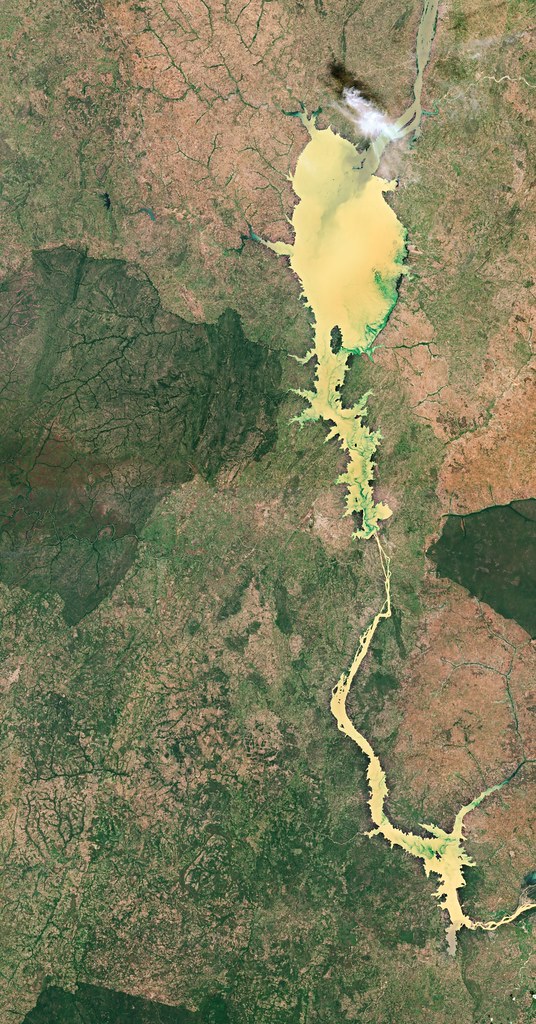
Benin City is one of the notable large cities in Nigeria, known for its rich history and cultural significance. Located in Edo State, it was once the capital of the Benin Empire, which played a major role in African history. Today, Benin City is a vibrant urban center with a growing population, bustling markets, and diverse industries. The city also boasts educational institutions, historical sites, and a vibrant arts scene. Its strategic importance and cultural heritage make it an important city in Nigeria’s urban landscape, contributing significantly to the country’s economy and history.
Maiduguri
Maiduguri is one of the notable large cities in Nigeria, situated in the northeastern part of the country. It serves as the capital of Borno State and is an important cultural and economic hub in the region. Despite facing challenges related to security and humanitarian issues, Maiduguri remains vibrant with a rich history and resilient population. The city plays a crucial role in Nigeria’s northeastern dynamics, contributing significantly to agriculture, trade, and regional development. Its diverse communities and historical sites make it a notable city among Nigeria’s largest urban centers.
Zaria
Zaria is one of the notable large cities in Nigeria, known for its rich history and prominent cultural significance. Located in Kaduna State, it is a major hub for education, commerce, and transportation in the northern region of the country. The city is home to Ahmadu Bello University, one of Nigeria’s largest and most prestigious institutions. Zaria also boasts a vibrant traditional heritage, including the ancient Royal Palace and numerous historical sites that attract visitors and scholars alike. Its strategic location and diverse economy make Zaria an essential part of Nigeria’s urban landscape, contributing significantly to the nation’s growth and development.
Enugu
Enugu is one of the notable large cities in Nigeria, known for its rich history and cultural significance. Located in the southeastern region, Enugu has grown steadily over the years and is often referred to as the “Coal City” due to its historical coal mining industry. The city plays a vital role in Nigeria’s economy and remains a center for education, commerce, and politics in the southeastern zone. With a vibrant population and diverse communities, Enugu continues to develop as an important urban center in Nigeria.


0 Comments