
Geography and Climate of Borno
Borno State, located in northeastern Nigeria, is characterized by a diverse geographical landscape and a semi-arid climate. The region largely features savannah plains, river valleys, and a mix of desert-like areas, reflecting its position within the Sahel zone. Its climate is predominantly hot and dry, with notable seasonal variations influenced by the proximity to the Sahara Desert. These geographical and climatic features significantly shape the lifestyle, agriculture, and ecosystem of Borno.
Location and Topography
Borno State, located in northeastern Nigeria, is characterized by its diverse geography and climate. It is bordered by Niger to the northwest, Chad to the northeast, and other Nigerian states such as Yobe, Adamawa, Gombe, and Yobe to the south, east, and west. The state’s terrain is predominantly flat and semi-arid, featuring expansive plains and dry savannahs that extend across much of the region. The topography includes a mixture of low-lying areas and some plateau regions, with the Chad Basin occupying a significant part of Borno’s landscape. This basin is a key geographical feature and influences the climate and natural resources of the area. Overall, Borno’s topography and geographical positioning contribute to a climate that is generally hot and dry, with a short rainy season typically occurring between June and September, supporting sparse vegetation adapted to semi-arid conditions.
Climate and Weather Patterns
Borno, located in northeastern Nigeria, features a semi-arid climate characterized by hot temperatures and distinct dry and rainy seasons. The region’s geography is largely defined by the Sahara desert to the north and the savannah areas to the south, creating diverse environmental conditions.
- Climate Type: Mainly semi-arid with desert influences in the northern parts and more savannah conditions in the south.
- Temperature: Generally high year-round, with daytime temperatures frequently exceeding 40°C during peak dry season.
- Rainfall: Limited, mostly occurring between June and September, with annual precipitation ranging from 600 to 800 millimeters.
- Weather Patterns: Dominated by a dry season from October to May, with the Harmattan wind bringing dust and cool dry air, and a rainy season marked by thunderstorms and increased humidity.
Historical Background of Borno
Borno State, located in northeastern Nigeria, boasts a rich historical heritage that dates back centuries. It was once part of the powerful Kanem-Benne Empire, an influential center of trade, culture, and Islamic scholarship. Over the centuries, Borno evolved into a prominent Islamic sultanate, shaping the region’s social and political landscape. Its history is marked by significant interactions with neighboring states, colonial influences, and ongoing efforts to preserve its cultural identity amidst modern challenges.
Ancient Kingdoms and Empires
Borno State, located in northeastern Nigeria, has a rich historical background rooted in ancient kingdoms and empires that shaped the region’s cultural and political landscape. Historically, Borno was the center of the powerful Kanem-Bornu Empire, which emerged around the 9th century and became one of the longest-lasting monarchies in Africa. The empire was established by the Kanem people from the northeastern part of Chad and eventually expanded its influence across the Sahara and into the Lake Chad Basin.
During its height, the Kanem-Bornu Empire was a major political, economic, and religious hub, renowned for its sophisticated administration and trade networks that connected North Africa, the Middle East, and sub-Saharan Africa. The empire was predominantly Muslim, which significantly influenced its governance and culture. Over centuries, the empire faced numerous challenges, including invasions, internal conflicts, and colonial pressures.
In the 19th century, Borno was continued by the Sokoto Caliphate’s influence and then fell under British colonial rule in the early 20th century. Despite these changes, the historical legacy of the ancient kingdoms persists in the cultural practices, traditions, and societal organization of the people of Borno today, making the region a vital part of Nigeria’s historical heritage.
Colonial Era and Post-Independence Changes
Borno, located in northeastern Nigeria, has a rich historical background that dates back centuries as part of the Kanem-Borno Empire, a powerful and influential kingdom that flourished from the 9th to the 19th century. This empire was renowned for its advanced administrative system, trade networks, and Islamic scholarship, which contributed significantly to the region’s cultural development.
During the colonial era, Borno came under British control in the early 20th century as part of Nigeria’s colonization. The British administration integrated Borno into the Northern Nigeria Protectorate, implementing indirect rule through traditional rulers. This period brought about significant changes in governance, economic policies, and social structures, often disrupting traditional institutions and establishing new boundaries that influence contemporary political divisions.
After Nigeria gained independence in 1960, Borno experienced various political and social transformations. Efforts to modernize the region included infrastructure development and educational initiatives, but challenges such as insurgency, poverty, and underdevelopment persisted. In recent years, Borno has been at the forefront of Nigeria’s security efforts against insurgent groups, and ongoing post-independence changes continue to shape its political, economic, and social landscape.
Demographics and Population
Nigeria Borno is a region characterized by a diverse and growing population, reflecting the country’s rich cultural heritage. The demographics of Borno are shaped by various ethnic groups, age distributions, and population trends that influence its social and economic development. Understanding the population dynamics in Borno is essential for effective planning and resource allocation in this northern Nigerian state.
Population Size and Distribution
Nigeria’s Borno State has a diverse demographic profile characterized by a mix of ethnic groups, primarily the Kanuri, Hausa, and other minority communities. The population in Borno is predominantly rural, with many residents engaged in agriculture and pastoralism. The population size has experienced fluctuations due to factors such as conflict and displacement, making demographic trends complex to analyze.
In terms of population distribution, Borno is the largest state in Nigeria by land area, covering over 70,000 square kilometers. The population is unevenly spread, with concentrated settlements around major towns like Maiduguri, the state capital, and peripheral rural areas. The northern and central parts of the state are more densely populated compared to the southern regions, which are more sparsely inhabited due to geographical and socio-economic factors.
Ethnic Groups and Languages
Nigeria Borno is characterized by diverse demographics, ethnic groups, and languages that reflect its rich cultural heritage. The population of Borno is predominantly composed of various ethnic communities with unique traditions and languages, contributing to the region’s vibrant cultural landscape.
- The main ethnic groups in Borno include the Kanuri, Shuwa Arab, and Bedouin communities.
- The Kanuri people form the largest ethnic group and are predominantly Muslim, with a significant cultural influence in the region.
- Other ethnic groups include the Babur and Hausa communities, each with their distinct languages and customs.
- Languages spoken in Borno include Kanuri, Hausa, Arabic, and other indigenous dialects.
- Kanuri serves as the lingua franca and is widely used for communication, education, and media.
- Arabic is also prominent due to the Islamic influence and religious practices in the region.
- Multilingualism is common, with many residents speaking several languages fluently, reflecting the area’s diversity.
Religious Composition
Nigeria’s Borno State is characterized by a diverse demographic and population profile, with a mix of various ethnic groups primarily including the Kanuri, Bororo, and Hausa communities. The population is predominantly youthful, with a significant proportion under the age of 18, reflecting Nigeria’s overall demographic trends. Urban centers like Maiduguri serve as economic and cultural hubs, although the region faces challenges due to ongoing conflicts and displacement.
The religious composition of Borno State is predominantly Muslim, with Islam deeply embedded in the social and cultural fabric of the region. There are also minority Christian communities, particularly in urban areas and among certain ethnic groups. The region’s religious landscape has historically influenced its customs, festivals, and societal norms, playing a crucial role in shaping community life.
Economy and Livelihoods
Nigeria’s Borno State is a region uniquely shaped by its economy and the livelihoods of its people. As one of the northern states, Borno’s economy primarily revolves around agriculture, trade, and pastoralism, reflecting the traditional ways of life in the area. Despite challenges such as conflict and insecurity, the resilience of its communities continues to play a vital role in sustaining local economies and fostering development. Understanding the dynamics of Borno’s economy provides insight into the lives of its inhabitants and the ongoing efforts to rebuild and enhance livelihoods in the region.
Agriculture and Farming Practices
Nigeria’s Borno State faces unique economic and livelihood challenges, heavily influenced by agriculture and farming practices. The region’s economy relies significantly on agriculture, which provides employment for a large portion of the population and contributes to both local and national food security.
- Most residents engage in subsistence farming, cultivating crops such as millet, sorghum, maize, and beans to sustain their families.
- Livestock farming, including cattle, goats, and sheep, plays a vital role in the local economy, ensuring livelihood stability for pastoral communities.
- In recent years, efforts have been made to modernize farming techniques through the introduction of improved seeds, irrigation systems, and mechanized equipment, although infrastructure challenges persist.
- The ongoing security issues caused by insurgency have disrupted agricultural activities, leading to reduced crop yields and economic instability in the region.
- Government and international organizations are working to rebuild the agricultural sector by providing training, financial support, and access to markets for farmers.
- Climate change and desertification also pose threats to agricultural productivity, necessitating adaptive farming practices and sustainable land management.
Overall, enhancing agricultural productivity and improving livelihood strategies are critical for Nigeria’s Borno State to foster economic stability and resilience among its farming communities.
Trading and Markets
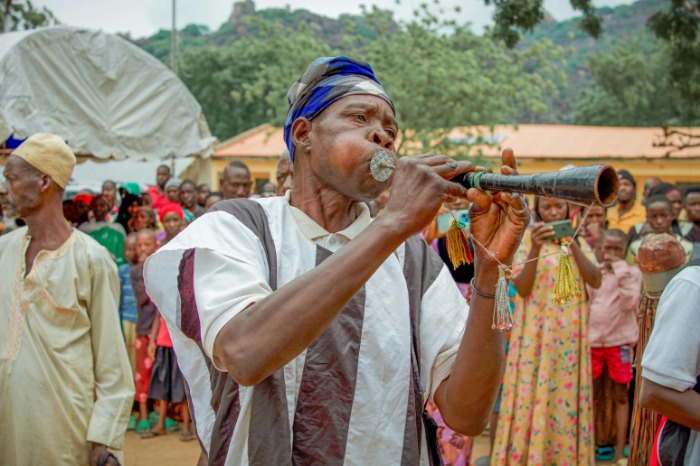
Nigeria’s Borno State faces unique economic challenges and opportunities driven by its local resources and regional dynamics. Despite security concerns, the state’s economy relies heavily on agriculture, trade, and small-scale commerce, which are vital for the livelihoods of many residents. Marketplaces in cities like Maiduguri serve as bustling hubs for the exchange of goods, including livestock, grains, and textiles, sustaining local economies. Efforts to revitalize trading networks and improve infrastructure are crucial for promoting economic growth and stability in Borno. Additionally, initiatives aimed at supporting farmers and small traders help to foster resilience and improve livelihoods amidst ongoing regional challenges.
Other Economic Activities
Nigeria’s Borno State faces unique economic challenges and opportunities that significantly impact the livelihoods of its residents. The local economy is primarily driven by agriculture, with many communities engaging in farming crops such as millet, sorghum, and sesame. Livestock rearing is also a vital activity, supporting pastoral communities and providing sustenance and income. In addition, the region benefits from some mining activities, including the extraction of minerals such as gold and feldspar, which contribute to local economies.
Other economic activities in Borno include trade and small-scale commerce, especially in market towns where local produce and goods are exchanged. Handicrafts and traditional crafts also serve as sources of income, preserving cultural heritage while supporting livelihoods. Despite the challenges posed by insecurity and displacement, efforts are ongoing to diversify the economy through vocational training and development initiatives aimed at fostering sustainable economic growth and improving the livelihoods of Borno’s people.
Culture and Traditions
Culture and traditions in Nigeria’s Borno State are rich and diverse, reflecting the history and heritage of its people. The region is known for its unique customs, vibrant festivals, and traditional art forms that have been preserved over generations. These cultural practices play a vital role in shaping the identity of the Borno people and fostering a sense of community and belonging.
Languages and Dialects
Nigeria Borno is a region rich in culture and traditions that reflect the diverse heritage of its people. The area is known for its vibrant festivals, traditional attire, and unique customs that have been preserved over generations. These cultural practices help to strengthen community bonds and maintain a sense of identity among the inhabitants.
Languages and dialects in Borno are equally diverse, with Hausa being the predominant language spoken across the region. In addition, there are several indigenous languages such as Kanuri, Shuwa, and Buduma, each with its own dialects. This linguistic variety showcases the complex ethnolinguistic landscape of Borno and highlights the importance of language in cultural expression and communication.
Traditional Clothing and Attire
Nigeria’s Borno State is rich in culture and traditions that reflect the history and identity of its people. The region is known for its vibrant festivals, kinship systems, and unique customs that have been passed down through generations. Traditional practices often play a significant role in community life, serving to strengthen social bonds and preserve their heritage.
Traditional clothing and attire in Borno are characterized by distinct styles that showcase the cultural diversity of the region. These garments are often worn during festivals, ceremonies, and important social events, symbolizing pride and cultural identity.
- Men typically wear a flowing robe called “Babban Riga” or “Kaftan,” often decorated with embroidery, paired with a cap or turban.
- Women frequently wear a wrapper called “Zannah,” along with a blouse and brightly colored, embroidered cloth called “Riga.” They also adorn themselves with beads, jewelry, and head wraps known as “Hajiya.”
- During special occasions, both men and women might add intricate embroidery and embellishments to their attire, reflecting social status and cultural significance.
Cultural Festivals and Celebrations
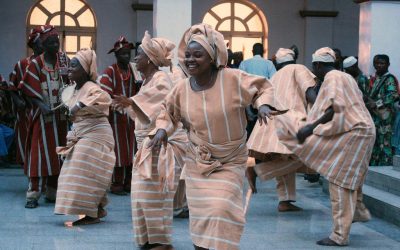
Nigeria’s Borno State is rich in culture and traditions that have been preserved through generations. The people of Borno, predominantly the Kanuri community, celebrate their heritage with vibrant customs, traditional attire, and ceremonies that reflect their history and social values. Music, dance, and storytelling play significant roles in their cultural expression, fostering a sense of identity and unity among the inhabitants.
Cultural festivals and celebrations are an integral part of Borno’s societal calendar. The Kwata Festival, for example, is a major event that showcases traditional dances, music, and masquerades, attracting locals and visitors alike. The Durbar festival, often associated with Islamic festivities, features elaborate processions, horsemanship displays, and traditional rites, emphasizing the Islamic influence in the region.
These festivals serve not only as entertainment but also as avenues for community bonding, preserving historical legacies, and passing down cultural values to younger generations. They provide a colorful glimpse into the diverse and vibrant cultural tapestry of Borno, making it a unique and fascinating region in Nigeria to explore.
Education and Healthcare
Education and healthcare are vital sectors that significantly influence the development and well-being of communities in Nigeria’s Borno State. Access to quality education and healthcare services in Borno remains a challenge due to ongoing conflicts and infrastructure limitations. Despite these difficulties, efforts are being made to improve facilities and provide better opportunities for residents, aiming to foster a healthier and more educated population for the future of the region.
Educational Institutions and Literacy Rates
In Borno State, Nigeria, education and healthcare are vital sectors that significantly influence the development of the region. The state faces challenges such as limited access to quality education and healthcare facilities, largely due to ongoing conflicts and infrastructural issues. Despite these obstacles, efforts are being made to improve literacy rates and expand educational institutions, including primary, secondary, and tertiary schools. Literacy rates in Borno have shown gradual improvement, driven by government and non-governmental organization initiatives aimed at increasing enrollment and retention of students. Healthcare services in Borno are also expanding, focusing on providing basic health amenities, maternal health, and combating diseases, although access remains uneven across different communities. Strengthening these sectors is crucial for fostering sustainable growth and stability in Borno, Nigeria.
Health Services and Challenges
In Nigeria’s Borno State, access to quality education and healthcare services remains a significant challenge due to ongoing conflict and instability. The region has experienced disruptions in schools and healthcare facilities, affecting the well-being and development of its population. Many children are out of school, and healthcare infrastructure is often insufficient to meet the needs of the growing population. Despite government and donor efforts to improve these sectors, persistent security issues hinder progress and limit service delivery. Addressing these challenges requires sustained investment, security improvements, and community engagement to rebuild trust and stability in education and health systems in Borno State.
Security and Political Situation
Nigeria’s Borno State has experienced a complex security and political landscape marked by ongoing challenges. The region has faced frequent incidents of insurgency, primarily driven by Boko Haram, which has significantly impacted stability and development. Despite efforts by government and security forces, volatile conditions persist, creating a tense environment for residents and authorities alike. Understanding the current state of security and politics in Borno is crucial to addressing the region’s ongoing struggles and working towards a more stable future.
Insurgency and Conflict with Boko Haram
The security and political situation in Borno State, Nigeria, remains challenging due to ongoing insurgency and conflict with Boko Haram. The extremist group has inflicted significant damage on communities, infrastructure, and public institutions, leading to widespread displacement and humanitarian crises. Efforts by the Nigerian government, military, and international partners have had some successes, but Boko Haram continues to carry out attacks, raid towns, and disrupt daily life. The instability has severely impacted political stability, governance, and development efforts in Borno, making it a hotspot for security concerns in the region.
Government Initiatives and Security Measures
Nigeria’s Borno State faces complex security and political challenges primarily due to ongoing insurgency and regional instability. The security situation has been heavily impacted by the activities of Boko Haram and ISWAP, which continue to threaten peace and development in the area. The government has undertaken various initiatives to combat these threats, including military operations, community engagement, and reconstruction efforts. Security measures such as increased troop deployment, intelligence sharing, and the establishment of military bases have been prioritized to restore order. Additionally, Borno’s government collaborates with national and international partners to enhance security infrastructure and promote stability, aiming to create a safer environment for residents and support sustainable development in the region.
Tourism and Natural Attractions
Nigeria’s Borno State is renowned for its captivating natural attractions and thriving tourism opportunities. Visitors are drawn to its diverse landscapes, from lush forests to vast plains, offering a unique experience of the region’s rich cultural heritage and pristine environments. Exploring Borno provides a glimpse into Nigeria’s natural beauty and the vibrant traditions of its people.
Historical Sites and Landmarks
Nigeria’s Borno State is a captivating destination renowned for its rich natural attractions, historical sites, and landmarks. Visitors can explore the expansive Lake Chad, one of the largest lakes in Africa, offering stunning views and opportunities for water-based activities. The region is also home to diverse wildlife reserves that showcase Nigeria’s vibrant biodiversity, attracting eco-tourists and nature enthusiasts alike. Historically, Borno boasts ancient sites such as the Kanem-Bornu Empire remnants and the walls of the city of Maiduguri, which reflect its deep-rooted cultural heritage. Landmarks like the Baga Fish Market and the historic Emir’s Palace serve as cultural touchstones, providing insight into the traditions and history of the local people. Overall, Borno State offers a unique blend of natural beauty and historical significance, making it a compelling destination for travelers seeking an authentic Nigerian experience.
National Parks and Natural Reserves
Nigeria’s Borno State is renowned for its remarkable natural attractions, including diverse landscapes, national parks, and natural reserves that draw visitors from around the world. These protected areas play a crucial role in preserving the region’s rich biodiversity and offering unique outdoor experiences.
One of the most prominent natural attractions in Borno is the Lake Chad Basin, which spans several states and provides a vital resource for local communities and wildlife. The basin is home to numerous aquatic species and birdlife, making it a popular destination for eco-tourism and birdwatching enthusiasts.
Borno also boasts several national parks and reserves such as the Lake Chad National Park, which offers scenic views, wildlife viewing opportunities, and a glimpse into the region’s ecological significance. These protected areas help conserve endangered species and promote environmental awareness among visitors.
Tourism in Borno benefits not only from these natural attractions but also from efforts to promote sustainable practices that ensure the preservation of its unique natural heritage. Visitors to the region can enjoy an authentic experience of Nigeria’s diverse ecosystems, contributing to both conservation and local economic development.
Challenges Faced by Borno
Borno State, located in northeastern Nigeria, faces numerous challenges that have significantly impacted its development and stability. The region struggles with ongoing insecurity due to insurgency and terrorism, which has led to displacement and loss of lives. Additionally, Borno faces economic hardships, limited access to education and healthcare, and damaged infrastructure, making it difficult for residents to thrive and rebuild their communities.
Displacement and Refugee Issues
Borno State in Nigeria faces significant challenges related to displacement and refugee issues, primarily due to ongoing conflict with insurgent groups like Boko Haram. These conflicts have led to the massive displacement of residents, creating a humanitarian crisis with thousands fleeing their homes to seek safety in internally displaced persons (IDP) camps or neighboring countries. The displacement has disrupted education, healthcare, and livelihoods, leaving many vulnerable to poverty and disease.
Additionally, the influx of refugees from other regions exacerbates the strain on local resources and infrastructure, making it difficult for the government and humanitarian organizations to provide adequate support. The ongoing insecurity hampers development efforts, perpetuating cycles of poverty and instability. Efforts to rehabilitate displaced populations and restore normalcy are challenged by continued violence, lack of access to basic services, and limited funding.
Infrastructure and Developmental Gaps
Borno State in Nigeria faces a multitude of challenges that significantly hinder its development and progress. The ongoing conflict with insurgent groups, particularly Boko Haram, has destabilized the region, leading to loss of lives, displacement of communities, and destruction of critical infrastructure. This security situation hampers efforts to improve healthcare, education, and economic activities, creating a cycle of underdevelopment.
Infrastructural deficits are a major concern in Borno, with inadequate roads, healthcare facilities, schools, and electricity supply. The lack of reliable infrastructure limits access to essential services for residents and discourages investment in the region. Many rural areas remain isolated and underserved, exacerbating poverty and unemployment.
Developmental gaps in Borno are evident in its limited access to quality education and healthcare, high levels of poverty, and insufficient investment in agriculture and industry. The state struggles to attract development programs due to insecurity and poor infrastructure, which perpetuate a cycle of underdevelopment. Addressing these gaps requires a comprehensive approach that prioritizes security, resilience, and infrastructure development to foster sustainable growth in the region.
Future Prospects and Development Initiatives
Nigeria’s Borno State is poised for significant growth and development in the coming years. With ongoing initiatives aimed at boosting infrastructure, healthcare, and education, the region is expected to experience remarkable progress. Efforts by both government and private sectors are focused on creating sustainable opportunities that will improve the quality of life for residents and foster economic resilience. These development initiatives are laying a strong foundation for a brighter future for Borno State.
Reconstruction and Rehabilitation Projects
Future prospects and development initiatives in Borno, Nigeria, are centered on reconstruction, rehabilitation, and sustainable growth to improve the lives of its residents. High priority is given to restoring infrastructure, reviving local economies, and fostering community resilience against future challenges.
- Implementation of comprehensive reconstruction projects to rebuild damaged roads, schools, healthcare facilities, and public utilities destroyed during conflicts.
- Launching rehabilitation programs aimed at reintegrating displaced persons and supporting internally displaced populations through access to housing, employment, and social services.
- Developing agricultural initiatives to revive the local economy, increase food security, and promote livelihood diversification for rural communities.
- Introducing security enhancement measures to ensure sustainable peace and stability, which are essential for development activities.
- Strengthening educational and health infrastructure to improve access and quality of services for all residents.
- Engaging in partnerships with international organizations and development agencies to access funding and technical expertise for large-scale projects.
- Fostering small and medium enterprise growth through microfinance programs and vocational training, thus creating employment opportunities.
- Promoting environmental sustainability by implementing eco-friendly infrastructure projects and conservation programs.
- Prioritize community-led development initiatives to ensure local participation and ownership of projects, fostering long-term sustainability.
- Establish monitoring and evaluation systems to track progress and adapt strategies based on evolving needs and challenges.
- Invest in capacity building for local government officials and community leaders to enhance governance and project implementation.
- Enhance regional connectivity and transportation networks to facilitate trade and movement within and beyond Borno state.
- Support cultural and tourism projects to diversify the economy and leverage the rich historical heritage of Borno.
Peacebuilding and Community Resilience
The future prospects for Borno State in Nigeria are centered on sustainable development, peacebuilding, and strengthening community resilience. Initiatives aimed at economic diversification, such as agriculture and small-scale industries, are essential for creating employment and enhancing local livelihoods. Additionally, investment in education, healthcare, and infrastructure will lay a solid foundation for long-term growth and stability.
Development initiatives are increasingly focusing on rebuilding infrastructure damaged by conflict and fostering entrepreneurship among youth and women. Programs that promote access to quality education and vocational training aim to equip residents with the skills needed for prosperity. Moreover, collaboration between government agencies, NGOs, and international partners is fundamental to ensuring comprehensive development strategies are implemented effectively.
Peacebuilding efforts in Borno involve not only military actions against insurgent groups but also community-driven approaches that address root causes of unrest. Initiatives that promote dialogue, reconciliation, and social cohesion are vital in restoring trust among different ethnic and religious groups. Strengthening community resilience through local leadership and conflict resolution mechanisms will contribute to a more stable and peaceful environment for all residents.

0 Comments