
Geography and Environment of the Okavango Delta
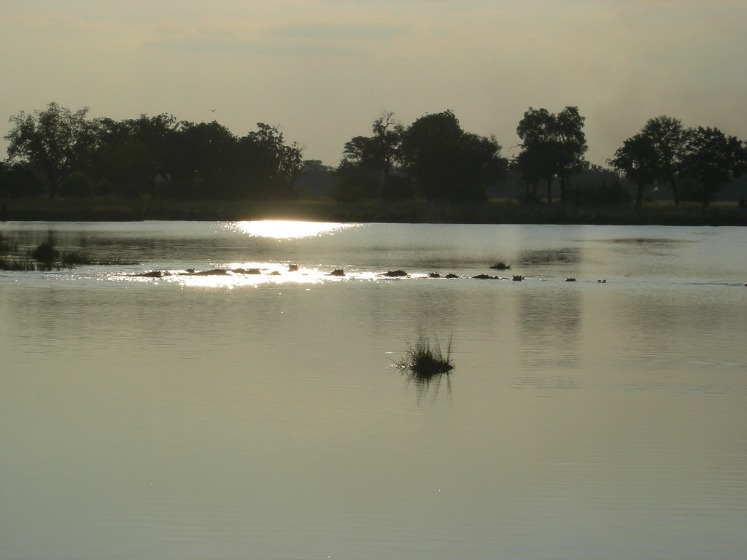
The Okavango Delta, located in Botswana, is one of the world’s most unique and vital ecological regions. This vast inland delta, formed by the Okavango River, creates a stunning landscape of wetlands, channels, and lush islands, supporting diverse flora and fauna. Its rich environment not only sustains a wide array of wildlife but also plays a crucial role in maintaining the regional climate and ecological balance. The delta’s dynamic geography and pristine environment make it an essential natural treasure of Botswana and a focal point for ecological conservation and eco-tourism.
Location and Size
The Okavango Delta is a vast and unique inland delta located in northern Botswana, known for its rich biodiversity and stunning landscapes. Covering approximately 15,000 square kilometers, it is one of the world’s largest inland deltas. The delta is formed by the Okavango River, which flows from the angolan highlands and disperses into a sprawling mosaic of channels, lagoons, and islands before drying out into the Kalahari Desert. This dynamic environment creates a delicate balance between water, land, and wildlife, making it a vital ecological area recognized as a UNESCO World Heritage Site.
Topography and Vegetation
The Okavango Delta in Botswana is a unique and vital ecosystem characterized by its rich topography and diverse vegetation. It is a sprawling inland delta formed by the seasonal floodwaters of the Cubango and Okavango rivers, creating a lush and vibrant environment that supports an abundance of wildlife and plant species.
- Topography: The delta is predominantly flat, lying within a basin that gently slopes towards the Kalahari Desert. Its surface includes floodplains, islands, and channels, which are periodically inundated during the rainy season, typically from November to March.
- Vegetation: The delta hosts a variety of plant communities, including papyrus swamps, floodplain grasslands, acacia woodlands, and flood-recessional forests. The seasonal flooding sustains this diverse flora, providing essential habitats for numerous animals and maintaining the ecological balance of the region.
Climate and Seasons
The Okavango Delta in Botswana is one of the world’s most remarkable inland wetlands, renowned for its rich biodiversity and unique geographical features. Situated in the heart of the Kalahari Basin, it spans an area that floods seasonally, creating a lush habitat for a wide variety of wildlife. The delta is primarily formed by the seasonal floodwaters from the Okavango River, which flow into the basin from Angola and Namibia, spreading out over a vast area of swamp and channels.
The environmental setting of the Okavango Delta is characterized by its lush floodplains, islands, and seasonal waters that support diverse ecosystems. The delta’s intricate network of channels and lagoons provides a vital habitat for numerous species, including elephants, lions, hippos, and countless bird species. Its pristine environment is protected by a combination of national parks and wilderness areas, making it a key ecological site in Botswana.
The climate of the Okavango Delta is semi-arid, with hot summers and mild winters. Rainfall mostly occurs during the summer months from November to March, triggering the seasonal flooding that transforms the landscape. During this period, temperatures can reach high levels, contributing to the lushness of the floodplains. The dry season from May to October sees a significant decrease in water levels, leading to reduced floodwaters and a concentration of wildlife around permanent water sources. These seasonal variations greatly influence the flora and fauna, making the delta a dynamic and vital ecological zone.
Hydrology and Water Sources
The Okavango Delta, located in Botswana, is one of the world’s largest inland deltas and a UNESCO World Heritage Site, renowned for its unique ecological and hydrological characteristics. This vast wetland stretches across approximately 15,000 square kilometers and is fed primarily by the Okavango River, which originates from the highlands of Angola. The delta is notable for its seasonal flooding, which occurs during the rainy season from November to March, transforming the landscape into a lush, thriving habitat for diverse flora and fauna.
Its hydrology is driven by the annual floodwaters of the Okavango River, which bypasses the Atlantic Ocean and instead disperses into the Kalahari Basin, creating a complex system of channels, lagoons, and islands. The water sources within the delta are primarily rainwater and runoff from the surrounding highlands, with the seasonal variation in rainfall playing a crucial role in maintaining the delta’s dynamic water levels. The delta’s unique hydrological regime supports a rich biodiversity, including large populations of elephants, hippos, crocodiles, and numerous bird species, making it an essential ecological and hydrological system in the region.
Wildlife and Biodiversity
The Okavango Delta in Botswana is a vibrant hub of wildlife and biodiversity, offering a unique glimpse into the rich ecosystems of Africa. This breathtaking wetland serves as a sanctuary for numerous species of plants, animals, and birds, making it one of the most important conservation areas in the world. Protecting the diverse wildlife in this region is essential for preserving the natural balance and promoting sustainable tourism.
Mammals of the Okavango Delta
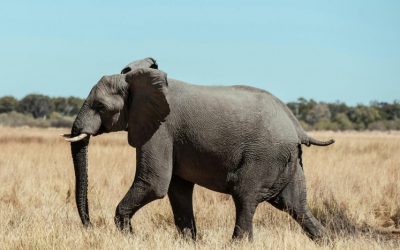
The Okavango Delta in Botswana is renowned for its rich wildlife and exceptional biodiversity. This sprawling inland delta provides a vital habitat for a wide variety of mammals, many of which are emblematic of Botswana’s pristine wilderness. The area supports large populations of elephants, which are often seen wandering across the lush floodplains, and is a critical breeding ground for numerous predators such as lions, leopards, and cheetahs. Other notable mammals include buffalo, hippopotamuses, and spotted hyenas, each contributing to the intricate ecological tapestry of the delta. The diverse mammal species thrive in this unique ecosystem due to the seasonal flooding, abundant water sources, and extensive savannahs. The presence of such a variety of mammals makes the Okavango Delta a vital conservation area, attracting eco-tourists and wildlife researchers from around the world. Protecting this biodiversity is essential for maintaining the ecological health of Botswana’s flagship wilderness region.
Birdlife and Migratory Patterns
Botswana, particularly the Okavango Delta, is renowned for its rich wildlife and extraordinary biodiversity. This UNESCO World Heritage Site teems with a diverse array of species, including elephants, lions, leopards, and a multitude of bird species. The delta’s unique ecosystem provides vital habitat for many migratory birds that travel vast distances across Africa and beyond. These migratory patterns are influenced by seasonal changes, water availability, and climatic conditions, making Botswana an essential stopover for birdlife during migration seasons. Birdwatchers and conservationists alike cherish the region for its vibrant avian populations, which include pelicans, storks, kingfishers, and carmine bee-eaters. Protecting this delicate balance of wildlife and understanding migratory behaviors are crucial for maintaining the ecological health of the Okavango Delta, ensuring that it remains a haven for biodiversity for generations to come.
Reptiles and Amphibians
The Okavango Delta in Botswana is a UNESCO World Heritage Site renowned for its incredible wildlife and rich biodiversity, offering a vital habitat for numerous species of reptiles and amphibians. This unique inland delta supports a wide variety of reptiles such as crocodiles, which thrive in the waterways, and numerous species of snakes, including the Egyptian cobra and pythons, that are integral to the ecosystem. Amphibians like frogs and toads are also abundant, especially during the rainy season, contributing to the ecological balance of the region. The diversity of reptiles and amphibians in the Okavango Delta not only highlights the health of the environment but also attracts researchers and ecotourists eager to observe these fascinating creatures in their natural habitat. Protecting this biodiversity is crucial for maintaining the overall ecological stability of the delta and ensuring the survival of these remarkable species for future generations.
Conservation Status and Protected Areas
Botswana’s Okavango Delta is a globally significant wetlands area renowned for its rich wildlife and biodiversity. This unique ecosystem supports a wide variety of flora and fauna, including elephants, lions, hippos, and numerous bird species, making it a vital refuge for wildlife in the region.
The conservation status of the Okavango Delta is of global importance, and efforts have been made to preserve its ecological integrity. Many parts of the delta are designated as protected areas, including the Moremi Game Reserve, which plays a crucial role in safeguarding the diverse species that inhabit the region.
Protected areas within Botswana, such as the Okavango Delta and Chobe National Park, provide critical habitats for both resident and migratory wildlife. These reserves are managed with a focus on sustainable tourism and conservation strategies, helping to prevent habitat loss and ensure the survival of the region’s rich biodiversity for future generations.
Human Activity and Cultural Significance
The Okavango Delta in Botswana is a remarkable example of how human activity and cultural significance intertwine with one of Africa’s most unique ecosystems. For centuries, local communities have relied on the Delta for sustenance, tradition, and spiritual practices, shaping their way of life around this natural wonder. Preserving these cultural connections while managing environmental impact remains essential to sustaining both the region’s biodiversity and its cultural heritage.
Local Communities and Livelihoods
The Okavango Delta in Botswana holds profound human activity and cultural significance for local communities who have inhabited the region for generations. These communities rely on the delta’s rich ecosystem for sustenance, including fishing, hunting, and agriculture, which form the backbone of their livelihoods. Traditional practices and livelihoods are deeply intertwined with the natural environment, fostering a strong cultural identity rooted in harmony with nature.
For many local residents, the delta is more than just a resource; it is a source of cultural heritage, spiritual connection, and community cohesion. Cultural ceremonies and rituals often take place in the delta, reflecting its importance in their social and spiritual lives. Sustainable management and conservation efforts are vital to ensure that local communities can continue to sustain their ways of life while preserving the ecological integrity of the Okavango for future generations.
Traditional Practices and Cultural Heritage
The Okavango Delta in Botswana is a vibrant tapestry of human activity and cultural significance, reflecting the deep connection between local communities and their environment. Traditional practices such as usifuni (fishing), mokoro (dugout canoe) navigation, and cattle herding are integral to the livelihoods and cultural identity of the indigenous peoples. These activities are passed down through generations, maintaining a strong link to ancestral traditions and ecological knowledge.
The cultural heritage of Botswana’s people is beautifully showcased through dance, music, and storytelling, often centered around the natural landscape of the delta. Festivals and rituals celebrate the changing seasons, water abundance, and hunting practices, reinforcing community bonds and respecting the environment. The preservation of these cultural elements not only sustains social cohesion but also enhances sustainable tourism, allowing visitors to appreciate the rich cultural tapestry intertwined with the Okavango’s natural beauty.
Efforts to safeguard traditional practices and cultural heritage are vital in ensuring that the unique identity of the region endures amidst modern advancements. By recognizing the importance of cultural continuity, Botswana promotes a harmonious balance between preserving its rich history and embracing future development, making the Okavango Delta a symbol of both natural wonder and cultural resilience.
Impact of Tourism on Local Economies
The Okavango Delta in Botswana is a vibrant hub of human activity and holds immense cultural significance for the local communities. Traditional practices such as fishing, hunting, and livestock rearing continue to play a vital role in the way of life for many residents, preserving their cultural heritage. The region also attracts numerous tourists eager to experience its unique ecosystems and rich traditions, which fosters a deeper appreciation for Botswana’s cultural diversity.
Tourism has a significant impact on the local economies around the Okavango Delta. It creates jobs in hospitality, guiding, and conservation sectors, providing alternative livelihoods for local people. Revenue generated from tourism supports community development projects, infrastructure upgrades, and environmental preservation efforts. However, it also poses challenges such as environmental degradation and cultural commodification, which require sustainable management practices to ensure long-term benefits for both residents and visitors.
Tourism and Recreation
Tourism and recreation play a vital role in Botswana, particularly in the breathtaking Okavango Delta. This unique ecosystem attracts travelers from around the world who seek to experience its stunning landscapes, abundant wildlife, and diverse outdoor activities. Exploring the Okavango offers an unforgettable adventure, combining natural beauty with opportunities for safaris, birdwatching, and cultural immersion. As a premier destination, Botswana’s commitment to sustainable tourism ensures that these majestic environments are preserved for future generations to enjoy.
Safari Tours and Game Drives
Botswana’s Okavango Delta is a premier destination for tourism and recreation, renowned for its stunning landscapes and abundant wildlife. Visitors flock to experience the natural beauty of this UNESCO World Heritage Site through various adventure activities. Safari tours and game drives offer extraordinary opportunities to observe diverse animal species in their natural habitat, including elephants, lions, leopards, and rhinoceroses. These excursions often take place in traditional mekoro boats or open-top vehicles, allowing guests to immerse themselves in the wilderness. The Okavango Delta’s unique ecosystem and rich fauna make it an ideal location for eco-tourism, conservation-focused travel, and unforgettable safaris that highlight Botswana’s commitment to preserving its natural heritage. Whether navigating waterways or exploring land-based reserves, tourists enjoy close encounters with Africa’s iconic wildlife amid breathtaking scenery.
Luxury Lodges and Eco-tourism
Botswana’s Okavango Delta is a premier destination for tourists seeking a unique blend of luxury and eco-tourism. This UNESCO World Heritage site offers an exceptional experience for those interested in exploring wildlife, nature, and sustainable travel practices.
- Luxury lodges in the Okavango Delta provide world-class amenities combined with breathtaking views of the surrounding wilderness.
- Visitors can enjoy exclusive safaris, hot air balloon rides, and guided game drives that showcase the rich biodiversity of the region.
- Eco-tourism initiatives focus on conservation, community involvement, and minimizing environmental impact, ensuring the delta remains pristine for future generations.
- Tourists are encouraged to participate in responsible travel activities that support local communities and wildlife conservation efforts.
- Experience luxury at renowned lodges like&Duba Plains or &Beyond Sandibe Okavango Safari Lodge.
- Engage in eco-friendly activities that promote sustainable tourism and preserve Botswana’s natural heritage.
- Discover the vibrant ecosystems of the delta through eco-conscious safaris, birdwatching, and cultural tours.
- Support local conservation programs by choosing accommodations and tours committed to environmental responsibility.
Best Times to Visit
The Okavango Delta in Botswana is a spectacular destination for tourism and recreation, offering unique wildlife experiences and breathtaking landscapes. The best times to visit this natural wonder depend on the type of experience you seek, whether it’s game viewing, birdwatching, or exploring the lush waterways.
- May to September: This period marks the dry season when wildlife congregates around water sources, making it ideal for game drives and safaris.
- June to August: These months are the peak of the dry season with cooler temperatures and excellent wildlife viewing opportunities.
- October to November: The delta begins to flood again, creating a lush environment perfect for mokoro (dugout canoe) rides and birdwatching.
- December to March: This wet season features thunderstorms and increased water levels, attracting migratory birds and offering a different, vibrant landscape.
Sustainable Tourism Initiatives
The Okavango Delta in Botswana is a premier destination for tourism and recreation, renowned for its unique ecosystem and rich biodiversity. As the region attracts increasing numbers of visitors, sustainable tourism initiatives are vital to preserving its natural beauty and ensuring long-term ecological health. Botswana has implemented various programs to promote responsible tourism that benefits local communities while safeguarding the environment.
- Encouraging eco-friendly lodges and accommodations that reduce environmental footprints.
- Promoting community-based tourism projects where local residents participate in and benefit from tourism activities.
- Implementing strict guidelines to minimize wildlife disturbance and habitat destruction.
- Supporting conservation programs aimed at protecting endangered species such as elephants and rhinos.
- Educating visitors on sustainable practices and the importance of preserving Botswana’s natural heritage.
Environmental Challenges and Conservation Efforts
Environmental challenges in Botswana, particularly in the Okavango Delta, pose significant threats to the region’s unique ecosystems and biodiversity. Rapid population growth, climate change, and human activities have impacted the delicate balance of this UNESCO World Heritage Site. However, various conservation efforts are underway to protect and preserve the area, ensuring its natural beauty and ecological importance are maintained for future generations. These initiatives highlight the importance of sustainable practices and community involvement in safeguarding Botswana’s invaluable environmental heritage.
Effects of Climate Change
The Okavango Delta in Botswana faces numerous environmental challenges that threaten its delicate ecosystem. These include habitat destruction, overhunting, water pollution, and the impacts of climate change. Conservation efforts are vital to preserve this unique habitat, which supports diverse wildlife and local communities. Understanding the effects of climate change is crucial, as rising temperatures and changing rainfall patterns disrupt the delta’s water levels and biodiversity.
- Decreased water flow due to irregular rainfall reduces the flooding that sustains the delta’s ecosystems.
- Increased temperatures cause stress on flora and fauna, leading to shifts in species distribution.
- Extended droughts result in habitat loss and threaten the endangerment of species such as elephants, lions, and rare birds.
- Human activities like agriculture and tourism sometimes exacerbate pollution and habitat degradation.
Efforts to combat these challenges include community-based conservation projects, sustainable tourism practices, and international collaborations aimed at protecting the water balance and biodiversity of the Okavango Delta. Continued research and adaptive management are essential to ensure the future health of this World Heritage Site.
Water Management and International Cooperation
Environmental challenges in Botswana, particularly in the Okavango Delta, include water scarcity, habitat degradation, and the impacts of climate change. The delta’s unique ecosystem relies heavily on the seasonal flooding, which supports diverse wildlife and local communities. However, overuse of water resources, poaching, and increasing droughts threaten this delicate environment. Conservation efforts focus on protecting wildlife, restoring natural water flows, and promoting sustainable tourism to balance ecological health with economic development.
Water management is critical in maintaining the ecological integrity of the Okavango Delta. Initiatives such as controlled flooding, water monitoring, and community-based water use programs aim to ensure adequate water supply while preserving the natural flood cycles. Enhanced skills in water resource management help address challenges posed by climate variability and human activity, ensuring the delta remains a thriving habitat for flora and fauna.
International cooperation plays a vital role in addressing environmental challenges in the Okavango region. Various organizations and neighboring countries collaborate to implement conservation projects, share knowledge, and develop policies to protect this UNESCO World Heritage site. Cross-border efforts include joint research, sustainable tourism promotion, and climate adaptation strategies, fostering a collective responsibility to conserve Botswana’s precious water ecosystems for future generations.
Wildlife Protection and Anti-Poaching Measures
Botswana’s Okavango Delta is a renowned ecological treasure, home to diverse wildlife and vital habitats. However, it faces significant environmental challenges such as poaching, illegal wildlife trade, habitat destruction, and the impacts of climate change. These threats jeopardize the delicate balance of the region’s unique ecosystem and threaten many species with extinction. In response, numerous conservation efforts have been implemented to protect this vital area.
Wildlife protection initiatives in Botswana include establishing protected areas and national parks, enforcing strict anti-poaching laws, and promoting community-based conservation programs that involve local communities in protecting natural resources. Anti-poaching measures, supported by advanced surveillance technology and ranger patrols, aim to combat the illegal hunting of elephants, rhinos, and other vulnerable species. These efforts are critical in maintaining the biodiversity of the Okavango Delta and ensuring its sustainability for future generations.
Future Conservation Strategies
Environmental challenges in the Okavango Delta, Botswana, pose significant threats to its unique ecosystem. These challenges include climate change, overgrazing, unsustainable tourism, and water resource management issues. Conservation efforts have been implemented to protect this UNESCO World Heritage Site, focusing on maintaining the delicate balance of its flora and fauna. Future conservation strategies aim to enhance ecosystem resilience, promote sustainable tourism, and involve local communities in conservation initiatives.
- Implementing water management systems that ensure sustainable use of the delta’s water resources.
- Expanding community-based conservation programs that involve local residents in protecting wildlife and habitats.
- Increasing funding for research to monitor environmental changes and identify effective conservation methods.
- Developing eco-friendly tourism practices that minimize ecological disturbance and generate revenue for conservation efforts.
- Promoting reforestation and habitat restoration projects to combat deforestation and habitat loss.
- Investing in climate change adaptation measures to mitigate the impacts of drying and changing rainfall patterns in the region.



0 Comments