
Overview of Namibia’s Population
Namibia, a country located in southwestern Africa, has a diverse and unique population characterized by a mix of ethnic groups, cultures, and languages. With a relatively small population size compared to its vast land area, Namibia’s demographics reflect a blend of traditional communities and modern influences. Understanding its population dynamics provides valuable insights into the nation’s social fabric, development, and cultural heritage.
Population Size and Growth Trends
Namibia’s population is characterized by its relatively small size and diverse demographic composition. As of recent estimates, the population is approximately 2.5 million people. The country has experienced gradual growth over the years, driven by natural increase and migration patterns. Namibia’s population growth rate has varied but generally remains moderate, around 2% annually, reflecting both improvements in healthcare and other socioeconomic factors. Despite its small size, Namibia’s population is marked by significant ethnic, cultural, and linguistic diversity, which shapes various aspects of its social and economic development.
Population Density and Distribution
Namibia, a country located in southwestern Africa, has a relatively small population spread across a vast land area. Its population is characterized by a mix of diverse ethnic groups and cultures, with most residents residing in specific regions. The country’s population density is low due to its extensive deserts and arid regions, leading to concentrated settlements predominantly along the coast and in the northern areas.
- The estimated population of Namibia is approximately 2.5 million people.
- The majority of the population belongs to ethnic groups such as the Ovambo, Herero, Damara, and Nama.
- Population density is around 3 people per square kilometer, making Namibia one of the least densely populated countries in the world.
- Most urban centers are located in the capital city, Windhoek, and along the northern regions, where conditions are more conducive to settlement.
- Population distribution is uneven, with the population heavily concentrated in the central and northern parts of the country, while the southern and southwestern regions are sparsely populated due to desert conditions.
Factors Influencing Population Growth
Namibia is a country located in southwestern Africa with a diverse and growing population. Its population size is relatively small compared to other African nations, but it has experienced steady growth over recent decades. The population is characterized by a mix of various ethnic groups, including the Ovambo, Kavango, Herero, and Nama, among others. Urbanization is increasing, with cities like Windhoek becoming major centers of economic and social activity.
Several factors influence Namibia’s population growth. High birth rates contribute significantly to the natural increase, though there is also a notable level of migration from rural to urban areas seeking employment and better living conditions. Healthcare improvements and effective disease control programs have reduced mortality rates, further promoting population growth. Additionally, socio-economic factors such as education, access to family planning, and economic opportunities play vital roles in shaping demographic trends in Namibia.
Demographic Composition
Demographic composition provides a comprehensive overview of the population’s age, gender, ethnicity, and other social characteristics within Namibia. Understanding these demographic factors is essential for assessing social dynamics, planning public services, and implementing effective policies. Namibia’s population is marked by diverse ethnic groups, varying age structures, and gender distributions that reflect its unique cultural and historical context.
Age Structure
Namibia’s demographic composition and age structure provide valuable insights into its population dynamics. The country has experienced gradual changes in its population distribution, influenced by factors such as birth rates, death rates, and migration patterns.
- The total population of Namibia is approximately 2.5 million people. The population is relatively young, with a significant proportion under the age of 15.
- About 30% of the population are children and adolescents, indicating a young age structure that suggests a high birth rate in recent years.
- The median age in Namibia is around 21 years, reflecting a youthful demographic profile.
- The working-age population (15-64 years) makes up roughly 65% of the total population, supporting the country’s economic activities.
- The elderly population (65 years and above) is relatively small, constituting approximately 4% of the population, but it is gradually increasing due to advancements in healthcare.
- This age structure impacts Namibia’s social services, education, and healthcare systems, emphasizing the need for policies tailored to a predominantly young population while preparing for future aging issues.
Gender Distribution
Namibia’s population demographic composition showcases a diverse mix of ethnic groups, with notable variations in gender distribution across different regions. The overall gender ratio is relatively balanced, with a slight majority of males in some areas and females in others. The Ovambo people constitute the largest ethnic group, and their population distribution influences regional gender dynamics. Urban centers tend to have a more balanced gender ratio, while rural areas may experience fluctuations due to migration patterns and economic activities. Understanding these demographic and gender distributions is essential for planning social services, development initiatives, and policy making in Namibia.
Ethnic and Cultural Groups
Namibia’s population is characterized by a diverse mix of ethnic and cultural groups, reflecting its rich history and geographic location in Southern Africa. The country’s demographic composition includes various ethnic communities, each contributing to Namibia’s cultural landscape.
- Ovambo: The largest ethnic group, primarily inhabiting the northern regions, known for their complex social structures and traditional customs.
- Herero: Notable for their distinctive dress and historical significance, mainly residing in central Namibia.
- Nama and Khoi: Indigenous groups with roots tracing back to the earliest inhabitants, recognized for their unique language and cultural practices.
- San (Bushmen): One of the oldest surviving cultures, known for their hunter-gatherer lifestyle and expert tracking skills.
- Damara: An important group with a history linked to cattle herding, primarily found in central and southern Namibia.
- Other groups: Including Lundas, Riemvasmakers, and various smaller communities, each adding to Namibia’s cultural diversity.
Namibia’s population is also influenced by historical migrations and colonial history, resulting in a multiethnic society that celebrates diverse languages, traditions, and customs.
Urban vs. Rural Population
Namibia’s population distribution reveals significant differences between urban and rural areas, shaping the nation’s social and economic landscape. Understanding the dynamics of urban versus rural populations is essential for addressing development challenges and planning future growth strategies. This article explores the factors influencing population distribution in Namibia and its implications for the country’s development.
Major Urban Centers
Namibia exhibits a distinct distribution of population between urban and rural areas, with a significant majority residing in rural regions. The urban population is concentrated mainly in a few major cities, which serve as economic and administrative hubs.
Windhoek, the capital city, is the largest urban center and hosts a substantial portion of the country’s population. Other notable urban centers include Walvis Bay, Rundu, Swakopmund, and Oshakati, each playing important roles in trade, industry, and regional governance.
Despite increasing urbanization trends, a large percentage of Namibians still live in rural communities, engaging primarily in subsistence farming and traditional livelihoods. This urban-rural divide shapes the country’s development policies and presents ongoing challenges in infrastructure, healthcare, and education.
Rural Area Characteristics
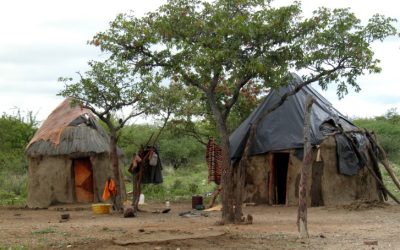
Namibia’s population distribution reflects a significant urban-rural divide, with a substantial portion residing in urban centers such as Windhoek, Walvis Bay, and Swakopmund, while a vast majority live in rural areas. Rural areas in Namibia often feature characteristics like low population density, vast open spaces, and close proximity to agriculture and natural resources. These regions typically lack extensive infrastructure, with limited access to healthcare, education, and modern amenities, which influences the lifestyle and economic activities of inhabitants. In contrast, urban populations benefit from better services, employment opportunities, and improved infrastructure, driving demographic shifts toward cities. The rural landscape of Namibia remains vital for traditional livelihoods like subsistence farming and herding, maintaining cultural heritage but facing challenges related to development and connectivity.
Migration Patterns
Namibia’s population dynamics reveal significant differences between urban and rural areas, influenced by migration patterns. Urban centers like Windhoek attract many residents due to better employment opportunities, education, and healthcare facilities, leading to rapid urban growth. Conversely, rural regions tend to experience population decline as residents migrate to cities in search of improved living standards. Migration patterns are shaped by economic factors, environmental conditions, and government policies aiming to balance regional development. Understanding these trends is crucial for planning infrastructure, resource allocation, and sustainable development across Namibia.
Population Challenges and Issues
Namibia faces several population challenges that impact its social and economic development. Rapid urbanization, high unemployment rates, and uneven population distribution pose significant difficulties for policy planning. Additionally, issues such as health concerns, migration patterns, and demographic changes require targeted strategies to ensure sustainable growth and improved living standards across the country.
Healthcare and Medical Services
Namibia faces several population challenges that impact its healthcare and medical services. Rapid population growth in certain regions strains existing healthcare infrastructure, making it difficult to provide adequate medical attention to all residents. Additionally, rural areas often experience limited access to healthcare facilities, resulting in disparities between urban and rural populations. The high prevalence of infectious diseases such as HIV/AIDS, tuberculosis, and malaria further complicates the healthcare system’s efforts to improve overall health outcomes. Aging populations and rising chronic conditions also demand a shift toward more comprehensive and specialized medical services. Addressing these issues requires sustainable investment in healthcare infrastructure, expanded access in underserved areas, and effective disease prevention programs to improve the health and wellbeing of Namibia’s population.
Education and Literacy Rates
Namibia faces several population challenges and issues, including managing its demographic growth, providing adequate healthcare, and ensuring sustainable development. The country experiences low population density, which impacts the delivery of services and infrastructure development in rural areas. Education and literacy rates are also critical concerns that influence Namibia’s socio-economic progress.
- Population Growth: Namibia’s population has been growing steadily, but at a slow pace, leading to challenges in resource allocation and employment opportunities.
- Urbanization: Rapid migration from rural areas to cities strains urban infrastructure and services, creating pressures on housing, sanitation, and transportation systems.
- Healthcare and Disease: Managing health issues such as HIV/AIDS and providing access to quality healthcare remains a significant challenge for the government.
- Education System: Namibia has made efforts to improve its education system, but disparities in access and quality still exist, particularly between urban and rural regions.
- Literacy Rates: The literacy rate has increased over the years, with current figures indicating a steady improvement, yet some remote areas still experience low literacy levels.
- Skills Development: Enhanced focus on vocational training and higher education is essential to equip the population with skills needed for economic development.
Employment and Economic Opportunities
Namibia faces significant population challenges and issues that impact its social and economic development. Rapid population growth in certain regions strains infrastructure, healthcare, and educational systems, making it difficult to meet the needs of all residents. Additionally, rural-urban migration leads to overcrowded cities, increasing the demand for housing, services, and employment opportunities. The country also grapples with high unemployment rates, especially among youth, which hampers economic growth and social stability. Economic opportunities remain limited in many areas, often concentrated in urban centers, resulting in disparities between urban and rural populations. Addressing these challenges requires strategic policies focused on sustainable development, improving access to education and healthcare, and creating inclusive economic opportunities for all segments of the population.
Housing and Infrastructure Development
Namibia faces several population challenges and issues that significantly impact its development, including rapid population growth, urbanization, and resource management. The increasing population exerts pressure on housing and infrastructure, demanding strategic planning and sustainable solutions to accommodate future needs.
Key population-related challenges in Namibia include:
- Overcrowding in urban areas such as Windhoek, leading to inadequate housing and strained services
- Rising unemployment rates among young people, impacting social stability
- Limited access to quality healthcare and education in rural regions
- Environmental degradation due to overpopulation and resource exploitation
Housing and infrastructure development are critical issues that must keep pace with population growth. Addressing these challenges involves:
- Expanding affordable housing projects to reduce informal settlements
- Improving transportation networks to connect urban and rural areas
- Enhancing water, electricity, and sanitation infrastructure to meet increasing demand
- Implementing sustainable urban planning policies that promote environmentally friendly growth
Strategic planning and investment in infrastructure are essential to ensure Namibia’s population growth does not hinder social and economic development, but instead, creates opportunities for improved living standards across the country.
Future Population Projections
Future population projections for Namibia offer valuable insights into the country’s demographic trends and potential challenges ahead. By analyzing factors such as birth rates, death rates, migration patterns, and economic developments, these projections help policymakers, researchers, and stakeholders plan for sustainable growth and resource allocation. Understanding Namibia’s evolving population dynamics is essential for fostering social and economic stability in the years to come.
Estimated Growth Rates
The future population projections for Namibia indicate a gradual increase in the number of inhabitants over the coming decades. Based on current data and demographic trends, the population is expected to continue growing at an estimated annual growth rate of around 1.3%. This growth is driven by factors such as natural population increase and improvements in healthcare and living standards. Projections suggest that Namibia’s population could reach approximately 3.8 million by 2030 and 4.5 million by 2040, emphasizing the importance of planning for sustainable development and resource management to accommodate this growth.
Implications for National Planning
Future population projections are essential for effective national planning in Namibia, as they help anticipate demographic changes that will impact infrastructure, healthcare, education, and resource management. Understanding population growth trends enables policymakers to allocate resources efficiently and develop strategies to address potential challenges related to urbanization, employment, and social services.
Namibia’s population is expected to grow steadily, with variations influenced by factors such as birth rates, mortality rates, and migration patterns. An increasing and aging population could place additional pressure on healthcare systems, social security, and economic development initiatives. Accurate projections assist in designing sustainable solutions that cater to future demographic needs, including expanding educational facilities and healthcare services in urban and rural areas.
Furthermore, population projections inform environmental and resource planning, ensuring Namibia can manage its natural resources effectively amid population growth. Planning ahead helps mitigate issues related to land use, water scarcity, and environmental conservation, aligning economic development with sustainable practices.
By incorporating future population data into national planning processes, Namibia can better prepare for demographic shifts, fostering social stability and economic resilience while ensuring equitable service delivery across the country.
Policy Recommendations
Future population projections for Namibia indicate a gradual increase driven by natural growth and ongoing migration trends. As the population continues to expand, it is essential for policymakers to adopt strategies that promote sustainable development, social stability, and resource management. Accurate projections can help in planning for infrastructure, healthcare, education, and employment to ensure the well-being of future generations. Addressing challenges related to aging populations, urbanization, and potential disparities will be critical in shaping Namibia’s long-term development trajectory.
Policy recommendations should focus on enhancing healthcare systems to cope with demographic shifts, investing in education and skills development to support a growing workforce, and implementing sustainable urban planning to manage urban expansion effectively. Additionally, promoting family planning and reproductive health services can help regulate population growth and reduce pressure on environmental resources. Strengthening social safety nets and inclusive economic policies will further support demographic changes and aim for equitable growth across all regions of Namibia.

0 Comments