
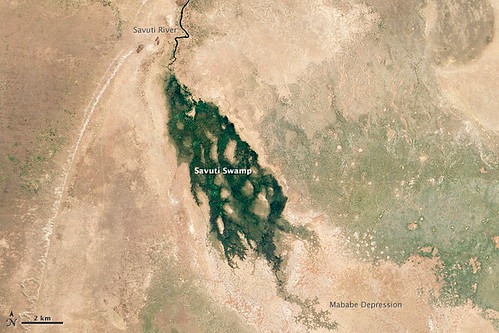
Overview of Namibia Hunting Environment
Namibia offers a unique hunting environment characterized by its diverse landscapes, expansive wilderness areas, and rich wildlife populations. The country is renowned for its well-managed hunting industry that emphasizes sustainable practices and conservation efforts. With vast open plains, rugged deserts, and dense bushvelts, Namibia provides a variety of hunting opportunities for enthusiasts seeking an authentic wilderness experience. The combination of government regulations and private concessions ensures a balanced approach to hunting that promotes biodiversity and habitat preservation.
Geographical Features and Climate
Namibia offers a unique hunting environment characterized by vast savannahs, rugged mountains, and expansive deserts. This diverse landscape provides an ideal habitat for a wide range of game species, making it a popular destination for hunting enthusiasts. The country’s environment is shaped by its geographical features, including the Namib Desert along the Atlantic coast, the Kalahari Desert in the eastern regions, and the central highlands, which add to the complexity and beauty of the terrain.
The climate in Namibia varies from arid and semi-arid conditions in the desert regions to more temperate conditions in the central highlands. Summers, from December to February, are hot with temperatures often exceeding 30°C (86°F), while winters, from June to August, are cooler with daytime temperatures averaging around 20°C (68°F). Rainfall is sparse and unpredictable, primarily occurring during the summer months, which influences the movement and behavior of wildlife. These climatic and geographical features contribute to the unique hunting experience Namibia offers, with opportunities to hunt a variety of species in their natural habitat.
Wildlife Diversity and Ecosystems
Namibia offers a unique hunting environment characterized by vast deserts, rugged mountains, and expansive savannahs that support a rich diversity of wildlife. The country’s landscapes create ideal habitats for an array of game species, making it a premier destination for ethical hunting experiences.
The wildlife diversity in Namibia is remarkable, with species such as oryx, kudu, zebra, springbok, and giraffe commonly found across different ecosystems. The country is also home to predator species including leopard, cheetah, and hyena, contributing to balanced ecosystems and thriving populations.
Namibia’s ecosystems range from the arid Namib Desert, one of the world’s oldest deserts, to lush areas along the rivers supporting water-dependent species. These ecosystems are maintained through sustainable management practices, ensuring the conservation of habitats and the continued presence of diverse wildlife for future generations. The country’s commitment to conservation makes Namibia a leading destination for ethical hunting that supports local communities and ecological integrity.
Conservation Policies and Regulations
Namibia offers a unique hunting environment characterized by vast and diverse landscapes, including deserts, savannas, and woodlands that support a wide range of wildlife species. The country has established a well-regulated hunting sector that balances economic benefits with conservation priorities, making it a popular destination for sustainable and ethical hunting experiences.
Namibia’s conservation policies emphasize the sustainable use of natural resources and the protection of biodiversity. The government manages wildlife through a system of community-based natural resource management (CBNRM), empowering local communities to participate in conservation efforts and benefit economically from wildlife tourism and hunting.
Hunting regulations in Namibia are strict and designed to ensure the sustainable management of game species. These regulations include licensing requirements, quota limits, and seasonal restrictions that are monitored and enforced by the Ministry of Environment, Forestry and Tourism. The country also promotes ethical hunting practices and requires hunters to obtain necessary permits and work with licensed professional hunters.
- Hunting licenses are issued only through authorized outfitters and professional guides.
- Quotas are set annually based on scientific research to prevent overharvesting.
- Mandatory trophy documentation and records are maintained for all harvested animals.
- Protected species and areas are strictly off-limits for hunting activities.
- The government emphasizes conservation and community benefits as part of the hunting industry.
Types of Hunts Available
Namibia offers a diverse range of hunting opportunities for outdoor enthusiasts and avid hunters alike. From vast desert landscapes to lush bushvelds, the country provides unique experiences tailored to different hunting interests. Understanding the various types of hunts available can help adventurers plan their perfect outdoor expedition in this remarkable destination.
Trophy Hunting
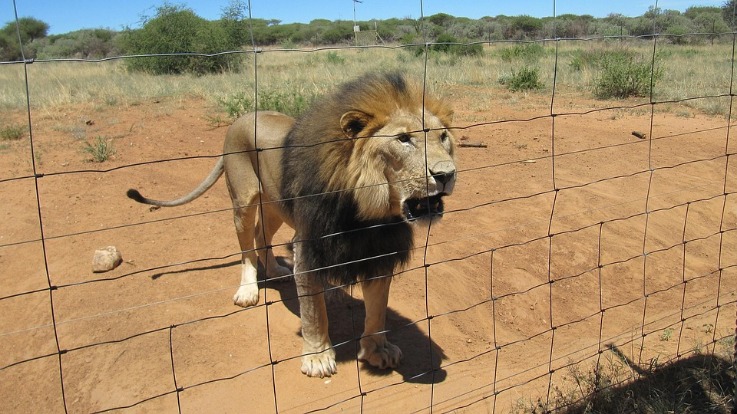
Namibia offers a diverse range of hunting opportunities for enthusiasts interested in trophy hunting. Visitors can participate in big game hunting, targeting species such as elephants, rhinoceros, and lions, which are often sought after for their impressive size and regal appearance. Small game hunting is also popular, including species like oryx, springbok, and duiker, providing a varied experience for hunters of all levels. Additionally, Namibia features specialized hunts such as bird hunting and predator hunting, which cater to different interests and skill levels. These hunting options are managed through licensed hunting operators dedicated to sustainable practices, ensuring the conservation of wildlife and habitats.
Big Game Hunting
Namibia offers a diverse range of big game hunting experiences, attracting hunters from around the world who seek to pursue some of Africa’s most iconic species. The country’s carefully managed conservation programs and vast wilderness areas provide excellent opportunities for hunters to engage in various types of hunts.
Types of hunts available in Namibia include:
- Photo Safaris: Non-hunting expeditions focused on wildlife viewing and photography in scenic landscapes.
- Traditional Big Game Hunts: Guided hunts targeting species such as kudu, oryx, springbok, zebra, and gemsbok.
- Trophy Hunts: Focused on harvesting high-quality specimens for display or collection, often involving mature animals with impressive horns or antlers.
- Bow Hunting: Archery-based hunts for those seeking a challenging and intimate hunting experience.
- Private Reserve Hunts: Exclusive hunting on private properties with tailored services and conservation fees that support local communities and habitat preservation.
Bird Hunting and Small Game
Namibia offers a diverse range of hunting opportunities, including bird hunting and small game hunting, appealing to enthusiasts seeking a unique experience in its vast wilderness areas. Bird hunting in Namibia includes species such as guinea fowl, doves, and game birds, which can be pursued during specific seasons and often require skilled tracking and patience. Small game hunting typically involves species like springhares, duikers, and other antelopes, providing a challenging and rewarding experience for hunters looking to engage with Namibia’s rich wildlife. These hunting options are regulated to ensure sustainable practices, allowing visitors to enjoy Namibia’s natural beauty while contributing to conservation efforts.
Popular Hunting Species in Namibia
Namibia is renowned for its diverse and abundant wildlife, making it a premier destination for hunting enthusiasts. The country offers a variety of species that attract both seasoned hunters and newcomers seeking a unique outdoor experience. From majestic big game to smaller game species, Namibia’s rich ecosystems provide excellent opportunities for ethical hunting adventures.
Elephant
Namibia is renowned for its diverse wildlife and is a popular destination for hunters seeking a unique experience. Among the most sought-after species is the elephant, which is considered a trophy animal due to its impressive size and majestic presence. Hunting elephants in Namibia is highly regulated to ensure conservation and sustainable use, providing an opportunity for licensed hunters to enjoy a responsible and ethical hunt. Other popular species in Namibia include oryx, kudu, springbok, and hartebeest, each offering challenging and rewarding hunting experiences in the country’s varied landscapes. The combination of abundant game and strict conservation measures makes Namibia a top destination for hunters worldwide.
Rhino
Namibia is renowned for its diverse and abundant wildlife, making it a popular destination for hunting enthusiasts. Among the most sought-after species are large herds of oryx and springbok, which are highly prized for their challenging hunts. The country also offers excellent opportunities to hunt kudu, an impressive antelope known for its majestic horns. Additionally, Namibia is one of the few places where hunters can pursue Namibia’s iconic species such as leopard and cheetah, which are both highly prized for their beauty and rarity.
Rhinos, particularly the black rhino, are also part of Namibia’s targeted hunting species. Due to strict conservation efforts and controlled hunting programs, hunting rhinos can contribute to rhino conservation and anti-poaching measures. These hunts are conducted responsibly within a legal framework, ensuring the survival and growth of rhino populations while providing economic benefits to local communities and supporting habitat preservation.
Kudu
Namibia is renowned for its diverse and abundant wildlife, making it a popular destination for hunting enthusiasts. Among the most sought-after species is the Kudu, a majestic antelope known for its impressive spiraled horns and striking appearance. Kudu hunting in Namibia offers a challenging and rewarding experience for hunters, as these animals are often found in thick bushveld and woodland areas, requiring skill and patience to track and harvest responsibly. The Kudu’s status as a trophy species has contributed significantly to Namibia’s reputation as a premier hunting destination, providing both economic benefits and conservation incentives to maintain healthy wildlife populations.
Oryx
Namibia is renowned for its diverse and abundant wildlife, making it a premier destination for hunting enthusiasts. Among the most popular species hunted in Namibia, the oryx stands out due to its impressive stature and challenging hunt. The oryx, also known as the gemsbok, is a striking antelope characterized by its long, straight horns and distinctive facial markings. It inhabits the arid deserts and semi-desert regions of Namibia, thriving in the harsh conditions.
- Oryx (Gemsbok) – One of the most sought-after species, known for its size and resilience.
- Kudu – Recognized for its spiraled horns and majestic appearance.
- Springbok – Namibia’s national animal, valued for its speed and agility.
- Hartebeest – A large antelope with unique horn shapes, common in open plains.
- Bushbuck – The smaller antelope, often found in riverine forests and woodland areas.
Legal Requirements and Permits
Understanding the legal requirements and obtaining the necessary permits are essential steps for responsible and lawful hunting in Namibia. The country’s regulations are designed to ensure sustainable wildlife management while providing opportunities for hunters to engage in ethical hunting practices. Familiarity with these legal frameworks helps protect both hunters and the natural environment, fostering a respectful and compliant hunting experience in Namibia.
Hunting Licenses
In Namibia, hunting activities are subject to strict legal requirements and permit regulations to ensure sustainable wildlife management and conservation. Hunters must obtain the appropriate permits before engaging in any hunting activities, which are issued by the Ministry of Environment, Forestry and Tourism. These permits specify the species that can be hunted, the hunting areas, and the hunting seasons, helping to protect vulnerable wildlife populations. Additionally, hunters are required to have a valid hunting license, which involves paying applicable fees and fulfilling certain eligibility criteria, such as demonstrating experience or completing mandatory training courses. It is essential for hunters to adhere to all legal provisions and permit conditions to avoid penalties, ensure ethical hunting practices, and support Namibia’s ongoing conservation efforts.
Permitting Process
To engage in hunting activities in Namibia, it is essential to comply with the country’s legal requirements and obtain the necessary permits. These regulations are designed to ensure sustainable hunting practices and conservation of wildlife resources. Hunters must acquire appropriate licenses from the Namibian Ministry of Environment, Forestry, and Tourism, which oversees hunting concessions, permits, and quotas.
The permitting process involves submitting an application that details the specific game species, hunting location, equipment, and duration of the hunt. Applicants may need to provide proof of ethical hunting practices and, in some cases, demonstrate previous hunting experience. Once approved, a hunting concession license is issued, granting permission to hunt within designated areas under certain conditions.
Additionally, hunters are required to adhere to quotas set annually to prevent overharvesting and protect biodiversity. It is also mandatory to follow designated hunting seasons, respecting breeding periods and conservation efforts. Compliance with all legal requirements, including proper registration of game and adherence to safety protocols, is crucial for legal and ethical hunting in Namibia. Failure to follow the permitting process can result in substantial penalties, including fines and license suspension.
Hunting Quotas and Seasons
In Namibia, hunting activities are governed by strict legal requirements and permit regulations to ensure sustainable wildlife management and conservation. Hunters must obtain the appropriate permits prior to engaging in any hunting activities, which are issued by the Ministry of Environment, Forestry and Tourism. These permits specify the type of game, hunting areas, and timeframes, aligning with national conservation policies. The country enforces specific hunting quotas and seasons for different species, which are regularly reviewed to prevent overharvesting and protect endangered populations. Hunters are expected to adhere carefully to these quotas and seasons, as violations can result in hefty fines or legal action. Overall, Namibia’s legal framework aims to balance hunting tourism with ecological preservation and the long-term health of its wildlife resources.
Hunting Safaris and Hunting Operators
Hunting safaris in Namibia offer an exceptional adventure for outdoor enthusiasts and hunters seeking to experience the diverse wildlife and pristine landscapes of this renowned destination. With the expertise of reputable hunting operators, visitors can enjoy tailored safaris that combine responsible hunting practices with sustainable tourism. Namibia’s vast game reserves and abundant species make it a prime location for memorable hunting expeditions, blending adventure, conservation, and cultural appreciation.
Choosing a Safari Provider
Choosing the right hunting safari provider in Namibia is essential for a memorable and ethical experience. Namibia is renowned for its vast landscapes, diverse wildlife, and well-regulated hunting industry, attracting hunters from around the world. When selecting a hunting operator, it’s important to consider their reputation, experience, and commitment to conservation and ethical hunting practices.
Reputable hunting safaris in Namibia typically focus on sustainable hunting practices that contribute to local communities and wildlife management efforts. Look for operators who hold proper licenses, have positive reviews, and demonstrate transparency in their operations. They should also offer a variety of hunting options tailored to your interests, whether it’s big game, plains game, or specialty hunts.
Another key factor is the safety and professionalism of the hunting guides. Skilled guides with local knowledge enhance the experience and ensure safety during your safari. Additionally, a reputable hunting operator provides accommodations and services that meet high standards, making your trip comfortable and enjoyable.
In summary, selecting a Namibia hunting operator requires thorough research and consideration of their reputation, ethical practices, and the quality of their services. This ensures an authentic, responsible, and rewarding hunting adventure in one of Africa’s premier hunting destinations.
Luxury vs. Budget Hunting Safaris
Namibia hunting offers a diverse range of experiences for enthusiasts, with options spanning from luxury excursions to budget-friendly adventures. Hunting safaris in Namibia are renowned for their stunning landscapes, abundant wildlife, and stringent conservation efforts, making it a top destination for hunters worldwide. Choosing between a luxury and a budget hunting safari depends on personal preferences, budget constraints, and desired amenities.
Luxury hunting operators in Namibia provide an all-inclusive experience characterized by high-end accommodations, personalized services, expert guides, and exclusive access to prime hunting areas. These safaris often include gourmet cuisine, spa services, and premium equipment, catering to clients seeking comfort and exclusivity. They tend to be tailored to individual interests and may include private guides, helicopter transfers, and high-quality trophies.
Budget hunting operators, on the other hand, offer more affordable options that still deliver authentic hunting experiences. These safaris might feature more basic accommodations, shared facilities, and group excursions. While they may lack some of the luxury amenities, they still provide professional guidance, ethical hunting practices, and memorable encounters with Namibia’s wildlife. Budget safaris appeal to hunters who prioritize the experience itself over luxury and are willing to compromise on some comforts to stay within a limited budget.
Ultimately, Namibia hunting can be a rewarding adventure regardless of the chosen safari type. Both luxury and budget options contribute to sustainable wildlife conservation, supporting local communities and preserving Namibia’s natural heritage for future generations.
Ethical and Responsible Hunting Practices
Hunting safaris in Namibia offer a unique opportunity for hunters to engage in ethical and responsible hunting practices while experiencing the country’s rich wildlife and stunning landscapes. Reputable hunting operators in Namibia adhere to strict conservation standards, ensuring that each hunt contributes to wildlife management and habitat preservation. These operators often work closely with government authorities and local communities to promote sustainable use of natural resources and to support wildlife populations.
Ethical hunting practices in Namibia emphasize fair chase, animal welfare, and adherence to local laws and regulations. Responsible hunters prioritize conservation efforts by participating in regulated harvests that help maintain ecological balance and fund protected areas. By choosing licensed operators committed to conservation, hunters can ensure their activities have a positive impact, supporting biodiversity and local economies. Overall, Namibia’s hunting industry aims to promote a harmonious relationship between human activity and wildlife conservation, making hunting safaris a responsible choice for those seeking adventure and sustainability.
Conservation and Sustainable Hunting
Conservation and sustainable hunting play a vital role in preserving Namibia’s rich biodiversity while supporting local communities. Through responsible hunting practices, Namibia ensures the management of wildlife populations, balances ecological health, and generates revenue for conservation efforts. This approach fosters a harmonious relationship between human activities and nature, making Namibia a leading destination for ethical hunting adventures.
Role of Hunting in Wildlife Conservation
Hunting, when conducted responsibly and sustainably, plays a significant role in wildlife conservation, particularly in countries like Namibia. It helps generate revenue that can be reinvested into conservation efforts, local communities, and habitat protection, ensuring the long-term survival of various species.
- It provides financial incentives for local communities to protect wildlife rather than engage in illegal poaching.
- Licensed hunting revenue funds anti-poaching initiatives, research, and habitat management programs.
- Selective hunting can help control game populations, preventing overpopulation and ecological imbalance.
- It encourages the sustainable use of natural resources, aligning economic benefits with conservation goals.
- In Namibia, hunting tourism attracts international visitors, promoting economic development and raising awareness about conservation issues.
Overall, responsible hunting in Namibia supports the preservation of biodiversity while offering sustainable economic opportunities, fostering a harmonious relationship between human activity and wildlife conservation.
Community Involvement and Benefits
Conservation and sustainable hunting are integral to Namibia’s approach to wildlife management, ensuring that hunting activities contribute positively to the preservation of ecosystems and species. By regulating hunting practices and setting quotas based on scientific research, Namibia promotes a balance between human needs and ecological health. Community involvement is central to this strategy, empowering local communities to participate actively in conservation efforts and to benefit directly from wildlife resources.
Through community-based natural resource management programs, local residents receive incentives such as hunting permits, tourism opportunities, and revenue-sharing schemes. These benefits foster a sense of ownership and stewardship over natural habitats, reducing illegal poaching and habitat destruction. The integration of community interests with conservation goals supports sustainable hunting practices that protect biodiversity while also enhancing local livelihoods, making Namibia a global example of responsible wildlife utilization.
Challenges and Controversies
Conservation and sustainable hunting in Namibia represent a complex interplay between wildlife preservation, local community benefits, and economic development. Namibia has pioneered strategies where regulated hunting is used as a tool for conservation, generating funds that support anti-poaching efforts and habitat protection. This approach encourages local communities to view wildlife as a valuable resource rather than a threat, promoting coexistence and sustainable use.
However, challenges and controversies surround Namibia’s hunting activities. Critics argue that hunting can undermine conservation goals if not properly managed, potentially leading to overharvesting of certain species or ecological imbalance. Additionally, there are concerns about ethical considerations, where some perceive hunting as inhumane or incompatible with animal rights principles. Opponents also worry that wealthy hunters may dominate access, limiting opportunities for local populations or conservation-focused activities.
Despite these debates, Namibia continues to refine its policies to balance ecological integrity with economic and social needs. Transparent management practices, rigorous regulation, and community involvement are essential to address the challenges and ensure that hunting contributes positively to conservation efforts. Ultimately, sustainable hunting in Namibia can serve as a model for integrating ecological preservation with human development when approached responsibly and ethically.
Travel Tips for Hunters
Embarking on a hunting trip in Namibia offers a unique adventure amidst breathtaking landscapes and diverse wildlife. To ensure a successful and enjoyable experience, proper preparation and awareness of local regulations are essential. This guide provides valuable travel tips for hunters planning their journey to Namibia, helping you navigate the environment responsibly and make the most of your hunt.
Best Time to Hunt in Namibia
Hunting in Namibia offers a unique adventure for enthusiasts seeking diverse game and breathtaking landscapes. To ensure a successful trip, it’s essential to plan carefully, considering the best timing and practical tips tailored to Namibia’s environment. Proper preparation and understanding of local regulations can greatly enhance your experience.
The optimal time for hunting in Namibia is during the dry season, which runs from May to October. During these months, animals tend to congregate around water sources, making them easier to locate. The cooler temperatures also create more comfortable conditions for hunting expeditions. Avoid the rainy season from November to April, as heavy rains can make terrain challenging and affect wildlife movement.
Other useful tips include obtaining the necessary permits in advance, respecting wildlife laws, and hiring experienced local guides who know the terrain. Supporting sustainable and ethical hunting practices ensures the preservation of Namibia’s rich wildlife heritage. Always carry appropriate gear, stay hydrated, and be mindful of safety measures to maximize your hunting adventure in this remarkable country.
Gear and Equipment Recommendations
Embarking on a hunting trip in Namibia requires careful preparation, especially when it comes to gear and equipment. Ensuring you have the right tools not only enhances safety but also improves the overall success of your hunt. Familiarize yourself with Namibia’s terrain and climate to select suitable gear that can withstand desert conditions, rugged landscapes, and variable weather patterns.
Essential gear includes a high-quality rifle and optics such as binoculars and a spotting scope for spotting game at a distance. Sturdy and comfortable hunting boots are crucial for traversing Namibia’s diverse terrain. Wear layered clothing that provides sun protection, moisture-wicking properties, and warmth for cooler mornings and evenings. Bringing a durable, waterproof hunting backpack helps carry your essentials, while a GPS device and detailed maps ensure navigation in remote areas.
Additional equipment should include a reliable field dressing kit for processing game, a first aid kit for emergencies, and sufficient water and food supplies. A portable hunting blind or camouflage gear can improve concealment. Always check local regulations regarding equipment restrictions and ensure your gear complies with Namibia’s hunting laws. Proper preparation and well-selected gear contribute significantly to a successful and safe hunting experience in Namibia.
Health and Safety Precautions
When planning a hunting trip in Namibia, prioritizing health and safety is essential to ensure a successful and enjoyable experience. Proper preparation can help prevent common health issues such as dehydration, insect-borne diseases, and foodborne illnesses. Make sure to carry sufficient water supplies and use insect repellents to guard against mosquitoes and other pests. It’s advisable to get vaccinated against yellow fever, hepatitis A and B, and typhoid before traveling. Wearing appropriate clothing that covers your skin can also reduce the risk of bites and sun exposure. Always hunt with a knowledgeable guide familiar with the local terrain and wildlife, and keep communication devices handy in case of emergencies. Additionally, inform someone about your itinerary, and carry a basic first aid kit to handle minor injuries. Respect local regulations and wildlife conservation efforts to ensure sustainable hunting practices. By taking these precautions, hunters can enjoy a safe and rewarding experience in Namibia’s diverse landscapes.


0 Comments