
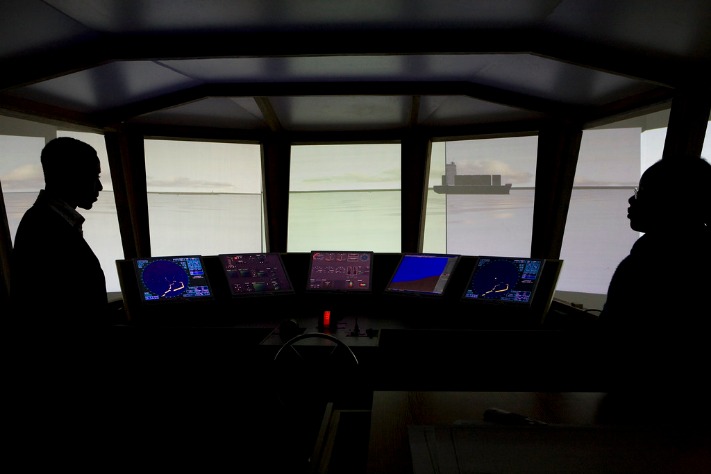
Overview of Walvis Bay Port
Walvis Bay Port is Namibia’s principal deep-water port and a vital gateway for international trade and commerce in the region. Strategically located on the country’s Atlantic coast, it offers efficient logistical services, extensive facilities, and modern infrastructure to support both regional and global shipping activities. As a key economic hub, Walvis Bay port plays a crucial role in Namibia’s development and integration into the global economy.
Geographical Location and Significance
Walvis Bay Port is Namibia’s principal deepwater port, strategically located on the Atlantic Ocean coast centered along the southwestern coast of Africa. It serves as a crucial gateway for Namibia and neighboring landlocked countries, facilitating the import and export of goods through efficient maritime logistics. The port is known for its extensive capabilities, including container handling, bulk cargo processing, and cruise ship services, making it a vital economic hub in the region. Its geographical position offers a natural deep harbor, ensuring safe navigation for large vessels and enabling the development of extensive port infrastructure. This strategic location enhances Namibia’s connectivity to global markets, fostering trade growth and regional economic development. The port’s significance extends beyond commerce, contributing to regional stability and fostering economic integration within the Southern African Development Community (SADC) region.
Historical Development of the Port
Walvis Bay Port is Namibia’s most significant deep-water port, strategically situated on the country’s Atlantic coast. It serves as a vital gateway for Namibia’s trade and has grown into one of the region’s most important maritime hubs.
The historical development of Walvis Bay Port dates back to the late 19th century when it was initially used by local communities and explorers. The port’s importance increased during the South African administration, which saw strategic and economic opportunities in developing the bay as a port facility. Over time, infrastructure improvements, such as the expansion of wharves and the introduction of modern cargo handling equipment, transformed Walvis Bay into a key port for Namibia and neighboring countries.
In the 20th century, particularly after Namibia’s independence in 1990, investments were made to upgrade and modernize the port, including the construction of new terminals and facilities to accommodate larger vessels and increased cargo volumes. Today, Walvis Bay Port is a crucial transshipment hub in the Southern African Development Community (SADC) region, supporting various industries such as fishing, minerals, and logistics.
- Originally utilized by local communities and explorers in the late 1800s.
- Gained strategic importance during South African administration with infrastructure development.
- Expanded and modernized throughout the 20th century, especially after Namibia’s independence.
- Now serves as a major transshipment and logistics hub in the region, with ongoing upgrades.
Strategic Importance to Namibia and the Region
Walvis Bay Port is Namibia’s largest and most strategic port, located on the country’s coast along the Atlantic Ocean. It serves as a vital gateway for Namibia and neighboring landlocked countries such as Botswana, Zambia, and Zimbabwe, facilitating the import and export of goods essential to regional economic development. The port features modern infrastructure, including deep-water berths, container terminals, and logistics facilities, enabling it to handle bulk cargo, container traffic, and offshore activities efficiently.
The strategic importance of Walvis Bay Port to Namibia lies in its role as an economic engine, generating revenue through shipping activities and international trade. It enhances Namibia’s connectivity with global markets, reducing transportation costs and boosting competitiveness. For the broader region, the port acts as a crucial logistics hub, supporting regional integration, economic cooperation, and development initiatives aimed at increasing trade volumes and fostering sustainable growth in Southern Africa.
Infrastructure and Facilities
Namibia Port Walvis Bay boasts a modern and well-developed infrastructure that plays a vital role in facilitating trade and transportation in the region. Its facilities are designed to accommodate a wide range of cargo types, including bulk, container, and general cargo, ensuring efficient and seamless logistics operations. The port’s infrastructure is continually evolving to meet the growing demands of international trade, making it a key economic hub in southwestern Africa.
Harbor and Docking Facilities
Namibia’s Port of Walvis Bay boasts advanced infrastructure and comprehensive facilities that serve as a critical gateway for cargo and maritime activities in Southern Africa. The harbor is strategically located on the Atlantic Ocean, enabling efficient access to regional and international shipping routes. Modern harbor and docking facilities are equipped to handle a diverse range of cargo, including containers, bulk commodities, and vehicles, ensuring smooth operations and high throughput.
Walvis Bay’s docking facilities feature deep-water berths capable of accommodating large vessels, fostering robust maritime trade. The port has invested in state-of-the-art cranes and loading equipment to optimize cargo handling efficiency. Additionally, the port’s infrastructure includes extensive storage yards, cold storage facilities, and transportation links such as rail and road networks, which facilitate seamless cargo transfer from ship to land. Continuous upgrades and modernization efforts aim to enhance capacity, safety, and environmental sustainability, positioning Walvis Bay as a leading logistics hub in the region.
Cargo Handling Capabilities
Namibia’s Port of Walvis Bay boasts state-of-the-art infrastructure and facilities that support efficient maritime operations and cargo handling. The port features modern container terminals equipped with advanced cranes and automated systems, enabling swift loading and unloading of goods. Its extensive storage facilities include refrigerated warehouses, open yards, and secure cargo zones designed to accommodate a diverse range of cargo types. Strategic investments have enhanced rail and road connectivity, facilitating seamless inland transportation. Walvis Bay’s cargo handling capabilities are further optimized through specialized equipment for handling bulk commodities, breakbulk cargo, and liquefied products, ensuring swift turnaround times and high throughput volumes. Overall, the port’s infrastructure and cargo handling systems position it as a vital logistics hub in the region, capable of supporting both regional and international trade needs.
Container Terminals and Storage Areas
Namibia’s Port of Walvis Bay is a vital logistics hub with robust infrastructure and extensive facilities facilitating efficient maritime trade. The port features modern container terminals designed to handle large volumes of cargo, ensuring swift loading and unloading operations. Storage areas within the port are strategically organized to accommodate diverse types of goods, including bulk, general cargo, and refrigerated containers, supporting a wide range of industries.
The container terminal at Walvis Bay is equipped with advanced cranes and Automated Guided Vehicles, enhancing operational efficiency and safety. These facilities are complemented by well-maintained storage yards that allow for the segregation and easy access of shipments. The port’s infrastructure is continuously upgraded to meet the demands of international trade, contributing significantly to Namibia’s economic development.
Transport Links and Connectivity
Namibia’s Port of Walvis Bay is a vital gateway for regional trade and economic development, featuring state-of-the-art infrastructure and facilities that support efficient port operations. The port’s modern cargo handling equipment, expansive storage areas, and efficient customs services enable smooth import and export processes for a variety of goods, including minerals, agricultural products, and manufactured goods.
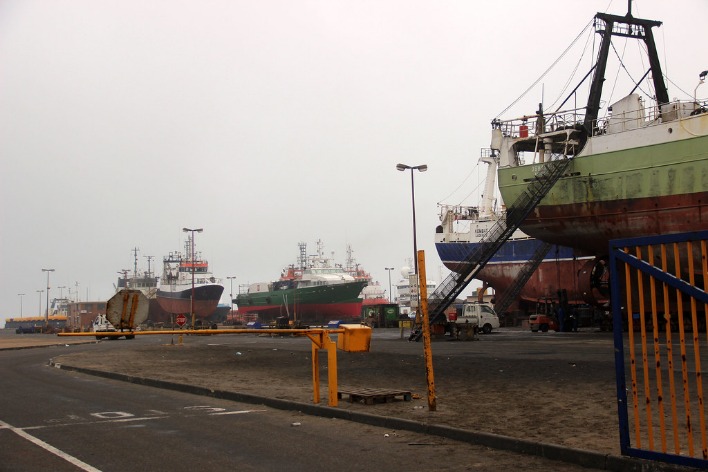
Transport links and connectivity are crucial to Walvis Bay’s strategic importance. The port benefits from well-developed road and rail networks that connect it to Namibia’s interior and neighboring countries, facilitating the movement of goods across Southern Africa. The Trans-Kalahari and Trans-Cunene corridors enhance regional integration, providing vital routes for trucks, freight trains, and logistical services. Additionally, plans are underway to expand and upgrade transport infrastructure to further improve capacity and efficiency, reaffirming Walvis Bay’s role as a key logistics hub in the region.
Types of Cargo Handled
Namibia’s Port of Walvis Bay is a vital gateway for a diverse range of cargo, serving as a key hub for regional and international trade. The port handles various types of cargo, including bulk commodities, containerized goods, and project cargo, ensuring efficient and strategic logistics operations. Its versatile facilities enable it to support the needs of multiple industries, from mining and agriculture to manufacturing and offshore activities, making it an essential part of Namibia’s economic infrastructure.
Bulk Cargo
Namibia Port Walvis Bay handles various types of cargo, with bulk cargo being a significant category. Bulk cargo refers to large quantities of unpackaged commodities transported in loose form, typically directly loaded or unloaded using specialized equipment. This includes dry bulk commodities such as coal, cement, minerals, and agricultural products like grains. Also, liquid bulk cargoes such as oil, chemicals, and liquid fertilizers are common at the port. The port’s facilities are equipped with silos, pipelines, and conveyor systems to efficiently manage these cargo types, supporting Namibia’s trade and industrial needs. The handling of bulk cargo is crucial for the economy, facilitating export and import operations for numerous industries across the region.
Container Cargo
Container cargo is a significant type of cargo handled at Namibia’s Port of Walvis Bay, characterized by goods stored in standardized containers for easy transport and transfer. These containers facilitate efficient storage, security, and quick loading and unloading operations, making Walvis Bay a crucial transshipment hub in the region. The port handles a diverse range of containerized goods, including consumer products, machinery, and raw materials, supporting Namibia’s international trade and economic development.
Break-bulk and General Cargo
Namibia’s Port of Walvis Bay is a vital gateway for diverse types of cargo, serving as a major logistics hub in the region. The port handles various cargo categories, including break-bulk and general cargo, which are essential for supporting both local industries and international trade. Break-bulk cargo refers to goods that are transported in bags, boxes, crates, or barrels, and are typically loaded and discharged individually rather than in large containers. This type of cargo includes machinery, steel products, and project cargo, requiring specialized handling and storage procedures.
General cargo encompasses a wide range of goods that do not fall into the containerized or bulk categories. These include items like textiles, electronics, furniture, and other manufactured products. In Walvis Bay, the handling of general cargo is facilitated by modern facilities that enable efficient loading, unloading, and transfer to inland destinations. Both break-bulk and general cargo are crucial for Namibia’s economic activities, enhancing trade connectivity and contributing to regional development.
Livestock and Perishables
Namibia’s Port Walvis Bay handles a diverse range of cargo, including livestock and perishable goods, making it a vital hub for regional trade. Livestock cargo, such as cattle, sheep, and goats, is frequently transported through the port to and from countries in southern Africa, supported by specialized facilities that ensure the animals’ safety and welfare during transit.
Perishable goods, including fresh seafood, fruits, vegetables, and flowers, are also a significant part of the port’s cargo operations. Advanced cold storage facilities and refrigerated containers enable Walvis Bay to efficiently manage and export perishable items, maintaining their freshness and quality for international markets. This robust handling capacity helps meet the growing demand for perishable goods in global trade, reinforcing Namibia’s strategic position as a regional logistics hub.
Operational Aspects
Operational aspects of Port Walvis Bay in Namibia encompass a range of critical activities that ensure the efficient functioning of this key maritime gateway. These include logistics management, infrastructure maintenance, cargo handling, security protocols, and compliance with international standards. Understanding these aspects is essential for optimizing port performance and supporting Namibia’s economic development.
Port Management and Staffing
Operational aspects of Walvis Bay Port in Namibia encompass a broad range of activities aimed at ensuring efficient cargo handling, vessel operations, and logistical coordination. The port’s infrastructure supports the seamless transfer of containers, bulk cargo, and general freight, facilitated by modern equipment and technology. Port management plays a vital role in maintaining safety standards, optimizing throughput, and fostering sustainable practices to accommodate increasing regional trade demands. Staffing at Walvis Bay is structured to include a diverse workforce of skilled labor, maritime professionals, and administrative personnel who work collaboratively to maintain smooth port operations. Continuous training programs and capacity-building initiatives are prioritized to keep staff updated on best practices and technological advancements, ensuring the port remains competitive and effective in serving Namibia and the broader Southern African region.
Customs and Security Procedures
Operational aspects at Namibia’s Port of Walvis Bay encompass a range of activities designed to ensure efficient cargo handling, vessel operations, and logistical support. The port features modern infrastructure including deep-water berths, container terminals, and warehousing facilities that facilitate the smooth movement of goods. Customs procedures at Walvis Bay are streamlined through integrated systems that expedite clearance processes while maintaining compliance with national and international regulations. Security procedures are rigorous, incorporating advanced surveillance technologies, access controls, and partnerships with security agencies to safeguard freight, personnel, and port infrastructure. These measures aim to enhance safety, prevent smuggling, and promote a secure trading environment, supporting Namibia’s role as a key logistics hub in the region.
Efficiency and Turnaround Times
Namibia’s Port of Walvis Bay is a vital gateway for regional trade, with operational aspects focusing on streamlined procedures, infrastructure robustness, and efficient logistics management. The port’s strategic location facilitates smooth cargo handling, reducing delays and enhancing supply chain reliability.
Efficiency at Walvis Bay is achieved through modern equipment, automation, and well-trained personnel, which together minimize turnaround times for vessels and cargo operations. This ensures that ships spend less time docked, allowing for increased throughput and better service levels for port users.
Turnaround times at the port are a key performance indicator, reflecting the speed and effectiveness of cargo processing from arrival to departure. Efforts to optimize these times include integrated planning systems, collaborative stakeholder engagement, and continuous infrastructure improvements, all contributing to a competitive advantage in regional maritime logistics.
Economic Impact
The economic impact of Namibia’s Port of Walvis Bay is significant, serving as a vital hub for regional trade and commerce. Its strategic location on the Atlantic coast facilitates the movement of goods across southern Africa and beyond, boosting economic growth, creating jobs, and attracting investment. As a key maritime gateway, Walvis Bay plays an essential role in enhancing Namibia’s economic development and integrating it into global markets.
Contribution to Namibia’s Economy
Port Walvis Bay plays a crucial role in Namibia’s economy by serving as the country’s primary gateway for international trade and logistics. Its strategic location on the Atlantic Ocean facilitates efficient import and export activities, supporting various sectors such as mining, fisheries, and manufacturing. The port’s modern infrastructure and expanding facilities attract foreign investment and enhance Namibia’s connectivity to global markets, thereby contributing significantly to economic growth. Additionally, the port creates numerous employment opportunities and stimulates ancillary industries, reinforcing its status as a vital economic hub within Namibia.
Role in Regional Trade
Namibia’s Port of Walvis Bay plays a significant role in regional trade and economic development, serving as a key maritime gateway for Southern Africa. Its strategic location offers access to major international shipping routes, facilitating the efficient movement of goods between landlocked countries and global markets. The port’s modern infrastructure and expanding facilities support the import and export of mineral resources, fishery products, and manufactured goods, thereby boosting Namibia’s economy and creating employment opportunities. Additionally, Walvis Bay enhances regional trade connections by enabling neighboring countries like Botswana, Zambia, and Zimbabwe to access international markets more effectively, fostering economic integration and development across Southern Africa.
Investment Opportunities and Development Projects
Namibia’s Port of Walvis Bay is a vital gateway for regional and international trade, significantly contributing to the country’s economic growth. Its strategic location on the Atlantic coast facilitates efficient shipping routes, boosting import and export activities across Southern Africa. The port’s development has led to a surge in economic opportunities, attracting investments and fostering regional economic integration.
Investment opportunities at Walvis Bay are diverse, including expansion of port facilities, logistics infrastructure, and related industries such as mining, manufacturing, and renewable energy. The ongoing development of free trade zones and special economic zones around the port provides a conducive environment for both local and foreign investors to establish operational bases, enhancing economic diversification.
Key development projects focused on the port’s enhancement include deepening the harbor to accommodate larger vessels, upgrading cargo handling facilities, and improving transportation links with neighboring countries and inland areas. These initiatives aim to increase cargo throughput capacity, reduce logistical costs, and attract more international shipping lines, thereby strengthening Namibia’s position as a regional logistics hub.
- Expansion of Wharf Facilities and Deepening of the Harbor
- Development of Rail and Road Connectivity to Inland Regions
- Establishment of Free Trade and Special Economic Zones
- Modernization of Cargo Handling and Storage Infrastructure
- Investment in Renewable Energy Projects to Power Port Operations
Future Development and Expansion Plans
Future development and expansion plans at Namibia’s Port of Walvis Bay aim to strengthen its position as a key logistics hub in Southern Africa. Strategic investments are focused on enhancing port infrastructure, increasing cargo handling capacity, and embracing modern technology to boost efficiency. These initiatives are designed to support economic growth, facilitate larger vessel traffic, and position Walvis Bay as a vital gateway for regional trade and commerce.
Infrastructure Upgrades
Future development and expansion plans for Namibia’s Port of Walvis Bay aim to strengthen its position as a regional logistics hub and enhance overall operational capacity. Key initiatives include the construction of new container terminals and the modernization of existing facilities to accommodate larger vessels and increased freight volume. Infrastructure upgrades also involve the enhancement of rail and road connectivity to streamline inland transport and improve transit times. Additionally, investments are being made in digital infrastructure to support smart port technologies, boost efficiency, and facilitate seamless customs and cargo management processes. These developments are expected to bolster Walvis Bay’s strategic role in international trade, attract more global shipping lines, and support Namibia’s broader economic growth objectives.
Environmental Sustainability Initiatives
Namibia’s Port of Walvis Bay is poised for significant future development and expansion to enhance its capacity and efficiency, supporting regional trade and economic growth. Planned infrastructure upgrades include enlarging cargo handling facilities, modernizing logistical systems, and integrating advanced technologies to streamline operations. These improvements aim to accommodate increasing freight volumes and facilitate seamless connectivity with hinterland regions, including landlocked neighboring countries.
Environmental sustainability is a core component of Walvis Bay’s development strategy. The port is committed to reducing its ecological footprint by implementing eco-friendly technologies, such as renewable energy sources, waste management systems, and water conservation practices. Initiatives also focus on protecting marine ecosystems and promoting responsible shipping activities. These efforts ensure that the port’s growth aligns with Namibia’s broader commitments to environmental preservation and sustainable development.
Technological Enhancements and Automation
Future development and expansion plans for Namibia’s Port of Walvis Bay focus on enhancing its capacity, infrastructure, and technological capabilities to solidify its status as a key maritime hub in the region. Strategic investments are underway to expand container facilities, improve cargo handling efficiency, and develop supporting logistics and industrial zones to attract more international trade.
Technological enhancements are playing a vital role in modernizing Walvis Bay, including the adoption of advanced port management systems, automated cranes, and real-time tracking technologies. These innovations aim to increase operational efficiency, reduce turnaround times, and improve safety standards across port activities.
Automation efforts are also advancing, with ongoing projects integrating automated stacking yards, robotic inspection systems, and digital platforms for seamless cargo documentation and customs procedures. Such developments are expected to position Walvis Bay as a digitally driven, environment-friendly port capable of meeting the growing demands of global trade while increasing competitiveness within the Southern African region.




0 Comments