

Geographical Overview
Kenya and Haiti are two diverse countries with unique geographical features that significantly influence their cultures and lifestyles. Kenya, located in East Africa, is known for its expansive savannas, mountains, and diverse wildlife, offering a rich natural landscape. Haiti, situated on the western part of the island of Hispaniola in the Caribbean, features mountainous terrain, coastal plains, and vibrant beaches. Both countries’ geographical settings play a crucial role in shaping their environments, economies, and societies.
Location and Size of Kenya
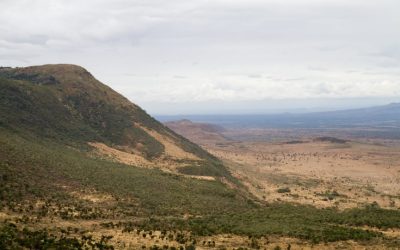
Kenya is a country located in East Africa, known for its diverse landscapes and rich cultural heritage. Situated along the equator, it borders Ethiopia to the north, Somalia to the east, Tanzania to the south, Uganda to the west, and South Sudan to the northwest. Kenya covers an area of approximately 580,367 square kilometers, making it the 48th largest country in the world. Its vast territory includes savannahs, mountains, lakes, and coastal regions, which contribute to its unique geographical diversity. The capital city, Nairobi, is a major urban center and serves as the economic and political hub of the country.
Location and Size of Haiti
Haiti is a Caribbean country located on the western portion of the island of Hispaniola, which it shares with the Dominican Republic. It is situated in the Greater Antilles archipelago and lies approximately 700 miles southeast of Florida, USA. Haiti covers a total land area of about 27,750 square kilometers, making it the third largest country in the Caribbean region. The country’s geographical landscape is characterized by mountainous regions, fertile valleys, and a rugged coastline along the Caribbean Sea, which influences its climate and biodiversity.
Climate and Topography Differences
Kenya and Haiti are two distinct countries with unique geographical features, climates, and topographies. Kenya is situated in East Africa, characterized by its diverse landscape that includes savannas, mountains, and lakes. Haiti, located in the Caribbean on the island of Hispaniola, features mountainous terrain and coastal plains. The climate in Kenya varies from tropical on the coast to arid in the northern regions, with highlands experiencing more temperate weather. In contrast, Haiti has a tropical climate with warm temperatures year-round and a marked wet and dry season, influenced by its proximity to the Atlantic Ocean. Topographically, Kenya’s notable features include the Great Rift Valley and Mount Kenya, the highest peak in Africa, while Haiti is dominated by rugged mountains, notably the Massif de la Selle and the Pic la Selle. Overall, these geographical and climatic differences shape the distinct natural environments and lifestyles of each country.
Historical Background
Kenya and Haiti are two nations with rich and diverse histories that have shaped their modern identities. Kenya, located in East Africa, has a history marked by ancient civilizations, colonial rule, and a struggle for independence. Haiti, in the Caribbean, is renowned for its revolutionary history, becoming the first post-colonial independent black republic. Understanding the historical backgrounds of these countries provides valuable insights into their cultural development and ongoing social dynamics.
History of Kenya
Kenya and Haiti are two countries with rich and diverse historical backgrounds that have shaped their unique identities today. Kenya, located in East Africa, has a history deeply rooted in ancient trade routes, early Cushitic and Bantu migrations, and the influence of Arab traders along the Indian Ocean coast. The arrival of Europeans, particularly the British, in the late 19th century led to the colonization of Kenya, culminating in a prolonged struggle for independence that was achieved in 1963. Post-independence, Kenya has experienced periods of political growth, economic development, and social change.
Haiti, situated on the Caribbean island of Hispaniola, has a history marked by indigenous cultures, notably the Taíno people before European contact. Portugal and Spain initially claimed parts of the island, but it was France that established a significant colony on the western part, known as Saint-Domingue. The brutal plantation economy fueled by enslaved Africans led to the Haitian Revolution (1791-1804), making Haiti the first successful slave-led revolution and the first black republic. Haiti declared independence in 1804, which profoundly impacted the history of slavery and colonialism worldwide. The countries’ histories reflect struggles for freedom, sovereignty, and socio-economic development amidst various challenges.”
History of Haiti
Haiti has a rich and tumultuous history that significantly shaped its present identity. Originally inhabited by indigenous Taino people, the island was claimed by Christopher Columbus for Spain in 1492. Over time, the island was divided between French and Spanish control, with the western part, now Haiti, becoming a French colony known as Saint-Domingue. This colony grew to become one of the wealthiest in the Caribbean due to its extensive sugar plantations worked by enslaved Africans. The brutal conditions and exploitation led to the Haitian Revolution, beginning in 1791, which was a pivotal moment in history as it resulted in the abolition of slavery and the establishment of the first independent black republic in 1804. Since independence, Haiti has faced numerous challenges, including political instability, economic struggles, and natural disasters, but it remains a symbol of resilience and resistance. The country’s history of slavery, revolution, and independence continues to influence its cultural identity and its relations with the wider world.
Key Historical Events and Influences
Kenya and Haiti, two nations with rich and diverse histories, have unique historical backgrounds that have shaped their current identities. Kenya, located on the eastern coast of Africa, was originally inhabited by various indigenous communities before becoming a British colony known as British East Africa in the late 19th century. Haiti, located in the Caribbean, was originally inhabited by the Taino people before European colonization by France in the 17th century. It became the first black republic after a successful slave revolt in 1804, establishing itself as a symbol of resistance and independence.
Key historical events for Kenya include the struggle for independence from British rule, culminating in the Moi and Kenyatta eras, and significant social and political reforms in the post-independence period. Haiti’s history is marked by the Haitian Revolution, the first successful enslaved rebellion that led to the abolition of slavery and the declaration of independence. This revolution had profound influences on abolitionist movements worldwide and inspired other liberation struggles.
Both countries have been significantly influenced by their colonial pasts, leading to complex social, political, and economic dynamics today. Kenya’s independence movement was driven by figures like Jomo Kenyatta, while Haiti’s revolution was led by leaders like Toussaint Louverture and Jean-Jacques Dessalines. These historical milestones continue to impact their respective societies, fostering national pride, resilience, and ongoing struggles for development and stability.
Political Systems and Governance
Political systems and governance play a crucial role in shaping the development and stability of nations. In analyzing countries like Kenya and Haiti, it is essential to understand their unique political structures, leadership frameworks, and the challenges they face in establishing effective governance. These nations exemplify diverse political histories and systems, highlighting the importance of governance in fostering peace, democracy, and economic growth.
Government Structure in Kenya
Kenya and Haiti have distinct political systems and governance structures that reflect their unique histories and cultural contexts. Understanding these frameworks provides insight into how each country manages its political affairs and governance processes.
Political System of Kenya
Kenya operates a unitary republic with a multiparty political system. It has a presidential system where the president is both head of state and government, elected directly by the citizens. The country’s governance is characterized by a separation of powers among the executive, legislature, and judiciary.
- The Senate and National Assembly form the bicameral Parliament, responsible for making laws.
- The President appoints Cabinet Ministers who oversee various government departments.
- Kenya has a devolved system with 47 counties, each governed by elected county assemblies and governors.
Political System of Haiti
Haiti functions as a semi-presidential republic with a multi-party system. The president is elected as the head of state, while the prime minister, appointed by the president, acts as the head of government. Power is divided among the executive, legislative, and judicial branches, but political instability has affected governance effectiveness.
- The National Assembly consists of two chambers: the Chamber of Deputies and the Senate.
- The president has significant executive powers, including appointing the prime minister and cabinet members.
- Haiti’s governance faces challenges due to political unrest and a fragile constitutional framework.
Government Structure in Haiti
Haiti has a complex political system characterized by a semi-presidential republic, where power is divided between a president and a parliament. The government structure includes an executive branch led by the president, who is elected by popular vote for a five-year term, and a prime minister appointed by the president to oversee daily administrative functions. The legislative branch consists of a bicameral National Assembly, comprising the Senate and the Chamber of Deputies, responsible for making laws and overseeing government actions.
Haiti’s governance faces numerous challenges including political instability, corruption, and institutional weaknesses, which have affected the effective functioning of its government. The country’s constitution provides a framework for democratic governance, but political crises and external influences often hinder stable governance. Efforts to reform and strengthen the political system are ongoing, aiming to promote transparency, accountability, and sustainable development within the nation’s governance structures.
Recent Political Developments
Kenya and Haiti represent two distinct political landscapes, each experiencing recent developments that shape their governance and stability. These nations illustrate diverse approaches to political systems, with Kenya operating as a multi-party democracy and Haiti grappling with ongoing political unrest and governance challenges.
Recent political developments highlight the efforts and struggles faced by both countries. Kenya has seen peaceful elections and efforts to reform electoral processes, while Haiti continues to face political instability, protests, and debates over leadership legitimacy.
- The Kenyan government has implemented electoral reforms aimed at increasing transparency and reducing election-related violence.
- Haiti’s political landscape remains turbulent, with protests demanding government accountability and reforms amid economic hardships.
- Kenya’s governance reforms include strengthening institutions and promoting anti-corruption measures.
- Haiti’s recent political crises have led to infrastructural and social disruptions, emphasizing the need for sustained political stability.
Both countries are navigating their unique political challenges and opportunities, striving for greater stability and development within their respective governance frameworks.
Economy and Development
Understanding the dynamics of economy and development is essential to grasp how nations grow and improve the well-being of their citizens. Both Kenya and Haiti present unique cases of economic progress and challenges, influenced by their geographic, historical, and social contexts. Exploring their economic landscapes offers insights into the factors that drive development and the obstacles they face in achieving sustainable growth.
Economic Sectors in Kenya
Kenya’s economy is diverse and dynamic, playing a crucial role in the East African region. Its development has been driven by various sectors, each contributing to the country’s growth and stability. The main economic sectors in Kenya include agriculture, manufacturing, services, and tourism. These sectors provide employment, generate revenue, and support infrastructure development, enhancing the nation’s economic resilience.
- Agriculture: This sector is the backbone of Kenya’s economy, employing a large percentage of the population. Key products include coffee, tea, horticultural crops, and floriculture.
- Manufacturing: Focused on processing agricultural products, textiles, and beverages, manufacturing helps add value to raw materials and promotes industrial growth.
- Services: The fastest-growing sector, encompassing financial services, telecommunications, education, and healthcare, which significantly contribute to GDP.
- Tourism: With its diverse landscapes and wildlife, tourism remains vital, attracting visitors to national parks, reserves, and cultural sites.
Kenya’s development programs aim to diversify these sectors further and improve infrastructure to foster sustainable economic growth. Despite challenges such as economic disparities and external shocks, Kenya continues to strive towards increased development and regional integration. Understanding Kenya’s economic sectors provides insight into its potential and resilience in the global economy, echoing similar developmental challenges faced by other nations like Haiti.
Economic Sectors in Haiti
Haiti’s economy is primarily centered around agriculture, manufacturing, and services, with agriculture employing a large portion of the population. The country faces significant challenges such as political instability, natural disasters, and limited infrastructure, which hinder economic growth and development. The manufacturing sector includes processing agricultural products and small-scale industries, while the service sector encompasses tourism, trade, and transportation services.
Despite its rich natural resources and agricultural potential, Haiti’s economic development remains constrained. Efforts to diversify and strengthen various economic sectors are ongoing, but progress is often impeded by infrastructure deficits and socio-economic issues. International aid and development programs continue to play a crucial role in supporting Haiti’s efforts toward economic stability and growth.
Challenges and Opportunities
Kenya and Haiti represent two diverse contexts of economic development, each facing unique challenges and opportunities. Kenya, located in East Africa, has experienced remarkable economic growth driven by agriculture, services, and technology sectors, yet still contends with poverty, infrastructure deficits, and inequality. Haiti, as the poorest country in the Western Hemisphere, struggles with political instability, natural disasters, and limited access to education and healthcare, hindering its development prospects. Despite these hurdles, both nations possess significant opportunities for growth through investment in human capital, innovation, and sustainable practices. Strengthening governance, fostering international partnerships, and investing in such sectors can unlock pathways toward more resilient and inclusive economic development for Kenya and Haiti.
Culture and Society
Culture and society shape the identity and values of communities around the world. In examining countries like Kenya and Haiti, we see diverse traditions, social structures, and cultural expressions that reflect their unique histories and environments. Understanding these aspects offers insight into how people live, communicate, and preserve their heritage across different regions.
Kenyan Cultural Traditions
Kenyan cultural traditions are rich and diverse, reflecting the country’s numerous ethnic groups and their unique practices. These traditions play a significant role in shaping social relationships, celebrations, and daily life across Kenya. Understanding these customs provides insight into the vibrant fabric of Kenyan society, much like Haiti’s own cultural richness.
- Music and dance are central to Kenyan cultural ceremonies, often used to mark important life events such as weddings and initiations.
- Traditional attire, like the Maasai shuka and Kikuyu beaded jewelry, symbolizes identity and social status within communities.
- Circumcision rites are vital initiation rituals that signify the transition from childhood to adulthood in many Kenyan societies.
- Language and storytelling are vital in preserving oral history and passing down cultural values from generation to generation.
- Cuisine features staples like ugali, sukuma wiki, and nyama choma, reflecting a connection to land and local resources.
- Family and community are regarded as the foundation of social organization, emphasizing collective responsibility and kinship ties.
- Kenya and Haiti share histories of colonialism and struggle for independence, which influence their cultural expressions today.
- Both societies have vibrant traditions of music, dance, and art that serve as outlets for resistance and cultural identity.
- Celebrations and festivals in Kenya and Haiti often include communal gatherings, traditional performances, and religious observances.
- Despite differences, both cultures value storytelling as a means to transmit history, morals, and social norms.
- Modern influences continue to blend with traditional practices, creating dynamic cultural landscapes in both countries.
Haitian Cultural Heritage
Haitian cultural heritage is a vibrant tapestry that reflects a rich history of resilience, tradition, and creativity. It is deeply rooted in the country’s African origins, blended with European influences due to colonial history, and shaped by the enduring spirit of its people. Music, dance, art, and religion play vital roles in expressing Haitian identity and community bonds. Vodou, in particular, is a significant spiritual practice that embodies the syncretic nature of Haitian culture, intertwining African spirits with Catholic saints.
In the context of Kenya-Haiti relations, it is fascinating to see how both nations, despite their geographical distance, share themes of post-colonial resilience and cultural expression. Kenyan society, known for its diverse ethnic groups and rich oral traditions, shares a common history of colonization and liberation with Haiti. Both cultures celebrate their heritage through traditional music, dance, and storytelling, which serve as vital tools for maintaining their unique identities in a modern globalized world. The exchange of cultural practices and ideas between Haiti and Kenya highlights the universal importance of cultural heritage in fostering unity, pride, and continuity amidst societal changes.
Language and Demographics
Kenya and Haiti are two nations with rich cultural heritages and distinct societal characteristics. Both countries exhibit diverse languages and demographic patterns that reflect their unique histories and social structures.
Culture and Society
Kenya is known for its vibrant cultural diversity, with over 40 ethnic groups each contributing to a colorful tapestry of traditions, music, dance, and customs. The society is largely communal, with strong family ties and community involvement. Haiti’s culture is deeply rooted in its Afro-Caribbean heritage, heavily influenced by African, French, and indigenous traditions. Music genres like Kompa and Vodou practices are central to Haitian society, fostering a sense of identity and resilience amidst challenges.
Language and Demographics
Language plays a vital role in both countries. Kenya’s official languages are English and Swahili, with numerous indigenous languages spoken across regions. In Haiti, Haitian Creole and French are the official languages, with Creole being the primary spoken tongue among the majority of the population.
The demographic profiles differ significantly. Kenya has a population that is predominantly young, with a high growth rate, and urbanization increasing rapidly. Haiti’s population is also young, but its growth rate is lower, with a significant portion residing in rural areas. Both countries face challenges related to health, education, and economic development that impact their demographic trends.
Environmental Issues
Environmental issues are a growing concern around the world, affecting the well-being of ecosystems and human communities. In countries like Kenya and Haiti, these challenges are particularly pressing due to factors such as deforestation, pollution, and climate change. Understanding these problems is essential for developing sustainable solutions and protecting the natural resources vital for the future of these nations.
Conservation Efforts in Kenya
Kenya has faced numerous environmental challenges over the years, including deforestation, wildlife poaching, land degradation, and water scarcity. These issues threaten the country’s rich biodiversity and the livelihoods of its rural communities. In response, Kenya has implemented various conservation efforts to protect its natural resources and promote sustainable development. Initiatives such as the Kenya Wildlife Service work tirelessly to combat poaching and conserve endangered species like elephants and rhinoceroses. Community-based conservation programs also empower local residents to participate in protecting wildlife and natural habitats. Additionally, reforestation projects and policies aimed at reducing illegal logging are vital parts of Kenya’s strategy to preserve its environment. Despite ongoing challenges, these efforts reflect Kenya’s commitment to environmental preservation and sustainable growth, aiming to ensure a healthier environment for future generations.
Environmental Challenges in Haiti
Haiti faces numerous environmental challenges that threaten its ecological stability and sustainable development. Deforestation is a major issue, driven by widespread charcoal production and agricultural expansion, which leads to soil erosion, loss of biodiversity, and increased vulnerability to natural disasters. The country’s poor waste management systems result in pollution of water sources and land, further exacerbating health problems for local communities. Additionally, Haiti’s lack of adequate infrastructure and resources hampers effective environmental conservation efforts. Climate change also impacts Haiti by increasing the frequency and intensity of hurricanes and tropical storms, causing widespread damage and displacement. Addressing these environmental issues requires comprehensive strategies focused on reforestation, sustainable resource management, and disaster resilience, with international support playing a key role in fostering long-term solutions.
Impact of Climate Change
Kenya and Haiti face significant environmental challenges that are exacerbated by the impacts of climate change. In Kenya, unpredictable rainfall patterns and prolonged droughts threaten agricultural productivity and water supply, leading to food insecurity and economic instability. The loss of biodiversity and deforestation further degrade ecosystems, making it harder for communities to adapt to changing environmental conditions. Similarly, Haiti struggles with deforestation, soil erosion, and flooding, which are intensified by rising sea levels and intense storms. These environmental issues in both countries highlight the urgent need for sustainable practices and global efforts to mitigate climate change effects, ensuring the resilience and well-being of their populations.
International Relations and Aid
International relations and aid play a crucial role in shaping the development and stability of nations around the world. Countries like Kenya and Haiti exemplify the complex dynamics of international support, where diplomatic efforts and humanitarian assistance are vital for addressing challenges such as poverty, health issues, and economic growth. Understanding these interactions helps shed light on how nations can collaborate to create sustainable futures.
Kenya’s Global Partnerships
Kenya and Haiti, though geographically distant, share a mutual interest in fostering international relations and aid cooperation to promote development and stability. Their partnership reflects a broader commitment to global solidarity, emphasizing the importance of collaboration in addressing common challenges such as poverty, health crises, and sustainable development.
- Kenya has been actively involved in international aid programs aimed at building resilient communities and improving health and education systems.
- Haiti, recovering from natural disasters and economic hardship, seeks support from global partners to enhance infrastructure and social services.
- Both nations benefit from partnerships with international organizations, such as the United Nations and the World Bank, which provide funding and technical assistance.
- Kenya’s experience in agricultural development and health initiatives offers valuable insights for Haiti’s reconstruction efforts.
- Strengthening diplomatic ties between Kenya and Haiti involves cultural exchanges and cooperation in regional and global forums to address shared interests.
Haiti’s Foreign Relations
Haiti’s foreign relations, particularly with Kenya, play a significant role in shaping the country’s international engagement and development efforts. Despite geographical distance, both nations seek to foster mutual cooperation through diplomatic, economic, and humanitarian initiatives.
- Diplomatic Relations: Haiti and Kenya maintain diplomatic ties that facilitate official exchanges, cooperation in international organizations, and mutual support in global forums.
- Development Assistance: Kenya’s experience in economic development and social programs offers valuable insights for Haiti, especially in rebuilding after natural disasters and fostering sustainable growth.
- Humanitarian Aid: Both countries contribute to international peacekeeping and humanitarian missions, sharing best practices in disaster response and health initiatives.
- Trade and Investment: Although bilateral trade is limited, there is potential for expanding collaborations in agriculture, technology, and education sectors to benefit both nations.
- International Collaboration: Haiti and Kenya work together within regional groups like the African Union and Caribbean Community (CARICOM), promoting shared interests and development agendas.
Role of International Aid and NGOs
International relations and aid play a crucial role in addressing the challenges faced by nations such as Kenya and Haiti. Both countries have benefited from the support of international aid and non-governmental organizations (NGOs) in areas like healthcare, education, infrastructure, and poverty alleviation. These organizations facilitate targeted assistance, promote development projects, and foster cooperation between donor countries and recipient nations. In Kenya, NGOs have contributed significantly to improving access to clean water, combating HIV/AIDS, and supporting agricultural development, which has helped elevate living standards. Similarly, in Haiti, international aid and NGOs have been instrumental in disaster relief efforts, rebuilding infrastructure after natural calamities, and providing essential healthcare services. The role of international aid and NGOs underscores the importance of collaborative efforts in promoting sustainable development and stability in regions facing socio-economic challenges.



0 Comments