
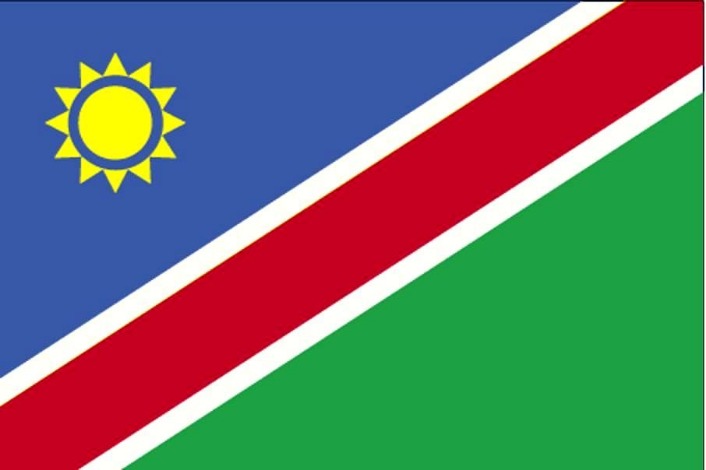
Windhoek: The Capital City of Namibia
Windhoek, the vibrant capital city of Namibia, serves as the political, economic, and cultural center of the country. Nestled in the heart of the arid Namibian landscape, Windhoek offers a unique blend of modern urban development and rich Namibian traditions. With its welcoming atmosphere, diverse population, and scenic surroundings, it provides an intriguing glimpse into Namibia’s history and growth. As the gateway to exploring Namibia’s natural beauty and cultural heritage, Windhoek plays a vital role in the nation’s identity.
History and Development
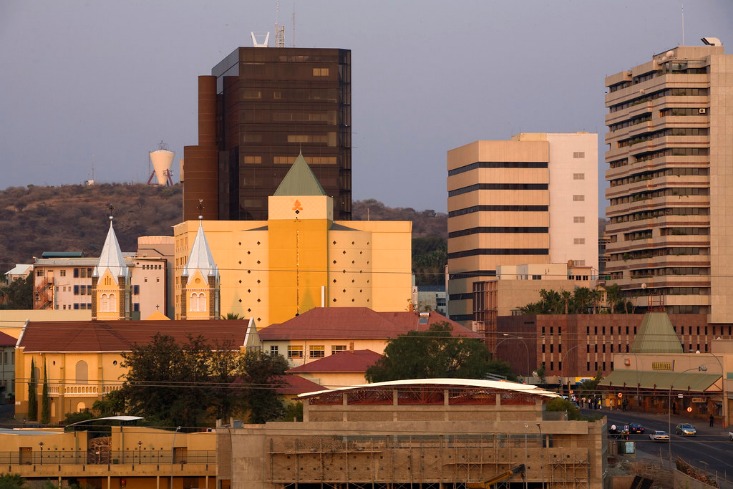
Windhoek, the capital city of Namibia, is a vibrant urban center renowned for its rich history and rapid development. Located in the central part of the country, it serves as both the political and economic hub of Namibia, reflecting a blend of German colonial heritage and modern Namibian culture.
The history of Windhoek dates back to the late 19th century when it was established as a German colonial outpost in 1890. Its strategic position made it a crucial point for trade and administration during the colonial period. Post-World War I, Namibia became a South African mandate, which influenced the city’s architecture, infrastructure, and social fabric. After Namibia gained independence in 1990, Windhoek experienced significant growth, modernization, and a surge in population as people moved to the city seeking opportunities.
Today, Windhoek is characterized by a combination of historical architecture and contemporary urban development. The city has expanded rapidly, with improvements in road networks, commercial centers, and educational institutions, fostering economic growth and cultural diversity. It remains a focal point for Namibia’s political affairs and represents a symbol of the nation’s progress and resilience in the face of historical challenges.
- Establishment as a German colonial settlement in 1890
- Transition to a South African mandate after World War I
- Gained independence in 1990, leading to modernization and expansion
- Develops as Namibia’s political, economic, and cultural center
- Features a blend of colonial architecture and modern infrastructure
Key Landmarks and Attractions
Windhoek, the capital city of Namibia, is a vibrant hub blending modern development with rich cultural heritage. Situated in the central part of the country, it serves as the political, economic, and cultural heart of Namibia.
One of the key landmarks in Windhoek is the Namibia Parliament Gardens, which offers a peaceful green space in the city center and showcases beautiful flora and fauna. The Christ Church, an iconic Lutheran church built in the early 20th century, is notable for its impressive architecture and historical significance. Independence Memorial Museum provides insight into Namibia’s journey to independence, highlighting its history and struggles.
For visitors seeking cultural experiences, the National Art Gallery of Namibia displays a diverse collection of local artworks, reflecting the country’s rich artistic traditions. The Sam Nujoma Stadium is a major sports venue hosting football matches and events, adding to the city’s lively atmosphere. Windhoek also offers various markets, such as Post Street Mall, where visitors can explore local crafts, jewelry, and souvenirs.
Surrounding Windhoek are scenic attractions like the Daan Viljoen Game Reserve, ideal for wildlife safaris and outdoor activities. Overall, Windhoek combines historical sites, cultural richness, and natural beauty, making it an essential destination for travelers exploring Namibia’s cities.
Economic and Cultural Significance
Windhoek, the capital city of Namibia, serves as the political, economic, and cultural hub of the country. Located centrally in Namibia, it is the largest city and a vital center for government institutions, commerce, and education. Windhoek’s strategic position makes it an essential nexus for transportation and trade, facilitating connections across the country and with neighboring nations. The city boasts a unique blend of modern infrastructure and historical architecture, reflecting its colonial past and contemporary development.
Economically, Windhoek plays a crucial role in Namibia’s growth, hosting major industries such as banking, retail, manufacturing, and tourism. The presence of international companies and investment opportunities contribute to its vibrant economy. Culturally, Windhoek is a melting pot of diverse ethnic groups, which is reflected in its lively markets, festivals, and culinary scene. It is also home to museums, galleries, and cultural centers that preserve and promote Namibia’s heritage.
Swakopmund: Coastal Charm and Adventure
Nestled along the rugged Atlantic coastline, Swakopmund is a captivating city in Namibia that perfectly blends coastal charm with thrilling adventures. Known for its German colonial architecture, sandy beaches, and vibrant atmosphere, this seaside town offers a unique escape where visitors can enjoy both relaxation and outdoor activities. From dunes and deserts to historic streets, Swakopmund exemplifies the diverse allure of Namibia’s cities.
Historical Background
Swakopmund, located along the Atlantic Ocean in Namibia, is renowned for its unique blend of coastal charm and adventurous activities. The city’s picturesque beaches, colonial-era architecture, and vibrant promenade make it a popular destination for travelers seeking both relaxation and excitement. Visitors can enjoy activities such as sandboarding on the dunes, quad biking, and exploring the marine life through dolphin and seal cruises, all set against a backdrop of stunning desert landscapes.
Historically, Swakopmund was established in the late 19th century during the period of German colonization, serving as a critical port for the region. Its strategic location facilitated trade and communication between Namibia and Germany, leaving a lasting mark through its well-preserved German-style buildings and cultural influences. Over the years, Swakopmund has evolved from a colonial trading post into a lively tourism hub, maintaining its historical heritage while embracing modern adventure tourism.
Tourist Attractions and Activities
Swakopmund is a captivating city located along the Atlantic coast of Namibia, known for its unique blend of coastal charm, German colonial architecture, and adventurous activities. This city offers a perfect mix of relaxation and thrill, making it a popular destination for travelers seeking diverse experiences.
- Visit the Swakopmund Museum to learn about the city’s rich history and cultural heritage.
- Explore the beautiful beaches, ideal for sunbathing, swimming, and surfing.
- Enjoy outdoor adventures like sandboarding, quad biking, and dune safaris in the nearby Namib Desert.
- Take a boat tour to see dolphins, seals, and even the possibility of spotting whales during migration season.
- Partake in water sports such as kayaking and windsurfing in the Atlantic Ocean.
- Visit the Kristall Galerie to marvel at stunning gemstone sculptures and carvings.
- Stroll through the town’s charming streets, admiring the colonial architecture and trying local cuisine at cafes and restaurants.
Architecture and Cultural Influence
Swakopmund, a picturesque coastal city in Namibia, beautifully combines seaside charm with adventurous spirit and rich cultural influences. Its location along the Atlantic Ocean offers stunning beaches, sand dunes, and outdoor activities like surfing, kayaking, and dune exploration. The city’s cool ocean breezes and unique landscape create a welcoming atmosphere for both relaxation and thrill-seeking travelers.
Architecturally, Swakopmund is renowned for its well-preserved German colonial buildings, which give the city a distinctive European feel. The historic facades, Victorian-style houses, and charming promenades reflect its colonial heritage and add character to the cityscape. These structures stand as a testament to the city’s past and remain an integral part of its identity.
In addition to its architecture, Swakopmund’s cultural scene is vibrant, blending Namibian traditions with German influences. The city hosts festivals, museums, and markets that celebrate its diverse heritage. Artists and artisans often showcase their work, highlighting indigenous crafts, contemporary art, and historical memorabilia.
Overall, Swakopmund is a captivating destination that offers a harmonious blend of natural beauty, historical architecture, and cultural richness, making it a must-visit for those exploring Namibia’s cities.
Walvis Bay: The Harbour City
Walvis Bay, often called the Harbour City, is a vibrant coastal town in Namibia renowned for its bustling port and scenic beauty. As a key economic hub, it plays a vital role in the country’s trade and maritime activities. Surrounded by stunning landscapes and rich wildlife, Walvis Bay offers a blend of industrial significance and natural charm that makes it a unique destination among Namibia’s cities.
Port Activities and Commerce
Walvis Bay, often regarded as the Harbour City, is a vital port and economic hub in Namibia. Its strategic location along the Atlantic Ocean makes it an essential gateway for maritime trade and transportation in the region. The city boasts a modern deep-water port capable of accommodating large vessels, which supports both regional and international shipping activities.
Port activities in Walvis Bay are diverse, including cargo handling, bulk commodity exports, and logistics services. The harbor facilities facilitate the movement of minerals, fish, and agricultural products, contributing significantly to Namibia’s economy. The port also plays a crucial role in supporting the fishing industry, one of the country’s key sectors, with extensive facilities for processing and export.
Commerce in Walvis Bay is thriving, driven by its busy port and proximity to major inland markets. It hosts various businesses related to shipping, manufacturing, and trade, fostering job creation and economic growth. Additionally, the city serves as a hub for tourism and related services, capitalizing on its natural scenic beauty and freshwater lagoon, which attracts visitors from around the world. Overall, Walvis Bay stands out as a crucial economic and logistical center in Namibia, contributing significantly to the nation’s development.
Natural Attractions and Wildlife
Walvis Bay, often called the Harbour City, is a vibrant coastal city in Namibia renowned for its bustling port and scenic beauty. It serves as a crucial gateway for trade and commerce, offering a lively harbor surrounded by stunning natural landscapes. Visitors can enjoy the city’s charming waterfront with various shops, restaurants, and recreational activities centered around the ocean.
The city is famous for its nearby natural attractions, including the expansive Walvis Bay Lagoon, which is a designated UNESCO Ramsar site. This lagoon attracts a multitude of migratory birds, particularly flamingos and pelicans, making it a paradise for birdwatchers and nature enthusiasts. The Dune 7, the highest sand dune in Namibia, offers thrilling sandboarding experiences and breathtaking panoramic views of the surrounding desert and ocean scenery.
Wildlife in Walvis Bay is abundant and diverse, especially marine life. The city provides opportunities for boat tours and whale watching excursions, where visitors can spot dolphins, sea lions, and occasionally whales during their migration seasons. The surrounding area also supports various terrestrial animals like springbok and oryx, thriving in the arid landscapes. Walvis Bay’s blend of natural beauty, lively port activities, and rich wildlife makes it a must-visit destination for those exploring Namibia’s cities and natural wonders.
Economic Importance
Walvis Bay, often referred to as the Harbour City, is a prominent city in Namibia renowned for its strategic port facilities and economic significance. Located on the Atlantic coast, it serves as Namibia’s primary deepwater port, facilitating major maritime trade routes and supporting the country’s import and export activities. The port’s modern infrastructure and extensive logistics network make Walvis Bay a vital hub for mineral exports, fishery products, and other commodities, contributing substantially to Namibia’s national economy. Additionally, the city’s growing industrial and manufacturing sectors further bolster its role as an economic cornerstone in the region. With its vibrant port operations and proactive development initiatives, Walvis Bay continues to be a key contributor to Namibia’s economic growth and regional connectivity.
Otjiwarongo: The Garden City
Otjiwarongo, often called the Garden City of Namibia, is a vibrant city renowned for its lush greenery and welcoming atmosphere. Nestled in the northern-central region, it serves as a vital economic and cultural hub, offering a blend of modern amenities and natural beauty. With its picturesque parks, friendly community, and strategic location, Otjiwarongo stands out as a noteworthy city in Namibia’s diverse urban landscape.
Location and Geographic Features
Otjiwarongo, known as the Garden City, is a prominent city in Namibia situated in the northern-central part of the country. It serves as an important commercial and administrative hub within the Otjozondjupa Region. The city is renowned for its lush greenery and well-maintained parks, earning its nickname due to its vibrant and picturesque environment.
Geographically, Otjiwarongo is characterized by its relatively flat terrain with gentle rolling hills and surrounding natural landscapes. The city is positioned near several significant features, including rivers and wildlife reserves, which contribute to its scenic beauty and agricultural potential. Its strategic location makes it accessible from major routes connecting different parts of Namibia.
- Situated in the northern-central part of Namibia
- Located within the Otjozondjupa Region
- Surrounded by rolling hills and green landscapes
- Near rivers and wildlife reserves
- Accessible via key national roads and highways
Economic Sectors and Industries
Otjiwarongo, known as the Garden City, is a prominent city in Namibia renowned for its lush greenery and vibrant community. Located in the northern-central part of the country, Otjiwarongo offers a unique blend of natural beauty and urban development, making it a key economic hub in the region.
The city’s economy is diverse, with significant contributions from agriculture, tourism, and commerce. Otjiwarongo serves as a center for cattle farming and dairy production, supporting Namibia’s agricultural industry. Its proximity to national parks such as the Waterberg Plateau offers excellent opportunities for tourism development, attracting visitors interested in wildlife safaris and nature experiences.
Industries in Otjiwarongo also include retail, hospitality, and small manufacturing businesses that serve both locals and visitors. The city is well-equipped with infrastructure, including markets, hotels, and transportation services, facilitating economic growth. Overall, Otjiwarongo’s strategic location and natural resources continue to drive its development as a vital economic and cultural center in Namibia.
Tourism and Local Attractions
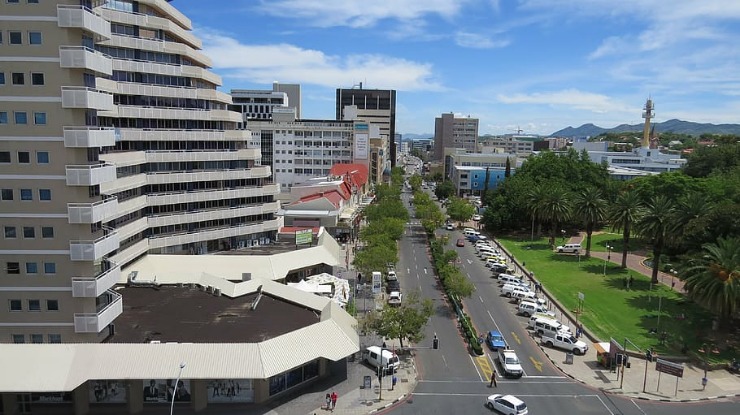
Otjiwarongo, known as the Garden City of Namibia, is a vibrant city that offers a mix of natural beauty and cultural experiences. Surrounded by lush landscapes and scenic countryside, it serves as a gateway for visitors exploring northern Namibia. The city is renowned for its well-maintained gardens and green spaces, providing a peaceful environment for both locals and tourists.
Otjiwarongo boasts a variety of attractions that cater to diverse interests. Nature enthusiasts can visit the nearby Waterberg Plateau, a UNESCO Biosphere Reserve, famous for its breathtaking scenery, unique flora and fauna, and hiking trails. The Cheetah Conservation Fund, headquartered near the city, is a notable highlight, providing insight into wildlife conservation efforts and offering opportunities to learn about Namibia’s endangered cheetahs.
For those interested in cultural experiences, Otjiwarongo features local markets, craft stores, and traditional events that showcase Namibia’s rich heritage. The city’s hospitality industry includes lodges and guesthouses that provide comfortable accommodations with a touch of Namibian charm. With its combination of natural beauty and cultural richness, Otjiwarongo remains a key destination for travelers seeking an authentic Namibian experience.
Rundu: Gateway to the North
Rundu, often called the Gateway to the North, is a vibrant city in Namibia that serves as a key hub for commerce, culture, and connectivity. Located along the banks of the Kavango River, it offers a unique blend of natural beauty and lively urban life. As an important gateway to the northern regions of Namibia, Rundu provides both residents and travelers with access to diverse communities, scenic landscapes, and rich cultural traditions.
Historical Significance
Rundu, known as the Gateway to the North, is a prominent city in Namibia that holds significant historical importance. Situated on the banks of the Kavango River, Rundu has long served as a vital center for trade and cultural exchange among various indigenous communities. Historically, it was a key point for migratory routes and was influenced by regional interactions with neighboring Angola and Botswana. The city’s strategic location has contributed to its development as an essential hub for transportation and commerce in northern Namibia. Over the years, Rundu has preserved its rich cultural heritage while evolving into a modern town that reflects Namibia’s diverse history and ongoing progress.
Cultural Diversity and Festivals
Rundu, often called the Gateway to the North, is a vibrant city in Namibia that embodies the rich cultural diversity of the region. Nestled along the banks of the Kavango River, it serves as an important hub connecting various parts of northern Namibia. The city’s strategic location makes it a vital gateway for trade, travel, and cultural exchange, welcoming visitors from across the country and beyond.
One of Rundu’s most captivating features is its diverse cultural heritage. The city is home to multiple ethnic groups, including the Kavango people, who contribute their unique traditions, languages, and crafts. This melting pot of cultures is reflected in daily life, local markets, and community interactions, offering visitors a genuine glimpse into Namibia’s indigenous practices.
Rundu is also renowned for its lively festivals and cultural celebrations that showcase its vibrant identities. Events such as the Kavango Traditional Festival highlight traditional dance, music, and food, fostering pride and unity among the communities. These festivals attract tourists and locals alike, creating a festive atmosphere that celebrates Namibia’s cultural richness and promotes mutual understanding among its diverse populations.
Natural Surroundings and Activities
Rundu, often called the Gateway to the North, is a vibrant city in Namibia that offers a unique blend of cultural diversity and natural beauty. Situated on the banks of the Okavango River, it serves as a key access point for travelers exploring northern Namibia and neighboring countries like Angola and Botswana. The city provides a welcoming atmosphere with friendly communities and bustling markets that showcase local crafts and traditions.
The natural surroundings of Rundu are truly spectacular, featuring lush wetlands and various wildlife species, making it an ideal destination for nature enthusiasts. The nearby Mudumu and Mahango Game Reserves offer opportunities to see elephants, buffalo, and numerous bird species in their natural habitat. The Okavango River itself is a vital resource supporting vibrant ecosystems and providing picturesque scenery.
Activities in Rundu cater to a wide range of interests, from boat cruises along the river to birdwatching and fishing. Visitors can also explore local cultural sites, including traditional villages where they can learn about the customs and lifestyles of the Kavango people. Whether enjoying the scenic views, engaging in outdoor adventures, or experiencing local traditions, Rundu serves as an excellent starting point for exploring northern Namibia’s rich natural and cultural landscape.
Keetmanshoop: Southern Namibia Hub
Keetmanshoop, located in southern Namibia, serves as a vital hub for the region, known for its strategic position and vibrant community. As one of Namibia’s key cities, it offers a blend of cultural heritage and modern development, making it an essential destination for travelers and residents alike. The city provides access to stunning natural attractions and plays an important role in Namibia’s economic and social landscape.
Historical Background
Keetmanshoop, located in southern Namibia, serves as a vital hub for transportation, commerce, and history in the region. The city is historically significant due to its strategic position and development during the colonial era, making it an important gateway for trade and movement between different parts of Namibia and neighboring countries.
- Founded in 1888 as a German trading post during Namibia’s colonial period, initially known as Quella.
- Named after Lieutenant Keetman, a German surveyor involved in the mapping of the area.
- Developed as an agricultural center due to its proximity to fertile lands and its role in supporting the railway network connecting Windhoek to southern Namibia and beyond.
- Played a key role in the German and later South African administration, influencing regional infrastructure and economy.
- Today, Keetmanshoop remains an important regional capital, known for its historical sites, such as the Quiver Tree Forest and proximity to the Lowenstein and Naute Dam areas.
Notable Landmarks and Natural Features
Keetmanshoop, located in southern Namibia, serves as a vital hub for the region, connecting travelers and facilitating commerce. It is known for its strategic position near key routes that link various parts of the country and neighboring nations. The city is also renowned for its proximity to several notable landmarks and natural features that attract tourists and nature enthusiasts alike.
One of the most prominent landmarks near Keetmanshoop is the Quiver Tree Forest, a unique natural reserve featuring thousands of Quiver trees that create a striking landscape, especially at sunrise and sunset. The Fish River Canyon, one of the largest canyons in the world, is also within accessible distance, offering breathtaking views and opportunities for hiking and photography. The Naute Dam, another significant natural feature, provides opportunities for water sports, fishing, and bird watching, while the nearby Köcherbaum Forest showcases dense groves of the distinctive coniferous trees.
Economic and Cultural Aspects
Keetmanshoop serves as a vital hub in southern Namibia, playing a significant role in the region’s economic and cultural landscape. It is strategically located at the crossroads of major transportation routes, facilitating trade and connectivity within Namibia and neighboring countries. The city benefits from proximity to important natural attractions such as the Quiver Tree Forest and Fish River Canyon, attracting tourism that boosts local businesses. Culturally, Keetmanshoop embodies a blend of Nama, Herero, and other ethnic influences, reflected in its traditions, festivals, and architecture. The economy is primarily driven by agriculture, livestock farming, and commerce, with ongoing development projects aimed at diversifying its economic base. Overall, Keetmanshoop remains a key regional center fostering economic growth and preserving Namibia’s diverse cultural heritage.


0 Comments