
Geographical Overview of Namibia’s Coastline
Namibia’s coastline stretches approximately 1,300 kilometers along the Atlantic Ocean, forming a striking border between land and sea. Characterized by rugged cliffs, desert plains, and expansive sand dunes, the coastline offers diverse landscapes that are both dramatic and unique. This region is not only vital for its natural beauty but also plays a crucial role in Namibia’s climate, ecosystems, and economic activities such as fishing and tourism.
Location and Extent
Namibia’s coastline stretches along the southwestern edge of the country, bordering the Atlantic Ocean. It covers approximately 1,200 kilometers from the border with Angola in the north to the border with South Africa in the south. This extensive stretch of coast is characterized by a mixture of deserts, dunes, and rugged cliffs, making it one of the most striking coastal regions in Africa. The coastline is relatively narrow, with vast desert landscapes lifting directly to the shoreline, creating a unique environment that supports diverse ecosystems. Notable geographic features include the Namib Desert, one of the oldest deserts in the world, and the Skeleton Coast, known for its treacherous waters and shipwrecks. Overall, Namibia’s coastline is defined by its arid landscapes, ecological diversity, and its strategic location along the Atlantic Ocean, playing a vital role in the country’s climate, economy, and tourism industry.
Physical Features
Namibia’s coastline stretches approximately 1,572 kilometers along the Atlantic Ocean, forming a striking and diverse geographical feature. This coastal region is characterized by a variety of physical features, including vast desert plains, rugged cliffs, and expansive sandy beaches. The coastline is predominantly marked by the Namib Desert, one of the oldest deserts in the world, which extends to the shoreline and creates a stark contrast between arid land and ocean. Notable physical features include the Skeleton Coast, known for its treacherous fog and shipwrecks, and the notable presence of towering granite and sandstone formations along the coast. The coastline also features lagoons and estuaries that support unique ecosystems and serve as critical habitats for migratory birds and marine life. Overall, Namibia’s coast presents a remarkable blend of harsh desert landscapes and vibrant marine environments, offering both ecological significance and scenic beauty.
Climate and Weather Patterns
Namibia’s coastline stretches approximately 1,300 kilometers along the Atlantic Ocean, forming a distinctive feature of the country’s geography. This coastal region is characterized by vast desert landscapes, particularly the Namib Desert, which is considered one of the world’s oldest and driest deserts. The coastline is relatively barren, with minimal urban development, and features impressive natural formations such as sand dunes, cliffs, and rocky shores. The Atlantic Ocean influences the coastal environment, providing vital marine resources and contributing to the region’s unique scenery.
The climate along Namibia’s coast is classified as desert or semi-desert, resulting in low annual rainfall and high temperatures during the day, with cooler temperatures at night. The coastal area experiences a phenomenon known as the Benguela Current, a cold Atlantic Ocean current that brings cool, nutrient-rich waters from the south, significantly impacting local climate and marine life. This current helps sustain a productive fishing industry but also leads to a persistent fog called “kAieloo,” which frequently blankets the coast, especially during winter months.
Weather patterns in Namibia’s coastal region are heavily influenced by the cold Benguela Current and the desert surrounding it. Summers (October to April) are hot and dry, with temperatures often exceeding 30°C, while winter months (May to September) are cooler, with temperatures dropping significantly, particularly at night. The fog is most prevalent during the cooler months, creating a unique microclimate that helps moderate temperatures and sustain a specialized ecosystem in this arid environment. Precipitation is scarce throughout the year, reinforcing the area’s classification as one of the driest regions in Africa.
Major Coastal Landforms
The Namibia coastline is renowned for its diverse and striking major coastal landforms that shape its unique landscape. From expansive beaches and towering cliffs to intricate dune systems and estuaries, these landforms create a stunning natural environment. Together, they support rich ecosystems and attract tourists and scientists alike, making the Namibia coastline a fascinating area of study and exploration.
Skeleton Coast
The Namibia coastline is renowned for its dramatic and diverse landforms, with the Skeleton Coast standing out as one of the most iconic features. This area is characterized by vast deserts meeting the Atlantic Ocean, creating a stark and mesmerizing landscape. The Skeleton Coast gets its name from the numerous shipwrecks and skeletons scattered along its shores, remnants of treacherous waters and storms that have claimed many vessels over the years. The coastline features towering sand dunes, rugged cliffs, and mangrove-lined estuaries, which support unique ecosystems.
Atlantic Ocean Beaches
The Namibia coastline along the Atlantic Ocean is characterized by a variety of major coastal landforms that shape its unique landscape. These landforms are the result of diverse geological processes, including erosion, sediment deposition, and climatic influences, which create distinctive features along the shoreline.
- Cliffs and Headlands: Towering cliffs and headlands are prominent features along the Namibia coast, formed by the erosion of resistant rock formations. These structures provide dramatic scenery and serve as natural barriers against the ocean waves.
- Beaches: Namibia offers a range of beaches, from wide sandy stretches to more rugged, rocky shores. The beaches are important for tourism, marine activities, and nesting grounds for seabirds and sea turtles.
- Sand Dunes: The Namib Desert meets the Atlantic Ocean, leading to the formation of expansive sand dunes that extend to the shoreline. These dunes are among the highest in the world and contribute to the region’s distinctive appearance.
- Marine Terraces: Elevated marine terraces along the coast indicate past sea level changes and are often sites of archaeological and ecological significance.
- Fodos and Coves: Small inlets, coves, and fjords punctuate the coastline, providing sheltered areas for marine life and fishing activities.
The Atlantic Ocean beaches along Namibia are renowned for their untouched beauty, unique geological features, and ecological importance, making the region a significant part of its natural heritage.
Desert Dunes and Coastal Sandbanks
The Namibia coastline is renowned for its diverse and striking landforms that sculpt the landscape along the Atlantic Ocean. Major coastal landforms include rugged cliffs, sandy beaches, and expansive dunes that create a dramatic scenery. The coastline features unique desert features, blending arid desert conditions with marine influences, which result in fascinating formations.
One of the most notable desert landforms along the Namibia coast is the vast Namib Desert, home to some of the world’s tallest dunes. These dunes, formed by wind-blown sand, rise dramatically from the plains, creating an iconic desert landscape. The dunes are characterized by their red and orange hues, and their shapes can shift over time with changing wind patterns.
Coastal sandbanks are also prominent features along Namibia’s shoreline. These sandbanks are formed by the deposition of sediment carried by ocean currents, creating shallow areas that can influence local marine navigation and ecosystems. They serve as important habitats for various marine species and play a significant role in coastal protection by reducing erosion.
Overall, Namibia’s coastline presents a stunning combination of desert dunes, sandbanks, and rugged coastal landforms, making it a unique and captivating environment shaped by the forces of wind, water, and geological activity.
Marine Ecosystems and Biodiversity
The Namibia coastline is a vital part of marine ecosystems that support a diverse array of plant and animal species. These marine environments play a crucial role in maintaining the health and stability of global biodiversity, providing habitats for numerous marine creatures. Understanding the unique features of marine ecosystems along Namibia’s coast highlights their importance for both ecological balance and local communities. Protecting these rich biodiversity hotspots is essential for ensuring the sustainability of marine resources for future generations.
Marine Flora and Fauna
The Namibia coastline stretches along the Atlantic Ocean and is renowned for its unique marine ecosystems and rich biodiversity. This region supports a diverse array of marine flora and fauna, making it a critical area for both ecological balance and local livelihoods.
Marine ecosystems along the Namibia coast include rocky shores, sandy beaches, and nutrient-rich upwelling zones which foster a variety of marine life. The coastal waters are home to a wide range of species, some of which are endemic or migratory visitors crucial to global biodiversity.
- Marine Flora:
- Kelp forests, particularly species like Ecklonia maxima, dominate parts of the coastline and provide habitat and food for many organisms.
- Seagrass beds such as Zostera and Cymodocea are prevalent, supporting juvenile fish and other invertebrates.
- Phytoplankton communities form the base of the oceanic food chain, supporting larger marine species.
- Marine Fauna:
- Jeffrey’s Bay is a popular site for observing migrating whales, including humpbacks and southern right whales.
- Otters, crabs, and various mollusks inhabit intertidal zones, contributing to the area’s biodiversity.
- Fish species such as sardines, anchovies, and Cape fur seals are abundant and support local fisheries.
- Predators like sharks, including great white sharks, are found offshore, playing important roles in maintaining healthy ecosystems.
Conservation efforts and sustainable management are vital to preserving Namibia’s marine biodiversity, which faces threats from overfishing, climate change, and habitat degradation. Recognizing the importance of these ecosystems is essential for maintaining the ecological integrity and sustainable utilization of marine resources along the coastline.
Bird Species and Migratory Patterns
The Namibia coastline is a vital region for marine ecosystems and biodiversity, offering a rich habitat for a diverse array of marine life. The cold Benguela Current brings nutrient-rich waters, supporting abundant fish populations and fostering vibrant coral reefs and intertidal zones. These ecosystems serve as nurseries for many marine species and are crucial for the health of the global marine environment. Bird species along the Namibian coast are equally diverse, with many seabirds, shorebirds, and pelicans relying on the abundant marine resources for feeding and nesting. Notably, migratory bird patterns are prominent here, as species from northern breeding grounds travel to spend the austral summer along the coast. These migrations are driven by seasonal changes in food availability and breeding needs, making the Namibian coastline a significant stop-over for these avian travelers. Overall, the region’s intricate connections between marine life and bird biodiversity underscore its importance in regional and global ecological networks.
Marine Protected Areas
The Namibia coastline is a vital marine ecosystem that supports a diverse array of marine life and contributes significantly to the region’s biodiversity. Stretching along the Atlantic Ocean, this region is characterized by its rich fish populations, seabirds, and unique marine habitats, making it a crucial area for both ecological health and local livelihoods.
Marine protected areas (MPAs) along the Namibia coastline play a critical role in conserving this biodiversity. These designated zones help safeguard important breeding grounds, nursery habitats, and migration routes for numerous marine species. They also promote sustainable fishing practices and help mitigate the impacts of human activities such as overfishing and pollution.
- Namibia’s marine biodiversity includes species like the Humpback whale, African penguin, and various sardine and anchovy populations.
- Protected areas such as the Namibian Marine Protected Area help preserve critical ecosystems along the coast.
- These MPAs facilitate scientific research and monitor the health of marine environments, supporting adaptive management strategies.
- By conserving habitats and species, Namibia’s MPAs contribute to global efforts in maintaining marine biodiversity and resilience against climate change.
- Community engagement and sustainable management are essential for the success of protected areas, ensuring the health of Namibia’s marine ecosystems for future generations.
Human Activities and Coastal Economy
The Namibia coastline plays a vital role in supporting the nation’s economy through diverse human activities. Coastal communities engage in fishing, tourism, and shipping, which are essential for local livelihoods and national growth. The interaction between human activities and the coastal environment significantly influences the sustainability and development of Namibia’s coastal economy. Understanding these dynamics is crucial for balancing economic benefits with environmental conservation.
Fishing Industry
The Namibia coastline plays a vital role in the country’s economy, largely driven by human activities such as fishing and maritime trade. The fishing industry along this coast is a cornerstone of Namibia’s economic development, providing employment for thousands and supporting local communities. This industry not only supplies fresh seafood to domestic markets but also contributes significantly to export revenues, especially in fish like hake, anchovy, and lobster.
Human activities on the Namibian coast have both positive and negative impacts on the fishing industry and the broader coastal economy. While fishing boosts economic growth and sustains livelihoods, overfishing and unsustainable practices threaten marine ecosystems and long-term industry viability. Additionally, coastal tourism and shipping industries are intertwined with fishing activities, creating a complex network of economic reliance on the coastal environment.
- Fishing Industry:
- Provides employment opportunities for local communities.
- Major contributor to Namibia’s export income through fish and seafood exports.
- Relies heavily on sustainable fishing practices to prevent overexploitation of marine resources.
- Subject to regulations and management to ensure the long-term sustainability of fish stocks.
- Impacts of Human Activities:
- Overfishing threatens marine biodiversity and future fish stock availability.
- Industrial pollution and coastal development may degrade marine habitats.
- Climate change influences fish migration patterns and ocean health, affecting industry stability.
Shipping Routes and Ports
The Namibia coastline plays a significant role in the country’s economy through various human activities, particularly in shipping routes and port development. The strategic location along the Atlantic Ocean facilitates international trade and maritime activities, supporting Namibia’s economic growth. The ports along the coast serve as critical hubs for the import and export of goods, especially minerals, seafood, and other commodities vital to Namibia’s industries.
- Shipping Routes: Namibia’s coastline is a key part of major maritime corridors connecting Africa to international markets. Merchant ships frequently navigate these waters, utilizing established routes that link Namibia to global trading networks, including routes to Europe, Asia, and the Americas.
- Ports and Port Development: The Port of Walvis Bay is Namibia’s largest port and a vital gateway for landlocked countries in southern Africa. It has seen port expansions and infrastructural improvements to accommodate larger vessels and increasing freight volumes. The Port of Lüderitz, although smaller, also plays a role in regional maritime activities.
- Human Activities and Economic Impact: Coastal communities depend on fishing and maritime industries for livelihoods. Human activities in the region include fishing, shipping, and port logistics, which collectively contribute significantly to Namibia’s economy. Moreover, the development of coastal infrastructure supports tourism, further boosting economic benefits.
Continued investment in port infrastructure and sustainable management of shipping routes are essential for enhancing Namibia’s coastal economy while preserving marine ecosystems and ensuring long-term economic stability.
Tourism and Recreation
The Namibia coastline is a vital region where human activities significantly influence the local economy, particularly through tourism and recreation. Its rugged shores, diverse wildlife, and scenic landscapes attract numerous visitors, contributing substantially to Namibia’s coastal livelihoods. Tourism facilities like hotels, game reserves, and guided tours thrive along the coast, emphasizing the importance of the area’s natural beauty as a key economic resource.
Recreational activities such as surfing, fishing, birdwatching, and desert safaris are popular along Namibia’s coastline, drawing international and domestic tourists alike. These activities generate income and provide employment opportunities for local communities. Sustainable management of these human activities is essential to preserve the coastline’s environment while supporting economic growth.
However, increased human presence and economic activities also pose challenges such as habitat degradation, pollution, and resource depletion. Balancing development with conservation is crucial to ensure the long-term viability of Namibia’s coastal economy and its recreational appeal. Careful planning and environmental awareness are necessary to maintain the coastline’s natural integrity and continue benefiting from its tourism potential.
Environmental Challenges Facing the Coastline
The Namibia coastline faces a range of environmental challenges that threaten its delicate ecosystem and local communities. As one of the world’s most arid regions, the coastline is particularly vulnerable to the impacts of climate change, pollution, and human activities. Addressing these issues is crucial to preserving the unique natural beauty and biodiversity of Namibia’s shores for future generations.
Desertification and Land Degradation
The Namibia coastline is currently facing significant environmental challenges, particularly due to desertification and land degradation. These issues threaten the delicate balance of ecosystems along the coast, impacting both the natural environment and the livelihoods of local communities. Factors such as overgrazing, deforestation, and unsustainable land use contribute to the loss of vegetation cover, which exacerbates soil erosion and reduces land productivity.
Desertification in Namibia’s coastal regions results from a combination of climatic changes, including reduced rainfall and increased temperatures, making it difficult for plants and animals to survive. This process leads to the expansion of desert areas and diminishes biodiversity. Land degradation further hampers agricultural activities, leading to economic challenges for communities dependent on farming and fishing.
Efforts to combat these environmental challenges include promoting sustainable land management practices, reforestation projects, and conservation initiatives aimed at restoring vegetation cover and stabilizing soils. Addressing these issues is essential to preserve Namibia’s coastline, protect its unique ecosystems, and ensure the resilience of local communities against the adverse effects of desertification and land degradation.
Pollution and Marine Debris
The Namibia coastline faces significant environmental challenges, particularly related to pollution and marine debris. As one of the less densely populated regions, Namibia’s coastal waters still struggle with the impacts of human activities such as fishing, shipping, and tourism, which contribute to increasing pollution levels. Marine debris, including plastics, fishing gear, and other waste materials, often wash ashore or harm marine life, disrupting ecosystems and threatening biodiversity. These pollutants can originate from inland sources, maritime activities, or international shipping lanes passing close to the coast. The accumulation of debris not only degrades the natural beauty of Namibia’s coastline but also jeopardizes local fisheries and tourism industries, which are vital to the region’s economy. Addressing these environmental challenges requires collaborative efforts in waste management, enforcement of environmental regulations, community awareness programs, and international cooperation to protect and preserve the fragile marine environment along Namibia’s coast.
Climate Change and Sea Level Rise
The Namibia coastline, extending along the Atlantic Ocean, faces significant environmental challenges primarily driven by climate change and sea level rise. As global temperatures increase, the region experiences more intense and frequent storms, which accelerate coastal erosion and degrade natural habitats. Rising sea levels threaten to inundate low-lying areas, leading to loss of valuable land and disrupting local communities and ecosystems. Additionally, the warming temperatures adversely affect marine life, including fisheries that are vital for Namibia’s economy and sustenance. The increased frequency of storms and unpredictable weather patterns further exacerbate erosion and pollution, putting the delicate balance of Namibia’s coastal environment at risk.
Conservation and Management Efforts
The Namibia coastline is a vital and diverse ecosystem that requires dedicated conservation and management efforts to preserve its unique landscape and rich biodiversity. Recognized for its stunning deserts, pristine beaches, and abundant marine life, the region faces increasing threats from human activities and climate change. Effective conservation initiatives are essential to ensure the sustainability of its natural resources for future generations while supporting local communities and promoting ecological balance.
Protected Areas and Reserves
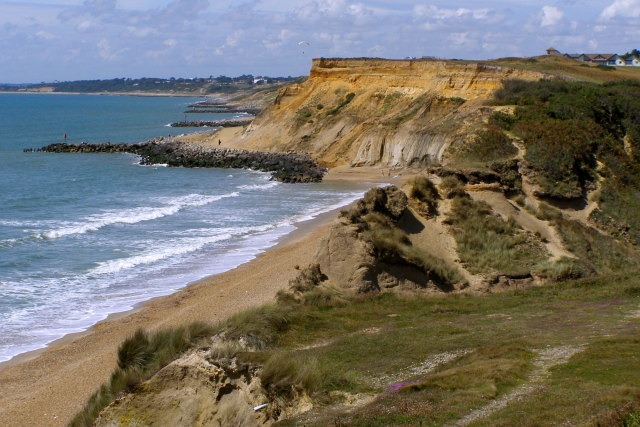
The Namibia coastline is home to a diverse array of marine and terrestrial ecosystems that require comprehensive conservation and management efforts to ensure their sustainability. Recognizing the importance of preserving this unique environment, various protected areas and reserves have been established along the coast to safeguard vulnerable species and habitats. These protected regions play a crucial role in maintaining biodiversity, supporting eco-tourism, and promoting sustainable resource use. Initiatives such as Namibian National Parks and Marine Protected Areas (MPAs) aim to regulate human activities, prevent overfishing, and conserve critical breeding grounds for marine life. Ongoing management strategies focus on community involvement, scientific research, and policy enforcement to balance conservation goals with local livelihoods. Efforts to expand protected zones and implement eco-friendly practices are vital for maintaining the ecological integrity of the Namibia coastline for future generations.
Community Involvement
Conservation and management efforts along the Namibia coastline are crucial for preserving its unique marine and coastal ecosystems. Recognizing the importance of sustainable practices, various initiatives have been implemented to protect biodiversity, combat pollution, and promote responsible resource use.
Community involvement plays a vital role in the success of these conservation efforts. Local communities, often directly dependent on marine resources, participate in initiatives such as coastal clean-ups, sustainable fishing practices, and environmental education programs. By engaging communities, conservation programs foster stewardship and ensure long-term sustainability of the coastline’s natural assets.
- Implementation of marine protected areas to conserve critical habitats and endangered species.
- Promotion of sustainable fishing practices to prevent overfishing and resource depletion.
- Community-led eco-tourism initiatives that generate income while raising awareness about conservation.
- Environmental education programs tailored for local communities to instill a sense of responsibility.
- Partnerships between government agencies, NGOs, and local communities to coordinate conservation efforts.
Policies and International Agreements
The Namibia coastline is an ecologically significant area that requires comprehensive conservation and management efforts to preserve its unique marine and coastal environments. Recognizing the importance of sustainable use, Namibia has implemented various policies and initiatives to protect its biodiversity while promoting responsible economic activities such as fishing, tourism, and mining. The government has established marine protected areas (MPAs) along the coast to conserve critical habitats and support marine life populations. Additionally, Namibia’s commitment to adhering to international agreements, such as the Convention on Biological Diversity and the United Nations Convention on the Law of the Sea, emphasizes its dedication to global conservation standards. Collaborative efforts with regional organizations, along with community involvement and enforcement of environmental regulations, play a vital role in ensuring the long-term sustainability of Namibia’s coastline. These strategies aim to balance economic development with ecological preservation, safeguarding the coast for future generations.



0 Comments