
Historical Background of Religion in Seychelles
The religious landscape of Seychelles has been shaped by its rich history of cultural influences and colonial interactions. Indigenous beliefs merged with the faiths brought by European colonizers, predominantly the French, leading to the prominence of Christianity, particularly Roman Catholicism, in the country. Over centuries, religious practices and institutions have played a vital role in shaping Seychelles’ social and cultural identity, reflecting a diverse and intertwined religious heritage that continues to influence everyday life on the islands.
Origins of Major Religious Groups
The religious landscape of Seychelles has been shaped by diverse historical influences, reflecting its colonial past and cultural interactions. Initially, indigenous beliefs were practiced by the early inhabitants before foreign contact introduced new faiths. The arrival of European colonizers, particularly the French in the 18th century, brought Catholicism, which became the dominant religion in the islands. Over time, Protestant denominations also established a presence as part of British colonial influence in the 19th and 20th centuries. Additionally, there are smaller communities practicing Islam, Hinduism, and other faiths due to migration and trade links, contributing to the multi-religious fabric of Seychelles. The coexistence of various religious traditions has fostered a unique cultural syncretism that continues to evolve today.
Influence of Colonial Powers
The religious landscape of Seychelles has been significantly shaped by its colonial history, primarily influenced by French and British colonial powers. During the French colonization in the 18th century, Catholicism was introduced and became the dominant religion, fostering deep-rooted religious traditions that persist today. The French established church structures, built churches, and promoted Catholic teachings, which remain an integral part of Seychellois culture. Later, when the British took control in the 19th century, Protestant denominations, including Anglicanism and Methodist churches, gained prominence, diversifying the religious environment. The British colonial administration also supported religious freedom, allowing various Christian denominations to flourish alongside Catholicism. This historical blend of colonial influences resulted in a pluralistic religious society, with Christianity playing a central role in the cultural and social identity of Seychelles. Over time, indigenous beliefs and practices have also contributed to the unique religious mosaic of the islands, but the legacy of colonial powers continues to be evident in the prominent presence of Catholic and Protestant communities today.
Evolution of Religious Tolerance and Syncretism
The religious landscape of Seychelles is deeply rooted in its historical background, shaped by centuries of cultural exchanges and colonial influences. Initially inhabited by African slaves and later colonized by the French and the British, the islands experienced the introduction of various religious traditions, including Christianity, Islam, and traditional African beliefs. Christianity, particularly Catholicism, became the dominant religion during French colonization, while British rule introduced Anglicanism and other Protestant denominations. Over time, these diverse faiths coalesced, leading to a rich tapestry of religious practices.
The evolution of religious tolerance in Seychelles reflects a history of harmonious coexistence among different faith communities. Despite the influence of European Christianity, local traditions and beliefs persisted, fostering a culture of acceptance and mutual respect. Government policies promoting religious freedom further reinforced this tolerant attitude, allowing for the peaceful practice of multiple faiths and the development of interfaith dialogue.
Religious syncretism also characterizes the spiritual life of Seychelles, blending elements from various religious traditions to create unique local practices. For instance, many adherents incorporate African spiritual elements into their Christian worship or participate in ancestral rituals alongside Christian celebrations. This syncretic approach exemplifies the flexible and inclusive nature of Seychelles’ religious culture, highlighting the importance of community, tradition, and harmony in the islands’ spiritual landscape.
Major Religions Practiced in Seychelles
Religion in Seychelles is diverse and reflects a rich cultural history influenced by various traditions and beliefs. The major religions practiced on the islands include Christianity, Islam, Hinduism, and Buddhism, each contributing to the vibrant spiritual landscape of the nation. These faiths coexist peacefully, shaping the social and cultural fabric of Seychelles and playing a significant role in community life and festivities.
Religious Institutions and Places of Worship
Religious institutions and places of worship hold a significant place in the cultural and spiritual life of Seychelles. These sites serve as centers for worship, community gathering, and cultural preservation, reflecting the diverse religious heritage of the island nation. From historic churches to vibrant mosques and temples, these places foster social cohesion and provide spiritual support to residents and visitors alike.
Churches and Cathedrals
Religion plays a significant role in the cultural and social fabric of Seychelles, with many religious institutions serving as important community centers. Churches and cathedrals are among the most prominent places of worship, reflecting the diverse faith traditions present on the islands. These religious sites are not only places for spiritual practice but also serve as landmarks and symbols of the country’s religious heritage.
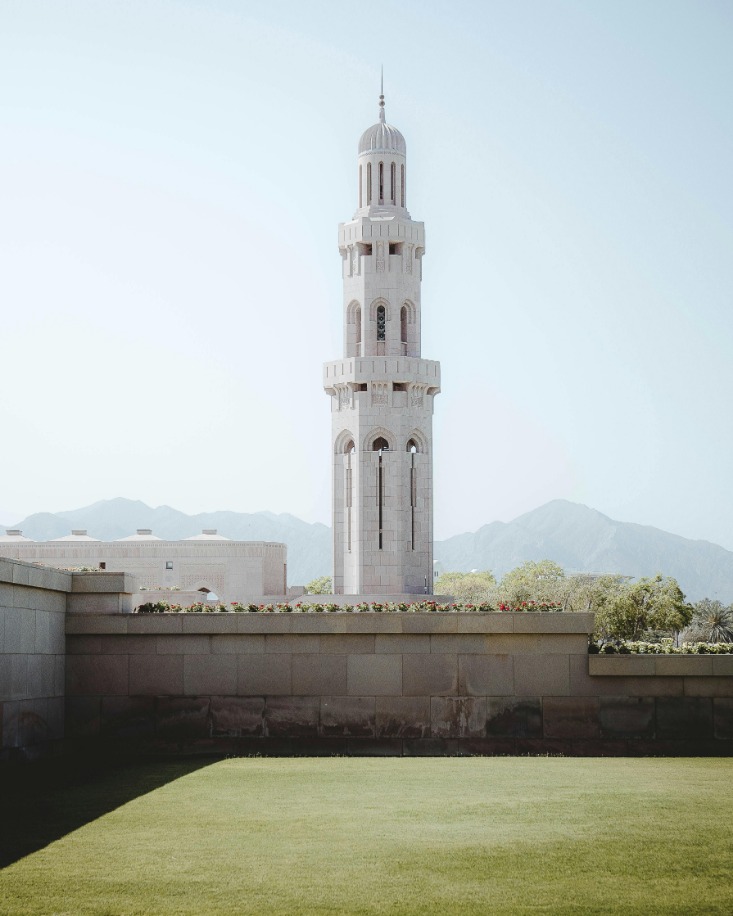
Mosques
Religion in Seychelles plays an important cultural role, and places of worship such as mosques serve as vital centers for the Muslim community. Mosques in Seychelles provide not only a space for daily prayers but also community gatherings, educational activities, and cultural celebrations that strengthen social bonds among worshippers.
- Mosques in Seychelles are often characterized by their distinctive Islamic architectural features, including minarets and domes.
- The largest mosque in Seychelles is the Barghash Mosque located in Victoria, which serves as a religious and cultural hub for Muslims on the islands.
- Religious harmony and tolerance are prominent in Seychelles, with mosques coexisting peacefully alongside churches and temples representing other faiths.
- Islam is practiced by a significant minority in Seychelles, making mosques important places for community support and religious observance.
- Mosques also participate in interfaith dialogues and community outreach programs to promote understanding and social cohesion across diverse religious groups.
Temples and Cultural Sites
Religion in Seychelles plays a significant role in the cultural and social life of the islands, with various religious institutions and places of worship serving as centers for spiritual practice, community gathering, and cultural preservation. Temples, churches, mosques, and other sacred sites reflect the diverse faiths practiced by residents and visitors alike, highlighting the nation’s rich religious heritage.
- Churches: Seychelles is predominantly Christian, with numerous Anglican, Catholic, and Protestant churches that serve as key places of worship and community activities. Notable examples include the Cathedral of the Immaculate Conception in Victoria and the various Anglican churches across the islands.
- Temples: Hindu temples are also prominent in Seychelles, reflecting the Indian community’s influence. The Ananda Rajje Shiv Mandir and the Sri Siva Soobramoniar Temple are important religious sites for Hindus.
- Mosques: Islamic places of worship, such as the Marhabas Mosque, cater to the Muslim community and serve as centers for prayer and cultural events.
- Cultural Sites: In addition to active places of worship, Seychelles features sacred sites and historical religious landmarks that attract visitors and hold cultural significance, including historical churches and ancient sites associated with the islands’ colonial past.
Community Centers and Religious Schools
Religion in Seychelles plays a vital role in the cultural and social fabric of the nation, with various religious institutions and places of worship serving as centers for spiritual practice, community gathering, and cultural preservation. These institutions often include churches, mosques, temples, and other sacred sites that accommodate the diverse religious beliefs present on the islands. Community centers associated with religious groups provide spaces for social activities, educational programs, and charitable work, fostering unity and support among residents. Additionally, religious schools in Seychelles offer faith-based education alongside secular curricula, nurturing moral values and religious identity among young generations. Together, these institutions contribute significantly to community cohesion, cultural identity, and the spiritual life of Seychelles’ diverse population.
Role of Religion in Seychellois Society
Religion plays a significant role in shaping the social and cultural fabric of Seychellois society. It influences daily life, community activities, and national identity, reflecting the diverse spiritual beliefs of the island nation’s population. With a history rooted in Christianity and the presence of other faiths, religion continues to serve as a unifying force and a source of moral guidance for many Seychellois people.
Public Celebrations and Festivals
Religion plays a significant role in shaping the social and cultural fabric of Seychellois society. It influences community relationships, moral values, and daily life practices, fostering a sense of unity among diverse religious groups on the islands.
In Seychelles, Christianity is the predominant faith, with Catholicism being the largest denomination. Other Christian denominations, along with Hinduism and Islam, also have active communities that contribute to the nation’s cultural diversity.
Public celebrations and festivals in Seychelles are deeply rooted in religious traditions, serving as important occasions for communal expression and cultural preservation. These events often include religious rituals, processions, music, and dance, reflecting the islanders’ religious devotion and cultural heritage.
- Independence Day and Christian festivals such as Christmas and Easter are widely celebrated with community events, religious services, and public gatherings.
- The Feast of the Assumption is a major Catholic celebration marked by processions and church ceremonies dedicated to the Virgin Mary.
- Hindu festivals like Diwali and Maha Shivaratri are observed with prayers, rituals, and cultural performances within the Hindu communities.
- Muslim festivals such as Eid al-Fitr and Eid al-Adha involve communal prayers, feasting, and charitable activities, fostering social cohesion.
These celebrations reinforce religious identities while promoting harmony and shared cultural experiences among Seychellois people, highlighting the integral role of religion in public life and community cohesion in Seychelles.
Influence on Education and Social Services
Religion plays a significant role in Seychellois society, shaping cultural values, social norms, and community interactions. The majority of the population adheres to Christianity, primarily Roman Catholicism, which influences various aspects of daily life and social cohesion. Religious institutions often serve as centers for community gatherings, celebrations, and support networks, reinforcing social bonds across different groups.
In terms of education, religious organizations have historically contributed to the development and management of schools, providing moral guidance and religious instruction alongside formal curricula. Many schools incorporate religious teachings, and faith-based organizations often support educational initiatives, ensuring access to quality education for diverse communities. This integration helps instill shared values such as tolerance, respect, and social responsibility among students.
Religious influence extends to social services as well, with churches and faith groups playing a vital role in offering charitable aid, healthcare, and social support. They often collaborate with government agencies to address social issues such as poverty, health crises, and community development. Through these efforts, religion in Seychelles contributes to social stability, promotes collective well-being, and fosters a sense of unity among its citizens.
Interfaith Relations and Community Cohesion
Religion plays a significant role in Seychellois society, shaping cultural practices, social values, and community life. The majority of Seychellois people adhere to Christianity, with Roman Catholicism being the dominant faith, complemented by Protestant denominations and smaller religious groups. These religious affiliations foster a strong sense of identity and shared community among residents, influencing festivities, moral values, and social norms.
Interfaith relations in Seychelles are generally characterized by mutual respect and peaceful coexistence. The diverse religious landscape encourages dialogue and understanding among different faith communities, helping to maintain social harmony. Religious leaders often participate in community initiatives and national events, promoting unity and cooperation across religious boundaries.
Community cohesion in Seychelles is reinforced by the collective participation in religious events, festivals, and charitable activities. Religious institutions serve as centers for social support, education, and community development, contributing to a cohesive society where diverse faiths coexist harmoniously. Overall, religion in Seychelles acts as a unifying force that sustains social bonds and promotes peaceful coexistence among its people.
Legal and Constitutional Framework
The legal and constitutional framework of Seychelles provides the foundation for the protection of individual rights, religious freedom, and the regulation of religious practices within the country. As a sovereign nation, Seychelles upholds principles of secular governance while respecting diverse religious beliefs. Understanding this framework is essential to appreciate how religion is accommodated and protected by laws and constitutional provisions in Seychelles.
Freedom of Religion Protections
The legal and constitutional framework in Seychelles provides robust protections for freedom of religion, emphasizing the principle of religious liberty as a fundamental right. The Constitution of Seychelles explicitly guarantees individuals the right to practice their religion freely, ensuring that no person shall be discriminated against based on their religious beliefs or practices. Laws within the country uphold the separation of church and state, allowing for diverse religious expressions without governmental interference. Additionally, Seychelles is committed to promoting tolerance and respect among different religious communities, fostering a peaceful coexistence. This legal structure ensures that citizens can freely worship, assemble, and participate in religious activities while safeguarding these rights through judicial recourse if violated.
Religious Holidays as Public Events
The legal and constitutional framework in Seychelles ensures the protection of religious freedoms while maintaining a balance with the state’s secular principles. The Constitution guarantees the right to freedom of religion and prohibits discrimination based on religious beliefs. Religious holidays in Seychelles are often recognized as public events, reflecting the country’s diverse religious landscape. These holidays serve as cultural and religious celebrations, fostering unity and national identity. Authorities typically acknowledge major religious observances by granting public holidays or facilitating community celebrations. This approach underscores Seychelles’ commitment to respecting religious diversity while promoting social cohesion within its multi-religious society.
Regulations on Religious Organizations
The legal and constitutional framework governing religious organizations in Seychelles provides a foundation for the recognition, regulation, and protection of religious freedoms within the country. The Constitution of Seychelles affirms the right to freedom of religion, ensuring that individuals and religious groups can practice their faith without persecution or discrimination. Regulations on religious organizations are designed to promote harmony and ensure transparency, requiring religious groups to register with government authorities and adhere to specified legal standards. These standards often include provisions related to the operation, funding, and activities of religious entities, aiming to balance religious freedom with public order and security. Overall, Seychelles maintains a legal environment that upholds religious liberty while fostering mutual respect among diverse faith communities.
Contemporary Religious Dynamics
Religion in Seychelles reflects a diverse and dynamic landscape influenced by historical, cultural, and social factors. As a nation where Christianity predominates, particularly Roman Catholicism, the religious practices are deeply embedded in daily life and community activities. However, the country also demonstrates a growing openness to other faiths and spiritual expressions, shaping a contemporary religious environment that balances tradition with evolving beliefs and practices.
Urban vs. Rural Religious Practices
Religion in Seychelles exhibits distinct differences between urban and rural communities, reflecting diverse cultural influences and social structures. In urban areas like Victoria, religious practices tend to be more modernized and influenced by global religious trends, leading to greater diversity and adaptation of rituals. Conversely, rural communities often maintain more traditional and community-centered religious practices that preserve historical customs and collective identities.
- In urban Seychelles, churches and religious organizations are often more active in social services and community engagement, embracing contemporary approaches to worship and outreach.
- Rural communities tend to emphasize traditional ceremonies, festivals, and collective participation that strengthen communal bonds and cultural heritage.
- Religious diversity is more visible in urban settings, with a variety of denominations and faiths, while rural areas may have more homogenous religious practices centered around major religions like Christianity and indigenous beliefs.
- Urban residents might integrate modern technology and media into their religious practices, whereas rural populations usually rely on oral traditions and face-to-face interactions.
- Migration and globalization have influenced shifts in urban religious dynamics, leading to a blending of practices, while rural areas often retain more conservative and longstanding religious traditions.
Secularization Trends
Religion in Seychelles reflects a diverse and evolving landscape influenced by historical, cultural, and social factors. While Christianity remains predominant, particularly Roman Catholicism, the islands exhibit a notable degree of religious pluralism, including Protestant denominations and other faiths. In recent decades, secularization trends have gained momentum, characterized by a gradual decline in church attendance and religious influence on daily life among younger generations. This shift can be attributed to broader global patterns of modernization, increased access to education, and exposure to diverse cultural perspectives. Despite these changes, religious traditions continue to play a significant role in community identity and social cohesion, adapting to the contemporary context through more inclusive and dialogue-based religious practices.
Interfaith Dialogue and Cooperation
Religion in Seychelles is characterized by a diverse and evolving landscape, reflecting the nation’s multicultural heritage and history. The majority of the population adheres to Christianity, with Roman Catholicism being predominant, complemented by Protestants, Anglicans, and other Christian denominations. There are also small but significant Muslim communities and practitioners of Hinduism, roots of the Indian diaspora that arrived in the islands. Contemporary religious dynamics in Seychelles emphasize interfaith dialogue and cooperation as essential tools for fostering social harmony and mutual understanding among different religious groups. Initiatives aimed at promoting interfaith activities often focus on shared values such as peace, tolerance, and community service, helping to build bridges across diverse religious traditions. These efforts contribute to maintaining peaceful coexistence and social cohesion in the islands, positioning Seychelles as an example of peaceful religious coexistence in the region.

0 Comments