
Overview of Serengeti National Park
Serengeti National Park in Tanzania is one of the most renowned wildlife conservation areas in Africa, famed for its vast plains and incredible migrations. Covering approximately 14,750 square kilometers, it offers a spectacular habitat for a diverse array of flora and fauna. Visitors to the park can witness the iconic Big Five and experience the breathtaking beauty of the African ecosystem, making it a must-visit destination for safari enthusiasts.
Location and Area
Serengeti National Park in Tanzania is one of the most renowned wildlife reserves in Africa, celebrated for its vast expanse and abundant biodiversity. It offers an exceptional safari experience, attracting visitors from around the world who come to witness the incredible wildlife migrations and stunning landscapes.
- Location: Located in northern Tanzania, Serengeti National Park borders Kenya’s Maasai Mara, forming a continuous ecological zone known for its rich wildlife and breathtaking scenery.
- Area: Covering approximately 14,750 square kilometers (5,700 square miles), the park encompasses expansive savannahs, woodlands, riverine forests, and the iconic Serengeti plains.
History and Establishment
Serengeti National Park, located in northern Tanzania, is one of the most renowned wildlife conservation areas in the world and a premier destination for safaris. Covering approximately 14,750 square kilometers, the park is famous for its vast savannahs, diverse ecosystems, and the spectacular annual migration of over two million wildebeest, zebras, and other grazers. This unique ecosystem supports an abundant variety of fauna, including the Big Five and numerous bird species, making it a favorite among nature enthusiasts and photographers.
The history of Serengeti National Park dates back to the early 20th century when it was designated as a game reserve during German colonial rule. It officially became a national park in 1951, ensuring the protection of its rich wildlife and habitat. The park’s establishment was driven by the need to preserve the area’s ecological integrity and promote sustainable tourism. Over the decades, conservation efforts have been intensified to safeguard the park’s biodiversity, leading to its recognition as a UNESCO World Heritage Site in 1981. Today, Serengeti continues to serve as a vital symbol of wildlife conservation and a top Tanzania safari destination, offering visitors an unparalleled experience of Africa’s natural beauty and wilderness.
Conservation Status
Serengeti National Park in Tanzania is one of the most renowned wildlife conservation areas in Africa, famous for its incredible diversity of species and vast savannah landscapes. Covering approximately 14,750 square kilometers, it is a UNESCO World Heritage Site and a key part of the Serengeti ecosystem, featuring the iconic Great Migration of over two million wildebeest, zebras, and gazelles.
The park is home to a rich array of wildlife, including the Big Five—lion, elephant, buffalo, leopard, and rhinoceros—making it a prime destination for safari enthusiasts. Its expansive plains and acacia woodlands provide vital habitat for these species, fostering thriving populations and biological diversity.
Serengeti National Park maintains a high level of conservation status, supported by both the Tanzanian government and international organizations. Ongoing efforts focus on anti-poaching measures, habitat preservation, and community engagement to ensure the park’s wildlife remains protected for future generations. Despite these initiatives, challenges such as poaching, human-wildlife conflict, and climate change continue to threaten the ecosystem, emphasizing the importance of continued conservation efforts.
Wildlife in Serengeti
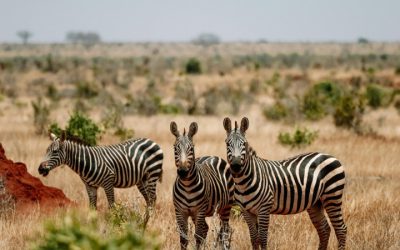
Serengeti National Park in Tanzania is one of the most renowned wildlife destinations in Africa, famous for its incredible biodiversity and stunning landscapes. The park hosts a vast array of wildlife, including the iconic Big Five, migrations of wildebeests and zebras, and numerous bird species. Visitors to the Serengeti experience the thrill of observing these majestic animals in their natural habitat, making it a must-visit location for any safari enthusiast.
Serengeti Migration Phenomenon
The Serengeti Migration Phenomenon is one of the most spectacular natural events on Earth, showcasing the incredible endurance and harmony of wildlife. Each year, millions of wildebeests, zebras, and other animals voyage across the vast plains of the Serengeti in Tanzania, following the seasonal rains and fresh grazing grounds. This awe-inspiring spectacle attracts travelers and nature enthusiasts from around the world, making Serengeti National Park a premier destination for an unforgettable safari experience.
Annual Wildebeest Migration
The Serengeti Migration Phenomenon is one of the most spectacular natural events in the world, drawing visitors from around the globe to witness the annual wildebeest migration in Tanzania. This incredible wildlife spectacle takes place in Serengeti National Park, known for its vast plains and abundant wildlife, offering a unique safari experience.
The annual wildebeest migration involves over 1.5 million wildebeest, along with hundreds of thousands of zebras and gazelles, moving in a continuous cycle across the Serengeti and Maasai Mara ecosystems. This movement is driven by seasonal rains and the search for fresh grazing grounds, making it a dynamic and unpredictable event.
- Timing of the migration typically occurs from January to March in the southern Serengeti, where calving takes place.
- From April to June, the herds move northwest towards the central plains, seeking greener pastures.
- Between July and October, the migration culminates with the crossing of the Mara River into Kenya, a dramatic and awe-inspiring sight.
- Finally, from November to December, the herds return to the southern plains to prepare for the next calving season.
Observing this migration during a Serengeti National Park Tanzania safari offers unforgettable moments, such as witnessing rivers of wildebeest crossing crocodile-infested waters, predator-prey interactions, and the vast movement of millions of animals against a stunning savannah backdrop.
Migration Routes and Timing
The Serengeti Migration Phenomenon is one of the most extraordinary wildlife spectacles in the world, drawing visitors to Tanzania’s Serengeti National Park. This annual movement of millions of wildebeest, zebras, and other herbivores is driven by seasonal rains and the search for lush grazing grounds, creating a dramatic and dynamic natural event that has captivated nature lovers and photographers alike.
The migration routes in the Serengeti are extensive and follow a cyclical pattern that aligns with the shifting of the rains. The herds typically travel northward from the southeastern plains in December to January, heading toward the Maasai Mara in Kenya. Around May to July, they move back southward toward the plains of the Serengeti, following the rains and abundant grass. This constant movement ensures the animals access fresh grazing grounds and water sources throughout the year, making the migration a perpetual cycle.
The timing of the Serengeti migration is closely linked to the seasons. The major phases include:
- December to January: The herds migrate northward to the Maasai Mara, attracted by the beginning of the rains and fresh grasses.
- March to May: They start moving back southward into the Serengeti as the rains increase, crossing the Grumeti River.
- June to July: The herds continue their southward journey, often gathering around the temporarily dry lake beds and waterholes.
- August to October: The migration reaches the southern and central Serengeti, where calving occurs and predators are highly active due to the abundance of prey.
Ecological Impact of Migration
The Serengeti Migration Phenomenon is one of the most remarkable natural spectacles in the world, attracting countless safari enthusiasts to Tanzania. This annual movement of millions of wildebeest, zebras, and other herbivores across the plains of the Serengeti National Park is driven by seasonal rains and the quest for fresh grazing lands. Witnessing this migration offers a unique opportunity to observe the dynamic balance of nature at its finest.
The ecological impact of this migration is profound, fostering biodiversity and maintaining ecosystem health within the Serengeti. The movement patterns help control plant growth, prevent overgrazing, and promote the renewal of vital grasslands. Predators, such as lions and crocodiles, also benefit from the migration, as they follow the herds, which supports predator-prey relationships essential for ecological stability.
- Regulation of Grazing Pressure: The migration disperses herbivores across large areas, preventing overgrazing in any one spot and aiding in the preservation of plant species.
- Enhancement of Soil Fertility: The movement and feeding patterns contribute organic matter through dung and decayed vegetation, enriching the soil.
- Support for Predator Populations: The migration provides a consistent food source for predators, maintaining balanced predator-prey dynamics.
- Promotion of Biodiversity: The seasonal movement sustains a diverse array of species, from small insects to large carnivores, fostering a resilient ecosystem.
Experiencing the Serengeti migration during a safari offers not just adventure but also insights into the intricate ecological processes that sustain this magnificent ecosystem. Preserving this phenomenon is crucial for maintaining the health and diversity of Tanzania’s iconic wilderness.
Safari Experience
Embark on an unforgettable adventure with a safari experience in Serengeti National Park, Tanzania. Renowned for its breathtaking landscapes and diverse wildlife, the park offers a unique opportunity to witness the spectacular Great Migration and encounter majestic animals in their natural habitat. Whether you’re a nature enthusiast or seeking a thrilling escape, a Serengeti safari promises unforgettable memories and close encounters with Africa’s incredible fauna.
Best Time to Visit
Experiencing a safari in Serengeti National Park, Tanzania, offers an unforgettable journey through one of Africa’s most iconic wildlife destinations. Visitors can witness vast landscapes filled with diverse species of animals in their natural habitat, making it a true paradise for wildlife enthusiasts and photography lovers.
- Best Time to Visit: The ideal time for a Serengeti safari is during the dry season, from June to October, when wildlife congregates around water sources, making it easier to spot animals.
- Migration Viewing: The Great Migration peaks from July to September, when millions of wildebeest and zebras move across the plains, providing spectacular viewing opportunities.
- Wet Season Benefits: Visiting from November to May offers lush scenery and fewer crowds, with great chances to see newborn animals and enjoy birdwatching.
Activities and Attractions
Serengeti National Park in Tanzania is a world-renowned destination offering a diverse range of activities and attractions for visitors. From spectacular wildlife safaris to breathtaking landscapes, the park provides an unforgettable experience for nature lovers and adventure seekers alike. Explore the endless plains, witness the iconic migration, and immerse yourself in the beauty of one of Africa’s most celebrated wilderness areas.
Wildlife Viewing
The Serengeti National Park in Tanzania offers unparalleled wildlife viewing opportunities, making it a dream destination for nature enthusiasts. Visitors can witness the iconic Great Migration, where millions of wildebeest, zebras, and gazelles traverse the plains in search of fresh grazing grounds. The park’s vast savannahs are teeming with diverse animals such as lions, elephants, cheetahs, giraffes, and rhinoceroses, providing incredible opportunities for game drives and photography.
Beyond wildlife sightings, the park features numerous activities including hot air balloon safaris, guided walking tours, and cultural visits to nearby Maasai villages. The park’s diverse landscape also includes riverbanks, woodlands, and acacia trees, all contributing to its rich ecosystem. Whether exploring during the day or watching the sunset over the plains, visitors are sure to experience unforgettable moments immersed in the wild beauty of the Serengeti.
Photographic Safaris
Serengeti National Park in Tanzania offers unparalleled opportunities for activities and attractions, especially for photography enthusiasts. The park’s expansive plains, iconic wildlife, and dramatic landscapes create a perfect backdrop for photographic safaris. Visitors can embark on game drives to capture stunning images of the Big Five—lion, elephant, buffalo, leopard, and rhinoceros—in their natural habitat. The park’s diverse ecosystems, including grasslands, savannahs, and woodlands, provide a variety of scenic scenes throughout the year. Guided photographic safaris are available, offering expert tips and close-up opportunities to document the vibrant wildlife and breathtaking sunsets. Witnessing the Great Migration, with millions of wildebeest and zebras crossing the river or moving across the plains, is a highlight for photographers eager to capture dynamic, once-in-a-lifetime moments. The park’s pristine environment, coupled with expert guides and well-planned safaris, make Serengeti a top destination for photography and adventure alike.
Bird Watching
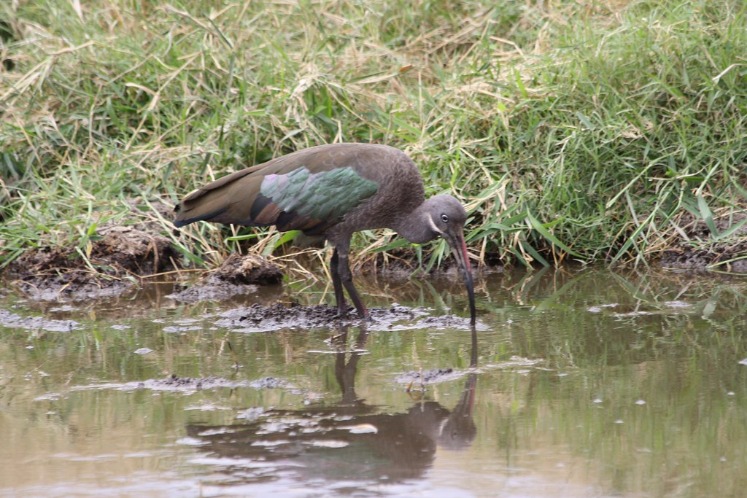
Bird watching in Serengeti National Park offers a unique opportunity to observe a diverse array of avian species amidst breathtaking savannah landscapes. The park is home to over 500 bird species, including raptors, thousands of colorful resident and migrant birds, and rare species such as the grey crowned crane. Visitors can enjoy spotting magnificent birds during early mornings and late afternoons, often while on guided safaris that explore the park’s expansive plains and acacia woodlands. Bird enthusiasts will find Serengeti to be a paradise, especially during migration seasons when the skies fill with soaring birds and shimmering flocks, making it a highlight of any safari adventure in Tanzania.
Cultural Tours and Villages
Serengeti National Park in Tanzania offers an incredible array of activities and attractions for visitors seeking an authentic safari experience. Exploring the vast plains allows travelers to witness the famous wildebeest migration, as well as diverse wildlife including lions, elephants, giraffes, and cheetahs. Guided cultural tours provide insights into the traditions and daily lives of the Maasai and other local communities, enriching your understanding of the region’s rich heritage.
Visitors can enjoy game drives, hot air balloon safaris, and walking safaris that bring them closer to nature’s wonders. Additionally, nearby villages offer a glimpse into traditional Tanzanian lifestyles, showcasing local crafts, markets, and cultural performances. These immersive experiences highlight the vibrant culture and stunning landscapes that make Serengeti National Park a must-visit destination for safari enthusiasts and culture seekers alike.
Scenic Views and Landscape Photography
Serengeti National Park in Tanzania offers an extraordinary array of activities and attractions for visitors seeking an unforgettable safari experience. Guests can embark on thrilling game drives to witness the iconic wildebeest migration, spot the Big Five, and explore vast open plains teeming with wildlife. Hot air balloon safaris provide a unique perspective of the park’s breathtaking scenery, allowing travelers to glide over endless savannas and herds of animals below. Visitors can also enjoy guided walks and visit Maasai villages to learn about the local culture and traditions.
The park boasts an impressive variety of scenic views and landscapes, including sprawling grasslands, acacia-dotted plains, and dense riverine forests. The Serengeti’s endless horizons create a sense of boundless wilderness, ideal for landscape photography. At sunrise and sunset, the landscape is bathed in golden light, highlighting the dramatic contours of the terrain and creating perfect conditions for capturing stunning images of the natural environment. Waterholes, rivers, and kopjes (rock formations) serve as focal points for wildlife viewing and provide picturesque scenes for photography enthusiasts.
Conservation Challenges and Efforts
The Serengeti National Park in Tanzania is one of the most iconic wildlife destinations in the world, home to a diverse array of species and breathtaking landscapes. However, conserving this precious ecosystem faces numerous challenges, including poaching, habitat degradation, and climate change. Efforts by local communities, conservation organizations, and the Tanzanian government are crucial in addressing these issues and ensuring the survival of the park’s vibrant wildlife for future generations.
Poaching and Illegal Wildlife Trade
Conservation challenges and efforts in Serengeti National Park, Tanzania, are critically impacted by poaching and illegal wildlife trade. These activities threaten the biodiversity of one of Africa’s most iconic ecosystems, putting many species at risk of extinction.
- Poaching primarily targets large mammals such as elephants and rhinoceroses for their ivory and horns, leading to significant declines in their populations.
- Illegal wildlife trade fuels corruption and undermines conservation policies, making enforcement difficult.
- Many animals are trapped or killed by poachers, often using sophisticated weapons and methods, which complicate rescue and enforcement efforts.
- Local communities sometimes participate in or are affected by illegal activities due to economic hardships or lack of alternative livelihoods.
- Conservation efforts include anti-poaching patrols, community engagement programs, and strengthening legal frameworks to combat illegal trade.
- International cooperation and funding are essential to support Tanzania’s initiatives in safeguarding the park’s rich wildlife heritage.
Efforts to mitigate these challenges include deploying advanced technology such as drone surveillance, increasing ranger patrols, and promoting eco-tourism that benefits local communities. These combined strategies aim to preserve Serengeti’s diverse ecosystems for future generations while reducing the threats posed by poaching and illegal trade.
Habitat Preservation
Conservation challenges in Serengeti National Park, Tanzania, include threats from poaching, illegal wildlife trade, and habitat encroachment due to expanding human activities. These issues pose significant risks to the diverse ecosystems and the iconic species such as lions, elephants, and wildebeests that inhabit the park. Efforts to combat these challenges involve anti-poaching patrols, community engagement, and international collaborations to strengthen wildlife protection laws. Habitat preservation remains a critical focus, with initiatives aimed at maintaining the vast savannahs and migratory corridors that are vital for the park’s biodiversity. Sustainable tourism practices are also promoted to ensure that visitor activities support conservation goals without damaging the environment. Overall, a combination of strict enforcement, community involvement, and eco-friendly tourism is essential to safeguard Serengeti’s natural heritage for future generations.
Community Involvement
Conservation challenges in Serengeti National Park, Tanzania, are significant due to habitat degradation, poaching, and human-wildlife conflict. These issues threaten the rich biodiversity and the delicate balance of the ecosystem. Efforts to address these challenges include patrols by park rangers, anti-poaching initiatives, and habitat restoration projects aimed at preserving the park’s iconic wildlife species, such as lions, elephants, and cheetahs.
Community involvement plays a crucial role in the conservation of Serengeti National Park. Local communities are engaged through education programs, employment opportunities, and community-based conservation projects that promote sustainable use of resources. By sharing benefits and fostering a sense of stewardship, these initiatives foster cooperation between park authorities and local residents, ensuring the long-term protection of the park’s natural heritage.
Park Management Strategies
Conservation challenges in Serengeti National Park include habitat degradation, poaching, human-wildlife conflict, and illegal wildlife trade. These issues threaten the extensive biodiversity and the delicate ecological balance of the park. To address these challenges, various conservation efforts have been implemented, such as anti-poaching patrols, community engagement programs, and wildlife monitoring using advanced technology. Park management strategies focus on sustainable tourism, habitat preservation, and collaboration with local communities to ensure the long-term protection of the park’s natural resources. These strategies aim to balance ecological integrity with economic benefits, fostering a conservation-friendly environment for future generations.

0 Comments