
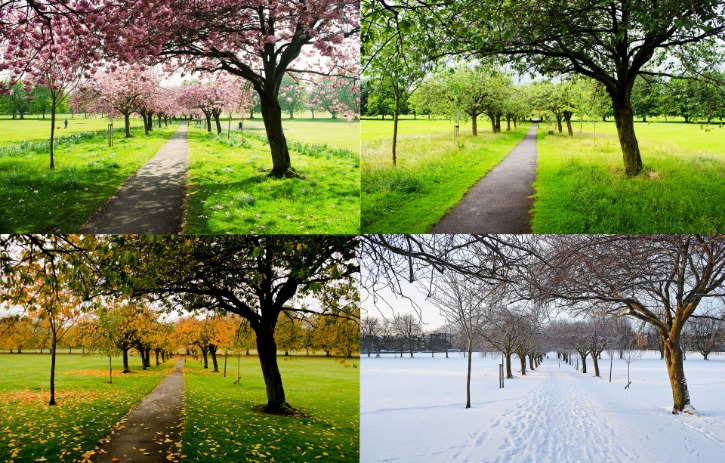
Overview of Tanzania’s Climate and Seasons
Tanzania’s climate is characterized by a warm and generally tropical environment with distinct wet and dry seasons. The country experiences a variety of weather patterns throughout the year, influenced by its diverse geography ranging from coastal areas to highland regions. Understanding Tanzania’s seasons is essential for planning a memorable safari experience, as each period offers unique opportunities to observe wildlife and explore the stunning landscapes.
Distinct Weather Patterns Across the Year
Tanzania experiences a diverse climate and distinct seasons that greatly influence the safari experience throughout the year. Its geographical features, including the coastal plains, highlands, and extensive savannahs, contribute to varied weather patterns across the country. Understanding these seasonal changes is essential for planning a successful safari adventure.
The country generally has a tropical climate with two main rainy seasons: the long rains from March to May and the short rains from November to December. The dry seasons occur from June to October and from January to February, offering ideal conditions for game viewing. During the dry season, animals congregate around water sources, making wildlife spotting easier, especially in the Serengeti and Ngorongoro Crater.
In the coastal regions, including Zanzibar, the climate is hot and humid year-round, with less temperature variation but distinct rainy and dry periods. The highlands, such as Arusha and the Ngorongoro Highlands, tend to be cooler and more temperate, particularly during the cooler months of June to August.
Overall, Tanzania’s four main seasons—short dry, long dry, short rains, and long rains—offer different safari experiences. The dry seasons are popular for wildlife viewing, while the wet seasons bring lush landscapes and are perfect for birdwatching and seeing newborn animals. Planning your safari around these seasons ensures a memorable experience tailored to your preferences.
Impact of Seasons on Safari Experience
Tanzania’s climate is characterized by distinct dry and wet seasons, which significantly influence the safari experience throughout the year. Understanding these seasons helps travelers plan their trips to enjoy the best wildlife sightings and scenic views. The country’s diverse landscapes and climate zones create varied conditions that cater to different preferences and interests during a safari adventure.
- Dry Season (June to October): This period is ideal for safaris as wildlife congregates around water sources, making animals easier to spot. The weather is generally cool and dry, with clear skies and minimal rain. Popular for the Great Migration in Serengeti, this season offers excellent game viewing opportunities.
- Rainy Season (November to May): Marked by short and long rains, this season brings lush green landscapes and abundant birdlife. While some roads may be challenging, the scenery is breathtaking, and it’s a great time for photography and witnessing the birth of young animals.
- Short Rains (November to December): Brief and less intense, these rains rejuvenate the parks with greenery. Wildlife can be seen near waterholes despite occasional showers, and accommodation prices may be more affordable.
- Long Rains (March to May): Heavy rains can cause road closures and muddy conditions, but this season also offers a quieter safari experience with fewer tourists. The landscape is at its most vibrant, and it’s an excellent time for birdwatchers.
The impact of these seasons on the safari experience is profound. The dry season offers optimal game viewing and dramatic landscapes, while the rainy season provides a lush, vibrant environment with unique opportunities for birdwatching and witnessing animal births. Planning your trip according to these seasonal variations will enhance your Tanzanian safari adventure.
Dry Season (June to October)
The dry season in Tanzania, spanning from June to October, is a prime time for safari tourism. During these months, the landscape transforms as the rains recede, revealing vast plains and concentrated wildlife around water sources. This season offers excellent game viewing opportunities, clear skies, and optimal visibility for wildlife watching and photography. It is considered one of the best times to explore Tanzania’s incredible national parks and experience the country’s rich biodiversity.
Wildlife Visibility and Movement
During the dry season from June to October in Tanzania, wildlife visibility and movement are at their peak. Animals tend to congregate around water sources, making it easier for visitors to spot a variety of species. The sparse vegetation also enhances visibility, allowing for clearer and more frequent animal sightings. This period is ideal for game drives, as predators and prey are more active and easier to observe, providing a rich safari experience.
Best Activities During the Dry Season
The dry season in Tanzania, from June to October, is considered the best time for a safari, offering optimal wildlife viewing opportunities. During this period, the weather is warm and dry, making it easier to spot animals as they congregate around water sources. The clear skies and minimal rain also enhance visibility and photography chances. This season aligns with the dry, cool months that encourage wildlife to gather around rivers and waterholes, creating excellent game viewing conditions.
Best activities during the dry season include game drives in national parks such as Serengeti, Ngorongoro Crater, and Tarangire. Visitors can witness the spectacular migration of wildebeests and zebras, which often converge in the Serengeti, providing unforgettable wildlife encounters. Bird watching is also popular, as many species are easier to spot against the dry landscape. Additionally, walking safaris and hot air balloon safaris are more comfortable and offer unique perspectives of Tanzania’s vast and breathtaking landscapes during this season.
Advantages of Visiting in the Dry Season
The Dry Season in Tanzania, from June to October, offers numerous advantages for safari travelers. During this period, the weather is typically clear and sunny, providing excellent visibility for wildlife viewing and photography. The dry landscape makes it easier to spot animals as they congregate around water sources, increasing the chances of seeing a variety of species. Additionally, the lack of rain means less muddy roads, facilitating smoother game drives and easier access to remote areas. This season also coincides with the timing of the Great Migration, allowing visitors to witness dramatic river crossings and large herds in action. Overall, the dry season provides optimal conditions for experiencing Tanzania’s stunning wildlife and scenic landscapes at their best.
Challenges of the Dry Season
The dry season in Tanzania, spanning from June to October, presents both advantages and challenges for safari travelers. During this period, vegetation becomes sparse, making wildlife easier to spot as animals gather around water sources. However, the dry conditions also lead to significant challenges such as limited water availability, which can affect animal movements and behavior. Additionally, the hot and dusty environment can make outdoor activities uncomfortable, and roads can become difficult to navigate due to dry and uneven terrain. Tourists must prepare for these conditions to ensure a safe and enjoyable safari experience during the dry season.
Wet Season (November to May)
The Wet Season in Tanzania, which spans from November to May, marks a lush and vibrant period across the region. During this time, the landscape transforms with abundant rainfall, creating a paradise for wildlife and birdlife. This season offers unique safari experiences, with fewer visitors and the chance to witness the natural beauty of Tanzania’s pristine environment in full bloom.
Rainfall Patterns and Duration
During the Wet Season, which spans from November to May, Tanzania experiences significant rainfall that influences its landscape and wildlife activities. Rainfall Patterns during this period typically involve short, intense showers in November and December, followed by more consistent and prolonged rains from March to May. This season marks the end of the dry period and leads to lush, green scenery across national parks and reserves. The duration of the rains can vary, with some areas experiencing dry spells between showers, while others may receive continuous rainfall for several days. Overall, the wet season provides a unique and vibrant environment for safari experiences, although it may also mean some wildlife areas are harder to access due to muddy roads and heavy rains.
Wildlife Behavior and Birdwatching
During the Wet Season from November to May, Tanzania experiences its lushest period, transforming the landscape into a vibrant mosaic of green. This season is ideal for wildlife viewing as animals congregate near water sources and new vegetation attracts numerous species. Birdwatchers will also enjoy this time, as many migratory birds arrive, adding to the colorful avian diversity. Wildlife behavior during this period often includes increased activity around waterholes, mating rituals, and young animals learning to navigate their environment. Birdwatching enthusiasts can observe a wide variety of bird species, including migratory species, which are abundant during this season. The rainy weather may sometimes hinder travel, but the rich biodiversity and lively birdlife make it a rewarding time for safari-goers.
Unique Safari Opportunities in the Wet Season
During the Wet Season in Tanzania, from November to May, visitors can experience a unique array of safari opportunities that are distinct from the dry months. This period transforms the landscape into lush, vibrant wilderness, offering a different perspective of the country’s remarkable wildlife and scenery.
One of the most notable advantages of visiting during the Wet Season is the abundance of newborn animals, which attracts predator activity and provides incredible wildlife viewing opportunities. Birdwatchers also enjoy this time, as migratory birds arrive in large numbers, creating a spectacular avian display. The rains bring the landscape to life with blooming flowers and swelling rivers, enhancing the beauty of places like Serengeti and Ngorongoro Crater.
Additionally, the Wet Season often means fewer tourists and lower prices, making it a perfect time for travelers seeking a more intimate and budget-friendly safari experience. While some game drives might be affected by muddy roads, the overall experience of witnessing Tanzania’s wildlife and scenery at their most fertile and vibrant makes the Wet Season a uniquely rewarding time for safaris.
Downsides of Visiting During Rainy Months
Visiting Tanzania during the wet season, from November to May, can present several challenges for travelers. Heavy rains can lead to muddy and difficult terrain, making game drives and outdoor activities less comfortable and sometimes impossible. Wildlife sightings may also be less frequent, as animals tend to seek shelter and water sources during heavy rains, reducing the chances of spotting them in the open. Additionally, wet weather can disrupt plans for outdoor excursions and photography, resulting in less optimal experiences. Travel infrastructure can also be affected, with roads becoming impassable or requiring extra caution, and some lodges or campsites may be less accessible or operate with limited services during this period. Overall, the rainy months pose logistical and experiential downsides for those aiming for a smooth and wildlife-rich safari experience in Tanzania.
Shoulder Seasons (April and May, November)
Shoulder seasons, which occur in April, May, and November, are transitional periods between the peak and off-peak travel times in Tanzania. During these months, the landscape begins to change, offering unique safari experiences with fewer tourists and often more affordable accommodations. These seasons provide a quieter, more intimate way to enjoy Tanzania’s stunning wildlife and natural beauty, making them an ideal time for travelers seeking a less crowded adventure.
Transition Periods and Their Characteristics
Shoulder seasons in Tanzania, typically occurring in April, May, and November, are transition periods between the main dry and wet seasons. During these months, the landscape begins to shift, with April and May experiencing the long rains, leading to lush greenery and fewer tourists, making it an ideal time for those seeking a quieter safari experience. November marks the end of the short rains, providing a period of renewal before the dry season begins again. These transition periods are characterized by unpredictable weather, including sudden downpours and fluctuating temperatures, which can impact visibility and wildlife movement. However, they also offer unique opportunities to witness newborn animals and enjoy reduced prices and fewer crowds. Overall, shoulder seasons provide a distinct safari experience that combines the beauty of changing landscapes with cost-effective travel options.
Advantages for Budget Travelers
Shoulder seasons in Tanzania, particularly in April, May, and November, offer excellent advantages for budget travelers seeking a safari experience. During these months, popular parks tend to have lower visitation numbers, leading to more affordable accommodation and tour prices. Travelers can enjoy a quieter, more intimate experience with fewer crowds, making it easier to observe wildlife and enjoy the scenery. Additionally, shoulder seasons often feature lush landscapes due to recent rains, enhancing the beauty of the scenery and offering unique photographic opportunities. This period also provides better chances for early-morning and late-afternoon game drives, as animals are often more active during these cooler, less crowded times.
Wildlife and Landscape Dynamics
Shoulder Seasons in Tanzania, occurring in April, May, and November, are characterized by transitional weather patterns that influence wildlife activity and landscape dynamics. These periods offer unique opportunities for safaris, as the landscape shifts with the changing seasons, impacting the presence and behavior of various species.
- During these months, the scenery often features lush greenery due to the rainy season, creating vibrant and picturesque landscapes.
- Wildlife viewing can be both challenging and rewarding; animals tend to congregate around water sources, making some species easier to spot.
- Birdlife is particularly diverse during shoulder seasons, with numerous migratory species arriving or passing through Tanzania.
- The rainy weather can lead to muddy roads, which may affect safari logistics but also helps to rejuvenate the environment, supporting the growth of new vegetation.
- These seasons are ideal for photography, thanks to the dramatic scenery and active wildlife around waterholes and lush landscapes.
- Landscapes transform from dry plains to vibrant, green regions, emphasizing the dynamic nature of Tanzania’s ecosystems during shoulder seasons.
- Animal behaviors adapt as they react to the changing availability of water and food resources, often resulting in increased movement and activity.
- Conservation efforts during this time help maintain ecological balance, ensuring the sustainability of Tanzania’s iconic wildlife populations.
Special Considerations for Four Seasons Safari Planning
Planning a safari to Tanzania during different seasons requires careful consideration to ensure the best experience. Four Seasons Safari Planning involves understanding the unique weather patterns, wildlife migration schedules, and park conditions that vary throughout the year. Being aware of these special considerations helps travelers make informed decisions, optimize wildlife viewing opportunities, and enjoy a memorable adventure in Tanzania’s stunning landscapes.
Best Time for Specific Wildlife Sightings
Planning a safari in Tanzania during different seasons requires careful consideration of wildlife movements and weather patterns to maximize your experience. Understanding the best time for specific wildlife sightings can significantly enhance your trip, as different species are visible at various times of the year.
- Dry Season (June to October): This is considered the best time for wildlife viewing, as animals gather around water sources and are easier to spot. It is ideal for seeing large herds of elephants, lions, cheetahs, and other predators.
- Wet Season (November to May): The landscape is lush and green, which is perfect for birdwatching. Migratory species such as the flamingos and certain antelope species are more active during this period. However, some roads may be impassable due to rain.
- Great Migration (July to October): Witness the spectacular river crossings of the wildebeest and zebras in the Serengeti during this period, when the herds are at their peak and predators are highly active.
- Birthing Season (January to March): This period is optimal for viewing newborn animals, especially in the southern Serengeti and Ndutu regions, offering incredible close-up wildlife encounters.
By considering these seasonal variations, travelers can tailor their safari experiences to see specific wildlife and enjoy the best possible conditions in Tanzania’s iconic national parks.
Seasonal Events and Cultural Festivals
When planning a four seasons safari in Tanzania, it is essential to consider special factors related to seasonal events and cultural festivals that can enrich your experience. Different times of the year offer unique opportunities to witness various wildlife sightings and participate in local celebrations, making your safari more memorable.
During the dry seasons, particularly from June to October, the landscape tends to be arid, and animals gather around water sources, providing excellent game viewing opportunities. In contrast, the wet seasons from November to May bring lush greenery, migratory bird species, and the calving season for certain wildlife, offering a different type of safari experience.
It’s also important to align your travel schedule with key cultural festivals such as the Mwaka Kogwa in Zanzibar, which celebrates the new year with traditional dances and rituals, or the Serengeti Cultural Festival highlighting Maasai traditions through performances and crafts. Visiting during these events allows travelers to immerse themselves in Tanzania’s rich cultural heritage.
Additionally, some parks host seasonal events, including the Great Migration that peaks between July and October in the Serengeti, providing spectacular wildlife spectacles. Planning your trip around these natural and cultural events enhances your safari, offering opportunities for photography, cultural insight, and personal enrichment.
Preparing for the Climate Conditions
When planning a safari in Tanzania during the four seasons, it is essential to consider the varying climate conditions to ensure a comfortable and enjoyable experience. Each season brings different weather patterns, which can impact safari activities and animal sightings. Proper preparation for these variations will help maximize your chances of seeing wildlife and enjoying your trip.
During the dry season, from June to October, the weather tends to be cooler and rainfall is minimal, making it an ideal time for wildlife viewing as animals gather around water sources. Travelers should pack lightweight, breathable clothing, sun protection, and sufficient water supply. In contrast, the wet season, from November to May, features heavy rains and lush landscapes. Visitors should prepare for muddy conditions by bringing waterproof gear, sturdy footwear, and insect repellent to manage increased mosquito activity.
In the short rainy season (November to December), showers are typically brief but intense, so quick-drying clothing is recommended. The long rainy season (March to May) often results in fewer tourists and more vibrant scenery, but access to some regions might be limited. Adjusting your itinerary accordingly and being flexible with activity schedules can enhance your safari experience during these months.
Overall, understanding the seasonal climate patterns in Tanzania and preparing appropriate gear will help ensure a safe, comfortable, and memorable safari adventure throughout the year.


0 Comments