
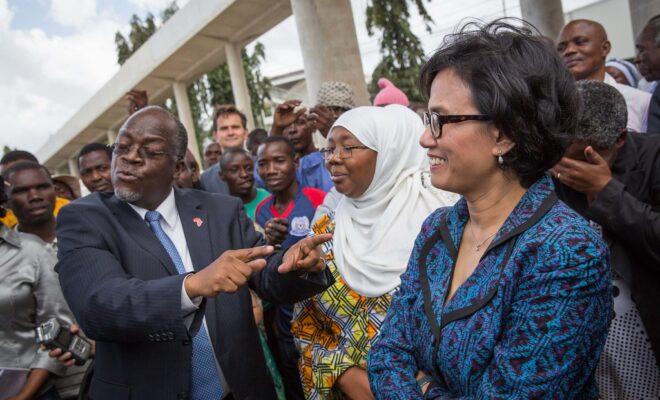
Overview of Required Vaccines in Tanzania
Tanzania has a comprehensive immunization program aimed at protecting its population from preventable diseases. The country requires several vaccines for children, pregnant women, and specific groups to ensure public health safety. These vaccines are part of the national immunization schedule overseen by the Ministry of Health, Community Development, Gender, Elderly and Children.
Key vaccines include Bacillus Calmette-Guérin (BCG) for tuberculosis, Oral Polio Vaccine (OPV), Inactivated Polio Vaccine (IPV), Diphtheria, Tetanus, and Pertussis (DTP), Haemophilus influenzae type b (Hib), Hepatitis B, and the Rotavirus vaccine. Additionally, the Pneumococcal Conjugate Vaccine (PCV), Measles, Mumps, and Rubella (MMR), and the Human Papillomavirus (HPV) are also part of the immunization schedule.
Vaccination is mandatory for all children and is usually provided free of charge at government health facilities. The program emphasizes the importance of timely vaccination to prevent outbreaks and ensure comprehensive community immunity. Regular immunization campaigns also help reach populations in remote areas, enhancing overall vaccine coverage across Tanzania.
Vaccination Schedule for International Travelers
Traveling to Tanzania requires careful planning, especially when it comes to health precautions. Ensuring you are up-to-date with the necessary vaccinations is essential for a safe and enjoyable trip. An appropriate vaccination schedule can protect you from common diseases prevalent in the region and help you comply with international travel health regulations.
Pre-Travel Vaccinations
When planning travel to Tanzania, it is essential to ensure you are up-to-date with recommended vaccinations to protect yourself and prevent the spread of diseases. Pre-travel vaccinations for Tanzania typically include immunizations against yellow fever, typhoid, hepatitis A and B, and possibly rabies depending on activities planned. The yellow fever vaccine is particularly important, as proof of vaccination is required for entry into Tanzania for travelers coming from countries with yellow fever risk. It is advised to consult a healthcare provider at least 4 to 6 weeks before your trip to determine which vaccines are necessary based on your health history and travel itinerary. Additionally, ensuring your routine vaccines, such as measles-mumps-rubella (MMR), diphtheria-tetanus-pertussis, and influenza, are current is recommended before traveling to Tanzania.
Post-Arrival Vaccinations
For international travelers visiting Tanzania, it is essential to update certain vaccinations prior to departure to ensure protection against local diseases. Post-arrival vaccinations may also be necessary depending on the traveler’s health status and the duration of stay. Key recommended vaccines for Tanzania include Yellow Fever, which is a required vaccination for entry, as well as Hepatitis A and B, Typhoid, and Rabies. It is advisable to consult with a healthcare provider or travel clinic well in advance of your trip to determine the appropriate vaccination schedule tailored to your itinerary and health needs. Additionally, travelers should carry vaccination certificates, especially for Yellow Fever, as proof of immunization may be required upon entry to Tanzania or other transit countries.
Mandatory Vaccines for Entry into Tanzania
Travelers planning to visit Tanzania should be aware of the mandatory vaccination requirements for entry into the country. These health measures are put in place to protect both visitors and residents from preventable diseases. Understanding the specific vaccines needed can help ensure a smooth and hassle-free entry into Tanzania, making it essential to stay informed about current immunization policies.
Yellow Fever
Travelers entering Tanzania are required to have certain vaccinations to ensure their health and safety. One of the most important vaccines for entry into Tanzania is the Yellow Fever vaccine. This vaccination is mandatory for all travelers arriving from countries where Yellow Fever is endemic or where there is a risk of transmission. Proof of vaccination, in the form of an International Certificate of Vaccination or Prophylaxis, must be presented upon arrival. Additionally, it is recommended to ensure other routine vaccinations such as MMR, typhoid, hepatitis A and B, and tetanus are up to date before traveling. Getting vaccinated not only helps protect individual travelers but also contributes to preventing the spread of infectious diseases within Tanzania.
Polio
Traveling to Tanzania requires visitors to adhere to specific health regulations, including mandatory vaccinations. One of the essential vaccines for entry into Tanzania is the Polio vaccine, especially for travelers coming from regions where Polio is still a concern. The Polio vaccination must be recent and documented according to international health standards. In addition to Polio, travelers may also be required to have vaccinations for yellow fever, typhoid, hepatitis A and B, and other recommended immunizations to ensure safety and prevent the spread of infectious diseases. It is crucial to consult with a healthcare provider or travel clinic prior to your trip to confirm vaccination requirements and obtain necessary immunizations for your stay in Tanzania.
Cholera (if applicable)
Travelers entering Tanzania are generally required to have certain vaccinations to ensure their health and safety during their stay. A valid yellow fever vaccination certificate is mandatory for all travelers arriving from countries with a risk of yellow fever transmission. Additionally, vaccination against cholera may be recommended or required for travelers coming from regions experiencing outbreaks, especially for those engaging in activities that may increase exposure, such as visiting rural areas or attending mass gatherings. It is advised to consult with a healthcare provider or travel clinic well in advance of your trip to determine which vaccines are necessary based on your travel itinerary and current health advisories.
Recommended Vaccines for Travelers
Traveling to Tanzania requires careful planning to ensure a safe and healthy journey. One essential aspect is staying up-to-date with recommended vaccines to protect against potential diseases prevalent in the region. Understanding the necessary vaccinations can help travelers prepare appropriately and enjoy their adventure with peace of mind.
Hepatitis A
Hepatitis A vaccine is highly recommended for travelers visiting Tanzania to protect against the hepatitis A virus, which is transmitted through contaminated food and water. This vaccine is typically given as a two-dose series, with the second dose administered 6 to 12 months after the first, providing long-term protection. Travelers engaging in outdoor activities, sampling local cuisines, or staying in areas with limited sanitation should especially consider receiving this vaccine. It is advisable to get vaccinated at least two weeks before travel to ensure full immunity. Consulting with a healthcare professional or travel medicine specialist is recommended to determine individual vaccination needs and to stay updated on any new health advisories for Tanzania.
Hepatitis B
Hepatitis B is a crucial vaccine for travelers heading to Tanzania, especially for those who may have close contact with the local population, healthcare workers, or plan to stay for an extended period. The hepatitis B vaccine helps protect against the hepatitis B virus, which can be transmitted through contact with infected blood or bodily fluids. It is recommended that travelers complete the vaccination series before their trip to ensure optimal immunity. Consulting with a healthcare provider or travel medicine specialist is advised to determine the appropriate timing and number of doses needed. Staying vaccinated is an important step in preventing illness during your visit to Tanzania.
Typhoid
For travelers heading to Tanzania, ensuring you are protected against preventable diseases is essential. Typhoid vaccine is strongly recommended due to the risk of exposure to contaminated food and water, especially in areas with limited sanitation. Getting vaccinated before your trip can significantly reduce your chances of contracting typhoid fever and ensure a safer travel experience.
- Typhoid Vaccine: It is recommended for travelers visiting rural or less-developed regions of Tanzania where sanitation may be inadequate. The vaccine can be administrated as an injection or oral capsules and should be taken at least a week before travel.
Rabies
When traveling to Tanzania, it is important to ensure you are up-to-date on recommended vaccines to protect yourself from various diseases. One of the key vaccines to consider is the rabies vaccine, especially if you plan to engage in outdoor activities, stay in rural areas, or interact with animals. Rabies is a deadly viral disease transmitted through bites or scratches from infected animals such as dogs, bats, and other wildlife commonly found in Tanzania. The pre-exposure rabies vaccination is advisable for travelers who will have limited access to medical care or are planning extended stays in areas where rabies poses a risk. Consult your healthcare provider or a travel medicine specialist to determine if rabies vaccination is appropriate for your trip and to receive guidance on other recommended vaccines for your travel to Tanzania.
Meningococcal Disease
When traveling to Tanzania, it is highly recommended to get vaccinated against meningococcal disease to protect yourself from this potentially serious bacterial infection. Meningococcal vaccination is especially advised for travelers visiting areas where outbreaks have occurred or during the dry season when the risk of transmission increases. This vaccine helps prevent meningitis caused by Neisseria meningitidis and is an important part of your pre-travel health preparations. Consult with a healthcare professional to determine if you should receive the vaccine and to ensure you are adequately protected before your trip to Tanzania.
Vaccine Providers and Accessibility
Vaccine providers play a crucial role in ensuring that essential immunizations reach all populations, especially in countries like Tanzania where healthcare infrastructure varies across regions. Accessibility to vaccines is vital for preventing disease outbreaks and promoting public health. In Tanzania, efforts are underway to improve vaccine distribution and ensure that everyone, regardless of location or socioeconomic status, can receive the necessary vaccines to protect themselves and their communities.
Government Health Clinics
Vaccine providers and accessibility in Tanzania are crucial for ensuring that the population has adequate protection against preventable diseases. Government health clinics play a significant role in delivering vaccines, especially in rural and underserved areas where private healthcare facilities are limited. These clinics are often the primary point of contact for immunization services, making them essential for achieving national vaccination coverage targets. Efforts by the government to expand the reach of these clinics and streamline vaccine supply chains are vital for increasing accessibility and reducing disparities. Additionally, community outreach programs and mobile clinics help bridge gaps in vaccination coverage, ensuring that even remote communities receive necessary vaccines in a timely manner.
Private Hospitals and Clinics
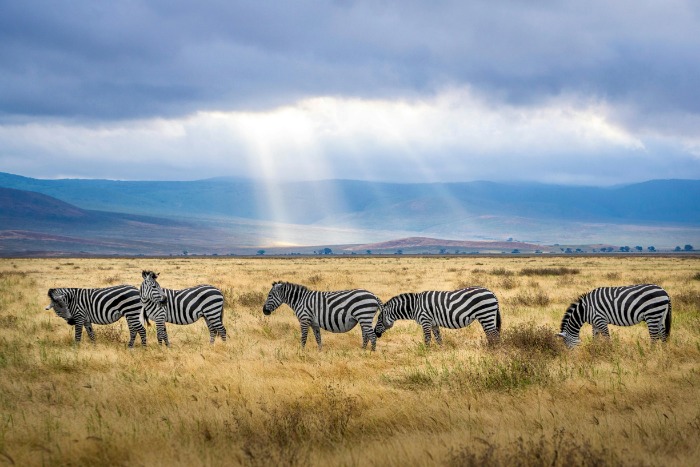
In Tanzania, vaccine providers play a crucial role in ensuring widespread access to essential immunizations. Private hospitals and clinics have become vital components of the healthcare system, supplementing government efforts by offering vaccines in urban and semi-urban areas. These private facilities often provide more flexible hours and convenient locations, making vaccines more accessible to diverse populations. Efforts to improve vaccine accessibility in Tanzania focus on expanding the network of private providers, reducing costs, and increasing public awareness about the importance of vaccination. Collaborations between public health authorities and private healthcare providers aim to ensure equitable distribution and timely administration of required vaccines across the country.
Travel Clinics and International Vaccination Centers
In Tanzania, access to vaccines is facilitated through a variety of providers including government clinics, private healthcare facilities, and specialized travel clinics. These providers are equipped to administer necessary vaccines required for both local residents and international travelers. Travel clinics and international vaccination centers play a crucial role by offering tailored immunization services to meet specific travel health requirements, such as yellow fever, typhoid, hepatitis A and B, and other recommended vaccines for visitors to Tanzania. Accessibility to these services ensures that travelers and locals alike can receive timely immunizations, contributing to the overall health and safety of everyone. It is recommended to consult with authorized vaccine providers well in advance of travel to ensure all required vaccinations are completed according to international health regulations.
Additional Health Precautions
When traveling to Tanzania, ensuring additional health precautions can help protect your well-being. Vaccinations are an essential part of these measures, safeguarding against various infectious diseases prevalent in the region. Being prepared with the right vaccines and health knowledge can make your trip safer and more enjoyable.
Malaria Prevention Measures
When traveling to Tanzania, it is essential to take additional health precautions to prevent malaria. Malaria is prevalent in many parts of the country, especially in rural and northern regions. Travelers should consider taking antimalarial medication as prescribed by a healthcare provider before, during, and after their trip. Using insect repellent containing DEET, wearing long-sleeved clothing, and sleeping under insecticide-treated bed nets can significantly reduce the risk of mosquito bites. It is also advisable to stay in well-screened or air-conditioned accommodations to minimize exposure to mosquitoes. Consulting a healthcare professional for personalized advice and ensuring all recommended vaccines are up to date can help guarantee a safe and healthy visit to Tanzania.
Other Recommended Vaccines Based on Duration and Location
When traveling to Tanzania, it is important to consider additional health precautions and vaccines based on the duration of your stay and specific locations within the country. These measures can help protect you from preventable diseases and ensure a safer trip.
- Hepatitis A and B vaccines are highly recommended due to potential exposure through contaminated food, water, and medical facilities.
- Typhoid vaccination is advised, especially if you plan to visit rural areas or rural regions where sanitation may be limited.
- Yellow fever vaccination is required for travelers coming from countries with risk of yellow fever transmission; proof of vaccination may be requested upon entry.
- Rabies vaccination should be considered if you plan to engage in outdoor activities, work with animals, or visit rural communities.
- Malaria prophylaxis is strongly recommended throughout most regions of Tanzania, particularly during the rainy season.
- If staying longer or visiting remote areas, discuss with a healthcare provider about additional vaccines like meningococcal or cholera vaccines.

0 Comments