

Geography of Ghana
Ghana is a West African country known for its diverse geography that includes coastal savannahs, forests, and mountains. Located along the Gulf of Guinea, it boasts a variety of landscapes that support rich wildlife and vibrant ecosystems. Its geographical features have played a significant role in shaping its climate, agriculture, and culture, making Ghana a unique and fascinating part of the African continent.
Location and Borders
Ghana is a country located along the Gulf of Guinea in West Africa. It is known for its diverse geography, which includes coastal plains, forested areas, and inland savannahs. Ghana’s location makes it a central hub for trade and cultural exchange within the region.
- Ghana shares borders with three countries: Côte d’Ivoire to the west, Burkina Faso to the north, and Togo to the east.
- The southern coastline of Ghana stretches along the Gulf of Guinea, providing access to maritime trade routes.
- The northern parts of Ghana are characterized by savannah and semi-arid conditions, while the southern regions feature dense rainforests.
Major Landforms and Regions
Ghana is a country located in West Africa, known for its diverse geography and vibrant culture. The landscape of Ghana features a mix of coastal plains, forests, and savannahs, which contribute to its rich biodiversity. It has a variety of major landforms including beaches along the Atlantic Ocean, inland hills, and river valleys. The country is divided into several regions, each with unique geographical characteristics. The Coastal Region is characterized by lagoons, sandy beaches, and estuaries. The Ashanti Region features rolling hills and dense forests, while the Northern Region consists mainly of savannah plains. The Volta Region is notable for the Volta Lake, one of the largest reservoirs in the world, and the mountainous Eastern Region features the Akwapim-Togo mountain range. Ghana’s geography plays a significant role in its agriculture, economy, and cultural practices, making it a diverse and vibrant nation in Africa.
Climate and Weather Patterns
Ghana, located along the Gulf of Guinea in West Africa, features a diverse geography that includes coastal savannahs, dense forests, and the expansive inland plains. The country’s landscape is characterized by the presence of the Volta River and Lake Volta, one of the largest artificial reservoirs in the world. To the north, the terrain becomes more arid with dry savannah, while the southern regions are characterized by lush greenery and fertile soils suitable for agriculture.
The climate of Ghana is predominantly tropical, with distinct wet and dry seasons. The coastal areas experience a hot and humid climate year-round, with temperatures typically ranging from 25°C to 30°C. The rainy season occurs from April to June and September to November, bringing heavy rainfall that supports the country’s rich biodiversity. The northern regions have a more pronounced dry season, with relatively cooler temperatures and lower rainfall, especially from December to March. These weather patterns influence agriculture, water resource management, and daily life across Ghana.
History of Ghana
Ghana, located in West Africa, boasts a rich history that spans thousands of years. It was once home to powerful ancient kingdoms such as the Ghana Empire, which thrived in trade and culture. Over centuries, the region experienced significant changes through the influence of various civilizations, including the arrival of European traders and colonizers. Ghana gained independence from British rule in 1957, becoming the first sub-Saharan African country to do so, and has since progressed as a vibrant nation with deep cultural roots and a dynamic history.
Ancient Kingdoms and Empires
Ghana’s history is rich and deeply rooted in various ancient kingdoms and empires that shaped the region long before it became a modern nation. The area now known as Ghana was the site of several influential civilizations, including the powerful Kingdom of Ghana, which thrived from around the 6th to the 13th century. This kingdom was notable for its wealth generated through control of gold trade and its sophisticated political and social structures.
Following the decline of the Kingdom of Ghana, the region witnessed the rise of the Mali Empire and later the Songhai Empire, both of which contributed to the area’s development and cultural diversity. In the 15th century, the advent of the Portuguese and other European traders marked the beginning of a new era, emphasizing trade and interaction with Europeans.
In the wake of European influence, various local states and chiefdoms continued to flourish, such as the Ashanti Empire, which emerged in the 17th century and became one of West Africa’s most powerful kingdoms. The Ashanti were renowned for their organized political systems, military strength, and rich cultural traditions. Their resistance against British colonization in the 19th century played a significant role in shaping modern Ghana’s history.
Ghana gained independence from British colonial rule in 1957, becoming the first country in sub-Saharan Africa to do so. The country’s historical legacy of ancient kingdoms and empires remains an essential part of its cultural identity and heritage, showcasing a long history of political ingenuity, economic prosperity, and resilience.
Colonial Period and Independence
Ghana, located in West Africa, has a rich history that dates back thousands of years, with numerous ancient civilizations and kingdoms such as the Kingdom of Dagbon and the Ashanti Empire playing significant roles in its early development. During the colonial period, Ghana was known as the Gold Coast and was primarily controlled by the British, who established trading posts and exploited its abundant natural resources, including gold, cocoa, and minerals. The colonial rule brought modern institutions but also many challenges, including social and economic inequalities. The push for independence gained momentum in the mid-20th century, driven by leaders like Kwame Nkrumah, who championed Pan-Africanism and self-rule. In 1957, Ghana became the first sub-Saharan African country to gain independence from colonial rule, marking a pivotal moment in African history and inspiring movements for liberation across the continent.
Post-Independence Developments
Ghana, located in West Africa, has a rich history marked by ancient kingdoms, colonialism, and a vibrant post-independence era. After gaining independence from British rule in 1957, Ghana became the first sub-Saharan African country to achieve independence, fueling hopes for widespread decolonization across the continent.
Post-independence developments in Ghana have significantly shaped its modern identity and development trajectory. The country experienced a series of political changes, including military coups and democratic transitions, reflecting the challenges of nation-building. Despite these hurdles, Ghana has made notable progress in economic development, education, and governance.
- Political Stability: Ghana transitioned to stable democratic governance in 1992 and has held multiple peaceful elections since then.
- Economic Growth: The discovery of gold, cocoa, and oil resources has propelled economic expansion, although challenges such as inflation and unemployment remain.
- Social Development: Investments in education and health sectors have improved literacy rates and healthcare access across the nation.
- Regional Influence: Ghana plays a vital role in regional organizations like ECOWAS, promoting peace and economic integration in West Africa.
Culture and Society
Ghana, a vibrant country in West Africa, boasts a rich tapestry of culture and society that reflects its diverse history and traditions. From colorful festivals to traditional music and dance, Ghanaian culture is deeply rooted in community, spirituality, and storytelling. The society in Ghana is characterized by its warm hospitality, strong family bonds, and respect for elders, all of which contribute to a unique and dynamic social fabric that continues to evolve while honoring its heritage.
Languages Spoken
Ghana, located in West Africa, boasts a rich and diverse culture that reflects its history and multicultural society. The country’s society is shaped by a blend of indigenous traditions and modern influences, creating a vibrant social fabric that is unique to the region.
- Ghanaian culture emphasizes community, family, and respect for elders, which are central values in everyday life.
- Music and dance play a vital role in cultural expressions, with popular genres like highlife and hiplife celebrated nationally and internationally.
- Festivals such as Homowo and Panafest showcase traditional ceremonies, storytelling, and performances that attract both locals and tourists.
The official language of Ghana is English, a legacy of British colonial rule. However, numerous indigenous languages are also widely spoken across the country, reflecting its cultural diversity.
- Akan languages, including Twi and Fante, are among the most spoken and serve as lingua francas in many regions.
- Mole-Dagbon languages, such as Mole and Dagbani, are prevalent in the northern parts of Ghana.
- Other notable languages include Ewe, spoken in the Volta Region, and Ga, spoken in Accra and surrounding areas.
Traditional Festivals and Practices
Ghana, located in West Africa, boasts a rich cultural heritage that is deeply rooted in its traditional festivals and practices. These celebrations reflect the diverse ethnic groups and histories that shape Ghanaian society, fostering community spirit and preserving ancestral customs.
- Homowo Festival: Celebrated by the Ga people, this festival marks the end of a famine and promotes unity through colorful parades, drumming, dancing, and traditional rituals.
- Panafest: An annual cultural event that promotes Pan-African unity, showcasing Ghanaian music, dance, and art, honoring the continent’s heritage.
- Fetu Afahye Festival: Observed by the people of Cape Coast, this festival commemorates a historic victory over enemies, featuring processions, drumming, and traditional rites.
- Adowa Dance: A traditional dance performed by the Ashanti and other Akan groups during festivals and ceremonies, symbolizing respect, history, and social cohesion.
- Kente Cloth Weaving: An essential cultural practice where the intricate textile is woven using specific patterns and colors to represent status, identity, and social values.
These festivals and practices are not only vibrant displays of Ghanaian culture but also vital in passing down traditions from generation to generation, strengthening social bonds and fostering national pride.
Arts and Crafts
Ghana, a vibrant country in West Africa, boasts a rich tapestry of culture and society that is deeply rooted in its history and diverse ethnic groups. The nation is renowned for its colorful festivals, traditional music, and dance that reflect the values and beliefs of its people. Arts and crafts play a significant role in Ghanaian culture, with intricate beadwork, textile weaving, and wood carvings serving as expressions of artistic heritage. The famous Kente cloth, woven with bright, complex patterns, symbolizes social status and cultural identity. Local artisans also produce beautiful pottery, leatherwork, and jewelry, which are often sold in bustling markets and showcased during cultural celebrations. These traditional arts not only preserve Ghana’s heritage but also contribute to its economy, fostering pride and community among its citizens. Overall, Ghana’s arts and crafts exemplify its rich cultural diversity and enduring societal traditions.
Economy of Ghana
The economy of Ghana is one of the most prominent in West Africa, characterized by diverse sectors including agriculture, mining, and services. As a country rich in natural resources, Ghana’s economic growth has been driven largely by the export of commodities such as gold, cocoa, and oil. The nation has made significant progress in recent years, striving to diversify its economy and improve infrastructure to boost development and stability across the region.
Major Industries and Sectors
Ghana, located in West Africa, has a diverse and developing economy that plays a crucial role in the region’s stability and growth. Its economy is characterized by a mix of traditional and modern sectors, with a significant reliance on agriculture, mining, and industry. Ghana is known for its rich natural resources, which contribute substantially to its economic activities.
Major industries in Ghana include agriculture, which employs a large portion of the population, producing crops such as cocoa, maize, yams, and cassava. The country is one of the world’s leading producers of cocoa beans, making cocoa exports a vital sector for its economy. Mining is also a key industry, with Ghana being a major producer of gold, diamonds, and bauxite. The mining sector attracts significant foreign investment and contributes substantially to national revenue.
In addition to agriculture and mining, Ghana’s manufacturing industries are growing, focusing on processed foods, textiles, chemicals, and cement. The services sector, including banking, telecommunications, and tourism, has expanded rapidly in recent years, further supporting economic development. The discovery of oil and natural gas resources has added new dimensions to Ghana’s economy, promising future growth and diversification.
Agriculture and Farming
Ghana, located in West Africa, boasts a diverse and growing economy with agriculture playing a vital role. As one of the leading agricultural countries in the region, Ghana’s economy heavily depends on farming and the production of staple crops. The agricultural sector employs a significant portion of the population, providing livelihood opportunities for millions of Ghanaians.
Ghana’s farming industries include cocoa, which is renowned globally and serves as one of the country’s main export commodities. Other major agricultural products include yams, cassava, maize, rice, and oil palm. The government has implemented various initiatives to modernize farming techniques, improve productivity, and promote sustainable agriculture practices to ensure food security and economic stability.
In addition to crop farming, livestock farming such as poultry, cattle, and goat rearing contributes to Ghana’s agricultural sector. The development of agricultural infrastructure, access to credit, and research innovations are crucial for enhancing Ghana’s agricultural output and supporting the nation’s broader economic growth. Overall, agriculture remains a cornerstone of Ghana’s economy, with efforts ongoing to diversify and strengthen this vital sector.
Mining and Natural Resources
Ghana has a diverse and vibrant economy, with mining and natural resources playing a crucial role in its development. The country is one of the leading producers of gold in Africa, often referred to as the “Gold Coast” due to its rich deposits. In addition to gold, Ghana also extracts significant quantities of cocoa, which is a major exporter and vital to its economy. The mining sector in Ghana has attracted considerable foreign investment and continues to grow, contributing substantially to national revenue.
Natural resources such as bauxite, manganese, and oil further bolster Ghana’s economic stability. The discovery of offshore oil reserves in the early 2000s has opened new opportunities for economic diversification and increased government revenue. However, the reliance on natural resource exports also poses challenges, including economic vulnerability to global commodity price fluctuations.
Ghana is actively working to manage its natural resources sustainably while promoting industrialization and economic diversification. The government encourages responsible mining practices and investments in value-added processing to maximize the benefits from its natural assets. Overall, the mining and natural resources sector remains vital to Ghana’s economic growth and development in Africa.
Tourism and Hospitality
Ghana, located in West Africa, boasts a vibrant economy driven by diverse sectors such as agriculture, mining, and industry. The country has experienced steady economic growth over the past decades, largely due to its rich natural resources, including gold, cocoa, and oil. Ghana’s stable political environment and improving infrastructure have fostered economic development and attracted foreign investment.
Tourism and hospitality play a significant role in Ghana’s economy, contributing to employment and revenue generation. The country is renowned for its rich cultural heritage, historic sites, and natural attractions, which draw millions of visitors each year. From the UNESCO World Heritage site of Cape Coast Castle to the scenic beaches of Labadi and the Volta Region’s waterfalls, Ghana offers diverse experiences for tourists.
- Major tourism attractions include historical forts, national parks, and vibrant festivals.
- The hospitality sector has expanded with hotels, resorts, and tour operators catering to international visitors.
- Government initiatives aim to promote tourism through marketing campaigns and infrastructure development.
- Ghana’s economy continues to diversify with investments in technology and manufacturing sectors.
- Tourism remains a key pillar, supported by efforts to preserve cultural heritage and natural landscapes.
- Ongoing improvements in transportation and hospitality services seek to enhance visitor experiences.
Political Structure
Ghana, a vibrant country in West Africa, boasts a democratic political structure that has evolved over the years. Its system is based on a constitutional democracy with an elected president serving as the head of state and government. The country also has a legislative body known as Parliament, which plays a crucial role in making laws and representing the people. Ghana’s political framework promotes stability, transparency, and active participation from its citizens, making it a model of democratic governance in the region.
Government System
Ghana’s political structure is a unitary republic with a democratic government system. The country operates under a constitution that establishes a multi-party system, ensuring political pluralism and free elections. The government is divided into three branches: the Executive, the Legislature, and the Judiciary. The President, elected by popular vote, serves as both head of state and head of government, overseeing the executive branch. The Parliament of Ghana is a unicameral body responsible for making laws and representing the people. The judiciary operates independently to interpret the laws and uphold the constitution, ensuring justice and the rule of law. Ghana’s government system promotes participation, accountability, and governance based on democratic principles.
Administrative Divisions
Ghana is a unitary republic with a political structure that emphasizes democratic governance and republican principles. The country operates under a constitution that outlines the separation of powers among the executive, legislative, and judicial branches. The President of Ghana serves as both the head of state and government, elected through a popular vote for a four-year term. The Parliament of Ghana is a unicameral body responsible for making laws and representing the diverse interests of the people.
Administratively, Ghana is divided into several levels of divisions to facilitate effective governance. The country is first divided into ten regions, each headed by a Regional Minister appointed by the President. These regions are further subdivided into districts, which serve as the primary administrative units. Each district is administered by a District Assembly, which includes elected members and representatives appointed by the central government. These divisions help in decentralizing authority and promoting local development and administration across Ghana.
Key Political Figures
Ghana’s political structure is a democratic republic characterized by a multi-party system. It features an executive branch led by the President, who is both the head of state and government. The legislative functions are carried out by a Parliament that is unicameral. The judiciary operates independently to uphold the rule of law and ensure justice.
- President: The President is elected every four years and serves as the chief executive officer.
- Parliament: Composed of Members of Parliament (MPs) elected from constituencies across the country.
- Judiciary: Includes the Supreme Court, the Court of Appeal, and other lower courts.
- John Dramani Mahama – Former President and influential political figure.
- Nana Akufo-Addo – The current President, serving since 2017.
- Alan Kyerematen – Prominent politician and Minister of Trade and Industry.
Education in Ghana
Education in Ghana plays a vital role in the nation’s development and progress. As a country located in West Africa, Ghana has made significant efforts to improve access to quality education for its citizens. The education system in Ghana incorporates various levels, from primary schooling to higher education, with a focus on equipping students with the skills needed for the country’s growth and integration into the global economy.
Educational System Overview
Education in Ghana is a vital sector that plays a significant role in the country’s development. It aims to equip students with knowledge, skills, and values necessary for national progress and individual growth.
The educational system in Ghana is structured into several levels, from basic education to higher education, governed by the Ministry of Education. It is designed to be inclusive and accessible to all children and young adults.
- Basic Education: The first stage, including kindergarten (creche and nursery), primary school, and Junior High School (JHS), typically lasting 11 years. Free and compulsory, it ensures fundamental literacy and numeracy skills.
- Senior High School: Covering grades equivalent to high school, this stage prepares students for tertiary education or vocational training. It lasts three years and offers various academic and technical programs.
- Tertiary Education: Universities, polytechnics, colleges of education, and professional institutes provide higher education. Ghana boasts several reputable universities such as the University of Ghana, Kwame Nkrumah University of Science and Technology, and others.
- Quality and access remain priorities, with ongoing efforts to improve infrastructure, teacher training, and curriculum relevance.
- The education system emphasizes science, technology, engineering, and mathematics (STEM), as well as vocational skills to meet diverse economic needs.
- Challenges include disparities in rural and urban areas, funding constraints, and the need for curriculum modernization.
Higher Education and Universities
Education in Ghana, particularly in higher education and universities, plays a vital role in shaping the nation’s development and growth. Ghana has a diverse range of institutions that provide tertiary education to both local and international students, fostering a well-educated workforce essential for economic progress.
Higher education in Ghana is characterized by its numerous universities, colleges, and technical institutions. The University of Ghana, established in 1948, is the oldest and most prominent university, known for its academic excellence and extensive research output. Other notable universities include Kwame Nkrumah University of Science and Technology, University of Cape Coast, and University for Development Studies, each offering specialized programs to meet various societal needs.
The Ghanaian higher education system emphasizes the development of critical thinking, innovation, and practical skills. The government continues to invest in universities to improve infrastructure, faculty quality, and research capabilities. These efforts aim to produce skilled graduates who can contribute effectively to Ghana’s economy and its integration into the broader African development agenda.
Challenges and Opportunities
Education in Ghana, a country in Africa, plays a vital role in the nation’s development and socio-economic progress. It serves as a foundation for building a skilled workforce, promoting social cohesion, and fostering innovation. Over the years, Ghana has made significant strides in expanding access to education at all levels, from primary to tertiary institutions.
However, the country faces several challenges in its education sector. Inadequate infrastructure, insufficient funding, and disparities between urban and rural areas hinder equitable access to quality education. Additionally, there is a shortage of qualified teachers and a mismatch between the skills taught and the needs of the job market. These issues can affect student performance and limit opportunities for national growth.
Despite these hurdles, Ghana’s education system presents numerous opportunities. Investments in technology and digital learning can enhance teaching methods and broaden access. The government’s initiatives to improve teacher training, curriculum reforms, and partnerships with international organizations aim to address existing gaps. Strengthening education offers a pathway toward economic development, social stability, and the empowerment of Ghana’s youth, ensuring the nation remains competitive in the global arena.
Healthcare System
The healthcare system in Ghana is a vital component of the country’s development, aiming to improve the health and well-being of its population. It combines public and private sector efforts to provide accessible and quality medical services across urban and rural areas. Despite facing challenges such as resource limitations and infrastructure needs, Ghana continues to make progress in expanding healthcare coverage and improving health outcomes for its citizens.
Public Health Infrastructure
Ghana’s healthcare system and public health infrastructure play a vital role in ensuring the well-being of its population. The country has made significant progress in expanding access to healthcare services through the development of hospitals, clinics, and community health programs. The Ghana Health Service oversees the delivery of public health initiatives, focusing on disease prevention, maternal and child health, and infectious disease control.
In recent years, Ghana has prioritized strengthening its health infrastructure by investing in medical equipment and training healthcare workers. The government also collaborates with international organizations to improve health outcomes and combat health threats like malaria, HIV/AIDS, and Ebola. Despite these advancements, challenges remain in ensuring equitable healthcare access across urban and rural areas, and in addressing limited healthcare funding.
Overall, Ghana’s public health infrastructure continues to evolve, aiming to build a resilient healthcare system capable of meeting the population’s needs and improving overall health standards in the country.
Common Diseases and Health Issues
The healthcare system in Ghana primarily consists of public, private, and traditional health providers, aiming to deliver accessible and affordable care to its population. Despite ongoing improvements, challenges such as limited resources, inadequate infrastructure, and workforce shortages affect the overall quality of healthcare services. Common diseases in Ghana include malaria, which remains a leading cause of morbidity and mortality, alongside respiratory infections, diarrhea, and vector-borne diseases. Non-communicable diseases such as hypertension, diabetes, and cardiovascular diseases are rising, contributing to an evolving health landscape. Additionally, health issues like maternal and child health struggles, malnutrition, and emerging outbreaks necessitate continuous attention and intervention to improve health outcomes across the country.
Medical Services and Access
Ghana’s healthcare system has made significant progress in expanding medical services and improving access for its population. The country has established a network of hospitals, clinics, and health centers that provide essential healthcare services across urban and rural areas. The government has prioritized universal health coverage, aiming to ensure that all citizens can receive necessary medical care without financial hardship. Despite advancements, challenges such as limited healthcare infrastructure in remote regions, shortages of medical supplies, and disparities in service quality still exist. Efforts continue to focus on strengthening healthcare delivery, increasing healthcare funding, and training more healthcare professionals to narrow the gap in access and improve health outcomes for Ghanaians.
Important Cities and Landmarks
Ghana, located in West Africa, is a country rich in history, culture, and vibrant cities. It boasts a blend of modern urban centers and historic landmarks that attract travelers from around the world. From bustling markets to iconic sites, Ghana’s important cities and landmarks offer a glimpse into its diverse heritage and dynamic spirit.
Accra
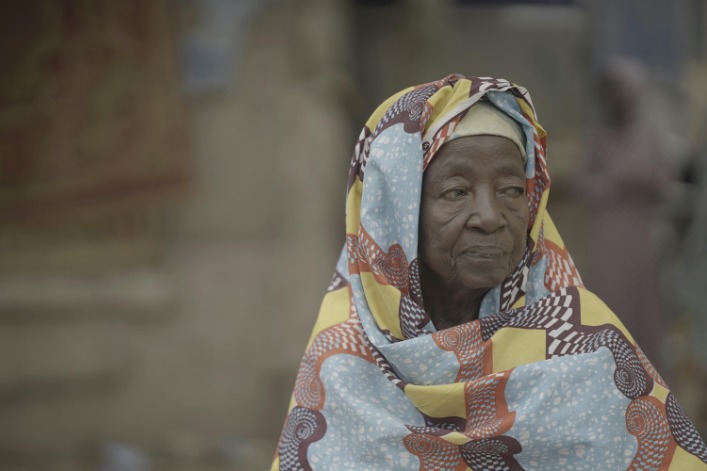
Accra, the capital city of Ghana, is a vibrant hub of culture, history, and modern development. It is renowned for its diverse landmarks and bustling urban life. The city is home to important sites such as the Independence Square, which commemorates Ghana’s independence from colonial rule, and the National Museum, offering insights into the country’s rich history and heritage. Labadi Beach provides a popular recreational spot for both locals and visitors, while theKwame Nkrumah Mausoleum honors Ghana’s first president and his contributions to the independence movement. Accra’s lively markets, such as Makola Market, showcase the country’s vibrant commerce and craftsmanship, making it a must-visit destination in Ghana and Africa as a whole.
Kumasi
Kumasi, known as the Garden City, is one of the most important cities in Ghana and Africa. It is the capital of the Ashanti Region and is famous for its rich history, vibrant culture, and significant landmarks. The city is home to the Ashanti Kingdom, a prominent traditional state with a powerful influence on Ghanaian culture.
One of the key landmarks in Kumasi is the Manhyia Palace, which serves as the seat of the Asantehene, the traditional ruler of the Ashanti people. Visitors can learn about the history and customs of the Ashanti through museum exhibits and cultural displays at the palace.
Another notable site is the Kejetia Market, one of the largest and busiest markets in West Africa. It is a hub for trading local crafts, textiles, and food, offering visitors a glimpse into the daily life and commerce of Kumasi.
Additionally, the Lake Bosomtwe, a scenic crater lake near Kumasi, provides opportunities for relaxation, picnicking, and water-based activities. Its natural beauty makes it a popular destination for both locals and tourists.
Overall, Kumasi stands out as a cultural and historical landmark in Ghana, showcasing the rich traditions of the Ashanti people and serving as a vital urban center in Africa.
Takoradi
Takoradi, a prominent city in Ghana, is renowned for its vibrant harbor and rapid economic growth. It serves as a key port city and commercial hub in the Western Region of Ghana, connecting the country to international trade routes. The city is also close to several important landmarks, including the Takoradi Market Circle, which is a bustling center of commerce and culture. Nearby attractions include the Fort Metal Cross, a historic coastal fortress that reflects the city’s colonial past. Takoradi is also known for its beautiful beaches and natural scenery, making it a popular destination for both locals and tourists seeking leisure and relaxation. Overall, Takoradi plays a vital role in Ghana’s economy and cultural landscape, contributing significantly to the nation’s development.
Historical Sites and Natural Attractions
Ghana is a country rich in cultural heritage and natural beauty, offering a diverse range of important cities, landmarks, historical sites, and natural attractions. Accra, the capital city, is known for its vibrant markets, modern architecture, and the National Museum of Ghana, which showcases the country’s history and culture. Cape Coast is famous for its historic Cape Coast Castle, a UNESCO World Heritage Site that played a significant role in the transatlantic slave trade. Kumasi, the cultural heart of the Ashanti Region, is home to the Ashanti King’s Palace and traditional crafts. For natural attractions, Kakum National Park features a canopy walk that offers breathtaking views of the rainforest. Lake Volta, one of the largest artificial reservoirs in the world, provides opportunities for boating and fishing. Mole National Park is another natural gem, renowned for its diverse wildlife, including elephants, antelopes, and various bird species. These sites highlight Ghana’s rich history and stunning landscapes, making it a fascinating destination for travelers interested in exploring Africa.



0 Comments