

Legal Status of Homosexuality in Algeria
The legal status of homosexuality in Algeria remains a complex and sensitive issue rooted in the country’s conservative cultural and religious values. Same-sex acts are criminalized, and individuals accused of engaging in homosexual behavior can face severe penalties. Despite these legal restrictions, discussions and underground movements persist, reflecting ongoing social debates about LGBTQ+ rights in Algerian society. Understanding the legal framework and societal attitudes is essential to grasp the broader context of homosexuality in Algeria.
Historical Legal Framework
Homosexuality in Algeria has historically been regarded as illegal and culturally unacceptable, largely influenced by the country’s legal and religious frameworks. The legal status of homosexuality has evolved over time, but it remains criminalized under current laws, with significant social stigma attached to it.
- The Algerian Penal Code, enacted during the colonial period and retained after independence, explicitly criminalizes same-sex acts. Article 333 of the Penal Code prohibits “lewd or unnatural acts with an individual of the same sex,” and offenders can face imprisonment.
- Under this law, consensual homosexual conduct is punishable by imprisonment typically ranging from two months to two years, along with fines. These provisions have been enforced sporadically, but the legal groundwork remains in place.
- Despite international pressure and evolving global attitudes towards LGBTQ+ rights, the Algerian government has maintained strict laws against homosexuality. Public attitudes are generally conservative, and societal acceptance is limited.
- Religious authorities, predominantly Islamic institutions, actively oppose homosexuality, framing it as morally unacceptable and incompatible with Islamic teachings prevalent in the country.
- While there has been no significant legislative reform to decriminalize homosexuality, discussions around human rights and individual freedoms have occasionally surfaced in public discourse, though they face considerable resistance.
Current Legislation and Penalties
Homosexuality in Algeria is considered illegal and is heavily stigmatized. The country’s legal framework criminalizes same-sex acts, reflecting conservative social and religious norms that influence legislation and enforcement. Under Algerian law, engaging in homosexual activities can lead to severe penalties, including imprisonment and fines.
Current legislation explicitly prohibits same-sex relations through Articles 333 and 334 of the Algerian Criminal Code. These laws criminalize “lewd acts” and acts “against nature,” which have been interpreted broadly to include homosexual conduct. Convictions can result in sentences of up to two years in prison, with possible fines. In more serious cases, or if the acts are committed repeatedly, sentences can be extended, and individuals may face additional legal consequences.
Law enforcement agencies in Algeria have been known to conduct raids on gatherings suspected of involving homosexual activities, often resulting in arrests and detention. The social environment remains highly hostile toward homosexuality, making it difficult for individuals to live openly without fear of persecution or societal backlash. International human rights organizations have criticized Algeria for its treatment of LGBTQ+ individuals and have called for reforms to align with international human rights standards.
Recent Legal Developments and Reforms
The legal status of homosexuality in Algeria remains highly restrictive, reflecting the country’s conservative Islamic values. Same-sex acts are considered criminal offenses under Algerian law, and individuals found guilty of engaging in consensual relations face severe penalties, including imprisonment. Over the years, there have been little to no significant reforms or changes that relax these laws, maintaining a climate of intolerance and legal suppression for LGBTQ+ individuals.
Recent legal developments and reforms related to homosexuality in Algeria have been minimal. The government has consistently upheld traditional moral values and has not shown signs of advancing legal protections or rights for sexual minorities. Any discussions around LGBTQ+ rights are usually met with resistance and are considered taboo within the political and social spheres.
- Algerian Penal Code criminalizes same-sex relations, with penalties including imprisonment and fines.
- There have been no substantial legal reforms to decriminalize homosexuality or provide protections for LGBTQ+ individuals.
- Public attitudes towards homosexuality remain largely negative, influenced by societal norms and religious dictates.
- International human rights organizations have continually called on Algeria to improve its stance and legal protections for LGBTQ+ people, but progress remains limited.
- Legal status in Algeria continues to reflect deep-rooted cultural conservatism, with no imminent reforms expected in the near future.
Social Attitudes and Cultural Context
Understanding social attitudes and cultural context is essential when exploring sensitive topics such as homosexuality in Algeria. The country’s long-standing traditions, religious beliefs, and societal norms deeply influence perceptions and acceptance of diverse sexual orientations. These factors create a complex environment where discussions around homosexuality are often stigmatized and hidden, reflecting the broader cultural landscape of Algerian society.
Traditional Views and Religious Influences
In Algerian society, social attitudes toward homosexuality are deeply influenced by cultural and religious norms that predominantly advocate for traditional values. These views often regard homosexuality as a moral and social taboo, rooted in conservative interpretations of religious teachings. The cultural context emphasizes family honor and social cohesion, which tend to oppose behaviors seen as deviating from established norms. Religious influences, particularly Islam, play a significant role in shaping public opinion and legal frameworks, with many religious authorities condemning homosexuality as morally wrong and contrary to Islamic principles. Consequently, these intertwined cultural and religious factors create a predominantly hostile environment for LGBTQ+ individuals in Algeria, affecting their social acceptance and legal rights.
Public Perception and Community Attitudes
In Algeria, social attitudes and cultural context significantly influence public perception and community attitudes toward homosexuality. Traditional values rooted in Islamic teachings and conservative societal norms often lead to a widespread stigmatization of LGBTQ+ individuals, shaping the overall environment of acceptance or rejection within communities.
- Homosexuality is generally regarded as taboo and is often associated with moral and religious disapproval in Algerian society.
- Legal constraints and social disapproval contribute to the invisibility of LGBTQ+ communities, forcing many individuals to conceal their identities.
- Public perception is heavily influenced by cultural norms that prioritize family honor and religious adherence, resulting in negative attitudes toward openly discussing or acknowledging homosexuality.
- Community attitudes tend to be conservative, with many viewing homosexuality as a threat to traditional social structures, leading to social exclusion or discrimination against those perceived as non-conforming.
- Despite these challenges, some underground or activist groups work discreetly to advocate for LGBTQ+ rights and raise awareness, though their efforts remain risky due to societal and legal repercussions.
Impact of Cultural Norms on LGBT Individuals
In Algeria, social attitudes towards homosexuality are deeply influenced by prevailing cultural norms rooted in traditional, religious, and societal values. These norms often promote conservative views, viewing homosexuality as contradictory to Islamic teachings and social cohesion. As a result, LGBT individuals frequently face significant stigma, discrimination, and social rejection, which can lead to isolation and mental health challenges. The cultural context reinforces a climate where public acceptance remains limited, and expressions of non-heteronormative identities are often met with hostility or legal repercussions. Despite these challenges, some underground communities and activists continue to advocate for LGBT rights and greater acceptance, highlighting the ongoing tension between evolving individual identities and deeply entrenched social expectations in Algeria.
Challenges Faced by LGBT Community in Algeria
The LGBT community in Algeria faces significant challenges rooted in social, cultural, and legal barriers. Homosexuality is largely considered taboo and is criminalized under strict laws, leading to discrimination, social ostracism, and sometimes even imprisonment. These harsh conditions create a hostile environment that impedes the community’s ability to openly express their identity and seek support. Despite these obstacles, efforts for greater acceptance and rights continue, highlighting the ongoing struggle for equality in Algeria.
Legal Risks and Potential Punishments
The LGBT community in Algeria faces significant challenges due to societal attitudes and legal restrictions. Homosexuality is broadly condemned culturally and religiously, leading to social exclusion, discrimination, and violence against individuals perceived to be LGBTQ+. These societal pressures make it difficult for members of the community to live openly or seek support. Legally, Algeria decriminalizes same-sex acts, but the law is often broadly interpreted to criminalize “offenses against Islamic morals,” which can include homosexual behavior. Those suspected of engaging in same-sex relations risk arrest, detention, and harassment by authorities. Potential punishments for individuals accused of homosexuality can include heavy fines, imprisonment, and in some cases, corporal punishment. The legal framework combined with social hostility creates a hostile environment, forcing many LGBT individuals to conceal their identities to avoid persecution and legal repercussions. The situation remains precarious, with ongoing human rights concerns regarding the treatment and protection of LGBT individuals in Algeria.
Social Stigma and Discrimination
The LGBT community in Algeria faces significant challenges rooted in social stigma and discrimination, largely driven by cultural and religious norms. Homosexuality is criminalized under the law, leading to legal penalties such as imprisonment, which deeply impacts the lives of individuals suspected of being LGBT. Societal attitudes are predominantly unfavorable, with many people holding conservative views that condemn sexual and gender diversity. This environment fosters fear and secrecy among LGBT individuals, making it difficult for them to seek support or live openly. Discrimination extends beyond legal repercussions, affecting employment, housing, and personal relationships, often resulting in social isolation, violence, and mental health struggles. These pervasive issues hinder progress toward equality and acceptance for the LGBT community within Algerian society.
Violence and Harassment Incidents
The LGBT community in Algeria faces significant challenges, with violence and harassment being among the most pressing issues. Due to strict societal norms and legal restrictions, individuals identifying as LGBT often experience hostility and discrimination, which severely impacts their safety and well-being.
- Legal Prohibition: Homosexuality is criminalized under Algerian law, leading to arrests and imprisonment of individuals suspected of being gay or involved in same-sex relations.
- Social Stigma: Deep-rooted cultural and religious beliefs contribute to widespread social rejection, ostracism, and intimidation of LGBT individuals.
- Violence and Harassment: Many LGBT persons face physical assaults, verbal abuse, and harassment from peers, neighbors, or even authorities, often with little recourse or protection.
- Lack of Support Services: Due to the hostile environment, there are limited resources or organizations providing support, counseling, or safe spaces for LGBT individuals in Algeria.
- Fear of Disclosure: The fear of being publicly outed or persecuted often forces many to hide their identity, leading to emotional distress and isolation.
Activism and Support Networks
Activism and support networks play a crucial role in advocating for the rights and well-being of marginalized communities. In the context of Algeria, where homosexuality remains a sensitive and often hidden issue, these efforts are vital for fostering awareness, providing safe spaces, and promoting social change. Despite significant legal and societal challenges, dedicated activists and support networks strive to raise voices and offer assistance to those seeking acceptance and equality.
Grassroots Movements and Campaigns
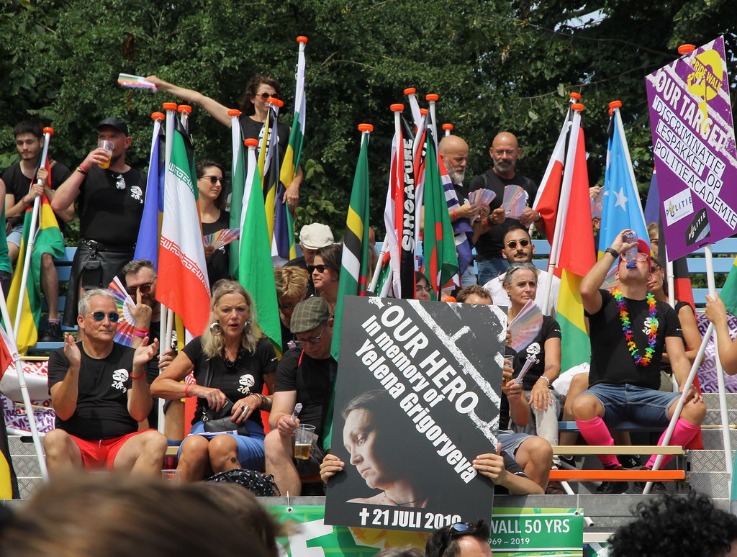
Activism and support networks play a crucial role in advocating for LGBTQ+ rights in Algeria, where homosexuality remains illegal and socially stigmatized. Grassroots movements have emerged as vital platforms for marginalized individuals to voice their concerns, share experiences, and foster solidarity despite the risks involved. These grassroots campaigns often operate clandestinely, leveraging social media and discreet gatherings to raise awareness and challenge discriminatory laws and attitudes. By organizing protests, distributing informational materials, and providing emotional support, activists work tirelessly to promote acceptance and push for legal reforms. Their efforts are instrumental in challenging societal norms and slowly shifting public perceptions toward greater understanding and inclusion of LGBTQ+ individuals in Algerian society.
Role of Online Communities and Social Media
Online communities and social media have become powerful tools for activism and support networks for marginalized groups, including those fighting for LGBTQ+ rights in Algeria. Despite the country’s conservative stance on homosexuality, digital platforms provide a space for individuals to connect, share experiences, and organize advocacy efforts safely and anonymously.
- The internet allows Algerian LGBTQ+ individuals to find community support without fear of immediate social repercussions.
- Social media campaigns raise awareness and challenge societal taboos surrounding homosexuality in Algeria.
- Online activism enables activists to coordinate protests, create petitions, and share information rapidly, increasing visibility and pressure for social change.
- Support networks established through online forums provide emotional support, resources, and guidance for those facing discrimination or persecution.
- Digital platforms serve as a vital tool for international collaboration, bringing global attention to issues faced by Algerian LGBTQ+ communities.
International Support and Human Rights Organizations
Activism and support networks play a crucial role in advocating for the rights of LGBTQ+ individuals in Algeria, where homosexuality remains criminalized and heavily stigmatized. Local activists often operate under significant risks, working tirelessly to raise awareness, provide safe spaces, and support those affected by discrimination and persecution. International support and human rights organizations contribute by shining global attention on the human rights abuses faced by Algerian LGBTQ+ individuals, lobbying for policy changes, and offering resources such as legal aid and psychological support. These organizations help foster solidarity across borders, amplify voices that are often silenced within the country, and work towards creating a safer environment where all individuals can enjoy fundamental human rights irrespective of their sexual orientation.
Safety and Privacy Concerns
Safety and privacy concerns are significant issues when discussing homosexuality in Algeria, where social and legal environments are often less accepting. Individuals may face risks to their safety and well-being due to societal stigmatization and legal penalties associated with same-sex relationships. Ensuring privacy becomes crucial for those navigating these sensitive topics, as exposure can lead to discrimination, social alienation, or worse circumstances. Understanding these concerns is essential for fostering awareness and advocating for the rights and safety of LGBTQ+ individuals in the region.
Risks of Outing and Exposure
Safety and privacy concerns are paramount for individuals exploring or expressing their sexuality in Algeria, where social and legal environments can pose significant risks. The fear of outing or accidental exposure can lead to severe consequences, including social ostracism, discrimination, or even legal repercussions due to the country’s strict laws against homosexuality. The risk of being outed without consent can cause emotional distress, loss of relationships, or violence. Managing one’s online presence and personal disclosures is crucial to maintaining safety, yet the pervasive societal stigma makes privacy preservation challenging. Overall, individuals must weigh the potential dangers of exposure carefully and take precautions to protect their identities and well-being in such a restrictive context.
Secure Communication and Privacy Measures
Addressing safety and privacy concerns related to homosexuality in Algeria is critically important given the country’s legal and social environment. Individuals engaging in same-sex relationships often face significant risks, including social stigma, legal repercussions, and potential violence. Ensuring secure communication channels can help protect their identity and safety, especially when seeking support or connecting with like-minded individuals. Implementing privacy measures such as encrypted messaging applications, anonymous online platforms, and cautious sharing of personal information are essential steps in safeguarding personal identities. It is vital for those in environments where homosexuality is criminalized to prioritize security and confidentiality to avoid repercussions and maintain their safety while advocating for acceptance and change.
Seeking Asylum and Emigration Options
Homosexuality in Algeria is a sensitive and often controversial topic, with significant safety and privacy concerns for individuals who identify as LGBTQ+. Due to strict laws and societal attitudes, many face the risk of arrest, imprisonment, and social ostracism. Protecting personal privacy is crucial, as exposure can lead to serious repercussions. For those seeking safety, understanding the legal landscape and available support networks is essential to avoid persecution.
Individuals in Algeria contemplating asylum or emigration options may consider seeking refuge in countries with more tolerant laws regarding LGBTQ+ rights. Emigration routes can vary, with some individuals applying for asylum through embassies or consulates, or via refugee programs that prioritize human rights violations. It is important to consult legal experts and organizations specialized in LGBTQ+ asylum cases to navigate complex immigration procedures and ensure safety during the process. Ultimately, seeking international support and legal guidance can be vital steps toward ensuring personal safety and privacy for those facing persecution due to their sexual orientation in Algeria.


0 Comments