
Early Life and Background of Mohammed VI
Mohammed VI was born on August 21, 1963, in Rabat, Morocco, as the eldest son of King Hassan II. Raised in a royal environment, he received a comprehensive education that included both traditional Islamic studies and modern disciplines. His early years were marked by a strong emphasis on leadership and public service, preparing him for his future role as king. Growing up amidst the political and social changes of Morocco, Mohammed VI developed a deep understanding of his nation’s history, culture, and diverse society.
Birth and Family Heritage
Mohammed VI of Morocco was born on August 21, 1963, in Rabat, Morocco. He comes from the Alaouite dynasty, which has ruled Morocco for many centuries. His father, King Hassan II, was a prominent and influential ruler, and his mother was Princess Lalla Latifa Hammou. Mohammed VI is considered to be part of an esteemed royal lineage that traces back to Sultan Moulay Ali Cherif. His family heritage is deeply rooted in Moroccan history, blending traditional Arab, Berber, and Arab-Berber influences that have shaped the nation’s culture and identity. From a young age, he was groomed for leadership and received a comprehensive education, including studies in law, which laid the foundation for his future role as monarch.
Educational Background and Early Education
Mohammed VI of Morocco was born on August 21, 1963, in Rabat, the capital city of Morocco. He is the eldest son of King Hassan II and Queen Latifa. From a young age, he was prepared for leadership, receiving a rigorous education that combined traditional Moroccan studies with modern curricula. His early education took place at the Royal Palace, where he was exposed to various cultural and political influences, and he was also privately tutored by leading educators of the time.
He completed his primary education in Morocco before pursuing higher studies abroad. Mohammed VI attended Lycée Descartes in Rabat for his secondary education, gaining a strong foundation in various subjects. Later, he studied law at the Mohammed V University in Rabat, earning a bachelor’s degree. Recognizing the importance of international perspectives, he also studied in France, where he received a postgraduate diploma in political science from the University of Paris. His educational journey played a crucial role in shaping his understanding of governance, law, and social issues, which he would later apply during his reign.
Influences and Upbringing
Mohammed VI of Morocco was born on August 21, 1963, in Rabat, the capital of Morocco. He is the eldest son of King Hassan II and her mother, Lalla Latifa Hammou. Growing up in a privileged environment, he received a comprehensive education, including studies at the Royal College in Rabat and later at the Ben Mahdi University. From a young age, he was exposed to the responsibilities of leadership, shaping his understanding of governance and national development. His upbringing was influenced by Moroccan traditions, Islamic values, and the modern political climate, which collectively fostered his sense of duty towards his country. The influence of his father, King Hassan II, was particularly significant, as he was mentored by the king and immersed in the political and cultural life of Morocco from an early age. This early exposure helped solidify his commitment to strengthening Morocco’s unity, modernization, and regional influence, paving the way for his future role as monarch.
Ascension to the Throne
Mohammed VI of Morocco has played a pivotal role in shaping the nation’s modern trajectory through his leadership and vision. His ascension to the throne marked a new chapter for Morocco, characterized by efforts to promote economic development, social reform, and national unity. As a young and progressive monarch, Mohammed VI has worked to strengthen Morocco’s position on the regional and international stage, balancing tradition with modernity in his pursuit of national prosperity.
Succession Process
Mohammed VI of Morocco ascended to the throne following the death of his father, King Hassan II, in 1999. The succession process in Morocco is based on the principles of the Alaouite dynasty, where the king is typically chosen from among the sons of the reigning monarch. Upon the death of a king, the transition of power is usually swift and structured, emphasizing stability and continuity.
The process involves the designation of the new king by royal decree, often influenced by traditional customs and the advice of senior members of the royal family and the Conseil Royal. Mohammed VI was proclaimed king shortly after his father’s death, marking the beginning of his reign. This process ensures a smooth transfer of authority, reinforcing the monarchy’s central role in national governance and cultural identity.
Formal Coronation Ceremony
The formal coronation ceremony of Mohammed VI as King of Morocco, known as Ascension to the Throne, is a significant event marked by rich traditions and elaborate rituals. This ceremony symbolizes the official transfer of authority and the beginning of a new reign, emphasizing the sovereignty and unity of Morocco under the new ruler.
The coronation typically involves a series of events including religious rites, royal processions, and public gatherings. The King is crowned in a grand ceremony that often takes place at the Mahkama of Marrakech, a historic venue specially prepared for such occasions. During the ceremony, martial music, traditional dances, and confetti fill the atmosphere with celebration and reverence.
Leading figures such as religious leaders, government officials, and members of the royal family are present to witness and endorse the legitimacy of the ascension. The event underscores the continuity of the Moroccan monarchy, highlighting Mohammed VI’s commitment to the nation’s stability, development, and adherence to Islamic principles. The coronation not only consolidates the royal authority but also reaffirms the bond between the monarchy and the Moroccan people.
Initial Challenges and Priorities
Mohammed VI of Morocco faced significant initial challenges upon ascending to the throne, including modernizing the country’s political landscape and addressing longstanding economic disparities. His priorities centered on strengthening national unity, implementing social reforms, and promoting economic development to improve living standards for Moroccans.
Domestic Policies and Reforms
Mohammed VI of Morocco has implemented a range of domestic policies and reforms aimed at modernizing the country’s economy, strengthening institutions, and enhancing social development. These initiatives reflect a commitment to progress and stability within Morocco, addressing key issues such as education, healthcare, and governance. Through these reforms, Mohammed VI has sought to promote sustainable growth and improve the living standards of his citizens.
Political and Constitutional Reforms
Mohammed VI of Morocco has implemented a series of domestic policies and reforms aimed at modernizing the country and promoting social and economic development. His administration has focused on improving education, healthcare, and infrastructure to elevate the living standards of Moroccan citizens. Additionally, substantial efforts have been made to enhance good governance, transparency, and the rule of law throughout the nation.
In terms of political and constitutional reforms, Mohammed VI has played a pivotal role in fostering a more participatory political landscape. Notably, he initiated constitutional amendments in 2011 that granted increased powers to the parliament and the Prime Minister, as well as strengthening human rights protections. These reforms aimed to balance executive authority and deepen democratic processes, reflecting a commitment to progress and stability in Morocco’s political system.
Economic Development Initiatives
Mohammed VI of Morocco has implemented a range of domestic policies and reforms aimed at promoting sustainable development and improving the quality of life for Moroccan citizens. His administration has focused on modernizing the legal system, enhancing social services, and fostering greater political stability through institutional reforms. These initiatives aim to empower marginalized communities, promote gender equality, and strengthen civil rights across the country.
Economic development initiatives under Mohammed VI’s reign have prioritized diversifying Morocco’s economy, boosting tourism, agriculture, and manufacturing sectors. Significant investments have been made in infrastructure, renewable energy projects, and gradual integration into global markets. Such efforts are designed to stimulate economic growth, create jobs, and attract foreign direct investment, contributing to the country’s overall stability and long-term prosperity.
Social and Education Reforms
Mohammed VI of Morocco has implemented a series of domestic policies and reforms aimed at modernizing the country’s social and educational landscape. His initiatives focus on enhancing economic development, improving social welfare, and promoting educational accessibility for all citizens.
Social and education reforms under Mohammed VI include:
- Modernizing the education system to increase literacy rates and reduce disparities between urban and rural areas.
- Implementing programs to ensure gender equality and empower women within society.
- Expanding healthcare access and improving public health services across the nation.
- Encouraging economic diversification to reduce dependence on traditional sectors and create more employment opportunities.
- Promoting social cohesion and national unity through cultural and religious dialogues.
These reforms aim to foster inclusive growth, social justice, and a stronger, more resilient Moroccan society under Mohammed VI’s leadership.
Foreign Relations and Diplomacy
Mohammed VI of Morocco has played a significant role in shaping the country’s foreign relations and diplomatic efforts. His leadership has helped strengthen Morocco’s position on the international stage, fostering alliances and promoting regional stability. Diplomacy has been a key aspect of his administration, enabling Morocco to navigate complex global issues and advance its national interests.
Relations with Regional Neighbors
Mohammed VI of Morocco has played a significant role in shaping the country’s foreign relations and diplomatic efforts, particularly with regional neighbors. His leadership has emphasized strengthening both bilateral and multilateral ties across North Africa and beyond, fostering economic cooperation and political stability in the region. Morocco maintains strategic partnerships with neighboring countries such as Algeria, Tunisia, Libya, and Mauritania, which are vital for regional security and development.
In its diplomatic endeavors, Morocco has prioritized issues such as regional integration, counter-terrorism, and economic development. The country has actively participated in regional organizations like the Arab League and the African Union, seeking to promote solidarity and collective progress. Under Mohammed VI’s leadership, Morocco has also sought to enhance its relations with European nations and the United States, emphasizing mutual interests including trade, security, and cultural exchange.
While maintaining strong regional connections, Morocco also navigates complex issues such as the Western Sahara conflict, which impacts its diplomatic relations with neighboring Algeria. Mohammed VI has worked towards diplomacy that aims to achieve peaceful solutions while bolstering Morocco’s regional influence. Overall, his approach to foreign relations underscores Morocco’s commitment to regional stability, economic growth, and international cooperation.
Engagement with International Organizations
Mohammed VI of Morocco has played a significant role in shaping the country’s foreign relations and diplomatic engagements on the international stage. His leadership emphasizes strengthening diplomatic ties with neighboring countries and global powers, promoting regional stability, and advancing Morocco’s interests through active participation in international organizations. Morocco’s consistent involvement in institutions such as the African Union, the United Nations, and Arab League reflects its commitment to multilateral diplomacy and cooperative development efforts.
Under Mohammed VI, Morocco has sought to enhance its diplomatic presence by fostering economic partnerships, promoting cultural exchanges, and advocating for regional security issues. His government has worked to position Morocco as a mediator in regional conflicts, especially in the Mediterranean and West Africa, emphasizing dialogue and peaceful resolution. Engaging with international organizations allows Morocco to amplify its voice on key issues such as sustainable development, counter-terrorism, and climate change.
Overall, Mohammed VI’s approach to foreign relations underscores a strategic balance of asserting national sovereignty while actively collaborating within the global community, demonstrating Morocco’s commitment to peaceful coexistence and cooperative diplomacy.
Role in Arab and African Politics
Mohammed VI of Morocco has played a significant role in shaping the country’s foreign relations and diplomatic strategies, particularly in Arab and African politics. His leadership emphasizes strengthening Morocco’s ties within the Arab world through active participation in regional organizations such as the Arab League, promoting economic and cultural cooperation. Additionally, Mohammed VI has prioritized expanding Morocco’s influence across Africa by fostering diplomatic relationships, investing in regional development, and supporting initiatives that promote stability and integration. Under his guidance, Morocco has positioned itself as a bridge between Africa and the Arab world, advocating for mutual interests and collaborative growth.
Economic Initiatives and Development Projects
Economic initiatives and development projects play a vital role in shaping the progress and prosperity of Morocco under the leadership of Mohammed VI. These efforts aim to transform the nation’s infrastructure, boost sustainable growth, and improve the quality of life for its citizens. Through strategic investments and innovative programs, Morocco strives to position itself as a key player in regional and international economic landscapes, fostering stability and development across various sectors.
Tourism Industry Growth
Mohammed VI Morocco has prioritized economic initiatives and development projects aimed at fostering sustainable growth and enhancing the nation’s global competitiveness. These initiatives include modernizing infrastructure, supporting local industries, and attracting foreign investment to diversify the economy. The government has also launched various development projects focused on improving education, healthcare, and social services to ensure balanced regional progress.
The tourism industry is a key sector in Mohammed VI Morocco’s economic strategy, experiencing significant growth due to the country’s rich cultural heritage, diverse landscapes, and hospitality improvements. Efforts to promote eco-tourism, luxury travel, and cultural festivals have attracted millions of visitors annually. Enhanced infrastructure, marketing campaigns, and sustainable tourism practices have contributed to making Morocco a prominent destination in the global tourism market, thereby generating substantial revenue and employment opportunities for local communities.
Infrastructure and Industrial Projects
Mohammed VI of Morocco has been instrumental in promoting economic initiatives and development projects to transform the nation’s infrastructure and industrial sectors. Under his leadership, Morocco has undertaken significant investments aimed at enhancing transportation networks, expanding industrial zones, and improving overall connectivity across the country.
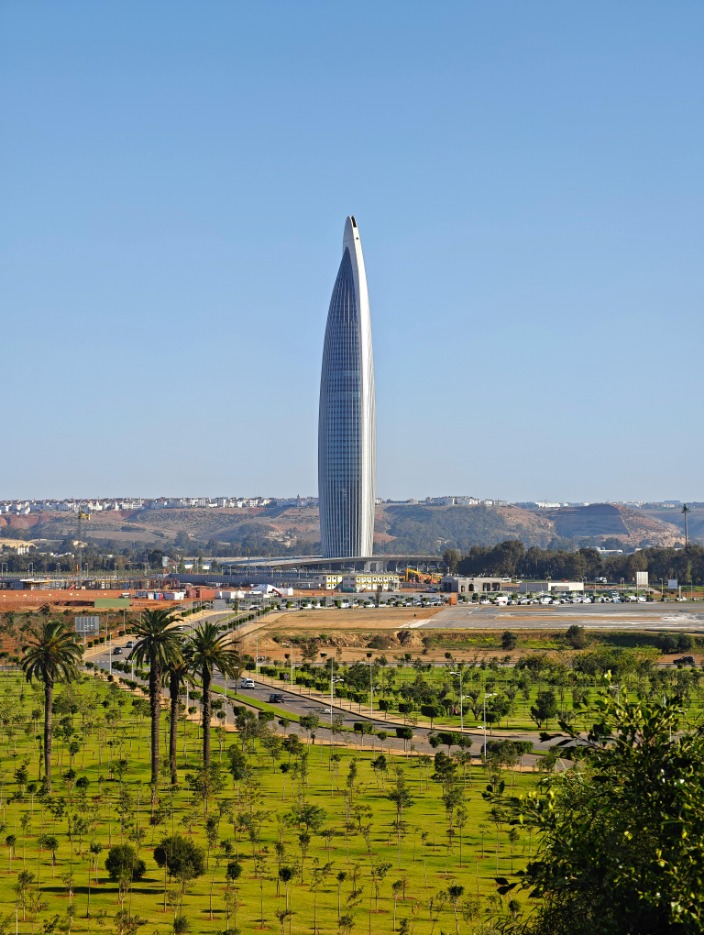
Major infrastructure projects include the development of modern port facilities such as the Tanger-Med Port, which positions Morocco as a logistics hub connecting Africa, Europe, and the Middle East. Additionally, the expansion of road and rail networks facilitates better movement of goods and people, fostering economic growth.
In the industrial sector, several initiatives focus on attracting foreign investment and supporting local industries such as aerospace, automotive manufacturing, and renewable energy. The Moroccan government, guided by Mohammed VI’s vision, has launched special economic zones and tech parks to encourage innovation and entrepreneurship.
Overall, these infrastructure and industrial projects aim to diversify Morocco’s economy, reduce unemployment, and improve the living standards of its citizens, aligning with the broader goals of sustainable development and regional integration.
Investment in Renewable Energy
Mohammed VI of Morocco has spearheaded numerous economic initiatives and development projects aimed at transforming the nation’s economic landscape. His leadership emphasizes sustainable growth, job creation, and social development through strategic investments and infrastructure enhancements.
One of the key focuses of these initiatives is investment in renewable energy, reflecting Morocco’s commitment to reducing dependence on fossil fuels and promoting environmental sustainability. The country has launched several large-scale renewable energy projects, including solar and wind farms, making it a regional leader in clean energy production.
Notable projects include the Ouarzazate Solar Power Station, also known as the Noor Complex, which is one of the world’s largest solar power facilities. This project aims to generate thousands of megawatts of electricity, supporting Morocco’s goal to produce over 50% of its energy from renewables by 2030.
In addition to solar energy, Morocco has invested in extensive wind farms along the Atlantic coast, further diversifying its renewable energy portfolio. These investments not only contribute to national energy security but also foster regional economic development by creating employment opportunities and attracting foreign investment.
Through these strategic efforts, Mohammed VI continues to position Morocco as a forward-thinking nation, leveraging renewable energy to achieve sustainable economic growth, reduce greenhouse gas emissions, and improve the quality of life for its citizens.
Cultural Prominence and National Identity
Mohammed VI of Morocco has played a significant role in shaping the nation’s cultural prominence and reinforcing its national identity. Through his leadership, Morocco has experienced a renaissance in preserving its rich traditions while engaging with contemporary global influences. This dynamic interplay between culture and identity highlights the importance of historical heritage and modern aspirations in defining the country’s path forward.
Promotion of Moroccan Culture
King Mohammed VI of Morocco has played a significant role in promoting Moroccan culture and strengthening national identity. Through various initiatives, he has emphasized the importance of preserving Morocco’s rich heritage while embracing modernity. This dual approach has helped foster a sense of pride among Moroccans and showcase the country’s cultural diversity to the world.
To promote Moroccan culture, King Mohammed VI has supported numerous projects, including the restoration of historic sites, celebration of traditional festivals, and the endorsement of Moroccan art and music. These efforts aim to preserve the cultural legacy and showcase it on international platforms, enhancing the country’s global cultural prominence.
- Restoration of Historical Sites: Revival of landmarks such as Kasbahs, mosques, and medinas to preserve architectural heritage.
- Promotion of Moroccan Arts and Crafts: Supporting traditional crafts like pottery, textiles, and jewelry to sustain artisanal livelihoods.
- Celebration of Cultural Festivals: Encouraging events like the Marrakech International Film Festival and the Timitar Music Festival to highlight Morocco’s cultural vibrancy.
- Language and Literature: Promoting Arabic, Amazigh, and French languages through education and literature to enhance cultural identity.
- Media and International Outreach: Utilizing media outlets and international events to present Moroccan culture globally, fostering appreciation and understanding.
Preservation of Heritage Sites
Mohammed VI of Morocco has played a significant role in enhancing the nation’s cultural prominence and reinforcing its national identity through various initiatives. Under his leadership, efforts to preserve and restore Morocco’s rich heritage sites have gained momentum, reflecting a deep respect for history and tradition. These conservation projects not only attract tourism but also foster a sense of pride among Moroccans, strengthening the cultural fabric of the country. Promoting both tangible and intangible heritage, Mohammed VI advocates for a harmonious balance between modern development and the preservation of Morocco’s ancient legacy.
Support for Arts and Literature
Mohammed VI of Morocco has played a significant role in promoting cultural prominence and reinforcing national identity through his support for arts and literature. Under his leadership, there has been a notable emphasis on celebrating Morocco’s rich cultural heritage while modernizing artistic expressions to resonate with contemporary audiences. Initiatives such as the development of cultural infrastructure, funding for creative projects, and honoring Moroccan writers and artists have helped foster a sense of pride and unity among citizens. By encouraging the preservation of traditional crafts and supporting innovative artistic endeavors, Mohammed VI has contributed to strengthening the nation’s cultural fabric and projecting Morocco’s vibrant identity both regionally and internationally.
Humanitarian and Social Initiatives
Mohammed VI of Morocco has been a prominent advocate for humanitarian and social initiatives aimed at improving the well-being of his people. His leadership emphasizes the importance of sustainable development, social justice, and community empowerment. Through various programs and partnerships, he has worked tirelessly to address pressing social issues, foster economic growth, and promote human rights across the nation.
Healthcare Improvements
Mohammed VI of Morocco has been a prominent advocate for humanitarian and social initiatives aimed at improving the well-being of his people. His leadership emphasizes the importance of accessible healthcare and social empowerment programs that target vulnerable populations. Through strategic investments and reforms, Morocco has seen notable advancements in healthcare systems, including expanded medical services and increased funding for health infrastructure. These efforts reflect the king’s commitment to fostering a healthier society and reducing disparities in healthcare access across the country.
Education Accessibility Programs
Mohammed VI of Morocco has been a prominent advocate for humanitarian and social initiatives aimed at improving the lives of vulnerable populations across the country. His leadership emphasizes the importance of education accessibility programs to promote equal opportunities for all citizens, regardless of socioeconomic status. These initiatives focus on expanding educational infrastructure, supporting underserved communities, and implementing policies that ensure inclusive learning environments. Through his commitment, Morocco has seen significant progress in reducing educational disparities, fostering social cohesion, and empowering marginalized groups to contribute meaningfully to national development.
Gender Equality and Women’s Rights
Mohammed VI of Morocco has been a prominent advocate for humanitarian and social initiatives aimed at improving the well-being of his people, emphasizing gender equality and women’s rights. His efforts include promoting inclusive policies that empower women socially, economically, and politically, fostering a more equitable society.
Under his leadership, Morocco has implemented numerous reforms to enhance women’s rights, such as advancing legal protections against discrimination and violence, and encouraging greater female participation in education, workforce, and governance. These initiatives reflect a commitment to transforming societal attitudes toward gender roles and promoting gender equality as a cornerstone of national development.
Furthermore, Mohammed VI’s support for gender equality aligns with broader humanitarian objectives, including poverty alleviation, health care access, and social cohesion. His vision aims to create a more just and equitable society where women play a central role in shaping Morocco’s future.


0 Comments