
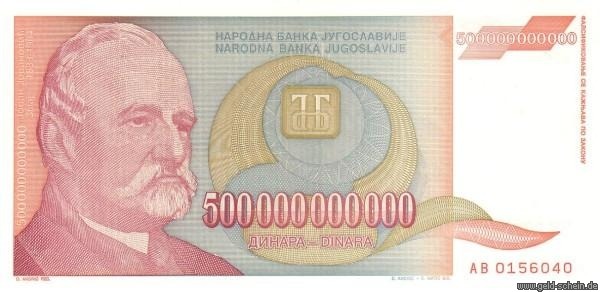
Historical Context of Zimbabwean Currency
The history of Zimbabwean currency is marked by periods of economic instability and hyperinflation, culminating in the issuance of some of the largest denominations ever seen. During the late 2000s, Zimbabwe experienced extreme hyperinflation, which rendered the local currency virtually worthless. As a result, in an attempt to cope with the soaring inflation, the Reserve Bank of Zimbabwe introduced increasingly larger banknotes, including the infamous one hundred trillion Zimbabwe dollars. This period reflects the economic turmoil and the unprecedented scale of inflation that ultimately led to the dollar’s collapse and the adoption of foreign currencies for transactions.
Hyperinflation and Economic Instability in Zimbabwe
The one hundred trillion Zimbabwe dollar is a symbol of the country’s dramatic economic instability and hyperinflation that reached its peak in the late 2000s. Zimbabwe’s currency history has been marked by a series of severe economic crises, largely driven by political turmoil, land reform policies, and economic mismanagement. During the early 2000s, Zimbabwe experienced hyperinflation, with inflation rates soaring uncontrollably, making the currency practically worthless and prompting the Reserve Bank of Zimbabwe to issue increasingly larger denominations, culminating in the one hundred trillion dollar note. This period highlighted the extent of Zimbabwe’s financial chaos, where hyperinflation peaked at an estimated 79.6 billion percent month-on-month in November 2008. The crisis eroded savings, destabilized daily life, and forced the country to abandon its own currency in 2009, adopting foreign currencies such as the US dollar and South African rand. The issuance and eventual abandonment of such colossal banknotes like the one hundred trillion dollar note encapsulate Zimbabwe’s tumultuous economic history and the profound impacts of hyperinflation on its stability and development.
The Introduction of the One Hundred Trillion Zimbabwe Dollar
The introduction of the One Hundred Trillion Zimbabwe Dollar was a direct response to the severe hyperinflation crisis that afflicted Zimbabwe in the late 2000s. During this period, the country’s economic instability was marked by rapid and uncontrollable inflation, which eroded the value of its currency and rendered everyday transactions increasingly difficult. As inflation soared, the government faced the challenge of maintaining an acceptable medium of exchange, leading to the issuance of increasingly higher denominations of currency.
The One Hundred Trillion Zimbabwe Dollar, launched in 2008, became a symbol of the extreme economic turmoil Zimbabwe was experiencing. It was part of a series of ever-increasing denominations introduced in an effort to keep pace with inflation, which at its peak reached an estimated 79.6 billion percent month-on-month. Despite these measures, the hyperinflation persisted, ultimately undermining confidence in the Zimbabwean dollar and prompting monetary reforms.
This period of hyperinflation and currency crisis had profound socio-economic impacts, including shortages of basic goods, a decline in living standards, and a shift towards foreign currencies for transactions. The issuance of such high denominations highlighted the severity of Zimbabwe’s economic challenges and underscored the need for monetary stabilization and reform efforts to restore confidence and economic stability.
Timeline of Currency Denominations and Value Decline
The Zimbabwean currency system has undergone significant transformations over the years, especially during periods of economic instability and hyperinflation. The one hundred trillion Zimbabwe dollar is a symbol of the severe financial crisis experienced by the country in the early 2000s. This period was marked by rapid inflation that rendered the Zimbabwe dollar nearly worthless, leading the government to issue increasingly larger denominations in an attempt to keep up with soaring prices.
Initially, Zimbabwe used the Rhodesian dollar before independence. After independence in 1980, the Zimbabwe dollar was introduced, maintaining relative stability until the late 1990s. Economic challenges, land reform policies, and political instability sparked hyperinflation from the early 2000s onwards. The inflation rate skyrocketed, reaching an estimated 79.6 billion percent month-on-month in November 2008. As inflation spiraled out of control, the value of the currency declined sharply, resulting in the issuance of denominations unprecedented in history, including the one hundred trillion dollar note.
- 1990s: Introduction of higher denominations as inflation gradually increased.
- Early 2000s: Hyperinflation accelerates, with currency denominations climbing rapidly, including the introduction of a one hundred billion dollar note.
- 2008: Peak of hyperinflation, with the issuance of the one hundred trillion Zimbabwe dollar indicating the currency’s collapse.
- 2009: The Zimbabwean government abandons the Zimbabwe dollar, abandoning the local currency in favor of foreign currencies like the US dollar and South African rand.
The value decline of the Zimbabwean dollar, exemplified by the one hundred trillion dollar note, symbolizes the crisis where money lost its value at an exponential rate. This period remains one of the most dramatic examples of hyperinflation in modern economic history, illustrating the consequences of uncontrolled monetary expansion and economic mismanagement.
Design and Features of the 100 Trillion Zimbabwe Dollar
The One Hundred Trillion Zimbabwe Dollar is a notable example of hyperinflation’s impact on currency design. Its innovative features and intricate design elements reflect the economic turmoil experienced by Zimbabwe during that period. Despite its high denomination, the banknote showcases detailed artwork, security measures, and symbolic imagery aimed at instilling confidence and demonstrating the country’s efforts to combat inflation.
Physical Appearance and Security Features
The One Hundred Trillion Zimbabwe Dollar was a notable banknote issued during a period of hyperinflation in Zimbabwe, reflecting the economic instability of the time. Its design and security features were crafted to prevent counterfeiting and to symbolize the nation’s economic challenges.
The banknote’s physical appearance featured prominent and bold design elements. It typically displayed vivid colors with intricate patterns, and often included national symbols such as the Zimbabwe Bird and images representing agriculture and industry. The denomination “100 Trillion” was clearly printed in large, prominent font to emphasize the hyperinflated value of the currency.
Security features incorporated into this banknote included multiple sophisticated elements to ensure authenticity. These features often comprised:
- Watermarks depicting national symbols or images visible when held against light.
- Security threads embedded within the paper that sometimes glowed under ultraviolet light.
- Microprinting of fine text that is difficult to reproduce accurately.
- Color-shifting inks used on certain elements to change appearance when viewed from different angles.
- Complex background patterns and anti-copy features that deter photomontage and scanning.
Color Schemes and Artistic Elements
The one hundred trillion Zimbabwe dollar is renowned for its distinctive design and intricate features that reflect the nation’s economic history. The banknote showcases a blend of vibrant color schemes, primarily utilizing shades of red, green, and gold, which highlight its detailed imagery and security features. Artistic elements such as portrait illustrations, symbolic motifs, and ornamental patterns are meticulously incorporated to prevent counterfeiting and to honor Zimbabwe’s cultural heritage. The banknote often features prominent figures and national symbols, combined with elaborate border designs and subtle micro-printing, emphasizing both its aesthetic appeal and authenticity. Overall, the design and features of this banknote serve as a vivid testament to Zimbabwe’s complex financial era and artistic craftsmanship.
Material Composition and Durability
The one hundred trillion Zimbabwe dollar was a denomination introduced during a period of hyperinflation in Zimbabwe, making it one of the highest ever printed banknotes. Its design features vibrant colors and intricate security elements to prevent counterfeiting. The note typically includes detailed images representing Zimbabwe’s cultural heritage and national symbols, such as the national emblem and prominent figures or landmarks.
In terms of material composition, these banknotes are generally made from a durable polymer or high-quality cotton paper, designed to withstand frequent handling and environmental factors. The inclusion of security features such as watermarks, security threads, and holograms further enhances its authenticity and durability. Despite its large denomination, the note was primarily a symbolic representation of the economic crisis, and its physical durability was intended to support circulation for a reasonable period amid hyperinflationary conditions.
Economic Significance of the 100 Trillion Note
The one hundred trillion Zimbabwe dollar holds significant historical and economic importance as a symbol of hyperinflation and economic instability in Zimbabwe. During a period of severe economic crisis, the issuance of such a large denomination reflected the rapid loss of confidence in the national currency and the challenges faced by the country’s monetary system. This note not only represents the extraordinary measures taken to address daily transactions but also serves as a stark reminder of the devastating effects of hyperinflation on an economy.
Symbol of Hyperinflation and Economic Collapse
The one hundred trillion Zimbabwe dollar serves as a powerful symbol of hyperinflation and economic collapse that struck Zimbabwe in the late 2000s. During this period, the country experienced unprecedented inflation rates, rendering traditional currency denominations obsolete and leading to the issuance of extraordinarily high-value banknotes. The one hundred trillion dollar note exemplifies the extent of economic disintegration, highlighting how hyperinflation severely eroded savings, destabilized markets, and diminished public confidence in the financial system. This banknote not only reflects monetary failure but also underscores the devastating social and economic impacts of prolonged economic instability, including poverty, unemployment, and a breakdown of trust in government policies. Its historical significance underscores the importance of monetary stability and prudent economic management to prevent similar crises in the future.
Impact on Money Supply and Market Confidence
The one hundred trillion Zimbabwe dollar note holds significant economic symbolism, representing a period of hyperinflation and economic instability in Zimbabwe. Such ultra-high denomination notes emerged as a response to skyrocketing prices, reflecting the rapid devaluation of the currency and the need for practical means of transaction. The issuance of a note of this magnitude greatly influences the money supply, often indicating an unchecked expansion as the central bank attempts to meet the demands caused by inflation. This expansive increase in the money supply can further diminish the currency’s value, fueling a cycle of hyperinflation. Additionally, the presence of such a high denomination note tends to undermine market confidence, as it signals to both domestic and international observers that the economy is suffering from severe monetary deterioration. It can lead to a loss of trust in the currency’s stability, prompting individuals and businesses to seek alternative stores of value, such as foreign currencies or assets, thus further destabilizing the local economy. Overall, the one hundred trillion Zimbabwe dollar note encapsulates the challenges of economic mismanagement and the critical importance of maintaining sound monetary policy to uphold market confidence and economic stability.
Role in Everyday Transactions During Hyperinflation
The one hundred trillion Zimbabwe dollar holds immense symbolic and practical significance in understanding the economic conditions during the country’s hyperinflation period. As a result of hyperinflation, the Zimbabwean economy experienced extreme currency devaluation, leading to the issuance of increasingly larger denominations to keep pace with rising prices. During this time, the 100 trillion Zimbabwe dollar became a prevalent denomination, reflecting the severity of the inflationary crisis.
In everyday transactions, the role of the 100 trillion note was primarily symbolic, often used more for transactions of small value in a single exchange due to the sheer volume of money needed for even basic purchases. Hyperinflation drastically diminished the currency’s real value, making it impractical for most people to carry substantial amounts for routine expenses. As a result, transactions frequently involved multiple notes or alternative barter arrangements, further underscoring the note’s limited practical function despite its astronomical face value.
This denomination exemplifies the extreme economic instability Zimbabwe faced, where the currency’s worth continued to plummet, and everyday trade became increasingly complex and inefficient. The 100 trillion dollar note stands as a stark reminder of how hyperinflation can erode the usefulness of a nation’s currency, forcing citizens to adapt quickly to a rapidly changing monetary environment and illustrating the profound impact of inflation on economic life.
Collectibility and Rarity
Collectibility and rarity are crucial factors that influence the value and desirability of items, especially in the world of collectibles. When it comes to currency, these aspects determine how sought-after a note or coin is among enthusiasts and investors. In the case of the one hundred trillion Zimbabwe dollars, understanding its rarity and collectible appeal provides insight into its significance beyond its face value, capturing the curiosity of collectors worldwide.
Availability and Reasons for Scarcity
The one hundred trillion Zimbabwe dollars is an example of a currency that has become highly collectible due to its rarity and historical significance. Collectibility and rarity significantly influence the value of such banknotes, with their scarcity often driven by economic conditions and government policies. Availability of these notes in the collector’s market is limited, making them sought after by currency enthusiasts and historians alike.
The primary reasons for the scarcity of one hundred trillion Zimbabwe dollars include hyperinflation, economic collapse, and the eventual demonetization of the currency. During the period of hyperinflation in Zimbabwe, the government continually issued increasingly high denominations to keep pace with inflation, which rapidly rendered older versions obsolete. As a result, very few of these large-denomination notes remained in circulation, with most being pulled from the economy or destroyed. This diminished supply is a key factor that makes these notes rare and valuable to collectors.
Furthermore, the availability of these banknotes in the secondary market is limited due to their historical context; many were used as souvenirs or disposed of after the inflation crisis ended. The combination of limited supply and high demand among collectors seeking unique pieces of monetary history contributes to the high collectibility and perceived scarcity of the one hundred trillion Zimbabwe dollars.
Market Value and Collectors’ Interest
The one hundred trillion Zimbabwe dollars holds a significant place in the realm of currency collectibles, primarily due to its extraordinary face value and historical context. Such banknotes symbolize a period of intense hyperinflation in Zimbabwe, making them highly sought after by collectors interested in economic history and currency anomalies. The rarity of these notes varies depending on their condition, issuance batches, and specific serial numbers, all of which influence their desirability and market value. Collectors’ interest in these notes is fueled by their iconic status and the story they tell about a nation’s economic turmoil.
- Collectibility and Rarity:
- The one hundred trillion Zimbabwe dollar banknote is considered a rare collector’s item because it was issued during a hyperinflation crisis, and only a limited number remain in good condition.
- The rarity is heightened by the high denomination, as only a few such notes were printed, and many were quickly withdrawn from circulation.
- The condition of the banknote, including crispness, color vibrancy, and minimal wear, greatly impacts its rarity designation and value.
- Market Value:
- Market value varies widely based on condition, with pristine, uncirculated notes fetching higher prices than worn or damaged ones.
- Prices can range from modest amounts for heavily circulated notes to several hundred dollars or more for well-preserved specimens.
- The value is also influenced by the note’s serial number, with rare or unique sequences adding to its worth.
- Collectors’ Interest:
- Interest in the one hundred trillion Zimbabwe dollar has surged among currency collectors, historians, and those intrigued by economic collapses.
- It is often featured in collections focused on hyperinflation, economic history, or notable examples of extreme currency denominations.
- Educational and memorabilia markets also contribute to sustained demand, as these notes serve as tangible symbols of Zimbabwe’s economic crisis.
Notable Auctions and Sales
The one hundred trillion Zimbabwe dollars is a prime example of hyperinflation and the resulting collector’s interest due to its rarity and historical significance. During Zimbabwe’s economic crisis in the late 2000s, this banknote became a symbol of the country’s financial collapse, making it highly sought after by collectors worldwide. Items like this not only hold monetary value but also represent a significant period in economic history, increasing their desirability.
Collectibility and rarity play crucial roles in the value of such banknotes. As hyperinflation rendered these notes obsolete for everyday transactions, only limited quantities remained, making them increasingly scarce. Their unique serial numbers, distinct designs, and the context of their issuance elevate their status among currency collectors, numismatists, and historians alike.
Notable auctions and sales of the one hundred trillion Zimbabwe dollar have often achieved impressive results due to their rarity. For instance, these notes have sold at auction houses for hundreds or thousands of dollars, significantly exceeding their face value. Such sales underscore the note’s importance as a collectible artifact and reflect broader trends in the numismatic market, where items with historical significance and limited supply command premium prices.
Legal Tender Status and Usage
Legal tender status determines whether a particular currency must be accepted for payment of debts and transactions within a country. In the case of one hundred trillion Zimbabwe dollars, understanding its legal tender status and usage is crucial, especially given its history of hyperinflation and rapid devaluation. This extensive denomination highlights the economic challenges faced by Zimbabwe and raises questions about the practicality and reliability of such currency for everyday transactions.
Acceptance in the Zimbabwean Economy
The one hundred trillion Zimbabwe dollars exemplify the complexities of legal tender status and currency usage within the Zimbabwean economy during periods of hyperinflation. Despite being issued as official currency by the Reserve Bank of Zimbabwe, this denomination became largely symbolic due to its decreased purchasing power and the hyperinflationary environment. Legal tender status mandates that the currency must be accepted for payment of debts; however, the practical acceptance of such exorbitant denominations became limited as the real value of money plummeted. In practice, traders and consumers turned to alternative means such as foreign currencies like the US dollar and South African rand, which gained widespread acceptance and trust. This shift reflected a significant divergence between the formal designation of the Zimbabwean dollar as legal tender and its actual usage in everyday transactions, underscoring the challenges to maintaining currency stability and trust in monetary systems affected by hyperinflation.
Restrictions and Withdrawal from Circulation
The one hundred trillion Zimbabwe dollars was once the highest denomination banknote issued during a period of hyperinflation in Zimbabwe. As legal tender, it was officially recognized by the government and central bank as valid for transactions and settling debts within the country. However, the practical usage of such a high-value note became increasingly limited as hyperinflation rendered it nearly worthless in everyday commerce.
Restrictions on the denomination were often imposed to curb the proliferation of large banknotes, and authorities eventually introduced measures to phase out higher denominations. Due to rampant inflation and the depreciation of the Zimbabwe dollar, these high-value notes, including the one hundred trillion dollar bill, gradually lost their significance and utility in daily transactions.
Eventually, the Zimbabwe government withdrew these large denominations from circulation as part of currency reforms and redenomination efforts. This process aimed to stabilize the monetary system, restore public confidence, and facilitate more normal economic activity. Today, the one hundred trillion Zimbabwe dollar serves as a historical artifact, representing a period of severe economic turmoil rather than a functioning legal tender.
Replacement by New Currency and Financial Reforms
The one hundred trillion Zimbabwe dollars holds significant historical value as a symbol of hyperinflation and monetary instability experienced in Zimbabwe. Legal tender status governs its acceptance as an official medium of exchange within the country, allowing it to be used for transactions, settling debts, and fulfilling financial obligations as authorized by the government and monetary authorities.
Over time, due to extreme inflation and economic challenges, the Zimbabwean government introduced new currencies and phased out the old notes, including the one hundred trillion dollar bill. This replacement aimed to restore confidence in the monetary system, curb inflation, and stabilize the economy. As part of broader financial reforms, Zimbabwe adopted multilateral currency solutions and introduced new denominations with lower inflationary impact, effectively rendering the old high-denomination notes obsolete and non-legal tender.
These reforms facilitated the transition from hyperinflated Zimbabwean dollars to more stable and internationally accepted currencies, such as the Zimbabwean dollar’s reintroduction in 2019 and the usage of foreign currencies like the US dollar and South African rand. The process underscores the importance of currency reform in restoring monetary stability and ensuring the integrity of a country’s financial system.
Cultural and Historical Impact
The one hundred trillion Zimbabwe dollars symbolizes a remarkable chapter in economic and historical history, reflecting the profound impact of hyperinflation and economic instability. This extraordinary denomination serves as a powerful reminder of how currency can embody a nation’s struggles and resilience, shaping cultural narratives and influencing societal perspectives for years to come. Its story is intertwined with the country’s political and economic journey, making it a significant symbol of both chaos and persistence in Zimbabwe’s past.
Representation of Zimbabwe’s Economic Crisis
The one hundred trillion Zimbabwe dollars symbolizes the extreme economic instability and hyperinflation that the country experienced during the early 2000s. This extraordinary denomination became a powerful emblem of the financial crisis, reflecting the severe loss of confidence in the national economy and the collapse of monetary value. Culturally, it influenced artworks, literature, and public discourse, serving as a stark reminder of economic hardship faced by everyday Zimbabweans. Historically, it marks a pivotal period in Zimbabwe’s history, illustrating the consequences of economic mismanagement and political destabilization. The image of such a massive denomination continues to resonate globally as a symbol of hyperinflation’s devastating effects, shaping Zimbabwe’s economic narrative and its people’s resilience in overcoming financial turmoil.
Influence on Numismatics and World Currency History
The one hundred trillion Zimbabwe dollar holds a significant place in numismatic and world currency history, symbolizing the hyperinflation crisis that Zimbabwe experienced in the late 2000s. This banknote became an icon of economic collapse, illustrating how excessive money printing can undermine a nation’s financial stability. Culturally, it served as a stark reminder of the perils of inflation and the importance of sound monetary policy, often featured in discussions of economic history and financial education. As a collectible, the note has garnered international interest, highlighting its lasting influence on numismatics and serving as a tangible artifact of Zimbabwe’s challenging economic period. Its creation and subsequent devaluation have left an enduring impact on perceptions of currency value and monetary sovereignty across the world. The note also influenced other countries by emphasizing the need for disciplined fiscal management to prevent similar crises, thereby shaping contemporary monetary policy and currency development strategies globally.
Memorialization and Media Portrayal
The one hundred trillion Zimbabwe dollars is a symbol of a significant economic event that resonated deeply in the country’s cultural and historical landscape. It represents the hyperinflation that Zimbabwe experienced during the late 2000s, which profoundly affected the national psyche and collective memory. This hyperinflation not only disrupted economic stability but also left an indelible mark on the way Zimbabweans perceive their financial history and resilience.
Memorialization of this extraordinary currency has taken various forms across Zimbabwean society, serving as a reminder of the economic hardships faced. It is often displayed in museums, used in educational contexts, or preserved in collections to inform future generations about the consequences of unchecked inflation and economic mismanagement. The currency has become a powerful symbol of the nation’s struggles and resilience in times of crisis.
Media portrayal of the hundred trillion Zimbabwe dollars has ranged from documentary features to news reports emphasizing its significance as a moment of economic collapse. Literature, films, and online content frequently reference the currency to contextualize stories about Zimbabwe’s economic history, often highlighting themes of desperation, government missteps, and eventual recovery. This portrayal helps shape both national and international perceptions, emphasizing the importance of economic stability and responsible governance.
- Historical Context: The hyperinflation period and its causes are frequently examined in academic and media narratives.
- Cultural Impact: The currency’s image symbolizes resilience and serves as a reminder of economic resilience amid adversity.
- Memorialization: Exhibits and educational programs keep the memory alive, emphasizing lessons learned and the importance of fiscal discipline.
- Media Representation: Documentaries, news stories, and artistic works depict the currency as a powerful symbol of economic collapse and recovery.
Lessons and Legacy
The story of one hundred trillion Zimbabwe dollars is a remarkable lesson in the effects of hyperinflation and economic instability. This extraordinary note symbolizes a period of economic turmoil in Zimbabwe’s history, where the rapid devaluation of currency left an indelible legacy. Exploring this currency not only highlights the challenges faced but also offers valuable lessons on the importance of economic stability and prudent financial management.
Understanding Hyperinflation and Currency Management
The one hundred trillion Zimbabwe dollar serves as a powerful symbol of hyperinflation and the importance of sound currency management. During Zimbabwe’s economic crisis in the late 2000s, hyperinflation reached unprecedented levels, rendering the currency nearly worthless. This case highlights the critical lessons financial authorities and governments can learn about maintaining monetary stability and preventing economic collapse.
Hyperinflation occurs when prices increase rapidly and uncontrollably, often as a result of excessive money printing, loss of confidence in the currency, or economic instability. The Zimbabwe dollar’s hyperinflation led to the issuance of banknotes with astronomically high denominations, such as the one hundred trillion dollar note, which ultimately became a symbol of economic failure and the importance of prudent monetary policy.
Key lessons from Zimbabwe’s hyperinflation crisis include:
- Maintaining Monetary Discipline: Governments should avoid excessive money printing, which can lead to inflation spiraling out of control.
- Ensuring Confidence in the Currency: Stable governance and transparent policies help preserve trust among citizens and investors.
- Implementing Robust Currency Management: Central banks need effective strategies for controlling inflation, including proper regulation of money supply.
- Learning from History: Understanding past inflation crises provides valuable insights to prevent future monetary failures.
The Zimbabwe experience underscores how unchecked hyperinflation can devastate an economy, eroding savings, destabilizing markets, and causing widespread hardship. It emphasizes the importance of disciplined currency management and effective economic policies in safeguarding national financial stability.
Implications for International Economic Policy
The case of one hundred trillion Zimbabwe dollars highlights critical lessons and long-lasting implications for international economic policy. It underscores the dangers of hyperinflation, reckless monetary expansion, and the importance of maintaining sound fiscal discipline. Policymakers must recognize that excessive money printing, without corresponding economic growth and productivity, can lead to the erosion of currency value and spiraling inflation, ultimately undermining public trust and economic stability.
Furthermore, the Zimbabwe experience serves as a cautionary tale for countries facing economic crises, emphasizing the need for transparent governance, prudent monetary policies, and strong institutional frameworks. International cooperation and technical assistance can support nations in designing effective strategies to control inflation and stabilize their economies. The legacy of Zimbabwe’s hyperinflation era teaches that sustainable economic development depends on balancing monetary expansion with real economic fundamentals, ensuring that fiscal policies do not compromise long-term stability for short-term gains.
In conclusion, understanding the lessons from Zimbabwe’s hyperinflation is vital for shaping international economic policies that promote resilience, responsible governance, and stability, especially in nations vulnerable to economic shocks and mismanagement.
Lessons for Future Economic Stabilization Efforts
The episode of one hundred trillion Zimbabwe dollars offers a profound lesson on the dangers of hyperinflation and the importance of sound monetary policies. It underscores how excessive money printing without backing can erode trust in a currency, leading to rapid inflation and economic instability. Such extreme cases highlight the necessity for prudent fiscal discipline, transparent governance, and maintaining confidence among citizens and investors. Going forward, policymakers should prioritize establishing credible monetary frameworks, fostering economic diversification, and implementing robust regulatory measures to prevent the recurrence of hyperinflationary scenarios. The Zimbabwe experience serves as a stark reminder that sustainable economic stability depends on disciplined monetary management and proactive efforts to preserve the value of currency. These lessons are vital for guiding future efforts to stabilize economies facing inflationary pressures and ensuring long-term economic health.




0 Comments