
Overview of Seychelles Islands Capital
The capital of the Seychelles Islands is Victoria, a vibrant city located on the largest island, Mahé. Victoria serves as the political, economic, and cultural center of the country, blending colonial architecture with modern developments. The city features attractions such as the clock tower, bustling markets, and historical sites that reflect the rich heritage of Seychelles. Known for its friendly atmosphere and scenic beauty, Victoria offers visitors a unique experience of island life combined with urban amenities. As a gateway to exploring the diverse landscapes of Seychelles, the capital plays a significant role in the nation’s identity and tourism industry.
Key Features of Victoria
Victoria, the charming capital of Seychelles, is renowned for its unique blend of vibrant culture, colorful markets, and historic landmarks. Nestled on the island of Mahé, Victoria offers a perfect gateway to explore the natural beauty and rich heritage of the Seychelles archipelago. Its compact size makes it easy to navigate, allowing visitors to experience its key features effortlessly. From lush botanical gardens to bustling markets, Victoria embodies the lively spirit and scenic allure of Seychelles.
Geographical Location
Victoria is the capital city of Seychelles, located on the northeastern coast of Mahé Island. It is known for its vibrant markets, colonial architecture, and picturesque harbor. The city’s strategic geographical position offers stunning views of the Indian Ocean and serves as an important hub for trade and tourism in Seychelles. Surrounded by lush greenery and tropical landscapes, Victoria provides a unique blend of urban charm and natural beauty that reflects the essence of the Seychelles archipelago.
Historical Significance
The capital of Seychelles Islands, Victoria, is a vibrant and charming city known for its unique blend of history, culture, and natural beauty. It is one of the smallest capital cities in the world, yet it boasts significant historical and geographical features that make it noteworthy.
Victoria’s key features include its bustling market, which is a hub of local commerce and offers a variety of fresh produce, spices, and crafts. The city is also home to the impressive Clock Tower, a famous landmark symbolizing the city’s colonial heritage. Its colorful buildings and narrow streets reflect the island’s history as a colonial port, influenced by French and British rule.
Historically, Victoria holds importance as the political and economic center of the Seychelles. It played a crucial role during the island’s colonial period and remains central to the country’s governance. Additionally, the city is intellectually significant because of the National Museum, which preserves Seychelles’ cultural and natural history. Its strategic location along important maritime routes has historically made Victoria a vital port, fostering trade and cultural exchanges.
Economic Importance
The capital of Seychelles Islands is Victoria, a vibrant city known for its unique blend of cultural influences and natural beauty. Key features of Victoria include its lush botanical gardens, bustling market areas, and historic colonial architecture that reflect the island’s diverse heritage. The city is compact but lively, serving as the political, economic, and cultural hub of Seychelles.
Victoria holds significant economic importance for the country, primarily through its role in tourism, commerce, and administration. As the gateway for visitors arriving in Seychelles, the city facilitates a thriving tourism industry that contributes substantially to the national economy. Additionally, Victoria’s port and markets support the import and export of goods, further bolstering economic activity. The city’s vibrant markets also promote local crafts and markets, which are vital for the livelihoods of many residents.
Historical Background of Victoria
Victoria is the bustling capital city of Seychelles, an island nation located in the Indian Ocean. Its historical background is shaped by a rich blend of colonial influences, maritime trade, and cultural diversity. Originally a small port used by explorers and traders, Victoria has grown over centuries into a vibrant center of administration and commerce, reflecting the island’s strategic importance and its diverse heritage. The city’s history provides a glimpse into Seychelles’ journey from colonial rule to independence and modern development.
Founding and Early History
Victoria, the capital of Seychelles, has a rich historical background rooted in its colonial past and strategic geographical location. Originally established as a port during the 18th century, Victoria grew around the settlement established by the French in the late 1700s. It served as a key trading hub for the islands due to its natural harbor and accessibility. During the British colonial period, which began in 1814, Victoria continued to develop as the administrative and commercial center of Seychelles. The city played an essential role in the country’s history, witnessing various phases of growth, migration, and cultural influence from both European colonizers and local communities. Over time, Victoria evolved from a small colonial town into the vibrant capital known today for its blend of history, culture, and natural beauty.
Colonial Era Influences
The city of Victoria, the capital of the Seychelles Islands, has a rich historical background shaped significantly by colonial influences. During the colonial era, Victoria was established as a key port and administrative center by the French in the late 18th century. The French presence introduced European architectural styles, administrative systems, and cultural influences that have persisted throughout the city’s development. Following British colonization in the 19th century, Victoria experienced further transformations, including the introduction of British governance, legal frameworks, and educational institutions. These colonial legacies are evident in the city’s infrastructure, language, and societal structure, making Victoria a unique blend of African, European, and Asian cultural elements rooted in its colonial past. The city’s history as a colonial hub continues to influence its identity as a vibrant capital today.
Independence and Modern Development
The capital of the Seychelles Islands, Victoria, has a rich historical background that reflects the diverse influences shaping the nation. Established in the late 18th century, Victoria became an important hub for trade and maritime activity as European powers sought control over the Indian Ocean routes. The city’s development was influenced by French and British colonial presence, evident in architectural styles and administrative structures. Over the centuries, Victoria grew from a small port into a vibrant capital, serving as the political, economic, and cultural heart of Seychelles.
In terms of independence, Seychelles transitioned from colonial rule to a sovereign nation in 1976. The move was marked by a peaceful revolution that aimed to establish self-governance and national identity. Following independence, Victoria played a crucial role in uniting the diverse island communities and fostering development. The city became a symbol of national pride, with efforts focused on modernizing infrastructure, education, and tourism sectors to support the country’s growth.
Modern development in Victoria reflects a blend of preserving its historical charm while embracing contemporary advancements. Today, the city features modern amenities, vibrant markets, and government institutions, making it a dynamic capital. Initiatives towards sustainable tourism, urban planning, and cultural preservation continue to shape Victoria’s evolution as a key destination and administrative center in Seychelles.
Geography and Layout of Victoria
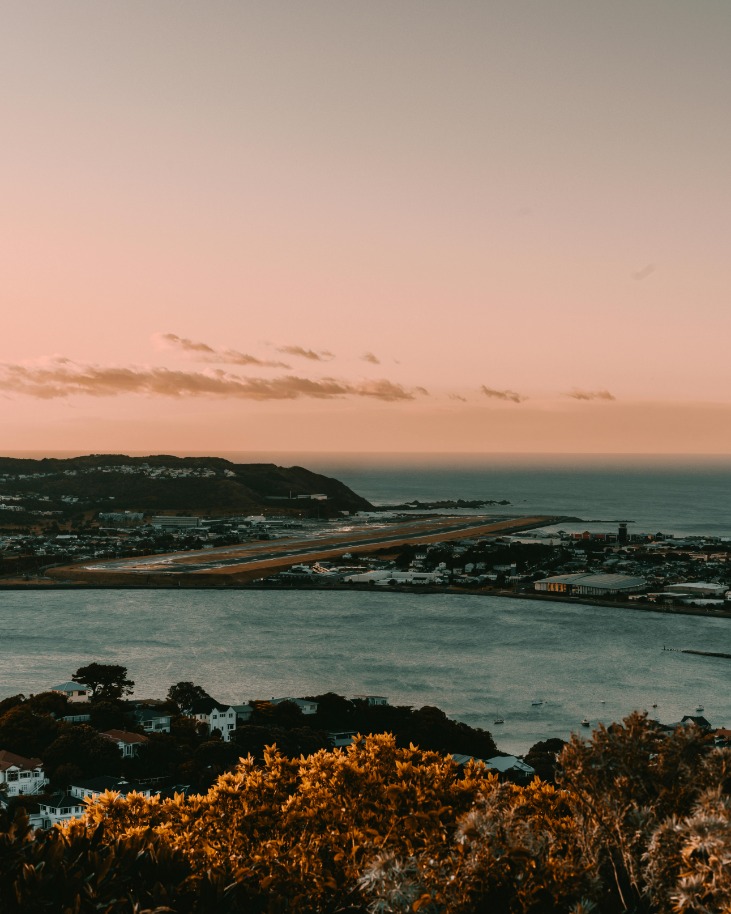
The Seychelles Islands, located in the Indian Ocean, are renowned for their stunning geography and distinctive layout. Comprising 115 islands, the archipelago features a diverse landscape that includes lush tropical forests, white sandy beaches, and vibrant coral reefs. The main island, Mahé, serves as the political and economic hub, with its rugged mountains and expansive coastline dominating the island’s geography. The overall layout of Seychelles combines natural beauty with strategic locations, making it a unique destination for travelers and a vital area for ecological and cultural exploration.
City Planning and Urban Structure
The capital of the Seychelles Islands is Victoria, located on the island of Mahé. Its geography and layout reflect its role as the administrative and economic hub of the country. Victoria is situated on a natural harbor, providing a strategic position for shipping and transportation. The city is characterized by a compact urban structure, with a mix of colonial-era architecture and modern buildings, blending the island’s historical and contemporary influences.
The city’s urban planning emphasizes efficient land use, with essential services and government offices concentrated in the central area. Green spaces and parks are integrated into the city layout, offering recreational areas for residents and visitors. The road network is relatively simple but well-organized to facilitate movement around the island’s main attractions and facilities.
- Victoria is built around a natural harbor that serves as the main port for the islands.
- The city features a small but vibrant market area, notably the Victoria Market, which is a hub for local trade and culture.
- Government buildings, historical sites, and commercial zones are strategically positioned within the city center.
- The urban structure emphasizes walkability, with pedestrian-friendly streets connecting key points of interest.
- Transportation within Victoria and to other islands is supported by ferries, domestic flights, and road networks.
Main Districts and Neighborhoods
The capital of the Seychelles Islands is Victoria, a vibrant and culturally rich city situated on the island of Mahé. Located on the northeastern coast of the island, Victoria is known for its compact layout and charming colonial architecture. The city is surrounded by lush greenery and offers a stunning harbor view, making it a central hub for commerce and tourism in Seychelles.
Victoria’s geography is characterized by its hilly terrain, with Mount Pereira as a prominent feature providing panoramic views of the surrounding islands. The city is situated on flat coastal plains, which accommodate its main districts and neighborhoods. The layout of Victoria is organized around the bustling Victoria Market, with the central area serving as the commercial and administrative heart.
Main districts within Victoria include the Central District, where government offices, shops, and markets are concentrated. The waterfront district is popular for its beaches, markets, cafes, and fishing harbor, offering a lively atmosphere for residents and visitors alike. Other neighborhoods like Bel Ombre and Mont Fleuri offer residential areas with scenic views and access to natural attractions.
Victoria is well-connected through paved roads and small streets that lead to various neighborhoods and neighboring islands via ferry routes. The city’s compact size makes it walkable, easy to explore, and a focal point for the country’s cultural and economic activities. Overall, Victoria’s geography and layout reflect its role as the vibrant heart of Seychelles, blending natural beauty with urban convenience.
Natural Landmarks and Green Spaces
The capital of the Seychelles Islands, Victoria, is situated on the northeastern coast of Mahé Island, which is the largest island in the archipelago. The city’s geography and layout reflect its coastal location, featuring a natural harbor that provides shelter and a scenic backdrop for the bustling city life. Surrounded by lush green hills and the Indian Ocean, Victoria is a vibrant blend of natural beauty and urban development.
The natural landmarks and green spaces of Victoria and its surrounding areas highlight the island’s rich biodiversity and stunning landscapes. From pristine beaches to verdant hills, the region offers a diverse range of natural features that attract visitors and locals alike.
- Mont Fleuri Reserve – A protected area with a variety of native flora and bird species.
- Botanical Gardens – Lush gardens showcasing the island’s diverse plant life, including giant tortoises.
- Mission Lodge Lookout – Offers panoramic views of Victoria and the surrounding islands, nestled within a forested area.
- Beaches such as Beau Vallon and Anse Royale – Iconic spots known for their crystal-clear waters and white sands.
- Natural Harbor – The sheltered bay that characterizes Victoria’s maritime activities and proximity to lush islands.
Cultural and Social Aspects
The Seychelles Islands, known for their stunning beaches and vibrant marine life, are also rich in cultural and social traditions that reflect a diverse heritage. The capital city, Victoria, serves as a cultural hub where local customs, history, and social dynamics intertwine, offering a unique glimpse into the identity of the island nation. Exploring the cultural and social aspects of Victoria provides deeper insight into how the people of Seychelles preserve their traditions while embracing modern influences.
Languages and Ethnic Composition
The capital of the Seychelles Islands is Victoria, a vibrant city that reflects the diverse cultural and social fabric of the nation. As the political and economic center, Victoria showcases a unique blend of traditions influenced by African, Asian, European, and Middle Eastern communities. This multicultural environment is evident in the local customs, festivals, and cuisine, which celebrate the rich heritage of its inhabitants.
The languages spoken in Victoria and across the Seychelles primarily include Seychellois Creole, English, and French. Seychellois Creole, a French-based creole language, is widely spoken and considered a symbol of national identity, fostering a sense of unity among the diverse population. English serves as the language of government, education, and business, facilitating international communication and tourism. French also maintains a significant presence, reflecting historical ties and cultural connections.
The ethnic composition of Victoria and the broader Seychelles is a testament to its history of migration and settlement. The population is a mixture of African, European, Indian, and Chinese descent, creating a multicultural society that is both harmonious and dynamic. This diversity influences social practices, art, music, and daily life, making Victoria a reflection of the broader Seychelles community. Together, these elements contribute to the vibrant and inclusive character of the capital city.
Festivals and Cultural Events
The capital of the Seychelles Islands, Victoria, is a vibrant hub that reflects the rich cultural and social fabric of the nation. It blends traditional Creole influences with modern innovations, creating a unique atmosphere that celebrates the islands’ diverse heritage. The local community actively participates in numerous festivals and cultural events that showcase their history, music, dance, and cuisine.
- Creole Festivals: Celebrations like the Seychelles Creole Festival highlight the island’s Creole culture through music, dance, and culinary delights, fostering pride and unity among residents.
- Independence Day: Marked annually with parades, cultural performances, and fireworks, this event commemorates Seychelles’ independence and promotes national identity.
- Music and Dance Events: Festivals featuring traditional sega and moutya dances attract both locals and tourists, showcasing the islands’ lively musical heritage.
- Art Exhibitions and Cultural Fairs: These events promote local artists and artisans, emphasizing Seychelles’ rich artistic traditions and craftsmanship.
- Religious and National Celebrations: Events like the Catholic Feasts and national holidays include processions, prayers, and community gatherings that reinforce social cohesion.
Religious and Traditional Practices
The capital of the Seychelles Islands, Victoria, exemplifies a unique blend of cultural and social aspects rooted in its diverse heritage. The city reflects influences from African, European, and Asian traditions, which are evident in its architecture, cuisine, and daily life. Traditional practices such as local music, dance, and craftwork are vital components of the social fabric, fostering a strong sense of community and cultural identity. Religious and traditional practices also play a significant role, with Christianity being the predominant religion, and various customs being observed during festivals, ceremonies, and celebrations. These practices are not only vital for maintaining historical continuity but also for strengthening social bonds among residents and emphasizing their shared cultural heritage.
Economy and Infrastructure
The economy and infrastructure of the Seychelles Islands play a vital role in supporting the nation’s growth and development. As a renowned island nation, Seychelles relies heavily on tourism, fishing, and services, which are complemented by its expanding infrastructure. Modern facilities, transportation networks, and sustainable initiatives are essential to fostering economic stability and enhancing the quality of life for residents and visitors alike in the capital and across the islands.
Commercial Hubs and Markets
The capital city of the Seychelles Islands, Victoria, serves as the primary hub for the nation’s economy and infrastructure development. It plays a vital role in fostering commercial activities, trade, and connectivity, making it an important center for the country’s growth.
Economy and infrastructure in Victoria are characterized by a mix of tourism, fishing, and small-scale manufacturing sectors. The city boasts an efficient port, facilitating imports and exports, which supports the island nation’s sustainable economic activities. Additionally, the government’s investments in transportation, healthcare, and education infrastructure have contributed to a better quality of life for residents and improved business operations.
Victoria is home to several key commercial hubs and markets that serve both locals and tourists. These markets offer a variety of goods, including fresh produce, handicrafts, and souvenirs, reflecting the rich cultural heritage of Seychelles.
- Victoria Market: The central marketplace, where vendors sell fresh fruits, vegetables, seafood, and local crafts, is a bustling commercial hub.
- Tourist Markets: Focused on handicrafts, jewelry, and souvenirs, these markets cater to visitors seeking authentic Seychellois products.
- Financial Services: The city hosts banking institutions, insurance companies, and other financial services that support economic stability and growth.
- Transportation Infrastructure: Well-developed roads, ferry services, and an airport nearby facilitate accessibility and movement of goods and people.
Transport and Connectivity
The economy and infrastructure of Seychelles’ capital, Victoria, play a vital role in the country’s development and connectivity. As the political and commercial hub, Victoria boasts a growing service sector heavily reliant on tourism, finance, and public administration. The city benefits from investments in infrastructure, including modern roads, a regional airport, and ports that facilitate trade and movement of people. Transport within the capital and surrounding areas is supported by a network of buses and taxis, ensuring efficient connectivity. Enhancements in infrastructure continue to promote economic growth, attracting international business and improving the quality of life for residents and visitors alike.
Tourism Industry Contributions
The Seychelles Islands capital, Victoria, plays a crucial role in the nation’s economy and infrastructure development. As the economic hub, it supports various industries, including tourism, finance, and trade, contributing significantly to the country’s revenue and employment. The infrastructure in Victoria and across the islands has expanded to accommodate increasing tourism demands, with upgraded transportation systems, modernized ports, and improved public services pivotal for sustained growth.
The tourism industry is a major contributor to the Seychelles economy, generating substantial income through eco-tourism, luxury resort stays, and excursions. Visitors are attracted by the islands’ pristine beaches, diverse marine life, and vibrant cultural scene. The government and private sector investments in tourism infrastructure—such as hotels, airports, and ecological preservation initiatives—have further enhanced Seychelles’ reputation as a premier travel destination, ensuring continuous economic benefits and employment opportunities for local communities.
Government and Administrative Role
The government and administrative role in the Seychelles Islands’ capital, Victoria, is essential for maintaining order, implementing policies, and promoting sustainable development. As the administrative hub of the country, Victoria’s governance structures are responsible for managing public services, fostering economic growth, and ensuring the well-being of its residents. Effective leadership and organization are crucial in shaping the capital into a vibrant and functional center that reflects the nation’s values and aspirations.
Municipal Governance
The capital of the Seychelles Islands is Victoria, which serves as the administrative and governmental heart of the nation. As the central hub for government functions, Victoria hosts key institutions such as the Presidential Palace, government ministries, and various administrative offices that oversee national policies and development initiatives. The role of government and administrative bodies within the city is crucial in maintaining public order, implementing laws, and managing public services for the population. Municipal governance in Victoria involves local officials who address community needs, urban planning, infrastructure development, and service delivery, ensuring the city’s smooth operation and sustainable growth. Effective governance in Victoria ultimately supports the overall progress of the Seychelles Islands, balancing economic development with environmental preservation and social welfare.
Public Services and Facilities
The capital of the Seychelles Islands is Victoria, a vibrant city that serves as the political, economic, and cultural hub of the country. The government and administrative roles in Victoria are essential in maintaining the nation’s stability and development. Government institutions manage public policies, national security, and economic regulation, ensuring the well-being of residents and visitors alike. Administrative services support the smooth operation of daily life, from issuing documents to overseeing public programs. Public services and facilities in Victoria play a crucial role in enhancing the quality of life, including healthcare centers, educational institutions, transportation systems, and public safety services. These facilities are designed to meet the needs of the growing population and foster sustainable development within the Seychelles Islands. Overall, the efficient functioning of governmental and administrative bodies, along with well-maintained public services, contributes significantly to the prosperity and attractiveness of Victoria as the capital city of Seychelles.
International Relations and Diplomatic Presence
The capital of the Seychelles Islands is Victoria, which serves as the political and administrative center of the country. The government and administrative role in Victoria involve local governance, the implementation of national policies, and coordination with international bodies. The administrative functions include managing public services, economic development, and maintaining law and order within the capital. International relations are also prominently represented through diplomatic missions and consular offices, fostering global partnerships and promoting Seychelles’ interests abroad. Diplomatic presence in Victoria facilitates diplomatic communication, cross-border cooperation, and participation in regional and international organizations, ensuring the nation’s integration into the global community and enhancing its diplomatic standing.
Future Developments and Challenges
The capital of the Seychelles Islands, Victoria, is poised for future development that aims to balance growth with sustainability. As the island nation continues to evolve, challenges such as environmental preservation, infrastructure expansion, and economic diversification will play a crucial role in shaping its urban landscape. Addressing these issues will be essential for ensuring a thriving and resilient capital city in the years to come.
Urban Expansion Plans
The future developments and challenges related to urban expansion plans in Victoria, the capital of the Seychelles Islands, focus on balancing growth with sustainability. As the city aims to accommodate a rising population and increased economic activity, careful planning is essential to preserve the island’s natural beauty and cultural heritage while supporting modern infrastructure.
- Implementing sustainable urban planning strategies to reduce environmental impact
- Upgrading transportation networks to improve connectivity and reduce congestion
- Developing affordable housing to accommodate future residents and prevent urban sprawl
- Ensuring the protection of natural coastal areas and marine ecosystems amidst expansion
- Integrating smart city technologies for efficient management of resources and services
Challenges include managing limited land availability, mitigating the effects of climate change such as rising sea levels, and maintaining the cultural identity of Victoria while modernizing infrastructure. Strategic planning will be vital to overcome these hurdles and promote sustainable urban growth for the Seychelles Islands’ future.
Sustainable Development Initiatives
The Seychelles Islands capital is poised to embrace innovative future developments and address ongoing challenges through sustainable development initiatives. As the nation continues to grow, balancing economic growth with environmental preservation remains a priority to ensure the islands’ unique natural beauty endures for generations. Efforts focus on developing eco-friendly tourism, renewable energy projects, and sustainable infrastructure that minimize ecological footprints.
Future initiatives are likely to include expanded marine protected areas to conserve biodiversity, investment in solar and wind energy to reduce reliance on fossil fuels, and community-based programs that promote local involvement in environmental stewardship. Challenges such as climate change, rising sea levels, and limited natural resources require resilient strategies and international cooperation.
Seychelles’ capital will play a crucial role in implementing these sustainable development initiatives, fostering a balanced approach to urban growth and environmental conservation. Emphasizing innovation, sustainability, and inclusivity will be essential in shaping a resilient and prosperous future for the islands and their inhabitants.
Environmental Concerns and Preservation Efforts
The capital of the Seychelles Islands, Victoria, faces a range of future developments and challenges as it balances growth with environmental preservation. Rapid urbanization and infrastructural expansion are necessary to accommodate increasing population and tourism, but they must be managed carefully to prevent ecological degradation. Environmental concerns are paramount, given the islands’ rich biodiversity and fragile ecosystems, which are vulnerable to climate change, pollution, and overdevelopment. Preservation efforts involve implementing sustainable tourism practices, establishing protected areas, and promoting eco-friendly policies to safeguard the natural beauty and unique wildlife of the Seychelles. Strategic planning and community engagement will be essential in ensuring that the capital remains a vibrant yet sustainable hub for residents and visitors alike.


0 Comments