
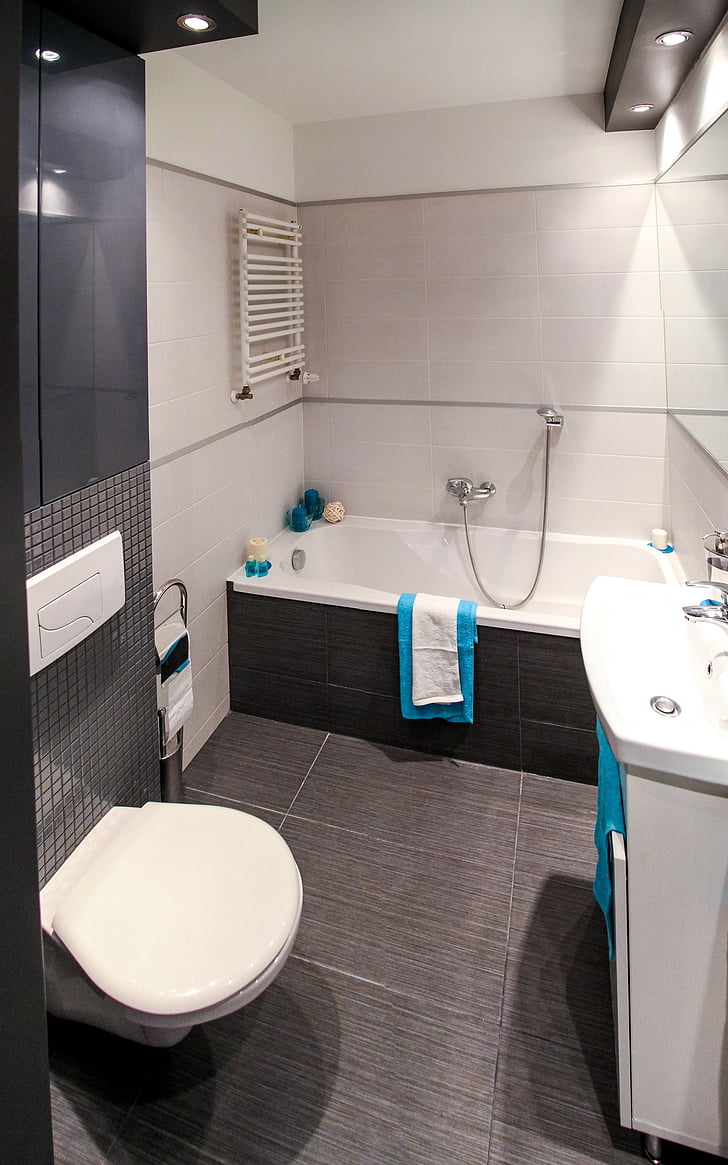
Design and Style of Moroccan Bathrooms
Moroccan bathrooms are renowned for their vibrant and intricate design elements that showcase the rich cultural heritage of Morocco. They often feature exquisite tile work, bold colors, and handcrafted details that create a luxurious and inviting atmosphere. The design style combines traditional craftsmanship with modern touches, resulting in a unique space that reflects elegance and cultural authenticity.
Traditional Moroccan Aesthetic
Moroccan bathrooms are renowned for their distinctive design and rich cultural aesthetic, creating a luxurious and exotic retreat. They often feature vibrant colors, intricate tilework, and an emphasis on craftsmanship that reflects Morocco’s vibrant artistic heritage. Traditional Moroccan style incorporates ornate geometric patterns, floral motifs, and hand-painted ceramics, which add charm and character to the space. The use of natural materials such as tadelakt plaster, brass fixtures, and carved wood accents further enhances the authentic ambiance. Lighting play a crucial role, with lanterns and sconces providing warm, inviting illumination that highlights the detailed details of the decor. Overall, Moroccan bathrooms embody a harmonious blend of functionality and artistry, transforming everyday spaces into beautifully crafted sanctuaries inspired by Morocco’s rich cultural traditions.
Modern Moroccan Bathroom Designs
Modern Moroccan bathroom designs seamlessly blend traditional Moroccan aesthetics with contemporary elements to create luxurious and inviting spaces. These designs often feature rich textures, vibrant colors, and intricate patterns that reflect Morocco’s cultural heritage while maintaining a sleek, modern appeal.
- Use of vibrant colors such as deep blues, warm terracottas, and lush reds to evoke the lively spirit of Moroccan markets.
- Incorporation of decorative tiles, especially Zellige mosaics, featuring geometric patterns that add visual interest and texture.
- Elegant fixtures with ornate details, including brass or Copper hardware, for a touch of opulence.
- Utilization of natural materials like wood, stone, and ceramics to create a warm and earthy ambiance.
- Lighting plays a crucial role, with Moroccan lanterns and intricate pendant lights providing soft, ambient illumination.
- Decorative elements such as carved wooden screens, mirrors with ornate frames, and colorful textiles enhance the authentic Moroccan feel.
- In modern designs, clean lines and minimalistic layouts balance traditional decorative details, resulting in a harmonious aesthetic.
Color Schemes and Decorative Elements
Moroccan bathrooms are renowned for their vibrant and eclectic design, blending traditional Middle Eastern influences with modern aesthetics. They often feature intricate tilework, ornate fixtures, and a warm, inviting atmosphere that reflects Morocco’s rich cultural heritage. The overall style emphasizes craftsmanship and artistry, creating a luxurious yet authentic environment.
Color schemes in Moroccan bathrooms typically incorporate bold and earthy tones such as deep blues, terracotta, vibrant reds, and golden yellows. These colors are inspired by the natural landscape and traditional Moroccan decor, creating a lively and exotic ambiance. Accents of turquoise and emerald green are also popular, evoking the serene waters found along Morocco’s coast.
Decorative elements play a crucial role in Moroccan bathroom design. Hand-painted tiles with geometric or floral patterns, Moroccan lanterns with intricate metalwork, and carved wood accents are common features. Additionally, the use of brass or copper fixtures, decorative Mirrors, and plush textiles like woven rugs and embroidered towels add layers of texture and richness. These elements collectively create an opulent and culturally immersive space that transports users to a Moroccan riad or hammam.
Key Features of Moroccan Bathrooms
Moroccan bathrooms are renowned for their unique blend of vibrant colors, intricate tilework, and luxurious details that create a truly distinctive ambiance. These spaces often feature ornate mosaics, handcrafted ceramics, and decorative elements inspired by Morocco’s rich cultural heritage. The design emphasizes both beauty and functionality, resulting in a bathroom that is not only a space for daily routines but also a reflection of artistic craftsmanship. The key features of Moroccan bathrooms embody a harmonious balance of tradition, elegance, and vibrant aesthetic appeal.
Use of Zellige Tiles
Moroccan bathrooms are renowned for their vibrant, intricate design and rich cultural artistry. One of their key features is the extensive use of Zellige tiles, which are handcrafted from glazed terracotta and showcase complex geometric patterns. These tiles add a distinctive, artisanal touch to the space, creating a mesmerizing visual effect. Moroccan bathrooms often incorporate bold colors such as deep blues, emerald greens, and warm earth tones, enhancing the overall aesthetic. The use of ornate mosaic patterns, carved wood accents, and traditional lantern lighting further contributes to the luxurious and exotic ambiance. Overall, the combination of Zellige tiles and traditional Moroccan design elements creates a unique, inviting bathroom experience that reflects craftsmanship and cultural heritage.
Ornamental Brass Fixtures
Moroccan bathrooms are renowned for their distinctive aesthetic that combines tradition and artistry, creating a unique and luxurious atmosphere. Ornamental brass fixtures are a key feature, showcasing intricate designs and craftsmanship that add an elegant touch to the space. These brass elements often include faucets, showerheads, towel bars, and decorative accents, all crafted with detailed patterns and motifs inspired by Moroccan culture. The use of brass not only provides durability and a timeless appeal but also enhances the overall ambiance through their warm, golden hues. Moroccan bathrooms also emphasize vibrant tiles, elaborate carvings, and colorful mosaics, which complement the ornamental brass fixtures to create a rich, exotic environment. The integration of these features reflects a dedication to artistry and tradition, making Moroccan bathrooms a luxurious retreat that combines functionality with aesthetic excellence.
Intricate Mosaics and Patterns
Moroccan bathrooms are renowned for their distinctive and culturally rich design elements, combining functionality with artistic expression. One of their key features is the use of intricate mosaics and patterns that adorn walls, floors, and decorative surfaces, creating a vibrant and luxurious atmosphere. These mosaics often feature geometric shapes, floral motifs, and complex tile arrangements, reflecting Islamic art influences. The patterns are carefully crafted with colorful ceramic tiles, known as zellige, which are hand-cut and assembled to form mesmerizing designs. Additionally, Moroccan bathrooms frequently showcase decorative elements such as carved wooden screens, brass fixtures, and textured plasterwork, all harmonizing to produce a warm and inviting space. The overall aesthetic emphasizes craftsmanship and detailed ornamentation, making Moroccan bathrooms a unique blend of beauty and practicality.
Materials and Textures
When designing a Moroccan bathroom, the selection of materials and textures plays a vital role in creating an authentic and immersive experience. Rich, intricate surfaces and tactile finishes evoke the traditional artistry and craftsmanship associated with Moroccan interiors. From graceful mosaics to plush textiles, these elements contribute to a warm, inviting atmosphere that reflects the timeless beauty of Moroccan design.
Natural Stone and Marble
Materials and textures play a vital role in creating a luxurious and authentic Moroccan bathroom. Incorporating natural stone and marble enhances the aesthetic appeal, offering durability and timeless elegance. Moroccan design often features intricate patterns and rich textures that can be highlighted through the use of these materials. Natural stone, such as tadelakt or travertine, adds warmth and a tactile quality that immerses the space in Moroccan tradition. Marble, with its smooth surface and unique veining, introduces a sense of sophistication and opulence, perfect for flooring, walls, or vanity tops. Combining these materials with traditional Moroccan mosaics and decorative motifs creates a captivating and harmonious environment that embodies both function and artistry.
Decorative Ceramics
Materials and textures play a vital role in creating an authentic Moroccan bathroom, reflecting the rich cultural heritage and artistic detail of the region. Decorative ceramics are a hallmark of Moroccan design, featuring intricate patterns, vibrant colors, and handcrafted details that add a sense of craftsmanship and luxury. These ceramics often include beautifully tiled walls with complex geometric motifs and floral designs, enhancing the visual interest and depth of the space. Natural stone and terracotta are also commonly used materials, providing warm, earthy textures that complement the decorative ceramics and contribute to an inviting atmosphere. Overall, the combination of diverse materials and textured surfaces embodies the timeless elegance and vibrant energy characteristic of Moroccan bathrooms.
Textile and Fabric Accents
In a Moroccan bathroom, the use of materials and textures plays a pivotal role in creating an authentic and inviting atmosphere. Natural stones such as marble and tadelakt, with their smooth yet tactile surfaces, are commonly employed to add a sense of luxury and timeless elegance. These materials are often paired with intricately carved wood accents, which introduce warmth and a touch of craftsmanship to the space. Textured tiles, featuring ornate geometric patterns and vibrant colors, further enhance the Moroccan aesthetic and bring visual interest to walls and flooring.
Textile and fabric accents in a Moroccan bathroom typically include richly embroidered towels, woven baskets, and decorative cloths. These textiles often showcase traditional Moroccan motifs and vibrant hues, providing a pop of color and softness against the hard surfaces. Embroidered or tasseled textiles can be draped over hooks or placed on shelves, adding layers of texture that evoke a sense of comfort and cultural charm. Overall, the careful selection of materials and fabrics in a Moroccan bathroom creates a harmonious blend of tactile richness and visual allure, embodying the beauty and warmth of Moroccan design.
Popular Moroccan Bathroom Accessories
Moroccan bathrooms are renowned for their vibrant and intricate designs, blending tradition with modern elegance. A key element of this aesthetic is the selection of popular bathroom accessories that enhance both functionality and style. These accessories often feature colorful patterns, ornate details, and handcrafted touches, reflecting Morocco’s rich cultural heritage. Incorporating these elements into your bathroom can create a warm, inviting, and uniquely Moroccan atmosphere.
Luxury Soap Dishes and Dispensers
Moroccan bathrooms are renowned for their elegant and luxurious accessories that elevate everyday routines into indulgent experiences. Popular Moroccan bathroom accessories often feature intricate designs and vibrant colors, reflecting the rich cultural heritage of the region.
- Luxury Soap Dishes: Crafted from ceramic, brass, or glass, Moroccan soap dishes often showcase hand-painted patterns, geometric motifs, or metallic accents. These dishes not only serve a functional purpose but also add an artistic touch to the bathroom decor.
- Dispensers: Elegant Moroccan dispensers made of brass, ceramic, or glass are widely favored for liquids like soap and lotion. They frequently feature traditional motifs or filigree details, combining practicality with aesthetic appeal.
- Decorative Trays: Used for organizing small accessories, Moroccan trays often incorporate intricate metalwork or mosaic designs that complement other accessories.
- Toothbrush Holders: Designed with geometric patterns and calligraphic details, these holders add a touch of cultural elegance to the sink area.
- Bath Accessories Sets: Complete sets including soap dishes, dispensers, and trays, often adorned with traditional Moroccan patterns, create a cohesive and luxurious bathroom look.
These accessories not only enhance the aesthetic appeal of Moroccan bathrooms but also reflect the country’s artistry and craftsmanship, making the space both functional and beautifully decorated.
Decorative Mirrors with Carved Frames
Popular Moroccan bathroom accessories add a touch of elegance and cultural charm to any space. Among these, decorative mirrors with carved frames are particularly sought after because of their intricate craftsmanship and vibrant designs. These mirrors often feature traditional Arabesque patterns, floral motifs, and geometric shapes that reflect Morocco’s rich artistic heritage. Made from materials like wood, metal, or resin, their detailed carvings create a stunning focal point in the bathroom. Incorporating such mirrors enhances the ambiance, blending functionality with aesthetic appeal, and brings a distinctly Moroccan flavor to bathroom decor.
Hammam-Inspired Elements
Moroccan bathrooms are known for their rich cultural heritage and luxurious design elements, often inspired by traditional Hammam bathing practices. Popular accessories include intricately designed brass or copper soaps, lush woven poufs, and decorative ceramic vessels that add a touch of authenticity. Hammam-inspired elements such as textured wall tiles, mosaic patterns, and vibrant color palettes create a warm and inviting atmosphere. These features not only enhance functionality but also elevate the aesthetic appeal, making Moroccan bathrooms a perfect blend of tradition and elegance.
Functional Aspects and Layout
The functional aspects and layout of a Moroccan bathroom are essential elements that combine tradition with practicality. These spaces often showcase intricate designs and vibrant colors, while maintaining a focus on efficiency and comfort. A well-planned layout ensures ease of use and enhances the overall aesthetic, creating a harmonious environment that reflects Morocco’s rich cultural heritage.
Optimizing Small Spaces
When designing a Moroccan bathroom, focusing on functional aspects and layout is essential to maximize the usability of the space. Incorporating traditional Moroccan elements such as intricate tiling and open shelving can enhance aesthetics while maintaining practicality. Arranging fixtures like the sink, toilet, and shower in a way that minimizes clutter and allows easy movement is crucial, especially in small spaces.
Optimizing small Moroccan bathrooms involves strategic planning to make the most of limited area. Utilizing vertical space with wall-mounted cabinets and decorative niches helps keep the floor clear, creating an illusion of openness. Light colors and reflective surfaces can amplify natural light, making the space feel larger. Additionally, selecting multi-functional fixtures, such as a combined vanity and storage unit, ensures functionality without sacrificing style.
Wet and Dry Zone Separation
In Moroccan bathroom design, the functional aspects and layout are thoughtfully planned to enhance comfort and efficiency. Proper separation of wet and dry zones is essential to maintain cleanliness and prevent water damage. Typically, the wet zone, containing the shower or bathtub, is enclosed with waterproof materials such as tiles or glass partitions, ensuring that water does not spread into the dry zone. The dry zone, which includes sinks, mirrors, and storage spaces, remains dry and accessible for daily grooming activities. An effective layout often places the dry zone near the entrance for convenience, while the wet zone is situated away to contain moisture. This segmentation improves the overall hygiene, durability, and aesthetic appeal of Moroccan bathrooms, blending traditional decorative elements with practical design principles. Ensuring a clear distinction between wet and dry areas is fundamental to creating a functional and visually appealing bathroom space in Morocco.
Lighting Solutions for Ambiance
Functional aspects and thoughtful layout are essential for creating a practical and aesthetically pleasing Moroccan bathroom. Incorporating efficient storage solutions, such as built-in niches and antique cabinets, ensures cleanliness and organization. The layout should facilitate ease of movement, often featuring a central washbasin with surrounding space for comfort. Moroccan bathrooms frequently blend traditional design elements with modern utilities, emphasizing accessibility and ease of maintenance.
Lighting solutions play a crucial role in establishing the ambiance of a Moroccan bathroom. Natural light can be maximized through decorative windows or skylights, highlighting intricate tilework and ornate fixtures. Ambient lighting, such as wall sconces and pendant lights, creates a warm, inviting atmosphere, while accent lighting emphasizes decorative details. Combining different lighting layers enhances the overall mood, transforming the bathroom into a relaxing retreat reflective of Moroccan elegance and charm.
Maintenance and Preservation
Proper maintenance and preservation are essential for ensuring the longevity and functionality of any space, especially in a Moroccan bathroom which often features intricate designs and traditional craftsmanship. Regular upkeep not only maintains its aesthetic appeal but also prevents structural issues and preserves cultural heritage. Understanding effective maintenance practices helps in keeping the bathroom both beautiful and durable for years to come.
Cleaning Zellige Tiles and Brass Fixtures
Maintaining the beauty of a Moroccan bathroom involves regular cleaning and proper preservation of its distinctive features, such as Zellige tiles and brass fixtures. These elements require specific care to ensure their longevity and vibrant appearance. Zellige tiles, known for their intricate patterns and glazed surface, should be cleaned gently with a soft cloth or sponge using mild, pH-balanced soap and water to avoid damaging the glaze or causing discoloration. Avoid abrasive cleaners and harsh scrubbing, which can erode the detailed craftsmanship. Brass fixtures, on the other hand, benefit from regular polishing to maintain their lustrous finish. Use a soft cloth and a specialized brass cleaner or a mixture of lemon juice and baking soda to remove tarnish. Rinse thoroughly and dry immediately to prevent water spots and corrosion. Proper care not only preserves the aesthetic appeal of Moroccan bathroom features but also ensures their durability for years to come.
Preventing Mold and Mildew
Maintaining and preserving a Moroccan bathroom involves regular attention to cleanliness and humidity control to prevent mold and mildew growth. Ensuring good ventilation is essential; installing an exhaust fan or opening windows after use helps reduce moisture buildup. Regularly cleaning surfaces with mold-resistant solutions and wiping down tiles, especially in shower areas, minimizes the risk of mold development. Using moisture-absorbing materials like silica gel or dehumidifiers can further control humidity levels. Additionally, promptly repairing leaks and sealing grout lines maintain the integrity of surfaces, preventing mold from taking hold. Proper maintenance not only preserves the vibrant beauty of Moroccan tiles and decor but also ensures a healthy and hygienic bathroom environment.
Restoring Traditional Decor Elements
Maintaining and preserving traditional decor elements in a Moroccan bathroom is essential to uphold its authentic charm and cultural significance. Regular cleaning with gentle, non-abrasive products helps preserve intricate tile work and delicate finishes, preventing deterioration caused by moisture and dirt. Restoring traditional decor involves careful craftsmanship, often requiring skilled artisans to repair or replace damaged zellige tiles, carved woodwork, or ornate metal fixtures. Using authentic materials and techniques ensures that the restored elements retain their original aesthetic and structural integrity. Implementing proper ventilation and humidity control systems also plays a vital role in sustaining the beauty and longevity of traditional decor, allowing this rich cultural heritage to be appreciated for generations to come.
Integrating Moroccan Bathrooms into Modern Homes
Integrating Moroccan bathrooms into modern homes offers a perfect blend of timeless elegance and contemporary design. These spaces bring vibrant colors, intricate tile work, and exotic textures that create a luxurious and inviting atmosphere. By combining traditional Moroccan elements with modern amenities, homeowners can craft unique bathrooms that reflect cultural richness while maintaining functionality and style.
Blending Traditional and Contemporary Styles
Integrating Moroccan bathrooms into modern homes creates a stunning fusion of tradition and contemporary design. The rich textures, intricate tile work, and vibrant colors characteristic of Moroccan bathrooms add a unique aesthetic that elevates any space. When thoughtfully incorporated, these elements bring warmth and cultural depth to a modern environment, making the bathroom a captivating focal point.
To achieve a seamless blend, consider using traditional Moroccan tiles such as zellige or tadelakt on feature walls or around the bathtub. Pair these with sleek, minimalist fixtures and neutral color palettes in the remainder of the bathroom to maintain a balanced look. Incorporating ornate lanterns, brass accents, or distressed wood can further enhance the authentic Moroccan ambiance while complementing modern design principles.
Lighting plays a crucial role in highlighting the intricate details of Moroccan decor. Soft, ambient lighting creates a warm, inviting atmosphere that emphasizes the textures and patterns of the tiles. Modern fixtures with clean lines contrasted with traditional decorative elements can create a harmonious mix that appeals to contemporary tastes while respecting cultural richness.
In essence, integrating Moroccan bathrooms into modern homes offers an opportunity to celebrate craftsmanship and artistry within a sleek, functional space. The result is a captivating environment where tradition meets innovation, delivering a bathroom that is both beautiful and unique.
Design Tips for a Cohesive Look
Integrating Moroccan bathrooms into modern homes can create a stunning fusion of traditional elegance and contemporary design. To achieve a cohesive look, it’s important to blend authentic Moroccan elements with modern aesthetics seamlessly. This balance can transform your bathroom into a luxurious sanctuary that reflects rich cultural heritage while maintaining functionality and style.
Here are some design tips for achieving a cohesive Moroccan bathroom within a modern home:
- Incorporate Moroccan Tile Patterns: Use intricately patterned ceramic or cement tiles for flooring or backsplashes to add warmth and character. Pair these with neutral wall colors to highlight the beautiful tile work.
- Choose Ornate Fixtures: Select tapware and fixtures with traditional Moroccan designs or finishes like brass or antique gold to complement the aesthetic.
- Use Warm Color Palettes: Opt for earthy tones such as terracotta, deep blues, and warm neutrals that evoke the Moroccan landscape and traditional decor.
- Add Decorative Accessories: Incorporate traditional lantern-style lighting, carved wooden accents, or mosaic mirrors to enhance the authentic vibe.
- Maintain Simplicity in Modern Elements: Balance ornate Moroccan features with clean-lined modern cabinetry and minimalist hardware to prevent the space from feeling overwhelming.
- Create a Focal Point: Use a Moroccan-style shower enclosure or archways to serve as a centerpiece, combining tradition with contemporary architectural elements.
- Mind the Space Layout: Ensure that the overall layout remains functional and uncluttered, blending the decorative Moroccan details with the simplicity of modern design.
Use of Moroccan Elements as Focal Points
Integrating Moroccan bathrooms into modern homes creates a unique and luxurious aesthetic that beautifully blends traditional craftsmanship with contemporary design. Moroccan elements, such as intricate tile work, ornate lanterns, and decorative woodwork, serve as striking focal points that add character and warmth to the space. By incorporating handcrafted zellij or mosaic tiles in shower surrounds, flooring, or accent walls, homeowners can evoke the vibrant spirit of Moroccan culture while maintaining a sleek, modern vibe. Additionally, elements like carved wooden doors or furnishings and colorful textiles enhance the authenticity and visual appeal of the bathroom. Thoughtful integration ensures that Moroccan design elements complement modern fixtures, resulting in a harmonious balance of tradition and innovation that transforms the bathroom into a captivating retreat. Ultimately, using Moroccan elements as focal points allows for a personalized and culturally rich space that elevates the overall aesthetic of a contemporary home.



0 Comments