
Demographics of Seychelles
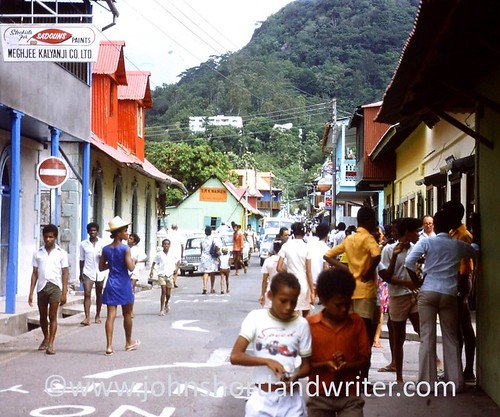
The Seychelles islands are home to a diverse and vibrant population that reflects a blend of cultural influences. The demographics of Seychelles showcase a mix of ethnic groups, ages, and languages, contributing to the rich social fabric of the nation. Understanding these demographic characteristics offers insight into the unique identity and community life of the Seychellois people.
Population Size and Growth
The Seychelle Islands have a diverse and growing population that reflects their unique historical and cultural background. The total population is approximately 98,000 people, with gradual growth over recent decades. This growth is driven by natural population increase and some immigration, contributing to the country’s demographic dynamics. The population density is moderate, with the majority residing on Mahé, the largest island, which serves as the economic and political center. Demographics of Seychelles are characterized by a youthful population, with a significant proportion under the age of 30, alongside a smaller percentage of elderly residents. Overall, Seychelles’ population continues to develop steadily, shaped by factors such as urbanization, economic opportunities, and national policies on health and education.
Ethnic Composition
The population of Seychelles is diverse, reflecting a rich blend of ethnic backgrounds. The main ethnic groups include the Creole people, who constitute the majority, along with significant communities of French, African, Indian, and Chinese descent. This multicultural composition is a result of Seychelles’ history as a colonial trading hub and its position as a melting pot of various cultures. The Creole population has maintained its unique language and cultural traditions, which are integral to the nation’s identity. Overall, the ethnic diversity of Seychelles contributes to its vibrant cultural landscape and social harmony.
Languages Spoken
The population of Seychelles is diverse, comprising various ethnic groups and communities. The main demographic groups include Creoles, who are the descendants of African and European ancestors, along with smaller populations of Asians, Europeans, and other ethnicities. The country has a relatively small population, with most residents living on the main islands of Mahé, Praslin, and La Digue. Seychelles has experienced steady population growth, influenced by both natural increase and migration patterns.
English, along with Seychellois Creole and French, is one of the official languages spoken in Seychelles. English is widely used in government, education, and business, serving as a common language among the diverse population. Seychellois Creole, a French-based creole language, is the most widely spoken language in everyday life and cultural practices, reflecting the country’s rich history and multicultural heritage. French also holds an important place in the country’s linguistic landscape, especially in cultural and historical contexts.
Religious Practices and Beliefs
The people of the Seychelles Islands are known for their diverse demographics and rich cultural heritage. The population is a mix of ethnic groups, including Creole, French, African, Indian, Chinese, and European origins, reflecting the islands’ history as a crossroads of trade and colonization. The majority of inhabitants reside on the main islands of Mahé, Praslin, and La Digue, contributing to a vibrant and multicultural society. The official language is English, but Seychellois Creole and French are also widely spoken, highlighting the country’s linguistic diversity. The population is relatively young, with a significant proportion under 30 years old, and the country has a high literacy rate alongside a generally high standard of living.
Religious practices and beliefs in Seychelles are diverse and play an important role in daily life. The predominant religion is Christianity, with the largest denomination being Roman Catholicism, followed by Protestant communities, including Anglican and Methodist groups. These religious groups often participate in community events, festivals, and church services, which are integral to social cohesion. There are also small communities practicing other faiths, such as Hinduism and Islam, reflecting the multicultural composition of the population. Religious tolerance is generally promoted, and festivities such as Catholic festivals, Creole festivals, and other cultural celebrations are observed nationwide, illustrating the harmonious coexistence of various beliefs and traditions in Seychelles.
Cultural Traditions and Practices
The people of the Seychelles Islands have a rich tapestry of cultural traditions and practices that reflect a blend of African, European, and Asian influences. Their unique customs are deeply rooted in their history and natural environment, showcasing vibrant celebrations, traditional music and dance, and distinctive culinary practices. These cultural expressions serve as a vital part of their identity, fostering community bonds and preserving their heritage for future generations.
Music and Dance
The people of the Seychelles Islands have a rich cultural heritage that reflects a blend of African, French, British, and Asian influences. Their traditions and practices are deeply rooted in their history and serve as a vital part of community life, celebrating their diverse origins and shared identity.
- Music in Seychelles often features traditional genres such as Sega and Mento, which incorporate rhythmic drums, percussion, and melodious vocals. These styles are performed during festivals, social gatherings, and special occasions, serving as a means to preserve their cultural stories and history.
- Dance is an integral aspect of Seychelles’ cultural expression, with Sega being the most iconic dance style. It involves lively movements and footwork that mirror everyday life and communal experiences, often accompanied by singing that narrates tales of love, work, and social issues.
- Festivals like the Sega Festival and Creole Festival showcase the vibrant music and dance traditions of the islands, attracting both locals and tourists. These events celebrate the musical diversity and cultural resilience of the Seychellois people.
- Alongside traditional music and dance, contemporary genres have also gained popularity, blending modern influences with traditional sounds, thereby keeping the musical heritage alive while embracing new artistic expressions.
Traditional Cuisine
The people of the Seychelles Islands have a rich tapestry of cultural traditions and practices that reflect their diverse heritage. Their cultural identity is shaped by influences from African, French, British, and Asian cultures, creating a unique blend of customs and celebrations. Music and dance play a vital role in their social life, with traditional genres like Sega and Mento showcasing their lively spirit and history.
Traditional cuisine in the Seychelles is a flavorful expression of their island life, incorporating fresh seafood, tropical fruits, and local spices. Popular dishes include grilled fish, octopus salad, and rice-based meals like “Carris” and “Ladob,” often flavored with coconut milk and vinegars. These dishes are not only staples of daily life but are also central to festivals and communal gatherings, reinforcing their cultural bonds.
Overall, the Seychellois people cherish their cultural traditions and cuisine, using them to preserve their history and share their vibrant way of life with visitors from around the world.
Festivals and Celebrations
The people of the Seychelles Islands have a rich and diverse cultural heritage shaped by a blend of African, European, and Asian influences. Their traditions and practices reflect their history, environment, and community values, creating a unique cultural tapestry that is celebrated through various festivals and events.
- Traditional Music and Dance: Sega is a popular music and dance style that originated in the Seychelles, characterized by rhythmic dance movements and acoustic guitar melodies. It is often performed during celebrations and social gatherings, symbolizing the islanders’ connection to their African roots.
- Gastronomic Traditions: Seychellois cuisine features a fusion of flavors, with dishes like grilled fish, coconut curries, and fresh tropical fruits. Food is an integral part of cultural gatherings and is often enjoyed during communal celebrations.
- Religious Practices: Christianity, mainly Roman Catholicism, plays a significant role in the daily lives of Seychellois people. Religious festivals such as Christmas, Easter, and local saints’ feast days are widely celebrated with processions, feasts, and community events.
- Festival of the Creole Festival: Held annually in October, this vibrant celebration showcases Seychellois culture through dance, music, art, and culinary displays, highlighting Creole heritage and fostering national pride.
- Independence Day: Celebrated on June 29th, this national holiday features parades, fireworks, and cultural performances, commemorating the country’s emancipation from colonial rule.
- Festival of the Sea: Recognizing the importance of the ocean to Seychellois life, this festival includes boat races, traditional fishing demonstrations, and seafood feasts, emphasizing the islanders’ deep connection to the sea.
Crafts and Art Forms
The people of the Seychelles Islands have a rich tapestry of cultural traditions and practices that reflect their diverse origins and history. These customs encompass various aspects of daily life, celebrations, and artistic expression, highlighting the unique identity of this island nation.
- Music and Dance: The Seychellois cherish their vibrant music and dance forms such as Sega and moutya, which blend African, European, and Asian influences to create lively and rhythmic performances that are an integral part of festivals and social gatherings.
- Cuisine: Traditional Seychellois cuisine incorporates fresh seafood, tropical fruits, and spices, often prepared through methods passed down generations. Dishes like Guy Bwa and seafood curry showcase local flavors rooted in cultural diversity.
- Festivals and Celebrations: Events like the Seychelles Carnival and Creole Festival celebrate the islands’ multicultural heritage with colorful parades, costumes, and dance, serving as a vital expression of cultural pride and community bonding.
- Crafts and Art Forms: Skilled artisans craft intricate items such as woven baskets, colorful textiles, and carved wood sculptures. These crafts often depict local flora and fauna, reflecting the islands’ natural beauty and cultural symbolism.
- Traditional Clothing: Although modern attire is common, traditional dress during festivals includes vibrant fabrics and accessories that showcase Seychellois craftsmanship and cultural pride.
Social Structure and Community Life
The people of the Seychelles Islands cultural fabric is shaped by a rich social structure and vibrant community life. Their social organization reflects a blend of traditions, history, and diverse influences that foster strong bonds and a sense of belonging among residents. Exploring these aspects reveals how community interactions and social roles contribute to the unique identity of the Seychelles society.
Family and Kinship
The people of the Seychelles Islands have a rich social structure and community life that reflects their diverse cultural heritage and traditional values. These communities are closely knit, emphasizing family ties, kinship, and social cohesion to maintain their shared identity and support systems.
- Family and Kinship: The core of Seychelles society revolves around strong family bonds. Extended families often live nearby or together, fostering a sense of mutual support and shared responsibilities. Kinship ties are highly valued and play an important role in social, economic, and cultural activities.
- Community Life: Community gatherings and festivals are integral to Seychellois life, serving as opportunities for social bonding and the preservation of cultural traditions. Religious events, national celebrations, and local fairs help reinforce communal bonds and identity.
- Social Hierarchy: Although generally egalitarian, traditional roles based on age, gender, and social standing influence interactions within communities. Elders are respected for their wisdom, and family elders often have significant influence in decision-making.
- Marital and Family Structures: Marriages are typically regarded as vital social contracts, often involving arrangements that strengthen family alliances. Household structures vary, but there is a strong emphasis on maintaining close family units and respecting ancestral lineage.
- Cultural Traditions: Music, dance, storytelling, and oral traditions play a pivotal role in community life, helping to transmit cultural values and histories through generations.
Community Gatherings
The people of the Seychelles Islands have a rich social structure that reflects a blend of African, European, and Asian influences, creating a vibrant and diverse community life. Family ties and communal relationships play a central role in their social interactions, often serving as the foundation for stability and support within their society. Community gatherings are vital events that strengthen bonds among residents, fostering a sense of unity and shared identity. These gatherings include traditional festivals, religious ceremonies, and local celebrations, where music, dance, and cuisine are enjoyed collectively. Such events not only serve as entertainment but also as opportunities to pass down cultural traditions and reinforce community solidarity. Overall, social structure and community life in the Seychelles highlight the importance of togetherness and cultural pride among its people.
Roles of Elders
The people of the Seychelles Islands possess a rich social structure that emphasizes community bonds and respect for elders. Elders play a vital role within these communities, serving as custodians of tradition, wisdom, and cultural values. They are often regarded as the keepers of history and are consulted for guidance on important decisions, reinforcing a sense of continuity and social harmony. In daily life, elders participate actively in family and community activities, providing mentorship to the younger generation and helping to maintain social cohesion. This respect for elders fosters a nurturing environment where cultural practices and local knowledge are preserved and passed down through generations, strengthening the social fabric of Seychelles society.
Economic Activities of the People
The people of the Seychelles Islands engage in a diverse range of economic activities that reflect their unique environment and cultural heritage. Agriculture, fishing, and tourism are the main sectors contributing to their livelihood. These activities not only sustain the local economy but also showcase the islands’ rich natural resources and scenic beauty, making Seychelles a prominent destination and a vibrant community dedicated to maintaining their traditional way of life.
Agriculture and Farming
The people of the Seychelles Islands mainly engage in economic activities that are centered around agriculture, tourism, and fishing. Agriculture and farming have traditionally played a significant role in sustaining the local population, providing both food and income. Though the economic landscape has evolved, farming remains vital to rural communities and the local economy.
- Farming in Seychelles primarily includes the cultivation of crops such as coconuts, bananas, vanilla, and spices like cinnamon and pepper.
- Many farmers practice small-scale and subsistence agriculture to support their families and local markets.
- Fishing is another crucial activity, with fish being a primary source of protein for Seychellois people and a major economic contributor.
- Tourism has become a leading industry, indirectly supporting farming activities through demand for local produce and souvenirs.
- Agricultural methods often combine traditional practices with modern techniques to improve yields and sustainability.
Fishing Industry
The people of the Seychelles Islands have traditionally been engaged in various economic activities, with fishing playing a vital role in their livelihood. The fishing industry remains a cornerstone of the local economy, providing employment to many residents and contributing significantly to both domestic consumption and export earnings. Fisheries such as tuna, mackerel, and other reef fish are abundantly available in the surrounding waters, supporting a thriving fishing culture. The community’s deep connection to the sea is reflected in their skills and knowledge of sustainable fishing practices. Additionally, fishing supports related industries such as boat building, processing, and export services, reinforcing its importance to the economic stability of the Seychelles Islands.
Tourism and Hospitality
The people of the Seychelles Islands engage in a variety of economic activities that sustain their community and contribute to the nation’s growth. Tourism and hospitality stand out as the most significant sectors, drawing visitors from around the world to enjoy the stunning beaches, vibrant marine life, and scenic landscapes. Many locals are employed in hotels, resorts, restaurants, and tour operations, making tourism a vital source of income and employment. Additionally, fishing remains an important traditional activity, providing both subsistence and commercial opportunities. Agriculture also plays a role, with the cultivation of spices, coconuts, and tropical fruits supporting local diets and markets. Overall, economic activities in Seychelles are diverse, with a strong emphasis on tourism and hospitality, which help preserve the islands’ natural beauty while fostering economic development for its people.
Local Businesses and Markets
The people of the Seychelles Islands engage in a diverse range of economic activities that sustain their local economy. These activities primarily revolve around agriculture, fishing, tourism, and small-scale businesses, which collectively contribute to the livelihoods of many residents.
- Fishing is a vital economic activity, with residents relying on the rich marine resources surrounding the islands to supply local markets and export fish products.
- Agriculture, although limited by the islands’ terrain, includes the cultivation of copra, vanilla, and seasonal fruits, serving both local consumption and small-scale markets.
- Tourism plays a significant role, with people working in hotels, guiding tours, and running travel-related businesses, capitalizing on the islands’ natural beauty and marine life.
- Local markets are bustling centers where fishermen, farmers, and artisans sell their produce and crafts, fostering a vibrant economy at the community level.
- Small businesses such as restaurants, shops, and craft centers form the backbone of the local economy, providing employment and supporting the tourism industry.
Challenges Faced by Seychellois People
The Seychellois people face a range of challenges that impact their social, economic, and environmental well-being. As residents of an island nation, they contend with limited resources, vulnerability to climate change, and economic dependence on tourism and fishing industries. Additionally, issues such as unemployment, access to healthcare, and preserving cultural heritage amid modernization pose significant hurdles for the Seychellois community.
Environmental Concerns
The Seychellois people face a range of challenges that impact their daily lives and the sustainability of their islands. These challenges are rooted in economic, social, and environmental issues that require ongoing attention and effort.
Environmental concerns are particularly pressing in the Seychelles, given the islands’ unique biodiversity and reliance on natural resources. The delicate ecosystems are threatened by climate change, which causes rising sea levels, coastal erosion, and more frequent extreme weather events. Additionally, overfishing and unsustainable tourism practices contribute to the degradation of marine environments and wildlife habitats.
- Climate change impacts leading to rising sea levels and increased storm frequency
- Overfishing jeopardizing marine biodiversity and fish stocks
- Habitat destruction due to construction and tourism development
- Pollution affecting both land and marine ecosystems
- Limited freshwater resources in a fragile environment
- Socioeconomic disparities that hinder sustainable development
Addressing these challenges requires a concerted effort from government, local communities, and international organizations to promote sustainable practices and environmental conservation while supporting the social and economic wellbeing of Seychellois people.
Economic Development Issues
The Seychellois people face a variety of challenges that impact their social and economic well-being. One significant issue is the limited economic diversification, which makes the economy heavily reliant on tourism, fisheries, and offshore financial services. This dependence exposes them to external shocks such as global economic fluctuations and environmental changes. Additionally, unemployment and underemployment remain persistent problems, particularly among the youth, which hampers overall economic development. The high cost of living and limited access to affordable healthcare and education also contribute to social disparities among the population. Environmental sustainability is another critical concern, as climate change poses threats to the islands’ natural resources and tourism industry. Overcoming these challenges is crucial for ensuring a resilient and prosperous future for the Seychellois people.
Preservation of Cultural Identity
The Seychellois people face numerous challenges in preserving their rich cultural identity amidst rapid modernization and globalization. One significant obstacle is the influence of external cultures, leading to a gradual erosion of traditional customs, languages, and practices. As younger generations increasingly adopt foreign lifestyles and values, traditional Seychellois traditions risk being forgotten or undervalued. Additionally, the dominance of English and French in formal education and media can overshadow indigenous languages and dialects, threatening linguistic diversity. Economic pressures and migration also impact cultural cohesion, as communities become more transient and less connected to their ancestral roots. Despite these challenges, conscious efforts by local communities and cultural organizations aim to safeguard Seychellois heritage, promoting the use of Creole language and traditional arts as vital expressions of national identity.

0 Comments