

Historical Background of the Igbo People
The Igbo people are one of the largest ethnic groups in Nigeria, with a rich history that dates back centuries. Traditionally centered in the southeastern region, the Igbo have a complex cultural heritage characterized by vibrant festivals, intricate art, and a strong sense of community. Their historical development has been shaped by unique social structures, renowned craftsmanship, and interactions with neighboring cultures, making them an integral part of Nigeria’s diverse mosaic.
Origins and Migration Patterns
The Igbo people are one of the major ethnic groups in Nigeria with a rich and complex historical background that dates back thousands of years. Their origins are believed to be rooted in ancient settlements in southeastern Nigeria, where they have historically been engaged in farming, trading, and community building. The Igbo are known for their vibrant culture, social organization, and tradition of craftsmanship.
Historical evidence suggests that the Igbo migrated to their current territories from various parts of West Africa, integrating with existing communities along the way. Their migration patterns are characterized by movements within the southeastern region, driven by factors such as search for arable land, trade opportunities, and social pressures. Over time, these migrations led to the establishment of numerous autonomous communities that share linguistic and cultural ties.
The development of city-states and chiefdoms among the Igbo was influenced by their decentralized political structure, which has persisted through history. The arrival of European traders and colonial administrators in the 19th century significantly altered their social and economic landscape, but traditional Igbo customs and governance structures continued to play a vital role in their society. Today, the Igbo are recognized as a dynamic ethnic group with a profound influence on Nigeria’s cultural, economic, and political life.
Ancient Societies and Early Settlements
The Igbo people are one of the largest ethnic groups in Nigeria, with a rich history that dates back thousands of years. Their origins are often linked to ancient societies that thrived in southeastern Nigeria, where they developed complex social, political, and economic systems. Early Igbo settlements were typically organized around community-based villages, each led by a respected elder or a council of elders who managed local affairs and maintained social harmony.
These early societies were characterized by their vibrant culture, intricate craftwork, and sophisticated trade networks that connected them with neighboring groups. Archaeological findings suggest that the Igbo engaged in farming, producing crops such as yams, cassava, and gourds, which formed the backbone of their diet and economy. They also participated in long-distance trade, exchanging goods like salt, iron, and textiles with other African communities.
Throughout their history, the Igbo established numerous ancient settlements that served as centers of culture and political authority. Notable among these were communities like Ngwa, Nsukka, and Onitsha, which grew into prominent towns with well-developed social structures. The development of these early societies laid the foundation for the rich and diverse Igbo culture observed today, maintaining a resilient identity despite various historical challenges.
Colonial Era and Impact on Igbo Society
The Igbo people are one of the largest ethnic groups in Nigeria, with a rich history that predates colonial influence. Traditionally, they organized themselves into autonomous villages and clans, with a strong emphasis on communal governance, trade, and craftsmanship. Their societal structure was characterized by a sophisticated system of kinship, councils of elders, and initiation societies, fostering social cohesion and cultural identity.
During the colonial era, the British colonization significantly affected Igbo society. The British administration imposed indirect rule, which altered traditional governance structures and integrated Igbo land into the colonial system. This period introduced new political, economic, and educational institutions, often privileging certain groups and disrupting indigenous political organizations. The colonial economy also shifted Igbo society towards cash crop agriculture, particularly palm oil and yams, which impacted local economies and social relations.
The impact of colonial rule on Igbo society was profound, leading to increased exposure to Western education, Christianity, and new political ideas. While these changes facilitated modernization and socio-economic development, they also created tensions within traditional structures and between different communities. The colonial legacy played a significant role in shaping modern Igbo identity, their economic activities, and their contributions to Nigeria’s political landscape, especially evident in events such as the Nigerian Civil War and post-independence development.
Cultural Heritage and Traditions
Cultural heritage and traditions are integral aspects of the Igbo people of Nigeria, reflecting their rich history, beliefs, and customs. These traditions have been passed down through generations, shaping their identity and community life. The Igbo culture is known for its vibrant festivals, unique rituals, and strong sense of community, making it a vital part of Nigeria’s diverse heritage.
Language and dialects
The Igbo culture in Nigeria is rich in heritage, traditions, language, and dialects that have been preserved over centuries. The Igbo people are known for their vibrant festivals, traditional ceremonies, and storytelling that highlight their unique identity and societal values. Their cultural practices center around family, community, and spirituality, which are integral to their way of life.
The Igbo language, part of the Niger-Congo language family, is a fundamental aspect of their cultural identity. It has numerous dialects that vary across different regions, reflecting the diverse communities within Igbo land. Despite these dialectical differences, the language remains a vital means of communication and cultural expression for the Igbo people.
Language and dialects play a crucial role in maintaining the connection between generations and preserving Igbo traditions. Elders often pass down stories, proverbs, and traditional customs through spoken language, ensuring that their cultural heritage endures. Contemporary efforts also focus on promoting literacy and using media to keep the Igbo language and its dialects alive for future generations.
Religious Beliefs and Practices
The Igbo people of Nigeria possess a rich cultural heritage characterized by vibrant traditions, festivals, and customs that have been preserved for generations. Their cultural practices reflect deep-rooted beliefs in community, ancestor reverence, and the importance of social harmony. Religious beliefs among the Igbo encompass a blend of traditional spirituality and Christianity, which has influenced their rituals and ceremonies. Traditional religious practices often involve worship of deities such as Chineke, Amadioha, and Ikenga, with rites performed during festivals like the New Yam Festival, which celebrates harvest and fertility. These practices foster a strong sense of identity and continuity, ensuring that Igbo cultural heritage remains vibrant and relevant in contemporary society.
Festivals and Cultural Celebrations
The Igbo people of Nigeria are renowned for their rich cultural heritage and vibrant traditions that have been preserved for generations. Their cultural identity is expressed through numerous festivals, ceremonies, and celebrations that highlight their history, beliefs, and social values.
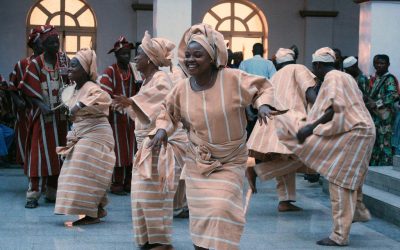
One of the most significant festivals is the New Yam Festival, known as “Iri ji ohu,” which marks the beginning of a new harvest season. During this celebration, communities come together to give thanks to the gods, share food, and partake in traditional dances and rituals. It is a time of joy, unity, and cultural expression among the Igbo people.
The Igbo also celebrate the Masquerade Festivals, which involve elaborate masquerades that represent spirits and ancestors. These masquerades are an integral part of their spirituality and community events, often performed during festivals, funerals, and other important occasions, showcasing colorful costumes and rhythmic drumming.
Additionally, the Igbo culture emphasizes traditional music, dance, and art, with intricate beadwork, pottery, and textiles that reflect their craftsmanship. These cultural elements not only serve as entertainment but also as a means of passing down stories, history, and moral lessons from one generation to the next.
Overall, Igbo Nigeria’s festivals and cultural celebrations are vibrant expressions of their history and social fabric, fostering a sense of identity, community, and pride among its people.
Traditional Clothing and Adornments
The Igbo people of Nigeria have a rich cultural heritage that is deeply rooted in their traditions, history, and social practices. Their cultural identity is embodied in various aspects such as traditional ceremonies, festivals, and rituals that have been preserved and passed down through generations. These traditions play a vital role in maintaining social cohesion and expressing their unique way of life.
Traditional clothing and adornments are essential components of Igbo culture, often worn during important events such as festivals, marriages, and other ceremonies. Men typically wear the isiagu, a richly embroidered shirt made from colorful fabric, often paired with trousers or wrappers. Women wear wrappers, blouses, and headscarves, all adorned with intricate embroidery and beadwork that signify their status and cultural identity.
Igbo adornments include a variety of jewelry crafted from beads, coral, and other materials. Beaded necklaces, armlets, and earrings are common, especially during celebrations and rituals, symbolizing wealth, beauty, and social rank. These items are not merely decorative but are also imbued with cultural significance, representing spiritual beliefs and communal values.
Overall, the traditional clothing and adornments of the Igbo people serve as a visual expression of their identity, history, and cultural pride, playing a crucial role in maintaining their cultural heritage within Nigeria and beyond.
Social Structure and Governance
Social structure and governance in Igbo Nigeria are deeply rooted in community traditions, values, and unique organizational systems. The Igbo culture emphasizes communal decision-making, respect for elders, and hierarchical roles that maintain social cohesion. Governance often combines traditional leadership with modern political frameworks, shaping the dynamic social fabric of Igbo society. Understanding these elements offers insight into how the Igbo people sustain their cultural identity and societal stability within Nigeria.
Family and Clan Systems
The Igbo people of Nigeria have a rich social structure characterized by a strong emphasis on family and clan systems that form the foundation of their society. Traditionally, the Igbo social organization is based on a hierarchal framework where family units, known as “Umunna,” serve as the primary social units, fostering unity and cooperation among members. Clans, or “Olu,” are larger kinship groups that encompass several families and play a vital role in community decision-making and social cohesion.
Governance within Igbo communities is often decentralized, with each community or village being governed by a council of elders known as “Oha-na-eze” or “Ndi-Obi.” These councils are responsible for resolving disputes, preserving customs, and organizing communal initiatives. The Igbo also practice a system of age grades and secret societies, such as the “Okonko,” which help regulate social conduct and maintain order.
Family relationships are highly valued in Igbo society, with lineage and ancestry playing a key role in individual identity and social responsibilities. The extended family system promotes mutual support, with elders holding authority and younger members respecting their wisdom. These social structures contribute to the stability, continuity, and cultural integrity of the Igbo people in Nigeria.
Elders and Leadership Roles
In Igbo society of Nigeria, social structure and governance are deeply rooted in traditional customs that emphasize respect for elders and hierarchical leadership roles. Elders are regarded as the custodians of wisdom and tradition, playing a vital role in decision-making processes and community harmony.
- Leadership roles are often filled by revered elders who have gained respect through age, experience, and contribution to the community.
- Chiefs and titled individuals hold significant authority, acting as intermediaries between the people and the spiritual or ancestral realms.
- Decision-making typically involves consultation with elders, ensuring that community actions align with cultural values and ancestral guidance.
- Social cohesion relies on a well-defined hierarchy where respect and obedience are expected from younger members to elders and leaders.
- Traditional governance is complemented by communal associations, such as age grades and secret societies, which help organize social activities and uphold customs.
- Modern influences are gradually integrating into this traditional framework, but the respect for elders and leadership roles remains central to Igbo social structure.
Community Decision-Making Processes
In Igbo Nigeria, social structure and governance are deeply rooted in communal values and traditional institutions. The society is organized into clans and villages, each led by a chief and elders who serve as custodians of cultural practices and leaders in decision-making. These traditional leaders hold significant authority and are responsible for maintaining social harmony, resolving disputes, and guiding community development. Community decision-making processes typically involve consensus-building and participatory discussions, ensuring that the voices of elders, youth, and other groups are considered. This collective approach fosters unity and preserves cultural continuity within Igbo society, integrating traditional governance with modern political structures. Overall, social governance in Igbo Nigeria emphasizes communal involvement, respect for elders, and the importance of customary laws in shaping societal functions.
Economy and Livelihoods
The economy and livelihoods of Igbo Nigeria are deeply rooted in a blend of traditional practices and modern industries. Known for their entrepreneurial spirit and vibrant trade networks, the Igbo people have historically thrived through commerce, agriculture, and craftsmanship. This dynamic economy continues to evolve, reflecting both cultural heritage and adaptability to contemporary economic challenges and opportunities.
Agriculture and Farming Practices
The economy and livelihoods of Igbo Nigeria are deeply rooted in agriculture and diverse farming practices that have been passed down through generations. Agriculture remains a vital sector, providing employment and sustenance to a large portion of the population. Farmers in Igbo communities primarily cultivate crops such as yam, cassava, maize, and oil palm, which serve both local consumption and export purposes. Traditional farming methods are often complemented by modern techniques, enhancing productivity and sustainability. Smallholder farming is prevalent, fostering community cooperation and resilience against economic fluctuations. Additionally, entrepreneurship in trading, crafts, and small industries further bolsters the economic landscape, making agriculture and related activities central to Igbo Nigeria’s livelihood and economic growth.
Trade and Markets
The economy and livelihoods of Igbo Nigeria are deeply rooted in vibrant trade, commerce, and entrepreneurial activities. Historically known for their industrious nature, the Igbo people have excelled in various sectors including manufacturing, agriculture, and small-scale businesses, which significantly contribute to the regional and national economy. Markets such as the popular Eke market in Onitsha and Owerri are bustling hubs that facilitate the exchange of goods and services, fostering economic growth and community development. Trade within Nigeria and with neighboring countries is vigorous, supported by a network of local traders and entrepreneurs who have built a reputation for innovation and resilience. This robust trade infrastructure not only sustains livelihoods but also promotes economic diversification, empowering Igbo communities to thrive amidst dynamic market conditions.
Artisanship and Craftsmanship
The Igbo people of Nigeria have a rich tradition of craftsmanship and artisanal skills that play a vital role in their economy and livelihoods. Their intricate beadwork, pottery, wood carving, and textile weaving not only serve functional purposes but also carry cultural significance, fostering a sense of identity and heritage. These artisanal practices provide employment opportunities and promote small-scale entrepreneurship within communities, contributing to local economic growth.
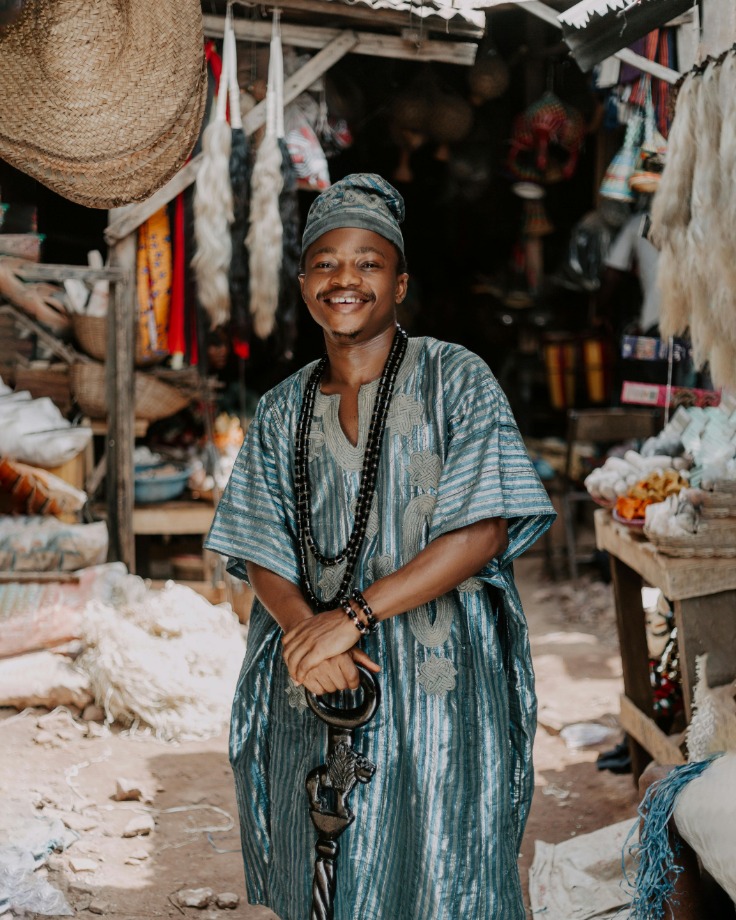
Artisanship in Igbo Nigeria is often passed down through generations, maintaining a high level of skill and excellence that is recognized both locally and internationally. The craftsmanship supports a thriving informal economy, enabling many families to sustain their livelihoods in a sustainable manner. Additionally, the export of traditional crafts has gained popularity, boosting Nigeria’s economy and showcasing Igbo cultural artistry on a global stage.
Modern Developments and Challenges
Modern developments in the context of the Igbo community in Nigeria highlight both remarkable progress and ongoing challenges. As Nigeria continues to evolve socially, economically, and culturally, the Igbo people play a vital role in shaping the nation’s future. Despite advancements in education, technology, and infrastructure, they also face issues related to political representation, cultural preservation, and economic stability, making their modern journey a complex and dynamic story.
Urbanization and Infrastructure
Modern developments in Igbo Nigeria have significantly transformed urban landscapes and infrastructure, reflecting rapid economic growth and technological advancement. Cities such as Enugu, Onitsha, and Aba have seen the emergence of modern commercial centers, improved transportation networks, and enhanced public amenities. Despite these advancements, challenges such as inadequate urban planning, traffic congestion, and insufficient infrastructure support continue to affect the region’s growth. Urbanization is accelerating, prompting the need for sustainable development strategies that balance modernization with environmental preservation. Addressing these challenges requires collaborative efforts among government, private sectors, and local communities to build resilient infrastructure that meets the population’s needs while promoting socio-economic development. Ultimately, navigating these developments will determine the future trajectory of Igbo Nigeria’s urban growth and regional prosperity.
Education and Technological Advancement
Modern developments and challenges in Igbo Nigeria are closely tied to advancements in education and technology, which are shaping the region’s social and economic landscape. As Igbo communities embrace technological innovation, they face both opportunities and obstacles that influence growth and development.
- Improved access to education through digital platforms has enhanced learning opportunities for Igbo youth, empowering them with skills relevant to the modern economy.
- Technological advancements have facilitated the growth of small and medium enterprises, particularly in commerce, manufacturing, and information technology sectors.
- However, challenges such as inadequate infrastructure, limited internet connectivity in rural areas, and disparities in educational resources hinder equitable development across Igbo communities.
- There is also a need to address the digital divide to ensure that all Igbo youths can benefit from technological progress, thereby promoting inclusive growth.
- Furthermore, modernization efforts must be balanced with the preservation of Igbo cultural heritage and values to foster sustainable development.
Social and Political Issues
Modern developments in Igbo Nigeria have brought significant economic growth and technological advancements, fostering increased connectivity and innovation within the region. However, these advancements also pose challenges such as infrastructural gaps, unemployment, and the need for sustainable development. Social issues remain prevalent, including concerns about cultural preservation amid modernization and tensions related to ethnic identity and political representation. Politically, Igbo Nigeria faces challenges in ensuring inclusive governance, addressing historical grievances, and promoting unity among diverse groups. These factors collectively influence the region’s trajectory toward stability, development, and social cohesion.
Preservation of Cultural Identity
Modern developments in Igbo Nigeria have brought significant economic growth and technological advancements, but they also pose challenges to preserving the rich cultural identity of the Igbo people. As urbanization accelerates and younger generations adopt globalized lifestyles, traditional customs, languages, and practices risk fading away. The pressure to conform to mainstream narratives can lead to the erosion of indigenous languages and cultural symbols that are vital to the Igbo heritage.
Preservation of cultural identity amid these changes requires deliberate efforts to document, teach, and promote Igbo language and traditions. Initiatives such as cultural festivals, educational programs, and media dedicated to Igbo history help in maintaining a sense of belonging and pride. Despite the rapid pace of modern development, balancing progress with cultural preservation remains a crucial challenge for Igbo Nigeria, ensuring that the uniqueness of Igbo identity continues to thrive for future generations.

0 Comments