
Geography and Climate of Dodoma
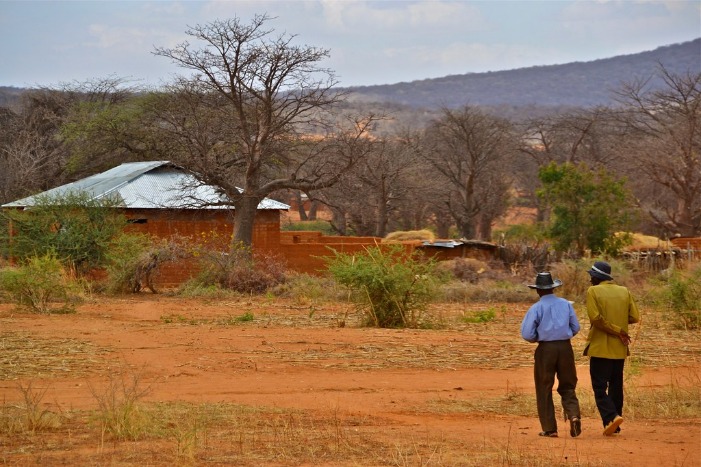
Dodoma, the capital city of Tanzania, is located in the central part of the country. Its geography is characterized by a semi-arid plateau that features rolling hills and open plains. The climate of Dodoma is typically dry and warm, with distinct dry and wet seasons. The region experiences low rainfall, making it an area with a generally arid environment suitable for certain types of agriculture and urban development. Its unique location and climate significantly influence the lifestyle and economy of the city.
Location and Topography
Dodoma, the capital city of Tanzania, is situated in the central part of the country, serving as a political and administrative hub. Its geographical location places it within the Gorogoro region, characterized by a semi-arid climate. The topography of Dodoma is predominantly flat to gently undulating, with some low hills and plains that support agricultural activities. The city lies at an elevation of approximately 1,170 meters (3,839 feet) above sea level, which influences its moderate temperature and dry conditions. The surrounding landscape features sparse vegetation typical of the central Tanzanian plateau, with limited water bodies, contributing to its semi-arid climate and distinctive environmental features.
Climate Characteristics
Dodoma, the capital city of Tanzania, is situated in the central part of the country and features a semi-arid climate characterized by dry and hot conditions. The city lies on a plateau at an elevation of approximately 1,500 meters (4,921 feet) above sea level, which moderates some of the temperature extremes. Its geographical position exposes Dodoma to distinct seasonal variations, with a pronounced dry season and a shorter rainy season.
The climate of Dodoma is classified as a semi-arid climate, with annual rainfall averaging around 500 to 700 millimeters. The rainy season generally occurs from November to April, bringing sporadic but intense thunderstorms, while the remaining months are dry and warm. Temperatures during the day often reach highs of 28 to 32 degrees Celsius (82 to 90 degrees Fahrenheit), and nighttime temperatures can drop significantly, especially during the dry season. Overall, Dodoma experiences warm to hot weather year-round, with low humidity levels contributing to its arid climate characteristics. This climate influences the region’s agriculture, water availability, and lifestyle of its residents.
Natural Resources and Land Use
Dodoma, the capital city of Tanzania, is situated centrally within the country, characterized by a semi-arid climate with distinct wet and dry seasons. The region experiences warm temperatures throughout the year, with the dry season from May to October and the rainy season from November to April, contributing to a moderate climate suited for its prominence as the political center.
Geographically, Dodoma features a plateau landscape with low hills and extensive plains that support various land use activities. The city’s location on the central highlands offers strategic importance and relatively moderate temperatures compared to coastal regions.
The natural resources of Dodoma include agricultural products such as maize, sorghum, and legumes, which thrive in the semi-arid conditions. Additionally, the area has mineral resources, including minor deposits of salt and other minerals, though these are not extensively exploited. Vegetation mainly comprises shrublands and grasslands, adapted to the dry climate.
Land use in Dodoma primarily revolves around agriculture, with significant portions of the land dedicated to farming and pastoral activities. Urban development is expanding as the city grows as Tanzania’s political hub, with infrastructure, government buildings, and residential areas increasingly taking up land. Conservation areas and open natural spaces also remain part of the regional land use planning due to the ecological significance of the local landscape.
History and Development of Dodoma
Dodoma, the capital city of Tanzania, has a rich history that reflects its evolution from a small administrative town to the political and administrative hub of the country. Originally a small settlement, Dodoma was chosen in the 1960s as the site for Tanzania’s national capital to promote regional development and reduce congestion in Dar es Salaam. Over the decades, significant efforts have been made to develop infrastructure, government institutions, and urban facilities, transforming Dodoma into a symbol of national unity and progress. Its development continues to shape Tanzania’s political landscape and regional growth.
Historical Background
Dodoma, the capital city of Tanzania, has a rich historical background that reflects its development over time. Originally, Dodoma was a small market town during the German colonial period in the early 20th century. Its strategic location made it an important center for administration and trade in the central region of Tanzania. During the British colonial era, Dodoma continued to grow as a regional hub, benefiting from improved infrastructure and administrative facilities. In the 1960s, the Tanzanian government began a strategic plan to move the capital from Dar es Salaam to Dodoma to promote better governance and development in the interior regions of the country. The move was officially initiated in the 1970s, and over the years, Dodoma has seen significant development, transforming from a modest town into a key political and economic center of Tanzania. The city’s development has been driven by efforts to decentralize government functions and foster regional growth, making Dodoma a symbol of national unity and progress. Today, Dodoma continues to evolve as Tanzania’s political capital, with ongoing infrastructure projects and urban development shaping its future trajectory.
City Planning and Urban Development
Dodoma, the capital city of Tanzania, has a rich history that dates back to its establishment as an administrative center in the early 20th century. Originally a small town, Dodoma was chosen in the 1970s to replace Dar es Salaam as the political capital due to its central location, encouraging regional development and governance reforms. The city’s development has been guided by strategic urban planning aims to create a modern, sustainable administrative hub that balances tradition and progress.
Throughout its development, Dodoma has undergone significant urban planning efforts to transform from a rural district into a planned city. The city planning initiatives have focused on creating organized residential zones, government offices, commercial areas, and infrastructural facilities. The Dodoma Master Plan emphasizes sustainable growth, improved transportation networks, and the expansion of public amenities to accommodate a growing population.
Modern urban development in Dodoma reflects Tanzania’s broader goals of modernization and economic development. The city’s layout incorporates modern road systems, government complexes, educational institutions, and residential neighborhoods designed to promote orderly growth. Continued investment in infrastructure, urban services, and environmental management ensures that Dodoma evolves to meet the demands of its residents while maintaining its cultural heritage.
Role in Tanzanian Independence and Governance
Dodoma, the capital city of Tanzania, has a rich history and significant role in the country’s development. Originally, it was a small town known for its central location and strategic importance. Over the years, Dodoma gradually grew in prominence, especially during the 20th century, as the Tanzanian government emphasized decentralization and regional development. The city officially became the political capital in 1973, replacing Dar es Salaam as part of a national effort to foster unity and promote central Tanzania.
During Tanzania’s independence movement, Dodoma played a vital role as a center of political activism and leadership. Leaders like Julius Nyerere used the city to rally support for independence from British colonial rule, focusing on unity, socialism, and self-reliance. After independence was achieved in 1961, Dodoma continued to develop as a political hub, housing government institutions and serving as a symbol of national sovereignty.
In terms of governance, Dodoma has been at the heart of Tanzanian political life since the 1970s, hosting parliament and key government offices. The city’s development reflects Tanzania’s broader goals of equitable growth, nation-building, and decentralization of authority from coastal regions. Today, Dodoma remains a vital administrative and political center, embodying Tanzania’s aspirations for unity and progress while continuing to grow as a hub for governance and development initiatives.
Government and Administrative Significance
Government and administrative significance play a crucial role in shaping the development and governance of Tanzania’s capital, Dodoma. As the political and administrative center of the country, Dodoma serves as the hub for national decision-making, policy implementation, and public administration. Its strategic importance lies in fostering unity, promoting effective governance, and facilitating socio-economic growth across Tanzania.
Political Role as Capital City
Dodoma holds a crucial position in Tanzania as the political heart of the nation, serving as the official capital city. Its significance extends beyond mere geography, acting as the administrative hub where government institutions and ministries are concentrated, facilitating effective governance and policy implementation. The city’s status reinforces national unity and provides a centralized location for political decision-making, helping to streamline governmental operations and promote stability.
As the political capital, Dodoma hosts key government offices, the parliament, and various diplomatic missions, underscoring its role in shaping national policies and representing Tanzanian sovereignty. Its development as a political center also influences regional and local politics, fostering administrative efficiency and engagement with the citizenry. Overall, Dodoma’s political and administrative importance solidifies its position as a vital center for Tanzania’s governance and political stability.
Administrative Structure
Government and administrative significance in Tanzania, particularly in Dodoma, is vital for the nation’s governance and development. Dodoma serves as the political and administrative capital, centralizing government functions and fostering regional development. The administrative structure of Tanzania is organized into national, regional, district, and local levels, ensuring effective governance and resource distribution. Dodoma’s role enhances administrative efficiency, facilitates policy implementation, and promotes decentralization, making it a key hub for political decision-making and administrative activities in Tanzania.
Major Government Institutions
Government and administrative significance in Dodoma, Tanzania, is paramount as it serves as the political and administrative capital of the country. The city is the hub for national governance, hosting key government institutions that facilitate the administration of the nation. Dodoma’s strategic location and development have been designed to decentralize government functions from Dar es Salaam, promoting effective governance and regional development.
Major government institutions in Dodoma include the Parliament of Tanzania, which is the legislative authority responsible for making national laws and policies. The Presidential Palace and various ministries such as the Ministry of Finance, Ministry of Education, and Ministry of Foreign Affairs are also based in Dodoma, overseeing different aspects of national governance. Additionally, the High Court and other judicial offices are situated in the city, ensuring the legal framework of Tanzania is administered efficiently. These institutions collectively facilitate the smooth functioning of the government and uphold the administrative stability of the country in Dodoma.
Demographics and Society in Dodoma
Dodoma, the capital city of Tanzania, is a rapidly growing urban center characterized by diverse demographics and a dynamic society. The city serves as a political and administrative hub, attracting people from various regions and ethnic backgrounds. As the center of Tanzania’s government and development initiatives, Dodoma’s population is expanding steadily, contributing to a vibrant and shifting societal landscape. The demographic makeup reflects a blend of traditional cultures and modern influences, shaping the social fabric of this increasingly important city.
Population Statistics
Dodoma, the capital city of Tanzania, has experienced significant demographic and societal changes over recent years. As the political and administrative hub of the country, it attracts people from various parts of Tanzania, contributing to a diverse population. The city’s population has been steadily increasing due to urbanization and government efforts to relocate administrative functions from Dar es Salaam to Dodoma.
According to recent population statistics, Dodoma’s population is estimated to be over 400,000 residents, with a high growth rate driven by internal migration and natural increase. The demographic makeup is characterized by a relatively young population, with a significant percentage under the age of 25. The society in Dodoma is predominantly Swahili-speaking, with diverse ethnic groups coexisting harmoniously. The city continues to develop its infrastructure, education, and health services to accommodate its growing population, shaping a community that blends traditional values with modern aspirations.
Ethnic Composition
Dodoma, the capital city of Tanzania, is a growing hub of diverse demographics and vibrant society. The city has experienced significant population growth due to urbanization and government decentralization efforts. Its residents come from various backgrounds, bringing together different cultural influences that shape the city’s social fabric.
The ethnic composition of Dodoma is predominantly made up of Bantu-speaking groups such as the Gogo, Rangi, and Gwi. These ethnic communities have maintained their cultural traditions while coexisting with other groups that have migrated to the city over the years. The presence of people from different parts of Tanzania and neighboring countries further enriches Dodoma’s cultural diversity, fostering a dynamic and inclusive society.
Languages Spoken and Cultural Diversity
Dodoma, the capital city of Tanzania, is characterized by a diverse demographic makeup and vibrant societal dynamics. It serves as a political and administrative center, attracting people from various regions of the country. The population includes a mix of ethnic groups, with the Gogo people being the predominant indigenous community. The city has experienced steady growth due to government and development activities, leading to a more diverse society.
Languages spoken in Dodoma mainly include Swahili and English, with Swahili being the national and most widely used language for daily communication. English is also used, especially in government, education, and business contexts. In addition, various local languages are spoken by different ethnic groups, reflecting Tanzania’s rich linguistic heritage.
Culturally, Dodoma is a melting pot of traditions, customs, and practices. The city celebrates numerous cultural festivals and events that showcase its diverse ethnic makeup. Traditional music, dance, and art play significant roles in community life, fostering a sense of identity and unity among its residents. Overall, Dodoma’s demographics and cultural diversity contribute to its unique character within Tanzania.
Economy and Infrastructure
Economy and infrastructure play a crucial role in the development of Dodoma, the capital city of Tanzania. As the political and administrative center, Dodoma is evolving rapidly with investments in transportation, energy, and public services. Understanding the economic landscape and infrastructural progress offers insight into the city’s growth potential and its importance within Tanzania’s national development plans.
Key Economic Sectors
Economy and Infrastructure in Dodoma, Tanzania, play a vital role in the country’s development. As the political capital, Dodoma is experiencing growth in various economic sectors, supported by ongoing infrastructure projects. The region’s economy is primarily driven by agriculture, government services, and emerging industries such as construction and retail. Infrastructure development includes road networks, government offices, and public utilities, which aim to enhance connectivity and support economic activities. The government’s focus on transforming Dodoma into a modern urban center is attracting investment and improving living standards. Overall, the key economic sectors and infrastructure improvements are crucial for the sustainable growth of Dodoma and Tanzania as a whole.
Transport and Connectivity
Dodoma, the capital city of Tanzania, is experiencing significant advancements in its economy and infrastructure, bolstering its role as a central hub for the country. The city has witnessed considerable development in transport and connectivity, which are crucial for economic growth and regional integration.
- The economy of Dodoma is diversifying, with key sectors including agriculture, manufacturing, and government services. Efforts are underway to attract investment and boost local industries to create employment opportunities.
- Infrastructure development has included the expansion of roads, utilities, and public facilities to support the rising population and economic activities.
- Transport infrastructure is a priority, with improvements in road networks facilitating better connectivity within Dodoma and with other major cities like Dar es Salaam and Arusha.
- Dodoma is connected through a network of all-weather roads, enabling smoother transit of goods and people across regions.
- The government has also invested in the expansion of the railway system, linking Dodoma with other parts of Tanzania and neighboring countries, which enhances trade and mobility.
- Efforts are being made to upgrade the Dodoma Airport to handle increased passenger and cargo traffic, further improving national and regional connectivity.
Educational and Health Facilities
Tanzania’s Dodoma is a rapidly developing city with significant advancements in its economy and infrastructure. The city serves as the political capital of Tanzania, which has contributed to increased investment in infrastructure projects such as roads, airports, and government buildings, enhancing connectivity and accessibility. The economy of Dodoma is growing steadily, driven by agriculture, trade, and emerging industries, with efforts underway to diversify and strengthen its economic base.
Educational facilities in Dodoma have seen notable improvements, with a number of schools, colleges, and the University of Dodoma now providing educational opportunities for residents and students from across the country. These institutions focus on increasing literacy and skills development to support the city’s development goals.
Health facilities in Dodoma are also expanding, with new hospitals, clinics, and healthcare centers being constructed to improve access to medical services. The government is committed to strengthening healthcare infrastructure to ensure the well-being of its citizens and support the city’s overall growth and development.
Tourist Attractions and Cultural Sites
Tanzania’s Dodoma is a city rich in cultural heritage and historical significance, offering a fascinating array of tourist attractions and cultural sites. Visitors can explore a blend of traditional Tanzanian culture and modern influences, making it an ideal destination for those interested in history, art, and local customs. From vibrant markets to important landmarks, Dodoma provides a unique glimpse into Tanzania’s diverse cultural landscape.
Historical Landmarks
Dodoma, the capital city of Tanzania, is rich in tourist attractions, cultural sites, and historical landmarks that showcase its unique heritage. Visitors can explore the vibrant local markets, where traditional crafts and textiles are available, offering a glimpse into the region’s rich cultural practices.
The Parliament Building in Dodoma is a notable historic landmark, symbolizing the political significance of the city and providing insight into Tanzania’s governance history. Nearby, the Kondoa Rock-Art Sites, a UNESCO World Heritage Site, feature ancient cave paintings that date back thousands of years, reflecting the area’s early human civilization.
For those interested in nature and history, the Mlima Miembe Ridge offers panoramic views of the city and surrounding landscapes, while the National Museum of Tanzania in Dodoma presents exhibits on Tanzania’s history, ethnography, and archaeology. Additionally, the Tanzanian Parliament and the official residence of the President are important political landmarks that can be appreciated during guided tours.
Overall, Dodoma provides a blend of cultural, historical, and natural attractions that embody the essence of Tanzania’s heritage, making it a compelling destination for travelers interested in exploring the country’s rich history and culture.
Natural Attractions
Dodoma, the capital city of Tanzania, offers a rich blend of tourist attractions, cultural sites, and natural wonders that captivate visitors. Visitors can explore the bustling markets and vibrant streets to experience local life and culture. The city also hosts several historical landmarks, including the Parliament Buildings and the Museum of Tanzanian Art, which showcase its political and artistic heritage.
Natural attractions in Dodoma include the scenic Dodoma Regional Museum Gardens and nearby mountainous regions that provide opportunities for trekking and wildlife viewing. The surrounding landscapes feature vast plains and semi-arid terrain, offering stunning sunsets and unique flora and fauna. Cultural sites like traditional villages nearby give visitors insight into local customs, dance, and craftsmanship, making Dodoma a compelling destination for those interested in Tanzania’s diverse heritage.
Local Markets and Cultural Events
Dodoma, the political capital of Tanzania, offers a rich tapestry of tourist attractions and cultural sites that showcase its vibrant history and local traditions. Visitors can explore the Dodoma Cathedral, a stunning example of colonial architecture, or visit the Museum of Tanzanian History to gain insights into the region’s past. The surrounding landscapes, including the beautiful lakes and national parks, provide excellent opportunities for wildlife viewing and outdoor adventures.
Local markets in Dodoma are bustling hubs of activity where tourists can experience authentic Tanzanian culture through traditional crafts, fresh produce, and colorful textiles. The Dodoma Market is a must-visit for those eager to immerse themselves in local life and purchase unique souvenirs. Throughout the year, the city hosts various cultural events and festivals that celebrate its heritage, including music, dance, and traditional ceremonies, offering visitors a chance to participate in lively community gatherings and enjoy the diverse cultural expressions of the region.
Challenges and Opportunities in Dodoma
Dodoma, the political and administrative capital of Tanzania, faces a unique set of challenges and opportunities as it continues to develop. Rapid urbanization, infrastructure needs, and sustainable growth are central issues that influence the city’s progress. At the same time, Dodoma’s strategic location and government initiatives present significant prospects for economic development and regional integration. Understanding these dynamics is essential for shaping a prosperous future for the city and its residents.
Urban Development Challenges
Dodoma, the political capital of Tanzania, faces both significant challenges and promising opportunities in urban development. Rapid population growth and urbanization have led to increased demand for infrastructure, housing, and public services, often outpacing current development efforts. This has resulted in congestion, inadequate transportation networks, and strain on resources. Additionally, limited financial resources and technical expertise pose challenges to sustainable urban planning and implementation. However, these challenges also present opportunities to adopt innovative urban planning solutions, invest in renewable energy, and develop smart city initiatives that can foster economic growth and improve residents’ quality of life. With strategic planning and commitment, Dodoma can transform into a more resilient, sustainable, and inclusive city that reflects Tanzania’s developmental aspirations.
Future Development Projects
Dodoma, the political capital of Tanzania, faces a mix of challenges and opportunities as it develops. Rapid urbanization has led to infrastructure strain, including roads, utilities, and housing, which necessitates significant investments to accommodate growth. Additionally, limited resources and administrative capacity can hinder effective planning and implementation of development initiatives. Despite these hurdles, Dodoma offers substantial opportunities due to its strategic location and government-driven ambitions to decentralize economic activities from Dar es Salaam. This creates potential for diverse sectors such as agriculture, manufacturing, and services to flourish within the city.
Future development projects in Dodoma include the expansion of transportation networks, such as the upgrade of the Dodoma Railway Station and improvements to road connectivity, which aim to boost trade and mobility. The government is also investing in key infrastructure, such as new government offices, educational institutions, and healthcare facilities, to support the city’s role as a political and administrative hub. Moreover, plans for urban planning and sustainable development focus on enhancing green spaces and environmentally friendly initiatives. These projects are set to transform Dodoma into a modern, well-organized city that can meet the needs of its growing population and serve as a catalyst for national development.
Potential for Economic Growth
Dodoma, the capital city of Tanzania, faces a unique set of challenges and opportunities that shape its potential for economic growth. As the political and administrative hub, Dodoma is strategically positioned for development, but it also grapples with infrastructure, resource limitations, and urbanization issues.
- Infrastructure Development: The need for improved transportation, utilities, and communication networks presents both a challenge and an opportunity for investors and policymakers to enhance the city’s capacity.
- Urbanization: Rapid population growth drives demand for housing, services, and employment, creating opportunities for modernization but also stressing existing resources.
- Government Investment: The relocation of government offices to Dodoma has boosted economic activity and increased demand in sectors such as construction, hospitality, and services.
- Agricultural and Industrial Potential: Surrounding regions offer agricultural products and raw materials that can be harnessed for processing industries, fostering economic diversification.
- Tourism and Culture: Cultural heritage and natural attractions offer avenues for developing tourism, which can generate revenue and create jobs.
- Enhancing Infrastructure: Investing in transportation and utilities can significantly improve connectivity and attract business investments.
- Urban Planning: Strategic planning can manage urban growth efficiently, ensuring sustainable development and resource management.
- Educational and Skill Development: Building local human capital through training and education will support a diverse and skilled workforce.
- Promoting Small and Medium Enterprises: Supporting local businesses can stimulate local economies and improve livelihoods.
- Encouraging Public-Private Partnerships: Collaborative initiatives can fund infrastructure projects and service delivery, fostering inclusive growth.


0 Comments