
Geography and Location
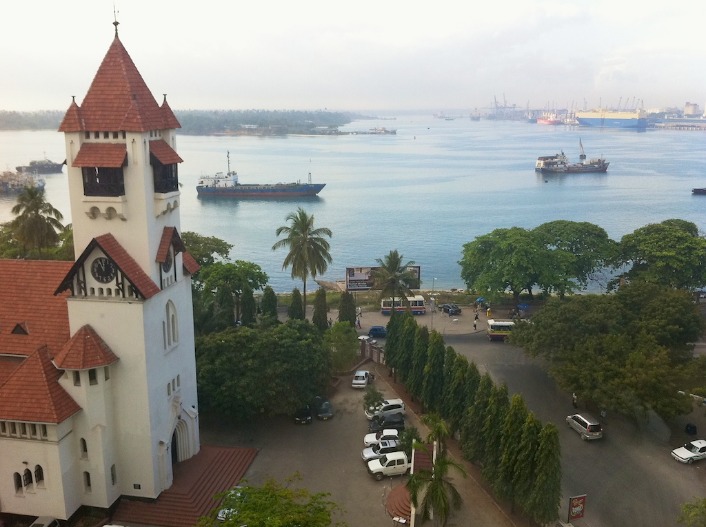
Geography and location play a vital role in shaping the identity and development of a region. Tanzania, located in East Africa, is known for its diverse landscapes and strategic position along the Indian Ocean. Dar es Salaam, the economic hub and former capital of Tanzania, is situated along the coast, offering a vital port and access to international trade. Its geographical location influences its climate, culture, and importance within the country and the broader East African community.
Topography of Dar es Salaam
Dar es Salaam, the largest city and economic hub of Tanzania, is situated along the eastern coast of the country, overlooking the Indian Ocean. Its geographic location makes it a vital port city, facilitating trade and commerce in the region.
- Geography and Location:
- Located on the eastern coast of Tanzania, facing the Indian Ocean.
- Coordinates approximately 6°48’S latitude and 39°10’E longitude.
- Served as the former capital of Tanzania before Dodoma.
- Topography:
- The city features a generally flat terrain with some gentle slopes toward the coast.
- It is surrounded by low-lying coastal plains that blend into the inland hills and ridges.
- The area includes several natural harbors and estuaries, contributing to its status as a major port.
Climate and Weather Patterns
Dar es Salaam, located along the eastern coast of Tanzania, is a vibrant city that benefits from its strategic position near the Indian Ocean. Its geographical location provides it with a stunning coastal landscape, making it a significant port and economic hub for the country. The city lies on a flat coastal plain, bordered by the Indian Ocean to the east and characterized by several natural bays and beaches.
The climate of Dar es Salaam is classified as tropical savanna, featuring warm temperatures year-round and distinct wet and dry seasons. The city experiences high humidity and temperatures typically range from 25°C to 30°C (77°F to 86°F). The wet season, occurring from March to May and November to December, brings heavy rains driven by the East African monsoon winds, while the dry season from June to October offers sunnier and more stable weather conditions.
Weather patterns in Dar es Salaam are influenced by the Indian Ocean monsoon system, contributing to seasonal fluctuations in rainfall and humidity. These patterns support lush vegetation and diverse marine life, but can also lead to occasional flooding during the heavy rainy months. Overall, Dar es Salaam’s climate and weather are ideal for vibrant coastal ecosystems, agriculture, and supporting a bustling urban lifestyle.
Surrounding Regions and Landmarks
Dar es Salaam, the largest city and economic hub of Tanzania, is located on the eastern coast of Africa along the Indian Ocean. Its strategic position provides it with a natural deep-water port, making it a vital gateway for trade and transportation in the region. The city lies near the equator, benefiting from a tropical climate and lush coastal environments.
Surrounding regions of Dar es Salaam include the Pwani Region to the south and the Morogoro Region to the northwest. The city is part of the Coastal Region, which features a mix of urban areas, beaches, and mangrove forests. Its proximity to Zanzibar and other Tanzanian islands further emphasizes its importance in regional connectivity.
Nearby landmarks include the Msasani Peninsula with its vibrant harbor and nightlife, the Bagamoyo historical town to the north, and the Selous Game Reserve further inland. The city is also close to the Jozani Forest, home to the rare Zanzibar red colobus monkey, and the Dar es Salaam Marine Reserve, highlighting the area’s rich natural beauty and biodiversity.
History and Development
Dar es Salaam, the largest city and economic hub of Tanzania, has a rich history and a dynamic development trajectory. Over the years, it has evolved from a small fishing village into a bustling metropolis, reflecting the country’s colonial past and post-independence growth. Understanding the historical and developmental aspects of Dar es Salaam provides valuable insights into Tanzania’s cultural heritage and its ongoing urban transformation.
Early Settlement and Colonial Era
Tanzania’s history and development are deeply rooted in its early settlement and colonial era, which have significantly shaped the city of Dar es Salaam. The area was originally inhabited by various indigenous groups, including the Zaramo people, who established small fishing and trading settlements along the coast.
During the late 19th century, Dar es Salaam emerged as a key port and trading hub under German colonial rule. It was established in the late 19th century as a strategic port for the Germans, who built infrastructure such as roads and railways to connect the region with the interior. After World War I, control shifted to the British, who continued to develop the city as an administrative and commercial center.
- Early Settlement: The Zaramo and other coastal tribes initially settled along the Indian Ocean, engaging in fishing and trade. The natural harbor of what is now Dar es Salaam made it an ideal location for port activities.
- Colonial Era: Under German colonization (1885-1919), the city grew as a trading port, with Europeans establishing administrative buildings and infrastructure. Post-World War I, under British control, Dar es Salaam expanded further as a major colonial port and center of governance.
- Development: The colonial period saw the construction of railways, roads, and commercial buildings, laying the foundation for the city’s future growth. The city served as the capital of German East Africa and later the territory administered by the British.
Post-Independence Growth
Dar es Salaam, the largest city and economic hub of Tanzania, has experienced significant growth and development since independence. After gaining independence in 1961, Tanzania embarked on a path of socialism and nation-building under the leadership of Julius Nyerere, which influenced the city’s urban planning and infrastructure development. Over the decades, Dar es Salaam transitioned from a small coastal town into a bustling metropolis, driven by increased trade, population growth, and modernization efforts. The city expanded its port facilities and transportation networks to serve as a key gateway for trade in East Africa, attracting both domestic and international investment. Post-independence, government initiatives aimed at industrialization and improving urban services fostered economic activities that supported ongoing development. Today, Dar es Salaam continues to evolve as a vibrant center of commerce, culture, and political activity, reflecting Tanzania’s broader aspirations for economic growth and regional integration.
Modern Urban Development
Dar es Salaam, the largest city and economic hub of Tanzania, has a rich history and has experienced significant development over the years. Originally a small fishing village called Mzizima, it grew rapidly during the German colonial period in the late 19th and early 20th centuries, serving as a port and trading center. After World War I, under British rule, the city expanded further, becoming the administrative capital of Tanganyika and later Tanzania. The city’s development was influenced by increased trade, migration, and infrastructure projects, including the expansion of transportation networks and port facilities.
In recent decades, Dar es Salaam has undergone remarkable modern urban development characterized by rapid population growth, modern skyscrapers, improved transportation systems, and expanding neighborhoods. The city faces challenges related to urban planning, including traffic congestion and infrastructure strain, but ongoing projects aim to improve living conditions and sustainable growth. The modernization efforts reflect Tanzania’s broader aspirations for economic development and urban transformation, positioning Dar es Salaam as a dynamic and vital city in East Africa.
Demographics and Population
Dar es Salaam, Tanzania’s largest city, is a vibrant hub of diverse populations and growing demographics. The city boasts a dynamic mix of ethnic groups, cultures, and age ranges that reflect the broader trends shaping Tanzania’s urban development. Understanding the demographics and population patterns of Dar es Salaam is essential to grasping its social structure, economic opportunities, and ongoing challenges.
Population Size and Density
Dar es Salaam, the largest city in Tanzania, exhibits a dynamic demographic profile characterized by rapid population growth and increasing density. The population size has expanded significantly over recent decades due to urbanization and migration from rural areas seeking economic opportunities. The city’s population density is high, reflecting its status as a major commercial and administrative hub, with densely packed neighborhoods and bustling urban centers. This demographic trend poses challenges related to infrastructure, housing, and social services, while also contributing to the city’s vibrant cultural and economic landscape.
Ethnic Composition
Dar es Salaam, the largest city and commercial hub of Tanzania, boasts a diverse demographic and ethnic landscape. The population is a mix of various ethnic groups, with the indigenous Swahili community being predominant. Additionally, the city hosts significant populations of Arab, Indian, and European descent, reflecting its history as a trading center. The demographic composition is characterized by a young population, with a high growth rate driven by rural-urban migration. This diversity contributes to the vibrant cultural fabric of Dar es Salaam, making it a melting pot of traditions, languages, and lifestyles.
Languages Spoken

Dar es Salaam, the largest city in Tanzania, is a vibrant urban center with a diverse demographic profile. The population consists of various ethnic groups, including the Zaramo, mostly residing in the city, along with Bagamoyo, Chaga, and Swahili communities. The city has experienced rapid growth due to rural-to-urban migration, making it one of the fastest-growing cities in Africa.
Regarding languages spoken, Swahili is the national language and widely used in everyday communication and business. English is also prevalent, especially in government, education, and the corporate sector. Many residents speak both languages fluently, reflecting Tanzania’s colonial history and its cultural diversity.
Economy and Industry
Dar es Salaam, Tanzania’s bustling economic hub, plays a vital role in the country’s industry and development. As the largest city and port, it acts as a center for trade, manufacturing, and commerce, driving Tanzania’s economic growth. The city’s diverse industries contribute significantly to employment and infrastructure, making it a key player in the nation’s progress toward economic stability and modernization.
Key Economic Sectors
Dar es Salaam, as Tanzania’s economic hub, plays a vital role in the country’s economy and industrial development. The city contributes significantly to the nation’s Gross Domestic Product through various key sectors.
Industries such as manufacturing, construction, and telecommunications are prominent in Dar es Salaam, fostering employment and economic growth. The manufacturing sector includes food and beverage processing, textiles, and cement production, supporting both domestic consumption and exports.
The port facilities in Dar es Salaam serve as a crucial gateway for international trade, facilitating import and export activities that sustain the economy. Additionally, tourism, driven by cultural and natural attractions, adds to the city’s economic diversity.
Agriculture remains vital for rural livelihoods, while services such as banking, finance, and information technology continue to expand in Dar es Salaam, shaping its position as Tanzania’s economic and industrial nucleus.
Trade and Commercial Hubs
Dar es Salaam, the largest city in Tanzania, serves as a vital center for the country’s economy and industry. It is a key hub for trade and commerce, benefiting from its strategic coastal location along the Indian Ocean. The city hosts major ports that facilitate international shipping and import-export activities, making it essential for regional trade. Diverse industries such as manufacturing, telecommunications, and financial services thrive in Dar es Salaam, contributing significantly to Tanzania’s economic growth. Additionally, the city functions as a commercial hub for East Africa, attracting investment and fostering entrepreneurship, which helps to drive economic development across the nation.
Major Markets and Economic Zones
Dar es Salaam, Tanzania’s largest city and its economic hub, plays a vital role in the country’s economy and industrial development. The city has experienced rapid growth driven by diverse industries, including manufacturing, trade, transportation, and finance. Its strategic coastal location facilitates maritime trade through the port of Dar es Salaam, making it a focal point for regional and international commerce.
- Major Markets:
- Local retail markets serving urban populations
- Wholesale markets for agricultural and manufactured goods
- Export markets both regionally within East Africa and globally
- Economic Zones:
- Dar es Salaam Special Economic Zone (SEZ) – focusing on manufacturing, logistics, and export-oriented industries
- Tegeta Industrial City – designed to boost industrial capacity and attract foreign investment
- Port-based Economic Zones – leveraging the port infrastructure to promote trade, shipping, and related services
Transportation and Infrastructure
Transportation and infrastructure in Dar es Salaam, Tanzania, are vital components of the city’s development and economic growth. As one of East Africa’s major economic hubs, Dar es Salaam relies on a well-established network of roads, ports, and public transit systems to facilitate the movement of people and goods. Ongoing investments and projects aim to improve connectivity, reduce congestion, and support the city’s expanding population, making it a key focus for sustainable urban development in Tanzania.
Major Roads and Highway Networks
Dar es Salaam, Tanzania’s largest city, boasts a well-developed transportation and infrastructure network that plays a vital role in its economic growth and connectivity. The city is served by an extensive network of major roads and highways that facilitate the movement of people and goods within the urban area and to other regions of the country. Key arterial roads such as the Julius K. Nyerere Road and Mandela Road connect various districts, enhancing accessibility and reducing congestion. The Dar es Salaam port, one of the busiest in East Africa, is supported by a network of highways that link it to inland cities and neighboring countries. Ongoing infrastructure projects aim to improve road quality, expand highway capacity, and modernize transportation facilities, contributing to the city’s development as a regional hub. The strategic layout of major roads and highways is crucial for supporting economic activities, tourism, and urban growth in Dar es Salaam.
Public Transportation Systems
Dar es Salaam, Tanzania’s largest city, boasts a rapidly developing transportation and infrastructure system that aims to support its growing population and economic activities. Public transportation plays a crucial role in daily commuting, offering various options such as dala-dalas, boda-bodas, and commuter buses that connect different parts of the city. The government has been investing in upgrading and expanding these services to improve efficiency and reduce congestion. Additionally, efforts are underway to develop modern transport infrastructure, including road networks, pipelines, and the potential for light rail systems, to enhance mobility and accessibility. Overall, Dar es Salaam’s public transportation system is vital for fostering sustainable urban growth and economic development in the region.
Port Facilities and Shipping
Dar es Salaam, Tanzania, serves as a vital transportation and infrastructure hub in the region, facilitating extensive port facilities and shipping activities that support both domestic and international trade. The port of Dar es Salaam is one of East Africa’s largest and most important, providing a gateway for goods entering and leaving the landlocked countries of the region. Modernization efforts aim to enhance the capacity and efficiency of the port, including the expansion of container terminals and the adoption of advanced logistics technology. The city is also connected by an extensive network of roads and railways that link the port to the hinterland, fostering economic growth and regional integration. Investments in transportation infrastructure are crucial for maintaining Dar es Salaam’s position as a key maritime and commercial center in East Africa.
Education and Culture
Education and culture play vital roles in shaping the identity and development of Dar es Salaam, Tanzania’s bustling economic hub. This vibrant city blends traditional Tanzanian customs with modern educational pursuits, creating a unique environment where diverse cultural practices thrive alongside advancements in learning. Exploring how education influences cultural expressions offers insight into Dar es Salaam’s dynamic society and its ongoing progress.
Educational Institutions
Dar es Salaam, the largest city in Tanzania, serves as a vibrant center for education and culture, reflecting the rich heritage and diverse traditions of the region.
- Educational institutions in Dar es Salaam include universities such as the University of Dar es Salaam, which offers a wide range of undergraduate and postgraduate programs.
- The city also hosts numerous colleges and technical institutes that focus on vocational training and skill development to support local industries.
- Primary and secondary schools in Dar es Salaam are predominantly government-funded, providing education to the majority of children in the area.
- Many private schools in the city follow international curricula, attracting both local and expatriate students.
Dar es Salaam’s cultural scene is vibrant, with numerous festivals, art galleries, and traditional performances that showcase the city’s diverse heritage. The city’s educational institutions play a crucial role in preserving and promoting this cultural identity while preparing students for participation in both local and global communities.
Cultural Heritage and Festivals
Dar es Salaam, the bustling economic hub of Tanzania, is rich in education and cultural heritage that reflects the diverse traditions of the region. The city hosts numerous educational institutions, including universities and colleges, fostering learning and innovation among its residents. Tanzania’s vibrant cultural scene is celebrated through various festivals and cultural events that showcase traditional music, dance, and crafts, emphasizing the importance of preserving its unique heritage. These festivals, such as Sabasaba and other local celebrations, serve as vital platforms for communities to connect with their roots and promote intercultural understanding. Overall, Dar es Salaam’s commitment to education and cultural preservation plays a crucial role in shaping its dynamic identity and fostering social cohesion.
Religious Communities and Practices
Dar es Salaam, Tanzania’s largest city, is a vibrant melting pot of diverse educational and cultural traditions. The city boasts a range of educational institutions, from primary schools to universities, fostering a rich environment for learning and intellectual growth. Education in Dar es Salaam emphasizes both modern academic studies and traditional knowledge, reflecting the country’s commitment to development and cultural preservation. The city is also a hub for cultural expression, featuring numerous museums, art galleries, and theaters that celebrate Tanzanian history and folklore.
Religious communities in Dar es Salaam are numerous and diverse, representing Islam, Christianity, and indigenous beliefs. Islam is predominantly practiced, with many mosques serving as vital community centers, while Christianity, including Catholic and Protestant denominations, also has a significant presence with churches scattered throughout the city. Indigenous spiritual practices coexist alongside these major religions, often influencing local customs and festivals. Religious practices play an integral role in daily life, shaping social interactions, cultural events, and community cohesion. The coexistence of various faiths underlines Dar es Salaam’s reputation as a tolerant and inclusive city that respects spiritual diversity.
Tourist Attractions and Places of Interest
Dar es Salaam, Tanzania’s vibrant city, offers a diverse array of tourist attractions and places of interest for travelers to explore. From beautiful beaches and bustling markets to cultural landmarks and historic sites, visitors can experience the rich heritage and natural beauty that make this city unique. Whether seeking outdoor adventures or cultural immersion, Dar es Salaam provides an exciting destination for all types of travelers.
Beaches and Waterfront Areas
Dar es Salaam, Tanzania’s bustling economic hub, offers a variety of tourist attractions and places of interest that captivate visitors. The city boasts vibrant markets, historical sites, and modern landmarks that showcase its rich cultural heritage. Visitors can explore the National Museum, which provides insights into Tanzania’s history and culture, or visit the iconic Kunduchi Wet ‘n’ Wild Water Park for family fun. For those seeking natural beauty, the nearby Bongwe Forest Reserve offers serene escapes into lush greenery and wildlife viewing.
While Dar es Salaam is primarily a vibrant city, it also features stunning beaches and waterfront areas that attract both locals and tourists alike. The Slipway area along the coast presents a lively waterfront with restaurants, shops, and beautiful views of the Indian Ocean. Just outside the city, the bright-white sands of Coco Beach invite visitors to relax, swim, or enjoy water sports while soaking up the tropical sunshine. These beaches provide perfect settings for leisure and entertainment amidst scenic ocean vistas.
Historical Landmarks
Dar es Salaam, Tanzania’s bustling economic hub, offers a variety of tourist attractions and historical landmarks that showcase its rich cultural heritage and vibrant urban life. Visitors can explore notable sites that reflect the city’s diverse history and modern development.
One of the prominent historical landmarks is the Askari Monument, which commemorates Tanzanian soldiers who fought in World War I. The National Museum and House of Culture provides insights into Tanzania’s history, archaeology, and arts, making it a must-visit for history enthusiasts. For a glimpse of colonial architecture, the St. Joseph’s Cathedral stands as a beautiful example of early 20th-century design.
Nature lovers can enjoy a visit to the Mwenge Woodcarvers Market, where local artisans showcase their handcrafted wooden sculptures and crafts. Additionally, the Dar es Salaam Botanical Gardens offer a peaceful retreat amid native flora and fauna, perfect for relaxation and photography.
Visitors interested in coastal attractions can explore the nearby beaches such as Coco Beach, which is popular for its lively atmosphere and scenic views. The city also serves as a gateway to the nearby islands and marine parks, providing opportunities for water activities like snorkeling and diving.
Markets and Urban Attractions
Dar es Salaam, Tanzania’s bustling economic hub, offers a vibrant mix of tourist attractions, markets, and urban experiences. Visitors can explore the stunning beaches along the Indian Ocean, such as Coco Beach and Kunduchi Beach, perfect for relaxation and water activities. The National Museum and Village Museum showcase the rich cultural history of Tanzania, featuring traditional artifacts and indigenous performances. For a taste of local life, the Kariakoo Market is a bustling hub where visitors can experience authentic Tanzanian goods, spices, textiles, and fresh produce. Urban attractions like the Dar es Salaam Botanical Gardens provide serene green spaces amidst the city’s dynamic environment. Additionally, the Slipway Shopping Center combines retail outlets, restaurants, and entertainment options, making it a popular spot for both locals and tourists. Overall, Dar es Salaam offers a diverse array of experiences that highlight its cultural diversity and urban vibrancy.
Challenges and Future Development
Dar es Salaam, the bustling economic hub of Tanzania, faces numerous challenges as it strives for sustainable growth and development. Rapid urbanization, infrastructure needs, and environmental concerns pose significant barriers, impacting the city’s future prospects. However, with strategic planning and investments in technology and education, Dar es Salaam is poised to overcome these hurdles and unlock new opportunities for its residents and the nation as a whole.
Urbanization and Population Growth
Urbanization and population growth in Dar es Salaam present significant challenges for sustainable development. Rapid influx of residents strains infrastructure, including transportation, water supply, and sanitation systems, leading to congestion and environmental degradation. Additionally, unplanned urban expansion often results in informal settlements lacking basic services, which impacts residents’ health and quality of life. Addressing these issues requires strategic planning and investment in urban infrastructure.
Future development in Dar es Salaam must focus on sustainable urban planning, expanding affordable housing, and improving public transportation networks. Emphasizing environmentally friendly practices and efficient resource management will be crucial to accommodate the growing population. Moreover, fostering economic opportunities and social services can help manage urban growth effectively, ensuring the city remains livable and resilient in the face of ongoing demographic changes.
Environmental Concerns
Dar es Salaam, as a rapidly growing urban center, faces various challenges related to environmental concerns and future development. The city’s expanding population and industrial activities have led to increased environmental stress, demanding sustainable solutions for its development.
- Rapid Urbanization: The fast-paced growth strains infrastructure, resources, and services, leading to overcrowding and congestion.
- Waste Management: Inadequate waste disposal systems contribute to pollution and health hazards.
- Air and Water Pollution: Industrial emissions, vehicle emissions, and improper waste disposal deteriorate air and water quality.
- Deforestation and Land Degradation: Urban expansion often encroaches on natural habitats, affecting biodiversity and ecological balance.
- Climate Change: Rising temperatures and unpredictable weather patterns impact agriculture, water availability, and overall livability.
- Implementing Eco-Friendly Infrastructure: Future development should focus on sustainable architecture and green building practices.
- Enhancing Public Transportation: Developing efficient mass transit systems to reduce traffic congestion and emissions.
- Promoting Renewable Energy: Investing in solar, wind, and other renewable sources to decrease reliance on fossil fuels.
- Strengthening Regulatory Frameworks: Enforcing environmental laws and promoting community participation in conservation efforts.
- Urban Planning and Green Spaces: Creating parks and green zones to improve air quality and provide recreational areas for residents.
Development Projects and Urban Planning
Dar es Salaam faces numerous challenges in its urban development, including rapid population growth, congestion, pollution, and inadequate infrastructure. These issues strain existing facilities and hinder sustainable progress. Moving forward, focused efforts are needed to improve transportation systems, enhance public services, and promote environmentally friendly practices. Development projects such as the expansion of the Dar es Salaam Rapid Transit (DART) system aim to ease traffic congestion and connect key areas efficiently. Urban planning initiatives are increasingly emphasizing sustainable growth, green spaces, and affordable housing to accommodate the city’s expanding population. Strategic investments and innovative planning are essential to shape a resilient and thriving Dar es Salaam for future generations.

0 Comments