
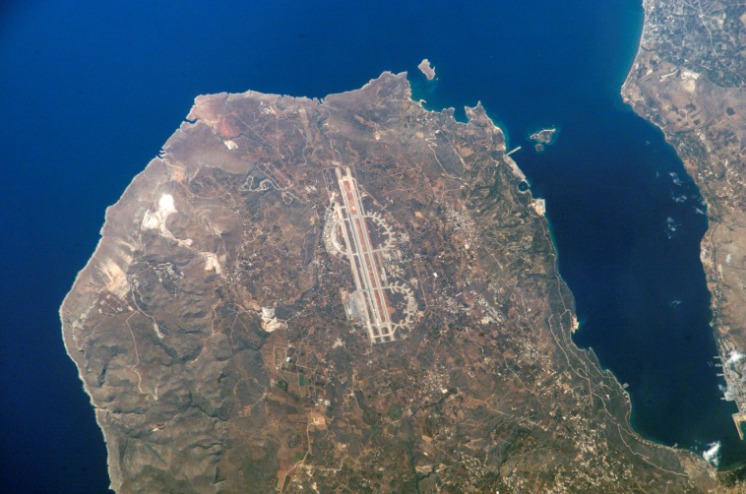
Overview of Tanzania Airports
Tanzania is home to a diverse network of airports that serve both domestic and international travelers. These airports play a crucial role in connecting remote regions with major cities, facilitating tourism, trade, and transportation across East Africa. From bustling international hubs to smaller regional airports, Tanzania’s aviation infrastructure continues to develop to support the country’s growing needs.
Major International Airports
Tanzania has several airports that serve the needs of both domestic and international travelers. These airports are key gateways to the country’s vibrant culture, wildlife, and natural attractions. The major airports in Tanzania are equipped with modern facilities to ensure smooth travel experiences for passengers.
The most prominent international airport in Tanzania is Julius Nyerere International Airport in Dar es Salaam, which handles the majority of international flights and connects Tanzania to numerous destinations worldwide. Kilimanjaro International Airport serves travelers heading to Mount Kilimanjaro and northern Tanzania, offering flights from various international hubs. Abeid Amani Karume International Airport in Zanzibar is another significant gateway, especially for tourists visiting the Zanzibar archipelago. Other notable airports include Mwanza Airport and Tanga Airport, which primarily support domestic flights and regional travel. Overall, Tanzania’s airports facilitate tourism and business, playing a vital role in the country’s connectivity and economic growth.
Regional Airports and Domestic Connectivity
Tanzania boasts a well-developed airport network that facilitates both international and domestic travel, supporting the country’s tourism and economic growth. The country’s airports range from major international gateways to smaller regional and domestic airports, ensuring connectivity across the nation.
Major international airports in Tanzania include Julius Nyerere International Airport in Dar es Salaam, Kilimanjaro International Airport near Moshi and Arusha, and Zanzibar’s Abeid Amani Karume International Airport. These airports serve as the primary points of entry for travelers coming from around the world.
Regional airports play a vital role in connecting remote and less accessible areas to major urban centers. Notable regional airports include Mwanza Airport, Dodoma Airport, and Mbeya Airport, which support domestic flights and facilitate regional connectivity.
Domestic connectivity within Tanzania is robust, with numerous airlines operating frequent flights connecting major cities and regional airports. This network allows for efficient travel across the country, supporting tourism, trade, and local transportation needs.
- Julius Nyerere International Airport (Dar es Salaam)
- Kilimanjaro International Airport (Moshi/Arusha)
- Abeid Amani Karume International Airport (Zanzibar)
- Mwanza Airport
- Dodoma Airport
- Mbeya Airport
- Tabora Airport
- Many smaller airports and airstrips supporting regional access
Private and Charter Airports
Tanzania is home to a diverse network of airports serving both domestic and international travelers. The country’s main international gateway is Julius Nyerere International Airport in Dar es Salaam, which handles the majority of international flights and cargo. Kilimanjaro International Airport in Moshi and Abeid Amani Karume International Airport in Zanzibar are also key hubs for travelers exploring Tanzania’s renowned attractions.
Besides these major airports, Tanzania has numerous regional airports and airstrips that facilitate access to remote areas and support local communities. Many of these are operated by the government or private entities, ensuring connectivity across the country.
Private airports and charter airports are an integral part of Tanzania’s aviation infrastructure, catering to business travelers, tourism operators, and government officials. These airports often feature enhanced facilities and personalized services, offering a more flexible and exclusive travel experience. Charter airports allow for private jet operations, providing quick access to remote wildlife parks, private islands, and luxury resorts, thus supporting the growing tourism industry in the country.
Key Airports in Tanzania
Tanzania is home to several key airports that serve as vital gateways for international and domestic travelers. Julius Nyerere International Airport in Dar es Salaam is the largest and busiest airport in the country, handling numerous international flights and cargo services. Kilimanjaro International Airport, located near the famous Mount Kilimanjaro, primarily serves tourists visiting the iconic mountain and surrounding national parks. Abeid Amani Karume International Airport in Zanzibar is another significant airport, facilitating travel to and from the Zanzibar archipelago. These airports play a crucial role in supporting tourism, trade, and economic development in Tanzania.
Facilities and Infrastructure
Facilities and infrastructure play a vital role in ensuring smooth airport operations and enhancing the passenger experience. In Tanzania, airports are continuously being upgraded to meet international standards, offering modern amenities, efficient security systems, and spacious terminal buildings. These advancements support the country’s growing connectivity and facilitate tourism, trade, and travel across the region.
Passenger Terminals
Tanzania’s airports are equipped with modern facilities and infrastructure designed to ensure passenger comfort and safety. Passenger terminals serve as the main gateways for travelers, offering a range of amenities including check-in counters, baggage claim areas, security checkpoints, and comfortable waiting lounges. These terminals are strategically located in major cities such as Dar es Salaam, Kilimanjaro, and Zanzibar, providing efficient access to domestic and international flights. Continuous investments are made to enhance the facilities, including retail outlets, dining options, and information services, to improve the overall passenger experience and meet international standards.
Runways and Taxiways
Tanzania’s airports are equipped with modern facilities and infrastructure designed to ensure safety, efficiency, and comfort for travelers and airlines. Key components include well-maintained runways and taxiways that support both domestic and international flights.
- Runways in Tanzanian airports are constructed with durable materials to withstand various weather conditions and heavy aircraft traffic.
- Most major airports like Julius Nyerere International Airport and Kilimanjaro International Airport feature multiple runways to facilitate simultaneous takeoffs and landings.
- The runways are equipped with advanced lighting systems to enable operations during night time or low visibility conditions.
- Taxiways connect runways to parking aprons and terminals, allowing for smooth movement of aircraft on the ground.
- Taxiway infrastructure includes clear signage and lighting to guide pilots safely to and from runways and terminals.
- Regular maintenance and upgrades are carried out to ensure the runways and taxiways meet international safety standards.
- Supporting facilities such as apron areas and fuel stations are strategically located alongside runways and taxiways for operational efficiency.
Security and Customs
Tanzania airports are equipped with modern facilities and infrastructure to ensure smooth passenger transit, efficient cargo handling, and overall safety. They are designed to meet international standards, providing comfort and convenience to travelers and airline operators alike.
- Facilities include spacious terminals, baggage handling systems, passenger lounges, duty-free shops, and information services.
- Runways and taxiways are maintained to high standards to accommodate both domestic and international flights.
- Supporting infrastructure such as parking areas, transportation links, and communication networks are well-developed.
Security at Tanzania airports is robust, with strict measures implemented to safeguard passengers, staff, and cargo. Advanced security screening technology is used, alongside trained personnel and regular patrols to prevent illicit activities.
- Security screening involves X-ray scanners, metal detectors, and body scanners for passengers and luggage.
- CCTV surveillance covers all critical areas to monitor activities and enhance safety.
- Access controls ensure that only authorized personnel enter sensitive zones.
Customs procedures are streamlined to facilitate efficient clearance of goods and travelers. Customs officials are trained to handle international trade and passenger declarations with professionalism.
- Customs checkpoints are strategically located for swift processing upon arrival and departure.
- Modern customs facilities incorporate electronic systems for declarations and risk assessment.
- Facilities support the processing of both passenger baggage and cargo shipments securely and efficiently.
Airline Services and Lounges
Tanzania airports are equipped with modern facilities and infrastructure to ensure a comfortable and efficient experience for travelers. These airports feature well-maintained runways, advanced navigation systems, and passenger-friendly terminals to accommodate both domestic and international flights. Airline services at Tanzanian airports include a variety of carriers offering routes within Africa and to other continents, providing convenient travel options. Lounges at these airports offer premium amenities such as comfortable seating, refreshments, Wi-Fi, and business services, catering to travelers seeking relaxation and productivity before their flights. Overall, Tanzania’s airports strive to deliver top-notch services and infrastructure to enhance the travel experience.
Transportation and Accessibility
Transportation and accessibility play a crucial role in connecting people and facilitating travel, especially in regions like Tanzania where tourism and commerce are vital to the economy. With expanding infrastructure and improved connectivity, Tanzanian airports are becoming essential hubs that enhance regional and international accessibility. These developments not only improve passenger experience but also promote economic growth and promote tourism within the country.
Ground Transportation Options
Ground transportation options at Tanzania airports provide travelers with convenient ways to reach their destinations within the country. Visitors can choose from a variety of services including taxis, shuttle buses, rental cars, and private transfers, ensuring smooth access to cities, hotels, and tourist sites. Taxis are readily available at airport terminals and offer a quick, flexible option for individual travelers. Shuttle services operate on scheduled routes, often connecting airports to major hotels and city centers. Car rental agencies are present at most airports, allowing visitors to explore Tanzania at their own pace. Additionally, private transfer services can be pre-arranged for a more personalized and comfortable experience. These ground transportation options are vital for ensuring accessibility and ease of travel, enhancing the overall visitor experience in Tanzania.
Connectivity to City Centers
Tanzania’s airports play a crucial role in enhancing transportation and accessibility, facilitating efficient movement of travelers and goods across the country. Improved airport infrastructure ensures better connectivity to city centers, enabling smoother transit options for both domestic and international flights. Modern facilities at Tanzanian airports, particularly Julius Nyerere International Airport and Kilimanjaro International Airport, contribute significantly to regional development and tourism. Enhanced transportation links, such as dedicated shuttle services, taxis, and public transportation, ensure passengers can easily reach city centers and important urban areas. These improvements support Tanzania’s economic growth by making transportation more reliable, accessible, and convenient for travelers and residents alike.
Parking and VIP Services
Tanzania airports offer a range of transportation and accessibility options to ensure a smooth travel experience for all passengers. From reliable shuttle services to public transportation connections, travelers can easily reach the airport terminals or their final destinations across the country. Enhanced facilities and assistance services cater to travelers with special needs, making the airports more accessible and user-friendly.
Parking facilities at Tanzanian airports are designed to accommodate both short-term and long-term needs, with ample space for cars, taxis, and rental vehicles. Well-marked parking lots simplify navigation and provide convenience for travelers dropping off or collecting passengers. Security measures are in place to ensure the safety of parked vehicles throughout their stay.
VIP services at Tanzania airports include exclusive lounges, fast-tracking procedures, and personalized assistance to enhance the travel experience for high-value or corporate clients. These premium services provide comfort and privacy, making travel more convenient for VIP visitors. Dedicated staff are available to assist with check-in, baggage, and transportation arrangements, ensuring a seamless journey from arrival to departure.
Development and Future Projects
Tanzania’s airports are experiencing significant development and modernization, aiming to improve infrastructure, enhance passenger experience, and boost tourism. The country is investing in new facilities, expanded runways, and advanced technologies to accommodate increasing air traffic. Looking ahead, several exciting projects are in the pipeline to position Tanzania as a key hub in the region, demonstrating its commitment to growth and connectivity in the aviation sector.
Recent Expansion Initiatives
Tanzania Airport has been actively involved in several development and future projects aimed at enhancing its infrastructure and services. Recent expansion initiatives include the upgrading of terminal facilities, improving runway capacities, and introducing advanced technology for better air traffic management. These developments are designed to accommodate the growing number of travelers and boost tourism and trade in the region.
Future projects are focused on sustainable growth and modernization. Plans are underway to construct new passenger lounges, increase parking capacity, and implement green energy solutions to reduce environmental impact. Additionally, there is a strategic focus on digital transformation to streamline airport operations and improve passenger experience, ensuring Tanzania Airport remains competitive and efficient in the evolving aviation industry.
Upcoming Infrastructure Projects
Tanzania’s airports are experiencing significant development and modernization to enhance connectivity and boost tourism. Several upcoming infrastructure projects aim to upgrade existing facilities and construct new airports, ensuring better passenger experience and increased capacity. Key initiatives include expanding runway lengths, modernizing terminal buildings, and implementing advanced security systems. These developments are designed to support increased air traffic and facilitate economic growth across the region.
Future projects in Tanzania’s airport sector focus on integrating sustainable practices and leveraging technology, such as digital check-ins and improved baggage systems. The government has prioritized strategic investments to position Tanzania as a major aviation hub in East Africa. These infrastructure improvements will not only improve operational efficiency but also create jobs and stimulate local businesses, contributing to the country’s overall development.
Smart Airport Technologies
The development and future projects of Tanzania airports are geared towards transforming the country’s aviation infrastructure into a modern, efficient, and technologically advanced system. Investments are being made to upgrade existing terminals, improve runway capacities, and incorporate smart airport technologies that enhance passenger experience and operational efficiency.
Future projects include the implementation of automated check-in systems, biometric passenger identification, and baggage handling automation. These innovations aim to reduce waiting times, increase security, and streamline airport workflows, aligning Tanzania with global standards in airport management.
Smart airport technologies also involve the integration of Internet of Things devices for real-time monitoring of airport facilities, predictive maintenance to prevent operational disruptions, and the use of data analytics to optimize airline and passenger services.
Such developments are expected to boost tourism, facilitate trade, and position Tanzania as a key regional hub in East Africa, ultimately contributing to the country’s economic growth and connectivity.
Safety and Security Measures
Ensuring safety and security is a top priority at Tanzanian airports, where stringent measures are implemented to protect passengers, staff, and infrastructure. These protocols encompass a range of procedures, from security screenings to surveillance systems, aimed at maintaining a safe environment for all travelers and stakeholders. As Tanzania continues to develop its aviation sector, robust safety and security measures remain essential to facilitate smooth and secure operations across its airports.
Security Protocols
Tanzania airports implement comprehensive safety and security measures to ensure the protection of travelers, staff, and infrastructure. These protocols include strict passenger screening processes, baggage checks, and the use of advanced surveillance systems to monitor airport premises effectively.
Security protocols also involve the deployment of trained security personnel who conduct regular patrols and respond promptly to any suspicious activities. Access to restricted areas is controlled through identification badges and biometric verification to prevent unauthorized entry.
Airports in Tanzania coordinate closely with national security agencies to address potential threats and maintain a safe environment. Additionally, there are emergency response plans in place, including fire safety, medical emergencies, and evacuation procedures, to handle unforeseen incidents efficiently.
Overall, Tanzania airports prioritize safety and security through continuous training, technology upgrades, and adherence to international security standards to ensure a secure travel experience for all passengers.
Emergency Services
Tanzania airports prioritize the safety and security of travelers and staff through comprehensive measures and efficient emergency services. Advanced surveillance systems and regular security checks are implemented to prevent unauthorized access and ensure a safe environment for all passengers. Security personnel are trained to handle various situations, including threats and emergencies, to maintain order at the airports. Emergency services are readily available on-site, including medical facilities, fire response teams, and coordination with local law enforcement agencies. These protocols aim to provide a secure and smooth travel experience while safeguarding individuals and assets at Tanzanian airports.
International Standards Compliance
Safety and security measures at Tanzania airports are designed to ensure the protection of passengers, staff, and infrastructure in accordance with international standards. These measures include advanced screening procedures, surveillance systems, and robust access control protocols to prevent unauthorized entry and maintain a secure environment. Regular safety drills and staff training are conducted to ensure preparedness for emergency situations, such as medical emergencies, fire, or security threats.
Compliance with international standards, such as those set by the International Civil Aviation Organization (ICAO) and the International Air Transport Association (IATA), is a primary focus for Tanzanian airports. These standards guide the development of security infrastructure, operational procedures, and safety management systems. Tanzania’s airports undergo regular audits and assessments to ensure adherence to these international guidelines, fostering a safe and trustworthy aviation environment for travelers and stakeholders.
Impact on Tourism and Economy
The development and operation of airports in Tanzania play a crucial role in shaping the country’s tourism industry and overall economy. Efficient airport infrastructure facilitates increased international traveler arrivals, boosting revenue for local businesses and hospitality sectors. As a gateway to numerous national parks and cultural sites, Tanzania’s airports significantly contribute to economic growth and global connectivity, fostering sustainable development and prosperity.
Tourism Growth Correlation
The development and enhancement of Tanzania’s airports have a significant impact on the country’s tourism sector and overall economy. Improved airport infrastructure facilitates easier access for international tourists, leading to increased visitor numbers and boosting local businesses. The growth in tourism directly correlates with economic gains, including employment opportunities and foreign exchange earnings.
- Enhanced airport facilities attract more international airlines, expanding connectivity and increasing tourist arrivals.
- Increased tourist influx drives demand in hospitality, transportation, and retail sectors, stimulating economic activity.
- Growth in tourism revenue contributes to national development projects and infrastructure improvements.
- Higher passenger traffic at Tanzania airports correlates with rising GDP and economic diversification.
- Strategic investments in airport capacity and services foster sustainable tourism growth and regional development.
Trade and Business Connectivity
The development and expansion of Tanzania’s airports have significantly boosted tourism and the economy by providing improved access to key destinations across the country. Enhanced airport infrastructure facilitates the influx of international tourists, enabling more frequent and larger flights, which in turn stimulates local businesses such as hotels, restaurants, and tour operators. This increased tourism activity generates substantial revenue, creating jobs and supporting community development. Additionally, modern airports foster stronger trade and business connectivity by streamlining logistics and transportation for goods and services. Improved air connectivity attracts foreign investment, promotes regional integration, and positions Tanzania as a pivotal hub for trade within East Africa. Overall, the growth of Tanzania airports plays a crucial role in elevating the nation’s economic prospects and strengthening its global connectivity.
Job Creation and Economic Impact
The development of Tanzania airports has significantly influenced the country’s tourism and economy by enhancing accessibility and attracting more international visitors. Improved airport infrastructure facilitates seamless travel experiences, encouraging tourists to explore Tanzania’s rich wildlife, cultural heritage, and natural landmarks. This increased influx of tourists boosts revenue in sectors such as hospitality, transportation, and retail, contributing to overall economic growth.
Furthermore, the expansion and modernization of Tanzania airports create numerous job opportunities for local communities. From construction and maintenance roles during development phases to airport operations, security, and hospitality services, a wide range of employment options emerge. This not only reduces unemployment but also promotes skills development and local participation in the aviation and tourism sectors.
Overall, the positive economic impact of Tanzania airports extends beyond tourism alone, stimulating regional development and fostering economic resilience. As airports become more capable and efficient, they serve as catalysts for sustained growth, increased foreign direct investment, and improved connectivity within the country and internationally.




0 Comments