

Geography and Landscape of Zimbabwe
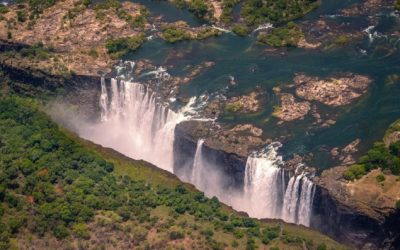
Zimbabwe is a landlocked country located in southern Africa, renowned for its diverse and striking landscape. Its geography is characterized by a high plateau known as the Central African Plateau, which is surrounded by various natural features such as mountains, rivers, and savannas. The country boasts the iconic Victoria Falls, one of the world’s largest and most famous waterfalls, alongside lush national parks and expansive wilderness areas. This unique landscape contributes to Zimbabwe’s rich biodiversity and scenic beauty, making it a captivating subject for pictures that showcase its natural splendor.
Topographical Features
The geography and landscape of Zimbabwe are characterized by a diverse topography that includes high plateau regions, rugged mountains, and expansive valleys. This country is primarily situated on a high Central Plateau, which elevates from around 600 meters in the Zambezi Valley to over 2,600 meters in some mountainous areas. The landscape features prominent topographical elements such as the Great Zimbabwe Plateau, which dominates the central and southeastern parts, and the Eastern Highlands along the border with Mozambique, known for their dramatic peaks and lush vegetation. The Zambezi River, forming the country’s northern border, carves through the terrain, creating the iconic Victoria Falls. In addition to this, Zimbabwe’s landscape includes numerous granite inselbergs, rugged hills, and fertile river valleys that support abundant wildlife and agriculture. The combination of these physical features contributes to the country’s breathtaking scenery and rich ecological diversity.
Major Rivers and Water Bodies
Zimbabwe is a landlocked country located in southern Africa, known for its diverse geography and scenic landscapes. It features a variety of terrains, including highveld plateaus, low-lying valleys, and lush river basins, which collectively create a rich and varied environment. The country’s topography is characterized by hilly regions and extensive savannahs that support a wide range of flora and fauna. Zimbabwe’s landscape is dotted with national parks and wildlife reserves, making it a prominent destination for nature enthusiasts.
Among the major rivers that flow through Zimbabwe, the Zambezi River is the most significant, forming the country’s northern border and renowned for the spectacular Victoria Falls, one of the world’s largest and most famous waterfalls. The Limpopo River flows along Zimbabwe’s southern border, providing vital water resources to the region. Other important rivers include the Runde River and the Tokwe River, which contribute to the country’s agricultural and ecological systems.
Zimbabwe also boasts several prominent water bodies, including lakes and reservoirs that are crucial for water supply and hydropower. Lake Kariba, one of the largest man-made reservoirs in the world, lies along the Zambezi River and provides hydroelectric power to Zimbabwe and neighboring countries. Lake Gwayi-Shangani and Lake Chivero are other notable water bodies that supply water for domestic use, agriculture, and industry. Overall, Zimbabwe’s landscape and water resources play a vital role in its ecology, economy, and cultural heritage.
National Parks and Natural Reserves
Zimbabwe is renowned for its diverse and stunning geography, characterized by a mix of highplateaus, mountains, savannas, and rivers. The landscape is predominantly a highveld region, with elevations ranging from 300 to 1,200 meters above sea level, creating a fertile environment for agriculture and rich ecosystems. The country’s natural scenery is also marked by the prominent Zambezi River, which forms the majestic Victoria Falls, one of the world’s largest and most spectacular waterfalls. Armored with ancient granite domes, sandstone formations, and lush river valleys, Zimbabwe’s terrain offers a breathtaking panorama that attracts travelers and nature enthusiasts alike.
Zimbabwe’s network of national parks and natural reserves plays a crucial role in preserving its rich biodiversity. Hwange National Park, the largest reserve in the country, is famous for its vast herds of elephants, lions, and other wildlife. Gonarezhou National Park, part of the Great Limpopo Transfrontier Park, features rugged terrain and diverse flora and fauna, providing a haven for various species. Mana Pools National Park, situated along the Zambezi River, is renowned for its remarkable wilderness and opportunities for canoeing and fishing. Additionally, protected areas like Matobo Hills National Park showcase striking granite formations and are rich in archaeological and cultural history, making Zimbabwe a picture of natural beauty and ecological significance.
Historical Context and Cultural Heritage
Zimbabwe’s rich historical context and vibrant cultural heritage offer a fascinating glimpse into its diverse and enduring legacy. From ancient stone structures to traditional customs, the nation’s history is deeply embedded in its landscapes and communities. Understanding this background enhances the appreciation of Zimbabwe’s unique identity and the significance behind its cherished symbols and sights.
Ancient Ruins and Archeological Sites
The image of Zimbabwe is deeply rooted in its rich historical context and cultural heritage, which is vividly reflected in its ancient ruins and archaeological sites. Zimbabwe is renowned for the iconic Great Zimbabwe Ruins, a UNESCO World Heritage Site that dates back to the 11th century and served as the capital of the medieval kingdom. These impressive stone structures highlight the advanced architectural skills and societal organization of early inhabitants. Beyond Great Zimbabwe, the country is dotted with other archaeological sites that reveal a sophisticated craftsmanship and a vibrant cultural history. These remnants offer a window into the past civilizations that shaped Zimbabwe’s identity, preserving the stories of their traditions, beliefs, and social customs. Together, these ancient sites embody Zimbabwe’s enduring legacy and cultural pride, attracting scholars and tourists alike who seek to understand the depths of its historical significance.
Colonial Era Influences
The historical context and cultural heritage of Zimbabwe are deeply rooted in its colonial past and the influences that shaped its identity. During the colonial era, Zimbabwe was known as Southern Rhodesia under British rule, which brought about significant changes to its social, political, and linguistic landscape. British colonization introduced English as the official language and integrated Western educational and administrative systems, leaving a lasting impact on the nation’s cultural fabric. Despite these colonial influences, Zimbabwe’s rich indigenous heritage, including the traditions of the Shona and Ndebele peoples, remained vibrant and resilient, contributing to the diverse and complex cultural identity seen today. The legacy of the colonial period is reflected in Zimbabwe’s architecture, language, and societal structures, while its indigenous roots continue to celebrate ancestral customs and historical sites such as Great Zimbabwe, symbolizing the enduring cultural heritage of the nation.
Indigenous Cultures and Traditions
Zimbabwe’s rich historical context is deeply intertwined with its diverse indigenous cultures and ancient traditions that have been preserved over centuries. The Great Zimbabwe ruins stand as a testament to the advanced civilization that once thrived there, showcasing impressive stone architecture and a complex societal structure. These sites reveal the importance of ancestral land and cultural identity to the local populations.
Indigenous cultures in Zimbabwe, including the Shona and Ndebele peoples, carry vibrant traditions through language, music, dance, and craftsmanship. They maintain ancestral customs and rituals that connect them to their history and environment. Traditional practices such as storytelling, celebrating harvest festivals, and honoring community elders play a vital role in preserving cultural heritage.
Overall, Zimbabwe’s cultural heritage reflects a harmonious blend of historical legacy and living traditions that continue to shape the nation’s identity today. The resilience of indigenous communities and their customs enrich the country’s visual and cultural landscape, making it a country of profound historical significance and cultural vitality.
Urban Centers and Infrastructure
Urban centers and infrastructure form the backbone of Zimbabwe’s developing landscape, shaping the nation’s economic growth and social progress. These vibrant cities and towns serve as hubs for commerce, culture, and innovation, reflecting the country’s opportunities and challenges. Well-planned infrastructure is essential for connecting communities, supporting industries, and enhancing the quality of life for residents across Zimbabwe.
Harare: The Capital City
Harare, the capital city of Zimbabwe, serves as the vibrant heart of the nation’s urban life and development. It is a bustling hub of economic activity, cultural diversity, and architectural growth, reflecting the country’s progress and challenges. The city boasts a mix of modern skyscrapers, colonial-era buildings, and traditional markets, illustrating its rich history and evolving landscape.
Urban centers like Harare are characterized by their expansive infrastructure networks, including roads, bridges, and public transportation systems that facilitate daily commutes and commerce. The city’s infrastructure also encompasses vital utilities such as water supply, electricity, and telecommunications, which are essential for supporting its growing population.
Despite its developments, Harare faces ongoing challenges related to urban planning, traffic congestion, and infrastructure maintenance. Efforts are continuously underway to improve city planning, promote sustainable growth, and enhance the quality of life for residents. The city’s dynamic environment offers a compelling picture of Zimbabwe’s ongoing journey toward modernization and economic resilience.
Bulawayo and Other Major Cities
Zimbabwe’s urban centers and infrastructure reflect a blend of historical resilience and ongoing development efforts. Among these cities, Bulawayo stands out as the country’s second-largest city, known for its industrial significance and rich cultural heritage. The city boasts a well-developed infrastructure network, including roads, healthcare facilities, and educational institutions, which support its vibrant economy. Other major cities such as Harare, the capital, and Mutare contribute significantly to Zimbabwe’s economic and social landscape, each featuring modern infrastructure that facilitates commerce, transportation, and communication. Despite challenges, these urban centers are pivotal in shaping the nation’s future, showcasing a picture of resilience and growth amid diverse regional contexts.
Transportation Networks
Urban centers in Zimbabwe are vital hubs of economic activity, cultural exchange, and social development, featuring a diverse array of infrastructure and transportation networks. Harare, the capital city, exemplifies modern urban planning with its well-developed road systems, public transit options, and utilities that support both residents and businesses. These networks facilitate efficient movement of people and goods, fostering economic growth and connectivity within the country.
Transportation in Zimbabwe encompasses a variety of modes including road, rail, air, and waterways. The extensive road network connects major cities and rural areas, enabling trade and access to essential services. Rail services are crucial for transporting bulk commodities such as minerals and agricultural products across the country and to neighboring regions. Airports in Harare and Bulawayo serve both domestic and international flights, supporting tourism and commerce. Additionally, river systems like the Zambezi and Limpopo provide important routes for transportation and resource management.
Overall, the development and maintenance of urban infrastructure and transportation networks in Zimbabwe play a critical role in fostering economic development, improving quality of life, and promoting regional integration. Continued investment and modernization are necessary to address challenges and accommodate the country’s growth trajectory.
Economic Landscape and Natural Resources
The economic landscape of Zimbabwe is deeply intertwined with its natural resources, which play a crucial role in shaping the country’s development and sustainability. Rich in mineral deposits and diverse ecological zones, Zimbabwe’s natural resources provide both opportunities and challenges for economic growth. Understanding this dynamic is essential for appreciating the country’s overall picture and its potential for future prosperity.
Agriculture and Farming

Zimbabwe’s economic landscape is shaped by a diverse array of natural resources, agriculture, and farming practices. The country is endowed with rich mineral deposits, including platinum, gold, and diamonds, which play a vital role in its economy. Despite these resources, economic stability has faced challenges due to political and environmental factors. Agriculture remains a cornerstone of Zimbabwe’s economy, providing employment to a large portion of the population. The country’s farming sector primarily produces maize, tobacco, sugarcane, and cotton, essential for both domestic consumption and export. Land reform programs have significantly impacted farming patterns, leading to shifts in land ownership and productivity. Overall, Zimbabwe’s natural resources and agricultural activities are integral to its economic identity, contributing to both its development prospects and ongoing challenges in achieving sustainable growth.
Mining and Mineral Resources
Zimbabwe’s economic landscape is deeply influenced by its abundant natural resources, particularly in the sectors of mining and minerals. The country boasts a rich variety of mineral deposits, including significant reserves of gold, platinum, diamonds, nickel, and coal, which play a crucial role in its economy. These resources have the potential to generate substantial revenue and attract international investment, although challenges such as political instability, infrastructure limitations, and regulatory issues often hinder full exploitation.
The mining sector remains a vital component of Zimbabwe’s economic framework, contributing to employment and export earnings. The country’s natural resource wealth has historically fostered a diverse landscape, characterized by mineral-rich terrains and vibrant mining communities. Sustainable management and modernization of mining practices are essential for Zimbabwe to maximize these resources’ benefits, promote economic growth, and ensure environmental preservation for future generations.
Tourism Industry
The economic landscape of Zimbabwe is characterized by a diverse mix of natural resources, agriculture, and emerging sectors. The country is rich in minerals such as platinum, gold, diamonds, and coal, which play a significant role in its economy. Despite facing challenges like inflation and political instability, Zimbabwe continues to leverage its natural wealth to attract investment and foster economic growth. The agriculture sector, traditionally a backbone of the economy, is undergoing modernization efforts to increase productivity and sustainability.
The natural resources of Zimbabwe are a vital asset, contributing to both local development and international trade. The country’s mineral reserves, combined with its fertile land and water resources, provide a foundation for sustainable economic activities. Conservation and responsible management of these resources are essential for long-term prosperity and environmental health.
The tourism industry in Zimbabwe offers a vibrant and diverse experience, showcasing some of the world’s most spectacular natural landscapes and wildlife. Famous for the majestic Victoria Falls, Hwange National Park, and Mana Pools, the country attracts travelers seeking adventure, conservation, and cultural encounters. Efforts to promote eco-tourism and improve infrastructure are helping Zimbabwe establish itself as a premier tourist destination in Africa, generating revenue and employment opportunities across various communities.
Wildlife and Ecosystems
Zimbabwe is a land rich in diverse wildlife and vibrant ecosystems that showcase the beauty of nature. Its sprawling savannas, dense forests, and wetlands support a wide variety of animals and plant species. This abundance of life not only highlights the country’s natural heritage but also plays a vital role in maintaining ecological balance and supporting local communities. Exploring Zimbabwe’s wildlife and ecosystems offers a glimpse into the splendid biodiversity that makes this country truly remarkable.
Iconic Species and Conservation Efforts
Zimbabwe is renowned for its diverse wildlife and vibrant ecosystems that support a wide array of species. The country’s national parks, such as Hwange and Mana Pools, are home to iconic animals like elephants, lions, leopards, and rhinos, attracting nature enthusiasts from around the world. These species play a vital role in maintaining the ecological balance and are symbolic of Zimbabwe’s rich natural heritage.
Efforts to conserve Zimbabwe’s wildlife have been strengthened through various initiatives and protected areas. Organizations work tirelessly to combat poaching, restore habitats, and promote sustainable tourism practices. The government has also implemented anti-poaching laws and community-based conservation programs to ensure the survival of endangered species like the African elephant and the rhinoceros.
Overall, Zimbabwe’s commitment to conserving its iconic species and ecosystems highlights the importance of protecting biodiversity for future generations. Its stunning landscapes and diverse wildlife not only define the country’s natural identity but also contribute significantly to its ecological and economic well-being.
Major Wildlife Sanctuaries
Zimbabwe is renowned for its diverse wildlife and rich ecosystems that support a variety of flora and fauna. The country’s landscapes, ranging from savannahs and forests to wetlands and mountains, create ideal habitats for numerous species. Protecting these ecosystems is essential for maintaining biodiversity and supporting local communities through eco-tourism. Major wildlife sanctuaries in Zimbabwe play a pivotal role in conservation efforts and provide opportunities for visitors to experience the country’s natural beauty firsthand.
Environmental Challenges
Zimbabwe is renowned for its rich wildlife and diverse ecosystems, which are vital for maintaining ecological balance and supporting thousands of species. The country’s national parks, such as Hwange and Mana Pools, showcase vast landscapes filled with elephants, lions, rhinos, and other iconic animals, attracting tourists from around the world. However, despite its natural beauty, Zimbabwe faces several environmental challenges that threaten its wildlife and ecosystems.
One of the primary concerns is habitat destruction caused by agricultural expansion, illegal logging, and infrastructure development. This reduces the available natural space for wildlife and disrupts ecological connectivity. Additionally, poaching and illegal wildlife trade pose significant threats, especially to endangered species like elephants and rhinoceroses, driven by high demand for ivory and horns.
Another pressing issue is climate change, which leads to unpredictable weather patterns such as droughts and floods, impacting water availability and food resources for both animals and plants. Water scarcity can lead to increased human-wildlife conflict as animals venture closer to communities in search of water. Furthermore, overgrazing by livestock can degrade the land, reducing its productivity and harming native vegetation.
Efforts are ongoing to address these challenges through conservation programs, community engagement, and sustainable practices. Protecting Zimbabwe’s wildlife and ecosystems is essential not only for the environment but also for the country’s tourism industry and the wellbeing of future generations.


0 Comments