
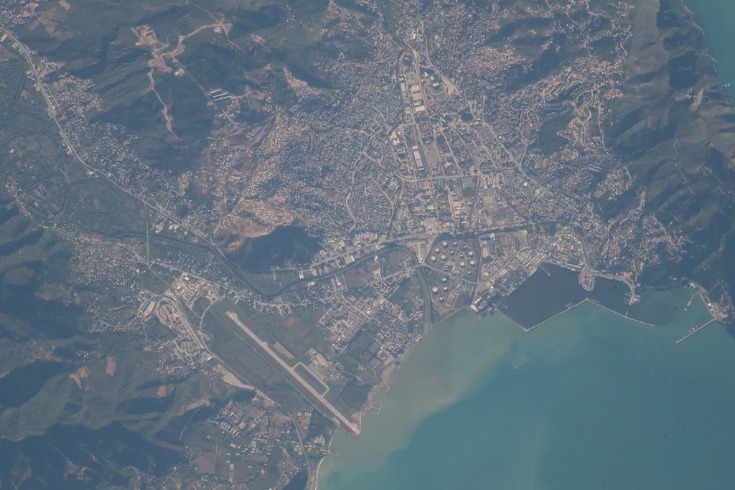
1. Landscape and Scenery
Algeria’s landscapes are a breathtaking showcase of natural beauty, featuring diverse scenery that spans vast deserts, lush mountains, and fertile coastal plains. From the golden sands of the Sahara to the picturesque Mediterranean coastline, each region offers unique and captivating visuals. Exploring Algeria’s scenery provides a window into its rich geographical tapestry and the striking beauty that makes it a favorite subject for photographers and travelers alike.
Desert Dünes of the Sahara
The Sahara Desert dunes in Algeria present a stunning and expansive landscape characterized by endless waves of golden sand. These towering dunes, some reaching heights of over 180 meters, create a mesmerizing and dynamic scenery that shifts with the wind. The interplay of light and shadow on the undulating surfaces produces a breathtaking visual effect, especially during sunrise and sunset. The dunes stretch across vast regions of southern Algeria, forming a majestic sea of sand that is both harsh and beautiful. This unique desert scenery offers a glimpse into one of the most dramatic and striking natural environments, making Algeria a remarkable destination for breathtaking desert pictures.
Majestic Atlas Mountains
The Atlas Mountains in Algeria offer a breathtaking landscape that captivates every visitor. Towering peaks covered in snow contrast beautifully with lush valleys and rugged terrain, creating a stunning panorama. These mountains form a majestic backdrop to the diverse scenery, from dense forests and fertile plains to dramatic cliffs and deep gorges. The grandeur of the Atlas ranges highlights Algeria’s rich natural beauty and provides perfect scenery for photography and exploration. Their impressive height and rugged terrain make them a symbol of environmental variety and untouched wilderness in North Africa.
Coastline along the Mediterranean Sea
Algeria’s coastline along the Mediterranean Sea offers some of the most stunning and diverse scenery in North Africa. The landscape is characterized by dramatic cliffs, pristine beaches, and lush green coves that contrast beautifully with the arid inland regions. The Mediterranean backdrop enhances the natural beauty of the country, providing a picturesque setting that captivates visitors and photographers alike.
- The Selma Bay features crystal-clear waters nestled between rugged cliffs, making it a favorite spot for travelers seeking tranquility and scenic views.
- The historic city of Annaba boasts beautiful beaches lined with palm trees, offering a perfect blend of urban life and nature’s serenity.
- The coastal towns such as Tipasa are known for their breathtaking sunsets over ancient Roman ruins overlooking the sea.
- The coastline is dotted with small fishing villages that preserve traditional lifestyles amidst stunning panoramic views of the Mediterranean coastline.
- The Cap Carbon Lighthouse provides a striking silhouette against the vast blue sea, highlighting Algeria’s rugged coastal geography.
Oases and Green Valleys
Algeria is renowned for its stunning landscape and diverse scenery, which include vast deserts, lush oases, and verdant valleys. The country’s Sahara Desert features endless golden sands and impressive dune formations that create breathtaking panoramic views. Interspersed within these arid regions are vibrant oases, where palm trees and water sources provide a lush contrast to the surrounding desert, offering a serene and picturesque environment. In the mountainous areas, such as the Tell Atlas and the Kabylie region, green valleys flourish with forests, terraced fields, and meandering rivers, offering a lush and fertile landscape that is a striking departure from the desert. These areas are perfect for agricultural activities and are filled with natural beauty, making Algeria a country of remarkable contrasts and scenic diversity captured beautifully in its pictures.
2. Cultural Heritage and Landmarks
Algeria’s rich cultural heritage and historic landmarks showcase a captivating blend of ancient traditions and diverse civilizations. From ancient Roman ruins to Ottoman architecture, the country is a treasure trove of iconic sites that reflect its unique history. Through captivating pictures, these landmarks offer a glimpse into Algeria’s vibrant cultural identity and enduring legacy.
Historic Kasbahs and Old Towns
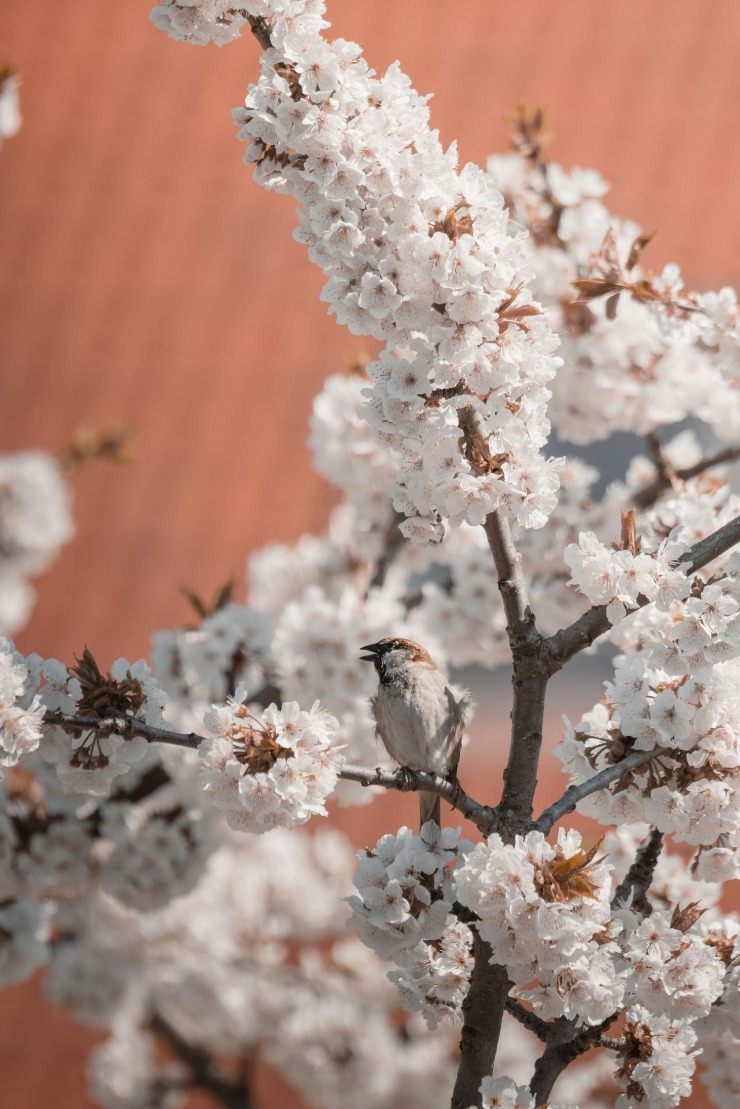
Algeria is a country rich in cultural heritage, boasting a wealth of historic kasbahs and old towns that reflect its diverse history. These ancient structures and districts serve as tangible links to the past, showcasing unique architecture and intricate design that have been preserved over centuries. The kasbahs, often constructed from tartar stone, stand as symbols of Algeria’s Islamic and Moorish influence, attracting history enthusiasts and photographers alike. Old towns such as Algiers’ Casbah and Tlemcen’s medinas offer vibrant scenes filled with narrow alleyways, bustling markets, and centuries-old mosques. These landmarks not only tell stories of medieval trading routes and cultural exchanges but also provide stunning visuals that capture the essence of Algeria’s historic tapestry. Visitors often explore these sites to appreciate their architectural grandeur and to capture picturesque moments that highlight the country’s enduring cultural legacy.
Ancient Ruins of Tipasa
The Ancient Ruins of Tipasa are a remarkable testament to Algeria’s rich cultural heritage, attracting visitors from around the world interested in exploring its historical significance. Located along the Mediterranean coast, these ruins showcase a blend of Roman and early Christian influences, reflecting the region’s diverse historical past. The site includes well-preserved amphitheaters, basilicas, mausoleums, and baths, offering a glimpse into the urban life of the ancient inhabitants. Capturing images of Tipasa reveals the beauty of its ancient architecture set against the vibrant natural landscape, making it a popular subject for photographers and history enthusiasts alike.
- The archaeological site dates back to the 2nd century AD and was an important Roman port city.
- Tipasa is recognized as a UNESCO World Heritage Site due to its cultural and historical significance.
- The ruins include a Roman theater, an ancient basilica, and the remains of a Punic port.
- The site offers stunning views of the Mediterranean Sea, enhancing its visual appeal in photographs.
- Preserving these monuments is crucial for understanding the region’s ancient past and showcasing Algeria’s diverse cultural history through pictures.
Algiers Casbah Architecture
The Algiers Casbah is a UNESCO World Heritage site renowned for its historic and architectural significance. This ancient medina showcases a unique blend of Islamic, Mediterranean, and Arab influences, reflecting centuries of cultural exchange and history in Algeria.
- The narrow winding streets and alleys of the Casbah provide a glimpse into traditional urban planning and daily life in old Algiers.
- Architectural features include intricately carved wooden doors, mosaic tiles, and centuries-old mosques like the Sidi Abdelkader Mosque.
- The Casbah’s buildings, made primarily of sandstone, display distinct Islamic architectural elements such as domes, arches, and courtyards.
- Restoration efforts aim to preserve the authenticity of these structures, making it a popular subject for photos capturing Algeria’s rich cultural heritage.
- Algeria pictures often highlight the contrast between the historic charm of the Casbah and the modern cityscape surrounding it.
Traditional Markets and Souks
Algeria is a country rich in cultural heritage, boasting a variety of historic landmarks, traditional markets, and vibrant souks that reflect its diverse history and traditions. These sites and markets offer a glimpse into the country’s unique identity and provide excellent photo opportunities for visitors seeking authentic Algerian experiences.
- Kasbah of Algiers: A UNESCO World Heritage site, this ancient fortress and urban area features narrow winding streets, historic palaces, and stunning architecture that capture the essence of Algerian history.
- Timgad: An ancient Roman city with remarkably well-preserved ruins, including a theater, archways, and mosaics, offering a picturesque window into Algeria’s Roman past.
- Constantine: Known as the “City of Bridges,” this city impresses visitors with its dramatic gorges, hanging bridges, and historic sites that showcase its strategic significance over centuries.
- Traditional Markets and Souks: Markets like Kasbah Market in Algiers and the Sahara Souk in Tamanrasset are bustling hubs of activity where local goods, textiles, spices, and handcrafted items are sold, capturing the vibrant atmosphere and colors of Algerian culture.
- Hammams and Local Craft Markets: Small community baths and craft shops throughout Algeria display traditional art, ceramics, and traditional clothing, perfect for capturing the daily life and craftsmanship of local artisans.
3. Natural Reserves and Wildlife
Algeria is home to a diverse array of natural reserves and wildlife, showcasing the country’s rich and varied ecosystems. These protected areas serve as vital habitats for numerous species of plants and animals, reflecting Algeria’s commitment to conserving its natural heritage. Exploring the country’s reserves provides a window into its breathtaking landscapes and vibrant wildlife, captured beautifully in stunning photographs.
Birds in the Sahara Drylands
Algeria’s Sahara drylands are home to a diverse array of natural reserves that protect its unique wildlife, including many bird species. These expansive desert regions host various habitats such as oases, rocky plateaus, and sandy dunes, which attract different bird populations. Birds like the desert lark, passing migratory species, and raptors such as the greater kestrel can be observed scouring the skies or resting in these rugged landscapes. The rich biodiversity in these reserves highlights the importance of conservation efforts to preserve Algeria’s natural heritage and the stunning birdlife captured in photographs of this region.
Protected Areas and National Parks
Algeria is renowned for its diverse natural reserves and protected areas that showcase the country’s rich wildlife and stunning landscapes. These areas play a crucial role in conserving the native flora and fauna, offering a glimpse into Algeria’s natural heritage through captivating photographs.
- Hoggar Mountains: Famous for its unique rock formations and diverse ecosystems, this protected area hosts rare species and breathtaking scenery suitable for photography.
- Tassili n’Ajjer National Park: A UNESCO World Heritage site known for its ancient rock art, dramatic desert landscapes, and rich biodiversity, making it a popular subject for nature pictures.
- Belezma National Park: Featuring lush forests, waterfalls, and diverse wildlife, it is a vital habitat for many endemic species and is often depicted in stunning images.
- El Kala National Park: Located in the northeast, this park encompasses forests, lakes, and coastlines that are perfect for capturing Algeria’s vibrant natural environments.
These protected areas emphasize Algeria’s commitment to preserving its natural beauty and provide excellent opportunities for photography enthusiasts to capture the country’s unique landscapes and wildlife.
Flora of the Atlas Mountains
The Atlas Mountains in Algeria are home to a rich diversity of natural reserves and wildlife, making them a vital area for conservation and ecological study. These mountains host a variety of flora and fauna, many of which are unique to the region and adapted to the rugged mountainous environment. The lush forests and high-altitude ecosystems support numerous endemic plant species, including chestnut trees, oak, and pine, which create a vibrant and diverse botanical landscape. Wildlife in the area includes mammals such as Barbary macaques, wild boars, and mountain goats, along with a wide array of bird species like eagles, vultures, and various songbirds. Protected natural reserves, such as the Ahaggar National Park, serve as crucial habitats for preserving this biodiversity. These reserves not only safeguard rare and endangered species but also offer breathtaking scenery that is often captured in captivating photographs, showcasing the stunning natural beauty of the Atlas Mountains in Algeria.
Wildlife Encounters in the Steppes
Algeria’s steppes are vast, open landscapes that host a rich diversity of wildlife and natural reserves, offering unique opportunities for wildlife encounters. These expansive plains are home to various species adapted to the semi-arid environment, including migratory birds, foxes, and steppe antelopes, making it a fascinating destination for nature enthusiasts. Several protected areas and reserves, such as the Ahaggar National Park and Tassili n’Ajjer, serve to preserve this ecological heritage and allow visitors to experience the native flora and fauna firsthand. Photography of these reserves captures the stark beauty of the landscape, highlighting the importance of conservation efforts and showcasing Algeria’s wild natural beauty to the world.
4. Modern Urban Life
Modern urban life in Algeria reflects a dynamic blend of tradition and innovation, showcasing the country’s rapid development and diverse cultural heritage. As cities expand, they become vibrant centers of commerce, education, and social interactions, offering a glimpse into contemporary Algerian society. Through striking images, one can explore the bustling streets, modern architecture, and everyday moments that define urban life in Algeria today.
Vibrant Streets of Algiers
The vibrant streets of Algiers exemplify the dynamic rhythm of modern urban life in Algeria. Bustling marketplaces, lively cafes, and colorful traditional buildings create a captivating tapestry that reflects the city’s rich cultural heritage. The mix of historic architecture and contemporary street art showcases how Algiers seamlessly blends its past with the present, drawing visitors into a sensory-rich experience. As people navigate the busy thoroughfares, the energy and diversity of the city come alive, making it a compelling destination for those interested in exploring the vibrant urban landscape of Algeria.
City Skylines and Infrastructure
Modern urban life in Algeria is reflected through vibrant city skylines and advanced infrastructure that showcase the nation’s development and economic growth. Cities like Algiers, Oran, and Constantine feature impressive skyscrapers, modern commercial centers, and well-planned transportation systems that facilitate the daily movement of residents and visitors. The city skylines are a blend of contemporary architecture and traditional Algerian influences, creating a unique urban landscape. Infrastructure developments, including expanded road networks, metro systems, and modern airports, support the increasing population and boost connectivity across regions. These advancements contribute to Algeria’s vision of urban modernization, making cities more livable, efficient, and attractive for both residents and tourists.
Cultural Events and Festivals
Algeria’s cities are vibrant centers of modern urban life, blending traditional architecture with contemporary developments. These urban spaces host a variety of cultural events and festivals that showcase the nation’s rich heritage and dynamic present. Visitors and locals alike enjoy numerous celebrations that highlight Algeria’s diverse history, music, and arts. Such events often feature colorful parades, live performances, and traditional crafts, creating a lively atmosphere throughout the year.
- Algeria hosts the International Festival of Traditional Music, attracting artists from around the world to celebrate diverse musical forms.
- The Timgad Festival, held in the ancient Roman ruins, combines history with modern entertainment, drawing large audiences annually.
- During Festival of the Sahara, nomadic tribes display their customs, music, and dance, offering a vivid glimpse into desert life.
- Many cities celebrate Independence Day with parades, concerts, and cultural exhibitions that reflect national pride.
- Urban art festivals have also gained popularity, transforming city walls into vibrant murals that depict Algeria’s cultural identity.
Nightlife and City Lights
Modern urban life in Algeria is vividly captured through the bustling city streets, vibrant nightlife, and dazzling city lights that transform its major cities into lively hubs of activity. As night falls, Algerian cities such as Algiers, Oran, and Constantine come alive with illuminated cafes, street performances, and illuminated landmarks that reflect both tradition and modernity. The shimmering lights along the Mediterranean coast and within the historic districts create a breathtaking contrast, showcasing the dynamic spirit of urban development while preserving cultural heritage. Nightlife in Algeria offers a rich mix of music, dance, and social gatherings, making it a compelling aspect of contemporary city living that highlights the country’s progression and timeless charm.
5. People and Traditions
Algeria is a country rich in diverse cultures and vibrant traditions that reflect its unique history and societal values. Its people, known for their warmth and hospitality, uphold a variety of customs passed down through generations. Exploring images of Algeria reveals the colorful festivals, traditional clothing, and historical practices that define the nation’s identity and provide a glimpse into its lively and enduring cultural heritage. Understanding these traditions offers insight into the spirit and resilience of Algerian communities.
Local Dress and Attire
Algeria’s rich cultural heritage is vividly reflected in its diverse people and unique traditional attire. The Algerian population includes various ethnic groups such as Arabs, Berbers, and people of mixed descent, each contributing to the vibrant tapestry of the nation’s customs and traditions. Local dress styles often showcase intricate embroidery, bright colors, and distinct patterns that symbolize regional identities and social status.
Women commonly wear the traditional “Karakou,” a richly decorated jacket paired with a long skirt or trousers, often adorned with silver jewelry and coins. Men traditionally wear the “Gandoura” or “Melhafa,” which are loose, flowing robes suitable for the hot climate, complemented by embroidered hats or turbans. These garments are not only practical but also carry cultural significance, often worn during festivals, weddings, and special occasions.
Festivals and celebrations such as Independence Day or religious festivities serve as important opportunities to showcase traditional attire and reinforce cultural bonds. Music, dance, and local crafts—like pottery and weaving—are integral to preserving the cultural identity expressed through clothing and customs. By wearing traditional dress, Algerians honor their ancestors and maintain a sense of community and pride in their heritage.
Festivals and Celebrations
Algeria is a country rich in cultural heritage, vibrant traditions, and lively festivals that showcase its diverse history. People in Algeria celebrate numerous events that reflect their deep-rooted customs and social bonds.
Traditional clothing, such as the festive burnous and colorful Amazigh dresses, are often worn during celebrations, highlighting the country’s ethnic diversity. Throughout the year, various festivals take place, including the national Independence Day on July 5th, which commemorates Algeria’s struggle for freedom with parades, music, and fireworks.
The Festival of the Sahara is one of the most famous cultural events, held in Tamanrasset, where visitors can experience traditional music, dance, and art from desert communities. Religious festivals like Ramadan and Eid are observed with communal prayers, feasts, and family gatherings, emphasizing the importance of faith and community.
Algerian weddings are elaborate celebrations marked by singing, dancing, and traditional rituals that have been passed down through generations. These events are colorful displays of Algerian customs, often featuring live music and folkloric performances that bring communities together in joy and unity.
Overall, the people of Algeria take pride in their traditions, celebrating their history and social ties through various colorful and meaningful festivals that continue to enrich their cultural landscape.
Traditional Crafts and Art
Algeria is a country rich in cultural heritage, reflected vividly through its people, traditions, and traditional crafts. The diverse ethnic groups, including Bedouins, Berbers, and Arabs, contribute to a vibrant tapestry of customs that have been preserved for generations. Celebrations such as wedding ceremonies, religious festivals, and seasonal festivities showcase the deep-rooted traditions that continue to shape Algerian identity.
Traditional crafts play a significant role in Algerian culture, with intricate embroidery, carpet weaving, pottery, and leatherwork standing out. These crafts not only serve practical purposes but also act as artistic expressions passed down through generations. For example, the famous Berber rugs feature geometric patterns and vibrant colors, symbolizing cultural stories and beliefs.
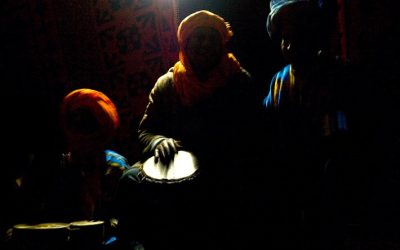
Algerian art, including music, dance, and visual arts, reflects both historical influences and contemporary creativity. Gnawa music, with its hypnotic rhythms, and traditional dance forms like the Ahidus, express communal identity and spiritual beliefs. Visual arts often depict scenes from daily life, historical events, and religious themes, illustrating the country’s rich artistic legacy.
Overall, Algeria’s people and their customs, crafts, and art form a vital part of the country’s identity, beautifully captured in photographs that showcase the colors, textures, and traditions that continue to thrive today.
Everyday Life in Algerian Cities and Villages
Algeria’s cities and villages are rich in cultural traditions and daily life practices that reflect the country’s diverse history and vibrant community spirit. The way people live, dress, and celebrate their customs offers a glimpse into the unique identity of Algeria, beautifully captured in many pictures of the country.
- In cities like Algiers and Oran, bustling markets and lively streets showcase the blend of modernity and tradition. People often dress in colorful clothing, and street vendors sell local foods and handcrafted goods, creating a vibrant atmosphere.
- Traditional music and dance, such as Raï and gnawa, are integral to Algerian culture, often featured in community gatherings and celebrations, as seen in many photographs that depict festive events.
- In villages and rural areas, daily life revolves around agriculture and family gatherings. Pictures often show people working in fields, tending livestock, and participating in community festivals rooted in ancient customs.
- Religious and cultural celebrations, including Ramadan and Eid, are observed with special prayers, feasts, and family visits, which are beautifully captured in images highlighting the warmth and hospitality of Algerian people.
- Throughout the country, traditional crafts like pottery, weaving, and metalwork are passed down through generations, with pictures showcasing artisans at work and the intricate designs that symbolize Algerian heritage.



0 Comments