
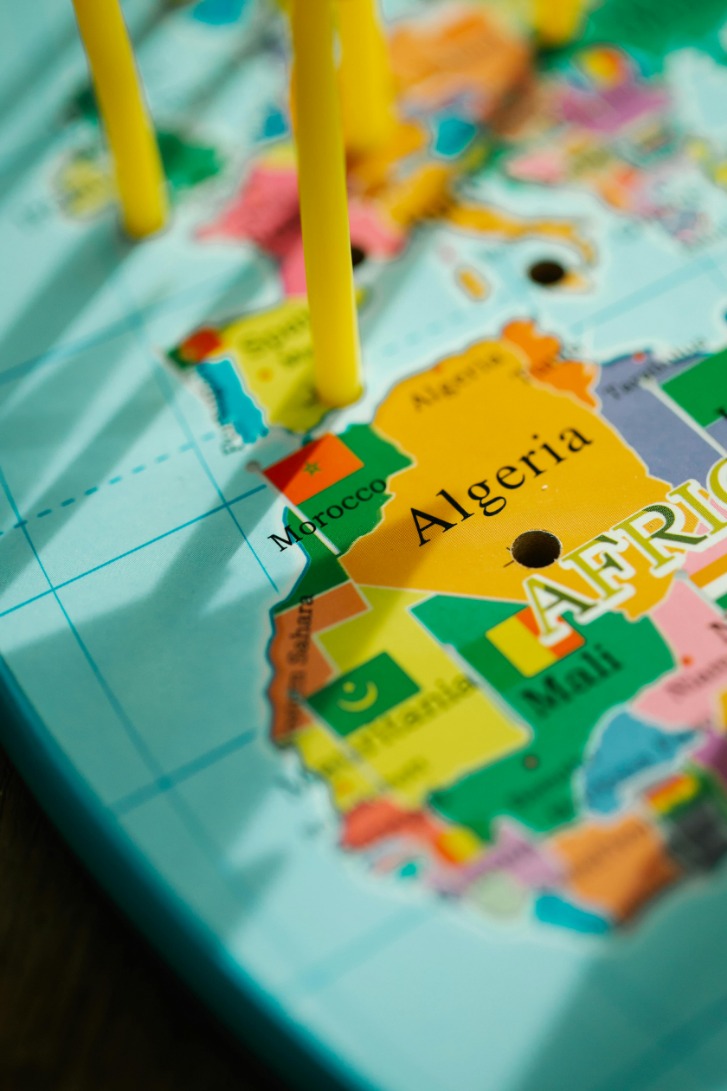
Historical Background of Algerian Politics
The political history of Algeria is marked by a complex journey from colonial rule to independence and subsequent efforts to establish a stable government. With its roots deeply embedded in the struggle against French colonization, Algeria’s political landscape has been shaped by revolutionary movements, military influence, and efforts toward democratization. Understanding this background provides essential insights into the nation’s modern political developments and ongoing challenges in governance and stability.
Colonial Legacy and Independence Movement
The political history of Algeria is deeply rooted in its colonial past, which significantly shaped its modern political landscape. Under French rule from 1830 to 1962, Algeria experienced extensive social, economic, and political changes that laid the groundwork for its independence movement. The colonial authorities implemented policies that marginalized the indigenous Algerian population, leading to persistent grievances and resistance. The struggle for independence intensified after World War II, culminating in the Algerian War of Liberation (1954-1962), a brutal and decisive conflict that mobilized widespread national efforts. This war not only resulted in Algeria gaining independence but also established a political framework marked by efforts to reconcile revolutionary ideals with nation-building. Post-independence, Algeria faced challenges in establishing stable governance, combating political fragmentation, and addressing the lingering effects of colonialism. The legacy of colonial rule, combined with the revolutionary zeal of independence fighters, continues to influence Algerian politics today, shaping its policies, ideology, and regional relationships. The country’s political evolution reflects a complex interplay of anti-colonial resistance, nationalist aspirations, and efforts toward modernization and stability.
Post-Independence Political Foundations
The political landscape of Algeria has been shaped by a complex history marked by colonial rule, revolutionary struggle, and efforts to establish a stable government. Following centuries of Ottoman and French domination, Algeria gained independence in 1962, ending a brutal war that left profound social and political scars. The post-independence period was characterized by the dominance of the National Liberation Front (FLN), which established a one-party state to consolidate power and maintain national unity. The government prioritized sovereignty, socialist policies, and the centralization of authority, which laid the groundwork for subsequent political developments. Despite constitutional reforms and the emergence of opposition movements, the FLN continued to play a pivotal role in Algerian politics, with the military also asserting influence. Over time, Algeria’s political foundations have centered around a strong state apparatus, nationalist ideals, and struggles to balance multiple social and ethnic interests, shaping ongoing debates about democracy, stability, and development in the country.
Transition to Modern Governance
The political history of Algeria is marked by a transition from colonial rule to independence and the subsequent development of modern governance structures. Algerian politics during the colonial era was characterized by a struggle for self-determination, culminating in independence from France in 1962 after a prolonged and fierce liberation war. This historic event laid the foundation for the country’s political landscape, shaping its national identity and political institutions. Following independence, Algeria adopted a socialist-oriented one-party system under the National Liberation Front (FLN), which maintained control over political life for several decades. The move towards modern governance involved transitioning from this centralized one-party rule to a more pluralistic political framework, culminating in multi-party elections and constitutional reforms. Key milestones included the adoption of a new constitution in 1989, which introduced multi-party politics and liberalization efforts, as well as addressing issues related to governance, civil rights, and political stability. Despite challenges such as internal conflicts and economic difficulties, Algeria gradually made strides towards establishing a more open and institutionalized political system, laying the groundwork for its contemporary governance structure rooted in republican principles and democratic processes.
Political Structure and Institutions
Algeria’s political structure is characterized by a semi-presidential system that combines elements of both parliamentary and presidential governance. The country’s institutions include the President, who holds significant executive power, and the Parliament, which consists of the Nation Assembly and the Council of the Nation. These institutions work within a framework that influences decision-making processes and the political landscape of Algeria. Understanding the organization and functions of these political structures is essential to comprehending the nation’s governance and policymaking mechanisms.
Executive Branch: Presidency and Government
The political structure of Algeria features a semi-presidential system characterized by the coexistence of the presidency and the government. The executive branch is divided chiefly between the President, who holds significant authority, and the Prime Minister, who heads the government. The President is elected by popular vote for a five-year term and has substantial powers, including appointing the Prime Minister, presiding over the Council of Ministers, and commanding the armed forces. The President also plays a key role in shaping domestic and foreign policy. The government, led by the Prime Minister, is responsible for executing policies, implementing laws, and managing day-to-day administration. The Prime Minister is appointed by the President and must maintain the confidence of the Parliament. This structure aims to balance executive powers while ensuring some parliamentary oversight, but in practice, the President retains considerable influence over the political landscape of Algeria.
Legislative Bodies: Parliament and Electoral Processes
Algeria’s political structure is characterized by a semi-presidential system that combines both presidential and parliamentary elements. The executive branch is headed by the President, who is elected by direct popular vote and holds significant authority, including appointing the Prime Minister and other key officials. The legislative branch consists of two chambers: the National People’s Assembly and the Council of the Nation. The National People’s Assembly is the lower house, with members elected through direct elections based on proportional representation in multi-member constituencies. The Council of the Nation is the upper house, with its members partially appointed by the President and partially elected by indirect means from regional assemblies. The electoral process in Algeria involves national elections, where citizens participate in choosing their representatives for these legislative bodies. These elections are governed by laws aimed at ensuring fairness, transparency, and representation, although the political landscape has faced criticism over issues such as voter turnout and electoral integrity. Overall, Algeria’s political institutions serve as the foundation for the country’s governance, with ongoing efforts to strengthen democratic processes and institutional stability.
Judicial System and Constitutional Court
Algeria’s political structure is a semi-presidential republic, featuring a division of authority between the President and the Parliament. The President holds significant executive power, overseeing the government and serving as commander-in-chief of the armed forces, while the Parliament is composed of two chambers: the National People’s Assembly and the Council of the Nation. The political system is designed to balance these institutions, though in practice, executive authority has historically been dominant.
The judicial system in Algeria is based on a combination of civil law traditions and Islamic principles. It includes a hierarchy of courts such as the Supreme Court, courts of appeals, and various lower courts that handle civil, criminal, and administrative cases. The judiciary is tasked with upholding the constitution and laws, although its independence has sometimes been questioned due to political influences.
The Constitutional Court is a key institution responsible for overseeing the constitutionality of laws and regulations. It ensures that legislation complies with the constitution and has the authority to review the constitutionality of laws before they are promulgated or upon request. The Court also supervises the electoral process, including presidential and legislative elections, to guarantee their legality and transparency. The Constitutional Court’s role is vital in maintaining the legal framework that underpins Algeria’s political system.
Major Political Parties and Alliances
Maj
or political parties and alliances play a crucial role in shaping Algeria’s political landscape. These groups and coalitions influence government policies, national development, and the country’s diplomatic relations. Understanding the main parties and alliances provides insight into Algeria’s political dynamics and the ongoing efforts to promote stability and democracy in the region.
National Liberation Front (FLN)
Major political parties and alliances play a significant role in shaping Algeria’s political landscape. The National Liberation Front (FLN) is a prominent and historically influential political party in Algeria. Established during the struggle for independence from France, the FLN led the country to independence in 1962 and has been a dominant force in Algerian politics since then. The party traditionally advocates for Arab nationalism, socialism, and maintaining the unity of the Algerian state. Over the years, the FLN has formed various alliances with other political groups to consolidate its power and influence governance. Despite challenges from opposition parties and protests demanding political reforms, the FLN remains a key player in Algeria’s political arena, shaping policies and government leadership. The political system also includes other parties like the National Rally for Democracy (RND) and Islamist groups, which often form coalitions or oppose the FLN’s policies, reflecting the diverse political spectrum in the country.
Islamist Parties and Movements
Algeria’s political landscape is characterized by a variety of major political parties and alliances that have historically played significant roles in shaping the country’s governance. The National Liberation Front (FLN) has been the dominant party since independence, advocating for a socialist-oriented state and maintaining influence over the political scene. Alongside it, the National Rally for Democracy (RND) and other parties form coalitions to influence policy and elections, reflecting a complex web of political interests. Recently, there has been increasing political activism and the emergence of new parties, especially among youth and reform advocates.
Islamist parties and movements have also been notable in Algeria’s political history. The Islamic Salvation Front (FIS) gained significant popularity in the 1990s, challenging secular authorities with its platform promoting Islamic values within governance. However, the party was banned after the military intervention in the 1990s, leading to a period of conflict known as the Algerian Civil War. Despite this, Islamic parties like the Movement for the Society of Peace (MSP) continue to operate within the political framework, advocating for the incorporation of Islamic principles into legislation. These groups often appeal to conservative segments of society and remain influential in influencing debates on religion, politics, and social policy in Algeria.
Emerging Political Groups
In Algeria, the political landscape is primarily dominated by major political parties and alliances that shape national governance and policy direction. Historically, the National Liberation Front (FLN) has been a major force, playing a significant role since independence. Recently, other influential parties such as the National Democratic Rally (RND) and the Front of Socialist Forces (FFS) have also gained prominence. These parties often form alliances to consolidate power and influence legislative processes. Emerging political groups are increasingly active, often representing youth interests, civil society movements, and reformist agendas. These groups seek to challenge traditional political structures and push for greater transparency, social reforms, and economic development. The evolving political scene reflects a dynamic interplay between established parties and new actors striving to influence Algeria’s future trajectory.
Recent Political Developments
Recent political developments in Algeria have garnered significant attention both domestically and internationally. The country has experienced a series of changes in leadership, policy reforms, and social movements that reflect a shifting political landscape. These developments are shaping Algeria’s future trajectory and influencing its regional dynamics in North Africa.
Presidential Elections and Leadership Changes
Recent political developments in Algeria have been characterized by a series of significant events that have shaped the country’s political landscape. The nation has seen ongoing protests demanding reforms and greater transparency, reflecting widespread public dissatisfaction with governance and corruption. In response, the government has introduced a series of constitutional amendments aimed at enhancing democratic processes and strengthening institutions.
The presidential elections held in recent months marked a pivotal moment, with new leadership promising to implement reforms and address economic challenges. The election process was closely watched both domestically and internationally, with calls for greater transparency and fair competition. The newly elected president has expressed commitment to national unity, economic diversification, and combating corruption, signaling a potential shift towards a more inclusive and reform-oriented government.
Leadership changes within the political elite have also been notable, including the appointment of new ministers and advisors who are expected to influence policy direction. These changes indicate an attempt by Algeria to modernize its political framework, foster stability, and engage more actively with the international community. Overall, the political scene remains dynamic, with ongoing efforts to balance traditional power structures with calls for reform and increased democratic accountability.
Reform Movements and Civil Society Engagement
Recent political developments in Algeria have been characterized by a growing momentum for reform and increased engagement of civil society in the national discourse. Following widespread protests in 2019 that led to the resignation of long-standing President Abdelaziz Bouteflika, the government has initiated a series of constitutional amendments aimed at enhancing political transparency and accountability. These reforms include measures to reduce presidential powers, strengthen the role of parliament, and promote independent oversight institutions.
Civil society organizations in Algeria have become more active, organizing rallies, conferences, and campaigns to push for greater democratic freedoms and social justice. Movements advocating for transparency in governance, anti-corruption initiatives, and the protection of human rights have gained prominence, reflecting a societal desire for meaningful political change. The government has responded with a mixture of cautious reform efforts and crackdowns on opposition groups, highlighting ongoing tensions between reformers and entrenched interests.
International partners and regional organizations continue to monitor Algeria’s political trajectory, encouraging dialogue and institutional development to ensure a stable transition towards a more inclusive political system. The ongoing engagement of civil society remains a crucial element in fostering sustainable democracy and addressing the diverse aspirations of the Algerian people.
Economic Reforms and Political Implications
Recent political developments in Algeria have been marked by a series of significant events aimed at reforming the nation’s governance system. The government has initiated moves to enhance transparency and combat corruption, including legislative changes and the reshuffling of key political and administrative positions. These efforts are part of a broader strategy to stabilize the political landscape and foster greater public participation in decision-making processes.
Economic reforms in Algeria are increasingly focused on diversifying the economy away from heavy reliance on hydrocarbons. Initiatives have been launched to promote non-oil sectors such as agriculture, tourism, and manufacturing. The government has also implemented measures to improve the business environment, attract foreign investment, and address unemployment concerns among the youth. These reforms aim to create sustainable economic growth and reduce vulnerability to global oil price fluctuations.
The political implications of these developments are profound. The reforms have the potential to reshape the power dynamics within the country, promoting a more participatory and accountable political system. However, resistance from entrenched interests and challenges in ensuring consistent implementation pose obstacles to these changes. Overall, Algeria’s trajectory towards political stability and economic diversification will significantly influence its regional role and internal social coherence in the coming years.
Security and Counterterrorism Policies
Security and counterterrorism policies play a crucial role in shaping Algeria’s political landscape, reflecting the nation’s efforts to safeguard its stability and sovereignty. Over the years, the Algerian government has implemented a range of strategies aimed at combating insurgency, terrorist activities, and maintaining internal security. These policies are deeply intertwined with the country’s political priorities and its broader goal of ensuring peace and order within its borders.
Role of the Military and Intelligence Agencies
In Algerian politics, security and counterterrorism policies play a crucial role in maintaining national stability and protecting citizens from internal threats. The government has prioritized the fight against extremist groups through a combination of military operations and intelligence efforts, aiming to dismantle insurgent networks and prevent violence. The military in Algeria is a key actor, actively engaging in counterterrorism missions both domestically and in border regions, leveraging their trained personnel and strategic capabilities. Intelligence agencies, on the other hand, work tirelessly to gather information, monitor potential threats, and conduct covert operations to preempt terrorist activities. This collaborative approach between the military and intelligence services reflects Algeria’s commitment to safeguarding its sovereignty and ensuring security amid ongoing regional challenges. Such policies are frequently adjusted to respond to evolving threats, emphasizing a balance between military interventions and intelligence-led operations to achieve long-term stability.
Counterterrorism Strategies and Challenges
Security and counterterrorism policies in Algeria have been central to the country’s political landscape, especially given its history with insurgent groups and regional instability. Algeria has implemented a comprehensive approach that combines military efforts, intelligence operations, and legislative measures to combat terrorism. The government emphasizes intelligence sharing, border security, and counter-radicalization initiatives to prevent the spread of extremist ideologies. However, these strategies face significant challenges, including the evolving tactics of terrorist groups, international pressure for human rights considerations, and political stability concerns. Algerian authorities also grapple with balancing security measures with maintaining civil liberties, which remains a delicate aspect of their counterterrorism efforts.
Foreign Relations and Regional Politics
Foreign relations and regional politics play a crucial role in shaping Algeria’s national policies and international standing. As a key player in North Africa, Algeria’s engagement with neighboring countries and global powers influences stability, economic development, and security in the region. Understanding its diplomatic approach and regional alliances provides valuable insights into the country’s strategic priorities and political landscape.
Diplomatic Relations with Neighboring Countries
Algeria’s foreign relations and regional politics are shaped by its strategic position in North Africa, its historical ties, and its pursuit of regional stability and economic integration. The country maintains diplomatic relations with neighboring nations to promote cooperation on issues such as security, trade, and infrastructure development. Algeria’s diplomatic approach emphasizes sovereignty, non-interference, and fostering alliances that benefit its national interests.
- Algeria shares borders with Tunisia, Libya, Niger, Mali, Mauritania, Western Sahara, and Morocco, each influencing its foreign policy priorities.
- The relationship with Morocco remains complex due to territorial disputes over Western Sahara and historical differences, impacting regional diplomacy.
- Algeria has cultivated strong ties with other North African countries through regional organizations such as the Arab Maghreb Union aimed at economic and security cooperation.
- It actively participates in the African Union, advocating for African solidarity and development, often balancing relations with Western countries and regional partners.
- Algeria maintains a strategic partnership with France, rooted in historical ties, economic interests, and counter-terrorism efforts.
- The country is also engaged with international organizations like the United Nations, enhancing its diplomatic influence globally.
Role in the African Union and Arab League
Algeria plays a significant role in both foreign relations and regional politics within Africa and the Arab world. As a leading member of the African Union, Algeria actively participates in initiatives aimed at promoting stability, economic development, and conflict resolution across the continent. Its diplomatic efforts are often directed toward fostering strong partnerships with neighboring countries and supporting Pan-African integration. Within the Arab League, Algeria maintains a prominent position, advocating for Arab unity, political stability, and economic cooperation. The country’s foreign policy emphasizes independence, non-interference, and efforts to mediate regional conflicts, reflecting its broader strategic interests and commitment to regional stability.
Relations with Western Powers and Global Entities
Algeria’s foreign relations and regional politics are shaped by its strategic geographic position, historical ties, and pursuit of regional stability. The country maintains a careful balance in its interactions with neighboring states in North Africa and the broader Maghreb, emphasizing sovereignty and non-interference while fostering economic and security cooperation. Historically, Algeria has sought to assert its independence from colonial influences and has played a leading role in regional organizations such as the Arab Maghreb Union to promote integration. Relations with Western powers are nuanced, with Algeria often advocating for non-alignment and independence in its foreign policy, while cooperating on issues like counter-terrorism and energy security. Its relationship with global entities like the United Nations and the African Union reflects its desire to enhance diplomatic influence and regional development. Algeria’s diplomacy continues to be driven by interests in maintaining stability, boosting economic growth through diversification, and asserting its position as a key regional actor in African and Arab politics.
Current Challenges and Future Outlook
Algeria’s political landscape faces numerous current challenges that impact stability and development. Issues such as economic diversification, political reforms, and social unrest are at the forefront of national discourse. Looking ahead, the future outlook hinges on the government’s ability to implement meaningful reforms, foster inclusive governance, and address the demands of its diverse population. Navigating these hurdles will be crucial for shaping a more stable and progressive Algeria.
Political Stability and Democratic Reforms
Algeria faces a complex landscape of current challenges and future prospects in its political sphere, marked by efforts toward political stability and democratic reforms. The nation is grappling with economic difficulties due to fluctuating oil and gas revenues, which impact governance and social stability. Additionally, widespread demands for greater transparency, accountability, and inclusion have fueled calls for reform within the political system.
Political stability remains a central concern, with authorities striving to balance maintaining order while addressing citizens’ aspirations for democratic change. Movements demanding the end of prolonged authoritarian practices have led to reforms aimed at expanding political participation and modifying electoral processes. However, underlying tensions and economic vulnerabilities continue to pose risks to sustained stability.
Looking ahead, the future of Algeria’s political development hinges on implementing comprehensive democratic reforms that incorporate civil society, enhance governance, and foster economic diversification. Strengthening institutions, ensuring free and fair elections, and promoting dialogue among various political actors will be crucial for building a resilient democracy. Progress in these areas promises to improve stability and support the country’s long-term democratic consolidation, but it requires continued commitment and adaptation to evolving political realities.
Economic Diversification and Political Impact
Algeria faces several current challenges in its political landscape, including economic dependence on hydrocarbon revenues, social unrest, and demands for reform. The reliance on oil and gas exports makes the economy vulnerable to fluctuating global markets, necessitating diversification efforts. Politically, there is an ongoing struggle to balance stability with the pursuit of greater democratization, amid pressures from civil society and youth movements. Internationally, Algeria’s regional policies influence its diplomatic relationships, impacting security and economic partnerships.
Looking ahead, economic diversification remains crucial for Algeria’s stability and growth. Initiatives aimed at developing sectors like tourism, agriculture, and manufacturing are essential to reduce the reliance on hydrocarbons. Politically, a move toward more inclusive governance and transparent institutions could strengthen internal stability and foster international confidence. The future outlook depends on successful reform implementation, economic resilience, and the ability to manage social expectations while navigating regional dynamics.
Social Movements and Youth Engagement in Politics
Algeria’s political landscape faces several current challenges, particularly in fostering genuine democratic processes and addressing widespread public discontent. Youth engagement remains crucial, yet many young people feel disconnected from traditional political institutions, leading to decreased participation. Social movements, especially those advocating for reform and greater transparency, have gained momentum but often encounter resistance from entrenched establishment forces. The future outlook hinges on the nation’s ability to implement meaningful reforms that resonate with the youth and modern demands for governance.
- Promoting inclusive political dialogue to bridge gaps between government and citizens.
- Addressing economic issues that fuel social unrest, such as unemployment and inequality.
- Encouraging youth participation through education, awareness campaigns, and youth-focused policies.
- Implementing institutional reforms to increase transparency, accountability, and anti-corruption measures.
- Supporting social movements that advocate for democratic reforms and civil rights.


0 Comments