
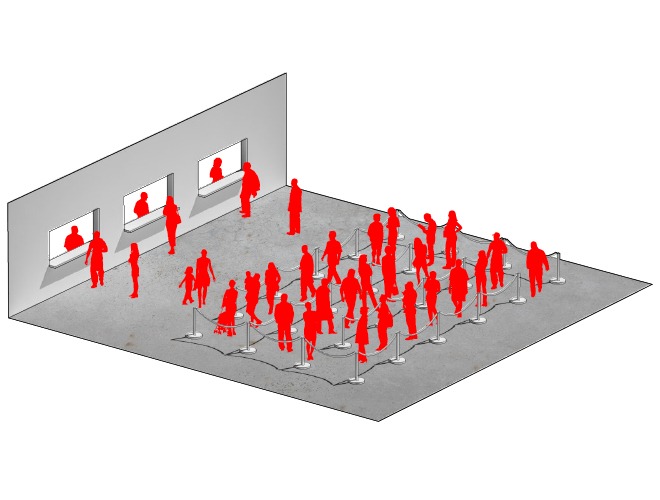
Historical Background of Immigration in Nigeria
Immigration in Nigeria has a rich and complex history shaped by various factors such as trade, colonization, and regional migrations. Throughout centuries, Nigeria has served as a crossroads for different ethnic groups and foreign traders, fostering a diverse and vibrant population. The colonial era introduced new migration patterns influenced by British rule and economic opportunities, which continue to impact the country’s demographic landscape today. Understanding this historical background is essential to grasp the dynamic nature of immigration in Nigeria.
Pre-Colonial Migration Patterns
Historical background of immigration in Nigeria is deeply rooted in its rich and diverse cultural history. Before European colonization, the region was characterized by extensive pre-colonial migration patterns that contributed to the formation of various indigenous communities. These migrations were driven by factors such as trade, warfare, environmental changes, and the search for new fertile lands. Different ethnic groups, including the Yoruba, Igbo, Hausa, and others, migrated and settled across various parts of present-day Nigeria, establishing complex social, political, and economic systems. The movement of peoples in these regions facilitated cultural exchanges and the development of unique traditions that continue to shape Nigeria’s identity today. Understanding these early migration patterns is essential to appreciating Nigeria’s diverse population and the historical processes that have contributed to its complex demographic landscape.
Colonial Era and Settlement Trends
The historical background of immigration in Nigeria is deeply rooted in its rich cultural diversity and complex socio-economic developments over centuries. During the colonial era, from the late 19th century to the mid-20th century, Nigeria experienced significant migration flows driven by British colonial policies, economic opportunities, and the establishment of trade routes. Colonial administrators encouraged the movement of Europeans, Indians, Lebanese, and other ethnic groups to facilitate trade, administration, and infrastructure development. This period also saw the migration of indigenous populations from different regions within Nigeria to urban centers in search of employment and better living conditions, leading to the growth of cities like Lagos, Kano, and Port Harcourt. Settlement trends during this era were largely influenced by the colonial economic activities, with many migrant groups establishing communities in port cities and commercial hubs. These patterns contributed to Nigeria’s multicultural landscape and set the stage for contemporary migration dynamics, reflecting a history shaped by economic pursuits, colonial influence, and regional interactions.
Post-Independence Immigration Movements
The historical background of immigration in Nigeria is rooted in ancient trade routes and regional interactions that date back centuries. Historically, Nigeria has been a crossroads of diverse peoples, cultures, and religions, which facilitated the movement of traders, settlers, and various groups across its territories. The pre-colonial era saw migration through the spread of kingdoms such as the Nok, Kanem-Bornu, and the Hausa city-states, with immigrants contributing to the development of complex societies. During the colonial period, the influx of Europeans and other foreigners came primarily for economic opportunities and administrative purposes, shaping the demographic landscape of the region. Post-independence, Nigeria experienced significant shifts in immigration patterns, driven by political, economic, and social factors, leading to increased movement of people from neighboring West African countries and beyond seeking work, safety, or better living conditions. These movements have contributed to Nigeria’s cultural diversity but have also posed challenges related to integration and resource allocation.
Types of Immigration in Nigeria
Immigration in Nigeria is a diverse and dynamic phenomenon, comprising various types that reflect the country’s social, economic, and cultural fabric. It includes both long-term and temporary moves by individuals seeking new opportunities or escaping challenging conditions. Understanding these different types helps to appreciate the complex nature of Nigeria’s population movements and their impact on the nation’s development.
Economic Migrants
Immigration in Nigeria encompasses various categories of migrants, with economic migrants forming a significant segment. These individuals move to Nigeria primarily in search of better job opportunities, improved living standards, or to escape economic hardship in their home countries. Economic migrants are driven by the desire for employment in sectors such as agriculture, construction, trade, and services, contributing to Nigeria’s economic activities. They often settle in urban areas where economic opportunities are more abundant, and their presence plays a vital role in the country’s labor market. Despite facing challenges related to legal status and integration, economic migrants are crucial to Nigeria’s economic development and diversification efforts.
Refugees and Asylum Seekers
Immigration in Nigeria encompasses various categories, including different types of migrants such as economic migrants, family reunification migrants, and refugees. The country attracts individuals seeking better economic opportunities, educational prospects, or to join family members living there. Refugees and asylum seekers also form a significant part of Nigeria’s diverse immigrant population, fleeing conflicts and persecution from neighboring countries. Refugees are individuals who have been forced to leave their home countries due to violence or war, and Nigeria hosts many of these displaced persons, primarily from regions like the Lake Chad Basin. Asylum seekers are individuals who arrive in Nigeria seeking protection and are awaiting official recognition of their refugee status. The Nigerian government, along with international agencies, provides support and legal frameworks to handle and support these different groups, contributing to the country’s dynamic and complex immigration landscape.
Student and Family Reunification Immigrants
Immigration in Nigeria encompasses various categories of migrants, including students and family reunification immigrants. Student immigrants primarily consist of foreign nationals who come to Nigeria to pursue educational opportunities at universities, colleges, and other educational institutions. These students contribute to the cultural diversity of the country and are often granted specific visas that facilitate their stay for the duration of their studies. Family reunification immigrants, on the other hand, are individuals who migrate to Nigeria to join family members who are already residents or citizens. This category includes spouses, children, or other relatives seeking to be with their loved ones, often under family sponsorship or reunification programs. Both groups play vital roles in shaping Nigeria’s multicultural society and its economic and social landscape.
Irregular Migration and Human Trafficking
Immigration in Nigeria encompasses various forms, including legal, irregular, and humanitarian categories. Legal immigration involves individuals who enter the country through proper channels such as visas and work permits, contributing to the nation’s diverse culture and economy. Irregular migration, on the other hand, refers to individuals who enter or stay in Nigeria without proper authorization, often seeking better opportunities or escaping hardships. This form of migration poses challenges related to security, law enforcement, and social integration. Human trafficking is a grave aspect of irregular migration, where individuals, especially women and children, are exploited through coercion, force, or deception for purposes such as forced labor, sexual exploitation, and involuntary servitude. Addressing these issues requires robust policies, international cooperation, and awareness campaigns to protect vulnerable populations and uphold human rights in Nigeria.
Factors Influencing Immigration
Factors Influencing Immigration in Nigeria are diverse and complex, shaped by economic opportunities, political stability, social conditions, and environmental issues. These elements significantly impact the movement of people both into and out of the country, affecting its demographic and cultural landscape. Understanding these factors is essential to grasp the dynamics of immigration within Nigeria and its implications on national development.
Economic Opportunities and Employment
Economic opportunities and employment are primary factors influencing immigration in Nigeria. Many individuals migrate to Nigeria seeking better job prospects due to its large and diverse economy, particularly in sectors such as oil and gas, agriculture, and technology. The availability of employment opportunities attracts people from neighboring countries as well as regions within Nigeria, contributing to the country’s dynamic demographic landscape. Additionally, areas with higher economic activity and development tend to draw more migrants, seeking improved living standards and financial stability. However, disparities in employment opportunities across different regions also influence migration patterns, with some migrants moving from less developed regions to more prosperous urban centers. Overall, the pursuit of economic stability and employment remains a significant driver of immigration in Nigeria, impacting social, economic, and cultural aspects of the country.”

Political Stability and Insecurity
Factors influencing immigration in Nigeria are complex and multifaceted, with political stability and insecurity being among the most significant. These elements greatly impact the flow of immigrants into and out of the country, shaping its demographic and socio-economic landscape.
- Political Stability: A stable political environment encourages both inward and outward migration. When Nigeria experiences peace and effective governance, it attracts immigrants seeking opportunities and residency.
- Insecurity: High levels of insecurity, including insurgency, communal conflicts, and crime, deter potential immigrants and cause existing residents to emigrate. This creates a migrant flux, often from conflict zones to more secure areas.
- Government Policies: Immigration laws and policies influenced by political stability can either facilitate or hinder migration. Restrictive policies often stem from concerns over security and national stability.
- Economic Conditions: Political stability fosters economic growth, encouraging immigration for business and employment. Conversely, insecurity hampers economic activities, discouraging migration and causing displacement.
- Regional Conflicts: Conflicts within Nigeria and neighboring countries can lead to refugee movements. Political instability along borders increases cross-border migration, often placing pressure on Nigeria’s resources.
Environmental Factors and Climate Change
Immigration in Nigeria is significantly influenced by various environmental factors and the impacts of climate change, which shape migration patterns and decisions of individuals and communities.
- Environmental Degradation: Destruction of natural resources, such as deforestation and soil erosion, leads to reduced agricultural productivity, compelling people to migrate in search of better living conditions.
- Water Scarcity: Climate change-induced droughts and reduced rainfall cause water shortages, especially in northern Nigeria, encouraging displacement and migration toward more hospitable regions.
- Flooding and Erosion: Increased flooding and coastal erosion damage settlements and farmlands, forcing residents to relocate to safer areas or urban centers.
- Urban Growth and Environmental Stress: Environmental pressures push rural populations toward urban centers like Lagos and Abuja, increasing internal and international migration flows.
- Climate Change Impacts: Rising temperatures and changing precipitation patterns disrupt traditional farming and fishing practices, prompting environmental refugees to seek alternative livelihoods or migrate to cities or neighboring countries.
Ethnic and Cultural Ties
Factors Influencing Immigration, Ethnic and Cultural Ties in Nigeria
Immigration in Nigeria is significantly influenced by economic opportunities, political stability, and social factors. Many migrants move to Nigeria seeking better employment prospects, educational opportunities, and improved living conditions. Ethnic and cultural ties also play a crucial role, as individuals often migrate to regions where their ethnic groups are predominant, fostering a sense of community and cultural continuity. Historical relationships, such as colonial links and trade partnerships, shape migration patterns, with people maintaining strong connections to their regions of origin. Additionally, Nigeria’s diverse ethnic landscape promotes intra-national migration, with communities adjusting their movement based on kinship, language, and shared traditions, which reinforce social cohesion and cultural identity across different parts of the country.
Impacts of Immigration on Nigeria
Immigration has significantly shaped the social, economic, and cultural landscape of Nigeria. The influx of immigrants has contributed to the diversification of communities, increased labor force, and the transfer of skills and knowledge. However, it has also posed challenges related to resource management, security, and social integration. Understanding the multifaceted impacts of immigration is crucial for fostering sustainable development and harmony within the country.
Economic Contributions and Challenges
Immigration in Nigeria has significantly influenced the country’s economic landscape, bringing both opportunities and challenges that shape its development. The influx of immigrants contributes to various sectors, boosting economic activities and labor supply, but also raises concerns regarding infrastructure, social services, and cultural integration.
- Economic Contributions:
- Immigrants often fill labor shortages in agriculture, construction, and service industries, increasing productivity and economic output.
- They contribute to entrepreneurship, establishing businesses that create jobs and diversify the economy.
- Immigration boosts demand for goods and services, stimulating local markets and fostering economic growth.
- Remittances sent by immigrants and the diaspora support family welfare and domestic consumption.
- Challenges:
- Overpopulation in urban areas can strain infrastructure, housing, healthcare, and educational systems.
- There may be social tensions arising from cultural differences and competition for limited resources.
- Irregular migration can contribute to security concerns and illegal activities.
- Managing integration and ensuring social cohesion require significant resources and policies.
Social Integration and Cultural Diversity
Immigration in Nigeria has significantly influenced the country’s social and cultural landscape, fostering greater diversity and cross-cultural interactions. The influx of immigrants from neighboring countries and beyond has contributed to a melting pot of traditions, languages, and customs, enriching Nigeria’s cultural fabric. This diversity promotes social vibrancy and innovation but also presents challenges related to social integration and cohesion. Efforts to promote inclusive policies and intercultural understanding are essential to harness the positive impacts of immigration. Overall, immigration has played a crucial role in shaping Nigeria’s dynamic society, encouraging cultural exchange and social development.
Strain on Infrastructure and Public Services
Immigration in Nigeria has significantly impacted the country’s infrastructure and public services, often leading to both opportunities and challenges. As an influx of immigrants arrives, there is increased pressure on transportation, healthcare, education, and sanitation systems, which can result in congestion, resource depletion, and declining service quality. Urban areas, especially major cities like Lagos and Abuja, become overwhelmed, creating a strain on roads, hospitals, and schools that struggle to accommodate the growing population. This scenario can hinder sustainable development and economic progress, emphasizing the urgent need for effective planning and resource management to mitigate the adverse effects of increased immigration while harnessing its potential benefits.
Security Concerns and Unrest
Immigration in Nigeria has significant impacts on the country’s social, economic, and security landscape. The influx of immigrants from neighboring countries and beyond has contributed to economic growth by providing a diverse labor force and increasing market demand. However, it also poses challenges such as resource strain, unemployment, and cultural integration issues. Security concerns are heightened with the presence of undocumented immigrants, which can increase incidences of crime, including trafficking and militant activities. These issues often lead to unrest, heightened xenophobia, and social tensions among different groups, complicating efforts to maintain peace and cohesion within the nation. Managing immigration effectively remains crucial in minimizing security threats while maximizing its benefits for Nigeria’s development.
Legal Framework and Immigration Policies
The legal framework and immigration policies in Nigeria play a crucial role in regulating the movement of people across its borders. These laws are designed to ensure national security, manage economic growth, and uphold international commitments. Understanding Nigeria’s immigration policies provides insight into how the country balances openness with control in its approach to immigration matters.
Existing Immigration Laws and Regulations
The legal framework and immigration policies in Nigeria are designed to regulate the entry, residence, and employment of foreign nationals while ensuring national security and economic development. These laws establish the rights and responsibilities of immigrants and outline procedures for visas, residency permits, and deportation processes.
- The Nigerian Immigration Act of 2015 serves as the primary legislation governing immigration matters, replacing the earlier Act of 1963. It provides comprehensive regulations on issuing visas, work permits, and residence permits.
- The Visa on Arrival policy allows certain foreigners to obtain visas upon arrival at Nigerian airports, although this is subject to specific eligibility criteria and diplomatic considerations.
- Foreigners seeking to work or establish businesses in Nigeria must acquire employment and business licenses, overseen by the Nigerian Investment Promotion Commission and immigration authorities.
- Nigeria’s laws also stipulate strict penalties for illegal entry, overstaying visas, and engaging in unauthorized employment or activities by foreign nationals.
- Recent reforms aim to streamline immigration procedures, enhance border security, and promote a more transparent and efficient legal environment for foreigners and Nigerians alike.
Border Control and Monitoring Measures
Nigeria’s legal framework and immigration policies are designed to regulate the movement of people across its borders, ensuring national security and economic stability. The primary legislation governing immigration is the Immigration Act, which establishes protocols for issuing visas, work permits, and residency permits, as well as defining the rights and responsibilities of immigrants and border officials.

Border control and monitoring measures in Nigeria involve a combination of land, sea, and air checkpoint management, with agencies such as the Nigeria Customs Service and the Nigeria Immigration Service playing key roles. These agencies employ surveillance technology, patrols, and intelligence sharing to prevent irregular migration, human trafficking, and contraband smuggling. Efforts are also made to enhance cross-border cooperation with neighboring countries to secure regional stability and facilitate legitimate movement.
Repatriation and Asylum Procedures
The legal framework and immigration policies in Nigeria are designed to regulate the entry, stay, and departure of foreigners and Nigerians abroad. These laws establish the requirements for visas, work permits, and residency, ensuring national security and economic stability. Nigeria’s immigration policies are periodically reviewed to address emerging challenges and align with international standards.
Repatriation procedures in Nigeria involve the removal of undocumented or inadmissible foreigners from the country, often in cooperation with international agencies and adhering to human rights standards. These procedures are guided by legal statutes that specify the criteria and processes for deportation, ensuring fairness and adherence to laws.
Asylum procedures in Nigeria are governed by national laws and international treaties to which Nigeria is a party. Applicants seeking asylum must submit their petitions to relevant authorities, demonstrating credible fear of persecution or harm in their home countries. Nigeria’s asylum system aims to provide protection to those in need while maintaining border security and legal compliance.
Challenges in Policy Implementation
The legal framework and immigration policies in Nigeria are designed to regulate the entry, residence, and employment of foreigners while safeguarding national security and economic interests. These policies are primarily governed by laws such as the Immigration Act and the Nigerian Immigration Service (NIS) regulations, which outline visa requirements, residence permits, and customs procedures. However, the implementation of these policies often faces significant challenges due to institutional weaknesses, insufficient enforcement mechanisms, and corruption. Additionally, there is a persistent issue of illegal migration, which complicates border control efforts and strains government resources. Political instability, inadequate infrastructure, and lack of coordination among enforcement agencies further hinder effective policy execution. As a result, Nigeria struggles to balance open immigration practices with security concerns, ultimately affecting socio-economic stability and international relations. Addressing these challenges requires comprehensive legal reforms, capacity building, and improved governance to ensure that immigration policies serve their intended purpose effectively.
Future Trends and Challenges
As Nigeria continues to navigate the complex landscape of immigration, understanding future trends and challenges becomes essential for policymakers and society alike. Rapid population growth, economic fluctuations, and geopolitical shifts are shaping the future of migration in the country. Addressing these evolving dynamics requires innovative solutions and proactive strategies to ensure sustainable development and social harmony within Nigeria’s diverse communities.
Expected Migration Patterns
Future trends in migration within Nigeria are likely to be shaped by economic opportunities, environmental factors, and social dynamics. As urban centers continue to grow, more people may migrate from rural areas in search of better jobs, education, and healthcare. However, challenges such as climate change, which exacerbates desertification and flooding, could push populations to relocate internally or seek refuge elsewhere. Additionally, security concerns in certain regions may influence migration patterns, leading to increased movement toward safer areas or even international borders. The government and stakeholders will need to address these issues to manage migration effectively and ensure sustainable development.
Policy Reforms and Government Initiatives
Future trends in Nigerian immigration are likely to be shaped by increasing urbanization, economic development, and regional integration initiatives such as the African Continental Free Trade Area (AfCFTA). Challenges such as irregular migration, security concerns, and the need for better border management will continue to require effective policy responses. Policy reforms are essential to streamline immigration processes, enhance border surveillance, and promote legal pathways for migrants, thereby reducing illegal activities and fostering economic growth. Government initiatives focusing on capacity building, technological upgrades in border control, and international collaborations are pivotal in addressing current issues. Additionally, fostering community integration and ensuring the rights of immigrants will be key components of Nigeria’s future immigration policies.
Addressing Human Trafficking and Irregular Migration
Future trends and challenges in addressing human trafficking and irregular migration in Nigeria require a comprehensive and adaptive approach. As migration patterns evolve due to economic, political, and environmental factors, Nigeria must strengthen its legal frameworks, enhance border security, and foster regional cooperation to effectively combat these issues. The increasing use of digital platforms for trafficking activities poses new challenges, demanding innovative technological solutions and increased awareness campaigns. Additionally, addressing the root causes of migration, such as poverty, lack of opportunities, and security concerns, is vital for reducing irregular movements. Building capacity among law enforcement and immigration officials and ensuring protection and support for victims remain essential components of Nigeria’s strategy to tackle these complex problems. Greater international collaboration and community engagement will be necessary to create sustainable solutions and safeguard the rights of vulnerable populations involved in irregular migration and human trafficking networks.
Enhancing Social Cohesion and Security
Future trends and challenges in Nigeria’s immigration landscape will significantly impact social cohesion and security. Rapid urbanization and economic development are likely to attract more migrants, creating opportunities for cultural exchange but also posing integration challenges. Ensuring inclusive policies that promote understanding and cooperation among diverse communities will be crucial for enhancing social cohesion. Additionally, addressing security concerns related to illegal immigration and transnational crime will require strengthened border controls and international cooperation. Investing in community engagement and social integration programs can help mitigate tensions and foster a more unified society, despite the complexities posed by migration flows.



0 Comments