

Geography and Climate of Abuja
Abuja, the capital city of Nigeria, is located in the central region of the country and is known for its strategic importance and modern infrastructure. Its geography is characterized by rolling hills, green plains, and a mix of natural and urban landscapes. The climate of Abuja is tropical, featuring a distinct wet season with heavy rainfall and a dry season marked by warm, sunny weather. This climate supports lush vegetation and diverse ecosystems within the city and its surrounding areas.
Location and Topography
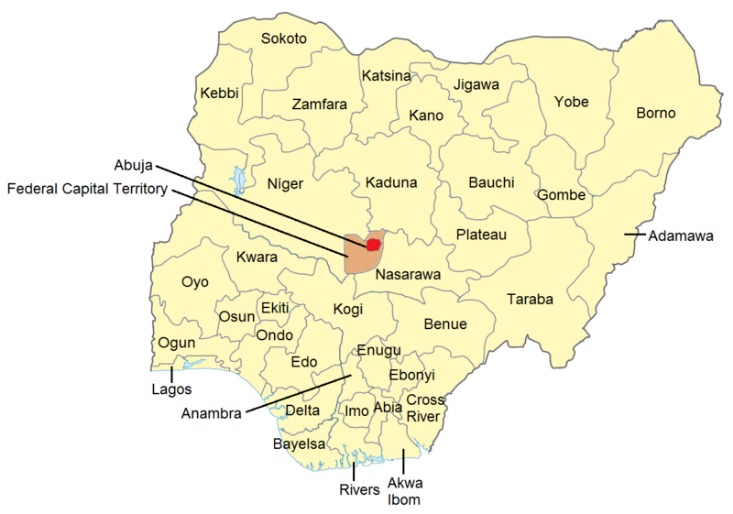
Abuja, the capital city of Nigeria, is situated in the central part of the country, serving as a political and administrative hub. Its geographical location is strategic, positioned within the Federal Capital Territory (FCT), and it is approximately 200 kilometers from the commercial city of Lagos and about 300 kilometers from the port city of Calabar. The city boasts a diverse topography characterized by hills, plateaus, and valleys, contributing to its scenic landscape and mild climate.
- Location: Central Nigeria within the Federal Capital Territory (FCT)
- Coordinates: Approximately 9.0579° N latitude and 7.4951° E longitude
- Topography:
- Hilly terrain with several ridges and valleys
- Part of the Nigerian crystalline basement complex
- Adjacent to the Aso Rock, a prominent geological feature
Climate and Weather Patterns
Abuja, the capital city of Nigeria, features a tropical climate characterized by distinct wet and dry seasons. Located in the central region of the country, Abuja enjoys a relatively healthy mix of geographical features, including hills and forested areas that contribute to its scenic landscape.
The climate in Abuja is predominantly tropical with a marked wet season from April to October, brought about by the moist West African monsoon, and a dry season from November to March, influenced by the Harmattan wind from the Sahara Desert. During the rainy season, the city experiences heavy and frequent rainfall, leading to lush greenery and overall high humidity levels. Temperatures typically range from 21°C to 33°C, with the hottest months being March and April. The Harmattan season introduces dust and cooler breezes, affecting visibility and air quality. Overall, Abuja’s climate supports diverse flora and fauna, making it a vibrant part of Nigeria’s landscape and contributing to its popularity as a political and economic hub.”
Natural Landmarks and Features
Abuja, the capital city of Nigeria, is situated in the central part of the country within the Federal Capital Territory. It boasts a diverse landscape characterized by rolling hills, green plains, and lush valleys, contributing to its pleasant climate and scenic beauty. The city’s geographical location provides a strategic position that supports its role as the political and administrative hub of Nigeria.
The climate in Abuja is classified as tropical savanna, featuring distinct dry and wet seasons. The rainy season typically lasts from April to October, bringing heavy rains and high humidity, while the dry season extends from November to March with lower temperatures and less precipitation. Overall, Abuja enjoys a moderate climate influenced by its elevation and geographic features.
Natural landmarks and features in Abuja include various scenic and cultural sites that highlight its natural beauty. Some noteworthy landmarks are:
- Usman Dam – A large dam providing recreational activities and serving as a water supply source.
- Guaranty Trust Bank Lake – A picturesque lake nestled within the city’s landscape, popular for picnics and boating.
- Millennium Park – A sprawling recreational park with lush greenery, walking trails, and outdoor facilities.
- Aso Rock – An iconic granite monolith that dominates the city skyline and is home to the Aso Rock Presidential Villa.
- Jabi Lake – A scenic reservoir offering water-based activities and beautiful views for residents and visitors alike.
History of Abuja
Abuja, the bustling capital city of Nigeria, has a relatively recent history compared to other major African cities. Originally a small settlement, Abuja was designated as the new capital in the 1980s to promote balanced regional development and reduce the congestion in Lagos. Its strategic location was chosen for its central position within Nigeria, symbolizing unity and progress for the nation. Over the decades, Abuja has transformed from a planned city into a vibrant hub of politics, culture, and economic activity, reflecting Nigeria’s aspirations for growth and modernization.
Origins and Establishment
Abuja, the capital city of Nigeria, has a relatively recent history compared to other ancient Nigerian cities. Its origins can be traced back to the mid-20th century when the Nigerian government sought a central location to serve as a new capital, replacing Lagos, due to Lagos’s congestion and geographical limitations.
The establishment of Abuja was part of a planned effort to create a modern, Federal Capital Territory that would serve as the administrative and political center of Nigeria. In 1976, the Nigerian government officially announced the decision to build a new capital, choosing a site in the centrally located region of the country.
The city was designed by the international architecture and urban planning firm, Skidmore, Owings & Merrill, and construction began in the late 1970s. Abuja officially became Nigeria’s capital in 1991, replacing Lagos, and has since developed rapidly into a modern city with government institutions, embassies, and various amenities. Its establishment marked a significant step in Nigeria’s efforts to promote federalism and decentralize economic and political power across the country.
Development Over the Years
Abuja, the capital city of Nigeria, has a relatively recent history compared to other major cities in the country. It was designated as the capital in 1991, replacing Lagos, to promote national unity and reduce congestion. The selection of Abuja was influenced by its central location, making it accessible from all parts of Nigeria. Initially, the city was a small settlement known as Aso has and was largely inhabited by indigenous peoples. Over the years, Abuja has undergone rapid development, transforming from a rural area into a modern metropolis with impressive infrastructure. Landmark projects such as the construction of government buildings, international organizations, and modern residential areas have contributed to its growth. Today, Abuja stands as a symbol of Nigeria’s aspirations for progress and unity, continually evolving to meet the needs of its growing population and political importance in the country.
Historical Landmarks and Sites
Abuja, the capital city of Nigeria, has a relatively modern history that began in the 1980s when it was designated to replace Lagos as the political and administrative center of the country. The city was carefully planned and designed by international architects to serve as a symbol of Nigeria’s unity and development. Abuja officially became Nigeria’s capital in 1991, replacing Lagos, due to its strategic location and less congested environment.
Throughout its history, Abuja has transformed from a small, planned town into a vibrant metropolis. Its development was driven by the need for a central location that could accommodate the political, economic, and administrative needs of Nigeria. The city is characterized by its modern infrastructure, wide roads, and beautifully landscaped landscapes that reflect its planned origins.
Several historical landmarks and sites in Abuja highlight the city’s cultural and political significance. The National Mosque is one of the largest mosques in Nigeria and a prominent landmark that symbolizes religious harmony. Nearby is the National Christian Centre, an architectural marvel that serves as a worship and gathering place for Christians in Nigeria. The Abuja Millennium Tower and the Aso Villa, the official residence of Nigeria’s President, are also notable landmarks. Additionally, the Jabi Lake and Millennium Park offer recreational spaces and scenic beauty, making Abuja a city rich in history and modern development.
Government and Administration
Government and administration play a vital role in shaping the development and stability of a nation. In Nigeria, particularly in Abuja, the federal capital, effective governance is essential for managing public resources, implementing policies, and ensuring the welfare of its residents. Abuja serves as the political and administrative hub, reflecting the complexities and aspirations of Nigeria’s diverse population.
Political Structure
Nigeria’s government and administrative structure is a federal system that divides power between the central government and individual states. Abuja, the capital city, serves as the political hub where key governmental institutions are located. The political system operates under a constitution that defines the separation of powers among the executive, legislature, and judiciary. The President of Nigeria functions as both head of state and government, overseeing the federal administration. The National Assembly, comprising the Senate and the House of Representatives, creates legislation, while the judiciary interprets laws and ensures justice. Abuja, as the seat of government, hosts the official residences, ministries, and agencies responsible for national governance, reflecting Nigeria’s organized political and administrative framework.
Local Government Areas
In Nigeria, Abuja serves as the Federal Capital Territory and functions as the administrative and political center of the country. The government structure in Abuja is organized into various levels, including federal, state, and local government areas (LGAs). The local government areas in Abuja are essential administrative units responsible for local governance, community development, and public service delivery. Each LGA in Abuja operates its local council, which is tasked with managing local issues such as education, health services, infrastructure, and markets. These LGAs play a crucial role in ensuring that government policies are effectively implemented at the grassroots level, fostering development and improving the quality of life for residents. The administrative framework of Abuja’s LGAs helps in decentralizing power and promoting participatory governance within the capital territory.
Major Government Buildings
Nigeria’s capital, Abuja, serves as the political and administrative center of the country, hosting numerous important government buildings that symbolize its governance and federal structure. Designed to reflect modernity and functionality, Abuja’s government and administrative infrastructure is both impressive and strategically located.
The Nigerian Presidential Complex, also known as the Aso Villa, is the most prominent government building in Abuja, serving as the official residence and workplace of the President of Nigeria. Nearby, the National Assembly complex houses the Senate and House of Representatives, where legislative discussions and decisions are made.
Other major government buildings include the Nigerian National Mall, which hosts various ministries, government agencies, and offices essential for administrative functions. The Federal Secretariat is a sprawling complex that accommodates numerous government departments involved in day-to-day governance and policy implementation.
Abuja also features significant judicial buildings, such as the Supreme Court of Nigeria and various High Courts, which oversee the justice system. These structures symbolize Nigeria’s legal framework and commitment to justice.
Overall, Abuja’s major government buildings exemplify Nigeria’s political stability and development as a federal republic, with architecture that combines modern design with national symbolism, serving both functional and representational purposes.
Economy of Abuja
The economy of Abuja, Nigeria’s capital city, is a vibrant blend of government activities, commerce, and services. As the political center of the nation, Abuja hosts numerous government agencies and diplomatic missions, which significantly contribute to its economic stability. Additionally, the city has experienced rapid growth in sectors such as real estate, construction, and finance, making it a key hub for economic development in Nigeria.
Main Economic Activities
The economy of Abuja, Nigeria, is primarily driven by its status as the nation’s capital and a center for political, administrative, and diplomatic activities. It serves as a hub for government institutions, foreign embassies, and international organizations, which significantly contribute to its economic stability. Additionally, Abuja has a growing service sector that includes finance, real estate, and telecommunications. The city also features a vibrant construction industry, fueled by ongoing infrastructural development projects. Agriculture remains a vital part of the surrounding regions, supporting local markets and small-scale farming activities. Overall, Abuja’s economy benefits from a diverse mix of government-driven activities and private sector growth, making it a key economic center in Nigeria.
Business Districts and Markets
Abuja, the capital city of Nigeria, boasts a rapidly growing economy driven by government institutions, corporate headquarters, and a vibrant commercial sector. The city serves as the political and economic hub of the country, attracting investments and business activities from both local and international investors.
The Business Districts of Abuja are well-developed and strategically located, with major areas such as Central Business District, Wuse, and Mozza creating a center for commerce, finance, and professional services. These districts host numerous banks, corporate offices, restaurants, and retail outlets, making them bustling centers of activity.
Markets in Abuja reflect the city’s diverse culture and serve as vital economic centers for local trade. The Utako Market, Wuse Market, and Jabi Lake Market are popular spots where vendors sell fresh produce, textiles, crafts, and other goods. These markets not only facilitate commerce but also provide employment opportunities for many residents, contributing significantly to the local economy.
Investment Opportunities and Growth Sectors
Abuja, the capital city of Nigeria, has a rapidly developing economy characterized by diverse sectors that attract both local and international investors. Its strategic location, political stability, and improving infrastructure make it a vibrant hub for economic activities and investment opportunities.
Key growth sectors in Abuja include:
- Real Estate and Construction: Driven by urbanization and government development projects, this sector offers opportunities in residential, commercial, and real estate development.
- Information and Communication Technology: With expanding internet access and digital initiatives, ICT presents significant investment potential in software, hardware, and telecom services.
- Agriculture and Agro-processing: The city’s surrounding regions support agro-business ventures, with potentials in food processing, preservation, and supply chain logistics.
- Financial Services: Abuja’s growing middle class and government institutions create demand for banking, insurance, and investment services.
- Public Sector and Governance: As the political hub, government-related activities foster opportunities in consultancy, legal, and administrative services.
Overall, Abuja’s economy is poised for sustained growth, with ongoing infrastructure projects, a young and educated workforce, and government initiatives aimed at diversification. Investors who explore these sectors can benefit from the city’s promising economic trajectory and strategic importance within Nigeria.
Culture and Society
Culture and society in Nigeria, particularly in Abuja, reflect a rich tapestry of traditions, diverse ethnic groups, and modern influences. As the political capital, Abuja serves as a melting pot where various cultural practices and societal values blend, creating a unique environment that showcases Nigeria’s vibrant heritage. Understanding the interplay between culture and society in this city offers valuable insights into the nation’s identity and communal life.
Languages and Ethnic Groups
Nigeria, with its vibrant capital city Abuja, is a country rich in diverse cultures, languages, and ethnic groups. Abuja itself symbolizes the unity and modernity of Nigeria while serving as a hub for various cultural expressions and social interactions.
- Nigeria is home to over 250 ethnic groups, with the Hausa, Yoruba, and Igbo being the largest and most influential.
- Languages spoken across Nigeria number over 500, with major ones including Hausa, Yoruba, Igbo, and English, the official language used for government and education.
- Abuja exemplifies Nigeria’s multicultural society, hosting people from different ethnic backgrounds, each maintaining their unique traditions and languages.
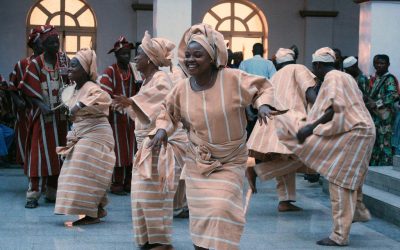
- Cultural festivals, traditional dances, and religious ceremonies play a vital role in expressing Nigeria’s diverse heritage within Abuja.
- Despite ethnic differences, a shared sense of national identity persists, fostering unity in the political and social landscape of Nigeria.
Traditional Festivals and Events
Nigeria’s capital city, Abuja, is a vibrant hub of cultural diversity and traditional festivities that reflect the rich heritage of its people. The city hosts numerous festivals and events that showcase Nigeria’s unique customs, music, dance, and culinary traditions, fostering community spirit and national pride.
Traditional festivals in Abuja include the annual Durbar festival, which features ornate parades, horse displays, and traditional dances that celebrate local rulers and royal families. Other notable events include the National Festival of Arts and Culture, highlighting diverse ethnic groups through performances, exhibitions, and traditional attire.
These festivals serve as important platforms for preserving Nigeria’s cultural identity, strengthening social bonds, and promoting tourism. They also offer residents and visitors an opportunity to experience the authentic traditions of Abuja’s various ethnic communities, making the city a vibrant mosaic of Nigeria’s cultural landscape.
Arts, Music, and Literature
Nigeria’s capital city, Abuja, is a vibrant hub of culture and society that reflects the diverse heritage of the nation. The city hosts a rich tapestry of arts, music, and literature that showcases the creativity and history of the Nigerian people. Abuja’s cultural scene is highlighted by traditional festivals, contemporary art galleries, and performances that celebrate the country’s diverse ethnic backgrounds.
In the realm of arts, Abuja is home to numerous galleries and cultural centers where local artists display their work, blending traditional motifs with modern techniques. The city’s architecture itself is a testament to Nigeria’s cultural identity, featuring a mix of modern designs and indigenous influences. Music in Abuja is equally diverse, ranging from traditional sounds like Afrobeat and highlife to contemporary genres such as hip-hop and reggae, resonating with people of all ages.
Nigeria’s literary scene is vibrant in Abuja, with writers and poets drawing inspiration from the city’s dynamic environment. Literary festivals and book fairs are common in the city, providing platforms for Nigerian authors to share their stories and ideas. Overall, Abuja exemplifies Nigeria’s rich cultural landscape, serving as a melting pot of artistic expressions that reflect its societal complexities and aspirations for the future.
Tourist Attractions in Abuja
Abuja, the vibrant capital city of Nigeria, is a captivating destination full of intriguing tourist attractions. From modern architectural marvels to historic sites and lush green parks, Abuja offers a diverse range of experiences for visitors. Whether you are interested in exploring cultural landmarks or enjoying scenic outdoor spaces, Abuja provides unforgettable adventures for all travelers.
National Mosque and Cathedral
Abuja, the capital city of Nigeria, is renowned for its impressive tourist attractions that showcase the country’s rich cultural heritage and modern development. Among the most notable sites are the National Mosque and the Cathedral, which stand as symbols of Nigeria’s diverse religious landscape.
The National Mosque, also known as the Nigerian National Mosque, is a stunning Islamic worship center that welcomes visitors and worshippers alike. Its grand architecture, featuring a large golden dome and impressive minarets, reflects Islamic design and provides a peaceful atmosphere for reflection and prayer.
Close by is the Nigerian Christian Centre, featuring the Cathedral Church of the Advent in Abuja. This magnificent cathedral is notable for its impressive architecture and its beautiful stained glass windows depicting biblical scenes. Visitors come here not only for religious worship but also to admire its artistic design and to experience the spiritual ambiance.
Both the National Mosque and the Cathedral are situated within Abuja’s city center, making them easily accessible for tourists and locals. They offer insight into Nigeria’s religious harmony and provide a serene environment amidst the bustling city.
Millennium Park and Recreation Areas
Abuja, the capital city of Nigeria, is renowned for its vibrant tourist attractions and lush recreational areas. One of the must-visit destinations in the city is Millennium Park, a sprawling green space that offers a perfect escape for both locals and visitors. The park features beautifully landscaped gardens, walking trails, and a serene lake, making it an ideal spot for relaxation, picnics, and outdoor activities. In addition to Millennium Park, Abuja boasts several other recreational areas such as Jabi Lake, Aso Rock, and the Abuja National Mosque, each providing unique experiences and breathtaking views of the city’s skyline. These attractions highlight Abuja’s natural beauty and cultural richness, making it a premier destination for tourism and leisure in Nigeria.
Museums and Cultural Centers
Abuja, the capital city of Nigeria, is a vibrant hub of cultural heritage and modern attractions. Visitors can explore a variety of museums and cultural centers that showcase Nigeria’s rich history, art, and traditions.
- National Museum Abuja: This museum displays Nigeria’s diverse cultural artifacts, including ancient sculptures, traditional masks, and historical relics.
- Arts and Crafts Village: A lively market space where visitors can shop for handmade crafts, textiles, and artwork created by Nigerian artisans.
- Nigerian National Mosque: An iconic religious site that also offers insight into Islamic culture and architecture in Nigeria.
- Abuja Gallery of Art: A contemporary art gallery featuring works by Nigerian artists, promoting the country’s modern artistic expressions.
- Millennium Park: While primarily a recreational area, this park often hosts cultural events and performances that celebrate Nigerian traditions.
Education and Infrastructure
Education and infrastructure are vital components for the development of Abuja, Nigeria’s capital city. Investing in quality education and modern infrastructure promotes economic growth, improves living standards, and attracts global talents. As Abuja continues to expand, addressing the challenges in these sectors remains crucial for building a sustainable and thriving urban environment.
Educational Institutions
Education and infrastructure play a vital role in the development of Abuja, Nigeria’s capital city. The city boasts a range of educational institutions, from primary schools to universities, which serve as centers for learning and development. Institutions such as the University of Abuja and the Nigerian French Language Village are reputable academic hubs that attract students from across the country and beyond.
The infrastructure in Abuja is continually improving to support the needs of its residents and students. Well-maintained roads, modern classrooms, libraries, and technological facilities contribute to a conducive learning environment. Government initiatives and private investments have further enhanced educational infrastructure, making Abuja a prominent center for higher education and skill acquisition in Nigeria.
Transportation Networks
Abuja, the capital city of Nigeria, has seen significant development in its education and infrastructure sectors. The city hosts numerous federal and private institutions, including prestigious universities and schools, which contribute to the nation’s educational growth. The government has invested in expanding educational facilities to accommodate the increasing population and promote literacy.
In terms of transportation networks, Abuja boasts a modern infrastructural framework that facilitates smooth movement within the city and connecting to other regions. The city’s road networks are well-maintained, with major expressways like the Nnamdi Azikiwe Expressway facilitating efficient traffic flow. Additionally, the Abuja Metro Rail project aims to further improve urban transportation, making travel more convenient for residents and visitors alike. Overall, Abuja’s development in education and infrastructure continues to position it as a key administrative and economic hub in Nigeria.
Healthcare Facilities
Nigeria’s capital, Abuja, has witnessed significant developments in education, infrastructure, and healthcare facilities, reflecting its status as a growing political and economic hub.
- Education: Abuja hosts numerous federal and international schools, universities, and training centers, offering quality education to residents and expatriates. Institutions like Nigeria’s National Open University and the University of Abuja serve as key educational establishments.
- Infrastructure: The city boasts modern roads, bridges, and government buildings, with ongoing projects aimed at improving transportation and urban development. Abuja’s well-planned layout includes expansive green spaces and efficient public transport systems.
- Healthcare Facilities: Abuja is equipped with several premier hospitals and clinics, such as the Federal Medical Centre and Nisa Premier Hospital, providing comprehensive healthcare services. The government continues to invest in expanding healthcare accessibility and quality within the city.
Future Development and Urban Planning
Future development and urban planning in Abuja, Nigeria, play a crucial role in shaping the nation’s capital into a sustainable and modern city. As the city continues to grow rapidly, innovative strategies are essential to manage increasing populations, infrastructure demands, and environmental challenges. Thoughtful urban planning will ensure Abuja remains a vibrant, efficient, and livable metropolis for residents and visitors alike.
Upcoming Projects
Future development and urban planning in Abuja, Nigeria, are set to transform the city into a modern, sustainable metropolis. With a focus on infrastructure upgrades, green spaces, and smart-city initiatives, upcoming projects aim to enhance the quality of life for residents and attract international investments. New transportation networks, including expanded roadways and rail systems, are being planned to reduce traffic congestion and improve connectivity across the city. Additionally, the development of eco-friendly residential and commercial zones emphasizes sustainability and environmental conservation. These initiatives reflect Abuja’s vision to become a regional hub for commerce, culture, and innovation while maintaining its status as Nigeria’s capital.
Urban Expansion Strategies
Future development and urban planning in Abuja, Nigeria, focus on sustainable growth to accommodate its expanding population and economic activities. Strategic urban expansion ensures that infrastructure, transportation, and public services are efficiently integrated to create a modern and livable city. Emphasizing smart city concepts, Abuja aims to utilize innovative technology and environmentally friendly practices to promote resilience and sustainability. Planned developments consider green spaces, affordable housing, and efficient transportation networks to enhance the quality of life for residents. Effective urban expansion strategies include phased development, land use zoning, and community participation to foster inclusive growth. As Nigeria’s capital city continues to grow, careful planning will be vital to balancing development with environmental conservation and social well-being.
Sustainable City Initiatives
Future development and urban planning in Abuja, Nigeria, are focused on creating a sustainable and resilient city that meets the growing needs of its population. Efforts are being directed towards integrating green spaces, renewable energy sources, and efficient public transportation systems to reduce the city’s carbon footprint. Innovative urban planning strategies aim to promote smart city initiatives, enhance infrastructure, and ensure equitable access to services for all residents. Sustainable city initiatives in Abuja also emphasize waste management, water conservation, and the development of eco-friendly buildings to foster environmental stewardship. These measures aim to position Abuja as a leading example of sustainable urban growth in Africa, balancing economic development with ecological preservation and quality of life for its inhabitants.


0 Comments