
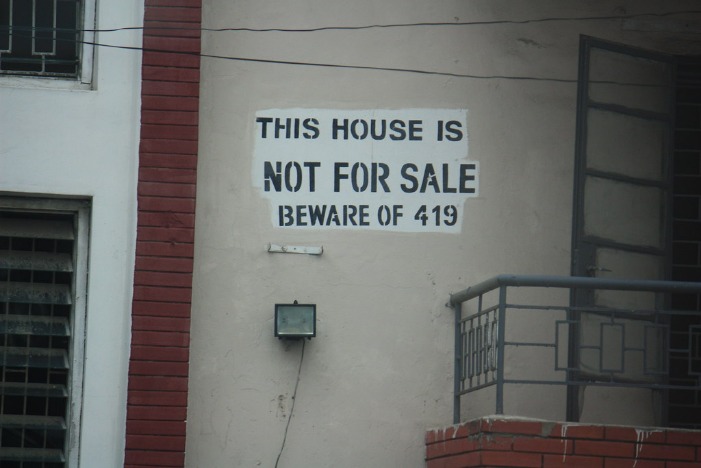
Overview of Nigeria 419 Scam
The Nigeria 419 scam, also known as the “advance-fee scam,” is a notorious form of financial fraud that has gained international attention. Originating from Nigeria, this scam typically involves deception through fake emails or messages promising large sums of money in exchange for an initial payment. Over the years, it has evolved into a widespread criminal enterprise, preying on unsuspecting victims worldwide and highlighting the importance of awareness and caution when dealing with unsolicited financial offers.
Definition and Origins
The Nigeria 419 scam, also known as the advance-fee fraud, is a type of online scam that originated in Nigeria and has become notorious worldwide. It involves fraudsters convincing victims to pay upfront fees with the promise of large sums of money or valuable goods that never materialize. The term “419” comes from the section of the Nigerian Criminal Code that deals with fraud and related offenses.
The origins of the Nigeria 419 scam can be traced back to the late 20th century, when scam emails began circulating via the emerging internet. Early scams often involved fake letters from Nigerian officials, wealthy individuals, or ancestors claiming to need assistance in transferring large sums of money out of the country. These schemes exploited the lack of digital literacy and trust in official correspondence, leading to widespread deception. Over time, the scam evolved into sophisticated schemes that target individuals and organizations globally, continuing to exploit the promise of quick, easy financial gain.
Etymology of the Term “419”
The Nigeria 419 scam is a type of online fraud that has become widely recognized worldwide. It involves deceptive schemes where scammers claim to need help transferring large sums of money, often promising significant rewards in return for an upfront fee. These scams are typically conducted via email, social media, or other online platforms, exploiting victims’ trust and goodwill.
The term “419” originates from Section 419 of the Nigerian Criminal Code, which deals with obtaining property by false pretenses and similar crimes. Over time, “419” has become synonymous with advanced fee fraud or advance fee scams associated with Nigeria. The label is used internationally to describe these kinds of fraudulent schemes, which often involve convincing the victim to pay money upfront with the promise of receiving a much larger sum in return.
Historical Development of the Scam
The Nigeria 419 scam, also known as the “advance fee fraud,” has evolved over decades into a notorious form of internet and email scam. It involves deceiving victims into believing they will receive a significant sum of money in exchange for an upfront payment, often under false pretenses. The scam’s origins can be traced back to the late 20th century, becoming infamous worldwide for its elaborate schemes and persistent deception.
Historically, the development of the Nigeria 419 scam can be outlined as follows:
- Late 20th Century Beginnings: The scam emerged in Nigeria during the 1980s and 1990s, initially through fake letter exchanges and postal scams, targeting international victims.
- Rise of Email Scams: With the advent of email technology in the early 2000s, the scam migrated online, becoming more widespread and easier to perpetrate on a global scale.
- Urbanization and Networking: Increased internet access and the growth of online communication facilitated more sophisticated scam operations, including complex backstories and convincing documents.
- Global Recognition and Law Enforcement Response: As the scam gained international notoriety, efforts by law enforcement agencies intensified, leading to arrests and the development of awareness campaigns.
- Modern Variations and Resilience: Despite crackdowns, scammers have adapted by using social media, cryptocurrencies, and other online platforms to continue their fraud schemes, demonstrating the scam’s resilience and ongoing evolution.
Mechanics of the 419 Scam
The Nigeria 419 scam, also known as the advance-fee fraud, operates on a simple but malicious premise. It typically involves a scammer impersonating a legitimate authority or wealthy individual to deceive victims into transferring money or revealing sensitive information. Understanding the mechanics of this scam is essential to recognizing and avoiding its many deceptive tactics, which have evolved over time but remain rooted in psychological manipulation and false promises.
Common Tactics and Strategies
The Nigeria 419 scam, also known as the advance-fee scam, operates through a series of manipulative tactics designed to deceive victims into providing money or personal information. The scam typically involves fraudsters impersonating legitimate entities such as government officials, business executives, or attorneys to gain the trust of victims. Once trust is established, scammers craft convincing stories involving large sums of money, inheritances, or business opportunities to lure victims into parting with money under false pretenses.
Common tactics employed in the 419 scam include creating elaborate email or letter correspondences that appear official and professional, often using fake letterheads or official-sounding language. Scammers frequently use emotional manipulation, exploiting victims’ greed or fear to push them toward immediate action. They may also employ tactics such as fake documents, counterfeit identification, or forged legal papers to lend credibility to their claims. Additionally, scammers tend to ask victims for advance fees to facilitate the transfer of funds or to cover supposed legal or processing costs, creating a cycle of ongoing payments that never result in any real payout.
Strategies used by perpetrators of the Nigeria 419 scam revolve around maintaining anonymity and creating a sense of urgency. They often operate through anonymous email accounts, fake websites, and offshore bank accounts to evade detection. The scammers also frequently adapt their tactics by changing contact details, stories, and passwords to avoid investigation and detection. By employing these strategies, fraudsters maintain the illusion of legitimacy, encouraging victims to act quickly without adequate scrutiny or verification, which significantly increases their chances of successful deception.
Typical Scripts and Stories Used
The Nigeria 419 scam, also known as the advance-fee fraud, operates through a series of manipulative tactics designed to deceive victims into providing money or personal information. The scammers typically begin by sending a convincing letter or email claiming to be a wealthy individual, a government official, or a businessperson in need of assistance. They often create elaborate stories to establish legitimacy and trust, making it difficult for victims to recognize the scam.
Common scripts used in Nigeria 419 scams include stories of inheritances from unknown relatives, large business deals, or unexpected windfalls from foreign investments. The scammer may pretend to be a diplomat, a lawyer, or a government representative who requests help to transfer large sums of money out of the country. They often invoke confidentiality, urgency, and secrecy to pressure victims into acting quickly without due diligence.
Typical stories involve claims of stranded funds, urgent litigation, or inheritance claims, where the victim is asked to pay fees for processing, legal assistance, or taxes before they can receive the promised money. The scammer might also introduce a fake partner or intermediary to whom the victim must send money, further complicating the process. These scripts are designed to exploit greed, curiosity, or a sense of duty, convincing victims that their cooperation is essential and that failure to act promptly could result in losing their chance for a lucrative opportunity.
Communication Channels Employed
The Nigeria 419 scam, also known as the advanced fee fraud, primarily relies on sophisticated communication methods to deceive victims. The scam typically involves the perpetrator establishing contact through various channels such as email, social media platforms, or instant messaging services. These communication channels are chosen for their wide reach and anonymity, allowing scammers to target a large number of potential victims efficiently. Often, scam emails are crafted to appear legitimate, impersonating government officials, bank representatives, or business associates, to instill trust. Additionally, scammers may employ fake websites and forged documents shared via these channels to reinforce their deception. The use of multiple communication channels enables scammers to maintain contact, send false documents, and manipulate victims into providing personal information or financial details, thereby executing the scam effectively.
Types of 419 Scams
The Nigeria 419 scam, also known as advance fee fraud, encompasses various types of deceptive schemes designed to trick individuals and organizations into transferring money or sensitive information. These scams often exploit trust and manipulate victims with false promises, making them a widespread concern in both online and offline environments. Understanding the different types of 419 scams is essential to recognize and protect oneself from falling victim to these fraudulent schemes.
Advance Fee Fraud
The Nigeria 419 scam, also known as advance fee fraud, encompasses various types of deceptive schemes designed to defraud victims of money and personal information. One common type is the Romance Scam, where fraudsters establish fake romantic relationships online to manipulate victims into sending money. Another is the Business Proposal Scam, where scammers pose as entrepreneurs offering lucrative deals that require an advance fee to proceed. The Inheritance Fraud involves scammers claiming that victims are entitled to large inheritances, requiring a fee to release the funds. The Lottery Scam tricks individuals into believing they have won a prize but must pay fees to claim it. Additionally, the Fake Embassy or Government Official Scam impersonates officials to solicit fees for legitimate services or to facilitate some form of illegal transfer. Each of these scams exploits trust and the promise of quick riches, making awareness and caution essential to avoid falling victim to Nigeria 419 scams.
Romance and Affinity Scams
Nigeria 419 scams encompass various fraudulent schemes designed to deceive victims, often promising large sums of money or romantic involvement. Among the most common types are Romance and Affinity scams, which prey on emotional vulnerabilities and trust.
- Romance Scams: In this type of scam, perpetrators create fake profiles on dating sites or social media platforms to establish romantic relationships with victims. Once trust is built, they fabricate stories that require financial assistance, such as emergencies or travel costs, tricking victims into sending money.
- Affinity Scams: These scams target members of specific communities, groups, or organizations by claiming to share a common affiliation. Scammers pretend to be fellow members or representatives of the group, gaining trust before requesting financial help or personal information under false pretenses.
Inheritance and Lottery Scams
Nigeria 419 scams encompass a variety of fraudulent schemes, among which Types of 419 Scams, Inheritance, and Lottery Scams are most prevalent. These scams typically deceive victims by promising large sums of money or inheritance in exchange for a small upfront fee or personal information.
Types of 419 Scams include advance-fee frauds, where perpetrators ask for payments to release supposed winnings or inheritances, and business email compromises, which involve impersonating legitimate contacts to extract funds. These scams often use official-sounding documents and urgent language to pressure victims into compliance.
Inheritance scams are designed to trick individuals into believing they are entitled to a large inheritance from a deceased relative or unknown benefactor. Scammers often claim that legal or administrative fees must be paid first and promise a share of the inheritance once these expenses are covered, ultimately vanishing with the money.
Lottery scams involve informing victims that they have won a fake lottery or contest. To claim their supposed winnings, victims are required to pay taxes, fees, or transfer costs. These scams exploit people’s hopes of quick wealth and often carry official-looking documents and logos to appear legitimate.

Awareness and skepticism are vital when dealing with unsolicited communications promising large sums or inheritance, as these typical Nigeria 419 scam tactics aim to defraud unsuspecting victims through deception and manipulation.
Business and Investment Scams
Nigeria 419 scams encompass various fraudulent schemes designed to deceive individuals and businesses, primarily through deception related to business opportunities and investments. These scams often exploit trust by promising lucrative deals or ventures that do not exist. Among the most common types are Business and Investment Scams, which lure victims with the promise of high returns, guaranteed profits, or exclusive investment opportunities that are fabricated or heavily exaggerated.
Business scams usually involve fake companies or business proposals that solicit funds for fictitious ventures. Scammers may pose as legitimate business owners or representatives to convince victims to invest or provide personal information. Investment scams, on the other hand, often feature fake securities, real estate, or gold investment opportunities, enticing victims with the allure of quick, substantial profits with little to no risk. Both types of scams rely heavily on deception, manipulation, and often use official-looking documents or websites to gain credibility, ultimately leading victims to lose money or personal data.
Perpetrators and Networks
Perpetrators and networks play a crucial role in the operation of Nigeria 419 scams, also known as advance-fee frauds. These criminal groups often consist of organized networks that coordinate their efforts to deceive victims worldwide. Understanding the structures and methods of these perpetrators is essential to combating this form of cybercrime and protecting innocent individuals from falling prey to their schemes.
Roles of Scam Operators
In the Nigeria 419 scam, perpetrators operate within well-organized networks that coordinate various roles to maximize their deception and financial gain. Scam operators typically include leaders who orchestrate the overall scheme, recruiting and managing smaller groups or individuals who perform specific tasks. These roles can range from email senders, who craft convincing messages, to money mules who transfer illicit funds across borders. The network often relies on intermediaries who facilitate communication and provide fake documents or identities to lend credibility to the scam. Each member plays a critical role, creating a complex web that allows the scam to evolve and adapt, making it difficult for authorities to dismantle the entire operation. The collaborative nature of these networks underscores their sophistication and the persistent threat they pose to victims worldwide.
Collaboration and Networks Involved
Perpetrators of the Nigeria 419 scam are often part of well-organized networks that operate both locally and internationally. These networks consist of individuals who specialize in deception, identity theft, and financial fraud, working together to carry out complex schemes. Collaboration within these groups allows for the sharing of resources, skills, and information, making scams more effective and difficult to detect. They often leverage online platforms, fake websites, and encrypted communication channels to coordinate their activities. Additionally, they establish connections with other criminal entities and sometimes even corrupt officials to facilitate the movement of illicit funds and evade law enforcement. The interconnected nature of these networks amplifies the reach and impact of the scam, deceiving victims worldwide and posing significant challenges for anti-fraud efforts.
Targeted Demographics
The Nigeria 419 scam, also known as advance fee fraud, typically involves perpetrators operating through complex networks to target a wide range of victims globally. These networks often consist of organized groups that coordinate online communications, fake official documents, and social engineering tactics to deceive individuals and institutions. Perpetrators are usually highly skilled at manipulating electronic communication channels, including emails, social media, and messaging apps, to create convincing personas and schemes.
Targeted demographics in Nigeria 419 scams vary widely but often include unsuspecting individuals, small business owners, and occasionally corporate entities. Victims tend to be those who are eager for quick financial gains, including retirees, professionals, or people unfamiliar with cyber fraud practices. Certain geographical regions and socioeconomic groups are more frequently targeted due to lack of awareness or ease of manipulation, making them susceptible to these criminal schemes.
Impact of Nigeria 419 Scams
The Nigeria 419 scam, often referred to as advance-fee fraud, has had a significant impact both economically and socially. These scams, which commonly involve deceitful promises of large sums of money in exchange for upfront payments, have tarnished Nigeria’s image worldwide and caused substantial financial losses for victims. Additionally, they have contributed to a sense of distrust and insecurity among the public and international partners, underscoring the need for stronger legal measures and public awareness to combat this persistent form of cybercrime.
Financial Losses and Victims
The Nigeria 419 scam, also known as the advance-fee fraud, has had a significant impact on victims and the global financial system. These scams typically involve deceptive tactics where perpetrators promise large sums of money or lucrative deals in exchange for an upfront fee. The financial losses sustained by victims can range from hundreds to thousands of dollars, often leaving individuals financially devastated. In addition to individual financial harm, these scams undermine trust in online transactions and international financial cooperation. The widespread nature of Nigeria 419 scams has also prompted law enforcement agencies worldwide to increase efforts in combating this fraud, but the ongoing scale of the scam continues to cause considerable economic and psychological distress to victims across the globe.
Legal and Reputational Consequences
The Nigeria 419 scam, also known as advance-fee fraud, has had significant impact on the country’s reputation and legal standing. These scams have tarnished Nigeria’s international image, often associating the nation with criminal activities, which affects tourism, foreign investment, and diplomatic relations. Legally, Nigeria has enacted various laws to combat such frauds, including the Economic and Financial Crimes Commission (EFCC) Act, aimed at Prosecuting cybercriminals. However, persistent scams still lead to legal challenges, including the need for improved enforcement and international cooperation. Reputational damage resulting from these scams discourages trust from foreigners and businesses, which can hinder economic development. Overall, ongoing efforts to curb these activities are crucial to restoring Nigeria’s standing and ensuring a robust legal framework that discourages fraudulent behavior.
Effects on Nigeria’s International Image
The Nigeria 419 scam, also known as advance-fee fraud, has significantly impacted Nigeria’s international image by fostering negative stereotypes and mistrust. This widespread form of cybercrime has garnered global attention, often overshadowing the positive contributions and achievements of the country. As a result, potential investors, tourists, and international partners might associate Nigeria primarily with fraudulent activities, discouraging meaningful economic and diplomatic relationships. Although the Nigerian government has taken steps to combat cybercrime and improve its global reputation, the persistent perception of Nigeria as a hub for scams continues to hinder its progress toward a more positive international image.
Legal Framework and Enforcement
The legal framework and enforcement mechanisms in Nigeria play a crucial role in combating the notorious 419 scam, also known as advance fee fraud. This sophisticated financial crime, which has gained international attention, is driven by a complex legal environment designed to deter perpetrators and protect victims. Effective enforcement of laws and regulations is essential in reducing the prevalence of scams and promoting greater trust in financial and governmental institutions.
Relevant Laws and Regulations
The legal framework and enforcement mechanisms related to Nigeria 419 scams are primarily established through various laws and regulations aimed at combating fraud and cybercrime. Nigerian laws such as the Cybercrimes (Prohibition, Prevention, etc.) Act of 2015 serve as the cornerstone for addressing online fraudulent activities, including 419 scam operations. This legislation criminalizes offenses such as identity theft, wire fraud, and phishing, providing authorities with clear legal instruments to investigate and prosecute offenders.
Enforcement of these laws involves agencies like the Economic and Financial Crimes Commission (EFCC), which actively pursues cases related to advance fee fraud and other cybercrimes. The EFCC has specialized units dedicated to tracking, investigating, and prosecuting perpetrators of 419 scams, often collaborating with international law enforcement agencies to curb cross-border fraud activities.
Relevant regulations also include the Nigeria Communications Commission (NCC) guidelines that oversee the telecommunications industry, helping to monitor and regulate online communications that could be used for scam operations. Additionally, the Legal Framework emphasizes the importance of international cooperation and mutual legal assistance treaties to effectively combat sophisticated scams that often operate across borders. Overall, Nigeria’s combined legislative and enforcement efforts aim to deter scammers, protect victims, and maintain the integrity of the nation’s digital environment.
Law Enforcement Agencies Involved
The legal framework addressing the Nigeria 419 scam primarily involves laws such as the Advance Fee Fraud and Other Related Offenses Act, which criminalizes fraudulent activities and the issuance of false documents. These laws provide the foundation for prosecuting individuals engaged in scam-related offenses and outline stringent penalties for offenders. Law enforcement agencies involved in combating 419 scams include the Economic and Financial Crimes Commission (EFCC), the Nigerian Police Force, and the Independent Corrupt Practices Commission (ICPC). The EFCC plays a central role in investigating and prosecuting financial crimes related to scams, while the police assist in gathering evidence and executing arrests. These agencies work collaboratively to enforce the legal statutes, seize illicit assets, and dismantle networks involved in 419 scams, aiming to protect victims and reduce the prevalence of cyber fraud in Nigeria. Efforts also include international cooperation with foreign law enforcement bodies to track and apprehend scam syndicates operating across borders.
Challenges in Combating 419 Scams
The legal framework and enforcement efforts to combat Nigeria 419 scams face significant challenges, despite the existence of laws such as the Economic and Financial Crimes Commission Act and the Money Laundering (Prohibition) Act. While these statutes aim to address the sophisticated nature of scam activities, enforcement is often hindered by issues such as limited resources, corruption, and weak international cooperation. Many scammers operate across borders, making it difficult for authorities to trace and apprehend offenders effectively. Additionally, the rapid evolution of online scam techniques outpaces existing laws and investigative methods. Consequently, although legal measures are in place, the persistent prevalence of 419 scams indicates that enforcement strategies need to be strengthened and adapted to effectively combat these fraudulent activities in Nigeria.
Prevention and Awareness
Prevention and awareness are crucial in combating the Nigeria 419 scam, a widespread form of online fraud that has affected countless individuals and organizations. Understanding the tactics used by scammers and recognizing early warning signs can significantly reduce the risk of falling victim to these deceptive schemes. Educating the public about safe online practices is essential in fostering a more informed and resilient community against such fraudulent activities.
Public Education Campaigns
Prevention and awareness are crucial in combating the Nigeria 419 scam, which preys on unsuspecting victims through deceitful schemes. Public education campaigns play a vital role in informing people about the common tactics used by scammers and how to recognize suspicious activities. These campaigns aim to increase awareness by explaining the importance of verifying sources, avoiding sharing personal information, and being cautious with unsolicited messages. By promoting knowledge about the indicators of a scam, communities can reduce the likelihood of falling victim and encourage a culture of vigilance and skepticism when dealing with unfamiliar or urgent requests. Ultimately, well-structured public education efforts help to empower individuals to protect themselves and contribute to a broader effort to curb cybercrime in Nigeria and beyond.
Tips for Recognizing and Avoiding Scams
Prevention and awareness are crucial in protecting yourself from Nigeria 419 scams, which often use deceptive tactics to trick victims into giving away money or personal information. Recognizing the common signs of these scams can help you avoid falling prey to them. Be cautious of unsolicited emails or messages claiming you’ve won a prize or there is an urgent need for your assistance, especially if they ask for upfront payments or sensitive details. Always verify the identity of the sender through official channels before engaging further. Avoid clicking on suspicious links or downloading attachments from unknown sources, as they may contain malware. Educate yourself about the typical characteristics of 419 scams, such as poor grammar, high-pressure tactics, and unrealistic promises. Keep your personal information secure and do not share financial details with unverified contacts. By staying vigilant and skeptical of unsolicited requests, you can reduce the risk of becoming a victim of Nigeria 419 scams.
Role of Financial Institutions and Internet Service Providers
Prevention and awareness are crucial components in combating Nigeria 419 scams, as they empower individuals to recognize and avoid fraudulent schemes. Educational campaigns can highlight common tactics used by scammers, such as urgent requests for funds or personal information, and emphasize the importance of skepticism when encountered with suspicious emails or messages. Financial institutions play a vital role by implementing security measures like transaction monitoring, customer authentication, and fraud detection systems to protect their clients. They also have a responsibility to educate their customers about scam tactics and encourage reporting of suspicious activities. Internet Service Providers (ISPs) contribute significantly to prevention efforts by filtering malicious content, blocking access to known scam sites, and promoting awareness through alerts and information dissemination. Collaboration among these entities creates a robust network to reduce the prevalence of Nigeria 419 scams and safeguard the online community.
Global Response and Cooperation
Global response and cooperation play a crucial role in combating international cybercrimes, including the notorious Nigeria 419 scam. These fraudulent schemes, often involving deceptive emails and financial promises, target victims worldwide and require collaborative efforts between nations, law enforcement agencies, and cybersecurity organizations to effectively identify, prevent, and prosecute perpetrators. Strengthening international partnerships is essential to address the evolving nature of such cyber threats and protect individuals and economies globally.
International Cybercrime Collaboration
Global response and cooperation are essential in combating international cybercrimes such as the Nigeria 419 scam, which often involves complex networks spanning multiple countries. Collaborative efforts among law enforcement agencies, cybersecurity organizations, and governments enable effective identification, investigation, and prosecution of cybercriminals involved in these schemes. International cybercrime collaboration facilitates the sharing of intelligence, best practices, and technical expertise to disrupt scam operations and protect victims worldwide. Strengthening cross-border partnerships and harmonizing legal frameworks are crucial steps toward dismantling the infrastructure supporting scams like Nigeria 419 and safeguarding digital spaces for users globally.
Case Studies of Cross-border Operations
The Nigeria 419 scam, also known as the “advance-fee fraud,” is a notorious example of a cross-border operation that has involved multiple countries and law enforcement agencies worldwide. This scam typically involves a fraudster impersonating a legitimate entity or individual to deceive victims into providing money or personal information. Due to its transnational nature, effective global response and cooperation have been crucial in combating such scams. Various countries have collaborated through law enforcement alliances, information sharing platforms, and joint operations to track down perpetrators and dismantle related networks. Case studies have demonstrated that coordinated efforts between Nigeria, the United States, the United Kingdom, and other nations can significantly reduce the prevalence of 419 scams, recover stolen assets, and bring scammers to justice. These collaborations highlight the importance of international cooperation in tackling cybercrime and financial fraud that transcend borders and impact victims worldwide.
Role of Interpol and Other Agencies
Global response and cooperation play a vital role in combating Nigeria 419 scams, which are a form of advanced fee fraud often involving multiple countries. International agencies work together to track down and apprehend the perpetrators, share intelligence, and disrupt scam networks. Interpol, as a key player, facilitates cross-border communication and coordination among law enforcement agencies worldwide, enabling effective responses to cybercrime. Additionally, other agencies such as national police forces, the FBI, and Interpol’s Cybercrime Directorate collaborate to investigate and dismantle scam operations, ensuring that offenders are prosecuted regardless of their location. This collective effort helps to protect victims globally and reduce the prevalence of these fraudulent schemes.




0 Comments