
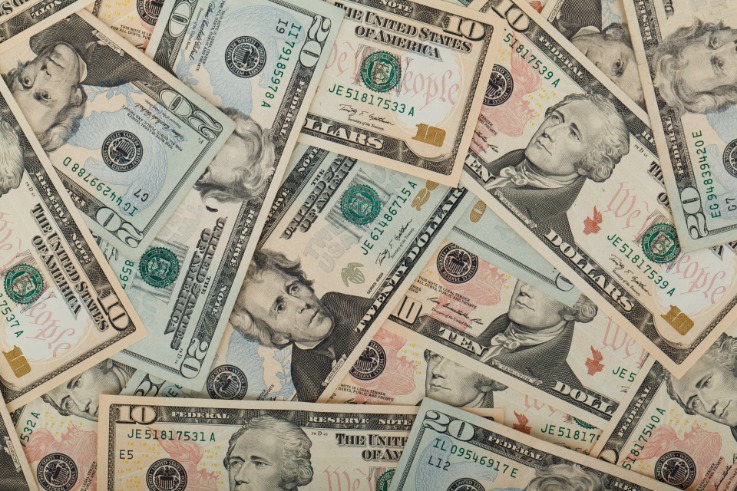
Overview of Namibia’s Currency
Namibia’s official currency is the Namibian dollar, which plays a vital role in the country’s economy and daily transactions. Introduced in 1993, the Namibian dollar is pegged to the South African rand at parity, allowing seamless currency exchanges between the two nations. Understanding the relationship between the Namibian dollar and the US dollar (USD) is essential for travelers, investors, and those engaging in international trade, as it influences exchange rates, prices, and financial decisions within Namibia.
Introduction to the Namibian Dollar (NAD)
The Namibian dollar (NAD) is the official currency of Namibia and plays a crucial role in the country’s economy. Introduced in 1993, it replaced the South African rand at par and is used alongside the rand, which is accepted as legal tender. The NAD is backed by a stable monetary policy, reflecting Namibia’s economic stability and growth prospects. For those looking to understand the currency’s value relative to the US dollar (USD), market exchange rates are essential as they fluctuate based on various economic factors.
- The Namibian dollar (NAD) is freely convertible and is pegged to the South African rand at a 1:1 ratio, which means that throughout the day, both currencies can be exchanged at the same rate.
- Currency notes feature images of notable Namibian landmarks and native wildlife, reflecting the country’s cultural heritage and natural beauty.
- When converting NAD to USD, the exchange rate is determined by global currency markets and can vary, affecting the purchasing power and international trade.
- Namibia’s currency stability and close ties with South Africa make the NAD a reliable currency for both local transactions and international dealings involving the USD.
Relationship with the South African Rand (ZAR)
Namibia’s official currency is the Namibian dollar (NAD), which is the primary legal tender used across the country for everyday transactions. The Namibian dollar is pegged to the South African rand (ZAR) at par, meaning that both currencies are accepted interchangeably within Namibia. This close relationship facilitates trade and financial stability, given the South African rand’s broader circulation and stability in the region.
While the USD is often used in international transactions and for tourism-related activities within Namibia, the local economy predominantly relies on the NAD and ZAR due to their physical and practical accessibility. The peg between the Namibian dollar and the South African rand ensures that exchange rates remain stable, which is beneficial for both consumers and businesses engaged in cross-border trade with South Africa.
Historical Context of Currency Exchange
The history of currency exchange has evolved significantly over centuries, reflecting the economic growth and international trade developments of nations. In the context of Namibia, understanding the transition from its colonial monetary system to the current currency exchange rates with USD offers insights into its economic stability and globalization efforts. This background highlights the importance of currency conversion in facilitating trade and investment between Namibia and the global economy.
Pre-Independence Currency System
The historical context of currency exchange in Namibia, particularly in relation to the USD, is deeply rooted in the country’s colonial past and economic development. Before gaining independence in 1990, Namibia was known as South West Africa and used the South African rand as its primary currency, reflecting its political and economic ties to South Africa. During this period, currency exchange was largely influenced by South African monetary policies and regional trade practices. The pre-independence currency system was characterized by fixed exchange rates with the South African rand, which directly affected Namibia’s economic stability and international trade. After independence, Namibia introduced its own currency, the Namibian dollar, pegged to the South African rand initially, but gradually developed its own monetary identity. Understanding this historical background is essential when examining Namibia’s contemporary currency exchange rates with the USD, as it highlights the shifts from colonial monetary systems to modern independent currency policies that shape current exchange dynamics.
Transition to the Namibian Dollar
The transition from the Namibian dollar to the US dollar has been influenced by Namibia’s historical and economic developments. Namibia gained independence from South Africa in 1990, leading to the establishment of its own monetary system. Initially, the Namibian dollar was pegged to the South African rand, which was legally accepted as the official currency regardless of the country’s independence. Over time, Namibia sought greater financial stability and international recognition, prompting discussions about currency reforms. The country maintains a close monetary relationship with South Africa, but the US dollar remains a significant foreign reserve currency and is widely used in international trade. The historical ties and evolving economic landscape have shaped Namibia’s currency policies, establishing a framework where the Namibian dollar and US dollar operate in tandem, affecting currency exchange dynamics between Namibia and the United States. Understanding this context provides insight into the factors influencing the exchange rate between the Namibian dollar and USD today.
Exchange Rate Mechanisms
Exchange rate mechanisms are systems that determine how the value of a currency is set and fluctuate against other currencies. They play a crucial role in maintaining economic stability and facilitating international trade. Understanding these mechanisms provides insight into how currency values, such as Namibia’s currency compared to the US dollar, are managed and influenced in the global financial landscape.
Fixed vs. Floating Exchange Rates
The exchange rate mechanisms determine how the value of a country’s currency is set in relation to others, impacting international trade and economic stability. Namibia’s currency, the Namibian dollar, is often compared to the US dollar due to their close peg, which is a form of fixed exchange rate system. Fixed exchange rates maintain the currency’s value at a set level relative to another currency, providing stability and predictability for traders and investors. This system requires the central bank to intervene regularly to uphold the fixed rate, using reserves to buy or sell currency as needed.
In contrast, floating exchange rates fluctuate based on market forces of supply and demand. Countries with floating systems, like those that adopt a pure or managed float, experience currency values that can change rapidly, influenced by economic indicators, geopolitical events, and market sentiment. While floating rates offer flexibility and can help a country adjust to economic shocks naturally, they can also lead to volatility and uncertainty.
Namibia’s approach involves maintaining a fixed peg to the US dollar, which helps stabilize its currency and control inflation, while allowing for some degree of monetary policy flexibility. This contrasts with the floating systems used by many other nations, highlighting the different strategies countries employ to manage their exchange rate risks and economic objectives.
Historical Exchange Rate Trends (NAD to USD)

The exchange rate mechanism refers to the system through which the value of Namibia’s currency, the Namibian dollar (NAD), is determined in relation to the US dollar (USD). Historically, Namibia has maintained a relatively stable exchange rate with the USD due to economic stability measures and monetary policies aimed at fostering economic growth and maintaining currency confidence. Over recent years, the NAD has generally traded within a narrow range against the USD, reflecting the country’s stable economic fundamentals and prudent financial regulations. Fluctuations in the NAD to USD exchange rate have been influenced by global economic conditions, commodity prices, and Namibia’s trade balance, particularly its exports like minerals and fish. During periods of global economic uncertainty, the NAD has experienced some volatility, but overall, the exchange rate has shown resilience, contributing to Namibia’s attractiveness for foreign investment and trade stability. Monitoring these trends helps in understanding Namibia’s economic health and its integration into the global currency markets.
Factors Influencing USD to NAD Exchange Rate
The exchange rate between the US dollar (USD) and the Namibian dollar (NAD) is shaped by a variety of economic and global factors. Understanding these influences is essential for comprehending fluctuations in the value of the Namibian currency relative to the US dollar. Factors such as international trade, inflation rates, monetary policies, commodity prices, and geopolitical stability all play a crucial role in determining the strength of the USD to NAD exchange rate.
Economic Indicators and Stability
The exchange rate between the Namibian Dollar (NAD) and the US Dollar (USD) is influenced by a variety of economic indicators and factors that reflect the economic stability of Namibia and the broader global financial environment. Economic indicators such as inflation rates, interest rates, and trade balances play a significant role in determining the strength of the NAD against the USD. For instance, higher inflation in Namibia can decrease the value of the NAD relative to the USD, while stable or low inflation tends to support currency stability.
Interest rates set by Namibia’s central bank can attract foreign investment, affecting the demand for the NAD and subsequently its exchange rate. A higher interest rate often attracts investors seeking better returns, which can boost the currency’s value. Conversely, trade balances also influence the NAD’s value; a trade surplus, where exports exceed imports, typically strengthens the currency, whereas a deficit can weaken it. Namibia’s economic stability, including its political environment and fiscal policies, further impacts the confidence of investors and the currency’s stability against the USD.
Trade Relations and Export Commodities
The exchange rate between the Namibian Dollar (NAD) and the US Dollar (USD) is influenced by several interrelated factors, including trade relations and the country’s export commodities. Robust trade relationships with the United States can lead to increased demand for Namibian exports, thereby impacting the NAD/USD exchange rate. When Namibia’s exports, such as minerals, fish, and livestock, experience high demand, it tends to strengthen the NAD relative to the USD. Conversely, political stability, economic policies, and foreign investment also play significant roles in shaping the currency’s value.
Trade relations directly affect currency valuation by determining the flow of goods and services between Namibia and other countries. Strong trade partnerships often result in higher foreign currency inflows, boosting the NAD’s value against the USD. Conversely, trade deficits, where imports exceed exports, can weaken the local currency. Additionally, commodity prices for Namibia’s key export products, such as diamonds, uranium, and fish, influence the exchange rate; higher commodity prices generally lead to increased export revenues and currency appreciation, while lower prices can have the opposite effect.
Overall, the USD to NAD exchange rate reflects Namibia’s economic health, trade dynamics, and global commodity market trends, making these factors crucial for understanding fluctuations in the currency pair.
Government Policies and Monetary Authority Actions
Government policies and actions by the monetary authority play a significant role in influencing the USD to NAD exchange rate. In Namibia, the government’s approach to fiscal and economic policies can impact investor confidence and currency stability. For example, policies that promote economic growth, control inflation, and manage public debt tend to strengthen the Namibian dollar against the US dollar. Conversely, political instability or fiscal mismanagement may lead to depreciation of the NAD.
The Central Bank of Namibia, as the primary monetary authority, actively intervenes in the foreign exchange market to stabilize the NAD. Its policies regarding interest rates, foreign exchange reserves, and interventions in currency markets directly affect the exchange rate. When the central bank increases interest rates or accumulates foreign reserves, it can attract foreign investments, thereby strengthening the NAD against the USD. Additionally, measures taken to control inflation and ensure monetary stability contribute to maintaining a favorable exchange rate environment.
Overall, both government policies and central bank actions are crucial factors in determining the USD to NAD exchange rate, influencing Namibia’s economic stability and international trade competitiveness.
Current USD to NAD Exchange Rate
The current USD to NAD exchange rate reflects the value of the United States dollar relative to the Namibian dollar. Understanding this rate is essential for travelers, investors, and businesses engaging in transactions involving Namibia. The exchange rate fluctuates based on various economic factors, impacting the cost of imports, exports, and everyday transactions within Namibia.
Latest Data and Market Comparison
The current USD to NAD exchange rate reflects Namibia’s national currency, the Namibian dollar, in relation to the United States dollar. As of the latest data, 1 USD is approximately equal to 16.80 NAD, although rates can fluctuate daily based on global market conditions and economic factors. Comparing the Namibian dollar to other regional currencies, it maintains a stable position due to Namibia’s relative economic stability and steady trade relations. Market analysts watch these exchange rates closely, especially since Namibia heavily relies on imports priced in USD, impacting inflation and consumer purchasing power locally. Overall, the USD to NAD rate remains consistent with recent trends, providing a reliable benchmark for businesses and tourists dealing with currency exchanges in Namibia.
Sources for Real-Time Exchange Rates
The current USD to NAD exchange rate indicates how much one US dollar is worth in Namibian dollars, which is essential for travelers, investors, and businesses involved in Namibia. Real-time exchange rates fluctuate frequently based on global currency markets and economic factors.
- Official currency of Namibia is the Namibian dollar (NAD).
- USD to NAD exchange rates are typically available through financial news websites, currency converter tools, and forex platforms.
- Major sources for real-time exchange rates include:
- XE.com
- OANDA
- Bloomberg
- Reuters
- Google Finance
- These sources update exchange rates frequently, sometimes every minute, providing the most accurate and current data.
Impact of Currency Fluctuations
The fluctuation of currency exchange rates can significantly influence economic stability and international trade. In the context of Namibia, where the Namibian dollar is closely linked to the South African rand, changes in the USD exchange rate can impact various sectors, including exports, imports, and investment. Understanding how currency fluctuations affect the value of the Namibian dollar against the US dollar is essential for policymakers, businesses, and consumers alike. This article explores the impact of USD-Namibian dollar exchange rate movements on Namibia’s economy and its broader implications.
On Tourism and Travel
The fluctuation of Namibia’s currency, the Namibian dollar, relative to the US dollar significantly impacts tourism and travel experiences in the country. When the Namibian dollar weakens against the US dollar, it makes trips to Namibia more affordable for international visitors, encouraging increased tourist arrivals. Conversely, if the currency strengthens, travelers may find the destination more expensive, which can lead to a decline in the number of visitors. These currency movements also influence travel planning, hotel prices, tour costs, and overall expenditure for tourists. As Namibia is a popular destination for safaris, wildlife tourism, and adventure travel, maintaining a stable or favorable exchange rate can enhance its competitiveness in the global tourism market, ultimately boosting the country’s economic growth through increased visitor spending.
On Business and Investments
The fluctuation of the Namibian dollar against the US dollar can significantly influence business operations and investment strategies. When the Namibian dollar weakens relative to the US dollar, imported goods and raw materials become more expensive, leading to increased costs for local businesses that rely on international trade. Conversely, a stronger Namibian dollar can make exports more costly for foreign buyers, potentially reducing Namibia’s competitive edge in global markets. For investors, currency fluctuations introduce additional risk, affecting the return on investments denominated in foreign currencies. Hedging strategies may be employed to mitigate these risks, but unpredictable shifts can still impact profit margins and economic stability. Overall, understanding the nuanced effects of the Namibian dollar’s movement against the US dollar is crucial for effective financial planning and maintaining competitiveness in international markets.
On General Cost of Living
Currency fluctuations between the Namibian dollar and the US dollar can significantly influence the general cost of living in Namibia. When the Namibian dollar weakens against the US dollar, imported goods and services become more expensive, leading to higher prices for everyday items such as food, fuel, and household products. Conversely, if the Namibian dollar appreciates relative to the US dollar, these costs tend to decrease, making living expenses more affordable for residents. Such fluctuations can also affect inflation rates, impacting wages and overall purchasing power. Consequently, fluctuations in the exchange rate between the Namibian dollar and the US dollar play a crucial role in shaping the economic landscape and the cost of living in Namibia.
Future Outlook
The future outlook for the Namibia currency in relation to the US dollar presents an intriguing landscape influenced by economic trends, monetary policies, and global market dynamics. As Namibia’s economy continues to develop, its currency’s strength and stability against the USD will depend on various internal and external factors. Understanding these projections can provide valuable insights for investors, policymakers, and businesses engaged in cross-border trade.
Predicted Trends and Economic Projections
The future outlook for the Namibia currency, the Namibian Dollar (NAD), in relation to the US Dollar (USD), is shaped by various economic and geopolitical factors. Predicted trends suggest a gradual strengthening of the NAD as Namibia continues to diversify its economy and attract foreign investment, particularly in sectors like tourism, mining, and agriculture. Economic projections indicate that if global commodity prices remain stable or increase, Namibia’s export revenues could improve, positively impacting the currency’s value against the USD. Additionally, efforts by the Bank of Namibia to maintain monetary stability and manage inflation are expected to support the currency’s stability in the coming years. However, external shocks such as fluctuations in global markets, changes in commodity prices, or shifts in US monetary policy could influence the NAD/USD exchange rate, leading to periods of volatility. Overall, sustainable economic growth and prudent fiscal management will be crucial for Namibia’s currency outlook in relation to the US Dollar.
Potential Influences on Currency Stability
The future outlook for Namibia’s currency in relation to USD depends on various economic, political, and global factors that can influence currency stability. As Namibia continues to develop its economy, fluctuations in commodity prices, especially minerals like diamonds and uranium, may impact the strength of the Namibian dollar against the USD. Additionally, monetary policies implemented by the Bank of Namibia, including interest rates and foreign exchange interventions, will play a crucial role in maintaining stability. External influences such as global economic trends, shifts in trade relationships, and changes in USD strength can also significantly affect the Namibia/USD exchange rate. A stable political environment and sound economic reforms are essential to fostering confidence among investors and ensuring a stable currency outlook. Overall, monitoring these variables will be key to understanding the potential future performance of the Namibian dollar against the US dollar.



0 Comments