
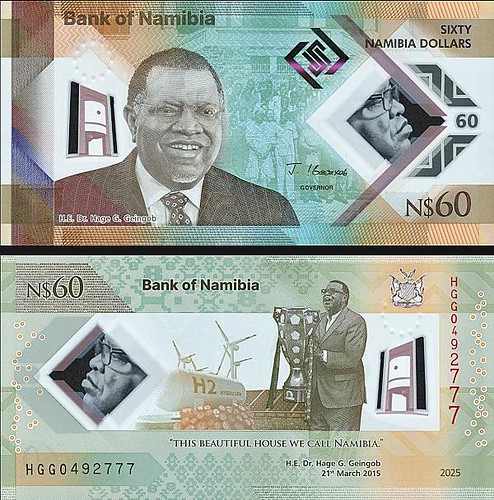
History of the Namibia Dollar
The Namibia Dollar has a unique history that reflects the country’s economic development and colonial past. Introduced as the official currency of Namibia, it replaced the South African Rand in 1993, symbolizing Namibia’s independence and distinctive financial identity. Over the years, the Namibia Dollar has played a crucial role in the nation’s banking system and economic growth, fostering stability and local confidence in the country’s monetary future.
Origins and Adoption
The Namibia Dollar (NAD) was introduced as the official currency of Namibia upon gaining independence from South Africa in 1990. Its origins are closely linked to the country’s historical economic ties with South Africa, where the Rand had been in circulation prior to independence. The Namibia Dollar was established to foster a distinct financial identity for the newly independent nation and to facilitate its economic development.
The currency was initially pegged to the South African Rand at par, reflecting close monetary cooperation between the two countries. The design of the Namibia Dollar features national symbols and imagery that represent Namibia’s cultural heritage and natural resources, emphasizing its sovereign identity. Adoption of the Namibia Dollar marked a significant step in Namibia’s journey towards full independence and economic self-sufficiency, providing a stable medium of exchange and store of value for Namibia’s citizens and businesses.
Transition from South African Rand
The Namibia dollar (NAD) was introduced as the official currency of Namibia following its independence from South Africa, replacing the South African rand (ZAR) in 1993. This transition marked a significant step toward establishing a distinct national identity and monetary sovereignty for Namibia. Prior to the introduction of the Namibia dollar, the country used the South African rand due to historical and economic ties, as Namibia was administered as South West Africa under South African rule until independence was attained.
The move to establish the Namibia dollar was part of broader efforts to develop an independent financial system, including the creation of a central bank, the Bank of Namibia, which started issuing its own currency. The Namibia dollar was initially pegged to the South African rand at parity, ensuring stability and facilitating a smooth transition for consumers and businesses accustomed to using the rand. Over time, Namibia has maintained this peg, integrating its monetary policies closely with those of South Africa, although the Namibia dollar remains a symbol of national sovereignty.
- Introduction of the Namibia dollar in 1993 to replace the South African rand.
- Establishment of the Bank of Namibia as the issuing authority for the new currency.
- Initial pegging of the Namibia dollar to the South African rand at par.
- Gradual reinforcement of Namibia’s monetary independence while maintaining economic stability.
- Continued use of both currencies, with the Namibia dollar serving as the legal tender for domestic transactions.
Legal Tender Status
The Namibia Dollar (NAD) is the official currency of Namibia, introduced to replace the South West African pound at the time of independence from South Africa. Its history is rooted in the country’s quest for economic sovereignty and stability. The Namibia Dollar was first issued in 1993 by the Bank of Namibia, replacing the South African rand as the country’s official legal tender. The introduction of the Namibia Dollar was a significant step in establishing a distinct monetary identity for Namibia and fostering economic independence.
The Namibia Dollar is pegged at par to the South African rand, which remains widely accepted in Namibia. This linkage emphasizes close economic ties between the two nations and facilitates trade and financial transactions. Since its inception, the Namibia Dollar has played a vital role in the country’s economic development, supporting various sectors of the economy with its stability and reliability.
As legal tender, the Namibia Dollar is recognized by law as an acceptable form of payment for goods and services in Namibia. It is issued and regulated by the Bank of Namibia, which is responsible for maintaining monetary stability and issuing currency notes and coins.
- In 1993, the Namibia Dollar was officially introduced as the country’s sole legal tender, replacing the South African rand in Namibia’s banking system.
- Though the Namibia Dollar is legally recognized as the official currency, the South African rand is also widely accepted within Namibia due to the currency peg and economic ties.
- The Bank of Namibia has the sole authority to issue and manage the currency, ensuring monetary stability and integrity of the Namibia Dollar.
- The currency notes and coins feature imagery that reflects Namibia’s national heritage, culture, and natural environment.
- Legal tender status of the Namibia Dollar ensures it is accepted for all debts, public and private, within Namibia, supporting commerce and economic stability.
Denominations and Currency Notes
Denominations and currency notes are essential components of a country’s monetary system, serving as the physical representation of its currency. They facilitate everyday transactions and reflect the economic stability and trust in the nation’s financial institutions. In the context of the Namibia dollar, these notes come in various denominations, each designed to meet the diverse needs of consumers and businesses, showcasing the country’s monetary heritage and contemporary design features.
Coins in Circulation
The Namibia dollar is the official currency of Namibia, introduced in 1993, replacing the South African rand at a 1:1 parity. It is subdivided into 100 cents and is used throughout the country for all forms of financial transactions. The denominations of banknotes include various denominations such as 5, 10, 20, 50, 100, and 200 Namibia dollars, each featuring national symbols and notable figures. Coins in circulation typically include 1, 2, 5, 10, 20, and 50 cents, as well as higher denominations like 1 and 2 Namibia dollars, which are often made of different metals for durability and ease of identification. The design of both notes and coins reflects Namibia’s rich cultural heritage, wildlife, and national identity, serving as symbols of economic stability and national pride. The circulation of these notes and coins facilitates everyday transactions, savings, and commerce across Namibia, emphasizing the importance of a secure and efficient monetary system.
Banknotes Overview
The Namibia dollar is the official currency of Namibia, symbolized as NAD and subdivided into 100 cents. Banknotes and denominations play a vital role in everyday transactions, providing a tangible and convenient medium of exchange. Namibia’s banknotes feature various denominations, typically including 10, 20, 50, 100, and 200 dollars, each portraying important national symbols, historical figures, and iconic imagery that reflect the country’s heritage and culture. These banknotes are issued by the Bank of Namibia and incorporate advanced security features to prevent counterfeiting. Understanding the different denominations of the Namibia dollar helps facilitate smooth financial transactions and provides insight into the country’s economic structure. The currency’s design and security measures are continually updated to maintain integrity and trust among users.
Design and Security Features
The Namibia Dollar (NAD) is the official currency of Namibia, featuring a variety of denominations and currency notes that are designed with both aesthetic appeal and security in mind. The notes are crafted to reflect Namibia’s rich cultural heritage and natural landscapes, combining artistic elements with advanced security features to prevent counterfeiting.
Design and security features of Namibia Dollar notes include:
- Vivid imagery showcasing Namibia’s iconic landmarks, wildlife, and cultural symbols.
- Use of vibrant colors and intricate patterns to enhance visual appeal.
- Incorporation of watermark images that are visible when held against light.
- Security threads embedded within the notes that appear as varying lines or patterns under light.
- Holographic patches and foil elements that change color when tilted.
- Microprinting of tiny text and fine lines that are difficult to reproduce.
- See-through registers and transparent windows integrated into polymer notes.
- Color-shifting inks used on some denominations to enhance security.
- Serial numbers printed with unique patterns for each note.

Exchange Rates and Global Valuation
The Namibia dollar is a key component in understanding the nation’s economic landscape, especially in the context of exchange rates and global valuation. Exchange rates determine the worth of the Namibia dollar relative to other currencies, influencing international trade, investment, and economic stability. Analyzing these rates provides insight into Namibia’s position in the global economy and its financial relationships with other countries.
Official Exchange Rate Policies
The Namibia dollar (NAD) plays a vital role in the country’s economic stability and international trade. Exchange rates determine the value of the Namibia dollar relative to other currencies, influencing imports, exports, and overall economic health. Fluctuations in exchange rates can impact the nation’s competitiveness and inflation levels, making proper management essential for sustainable growth.
Global valuation of currencies such as the Namibia dollar is often assessed through indicators like the real effective exchange rate, which considers inflation and price levels in trading partner countries. These measures help analysts understand how the currency is performing internationally and provide insights into the country’s economic position on the global stage.
Official exchange rate policies in Namibia are designed to maintain monetary stability and support economic objectives. The country primarily operates a managed float system, where the Bank of Namibia intervenes in the foreign exchange market to prevent excessive volatility. This approach helps ensure that the exchange rate remains aligned with economic fundamentals and supports a stable macroeconomic environment.
Impact of Regional Economic Factors
The Namibia dollar (NAD) is significantly influenced by exchange rates and global valuation trends, reflecting its interconnectedness with international financial markets. Fluctuations in major currencies such as the US dollar, euro, and South African rand directly impact the Namibia dollar’s value, affecting trade balances, investment flows, and overall economic stability. As a relatively small and open economy, Namibia’s currency remains susceptible to global economic shifts, including commodity prices, international interest rates, and geopolitical developments.
Regional economic factors also play a crucial role in shaping the Namibia dollar’s valuation. Economic performance within the Southern African region, particularly in neighboring South Africa, which uses the rand, creates spillover effects on Namibia’s currency. Regional trade policies, infrastructure initiatives, and economic growth rates influence investor confidence and currency stability. Additionally, regional monetary policy decisions and economic reforms can either bolster or weaken the Namibia dollar, highlighting the importance of regional economic health in determining its value.
Overall, the Namibia dollar’s exchange rate and global valuation are dynamic, affected by a blend of international market conditions and regional economic factors. Maintaining economic resilience and fostering regional cooperation are essential for stabilizing and strengthening the currency amidst volatile global and regional environments.
Comparison with Other Major Currencies
The Namibia dollar (NAD) plays a crucial role in the country’s economy and is a key component of its international financial interactions. Its exchange rate fluctuates based on various factors, including economic stability, trade balances, and monetary policy decisions. When compared to other major currencies such as the US dollar (USD), euro (EUR), and the South African rand (ZAR), the Namibia dollar tends to exhibit a relatively stable valuation, partly due to its peg to the South African rand. This pegged relationship ensures that the NAD and ZAR move in tandem, providing stability within the region. However, the Namibia dollar’s value against the USD and EUR is influenced more directly by global market trends, commodity prices, and international investor sentiment. Overall, the Namibia dollar’s exchange rate and valuation reflect both local economic fundamentals and its integration with regional and global financial markets, making it an important indicator of Namibia’s economic health and trade relationships.
Economic Role and Usage
The Namibia dollar plays a significant role in the country’s economy, serving as the official currency and facilitating everyday transactions. Its usage extends across various sectors, including retail, banking, and international trade, contributing to financial stability and economic growth. Understanding its economic role provides insight into Namibia’s monetary system and its integration within the broader Southern African region.
Domestic Economy and Transactions
The Namibia dollar serves as the official currency of Namibia and plays a vital role in the country’s economic activities. It facilitates daily transactions, both in the domestic economy and in international trade, by providing a stable medium of exchange. The currency is primarily used for purchasing goods and services, saving, and conducting financial transactions within Namibia.
Within the domestic economy, the Namibia dollar underpins consumer spending, business operations, and government expenditures. It supports various sectors such as retail, tourism, and agriculture by enabling monetary exchanges that drive economic growth. The currency also influences inflation rates and monetary policy decisions made by the Bank of Namibia.
In terms of transactions, the Namibia dollar is widely accepted across all commercial banks, ATMs, and point-of-sale systems. It is also used in remittances and cross-border transactions with neighboring countries, often linked to the South African rand to ensure liquidity and stability. This dual usage enhances economic integration and simplifies trade and financial exchanges within the region.
Tourism and Foreign Trade
The Namibia dollar plays a significant role in the country’s economy, serving as the primary currency used for everyday transactions and financial activities. It facilitates domestic trade, helps maintain economic stability, and supports monetary policy implementation by the Bank of Namibia. The currency is also vital for international trade and financial interactions with neighboring countries and global markets.
Tourism is a crucial sector for Namibia, and the Namibia dollar simplifies transactions for tourists visiting its renowned national parks, deserts, and cultural sites. The stable currency encourages tourist spending and contributes to the overall economic growth driven by the tourism industry.
Foreign trade in Namibia heavily depends on the Namibia dollar, which is commonly used for importing goods such as machinery, fuel, and consumer products. The currency also plays a role in export transactions, especially for commodities like minerals and agricultural products. Its stability and acceptance in international markets help facilitate smoother trade relations and attract foreign investment to the country.
Influence on Local Businesses
The Namibia dollar plays a significant role in the country’s economy by serving as the official currency, facilitating domestic and international transactions. Its stability encourages local businesses to engage confidently in trade and investment, fostering economic growth. The currency’s widespread usage supports retail, manufacturing, and service sectors, ensuring smooth everyday commerce. Additionally, the Namibia dollar influences local businesses by providing a reliable medium of exchange and store of value, which helps in financial planning and expansion. Its integration into regional trade networks enhances competitiveness and attracts foreign investment, ultimately contributing to Namibia’s overall economic development.

Government and Central Bank Policies
The policies implemented by governments and central banks play a crucial role in shaping a country’s economic stability and growth. In the context of Namibia, understanding how the government and the Central Bank of Namibia manage monetary and fiscal strategies provides insight into the stability of the Namibia dollar. These policies influence inflation rates, exchange rates, and overall economic confidence, ultimately affecting both domestic and international economic interactions.
Bank of Namibia’s Role
The Namibia dollar (NAD) is the official currency of Namibia and plays a vital role in the country’s economic stability and development. The Government of Namibia, in collaboration with the Bank of Namibia, formulates monetary policies to ensure inflation control, price stability, and sustainable economic growth. The Central Bank is responsible for issuing currency, regulating financial institutions, and managing the country’s foreign reserves to maintain confidence in the Namibia dollar. Through reserve management and interest rate adjustments, the Bank of Namibia seeks to support economic stability and facilitate effective monetary policy implementation. Additionally, the bank works to promote a safe and sound banking system that underpins the Namibia dollar’s value domestically and internationally.
Inflation Control Measures
The Namibia dollar, as the official currency of Namibia, is significantly influenced by government and central bank policies aimed at maintaining economic stability. These policies often include inflation control measures to preserve the currency’s value and ensure sustainable growth. The Central Bank of Namibia employs various tools such as interest rate adjustments, reserve requirements, and open market operations to regulate money supply and curb inflationary pressures. Additionally, fiscal policies implemented by the government, including expenditures and taxation, play a role in shaping inflation trends and supporting the Namibia dollar’s stability. Together, these measures aim to create a balanced economic environment, fostering investor confidence and ensuring the long-term strength of the currency.
Currency Stability Efforts
The Namibia dollar, as the official currency of Namibia, is a vital component of the country’s economic stability and growth. The government, along with the Bank of Namibia, actively implements monetary policies aimed at maintaining currency stability to foster investor confidence and control inflation. These policies include managing interest rates, regulating money supply, and intervening in foreign exchange markets when necessary. The central bank also works to ensure the Namibia dollar remains within a stable exchange rate band, often collaborating with international financial institutions to safeguard its value. Such efforts are crucial in promoting sustainable economic development, attracting foreign investment, and ensuring that Namibia’s currency remains resilient amidst global financial fluctuations.
Future Outlook for the Namibia Dollar
The future outlook for the Namibia Dollar is influenced by various economic factors, including government policies, inflation rates, and regional economic trends. As Namibia continues to develop its mining and tourism sectors, the currency’s stability and value are expected to adapt accordingly. Monitoring global market conditions and internal fiscal strategies will be key to understanding the currency’s trajectory in the coming years.
Potential for Currency Reform
The future outlook for the Namibia Dollar depends on various economic, political, and regional factors that influence its stability and strength. Given Namibia’s reliance on mineral exports and ongoing efforts to diversify its economy, the currency’s performance may experience fluctuations based on global commodity prices and economic policies. Potential for currency reform exists if the government seeks to implement monetary policy adjustments or establish more independent currency management strategies to enhance stability and foster investor confidence. Such reforms could include measures to strengthen the currency, improve inflation control, and enhance financial sector resilience. Overall, the Namibia Dollar’s trajectory will likely be shaped by both internal reforms and external economic conditions, with targeted policy interventions playing a crucial role in ensuring its sustainability and growth.”
Impact of Regional Economic Integration
The future outlook for the Namibia Dollar will likely be influenced significantly by the country’s progress in regional economic integration. As Namibia strengthens its economic ties with neighboring countries and regional blocks such as the Southern African Development Community (SADC), there could be increased stability and potential for currency cooperation. Enhanced economic collaboration can lead to greater trade flows, investment opportunities, and shared financial policies, which may positively impact the Namibia Dollar’s stability and value. However, regional integration also poses risks, such as economic shocks spreading more rapidly across borders or dependent on the stability of larger economies within the region. Overall, successful regional integration efforts are expected to support the Namibia Dollar’s resilience and promote economic growth, but careful management will be essential to mitigate potential vulnerabilities.
Forecasts and Challenges
The future outlook for the Namibia Dollar remains cautiously optimistic amidst evolving economic conditions and regional influences. While the currency is supported by Namibia’s stable economic fundamentals, fluctuating commodity prices and regional geopolitical tensions pose potential challenges. Forecasts suggest moderate stability in the near term, driven by steady mineral exports and ongoing economic reforms. However, reliance on commodity markets, especially uranium and diamond exports, makes the Namibia Dollar vulnerable to global price swings. Additionally, inflationary pressures and fiscal policies will play crucial roles in shaping the currency’s trajectory. Overall, while cautious optimism prevails, stakeholders must navigate external uncertainties and internal reforms to ensure sustainable growth and currency stability for the Namibia Dollar in the coming years.




0 Comments