
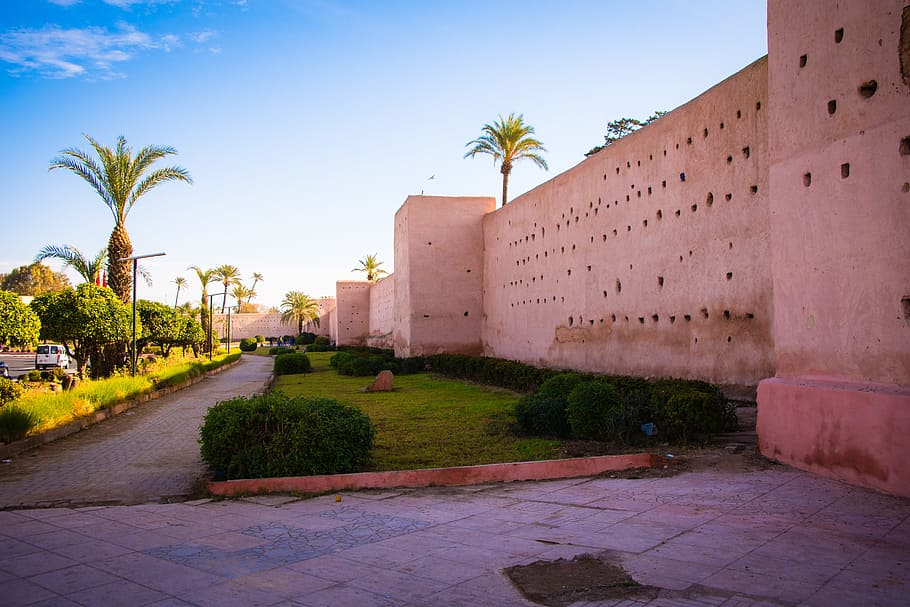
Overview of Rabat
Rabat, the capital city of Morocco, is a vibrant and historic metropolis that seamlessly blends tradition with modernity. Situated along the Atlantic Ocean, it serves as the political and administrative center of the country, showcasing a rich cultural heritage alongside contemporary developments. With its impressive architecture, bustling markets, and significant government institutions, Rabat offers a unique glimpse into Morocco’s history and its ongoing evolution.
Historical Background of Rabat
Rabat is the capital city of Morocco, situated along the Atlantic Ocean at the mouth of the Bou Regreg River. It serves as the political and administrative center of the country, hosting numerous government institutions, foreign embassies, and cultural sites. The city combines modern urban development with a rich historical heritage, making it a prominent destination for visitors and a significant hub for Moroccan politics and culture.
Historically, Rabat’s origins date back to the 12th century when it was originally established by the Almohads as a defensive fortress called “Ribat”. Over the centuries, it transformed from a military site into a key port and trading center during the Marinid and Alaouite dynasties. Throughout its history, Rabat has maintained its strategic importance, evolving through various eras to become the contemporary capital known for its well-preserved historical sites, such as the Kasbah of the Udayas and the Chellah ruins, alongside modern administrative and diplomatic institutions.
Geographical Location
Rabat is the capital city of Morocco, situated along the Atlantic Ocean at the mouth of the Bou Regreg River. It is located in the northwestern part of the country, serving as an administrative and political center. The city’s geographical position offers a strategic advantage, blending coastal scenery with proximity to interior regions, making it an important hub for government, commerce, and culture in Morocco.
Population and Demographics
Rabat is the capital city of Morocco, serving as the political and administrative center of the country. It is known for its rich history, modern architecture, and vibrant cultural scene. Located along the Atlantic Ocean, Rabat combines historical sites with contemporary urban development, making it a prominent location for government institutions and educational establishments.
The city has a diverse population that reflects Morocco’s broader demographic composition. As of recent estimates, Rabat’s population is approximately 1.2 million residents, making it one of the country’s major urban centers. The population includes a mix of ethnic groups, predominantly Arabs and Berbers, along with smaller communities of Europeans and sub-Saharan Africans. The demographic profile is characterized by a young median age and growing urbanization, contributing to Rabat’s dynamic social fabric.
Governance and Administrative Structure
Governance and administrative structure play a vital role in the effective management and development of a nation’s capital. In Morocco, the capital city, Rabat, is managed through a well-organized framework that ensures the smooth functioning of government operations and public services. This structure encompasses various administrative levels and institutions dedicated to maintaining order, implementing policies, and promoting economic growth within the city.
Role as the Capital City
Rabat serves as the political, administrative, and economic center of Morocco, playing a vital role in the country’s governance and national identity. As the capital city, Rabat is home to key government institutions, including the Royal Palace, ministries, and parliament, which oversee the nation’s policymaking and administration. The city’s governance structure is designed to facilitate effective management of urban affairs, public services, and infrastructural development, ensuring a stable environment for both residents and governmental operations.
Rabat’s administrative framework involves a combination of local government entities and national agencies that work together to implement policies and serve the community. The city is divided into various districts, each managed by local councils that coordinate with municipal authorities to address local needs. This structure promotes efficient delivery of services, urban planning, and sustainable development initiatives.
As the capital, Rabat also symbolizes Morocco’s sovereignty and cultural heritage, hosting important international embassies and diplomatic missions. Its role extends beyond administration to fostering diplomatic relations and representing the nation on the global stage. Overall, Rabat’s governance and administrative systems reflect Morocco’s commitment to stability, development, and the preservation of its rich cultural legacy.
Local Government and Administration
Morocco’s governance and administrative structure are established to ensure effective management and local representation within the country. The capital city, Rabat, serves as the political and administrative hub, housing key government institutions and ministries. The governance system operates on a centralized framework with decentralization efforts to empower local authorities and enhance service delivery. Local government institutions, such as municipal councils and regional councils, play a crucial role in decision-making at the community level and are responsible for urban planning, public services, and development projects. These local bodies are elected through democratic processes, ensuring community participation and accountability. The administrative hierarchy in Morocco emphasizes coordination between national ministries and local administrations to promote regional development, maintain law and order, and implement national policies effectively, with Rabat at the core of these administrative activities. Overall, Morocco’s governance structure aims to balance central authority with local autonomy to foster sustainable development and governance transparency across the nation.
Key Landmarks and Attractions
Rabat, the capital city of Morocco, is rich in history, culture, and stunning architecture. Exploring its key landmarks and attractions offers a glimpse into the nation’s heritage and vibrant modern life. From ancient medinas to impressive government buildings, Rabat is a captivating destination for travelers eager to discover Morocco’s unique charm.
Royal Palace of Rabat
The Royal Palace of Rabat is one of the most significant landmarks in Morocco’s capital city, Rabat. This grand residence serves as the official workplace of the King of Morocco and is an impressive example of Islamic architecture combined with modern design. While visitors are not permitted inside the palace itself, the stunning exterior, including its large gates, courtyards, and beautifully maintained gardens, offers a glimpse into Morocco’s regal history and culture.
Mosque Hassan Tower
Rabat, the capital of Morocco, is home to several key landmarks and attractions that showcase its rich history and vibrant culture. Among these, the Hassan Tower stands out as a symbol of the city’s architectural heritage.
- The Hassan Tower is an unfinished minaret that was intended to be the tallest in the world when construction began in the 12th century. It remains a striking example of Almohad architecture, featuring intricate stonework and red sandstone construction.
- Adjacent to the tower is the Mausoleum of Mohammed V, which houses the tombs of the Moroccan king and his two sons. The mausoleum is renowned for its stunning marble craftsmanship and lush gardens.
- The Kasbah of the Udayas is another popular attraction, offering narrow winding streets, traditional houses, and panoramic views of the Atlantic Ocean.
- The Royal Palace of Rabat is an impressive complex serving as the residence of the Moroccan royal family, with beautiful gardens and stunning gates.
- The National Museum of Moroccan Arts displays a diverse collection of traditional crafts, textiles, and historical artifacts that reflect Morocco’s cultural diversity.
Kasbah of the Udayas
The Kasbah of the Udayas is one of the most iconic landmarks in Rabat, the capital of Morocco. Nestled along the Atlantic coast, this historic fortress offers visitors a glimpse into Morocco’s rich architectural heritage and history. Its maze of narrow streets, ancient walls, and blue-painted houses create a charming atmosphere that attracts tourists from around the world. Adjacent to the Kasbah is the Oudayas Museum, which showcases traditional Moroccan arts and crafts.
Additionally, the Kasbah provides stunning panoramic views of the ocean and the city below, making it a popular spot for photography and sightseeing. Its serene gardens and historic landmarks make it a must-visit attraction for anyone exploring Rabat, offering both cultural insight and scenic beauty. The Kasbah of the Udayas stands as a symbol of Morocco’s historical grandeur and its ongoing cultural vibrancy.
National Archaeology Museum
The national archaeology museum in Morocco’s capital is a significant cultural landmark offering a comprehensive glimpse into the country’s ancient history. It houses an extensive collection of artifacts, including prehistoric tools, Roman sculptures, and Islamic art, showcasing Morocco’s rich archaeological heritage. Visitors can explore the exhibits to understand the diverse influences that have shaped Morocco over millennia.
Cultural Significance
Language plays a vital role in shaping the cultural identity of a nation, serving as a reflection of its history, traditions, and values. In the context of Morocco, the capital city, Rabat, embodies a rich blend of cultural influences that are expressed and preserved through its language and communication. Understanding the linguistic landscape of Rabat provides insight into the diverse heritage and societal fabric of Morocco, making it a significant element of its cultural significance.
Festivals and Events
Rabat, the capital of Morocco, holds a profound cultural significance as the political and historical heart of the country. It is a city where traditional Moroccan heritage beautifully intertwines with modern development, offering a unique blend of old and new. Throughout the year, Rabat hosts numerous festivals and events that celebrate its rich history, art, and cultural diversity.
- Mawazine Festival: One of the world’s largest music festivals, featuring international artists and showcasing Morocco’s vibrant music scene.
- Rabat International Festival of Murals: Celebrating contemporary art with murals created by artists from around the globe, transforming the cityscape into an open-air gallery.
- Holidays and Religious Events: Celebrations such as Eid al-Fitr and Eid al-Adha are marked with special prayers, feasts, and cultural activities across the city.
- Ancient Festivals: Events like the Moussem of Sidi Moussa celebrate local saints and bring communities together with music, dance, and traditional ceremonies.
- Historical Commemorations: Rabat hosts annual events commemorating Morocco’s independence and its royal history, attracting numerous visitors and residents alike.
Traditional Crafts and Markets
Marrakech, the capital of Moroccan culture, holds a profound cultural significance rooted in its rich history and vibrant traditions. As a city that has been a crossroads of civilizations, it embodies a unique blend of Arab, Berber, and European influences that are reflected in its architecture, customs, and daily life. The city is renowned for its traditional crafts, such as intricate tilework, leather goods, and textiles, which are handcrafted by skilled artisans passing down their techniques through generations.
Markets, or souks, are the heart of Marrakech’s cultural fabric, bustling with activity and offering an immersive experience into local life. These traditional marketplaces are filled with an array of colorful wares, from spices and perfumes to jewelry and pottery, providing economic sustenance for many artisans. Visiting these markets offers insight into the cultural heritage and craftsmanship that define Marrakech, making it a vital part of the city’s identity and appeal to travelers seeking authentic Moroccan experiences.
Educational and Cultural Institutions
Rabat, the capital of Morocco, holds significant cultural importance as a center of history, tradition, and modern development. It embodies the rich heritage of Moroccan civilization through its historic sites, museums, and vibrant neighborhoods that celebrate its diverse cultural influences. The city is renowned for its well-preserved architecture, including the Royal Palace and ancient medinas, which serve as symbols of national identity and historical continuity.
Educational and cultural institutions in Rabat play a vital role in fostering learning, preserving heritage, and promoting cultural exchange. Notable institutions include the Mohammed V University, which offers diverse academic programs and promotes research, and the National Library of Morocco, which houses invaluable manuscripts and archives. The Museum of Moroccan Judaism and the Museum of Contemporary Art demonstrate the city’s commitment to preserving its multifaceted history and showcasing artistic achievements.
These institutions not only serve as educational resources but also as cultural hubs that host exhibitions, festivals, and public events, contributing to the city’s vibrant intellectual and cultural life. Through these efforts, Rabat continues to be a beacon of Morocco’s traditions and a dynamic center for cultural dialogue and educational advancement.
Economy and Infrastructure
Morocco’s capital, Rabat, is a vital hub for the nation’s economy and infrastructure. The city plays a significant role in driving economic growth through a diverse mix of industries, including tourism, manufacturing, and services. Its modern infrastructure, including well-developed transportation networks and public services, supports both daily life and business activities, making Rabat a key economic center in Morocco.
Economic Activities
Morocco’s capital, Rabat, plays a significant role in the country’s economy and infrastructure development. The city serves as a political and administrative hub, attracting investments and fostering economic growth through various sectors. Key economic activities include government services, tourism, and trade, which contribute substantially to Rabat’s economy.
In terms of infrastructure, Rabat boasts well-developed transportation networks, including roads, railways, and an international airport, facilitating the movement of people and goods. Modern urban planning has improved utilities, telecommunications, and public services, supporting economic activities and enhancing the quality of life for residents. The city’s strategic location along the Atlantic coast also benefits maritime trade and logistics industries.
The economic activities in Rabat are diversified, with a focus on finance, education, and government institutions. The presence of international organizations and diplomatic missions further stimulates the local economy. Overall, Rabat’s robust infrastructure and diverse economic sectors make it a vital center for Morocco’s national development.
Transport and Connectivity
Morocco’s capital, Rabat, plays a vital role in the country’s economy and infrastructure development. It serves as a key administrative and political hub, attracting investment and fostering economic growth through various governmental institutions and foreign embassies. The city’s infrastructure has seen significant improvements, including modern roads, public transportation systems, and expanded telecommunication networks that enhance connectivity within the city and beyond.
Transport and connectivity in Rabat are well-developed, with an efficient network of buses, taxis, and rail services that facilitate movement for residents and visitors alike. The Rabat-Chellah and Rabat-Ville train stations connect the city to other major Moroccan cities such as Casablanca, Marrakech, and Fes, boosting trade and tourism. Additionally, Rabat’s proximity to Casablanca, Morocco’s economic powerhouse, creates ample opportunities for trade and economic collaboration.
Future infrastructure projects aim to further modernize transportation facilities, including the development of a high-speed rail link and improved road networks, which will enhance regional connectivity. These advancements are intended to support Morocco’s broader economic ambitions, making Rabat a key player in the nation’s economic landscape and improving the quality of life for its residents through better connectivity and infrastructure services.
Urban Development Projects
The capital of Morocco, Rabat, has experienced significant improvements in its economy and infrastructure through various urban development projects aimed at enhancing its status as a political and economic hub. These projects focus on modernizing public spaces, boosting tourism, and attracting international investment.
- Expansion of transportation networks, including the development of new roads, bridges, and a modern tram system to improve mobility within the city.
- Construction of new commercial and business districts to promote economic activity and create job opportunities for residents.
- Renovation of historical sites and cultural centers to increase tourism and preserve Morocco’s rich heritage.
- Implementation of sustainable urban planning initiatives to promote eco-friendly development and green spaces throughout the city.
- Upgrading of utilities infrastructure, such as water supply, sewage systems, and electricity, to support the growing population and industrial needs.
Climate and Environment
Morocco, a country rich in cultural heritage and diverse landscapes, is significantly affected by climate and environmental changes. Its capital city, Rabat, reflects the nation’s efforts to balance urban development with environmental sustainability. Understanding the climate and environmental issues in Morocco provides insight into the challenges and opportunities faced by its capital and broader region.
Climate Characteristics
Morocco’s capital, Rabat, experiences a Mediterranean climate characterized by mild, wet winters and hot, dry summers. The city’s climate is influenced by its proximity to the Atlantic Ocean, which helps moderate temperature extremes and maintains relatively high humidity levels throughout the year. Rainfall is most abundant during the winter months, supporting lush greenery and agricultural activities in surrounding areas. Summers tend to be warm to hot, with temperatures often reaching into the high twenties and low thirties Celsius. The climate of Rabat contributes to its rich biodiversity and makes it a pleasant environment for both residents and visitors while emphasizing the importance of sustainable environmental practices amid changing global climate patterns.
Environmental Challenges and Initiatives
Morocco’s capital, Rabat, is a city that faces significant environmental challenges linked to urbanization, pollution, and climate change. As the political and administrative center, Rabat has increasingly emphasized sustainable development initiatives to address these issues. Efforts include the promotion of renewable energy sources, such as solar and wind power, to reduce dependency on fossil fuels and lower greenhouse gas emissions. Additionally, the city has implemented waste management and recycling programs to combat pollution and protect its coastal and urban environments. Morocco as a whole has launched national strategies aimed at environmental preservation, including the Green Morocco Plan and investments in climate resilience. These initiatives reflect a broader commitment to balancing urban growth with environmental sustainability, ensuring Rabat remains a healthy and sustainable city for future generations.



0 Comments